

Day: February 25, 2025

Ministry of Mines classifies Barytes, Felspar, Mica and Quartz as Major Minerals

Ministry of Mines placed Barytes Felspar Mica and Quartz under major minerals category which moves these substances away from minor minerals list. The National Critical Mineral Mission drives this change because it seeks to improve the exploration activities and extraction processes and scientific mining of these essential minerals for energy sector alongside electronics and healthcare as well as space technology industries.

Reasons for Reclassification

  • The Government of India approved the National Critical Mineral Mission on January 29, 2025.

  • The important elements Lithium Beryl Niobium Tantalum exist in these minerals but their reporting was omitted during minor mineral extraction.

  • The process of reclassification enables the proper extraction and use of important minerals found within the deposits.

Industrial Importance

  • Quartz, Felspar, and Mica: Found in pegmatite rocks, key sources of minerals essential for energy transition, space technology, and healthcare.

  • Baryte serves various industries including drilling operations alongside electronics production, radiation defense units, TV monitor fabrication and rubber manufacturing together with glass and ceramic industries and medical equipment applications.

Impact of Reclassification

  • The process promotes mines that conduct scientific operations and discovers new mineral locations.

  • The procedure aims to extract critical minerals properly and generates accurate reporting records.

  • All current leases under the MMDR Act, 1957 now include a 50-year duration extension.

  • The distribution pattern of state authority finances stays the same.

  • All mines that operate in Indian territory must register at Indian Bureau of Mines and follow major mineral regulations established by this institution.

  • The new legislation contains a transition framework allowing organizations time to carry out implementation until June 30, 2025.

Conclusion

Barytes Felspar Mica and Quartz received major mineral designation by Indian authorities as a crucial advancement in the nation's critical mineral research. The decision will create new opportunities for scientific mining practices while improving industrial applications and resource usage which will propel India towards enhanced technology development and economic growth.

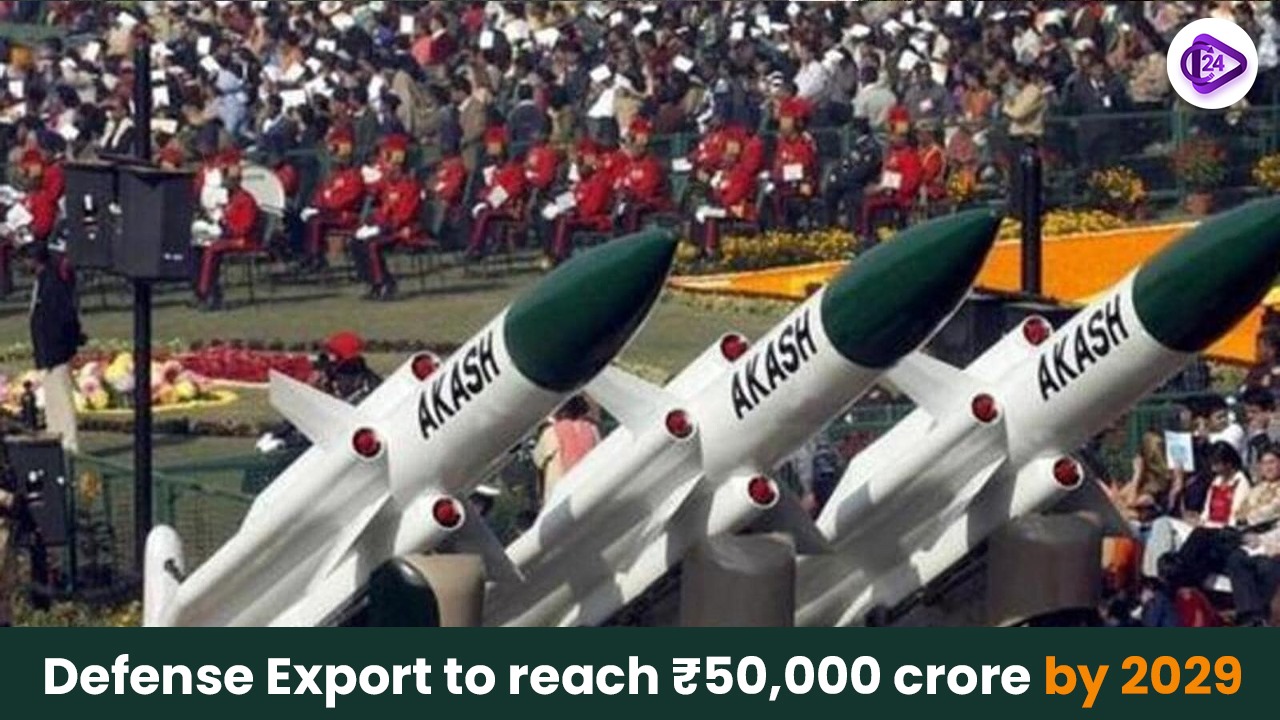
India Targets ₹50,000 Crore Defence Exports by 2029

The defence minister Rajnath Singh has declared that India intends to reach ₹50,000 crore in defence exports by 2029. During his address at IIT Mandi’s 16th Foundation Day celebration he described the essential place technological innovation has in developing both economic growth and India’s self-reliance abilities.

Defence Self-Sufficiency & Export Goals

  • 88% self-sufficiency in ammunition production achieved.

  • Defence exports reached ₹23,000 crore in 2023-24.

  • By 2029 the defense export goal is set at ₹50,000 crore to develop the domestic defense production capabilities.

  • The defense sector of India delivers its military equipment to more than 90 international nations and currently produces defense products worth ₹1.27 lakh crore.

Role of Technological Innovation

  • The IIT student body receives direction toward finding technological approaches for military advancement.

  • The drive to deploy artificial intelligence alongside machine learning and digital technology focuses on developing global leadership strength for India.

  • The innovation and entrepreneurship principle “Initiate, Improve, and Transform (IIT)” serves as a suggested model.

India’s Expanding Digital Economy

  • The Indian technology industry has set predictions that it will exceed $300-350 billion value within the next five years.

  • 1.25 lakh startups and 110 unicorns have placed India as the third-largest startup ecosystem worldwide.

  • Second-largest telecom sector in the world.

  • UPI presents global standards to achieve top performance in digital payment systems.

  • The student population needs to become part of India’s digital ecosystem expansion efforts.

Conclusion

The defense sector and digital sector of India are experiencing worldwide growth because of the country’s dedication to self-reliance and innovation in both domains. India will attain its security targets and modern economic ambitions in future decades because of its commitment to developing entrepreneurial research structures.

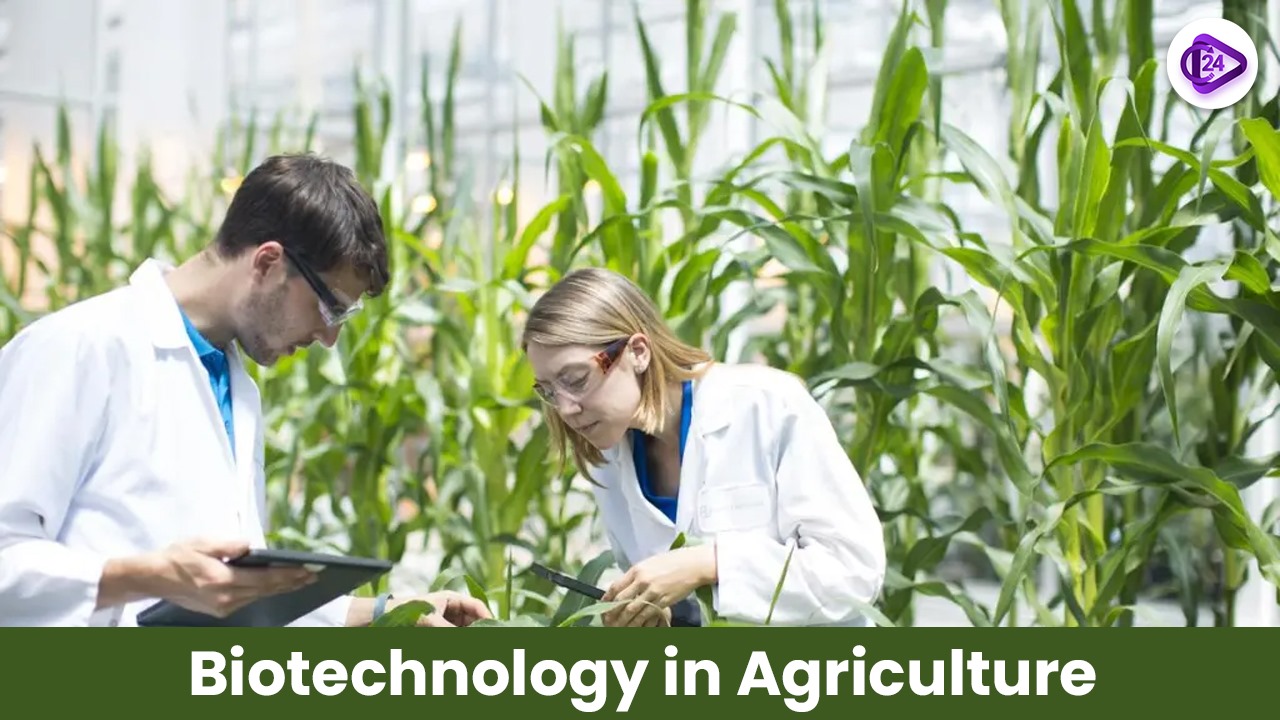
Biotechnology in Agriculture: Transforming Farming for the Future

The agricultural application of biotechnology harnesses scientific approaches such as genetic engineering and tissue culture and microbial applications together with molecular markers and genetic engineering to develop improved crops and strengthen pest resistance and increase soil fertility. The technology stands essential for guaranteeing food safety and enduring environmental stability and climate dynamic stability. Using scientific biotechnological methods scientists now boost agricultural and aquacultural along with animal scientific systems to produce higher yields with sustainable operations while building resilient farming methods. The advancements in genome editing as well as molecular breeding and biocontrol solutions allow India to lead the global market in these sectors.

Agricultural Biotechnology

  • Climate-Smart Crops: Development of drought-tolerant, high-yielding chickpea variety "SAATVIK (NC 9)".

  • Rice production has increased when scientists used specific genetic mutations to disable important genes that control crop productivity.

  • The DNA fingerprinting toolshed includes two genotyping arrays named IndRA for rice and IndCA for chickpea to check genetic purity.

  • Researchers use screening tests together with genetic instruments to safeguard against obesity while enhancing the selection process of amaranth plants.

  • Fungal Biocontrol: Nano-formulation from Myrothecium verrucaria for eco-friendly disease management.

  • Isan Kavach represents a protective suit which provides farmers with toxic pesticide protection.

Animal Biotechnology

The development of advanced veterinary practices combined with improved livestock management services benefits small and marginal farmers thus supporting their rural business.

Aquaculture and Marine Biotechnology

  • Scientists formulated Yeast-fermented soybean meal as shrimp food which lead to an 8.5% growth increase.

  • The fish fetal death prevention medication known as CIFA-Brood-Vac functions as both an immunizing agent and a protective shield against mortality.

  • Interactive Fish Feed Designer (IFFD v2): Software for cost-effective fish feed formulation.

Applications of Biotechnology in Agriculture

1. Genetically Modified (GM) Crops

Genetically modified crops possess modified DNA systems to increase production and protect themselves from pests and tolerating herbicides.

Examples in India:

Bt Cotton represents the first genetically modified agricultural crop which provides insect resistance to cotton planting systems in India.

GM Mustard (Dhara Mustard Hybrid-11 or DMH-11) – Developed for higher yield.

2. Biofertilizers and Biopesticides

Soil fertility receives an enhancement through nitrogen fixation achieved by deploying microorganisms including Rhizobium, Azotobacter and Mycorrhiza as biofertilizers.

The application of Bacillus thuringiensis (Bt) bacteria alongside neem-based pesticides serves as natural pest control methods called Biopesticides.

3. Tissue Culture

The method produces high-yielding plants without disease through the cultivation of plant cells.

This technique proves successful for cultivating banana, sugarcane as well as potatoes.

4. Marker-Assisted Breeding

Traditional breeding with DNA marker identification methods helps accelerate the development of crops which resist drought and crop diseases.

5. CRISPR Gene Editing

Advanced biotechnology provides precise genetic modification of crops through advanced techniques leading to improved yield production and enhanced resistance against stress factors.

Advantages of Biotechnology in Agriculture

  •  The introduction of GM organisms leads to higher yields as a result.

  •  Pest and Disease Resistance – Reduces dependency on chemical pesticides.

  •  Under extreme climate conditions GM crops demonstrate their ability to survive drought conditions.

  •  Golden Rice demonstrates the potential of biotechnology to enhance food quality through its development as a source of Vitamin A.

  •  Biotechnology assists environmental preservation by helping farmers decrease their dependence on pesticides and watering needs in addition to eliminating fertilizers.

Concerns & Challenges

  •  Biosafety Issues create anxieties about safety for both the environment and human beings.

  •  Genetic Contamination – Risk of cross-pollination with non-GM crops.

  •  Monopoly of Corporations – Companies like Monsanto controlling seed markets.

  •  Regulatory Hurdles – Slow approval process in India (e.g., GM Mustard controversy).

  •  Ethical Concerns – Debate over genetic modifications in food crops.

Government Initiatives & Regulations

  • Genetic Engineering Appraisal Committee (GEAC) – Approves GM crops in India.

  • National Biotechnology Development Strategy (2020-25) – Focuses on agricultural biotech research.

  • Biotech-KISAN Program – Supports farmers with biotechnology solutions.

  • ICAR-National Institute for Plant Biotechnology – Research on GM crops.

Way Forward

  • Balanced Approach – Combining traditional and modern biotech methods.

  • The program includes spreading biotech-related information to farmers through various educational methods.

  • The testing laboratories for products derived from recombinant DNA need to meet stringent regulation standards to achieve biosafety objectives as well as support research development.

  • Investment in R&D – Encouraging indigenous biotech innovations.

Conclusion

Modern biotechnology drives sustainable food production and improves disease resistance and boosts productivity efforts within all sectors of agriculture and aquaculture and animal sciences. The increase of research combined with commercialization activities will increase both food security and environmental sustainability throughout the upcoming future.

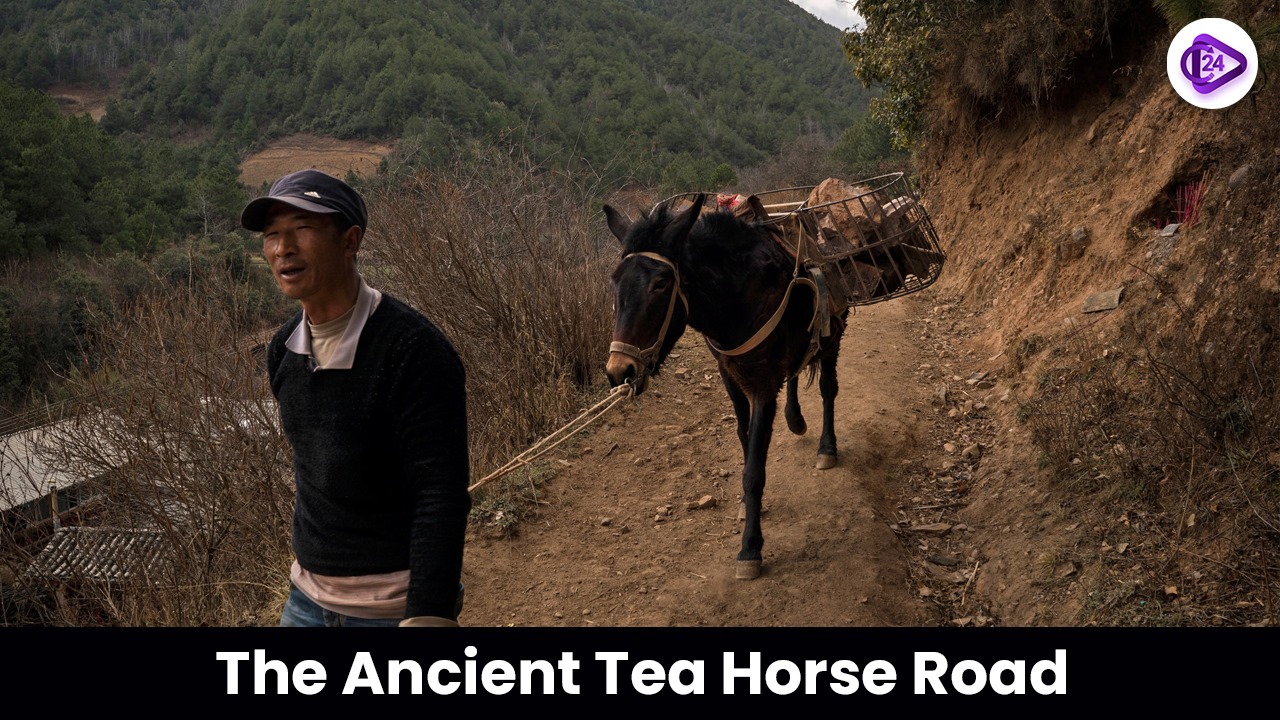
The Ancient Tea Horse Road: Bridging India-China Heritage

During the Tang Dynasty between 618-907 CE the Tea Horse Road started functioning as an extensive ancient trade network which bridged China to Tibet and India covering a distance of 2,000 km. The ancient trade passage operated successfully until modern transportation measures decreased its significance soon after 1949. The World War II period made the Tea Horse Road crucial for providing supplies. The remaining sites of Lijiang (a UNESCO location) showcase historical cultural value because they represent centuries of commercial dealings between China and Tibet and India.

Historical Significance

  • The Tea Horse Road initiated in the Tang Dynasty as a commercial network which connected Tibet to Southwest China and India along with fostering cultural exchanges.

  • The Tang Dynasty (618-907 CE) inaugurated the Tea Horse Road which thrived through the Song Dynasty period (960-1279 CE).

  • Chinese tea purchases from China resulted in acquiring vital military horses from Tibet.

Geographical and Trade Importance

  • The thoroughfare stretched for more than 2000 kilometers straight to Lijiang and Lhasa while spreading across parts of India and Nepal and Bangladesh.

  • The trail operators had to cross mountainous Himalayan routes which exceeded 10,000 feet of elevation.

  • The route expanded during early 20th century operation as Japan gained control of China’s coastal trade routes during World War II.

Decline and Revival

  • After the 1949 foundation of the People’s Republic of China together with modern transportation systems the Tea Horse Road declined in significance.

  • United Nations Educational Scientific and Cultural Organization recognized Lijiang as a World Heritage Site in 1997.

  • The Chinese government establishes this region as a cultural attraction and tourism destination because of its historical significance.

Modern Relevance

  • China’s ambassador to India Xu Feihong (Feb 25, 2025) brought up the Tea Horse Road to demonstrate historical relations between China and India.

  • Present-day preservation attempts of this historical route through research initiatives alongside tourism development maintain awareness about the prolonged economic and cultural relations between China and India.

Conclusion

Throughout its history the Tea Horse Road reflected the deep cultural and economic bond between Indo-China that lasted over multiple centuries. Books about the Tea Horse Road now showcase its diminished trade significance but still function as a historical and cultural connection that confirms India and China share a shared heritage and economic backgrounds.

Mising Community of Assam celebrates Ali Ai Ligang festival

The Assamese Mising community recently observed the Ali Ai Ligang festival marking the start of seed planting time. Throughout this agricultural festival the Sun god (Donyi Polo) and Moon god (Donyi Polo) receive rituals and theatrical performances take place while people gather as communities. The celebration started in rural regions then migrated to urban territories but protected its fundamental cultural aspects.

Jhumur Dance and Its Cultural Importance

  • Jhumur represents the traditional folk dance of the Assamese tea garden community that traces its roots from British-era laborers brought to Assam in the nineteenth century.

  • Jhumur Dance takes place at tea garden festivals specifically during Tushu and Karam Puja since the harvest period.

  • Women direct the dancing routines along with singing activities while male musicians operate the dhol, madal, dhak, cymbals and shehnai and traditional flute instruments.

  • The performers dance with red and white sarees as they perform synchronized footwork to musical couplets that contain words from Nagpuri, Khortha, and Kurmali united with elements of Assamese language.

Themes of Jhumur Songs

  • The music maintains a rhythmic quality but expresses experiences of tea plantation workers through songs that depict their compelled relocation and the British Empire's employment persecution and tough labor requirements.

  • Jhumur serves both as a cultural connection and social linkage used to protect the heritage properties of the people who work in tea plantations.

Historic Jhumur Performance in Guwahati

  • Event: Jhumoir Binandini 2025

  • Date: February 24, 2025

  • Venue: Sarusajai Stadium, Guwahati

  • A historical record of Jhumur dancing was established during this production as 8,600 dancers took part.

  • Occasion: 200th anniversary of Assam’s tea industry and part of the Advantage Assam 2.0 summit.

  • The dignitaries participating in the event consisted of PM Narendra Modi who was joined by 60 international diplomats and Chief Minister Himanta Biswa Sarma.

The Tea Garden Community in Assam

  • British rule issued indentured laborer positions to tribal clans from Jharkhand, Odisha, Chhattisgarh along with West Bengal after transporting them to Assam.

  • Through their essential work in producing Assam’s tea industry these workers experience social and economic rejection.

  • Members of OBC status in Assam seek Scheduled Tribe recognition from the government despite their present OBC designation similarly to ST groups in their original homelands.

Significance of Ali Ai Ligang

  • Sowing season initiates along with marking the first agricultural step of the annual farming period.

  • Crossing between Ali Ai and Ligang produces their meaning when combined. Seeds & roots form "Ali Ai" and "Ligang" means sowing.

  • The strong natural connection of Mising people with their environment along with their agricultural dependence finds expression through this meaningful symbol.

  • Through Ali Ai Ligang celebrations the Mising community builds mutual connections between community members while teaching cultural customs to new generations.

How is it Celebrated?

  • The celebration starts with flag hoisting for Laitom Tomchar then includes prayers to Donyi Polo at the Sun & Moon gods.

  • Celebratory ceremonies consist of Apong (rice beer), dried fish together with meat.

  • Gumrag dance shines as the main festival performance where Mising people play traditional music using items such as dhul, taal, gong and gagana.

  • During the festival period plowing as well as tree cutting activities remain prohibited to the community since they bring misfortune.

Evolution of the Festival

  • Villages used to organize the celebration but today it extends to modern urban locations including Jorhat.

  • The festival endured modernization without changing its traditional core practices and customs.

About the Mising Tribe

  • Statistically the Mising rank as the second largest indigenous ethnic group with 680,424 members residing in Assam according to the 2011 census.

  • The Mising people shifted from traditional shifting cultivation into practicing wet paddy farming.

  • Members of the Donyi Polo faith direct their worshiping rituals to the Sun (Donyi) and Moon (Polo) because it affects their agricultural practices.

Conclusion

Jhumur stands beyond dance because it represents the enduring spirit of Assam’s tea garden population's cultural expressions. The Guwahati performance displays their traditional heritage to international audiences as it highlights the national position of their cultural legacy along with their fight for recognition.

Frequently Asked Questions (FAQs)

The current affairs cover recent national and international events related to UPSC, SSC, Banking, Railways, and State PCS.

You need to read about the current affairs daily, and revise them every week and every month to keep them longer in your memory.

Yes, Class24 provides free downloadable Daily Current Affairs PDFs for easy revision.

Yes, you can practice MCQs and quizzes to boost your exam preparation.

Absolutely. The content is written in simple, easy-to-understand bilingual language suitable for beginners.

Go to class24.com and click on the current affairs section directly, where you find everything that you need.

ssc-toppers

Start Learning Today with Class24

Related current affairs

Class24 offers free video lectures for smart preparation, covering CGL, CPO, CHSL, MTS, and GD exams. Learn from expert faculty, revise concepts easily, practice with PYQs, and improve speed and accuracy through high-quality, exam-focused video lessons anytime, anywhere.

Get success in your hand. Start study anytime anywhere.

The journey becomes simple and enjoyable when you start taking interest in it. And through our app “Class24”, we will be your trusted partners in developing that interest.

Daily Quizzes
Mock Tests
Ongoing

No ongoing tests right now.