Day: February 13, 2025

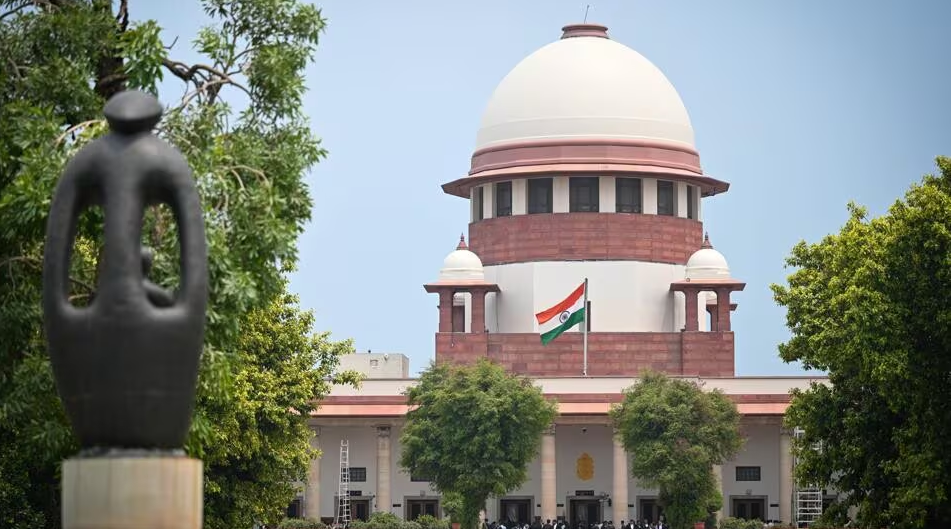
Supreme Court’s Stand on Election Ban for Convicted Politicians

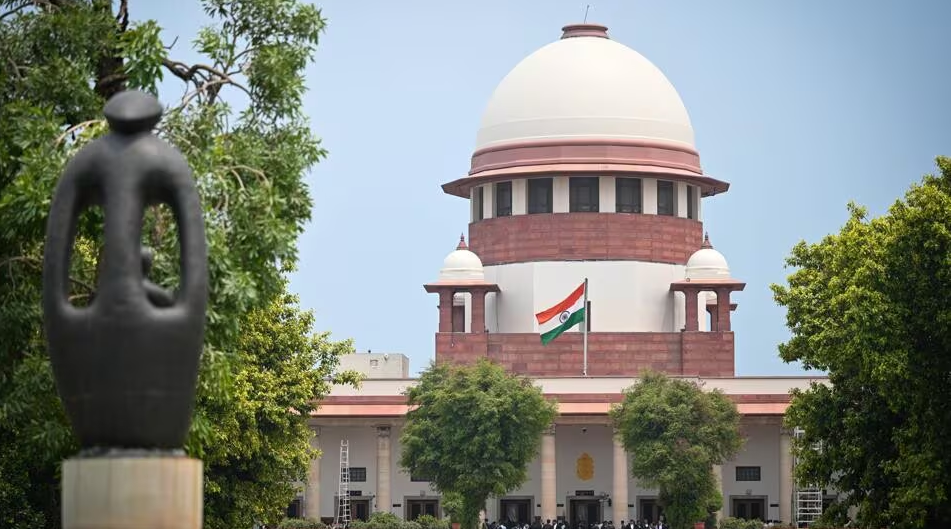
The Supreme Court evaluates petitions that recommend banning people convicted of crimes from running in elections while they strike a balance between ethical governance and democracy. Candidates face disqualification according to the Representation of People Act (RPA), 1951 based on their level of conviction intensity. The Supreme Court developed electoral disqualification policies through three landmark rulings (Lily Thomas, ADR, Jan Chaukidar).

The stance for a permanent ban on convict participation in elections leans toward ethical rules in governance and equal treatment with civil officials and government personnel less criminalization among elected representatives and democratic system advancement. The pros and cons in this discussion involve factors about rehabilitating criminals and how punishments might be unfairly severe.

A balanced approach- lifetime bans for heinous crimes, judicial safeguards, fast-track trials, and stricter election scrutiny- ensures clean governance while protecting fair participation

Introduction

  • The Supreme Court now evaluates multiple petitions that call for permanent election screening for convicted people.

  • A public discourse centers on upholding moral governance practices while focusing on election candidate trustworthiness and their role in political criminality.

Legal Provisions under the Representation of People Act (RPA), 1951

  • The law in Section 8(3) specifies that convicted criminals with minimum two-year sentences must face election ineligibility for six years after finishing their prison term.

  • Under Section 8(1) of the law convicted criminals face immediate disqualification for all severe offenses including rape corruption and terrorism regardless of their sentence duration.

  • Section 8(4) (No Longer Effective since 2013) permitted convicted political representatives to continue their positions unless their appeals were successful but faced elimination in the court decision of Lily Thomas (2013).

  • The Election Commission of India employed its Section 11 power to eliminate the disqualification of Prem Singh Tamang in 2019.

Supreme Court Judgments on Electoral Disqualification

  • ADR Case (2002): Mandated criminal record disclosure by candidates.

  • The court issued its ruling in the Jan Chaukidar Case (2013) that imprisoned persons would have their electoral rights revoked (this decision was later rejected through a parliamentary amendment).

  • In 2013 Lily Thomas Case eliminated Section 8(4) from the constitution which removed immediate disqualification of convicted politicians.

Arguments for a Lifetime Ban on Convicted Individuals

  • The maintenance of absolute moral standards in public governance by legislators should serve as a constant priority.

  • Those disqualified from public employment due to criminal records should also lose their right to create legislation according to current government employment standards.

  • Presently in 2024, a total of 46% of MPs are facing criminal charges whereas 31% deal with serious offenses involving rape and murder together with corruption.

  • Several appointed and judicial bodies including the Supreme Court and the Law Commission from 1999 through 2014 and the Election Commission advocated strict practical guidelines.

  • Availing unethical candidates from seeking public office through lifetime bans for proven serious crimes helps establish both democratic stability and lawful governance.

Arguments Against a Lifetime Ban

  • The democratic rights of released prisoner should not lapse permanently because they completed their incarceration term.

  • False cases could be created to block strong candidates from political participation during elections through political misuse.

Way Forward

  • New Disqualification Regulations: It should include the permanent removal of politicians with serious offenses yet provide a judicial examination for charges based on politics.

  • Electoral & Judicial Reforms:

    • The judicial system must handle politician criminal case trials through fast-track procedures.

    • The Election Commission should gain more power to investigate election candidates.

    • The disclosure of criminal records must be made more strict according to regulations.

Conclusion

A combination of measures should be used to protect political integrity and protect fair democratic participation. The combination of severe penalties for major crimes and court-established protections from political exploitation will enhance democratic authorities across India and regain citizens' faith in national governance.

India-France Strategic Partnership: Key Agreements & Future Vision

During his visit to France PM Narendra Modi shared a strong personal bond with French President Emmanuel Macron through their high-level talks which showed their mutual trust in each other. During his visit, the parties established ten agreements that included agreements in defense, atomic energy, space research, artificial intelligence, commercial trade, and infrastructure development.

Key Highlights of PM Modi’s Visit

Gift for President Emmanuel Macron: Dokra Artwork Depicting Musicians with Studded Stonework

  • What is Dokra Art?

  • This metallic production method has shown existence since ancient times over years.

  • Originates from Chhattisgarh, India.

  • The artists produced this artwork through the historical lost-wax casting method.

  • The artwork incorporates motifs of tribal subjects that depict performers with dancers as well as animals together with deities through its design.

  • The artifact arrives from the completely handmade fabrication process between beeswax clay and molten metal during its elaborate creation.

The First Lady Brigitte Macron received this artistic gift

  • Exquisite Silver Hand-Engraved Table Mirror from Rajasthan

  • Artists documented the mirror using floral and peacock motifs to symbolize the combination of beauty nature and grace.

  • India’s national bird the peacock serves as a symbol for both the monarchy and affection.

  • High-skilled craftsmanship includes the decorative hand-engraving and polishing process for an exhibition of remarkable precision and artistry.

  • Represents Rajasthan’s rich metalwork heritage.

Key Highlights of the Visit

Marseille Visit

  • The two leaders conducted delegation-level discussions which encompassed defense, nuclear power, trade relations, technological partnership, health diplomacy, and Artificial Intelligence, as well as connectivity.

  • The leaders inaugurated the newly built Indian consulate in Marseille together.

  • A visit to Mazargues War Cemetery occurred during which officials honored Indian soldiers who participated in World Wars through their memorials.

A.Defence Cooperation

  • The Indian Pinaka MBRL system received an invitation from France to examine its availability for acquisition purposes.

  • Discussions on the integration of Integrated Combat Systems (ICS) into P75-AS submarines.

  • DRDO maintains recognition of the P75-Kalvari submarine project's success alongside active works on incorporating their Air Independent Propulsion (AIP) system.

  • The Rafale-Marine fighter aircraft agreement with India does not have an official statement yet though completion should happen shortly.

B. Civil Nuclear Cooperation

  • The signatory document established a framework for India and France to co-develop Small Modular Reactors (SMR) together with Advanced Modular Reactors (AMR).

  • The leaders emphasized that nuclear energy contribution would drive energy security alongside supporting low-carbon economy goals.

  • Joint visit to the International Thermonuclear Experimental Reactor (ITER) in Cadarache.

C. AI and Innovation

  • Joint declaration on AI with an India-France AI roadmap.

  • The forthcoming AI Summit will take place in India as designated by authorities in 2025.

  • The partnership established India and France to progress as the India-France Year of Innovation in 2025.

D. Indo-Pacific and Connectivity

  • In addition to Indo-Pacific solidarity, the leaders agreed to develop triangular foreign cooperation in distant nations.

  • The India-Middle East-Europe corridor (IMEC) has the potential to make Marseille along with Mumbai serve as principal connectivity nodes.

E. Economic and Trade Relations

  • The two nations reached deals about digital science and they also agreed to assist 10 Indian startups that operate at a French incubator.

  • The leaders emphasized a need to boost their mutual investments and trading relations.

Conclusion

  • The visit elevated the strategic defense relations between India and France and fostered advancement in energy collaboration and AI technology development along with enhanced connectivity capabilities.

  • The deepening partnership shows how India establishes its international geopolitical standing by matching up with France's Indo-Pacific goals.

  • The advance of continuing defense procurements and AI projects along with nuclear technology implementations will enhance bilateral partnerships.

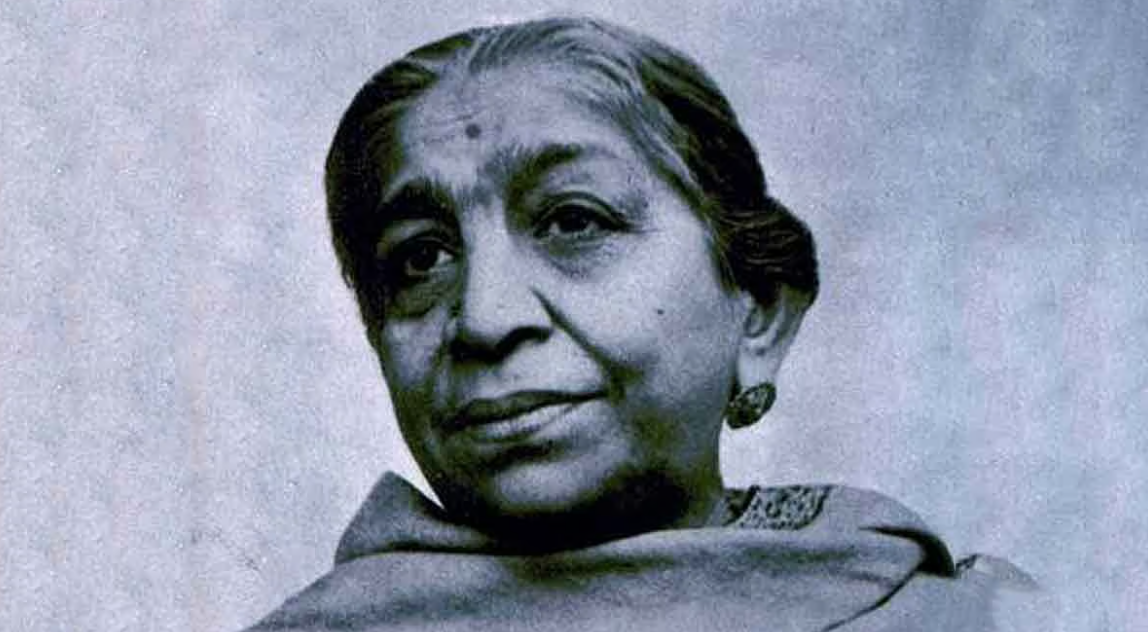
National Women’s Day 2025: Honoring Sarojini Naidu’s Legacy

National Women’s Day is celebrated in India on February 13 to honor the birth anniversary of Sarojini Naidu, a freedom fighter, poet, and social reformer. Known as the Nightingale of India, she played a crucial role in India's independence movement and advocated for women's rights. She was the first woman President of the Indian National Congress and the first female Governor of India. Her literary works and activism continue to inspire generations. This day serves as a tribute to her legacy and the progress of women in India.

Indian citizens commemorate National Women's Day annually on February 13 by celebrating the birth anniversary of freedom fighter as well as poet and social reformer Sarojini Naidu. India referred to her as the "Nightingale of India" because of her vital contributions to freeing India from British rule and empowering Indian women.

History and Significance

National Women's Day exists in India on February 13 through a government proclamation to honor Sarojini Naidu's multifaceted work in political and literary fields as well as social advancement.

Sarojini Naidu’s Role in India’s Freedom Struggle

  • Indian National Movement: Active participant and supporter of Mahatma Gandhi in India’s independence struggle.

  • First Woman President of the Indian National Congress (1925): A historic milestone for women in Indian politics.

  • She was detained various times throughout the Civil Disobedience and Quit India Movements (1942) because of her active participation.

  • First Woman Governor of an Indian State (1947): Served as the Governor of United Provinces (now Uttar Pradesh) from 1947 to 1949.

Sarojini Naidu: A Life of Achievements and Firsts

  • First Indian Woman to Address the British Parliament.

  • Pioneer in Inter-Caste Marriages: Married Dr. Govindarajulu Naidu despite societal restrictions.

  • In 1929 she guided India's group of representatives to South Africa to speak on behalf of Indian rights.

  • She received the Kesar-i-Hind Medal before returning it when she protested against the Jallianwala Bagh Massacre.

Sarojini Naidu’s Contribution to Literature

  • Through her celebrated verse, she celebrated both Indian cultural legacies and spiritual traditions.

  • Major Literary Works:

    • The Golden Threshold (1905) – Her first poetry collection.

    • In The Bird of Time (1912) Naidu presented a collection about freedom and struggles faced by humans.

    • The Broken Wing (1917) – Includes the famous poem "The Gift of India."

    • The Feather of the Dawn (1961, posthumous) – Edited by her daughter Padmaja Naidu.

Lesser-Known Facts About Sarojini Naidu

  • Her scholarly heritage ran strong because her scientist-father combined with her philosopher-mother and poet-mother.

  • Child prodigy – Topped Madras University’s Matriculation Exam at just 12 years old.

  • She studied at King’s College London and Girton College Cambridge while she was in England.

  • Social conventions were disregarded when she married Dr. Govindarajulu Naidu at the age of 19.

  • The activist role that Naidu played in Salt Satyagraha (1930) included organizing demonstrations against British colonial rule with other women.

  • The Indian government incarcerated her during the Quit India Movement (1942).

  • Servants of Indian women led national delegations to South Africa when she was 42 years old.

  • First Woman Governor of India (Uttar Pradesh, 1947).

Conclusion

National Women’s Day serves as a tribute to Sarojini Naidu’s contributions to India’s freedom struggle, women’s empowerment, and literature. She remains a historical example that inspires modern women to be leaders fight for equality and demolish barriers.

Haryana Launches ‘Har Khet-Swasth Khet’ to Boost Soil Health

The Haryana government has launched the ‘Har Khet – Swasth Khet’ campaign to improve soil quality and promote sustainable agriculture. Under this initiative, 70 lakh soil samples have been collected across the state, with testing completed for 55 lakh samples. So far, 86 lakh Soil Health Cards have been distributed to farmers, providing them with accurate information on soil fertility and nutrients. The government has established 17 permanent and 54 mini laboratories to facilitate soil and water testing. Through this digital initiative, farmers can also track their land’s soil health online.

The Haryana government now operates the ‘Har Khet-Swasth Khet’ campaign to manage soil quality and promote lasting agricultural practices in all agricultural fields. The state government intends to conduct regular soil sample analysis from every acre of land during the following 3-4 years for farmers to gain knowledge from Soil Health Cards.

Key Highlights of the Campaign

Soil Sample Collection & Soil Health Cards

  • A complete soil testing process will take place across the entire farmland territory throughout the state.

  • The total number of collected soil samples reaches 70 lakh.

  • Testing of 55 lakh samples is complete and personnel distributed 86 lakh Soil Health Cards across the state.

  • The rest of the samples continue undergoing analysis.

Infrastructure for Soil and Water Testing

  • Haryana ministers introduced seventeen permanent laboratories for soil and water testing spread throughout all areas of the state.

  • The development of 54 small-scale testing facilities occurred throughout various market locations.

  • The educational network now exposes students to soil tests using one of the 240 mini-laboratories that operate in secondary schools and colleges across the state.

Digital Initiatives & Monitoring

  • The 'Har Khet-Swasth Khet' portal served as a dedicated platform for easy farmer access to soil testing data when it was launched in 2022.

  • Through this portal, users can track soil health patterns along with gaining knowledge about their lands' fertility level.

Recognition & Awards

  • Soil Health Card Project received the gold medal from Skoch Group in 2022 due to its significant contribution to sustainable farming practices.

Pesticide Residue Monitoring

  • Two laboratories in Sirsa and Karnal monitor pesticide residues in soil, water, fruits, and vegetables.

  • The analysis of 3,640 pesticide residue samples took place in 2023-24.

Government’s Vision for Farmers

  • Soil testing through scientific methods will provide farmers with proper fertilizer guidance as well as suggestions for improved crop yields.

  • The Haryana government currently focuses on giving farmers precise soil health data to accomplish sustainable farming objectives.

Conclusion

The 'Har Khet-Swasth Khet' initiative represents a key advancement that provides proper soil health while raising farm yields and defending environmental stability. Through Soil Health Cards together with modern testing equipment, Haryana gives farmers the power to base their decisions on data which brings them better results in agricultural development.

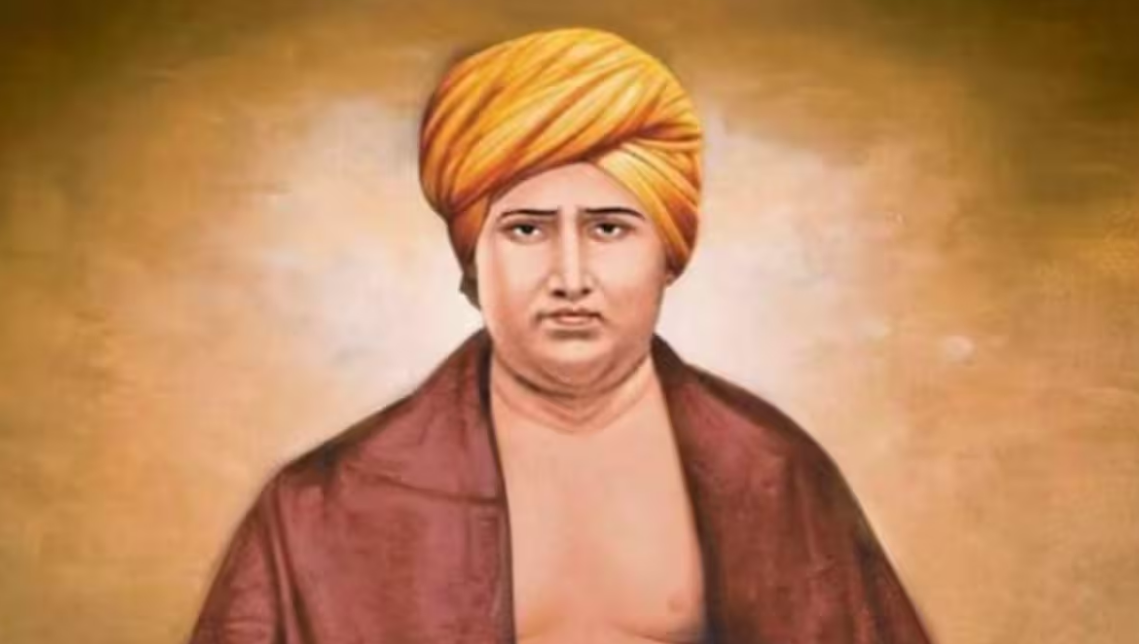
Maharshi Dayanand Saraswati’s 200th Birth Anniversary: Honoring His Legacy

On February 12, 2024, PM Narendra Modi made a special address to commemorate the 200th birth anniversary of Maharshi Dayanand Saraswati in Tanakara village, Gujarat. As a spiritual reformer, Maharshi Dayanand, founder of the Arya Samaj in 1875, believed that only those teachings, which are derived from Vedic principles, can attain social equality and reform education. His strong teachings condemned idol worship, caste discrimination, and superstition while promoting truth and righteousness. His legacy yet lives on through the Dayanand Anglo Vedic (DAV) institutions. Swami Ji's vision should be adhered to by the entire nation for self-confidence, tradition, or country advancement, stated PM Modi.

Introduction

  • February 12, 2024, marks the 200th birth anniversary of Maharshi Dayanand Saraswati.

  • A special address by PM Narendra Modi at Tankara, Gujarat, where he was born.

  • Organized by Arya Samaj, it had commenced being a blueprint to his lasting impact on Indian spirituality and the reform of the social order.

Early Development and Spiritual Awakening

  • Born on February 12, 1824, Mool Shankar Tiwari in Tankara, Gujarat.

  • Quite religiously and traditionally raised in a Brahmin family though he started questioning the rituals related to religious practices from his very school days.

  • The death of her sister led him on a spiritual journey to seek truths. 

Founding of Arya Samaj (1875)

  • In 1875, in Bombay, the Arya Samaj was founded with the motto "Krinvan to Vishvam Aryam," or "In making the world noble."

  • The main objectives were to reform Hinduism based on Vedic knowledge, social equality, and rational reasoning.

  • Rejection of idol worship, caste discrimination, and orthodox traditions.

  • Advocated for widow remarriage, women's education, and social justice.

Educational and Social Reforms

  • Gurukuls and Anglo-Vedic schools were established to blend Vedic and modern education.

  • He founded the Dayanand Anglo-Vedic (DAV) College Trust and Management Society for the development of holistic learning.

  • Encouraged rational thinking and systematic thinking regarding socio-religious issues.

Opposition to Superstitions and Social Evils

  • It criticized ritualistic Hinduism, idol worship, and caste-based discrimination.

  • It advocated for gender equality, women’s education, and the abolishment of untouchability.

  • It promoted Vedic principles of self-reliance and nationalism.

Contribution to Nationalism and Indian Renaissance

  • He inspired many freedom fighters like Bhagat Singh, Lala Lajpat Rai, and Swami Shraddhanand.

  • Arya Samaj played a crucial role in the national independence movement through nationalistic ideas.

  • His book, 'Satyarth Prakash' (The Light of Truth), laid the foundation for socio-religious reforms.

Death and Legacy

  • He died under mysterious circumstances, allegedly of poisoning, on the night of October 30, 1883.

  • The institutions of the Arya Samaj continue to flourish to this day in spreading modern education and social welfare.

  • His idealism was instrumental in Indian constitutional principles of equality, justice, and education.

Significance of the 200th Birth Anniversary

  • Addressed by PM Modi: reiterated the teachings of Swami Ji on self-confidence and education for national progress.

  • He highlighted the need to preserve the culture while adapting to modernity.

  • He reiterated initiatives like 'Vocal for Local,' 'Aatmanirbhar Bharat,' and 'Mission Life.'

Relevance in the Modern Era

  • To this day, the so-called "rational" approach to religion and social problems has continued relevance.

  • He stood for the education of all, the equality of women and gender, and the scientific temper of society.

  • His fundamental theme of self-reliance and nationalism is concurrent with ongoing national development.

Conclusion

Swami Dayanand Saraswati established Arya Samaj to bring forth Vedic revival and education and social reforms. Through his work, he battled against social discrimination based on caste while fighting both idol worship traditions and community defects which led to the Indian freedom struggle. By encouraging people to return to Vedas he established teachings that maintain both rationality and equality which benefit a modern society based on enlightenment.

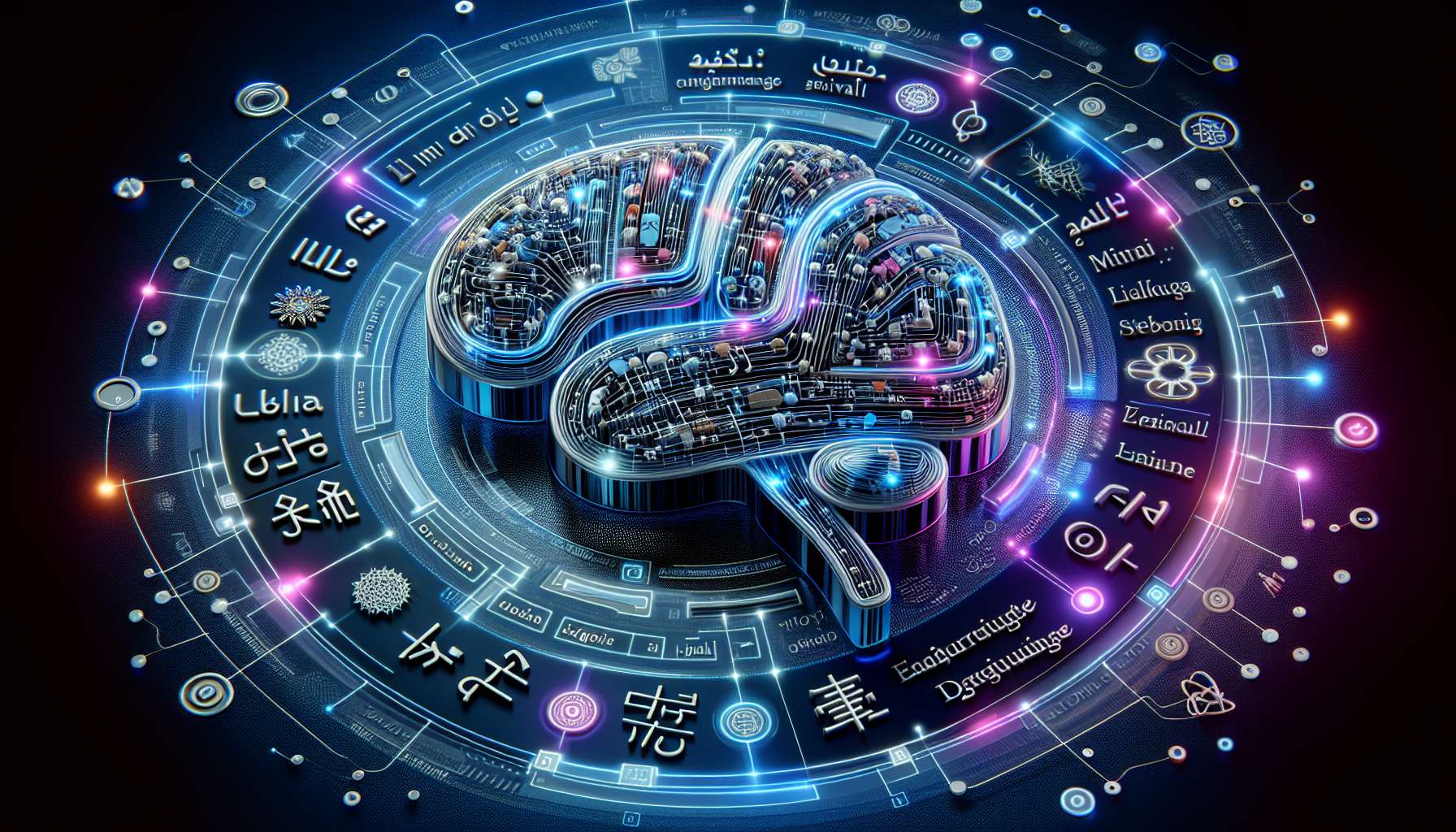
AI Set to Give Voice to Endangered Tribal Languages

Aadi Vaani functions as a groundbreaking program that operates to protect vulnerable native languages as well as enhance digital accessibility features. Through this platform, end-users can translate between English, Hindi, and tribal languages to overcome language barriers. Digital educational content becomes accessible to all through the text-to-speech service which provides audio delivery. The development time of six months represents fast-paced technological progress as top institutions provided their backing.

Context

  • Aadi Vaani represents an AI-based translation application recently developed by the Indian government to safeguard diminishing tribal tongues besides boosting educational content delivery in native languages.

Key Features of Aadi Vaani

  • Bridging the Linguistic Gap:

    • The application facilitates language translation between English as well as Hindi and tribal languages.

    • The platform integrates two languages for translation and distributes educational information about sickle cell anemia among other things.

Target Languages (Phase 1)

  • Bhili

  • Mundari

  • Santhali

  • Gondi

  • Plans to extend support to more tribal languages gradually

  • Alignment with National Policies:

    • Aadi Vaani operates in harmony with National Education Policy (NEP) 2020 by enabling education through the native tongue of students.

    • Students from tribal communities together with their educators can provide NCERT textbook material to receive adaptations into languages of their tribal heritage.

  • Text-to-Speech Feature:

    • The application performs text-to-voice conversion between English and Hindi documents that results in audio translations for tribal languages.

    • The application launched in Santhali is set to receive additional language support in upcoming updates.

  • Technological and Institutional Support: The application comes from student developers at prestigious academic institutions.

    • IIT Delhi

    • IIIT Hyderabad

    • IIIT Naya Raipur

    • BITS Pilani

    • The Tribal Research Institutes serve as the experts who provide language expertise for the project.

  • Rapid Development:

    • This app took six months to develop while it typically requires Google and other established entities five to six years to accomplish the same level of advancement.

Government & Administrative Support

  • Ministry of Tribal Affairs functions as the leading body in charge of the project.

  • They support tribal education and linguistic diversity according to Articles 29 and 350A of the Constitution.

  • They are in tune with NEP 2020 and Sustainable Development Goal 4 (Quality Education).

  • This advanced technology works on an AI-based model, of digital inclusion in tribal areas.

  • It helps in the revival of endangered or nearly extinct languages (as science denotes).

  • It enables access to education in tribal areas.

Conclusion

The app is a milestone development in language inclusion and education. Through AI, Aadi Vaani empowers tribal communities and preserves cultural heritage. It is envisaged that with a greater government push and AI-led improvements, the app will be supported in the preservation of tribal languages as well as in India's drive for digital inclusion.

SC Bench’s Red Line on Freebies: A Legal and Ethical Debate

The Supreme Court expressed financial concerns about freebies because such policies force states to face budget problems while creating disincentives for work. Recent PIL cases alongside government official declarations led to a need for evaluating the status of DPSP's authorized giveaways which received judicial approval in the 2013 S Subramaniam Balaji case. A three-judge Bench at the Supreme Court has received the case for determining the legal parameters and policy guidelines of welfare schemes.

Recent Observations by the Supreme Court

  • The Supreme Court expressed disapproval toward election-time freebies because they create work disincentives and reduce the workforce.

  • Under questioning from Justice B R Gavai it was discussed whether welfare programs establish a "class of parasites" rather than supporting economic contributions.

  • The "Ladli Behna Yojana" program was introduced as an example of incentive-based schemes that work against employment opportunities.

Judicial Precedents on Freebies

  • The Court raised welfare spending doubts in January 2024 because of limited financial sources.

  • Prime Minister Narendra Modi drew public attention to the "revdi culture" through his comments during the year 2022.

  • The Aam Aadmi Party supported welfare schemes through their defense of irrational freebie distribution when Advocate Ashwini Kumar Upadhyay filed a PIL.

2013 Judgment: S Subramaniam Balaji Case

  • The Supreme Court determined that distributing free items including color TVs and laptops fit under Directive Principles of State Policy (DPSP).

  • The court refused to intervene in these distribution efforts because they made no legal case for intervention.

  • During his term as CJI N V Ramana suggested a review of this judicial decision in 2022.

Supreme Court’s Review and Referral

  • Three judges from the Court took charge of petitions requesting a freebie ban on August 26, 2022.

  • The task of the Bench involves establishing the line between essential welfare programs and campaign election promotions.

Way Forward

  • The distribution of free items creates both legal and ethical dilemmas because it needs to strike a balance between public welfare and economic stability.

  • Excessive giveaways without economic contribution risk fiscal imprudence and dependency.

  • India's future welfare policies will receive vital direction through the Supreme Court's future decision-making process.

Conclusion

Economic and social justice through social welfare programs remains essential yet unlimited election-time freebies can trigger fiscal issues in the economy. A proper distinction should exist between welfare essentials meant for public benefits and political handouts intended for electoral success. A forthcoming ruling from the Supreme Court will establish fundamental guidelines that will impact both welfare initiatives and economic management throughout the nation of India

Frequently Asked Questions (FAQs)

The current affairs cover recent national and international events related to UPSC, SSC, Banking, Railways, and State PCS.

You need to read about the current affairs daily, and revise them every week and every month to keep them longer in your memory.

Yes, Class24 provides free downloadable Daily Current Affairs PDFs for easy revision.

Yes, you can practice MCQs and quizzes to boost your exam preparation.

Absolutely. The content is written in simple, easy-to-understand bilingual language suitable for beginners.

Go to class24.com and click on the current affairs section directly, where you find everything that you need.

ssc-toppers

Start Learning Today with Class24

Related current affairs

Class24 offers free video lectures for smart preparation, covering CGL, CPO, CHSL, MTS, and GD exams. Learn from expert faculty, revise concepts easily, practice with PYQs, and improve speed and accuracy through high-quality, exam-focused video lessons anytime, anywhere.

Get success in your hand. Start study anytime anywhere.

The journey becomes simple and enjoyable when you start taking interest in it. And through our app “Class24”, we will be your trusted partners in developing that interest.

Daily Quizzes
Mock Tests
Ongoing

No ongoing tests right now.