
Day: January 23, 2025

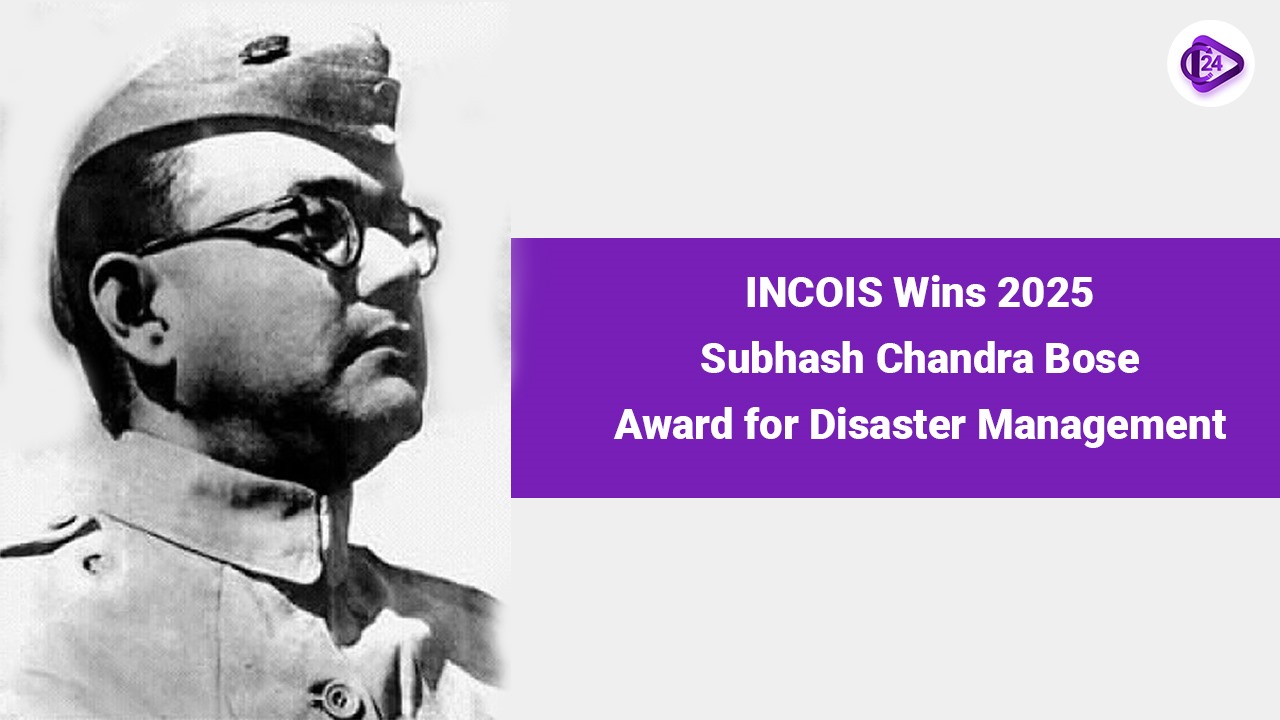
INCOIS Wins 2025 Subhash Chandra Bose Aapda Prabandhan Puraskar for Excellence in Disaster Management

INCOIS in Hyderabad won the 2025 Subhash Chandra Bose Aapda Prabandhan Puraskar-2025 for its contributions to disaster management. INCOIS demonstrated outstanding commitment to ocean disaster management by winning this award. The Government of India created the Subhash Chandra Bose Aapda Prabandhan Puraskar to award people and groups for their important work in disaster management.

Officials make the selection each January 23 to honor Netaji Subhash Chandra Bose's birth. The award celebrates people who volunteer to protect against disasters. The award package sets ₹51 lakh for institutions and ₹5 lakh plus a certificate for individuals.

Subhash Chandra Bose Aapda Prabandhan Puraskar

Purpose of the Award:

  • The Government of India created the Subhash Chandra Bose Aapda Prabandhan Puraskar to award people and groups for their important work in disaster management.

  • Officials make the selection each January 23 to honor Netaji Subhash Chandra Bose's birth. The award celebrates people who volunteer to protect against disasters.

  • The award package sets ₹51 lakh for institutions and ₹5 lakh plus a certificate for individuals.

Selection of INCOIS for 2025 Award

INCOIS received top honors because its ocean disaster prevention systems cut coast-related losses and deaths through tsunami, cyclone, and storm surge monitoring services.

Key Contributions of INCOIS

  • Indian Tsunami Early Warning Centre (ITEWC): In a 10-minute alert period INCOIS delivers tsunami warnings to India and 28 countries across the Indian Ocean. UNESCO approves INCOIS as one of their leading Tsunami Service Providers.

  • Cyclone and Storm Surge Forecasting: By predicting wave heights and weather systems INCOIS safeguards lives and protects marine activities across coastal areas.

  • Search and Rescue Aided Tool (SARAT): SARAT emerged as an IT system made for the Indian Coast Guard, Navy, and Coastal Security Police to find missing people at sea.

  • SynOPS Visualization Platform: To support coordination efforts during extreme situations INCOIS created the SynOPS Visualization Platform by linking operational data in real time.

  • Disaster Response Impact: INCOIS supported disaster control operations when the 2013 Phailin and 2014 Hudhud cyclones arrived through prompt weather notices that enabled residents to leave the affected areas ahead of extreme weather events.

Awards and Recognitions

In 2024 INCOIS won the Geospatial World Excellence in Maritime Services Award and in 2021 the Disaster Risk Reduction Excellence Award showed the importance of their services for disasters and ocean activities.

Government’s Role in Disaster Management:

Under Prime Minister Narendra Modi's direction supported by Union Home Minister Amit Shah India has developed better ways to handle disasters and respond to emergencies which has lowered the death toll in natural disasters.

Conclusion

The Subhash Chandra Bose Aapda Prabandhan Puraskar-2025 honors INCOIS for its vital contributions to protecting coastal communities against ocean-based disasters. INCOIS helps protect coastal India through advanced disaster warning methods and response tools.

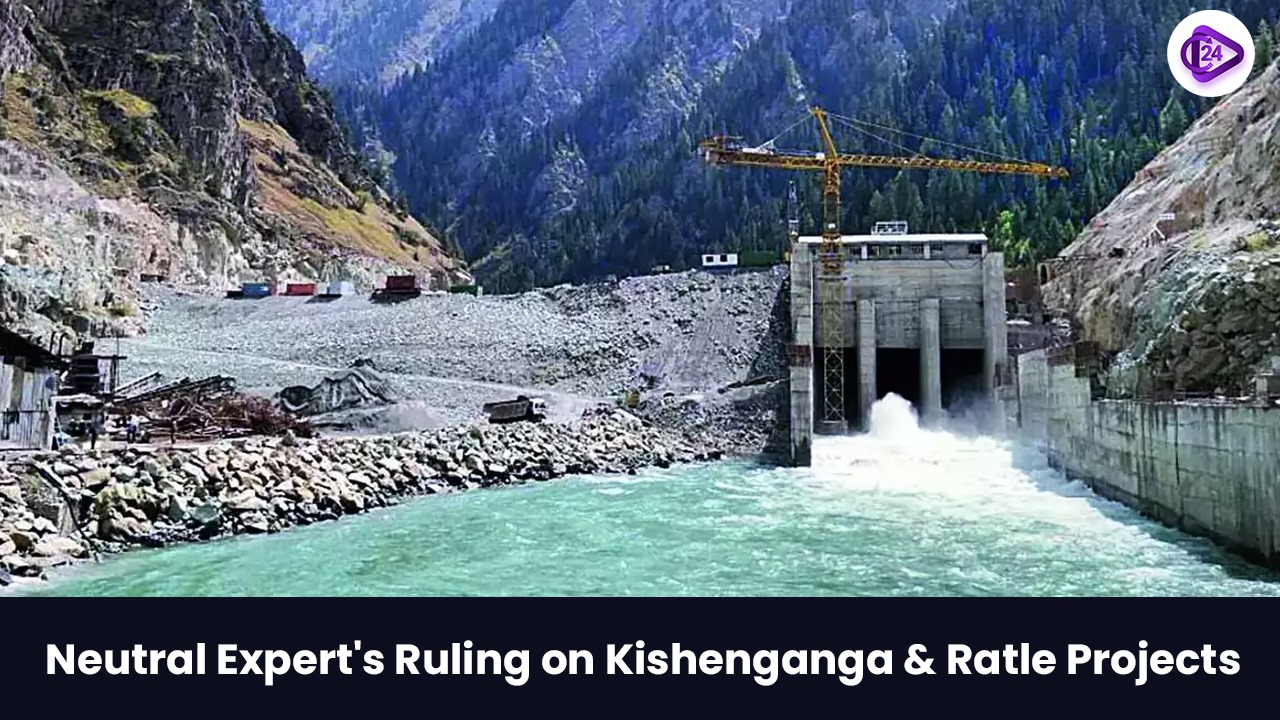
Neutral Expert’s Ruling on Kishenganga and Ratle Projects a Win for India in Indus Waters Dispute

The Indus Waters Treaty (IWT) World Bank appointee Neutral Expert made a major decision to handle the dispute between India and Pakistan about their hydroelectric projects at Kishenganga and Ratle. The expert concluded that his technical background qualifies him to make decisions about the design differences for these power plants. Pakistan disputed the projects even though the schemes followed canal watercourse ideas since they did not physically alter river flow. In 2015 Pakistan wanted the World Bank to appoint a Neutral Expert but decided to pursue PCA arbitration in its place. Recent legal judgment supports India's argument that the Neutral Expert should handle this matter instead of bringing in additional international agencies.

Indus Water Treaty (IWT)

On September 19, 1960, India and Pakistan formed an agreement known as the Indus Water Treaty to regulate how they use water from six rivers including the Indus River. After long negotiations, the World Bank helped create the treaty which seeks to boost relations between India and Pakistan while overseeing their joint control of water resources.

Key Provisions of the Treaty

  • The treaty divides the Indus River system into two groups of rivers:

    • Eastern rivers: Sutlej Beas and Ravi rivers stay entirely accessible to India.

    • Western rivers: Indus, Jhelum, Chenab (Pakistan's use, with certain rights for India, such as hydroelectric projects)

  • India maintains unrestricted use of the Sutlej Beas and Ravi rivers while Pakistan controls western river access plus maintains limited hydroelectric project rights in those rivers.

  • Under the IWT, Pakistan controls 80% of the river water while India utilizes 20%.

  • Since the treaty's creation, it placed the Permanent Indus Commission (PIC) in charge of overseeing ongoing cooperation and scheduled meetings.

Dispute Resolution Mechanism

The IWT includes a three-step dispute resolution process:

  • Step 1: The Permanent Indus Commission (PIC) handles all disputes first.

  • Step 2: When disputes persist the World Bank selects a Neutral Expert to handle the case.

  • Step 3: Once both parties fail to settle their disagreement the dispute moves to the Court of Arbitration.

Pakistan’s Position

In 2016 Pakistan chose to skip the PIC process and start direct arbitration proceedings. India maintains that treaty principals demand dispute resolutions must progress through each designated step before nations can deviate to other methods. During 2022 the World Bank worked with both Named Neutral Expert and Court of Arbitration proceedings which brought rising conflicts between India and Pakistan.

India’s Recent Actions

  • India withdrew from PIC talks in May 2022 to negotiate new terms with Pakistan.
  • Since 2023 India has sent four official invitations for dialogue but Pakistan has not given any official answers.

Neutral Expert (NE) Clarification

Under the treaty's terms, the Neutral Expert confirmed his power to resolve technical matters between India and Pakistan about their planned Kishenganga and Ratle projects. According to Neutral Expert’s ruling, the seven disputed matters for him to resolve cannot proceed to the Arbitration Court. Under treaty rules the parties respect and accept Neutral Expert decisions as valid outcomes.

Next Steps

The Neutral Expert must now hold hearings with both parties to decide if the Kishenganga and Ratle project designs fulfill the requirements of the IWT. The NE needs to make its last decision based on all information received from both parties.

Water Management Challenges

Despite being meant for water resource management the Indus Water Treaty serves as a sign of ongoing geopolitical rivalry between the involved nations. These two nations need to solve their shared water management problems because they support millions of people living around river basins.

Conclusion

The Neutral Expert decision supports India's diplomatic achievement by proving the Indus Waters Treaty's dispute resolution process remains the proper platform for technical hydroelectric project discussions. This court decision enables India to develop its water needs under the treaty while maintaining treaty implementation. Water treaty struggles can be resolved through treaty rules and the results demonstrate India can use water resources freely for development needs.

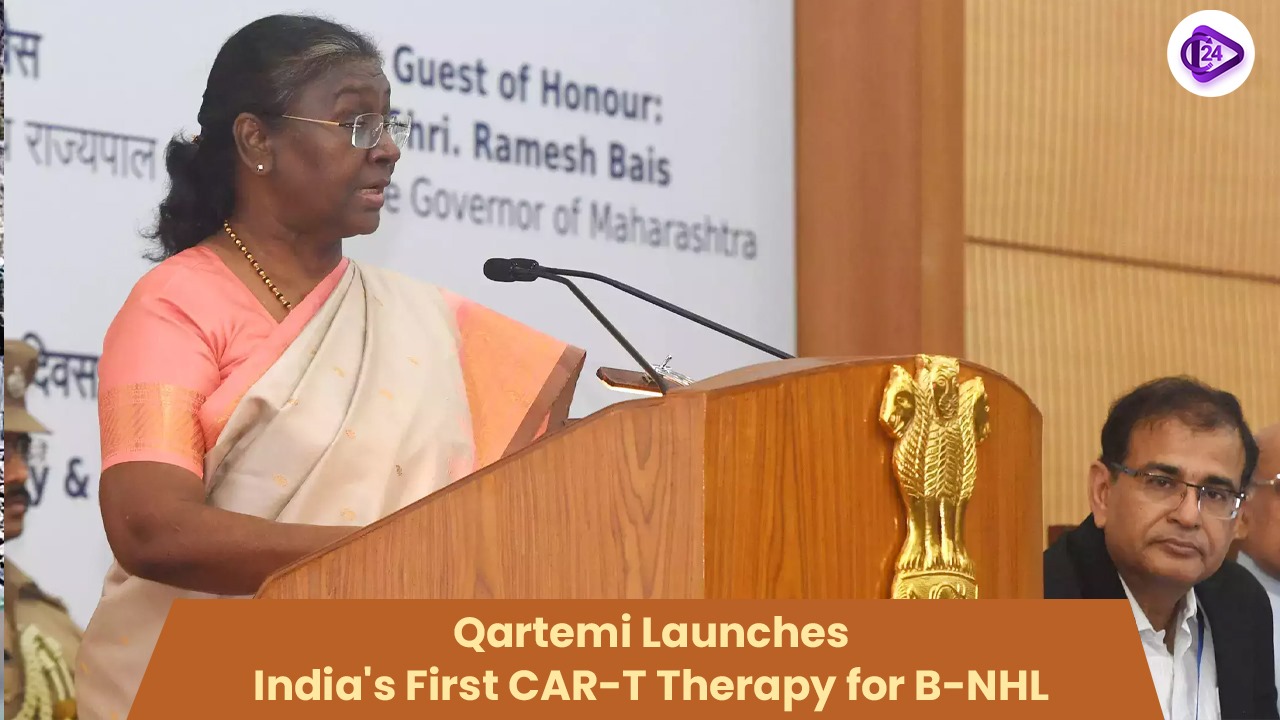
Qartemi Launches India’s First Approved CAR-T Therapy to Treat B-NHL Patients

As India's first international CAR-T therapy, Qartemi received approval to treat adult B-cell Non-Hodgkin Lymphoma (B-NHL). The new treatment system helps blood cancer patients find better health results especially those who failed previous standard therapies. Doctors use CAR-T therapy to improve patient T-cell function by reprogramming blood cells so they target and destroy cancer cells better. This method turns T-cells into active cancer treatments that can remain inside a patient's body to fight their disease after the latest infusion,it is also known as a living drug.

The process typically involves:

  1. Collecting T-cells from the patient.

  2. Genetically modifying the cells to express receptors that target cancer cells.

  3. Reinfusing the modified T-cells back into the patient's body to eliminate the cancer

Clinical Trials and Efficacy

  • The research team at Narayana Hospital and Apollo Cancer Hospital tested CAR-T Therapy through IMAGINE trial.

  • During Phase 2 trials modified T-cells achieved 83.3% effectiveness against cancer target cells.

  • The treatment proves successful when it needs to fight back against cancer that has returned or refuses to go away in patients with B-NHL.

Impact of Blood Cancer in India

  • Each year India observes 120,000 new cases of people developing blood cancers.

  • Patients with aggressive B-NHL now have a fresh medical treatment option thanks to Qartemi.

  • Bone marrow transplants may become less necessary as this therapy option becomes available.

Future of Cancer Treatment

Qartemi launches represent significant progress toward personalized medicine treatment in India. Through advanced research and local manufacturing methods. Qartemi prepares to reshape cancer therapy in India. This new treatment option will transform blood cancer care and create possibilities for creating specialized cancer medicines across India.

What is Non-Hodgkin Lymphoma (NHL) as a form of cancer?

The body's immune system immune system starts non-Hodgkin lymphoma cancer develop there. The lymphatic system consists of glands organs vessels and lymph nodes across the body to fight infections. When NHL occurs the B-cells of the lymphatic system reproduce beyond control resulting in tumors throughout the body. NHL is a broad category of lymphomas, with many different subtypes, including:

  • Diffuse Large B-cell Lymphoma is the main type of non-Hodgkin's Lymphoma.

  • Follicular Lymphoma

NHL requires unique medical handling from Hodgkin Lymphoma and has different ways to diagnose and treat this condition.

Conclusion

Qartemi marks a leap forward in how India treats patients with B-cell Non-Hodgkin Lymphoma (B-NHL). India advances its cancer treatment technology by welcoming CAR-T therapy which benefits patients with severe blood cancers. The discovery provides comfort to patients and prepares India to deliver better cancer treatment.

National Tribal Health Conclave 2025: Focus on Healthcare Solutions and Sickle Cell Anemia Elimination for Tribal Communities

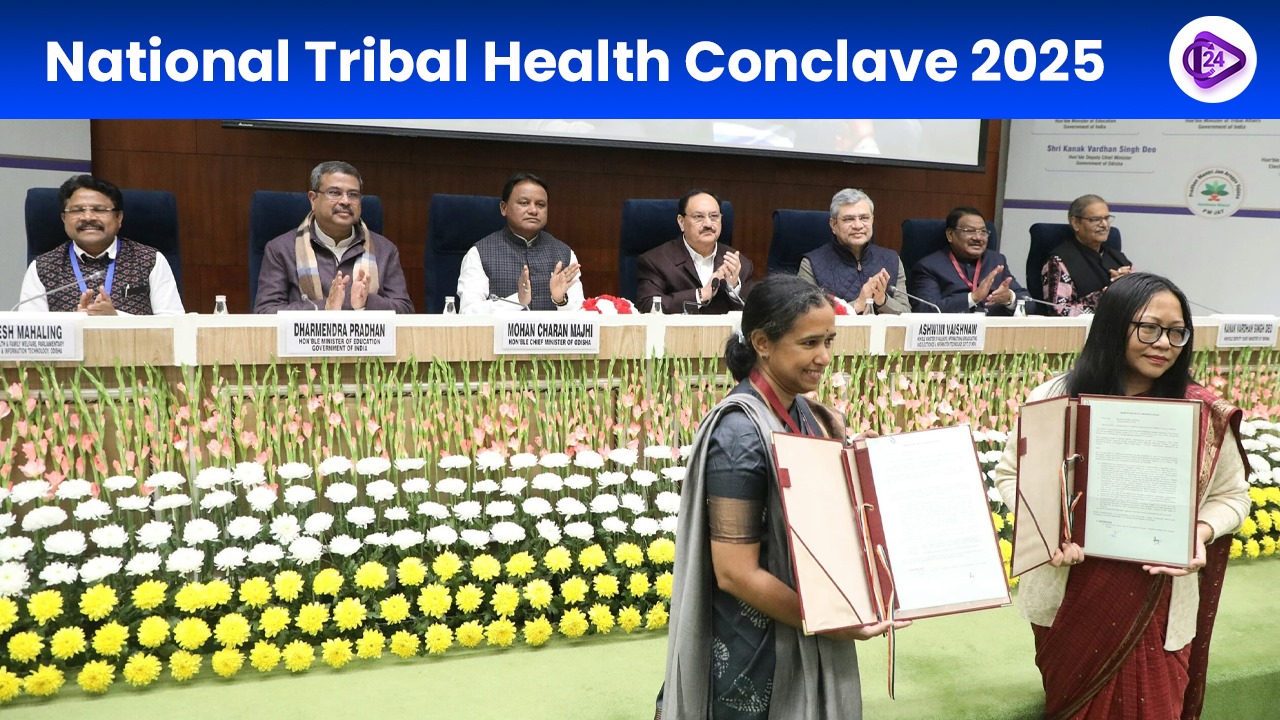
The National Tribal Health Conclave 2025, Ministry of Tribal Affairs (MoTA) in collaboration with the Ministry of Health and Family Welfare (MoH&FW) to create essential healthcare solutions for tribal people in India. Under the DhartiAabaJanjatiya Gram Utkarsh Abhiyan program officials organized an event to study and refine tribal healthcare while targeting sickle cell anemia elimination by 2047.

National Tribal Health Conclave 2025

Key Objectives

  • Healthcare leaders at this event examined new medical delivery methods to reach tribal communities by combining traditional knowledge with advanced medical solutions.
  • The meeting discovered which healthcare elements most need improvement and developed concrete solutions to deliver better medical care in tribal places.
  • The congress placed special emphasis on the importance of the National Sickle Cell Elimination Mission when setting health goals for tribal populations by 2047.

Collaborative Efforts

  • Ministry of Tribal Affairs (MoTA) formed partnerships with different healthcare organizations MoH&FW, AIIMS, ICMR, and UN agencies to fix healthcare problems in tribal communities.
  • The Bhagwan Birsa Munda Chair of Tribal Health and Haematology at AIIMS alongside CoCs for sickle cell diagnosis launched to develop healthcare research and testing programs specifically for tribal communities.

Key Highlights of the Conclave

  • The gathering featured more than 400 attendees representing government representatives and health professionals from all across India and tribal health experts.
  • MoTA and AIIMS Delhi signed formal letters to study tribal health problems while preparing healthcare workers in Odisha.

Thematic Discussions

  • Strengthening Healthcare Systems: The strategy highlights the need for mobile healthcare services and telemedicine together with infrastructure development in tribal healthcare areas.
  • Traditional Healers: We study how to put local medical traditions into regular healthcare for patients to trust and benefit more.
  • Nutrition and Adolescent Health: Our focus areas include treating poor nutrition and improving reproductive health while teaching people to eat traditional foods for better health results.
  • Disease-Specific Interventions: Our program addresses the health challenges tribal people have with sickle cell disease plus substance abuse and mental health.
  • Cultural Sensitivity: Our recommendation creates custom healthcare methods that help tribal people trust and use medical services better.

National-Level Training on Sickle Cell Awareness:

  • After the conclave the MoTA trained healthcare professionals in New Delhi by running a National Level Training of Trainers program to help sickle cell anemia awareness and counseling efforts.
  • Training included teaching about better medical oversight while also mentoring families along with spreading disease knowledge among public groups. A group of 200 officials from 17 states across America completed the training.

Objectives of the Training

  • We train medical and health professionals to help patients and their families understand and manage sickle cell anemia.
  • The program plans to educate more people about sickle cell anemia both inside and outside the community.
  • Our goal is to help doctors and healthcare professionals adopt new treatments that lead to better patient results.

Expected Outcomes

  • Our plan develops medical services for tribal areas through programs that treat sickle cell anemia alongside nutrition education, mental healthcare, and specific medical problems.
  • Formal healthcare systems will partner with traditional medicine to protect tribal culture and make patients healthier.
  • The public health system in tribal areas receives upgrades by tapping into local participation plus digital tools with education measures.

Conclusion

The Indian Government uses 2025 programs to show its dedication to giving better healthcare services to tribal groups. Their programs encourage tribal population healthcare through team partnerships and create new healthcare methods combined with training that helps solve tribal medical needs. Through the combined use of traditional medicine and medical technology, the Government works to improve overall health conditions in India's tribal areas.
 

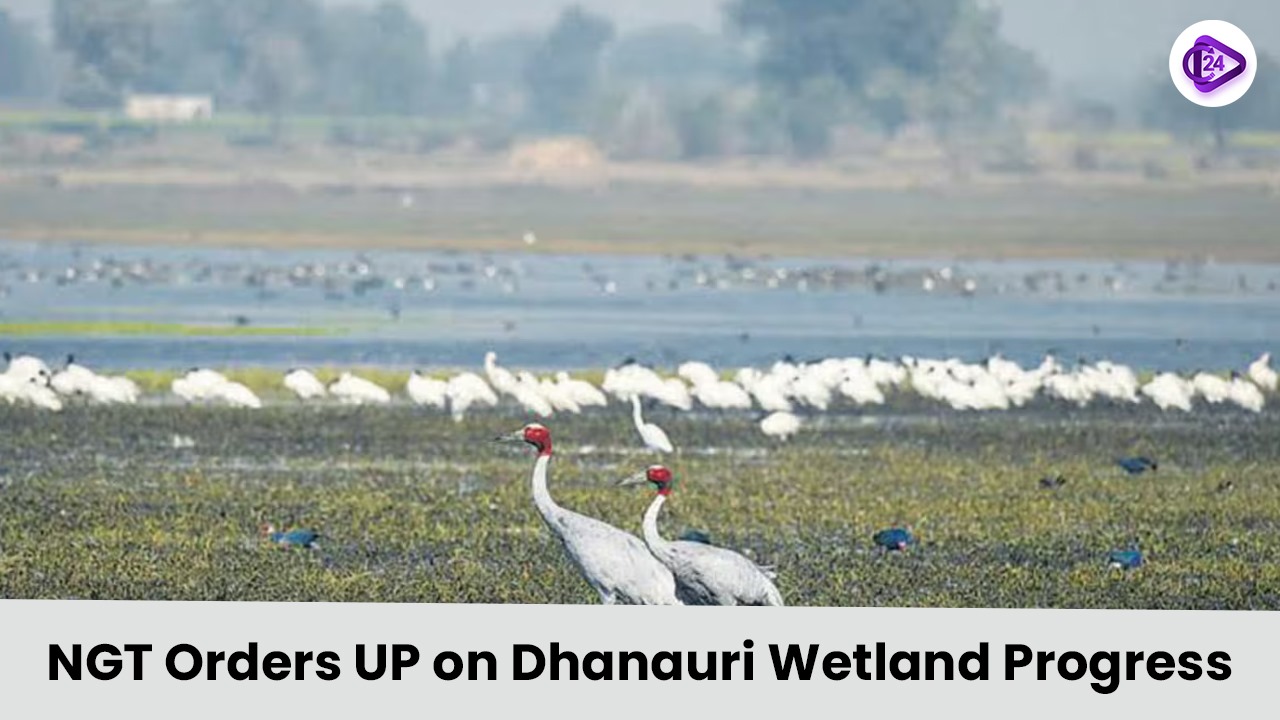
NGT Directs Uttar Pradesh to Report Progress on Dhanauri Wetland Protection in Four Weeks

The National Green Tribunal (NGT) instructed Uttar Pradesh authorities to report their progress in four weeks regarding the delayed announcement of wetland protection for Dhanauri Wetland in the Dankaur district.  Despite already planning to declare the area a wetland the UP forest department requested three months for the required notification. International experts recognize the ecological value of this wetland whose bird protection services are especially important during migration periods. International authorities want to add the wetland's designation as a Ramsar site because of its global importance.

Dhanauri Wetland 

Ecological Importance:

  • More than 120 Sarus cranes live at Dhanauri Wetland, the state's bird, and it shelters 23 bird species facing extinction risks.
  • This wetland assists over 217 bird species with its 150 Sarus cranes nesting there and draws many bird enthusiasts.
  • BirdLife International has recognized Dhanauri as an important bird area and the Bombay Natural History Society includes the site in their data.

Migratory Seasons and Bird Populations:

  • Each winter between November and March thousands of waterfowl birds pause in Dhanauri Wetland during their seasonal migration.
  • Wetlands at Dhanauri receive thousands of migratory birds every year showing how vital this site is for bird populations to survive.

Ramsar Site Criteria Fulfilled:

  • Dhanauri Wetland qualifies for Ramsar site designation based on two key criteria:
  • Sarus crane populations from this ecological region make up over 1% of the world's total species population.
  • The wetland provides habitat for more than 20,000 waterfowl plus many other animals and helps meet one of the Ramsar criteria that evaluates international importance.

Why Dhanauri is in the News:

  • Organizations are pushing to have Dhanauri Wetland become an official Ramsar site because this protected status brings international support through recognition and protection.
  • The wetland protects Sarus cranes' vulnerable population so keeping it safe is necessary for these birds to continue thriving.

Ramsar Convention and Designation:

  • The Ramsar Convention launched by UNESCO in 1971 seeks to protect and maintain world-important wetland areas.
  • The Ramsar network identifies wetlands of ecological importance because they protect many species at risk.
  • Wetlands hold Ramsar designation when they keep large bird populations while protecting native species and serving as essential habitats.

Ramsar Site Designation Criteria:

To be designated as a Ramsar site, a wetland must meet several criteria, including:

  • These wetlands stand alone as one-of-a-kind natural environments.
  • Organizations protect rare animal species and important natural communities that are declining in number.
  • The area needs to support its natural local species community in this geographical region.
  • Wetlands offer protection spaces to survive when external threats appear.
  • Dharnaui now serves as an essential waterbird habitat through consistent usage by either more than 20,000 birds or sustained support to one percent of any waterbird species population.
  • These areas provide significant living space for non-bird species that need wetland habitats.

Future Outlook for Dhanauri Wetland:

  • Dhanauri wetland to become a Ramsar site because it serves as significant habitat for Sarus cranes and migrating waterfowl.
  • Ramsar status brings worldwide protection strategies and funding to preserve Dhanauri Wetland's ecosystem values.

Conclusion

India’s ecological heritage includes Dhanauri Wetland which safeguards wildlife diversity while shielding its bird conservation roles. Being added to the Ramsar site network will enable worldwide support for protecting these important natural habitats. Conservation teams must maintain their work to save Sarus cranes despite environmental problems that threaten this species' survival.

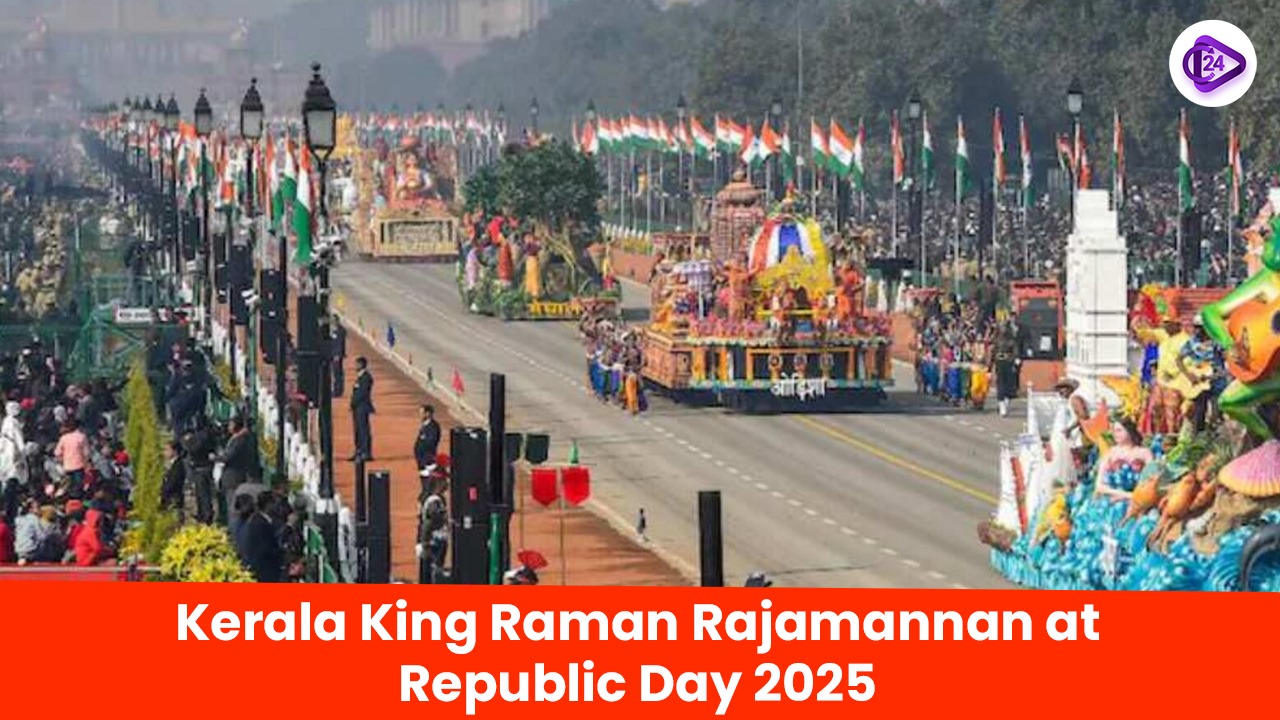
Raman Rajamannan, A tribal king from Kerala will join the Republic Day parade in Delhi

Raman Rajamannan leads the Mannan tribe as its king and serves as Kerala's sole tribal king who will attend the Republic Day parade. For the first time, a tribal king from Kerala will join the Republic Day parade in Delhi. The southern India Mannan tribe maintains its customary king status over 48 settlements in Kozhimala, Idukki. The Mannan community in Idukki, Kerala, successfully upholds its royal heritage by having Raja Raman Rajamannan lead as their modern king. Although modern life affects their daily lives the tribe keeps its traditional female-based leadership and dreams their customs in tranquility with the forests of Idukki.

Mannan Community

The Tribe and its Tradition:

  • More than 300 Mannan family members live in 48 Scheduled Tribe settlements throughout Idukki's hill areas.
  • Every 7th day following the passing of their ruler the tribe selects a new monarch through its unchanging tradition while all 46 settlements join for the ceremony.
  • Young king Raja Raman Rajamannan took control of tribal leadership because he earned an economics degree and wanted to safeguard their historical traditions.

The Role of the King:

  • Raja Raman functions as the ceremonial chief leader responsible for tribal ceremonies.
  • The 12 ministers (kaanis) and 7 assistants from settlements assist the King in his duties.
  • For official events the king dresses in royal garb and wears his turban while two ministers and soldiers assist him.

The Mannan Kingdom:

  • Since 700 years ago the Mannan tribe began ruling when two historic kingdoms fought each other.
  • After his loss, the Pandya King Chirayvarman created a new kingdom inside Idukki's forest region.
  • From its beginning, the tribe maintained its royal authority which protects its members through sustainable forest relationships.

King’s Administration and the Tribe’s Lifestyle:

  • The tribe of forest gatherers lives by taking fruits from the wild and fishing while working in the woodlands to obtain hunting and cutting resources.
  • The king leads his council to keep the forest intact and help the tribe stay rooted in its traditional ways while handling today's changes.
  • The tribal ways of life and leadership exist to protect both the forest environment and traditional customs.

Key Challenges and Heritage:

  • Instead of following modern temptations Raja Raman Rajamannan decided to lead his people and keep the traditions his family built.
  • The Mannan tribe keeps living their royal traditions by showing great determination to protect their traditional way of life through changing times.

Conclusion

In Idukki lives the Mannan tribe to maintain ancient royal and forest preservation practices that define the cultural heritage of India today. Under the leadership of Raja Raman the tribe preserves both cultural and environmental heritage despite facing today's modernization pressures.
 

Frequently Asked Questions (FAQs)

The current affairs cover recent national and international events related to UPSC, SSC, Banking, Railways, and State PCS.

You need to read about the current affairs daily, and revise them every week and every month to keep them longer in your memory.

Yes, Class24 provides free downloadable Daily Current Affairs PDFs for easy revision.

Yes, you can practice MCQs and quizzes to boost your exam preparation.

Absolutely. The content is written in simple, easy-to-understand bilingual language suitable for beginners.

Go to class24.com and click on the current affairs section directly, where you find everything that you need.

ssc-toppers

Start Learning Today with Class24

Related current affairs

Class24 offers free video lectures for smart preparation, covering CGL, CPO, CHSL, MTS, and GD exams. Learn from expert faculty, revise concepts easily, practice with PYQs, and improve speed and accuracy through high-quality, exam-focused video lessons anytime, anywhere.

Get success in your hand. Start study anytime anywhere.

The journey becomes simple and enjoyable when you start taking interest in it. And through our app “Class24”, we will be your trusted partners in developing that interest.

Daily Quizzes
Mock Tests
Ongoing

No ongoing tests right now.