
Day: January 18, 2025

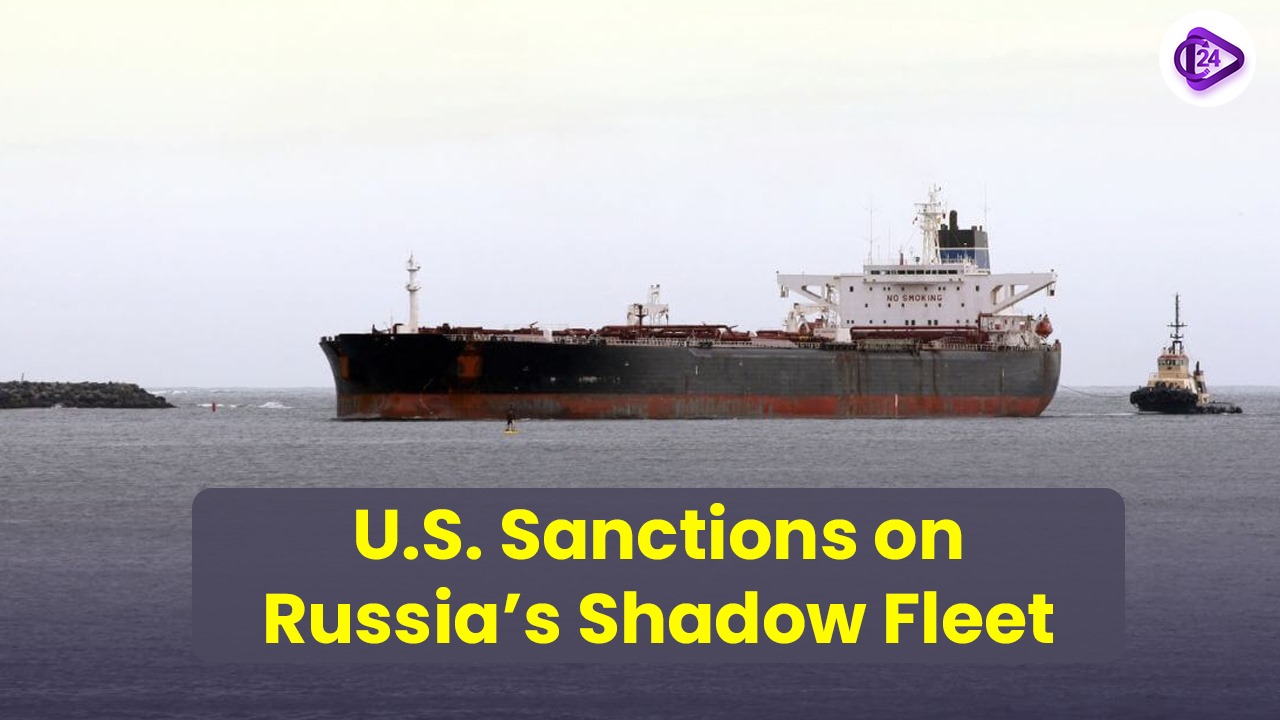
U.S. Sanctions on Russia’s Shadow Fleet: Implications for India’s Oil Imports

Washington has sanctioned Russia’s so-called Shadow fleet, a collection of vessels that allegedly help transfer Russian oil. At the same time, despite this step to potentially limit Russia’s oil earnings, it has risks for nations such as India that depend on buying Russian crude oil. The sanctions could impune supply chains, affect shipping costs, and could disturb India’s oil price edge. 

What is the Shadow Fleet?

The Shadow fleet means a fleet of tankers that was formerly used by Russia to transport its oil indirectly or anonymously. Of these tankers, some are owned some companies whose actual owners are not easily identifiable as a result of incorporation. The fleet is engaging in fraudulent activities that include: ship-to-ship transfers at sea to mask the origin of the oil, and turning off AIS (Automatic Identification System) to avoid detection. The company is well known because the Shadow fleet involves ships flying the flags of countries with weak prescription standards and aging ships that are not attractive for typical operation because of the high price for maintenance and low productivity.

Key Points: 

  • Opaque Ownership: Using some layers of corporate ownership, the vessels themselves can be owned by other companies or other shell corporations.

  • Ship-to-Ship Transfer: Many parts of Africa receive refined oil products from ships at sea, and it is very hard to track the origin of the oil.

  • Flags of Convenience: These vessels fly flags of countries where legal standards are comparatively low to allow easy tracking of their functioning.

  • Aging Fleet: The Shadow fleet on average is frequently made up of older less productive vessels which are costly to operate.

  • Deceptive Practices: It remains in the fleet’s discretion to switch off the AIS, forge shipping papers, or provide gimmick readings on the source of the shipment.

Impacts of the Shadow Fleet

  • Environmental Risks: This remains a threat since most of the already aging vessels also switch off their AIS leading to accidents such as oil spillages.

  • Global Security: Operational secrecy of the shipping industry may lead to the perpetration of crimes like smuggling, and human trafficking and hence reduce security.

  • Economic Impact: Shadow fleet-related import-dependent economies may suffer some economic impacts especially because of imposed sanctions that limit shipment from the Shadow fleet.

The Effects of Sanctions on Indian Oil Import

India is a major importer of Russian crude oil, and the sanctions targeting the Shadow fleet could have several effects:

  • Supply Chain Disruption:

    • Since there are restrictions regarding vessels, India might find itself somewhat of a bottleneck when it comes to getting Russian oil since it can run into shortage issues or delays.

  • Increased Shipping Costs:

    • The disequilibrium between demand and supply in the shipping sector may lead to high shipping expenses, therefore, importing oil will be costly to India.

  • Diminished Price Advantage:

    • Sanctions will reduce the relative margins that India enjoyed by acquiring Russian crude cheaply.

  • Cascading Impact on Refineries:

    • The interruption of crude oil importation could affect the operations of oil refineries in India, issues in fabricating petroleum products consequently export problems, particularly to Europe.

  • Greater Dependence on the Middle East:

    • India could be compelled to depend more on Middle East supplies which could be costly and sometimes pose real supply risks.

Suggestive Measures for India

To mitigate the impact of U.S. sanctions on Russia’s Shadow fleet, India could adopt several strategic measures:

  • Diversification of Energy Sources:

    • India should work towards cutting the import of crude oil by exploring the different opportunities that are available in renewable resources to add more products to the energy basket.

  • Domestic Energy Production:

    • The country can tap other sources such as improved hydrocarbon exploration to increase domestic energy production. The policy on Hydrocarbon exploration Licensing is available for liberalizing hydrocarbon exploration and increasing the domestic output of oil.

  • Engagement in Diplomatic Channels:

    • India should negotiate with as United States in a bid to seek exemption from the sanctions and beneficial terms therein. Moreover, there are areas of investment in the oil sector, where India could improve relations with the Middle Eastern states androgenous subsidized oil and stabilize imports.

Conclusion

The intention of the US-imposed sanctions on the Russian Shadow fleet is to reduce Russia’s oil revenue but these are problems for India in the realms of crude oil importation, price determination, and economic predictability. For these challenges, India will indeed have to follow a multifaceted nuclear energy policy strategy that involves diversification of source of energy supply, increase in indigenous energy production, and diplomatic maneuvering with the U.S. as well as the Middle Eastern countries. In that way, India will remain sufficiently equipped to cover its energy demand, so the potential threats of these sanctions will not affect it severely.

India’s Startup Revolution: Innovation, Growth & Future Potential

National Startup Day is celebrated every year on the 16th of January to pay tribute to the valuable role of startups in India’s development. It focuses especially on the idea of innovation, the function of the businessmen, and the potential of small businesses in the country’s development. Globally India is the third-largest startup ecosystem. Thus, the importance of this day holds utmost importance now more than ever.

According to recent data, there are more than 99000 startups in India that have combined valuations above $500B. The recent increases in new venture creation in India demonstrate a thriving culture of innovation, technology, and radical solution-seeking and implementation propelling sectors and economic growth.

National Startup Day is a call to reminisce the fact that young businesses in India have also stood the test of time in that they have created many jobs, promoted innovation, and supported the growth of local communities. This celebration will allow highlighting not only the success stories of star startups but also startups that are now appearing in small towns and regions and are gradually pushing the startup movement forward from the bottom up.

Promoting Economic Growth Among organizations through Innovation

Startups by providing more employment, building new markets, and getting investments have become new driving forces in the country's economic environment. The government has also initiated a policy to support start-ups through Startup India apart from the Fund of Funds for Startups (FFS) to support the new generation start-ups.

Celebration of National Startup Day is aimed at reminding about the constant work towards the development of a favorable environment for the creation of such companies providing the conditions for their growth and strengthening India as an entrepreneurial country in the world.

Current Landscape: Growth and Momentum

The startup culture in India has boomed, with DPIIT-recognized startups rising from 500 in 2016 to 159,157 by January 2025. This growth apprises the dynamism and innovation analysis of the entrepreneurial system in the country.

India’s startups have pulled in heaps of venture capital and crossed the $25 billion threshold in 2022 to become investors’ preferred destination. While the funding slowed down in 2023 due to the economic fluctuation in the global market, segments including SaaS (Software as a Service) and climate tech are experiencing healthy investment levels today, which depicts that India’s startup ecosystem still holds a very active and healthy platform.

Start-up India, Digital India, and ‘Make in India’ like policies have fetched in kind or in terms of favorable tax exemptions, faster grants of patents, and many more rules and regulations.The Plan also envisions the establishment of a ₹10,000 crore Fund of Funds for Startups (FFS) and the Bharat Startup Knowledge Access Registry (BHASKAR) in 2023 to ensure that more startups get the funding and partnerships they need.

When it comes down to regional development, close to 50% of India’s startups can now be traced from Tier II and III cities like Indore, Jaipur, and Ahmedabad among others. Tamil Nadu with the $28 billion startup ecosystem experiencing a growth rate of 23% and Kerala with the comparatively small but rapidly growing $1.7 billion ecosystem are the shining examples of the potential of regional centres.

The Challenges Ahead

However, there are still some major challenges to be overcome that would allow India to become the leader of the global startup movement.

  • Funding Crunch: World monetary crises and increases in interest rates have caused Venture Capital Funds to constrict and this has led to shutdowns of operations within start-ups. Sustaining the ecosystem is going to be another challenge because it is vital to guarantee that funding is regularly available.

  • Regulatory Complexities: Nevertheless, the government has made efforts to reduce regulation burdens, startups experience a complex of tax requirements and prohibition. Industry uncertainties have been aggravated by new guidelines on data protection and taxation of ESOP (Employee Stock Option Plan).

  • Scaling Obstacles: The issue of growth has remained rather painful for startups in India since operational problems, insufficient facilities, and the ability to match the market slow down many startups.

  • High Failure Rate: For Indian startups, more than 90% of them shut down within five years, due to wrong product-market fit, wrong planning financially, and inability to implement changing consumer needs.

  • Talent Shortages: India has emerged as a hotbed of fiercely contested talent for areas such as AI, machine learning, and cybersecurity to name a few which makes the startup environment even more challenging given the growing attention global players are giving to talent out of India.

The Path Forward: Policy, Infrastructure and Engagement

To position India as the global startup hub it aspires to be, there must be a framework built for Startups which comprises regulatory change, funding space, physical infrastructure, and talent incubation.

  • Strengthening Policy Frameworks: Bureaucracy in startup registration, funding, and funding of the inventions would be made easy with the passage of new laws and acts. More support from the sector for the next-generation fields such as Artificial Intelligence, Deep Tech, and Green Tech sectors can promote new-age startups.

  • Enhancing Access to Funding: Indian investors must invest in home-grown startups especially because involvement in the early stage is beneficial. There is a potential to encourage cooperation with the state-owned enterprises and place the decentralized funding through angel networks and micro-investors in Tier II and III Cities to extend funding across the country.

  • Building World-Class Infrastructure: Technology parks with incorporated infrastructure and master plans are the only way to generate innovating minds of the nation with proper guidance to be an entrepreneur. Moreover, creating and strengthening physical, especially digital network infrastructure based on the districts, including rural and semi-urban, as well as forming an adequate logistics and supply chain environment will contribute to the startup scaling.

  • Skilled Workforce Development: India needs to focus more on technical and entrepreneurial education to meet new generation courses such as STEM, cybersecurity, Artificial Intelligence, and data analytics. Further, only the integration of meaningful, productive positions for women and other vulnerable populations will make startups as diverse as possible.

  • Fostering Innovation Culture: In a similar vein, increased R&D in universities as well as from industrial parties will help to boost the technology's apace. Removing fear and prejudice of failure or low adequacy cultural values that may be perceived by the community could foster the culture of risk-taking of new ideas among the persons intending to be entrepreneurs.

  • Global Collaboration and Market Expansion: Indian founders today can build fresh, new, and tailored partnerships with accelerators and governments around the globe and also connect with the diaspora networks. The enhancement of exporting and trading procedures makes startups become localized firms, which in turn improves India’s position on the global market.

  • Udyamotsav 2025: This is meant to inform student entrepreneurs to better assist them and boost their chances of success. It will include training, financial assistance, and partnering to ensure the students defend their inventions and their ideas to build up their companies.

  • Promoting Sustainability: The world presently gives Indian startups a chance to bring out their best invention of green technology and innovative ideas. Investing in businesses that complement the idea of renewable energy, and the circular economy need not be mutually exclusive with the quest for and growth of economic development.

Conclusion

India now finds herself at a very favorable crossroads. As the market policies and infrastructure improve and the right investments are made, the country stands to host the best startup environment in the world. To help India’s start-up ecosystem deliver its potential, the country needs to overcome five big challenges: funding, regulation, talent, and diversity.

This association of policymakers, investors, academicians, and entrepreneurs will help in further developing the Indian startup ecosystem into the largest startup nation all over the world developing the economy, and employment and shaping the direction for future technologies and innovations.

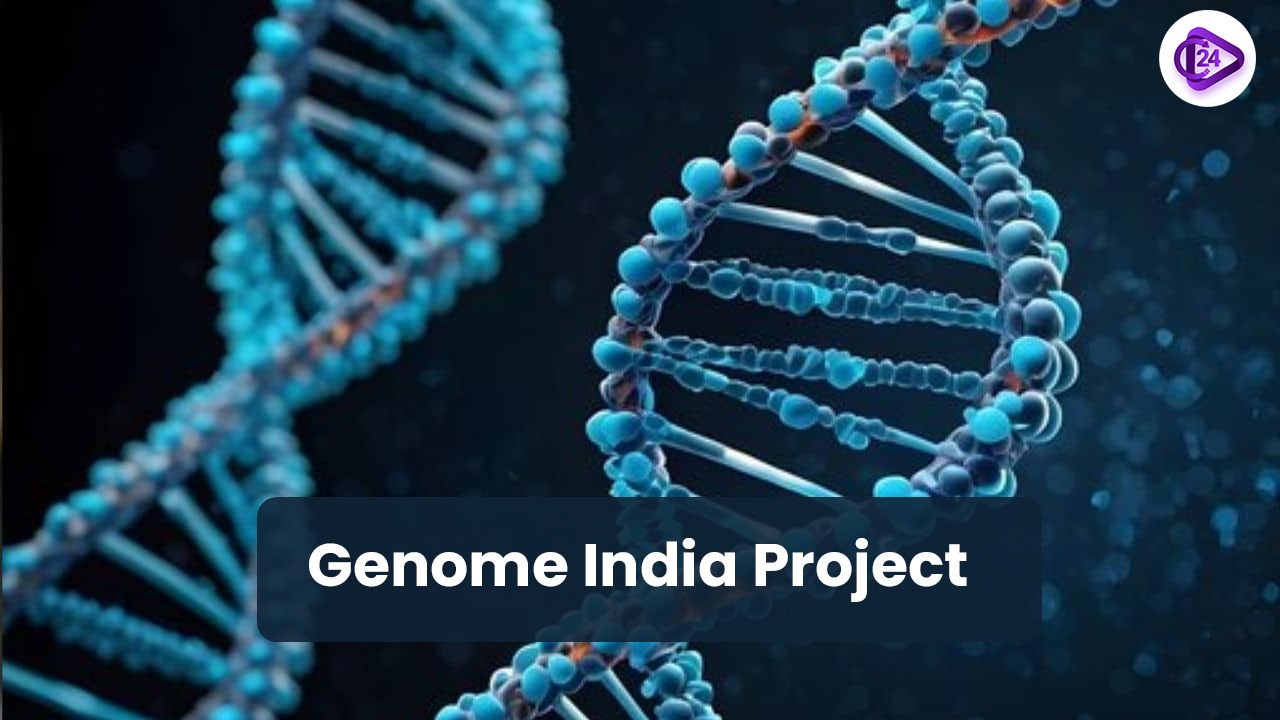
Genome India Project: Unlocking the Genetic Landscape of the Nation

The Dept of Biotechnology has released Indian Genetic Genome data of the Genome India Project and has started several programs such as ‘Framework for Exchange of Data Protics (FeED)’ and Indian Biological Data Centre to make ten thousand whole genome samples available to international researchers today. It will be considered as a landmark in knowing the amount of genetic variation that exists in India, moving towards the personalization of medicine, and helping the patient find his/her disease.

What is a Genome?

The genome can be described as the total genes and related gene spaces in an organism including both the genes and the DNA makeup of the gene spaces. In humans, the genome is made up of DNA arranged in 23 pairs of chromosomes, and it carries the complete set of instructions for building and maintaining an organism. The fundamental building blocks of DNA are four nucleotides, represented by the letters A (adenine), T (thymine), G (guanine), and C (cytosine). The locations at which these bases are strung out determine the genetic information that is inherent in an organism.

What is Genome Sequencing?

Genomic sequencing means the determination of the nucleotide order within an organism’s genome in its entirety. Ungenomic sequencing implicates the analysis of the genetic content of an organism from a DNA level and provides information on genomics. It aids in identifying the disease-causing genes and aids the process of explaining evolutionary biology.

Use of Genome Sequencing

  • Disease Diagnosis and Treatment: Genome sequencing helps to identify somatic alterations, evaluate the probability concerning some diseases, to diagnose some pathophysiological states. For instance, it plays a part in cancer research in that it identifies the genetic cause of the disease and also searches for treatment choices.

  • Personalized Drug Development: Sequencing promotes the further advancement of differential medicine in terms of producing individualized lean medications.

  • Prenatal Screening: With it, possible genetic diseases or abnormalities in the fetus can be observed, and treatments made earlier.

  • Prenatal Screening: It can diagnose certain hereditary diseases or abnormalities in fetuses so that appropriate action can be taken early.

  • Agriculture: Genome sequencing can assist when identifying particular genes that are causing some positive characteristics in plants and or other animals so that they can be improved on through breeding.

  • Forensics: It is used to solve criminal investigations, to determine paternity, and to identify remains.

  • Evolutionary Biology: Molecular biology and related analytical methods allow studying the chronology of the formation of certain species and the distribution of genes in populations.

The Genome India Project (GIP)

The Genome India project is one the largest of its kind projects in the world that envisages building a physical map of the Indian Genome. Started by DBT in January 2020, GIP is expected to sequence 10,000 people’s genomes and build a reference database for Indians that will shed light on the genetic differentiation in the country.

Key Highlights of the GIP

  • Whole Genome Sequencing:

    • The project has improved sample sequencing results to 10,074 samples and 99 ethnic groups which can be implemented for further usage as the Indian genetic information database.

  • Genetic Database Creation:

    • The sequenced data is safely lodged in the Indian Biological Data Centre or IBDC and will thus be available for other studies by researchers.

  • Sample Collection and Milestones:

    • More than 19 thousand blood samples were collected, the number of which exceeded the set. Task These samples are also deposited in the GenomeIndia Biobank for further analysis in future scientific investigation.

  • Phase-1 Analysis:

    • The first part of the phase relates to the direct genotyping of 5,750 samples wherein several low-frequency genetic variants specific to the Indian population have been newly identified.

Areas in Which the Genesis of the Genome India Project 

India currently hosts a population of 1.4 billion with over 4,600 mentioned population groups many of whom have endogamous characteristics, which involve marriage within the groups. This in turn makes them prone to specific gene ailments within specific ethnic groups or families. The GIP contributes to identifying the above-mentioned genetic markers and rare genetic disorders and generates important information for public health and medical treatment.

Significance of the Genome India Project

  • Improved Disease Diagnosis and Prevention:

    • Through GIP data, it will be possible to establish the set of genetic markers of particular diseases and their earlier diagnosis with subsequent prevention.  For instance, it will be useful in the diagnosis of genetic diseases including sickle cell disease and thalassemia in some ethnic populations.

  • Advancement of Precision Medicine:

    • The Genetic and Informatics Program or GIP focuses on understanding genetic differences among Indians hence making medicine more personalized by relating treatments foreseen for patients to his/her genetic constitution.

  • Empowerment of Genomic Research:

    • GIP’s dataset will be formed for Indian populations, and it will improve the global approaches to the assembly and annotation of reference genomes and will allow researchers to perform more focused studies.

Major Genome Sequencing Programs in the World

  • Human Genome Project (HGP):

    • Initiated in 1990, the Human Genome Project was accomplished in 2003 and concerned the mapping of the human genome. It provided the backdrop by which genomic research was to be conducted across the globe. 

  • IndiGen Project:

    • Jointly launched by the Council of Scientific and Industrial Research, the IndiGen Project planned to sequence the secret of one man thousand and 29 participants hailing from different ethnolinguistic populations in India. The project done in the year 2019 was beneficial in providing important data on the genetic structural physical map of India.

Conclusion

The Genome India Project (GIP) is a giant leap towards attaining Gene power in India and also helps in the privilege and study of Indian Genes at a worldwide level. To support the diagnosis of the country’s specific diseases and the effort to advance the field of individualized medicine, GIP has the vision to sequence the genomes of ten thousand people from different ethnic backgrounds. The successful completion of the project and the development of the best practice data-sharing frameworks such as FeED and IBDC pave the way toward genomics as the cornerstone of care, prevention, and medicine.


Israel-Hamas Ceasefire Agreement: Key Insights and Implications

An understanding that was made between Hamas and Israel with the assistance of Qatar, Egypt, and the United States aims at trying to solve and cease the unceasing woes of Gaza Strip. It is composed of six-week standstill agreement, exchange of hostages, humanitarian aid, and above all Israeli troops’ withdrawal from sensitive areas. 

Principal requirements of the treaty

Mediation and International Cooperation:

It also entails that there was an act of negotiation where Qatar Egypt, and the United States came into a diplomatic agreement in an attempt to agree on the ceasefire deal.

Key Components of the Deal:

  • Ceasefire: Demanding that fighting be stopped for six weeks to help Israel withdraw from the Gaza Strip to reduce tensions in the region.

  • Withdrawal from the Philadelphia Corridor: There has been an element of confidence building between the two armed forces in as much as the Israeli forces have committed to withdraw from this narrow corridor.

  • Hostage and Prisoner Exchange: The other component of the deal involves prisoners’ exchange of Israelis for Palestinians.

  • Humanitarian Aid: The deal helps enhance the flow of humanitarian aid to Gaza where civilians seriously affected by the conflict require assistance.

  • De-escalation Measures: Israel has agreed to suspend military attacks in the Gaza Strip while Hamas is supposed to cease firing rockets on Israeli territory.

Implications of the deal

  • For Gaza:

    • The ceasefire offers some respite for the inhabitants who have been bombed, displaced, and left hungry for a considerable time.

  • For Israel:

    • The release of hostages is a victory for the Israeli government, which has come under pressure in recent months as more citizens abducted during the October 2023 attack are held.

  • For the Region:

    • The new agreement curtails the chances of more flare-ups, especially between Israel and Iran by eliminating one of the major issues in the Middle East.

Impact on India

  • Enhanced Connectivity:

    • The outcome of the cessation of hostilities and the possibility of a peaceful atmosphere in the area can guarantee that India can proceed with the India Middle East – European passage which will assist in the promotion of the relations between the Asian giant and Europe additionally shall help in the de-linking of the Indian goods from the Suez Canal.

  • Safety of Indian Diaspora:

    • India has many workers and medical professionals in Israel, so the ceasefire preserves their lives in the conflict zone.

  • Diplomatic Relief:

    • The peace deal can lighten the foreign policy pressure on India, especially with Iran to spearhead development projects such as Chabahar Port.

  • Maritime Safety:

    • The ceasefire would keep regional antagonists in check such as the Houthi rebels thus protecting Indian shipping in the Red Sea.

  • Market Stability:

    • Ceasefire implementation could help to reduce fluctuations in the global markets which in turn would be an added advantage for the stock market and investment atmosphere of India.

Challenges 

  • Trust Deficit:

    • The signatories of the ceasefire agreements are currently strangers with absolutely no trust in one another. These conflicts may escalate in the future if the trust amount is not gradually developed then the agreement is unsteady.

  • Doubtful Intentions of Hamas:

    • Since the inception of Hamas they have been in operation as a militant group many people doubt that they can maintain their commitment by observing the ceasefire and desisting from using force.

  • Internal Dynamics in Israel:

    • In Israel, some party's hardliners are calling for the cessation of the agreement because, during the negotiation sessions, some compromises were made.

The Way Forward

  • Addressing the Core Issue:

    • The fact is to deal with the territorial conflict between Israel and Hamas that has existed for several years. The two-state solution is still possible and can be viewed as a long-term solution.

  • Independent Monitoring:

    • However independent international organizations like UN Peace Keeping Forces should be employed to oversee the implementation of ceasefire to ensure that any party to breach the agreement is forced to face the consequences.

  • Promoting Grassroots Engagement:

    • One can note the development of people-to-people relations, and search for generally positive contacts, for example, humanitarian aid from Israel to Gaza.

Conclusion

The Israel-Hamas ceasefire agreement means the continuation of positive shifts towards a decrease of tensions in a longstanding and radicalized conflict. Although it gives short-term relief and has direct tangible gains like leakage of the human rights activists and jail-barger, the road to true and sustainable peace reconstruction remains quite cumbersome. Besides, flagging the person the following are part of the solution to the never-ending Israel-Palestine conflict: impunity, disbanding armed groups, change of narrative, trust-building, and diplomacy.

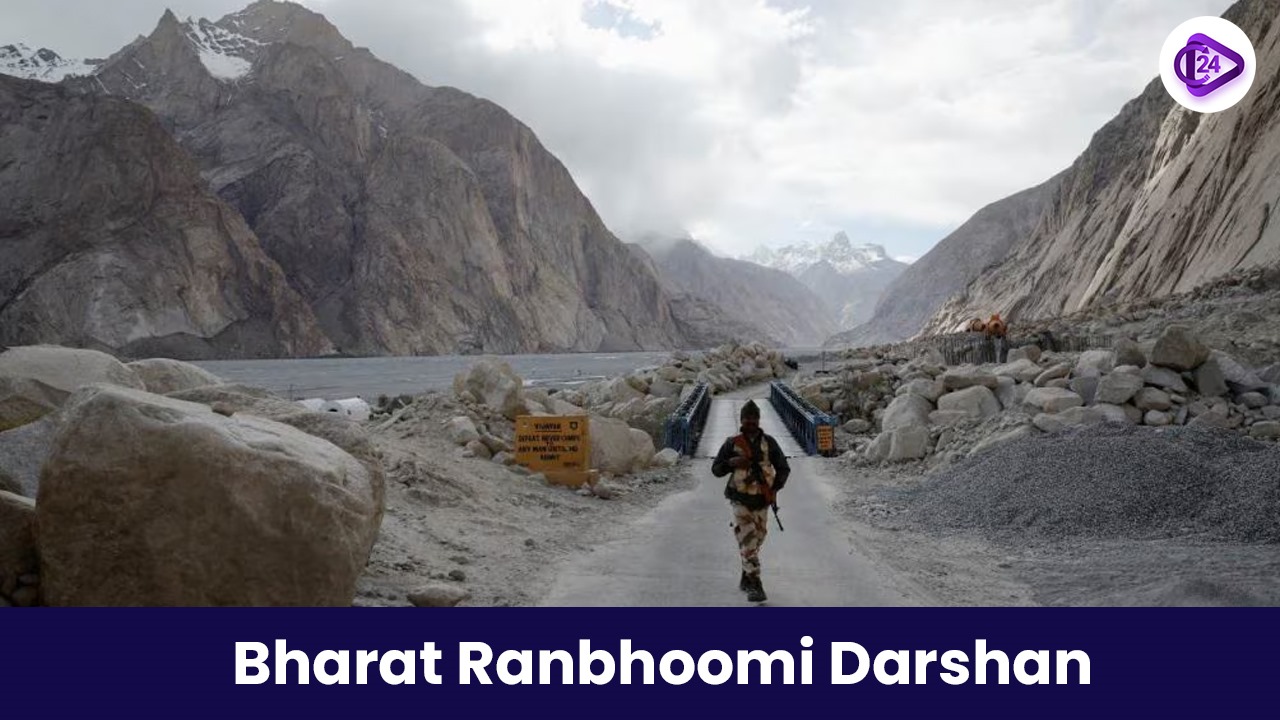
Bharat Ranbhoomi Darshan: New Initiative to Promote Battlefield and Border Tourism

On the 77th Army Day, the Indian Defence Minister released the Bharat Ranbhoomi Darshan as an effort to develop tourism over various historically important battlefield and border areas in India. It was launched as part of actions to raise people’s awareness of the military history of the country, as well as to promote tourism and economic development, especially in the border areas.

It offers a means by which individuals can establish touch with some of the most significant battlefields and frontier territories in India. The organization showcases bravery and otherwise segregates the activities of the armed forces bravery and sacrifices.

Key Features and Objectives

  • Comprehensive Platform: Bharat Ranbhoomi Darshan is a website and Android application as a gateway to India’s plains, battlefields, and border sites, such as the Galwan Valley, Doklam, and Longewala or along the LoC and LAC.

  • Collaborative Initiative: It is an initiative of the Ministry of Defence & Ministry of Tourism which showcases the military history of the country and promotes tourism under Incredible India.

  • Virtual and On-Site Experiences: This makes the platform more than just a way to view historical narratives, but also provides travel guidance for visiting these locations, including permits and logistics.

  • Socio-Economic Impact: The idea of developing tourism in the otherwise not very popular border zones is to create extra revenue in these territories and improve the availability of infrastructure there.

Sites included

The scheme is operative in the strategic military and border zones that have headed many operations and are historically related to the Indian defense. Some key sites included are:

  • Galwan Valley (Ladakh): The location of the fatal face-off between Indian and Chinese soldiers in June 2020, is the place of strategic importance and a turning point in contemporary Indo-Sino relations.

  • Doklam (Bhutan-China-India Tri-junction): Such as the location of the recent 2017 Doklam stand-off between India and China.

  • Nathu La Pass (Sikkim): An important area along the Line of Actual Control between India and China where the 1967 India-China conflict took place.

  • Longewala (Rajasthan): A historic place recorded in the 1971 Indo-Pakistan war where Indian forces had a smaller force that had to face a larger force in the Thar desert.

These sites were formerly restricted to any civilian because of their military and strategic significance, but are being made accessible for tutorial benefits and travel respectively.

Conclusion

The idea of launching Bharat Ranbhoomi Darshan should be seen as a major advancement to ensure the sound practice of military tradition as well as boosting tourism and, in turn, the economy of areas around the border. By offering online tours and rich descriptions of major battlegrounds and borderline territories of India, the initiative enables the public to participate in the reflexivity of wartime experiences truly. Moreover, it provides a possibility for border areas’ development as such tourist’ destinations while strengthening the defense interests of the state. In fact, under the incredible India campaign, Bharat Ranbhoomi Darshan is going to be a major cultural and economic move in addition to awakening the cordial relation between the Indian masses and the persons who safeguard the country.

Frequently Asked Questions (FAQs)

The current affairs cover recent national and international events related to UPSC, SSC, Banking, Railways, and State PCS.

You need to read about the current affairs daily, and revise them every week and every month to keep them longer in your memory.

Yes, Class24 provides free downloadable Daily Current Affairs PDFs for easy revision.

Yes, you can practice MCQs and quizzes to boost your exam preparation.

Absolutely. The content is written in simple, easy-to-understand bilingual language suitable for beginners.

Go to class24.com and click on the current affairs section directly, where you find everything that you need.

ssc-toppers

Start Learning Today with Class24

Related current affairs

Class24 offers free video lectures for smart preparation, covering CGL, CPO, CHSL, MTS, and GD exams. Learn from expert faculty, revise concepts easily, practice with PYQs, and improve speed and accuracy through high-quality, exam-focused video lessons anytime, anywhere.

Get success in your hand. Start study anytime anywhere.

The journey becomes simple and enjoyable when you start taking interest in it. And through our app “Class24”, we will be your trusted partners in developing that interest.

Daily Quizzes
Mock Tests
Ongoing

No ongoing tests right now.