
Day: January 11, 2025

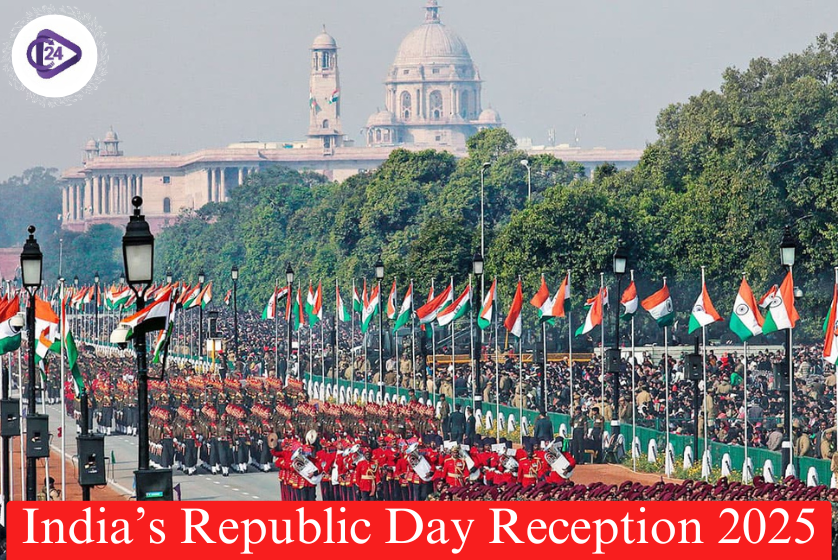
India’s Republic Day Reception 2025 Living Imitation of Still Life

When India celebrates Republic Day in 2025, President Droupadi Murmu will invite the nation’s colorful craftsmanship to the famed reception. This year, the event will incorporate the different and complex beautiful knit and crocheted products originating from the south Indian states and honoring the rich heritage and craftsmanship of India’s artisans. Some of the most attractive invitation designs caught my attention and showed how creative some of South India’s crafts are and how much culture they hold.

The Republic Day reception is a really good opportunity for the world to show its appreciation for the Indian artisans who work with commitment and pride, owing to their passion to keep the age-old art forms that were inherited from their forefathers alive.

  1. Kalamkari art

    • Ceramics as craft works or printed cloth art.

    • The program illustrates mythological motifs and stylized images of nature.

    • Traditional handwoven textile products developed by Nimmalakunta artisans using natural dye and involved complex processes.

  2. Ikat-Pochampalli Cover:

    • Ikat: Some of them are resist dye techniques used for the production of fabrics with special designs.

    • Pochampalli: Famous weaving fabric line coming from Telangana.

    • It has cheerful geometric designs on it which helps save the environment due to its reusable fabric material.

  3. Ganjifa Art Magnet:

    • Patterned closely after home playing card designs, they originated in Mysore.

    • Made with hand painting unique design and beautiful colors.

    • It shows features associated with culture and mythology, which reflect the art of Karnataka.

  4. Kanjeevaram Silk Pouch:

    • Tamil Nadu handwoven silk fabric has traditional artwork incorporated in it.

    • Traditionally and popular for its colors and textures, woven with pure mulberry silk and gold zari work.

  5. Etikopakka Dolls:

    • Folk toys of wood from Andhra Pradesh.

    • Made with mildew-resistant and natural dyntax, water-based lacquer on soft, clear wood.

    • Sustainable, made by hand, proud to showcase the true skills of the artisans of Andhra Pradesh.

  6. Screwpine Leaf Bookmark:

    • Endorses the traditional weaving of natural fibers that have always been part of the tradition in Kerala.

    • Screwpine leaves, therefore, are harvested, dried, sliced, and then arranged to make baskets.

    • Long-lasting, eco-friendly, and represents the history and the tradition of handicrafts of Kerala.

Conclusion 

The Republic Day reception of 2025 celebrates India’s rich and complex artisan heritage. Starting from the detailed painting of Kalamkari paintings to the bold readily identifiable tertis of Ikat Pochampalli covers the event will pay tribute to the artwork that has put India on the world map. Every craft, separately from the Ganjifa art, the Kanjeevaram silk luxury, sustainable Etikopakka dolls, and Screwpine leaf bookmarks, are stories of innovation, and hospitality.

By saying so, President Murmu welcomes the world to be a part of this celebration and encourages more to take note of the raw talents of India’s master craftsmen and share these customs for the benefit of future generations. 

Decline in Haryana Sex Ratio at Birth 2024

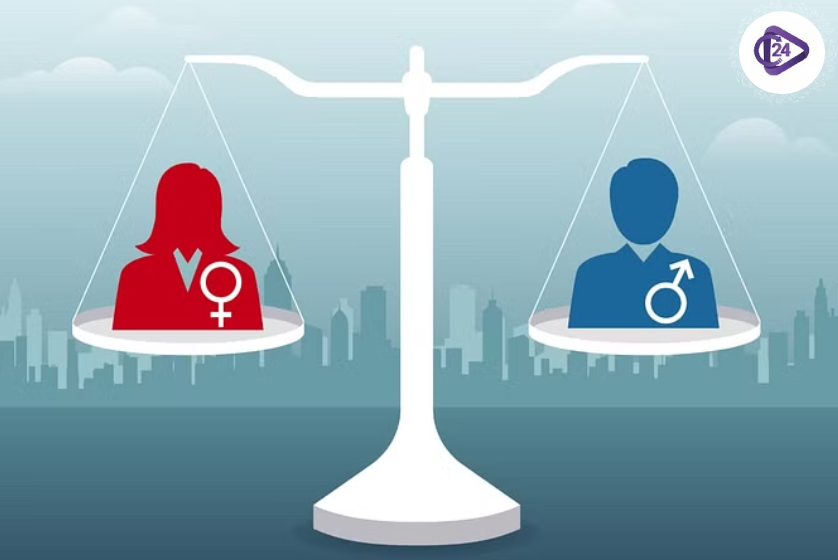
In the year 2024, the state’s sex ratio in newly born babies was recorded to be going down as the figure was 910 female children to 1000 male children. This is the lowest result that has been recorded in the last 8 years and should raise some concern despite an increase in some beacons of hope in recent years. The sex ratio at birth is key to gender equality and shows how thw women and girls in is treated in that society. Any further drop in this ratio means that gender discrimination and bias persist and are major challenges to the social and, especially, economic future of the women in the state.

Understanding the Sex Ratio at Birth:

The sex ratio at birth (SRB) means the number of girls born per 1000 boys born. A favorable sex ratio is a goal that is set for all countries of the world and is a benchmark for gender equality. In India, an ideal proportion of SRB should remain nearly 940–960 female children per 1000 male children. The latest data for India’s SRB is from the National Family Health Survey-5 (NFHS-5), released in 2021 wherein the project rates the figure at 929. On the other hand, there has been always a problem of how to reduce the SRB of Haryana, and though various measures have been taken, and different policies implemented, the problem persists.

  • Sex Ratio in India (2024)

    • Current Sex Ratio: Hundred female per one hundred male ratio was 940/1000, a little down from 943 /1000 recorded in 2011.

  • Regional Variations

    • Higher Sex Ratios:

      • Kerala: 1,084 females per 1,000 males

      • Tamil Nadu: 1,018 females per 1,000 males

      • Andhra Pradesh: 1,008 females per 1,000 males

    • Lower Sex Ratios:

      • Haryana: 879 females/ 1000 males (lowest)

      • Delhi: 870 females per 1,000 males

      • Jammu and Kashmir: 883 females per 1,000 males

  • Future Trends: 

    • According to the estimates by 2036, the sex ratio is expected to enhance and reach 952 females per 1000 males, more so, the female population percentage is expected to rise from 48.5% in 2011 to 48.8 percent by 2036.

  • Sex Ratio at Birth (SRB)

    • Improvement: SRB increased to 933 females for 1000 males in 2022-23 from 918 in 2014-15.

    • Rural areas: 949 females per 1,000 males

    • Urban areas: 929 females per 1,000 males

  • Census-2011:An analysis of literacy rate State / UT wise

    • Highest Sex Ratios:

      • Kerala region with an extreme number of 1,084 was followed by Tamil Nadu, 996, and Andhra Pradesh 992.

    • Lowest Sex Ratios:

      • Haryana (879), Jammu & Kashmir (883), Sikkim (889).

  • Child Sex Ratio (0-6 years)

    • Highest: Mizoram (971), Meghalaya (970), Chhattisgarh (964)

    • Lowest: Haryana (830/1000), Punjab (846/1000), and Jammu & Kashmir (859/1000)

  • Key Facts

    • The sex ratio of the country has come down from 972 in 1951 to 943 in 2011.

    • The sex ratio in urban regions which was 860 in 2001 has risen to 929 in 2011.

    • The sex ratio at birth is usually predetermined at 105 boys per 100 girls internationally.

  • Regional Challenges

    • Declining Sex Ratios: Daman and Diu, Dadra and Nagar Haveli, and Goa, reflect a major decline.

    • Increasing Sex Ratios: Andaman and Nicobar Islands, Delhi, Assam, and West Bengal have also shown a decline in cases.

Historical Context:

Taking data for child birth in 2014 the sex ratio at birth in Haryana was only 871 girls per 1000 boys the worst in India. This led to a ‘gender selection, ’ a new social malaise, and a widespread consideration to raise stern measures to counter this gender disparity. The Pre-Conception and Pre-Natal Diagnostic Techniques Act (PNDT Act) was meant solely to curb female infanticide and the “Beti Bachao Beti Padhao” (BBBP) initiative, to bring paramount consideration of the rights of girls for education and refinement. These intercessions showed some enhancements mainly because the SRB increased to 916 in 2023 from the previous year.

Factors Contributing to the Decline in the Sex Ratio at Birth:

  • Weak Enforcement of the PNDT Act: As for the reduction in the SRB in 2024, the weakening of enforcement of the PNDT Act can be pointed out. However, what Haryana does is that the law against sex-selective abortions is still in force but recent studies report that practices such as determination of sex and selective abortion are still prevalent in some districts of Haryana. This issue is still relevant today because many organizations does not control or do not monitor such practices.

  • Societal Preference for Sons: Preconceived cultural discrimination against daughters is still prevalent in Haryana and most parents want a male child to reap the benefits socially as well as getting richer by employing the male child. Husbands are expected to be future breadwinners and actively involved in the families’ sustenance, while wives are regarded as supplemental income since they need dowry for any family. But even today due to such social policies these biased social attitudes have left a long-lasting impact on the sex ratio even with such awareness campaigns.

  • Economic Pressures and Changing Family Structures: There is a new trend in families having “only one boy child” for many reasons resulting from these economic factors such as high inflation rates, dwindling size of land portions inherited, and the Europe-Asia family sizes. I chose this phenomenon as a source of gender discrimination because, in families with little resources, daughters are often neglected.

  • Limited Access to Healthcare and Education for Girls: The Education and healthcare needs of the girls in Haryana, remain a matter of concern to some extent even today. Most women in rural areas cannot afford quality care during their pregnancies and due to social-cultural barriers many of the female births may be underreported or neglected.

Government Initiatives and Their Impact:

  • Pre-Conception and Pre-Natal Diagnostic Techniques (PNDT) Act (1994):The PNDT Act concerning preventing sex determination and female foeticide. More than 4 thousand people have been arrested under the Act in the state over the past decade. 

  • ‘Beti Bachao Beti Padhao’ Campaign: This campaign which began in 2015 has sought to transform perceptions of girls by promoting the causative factors on the well-being of girls and their right to education. It has worked well in some districts raising the registration of female births and improving girls’ enrollment in school.

  • Incentives for Families with Daughters: Today’s government of Haryana has launched plans like Sukanya Samriddhi Yojana to help families that consist of daughters so that they do not face tremendous burden when bringing up a girl child or feel that having a girl child is unfruitful as compared to having a boy child and to ensure that there is fairness for girls and boys before the law.

  • Selfie with Daughter Campaign: This social media campaign was to make families proud to have daughters and to try and shift the culture that deems females inferior to males.

Recommendations to tackle the Challenges

  • Increasing Awareness and Education: However, there seems to be a continuous need for advocacy to target the demographic and sensitize them on the rights of daughters, especially in rural areas. Awareness activities patronized through schools, colleges, and all rural upliftment projects can influence people’s thinking toward the eradication of this preference for sons.

  • Incentivizing Community-Based Approaches: More so, communities should be encouraged to participate in the monitoring of gender equality and the SRB. Local administrative agents at the Village level may also be a part of the task force in collaboration with women groups and other civil organizations to ensure that the implementation process of SRB meets their expectations and is free from biases on gender.

  • Strengthening Enforcement of the PNDT Act: There must be increased supervision of ultrasound clinics and there should be a stiff penalty for clinics that are ‘guilty’ of sex-determination. This should include inspection as well as the use of technology in monitoring and frowning at the practices.

  • Empowering Women Economically: Measures such as improving women’s economic status by giving bonus points to women servants, and preferences in getting credit or in land and property rights will bring relief to the economic burden that may arise when one has daughters. This will come a long way in adding value to the lives of the female child in society.

  • Improving Healthcare and Education for Girls: Ensuring the availability of health and nutrition services to women and girls the chance to educate as boys and financial support inclusive of scholarships and incentives to encourage girls to stay in school will go a long way in decreasing barriers to gender.

Conclusion

This consequence means that though change occurred Haryana requires more years to address the problem of gender inequality. However, the state in its attempt to improve the sex ratio at birth (SRB) by enforcing the Pre-Conception and Pre-Natal Diagnostic Techniques (PNDT) Act (1994) and raising awareness, there are still cultures and beliefs. For the situation to improve regarding gender mainstreaming, and make governmental policies responsive, the government should step up efforts to try and enforce existing laws, change the socially acceptable paradigm, and empower women economically and socially. It is only possible with an intensive and outcome-oriented approach that helps Haryana to come closer to the needed changes in sex ratio and, further, to the gender equitable society.

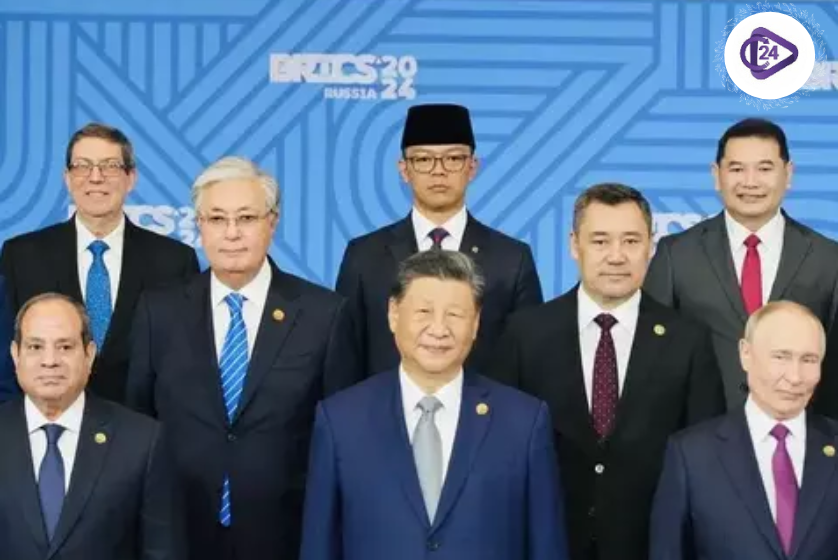
New Member of the Grouping Indonesia As the 11th Country

This is a big addition to the BRICS, as it expands the group’s reach among the emerging powers. Today BRICS accounts for 35% of the world economy and holds 46% of the global population, and therefore has significant potential in terms of trade and investments. The company opposes the hegemonic systems in the International Monetary System and calls for a shift to the post-American order and a decrease the reliance on the US dollar. It also seeks change within international organizations such as the IMF and the UN including the criterion of, getting better representation from developing nations.

About BRICS

  • BRICS is a leading intergovernmental organization of five large developing and rapidly growing economies.

  • Formation: The BRIC association was formed in 2001 During the same year the organization had its first inaugural meeting in Russia in 2009.

  • Founding Members: The four founding members of BRIC are Brazil, Russia, India, and China(2009).

  • Brazil – 2009

  • Russia- 2009

  • India- 2009

  • China-2009

  • South Africa-2010

  • Iran- 2024

  • UAE- 2024

  • Egypt- 2024

  • Ethiopia- 2024

  • Saudi Arabia- 2024

  • Argentina- 2024

  • Indonesia-2025

Economic Influence

  • Together the five countries of BRICs have a total GDP of around one-third of the total international GDP.

  • Cover 46% of the world and represent an immense market and human resource base.

  • The bloc holds a crucial position in boosting trade and investment among the various emerging economies.

A counterbalance to Western Dominance

  • BRICS provides an avenue for new economic powers to compete with G7 and other Western-dominated financial systems.

  • Here the group’s stance is for a multipolar world whereby they aim at diversifying from the American and European dominance most particularly in the areas of trade and finance.

Focus on Local Currencies and Non-Dollar Transactions

  • BRICS has one of its aims to bring down the influence of the US dollar in its Cross-border transactions.

  • The objective is to encourage the use of physical currencies in local areas and develop a less degenerate financial environment that fully relies on dollars.

Advocacy for Global Institutional Reforms

  • BRICS is demanding more voice and vote reform in international organizations like the IMF and UN where the landscapes of international governance are shaped and where emerging economies like BRICS seek seats at the high table of decision-making.

Collaboration Among Emerging Economies

  • Shows cooperation in technology, sustainable development, and others through BRICS.

  • The group fosters mutually beneficial knowledge of each other to address common issues which include global warming, disease outbreaks, and other adverse issues.

Energy and Resource Security

  • BRICS has many of its members as significant producers and consumers of energy, for instance, Russia, Brazil, and China, thus making it a strategic cooperation for energy security and development.

Support for Multilateralism

  • BRICS supports the concept of collective management through multilateral systems since it opposes the provision of individuals for every global issue.

Challenges Faced by BRICS

  • Diverse Economic Interests:

    • Currently, as it was mentioned before, BRICS is the union of countries with tremendously dissimilar economies – from the developed ones as China and India to the countries with oil-generating economies as Brazil and Russia.

    • These differences inevitably entail divergence of interest, particularly on matters to do with trade relations, economic liberalization, and foreign investments hence, making d [it] difficult to agree on some of the policies.

  • Political Differences

    • However, BRICS nations have certain levels of common objectives in place however politically they differ from one another.

    • For instance, Sino-Indian, border disputes and the Russian struggle for a place with the West can affect the groups consensus in addressing certain aspects on the international relations platform.

  • Geopolitical Rivalries

    • The conflict of interest in geopolitical nature equally impacts BRICS cohesion negatively where China and India have been in conflict and so have Russia with Western countries.

    • Further, relations with other countries that compose other alliances such as India with the US or an isolated Russia may make up some of the BRICS coalition creating differences in their total strength.

  • Economic Dependence on Global Markets:

    • While BRICS members strive for the block to become quite autonomous financially, most countries of this block are tied to World trade networks that are still dominated by the West.

    • This restrains the full liberation of BRICS and how they create their financial systems or shift from dollarization in the global economy.

Conclusion 

Membership in BRICS makes Indonesia one of the new working group members and strengthens the position of the conglomerate as a counterpoint to the dominance of the West in the regulation of the world economy. However, politically different paradigms, economically conflicting interests, and allied affiliations depict a picture of a continuously challenging nature that may hinder the group from behaving as a consolidated force. 

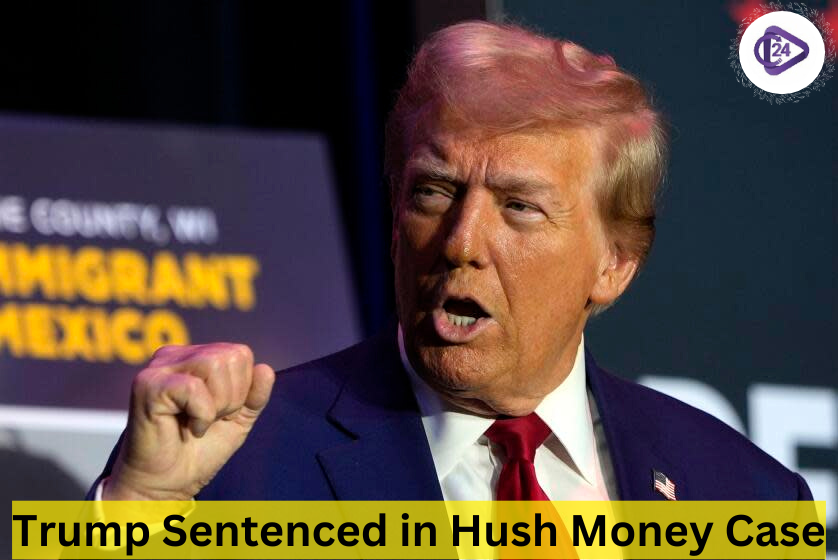
Donald Trump sentenced to ‘unconditional discharge’ in hush money case

For a sentencing hearing of the criminal case concerning hush money payment to adult film star Stormy Daniels US President-elect Donald Trump appeared virtually on January 10, 2025. This case has excited the nation because Trump is charged with multiple counts touching on the covering up of payments made during the 2016 presidential campaign. After his conviction in 2024 on 34 counts of business fraud, Trump was discharged by a Manhattan court with “unconditional discharge,” making a historical move in American political history. 

The Conviction and Sentence

Trump’s conviction comes from $130,000 that he paid Stormy Daniels before the 2016 elections to keep silent about an affair they had before he became the businessman. The money was sent through Trump’s attorney Michael Cohen and intended to hush up the scandal. Trump was found guilty in 2024 on 34 counts concerning fraud involving payment records to cover the nature of the payments.

Although the felony conviction means that Trump was and is a convicted felon, he has been given an “unconditional discharge”.This is equal to no jail time, no fines to pay, and no probation. Judge Juan Merchan stated that though Trump would have received a stiff sentence as any other citizen, he was enjoying immunity due to his status as a president-elect.

The President Donald Trump’s Era and the Legal Consequences

Trump’s sentence does not bar him from assuming the presidency. Indeed, he will be the first president to assume office in that capacity and have a criminal charge awaiting his trial. This has tremendous consequences both for Trump as a candidate as well as for the nature of the political process.

Can Trump Vote?

For instance, Trump is a convicted felon in New York, although he can still vote there; he is registered to vote in Florida. Florida law makes it possible for the people’s voting rights to be reinstated once the person has finished serving their time, so technically Trump has a vote.

Golden Triad Guns Rights and Other Restrictions

There are also federal laws that state that felons cannot own any kind of firearms. This means that Trump cannot own guns, even though he is now a president. Moreover, Trump’s conviction may affect any of his activities in companies that need particular licenses. He will not be able to obtain liquor licenses, but his golf courses and hotels remain free to sell alcohol. His experience in the casino business may not therefore be immense.

Can Trump Hold Office?

While Trump has been convicted as a felon, there are no laws in the United States that bar a person with a felony conviction right to be president. This is significant because even though he was convicted Trump will still be eligible to assume the presidency on January 20, 2025.

Pardon Prospects

The only one who can release Trump for this conviction is the Governor of New York, Kathy Hochul. Since the woman is a Democrat, there is no probable way that she would agree to issue a pardon, not to mention the case's high profile.

Tourism and Foreign Policy

The situation is that Trump having been elected to the presidency will be allowed to travel internationally with a diplomatic passport as opposed to an official one which, unlike the latter, grants its bearer privileges that cannot be extended even to convicts of felonies. This enables him to carry on his international activities or secure his diplomatic immunity during his stay in office.

Legal safeguards have never been seen before

In his decision, Judge Merchan observed that Trump was convicted of a crime of very high profile, which is an extraordinary case just because the position of the president comes with so many legal immunities. These are privileges like the immunity of the president and supremacy of its laws and regulations so all laws against the president cannot be enacted while he is in power. 

Work is art, politics is a game, a historic and polarizing moment.

Trump’s conviction and sentencing further are the unique moments in American political history. Never has a president-elect come into office with a felony record in his portfolio. This could cause massive development that would affect the nation’s legal and political framework in the long run.

Even when Trump is ready to declare his comeback, the legal aspects of his conviction will be a topic to discuss. His admirers regard the allegations as politically instigated; those considering him an adversary suggest the law cannot allow him to go scot-free. In either case, this case is a useful example of the relationship between law and politics in present-day America.

If Trump is inaugurated as the president on January 20, 2025, the country will be waiting to see how the legal proceedings will go in the next few months as well as whether his presidential presidency can proceed without trials.

Conclusion

Donald Trump’s “unconditional discharge” in the hush money case highlights an extraordinary intersection of law and politics. As the first president-elect with a felony conviction, this unprecedented event could have significant implications for the U.S. legal and political framework. Trump's presidency will likely remain under intense scrutiny, shaping debates on accountability and the privileges of high office.

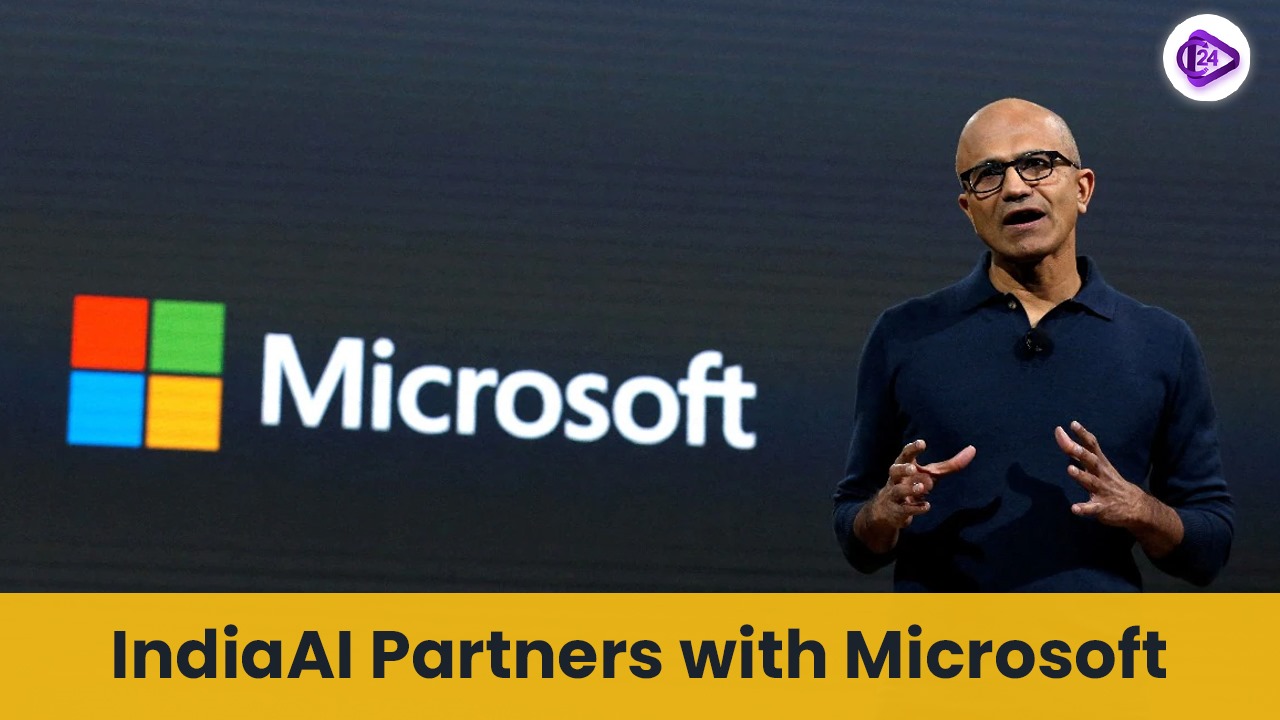
IndiaAI partnership with Microsoft to advance inclusive AI in India.

Developed under the Digital India Corporation, IndiaAI has partnered with Microsoft with the intention of fostering the appropriate growth of artificial intelligence in India. This partnership is memorialized through a Memorandum of Understanding (MoU) that seeks to harness the AI-for-good opportunity to deliver on inclusion, economy, and leadership. The collaboration aims to drive innovation across sectors while ensuring ethical and responsible AI development. It also focuses on empowering communities through upskilling initiatives and cutting-edge technological advancements.

Key Initiatives and Goals

  • Massive AI Upskilling by 2026: 

    • Thus, 500,000 learners and educators, developers and government officers, and women entrepreneurs will be trained in AI.

    • Continuing education will be developed based on the base and the modern level of knowledge in AI to address the skill gap in the AI market.

  • Centers of Excellence:

    • Set up a hub for rural usage of AI to enhance innovation in Tier 2 and Tier 3 cities.

    • Launch 100,000 AI builders and creators through hackathons, community projects, and an AI platform.

  • AI Productivity Labs

    • Opening of new labs was initiated in 20 National Skill Training Institutes (NSTIs)/NIELIT centers across 10 states to train 20000 educators and impart basic AI knowledge to an estimated 1,00,000 students across 200 Industrial Training Institutes(ITIs).

  • Support for AI Startups

    • Microsoft’s Founders Hub program will bring Azure credits, business assets, and mentorship to 1,000 AI startups.

    • Drive innovations in one of the world’s fastest-growing markets for startups-India.

  • Smart Solutions in the Strategic Industries

    • Create AI solutions for the sectors using the information provided by leveraging Microsoft Research (MSR) for sectors like health care, agriculture, and others.

  • Indic Language AI Models

    • It is developing AI models using the 22 Indic languages to make them available as the culture and diverse language requirement of the nation necessitates it.

  • Responsible AI Development

    • Outsource consultation from IndiaAI to enable the formulation of policies and the crafting of best practices for applying artificial intelligence technology responsibly for the longest sustainable period.

  • Datasets and Platforms

    • Develop well-built dataset resources to collect, label, and generate realistic datasets for AI innovations in the exploration of research in artificial intelligence investments and practical.

About Artificial Intelligence (AI)

Artificial Intelligence(AI) is defined as the capacity of a system, machine, or computer to accomplish tasks otherwise executed by a human being. It comprises artificial intelligence, machine learning, and natural language processing among them, and is capable of putting the computer through a process of learning and arriving at a decision in this process.

Key Elements of AI

  • Machine Learning (ML): It enables systems to grow the extent of experience and alter it autonomously without necessarily requiring coding. These are, for instance, spam filters and related recommendations.

  • Deep Learning: A Machine learning that employs a neural network with the ability of more than one layer to enable it to differentiate between the patterns as well as the features of the objects for instance the faces.

  • Natural Language Processing (NLP): Used for making and recognizing human language for computer use such as in voice-controlled devices; Siri, Alexa, and others.

  • Computer Vision: Helps in the identification of objects, used in self-driving cars and diagnostics from pictures and videos.

  • Neural Networks: This is an artificial neural network capable of mimicking the human brain workings with logic patterns for example what show to watch next on Netflix.

Types of AI

  • Narrow AI (Weak AI): It is embedded in a particular application, for instance, virtual assistants, or the ability to measure faces.

  • General AI (Strong AI): Seeks to carry out methods that resemble human-like reasoning and learning across many tasks.

  • Super AI: A realistic AI that can know more than a man in every possible way.

Uses of AI

  • E-commerce: More specific use cases are personalization in shopping and fraud identification.

  • Healthcare: Pre-diagnosis, drug discovery, medical diagnosis, disease diagnosis, and patient observation.

  • Agriculture: Aids in increasing the yields through the culture of smart farming.

  • Finance: Saves time for risk evaluation and groups up fraud.

  • Manufacturing: Enables predictive maintenance and use of robotics applications.

Advantages of AI

  • Productivity: AI means making repetitive types of work automatic, so it is more efficient.

  • Improved Decision-Making: One is the ability to analyze patterns within data to support decisions that are evident in retail and banking.

  • New Frontiers: AI brings new possibilities for developments in healthcare, studies, and education.

Disadvantages of AI

Job Loss: Special attention should be paid to personnel threats, which can appear due to a shift in the concentration of routine work, potentially performed by employees of various companies, towards the use of robotic automation systems.

Bias and Ethics: The failure of training data may contain bias from the society that it feeds to the AI systems.

Misuse: The AI technology is mighty and it can be applied negatively: create deep fake technology or cyberattacks.

AI in India

  • National Strategy for AI (2018): This policy implants AI technologies into the sustainable development of the nation and people’s economic and social development.

  • AI for Agriculture & Youth: Targets intervention in increasing food production and training young people on AI possibilities.

  • INDIAai: An institute for Artificial Intelligence and a basic source of knowledge and support for AI projects within the country.

Conclusion

Therefore, AI is changing the fundamentals of living and working as well as may be able to revolutionize all the main fields of life such as health care, education, and finance. However, its effective management when coming to an ethical and societal question is of paramount importance when integrating this technology into societies.

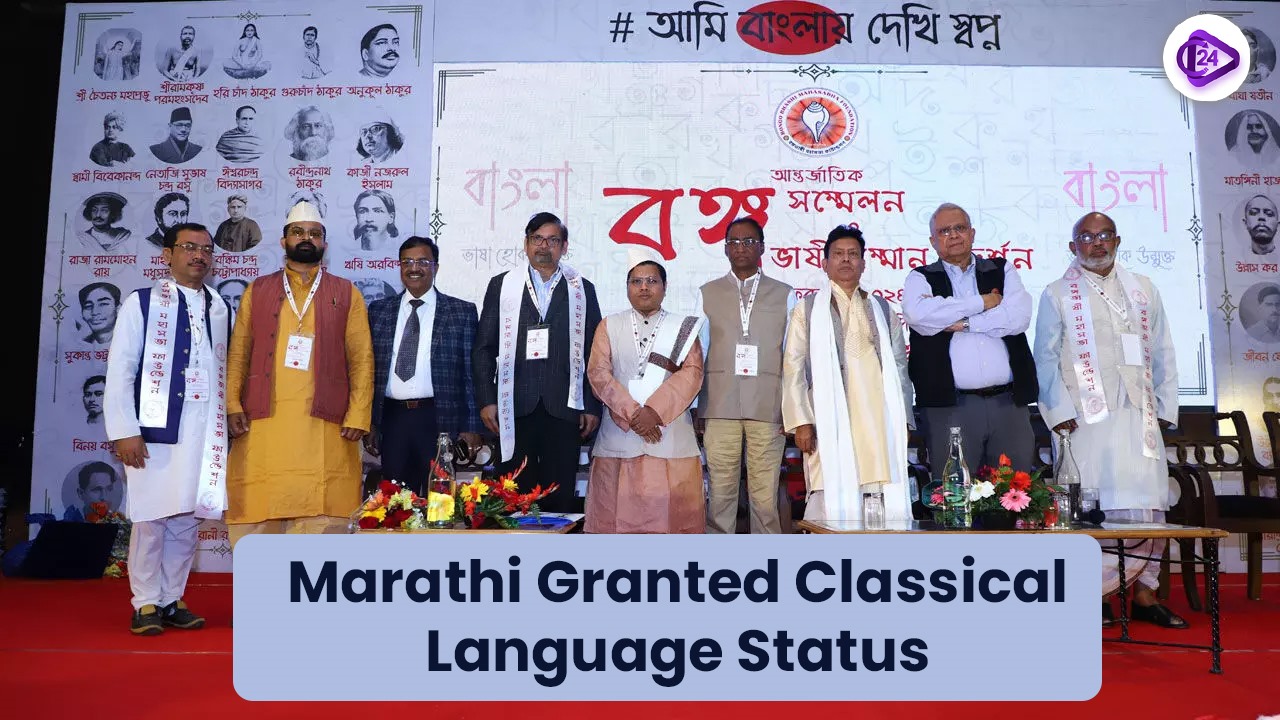
Marathi Granted Classical Language Status: A Milestone for Maharashtra

After the Union Cabinet gave classical language status to Marathi on October 3, 2024, the Central Government released the official notification, as per Maharashtra Minister Uday Samant. It is the sequential result of a campaign stretching back nearly 11 years to have Marathi recognized as one of the classical languages of India.

Key points

Minister Samant emphasized the commitment to preserving and promoting the Marathi language globally:

  • Research and Funding:

    • A study of its history and evolution as well as its linguistic profile will be conducted as the Union Culture Ministry has committed pathological funding for the task.

    • ₹2 crore have been earmarked for Sahitya Sammelan by the state government and a similar budget is expected for the next year.

  • Education and Awareness:

    • Attempts are being made to improve Marathi schools in Delhi and other areas.

    • The Marathi World Conference to be held in Pune from January 31 and February 2 with Union Culture Minister Gajendra Singh Shekhawat as the chief guest will highlight the global relevance of Marathi.

  • Recognition of Maharashtra Prakrit:

    • When the classical status is granted to Maharashtra Prakrit, the further historical development of the Marathi language will be researched and artificially deepened based on its history, which reached 2,000 to 2,500 years ago.

Classical Languages of India 

  • Background: 

    • The presentation of Classical Languages in India was first recognized in the year 2004 only. The standards for classifying a language as classical were elaborated again in 2024 as having a high age (1500-2000 years), numerous ancient texts, and inscriptions. 

    • It also might be a language that has a discontinuity from its corresponding later languages.

Languages with Classical status

  • Tamil language started in 2004, followed by Sanskrit in 2005, Telegu & Kannada in 2008, Malayalam in 2013, and Odia in 2014.

  • In previous years, Pali, Prakrit, Assamese, Bengali, and Marathi have been granted the status of Classical.

Benefits of Classical Language Recognition:

  • Preservation and Documentation: Measures involve scanning old manuscripts, and providing employment in catalogs, translation, and publication services.

  • Academic Benefits: Most of the financial support for the scholars and research work is through the Ministry of Education that offers international Awards.

  • Funding: Specific grants are provided for the promotion of research on and the development of these languages.

Marathi Language

  • Origin: Marathi has emerged from the Maharastra Prakrta, which was spoken in the Satvahan era.

  • Gathasaptasati: Patronized by the King Hala of the Satvahana dynasty, it is one of the oldest Marathi texts.

Broader Implications

The classical status not only recognizes the presence and potential of the cultural wealth of Marathi but also opens the gate for structured research and promotion of Marathi worldwide. This recognition is expected to prompt the same type of campaigns for other regional languages indicating the linguistic and cultural heritage of India.

Conclusion

The granting of Classical Language status to Marathi marks a historic achievement for Maharashtra, ensuring the language's preservation, research, and global promotion, contributing to the rich linguistic diversity of India.

Frequently Asked Questions (FAQs)

The current affairs cover recent national and international events related to UPSC, SSC, Banking, Railways, and State PCS.

You need to read about the current affairs daily, and revise them every week and every month to keep them longer in your memory.

Yes, Class24 provides free downloadable Daily Current Affairs PDFs for easy revision.

Yes, you can practice MCQs and quizzes to boost your exam preparation.

Absolutely. The content is written in simple, easy-to-understand bilingual language suitable for beginners.

Go to class24.com and click on the current affairs section directly, where you find everything that you need.

ssc-toppers

Start Learning Today with Class24

Related current affairs

Class24 offers free video lectures for smart preparation, covering CGL, CPO, CHSL, MTS, and GD exams. Learn from expert faculty, revise concepts easily, practice with PYQs, and improve speed and accuracy through high-quality, exam-focused video lessons anytime, anywhere.

Get success in your hand. Start study anytime anywhere.

The journey becomes simple and enjoyable when you start taking interest in it. And through our app “Class24”, we will be your trusted partners in developing that interest.

Daily Quizzes
Mock Tests
Ongoing

No ongoing tests right now.