

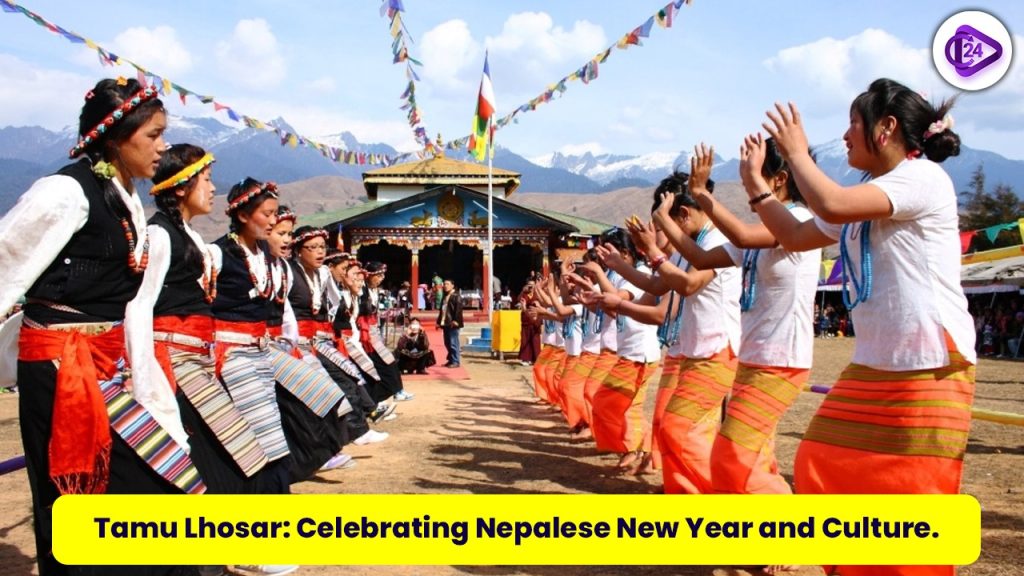
Tamu Lhosar is an important part of the cultural scenario of Nepal especially in the hilly and mountainous areas of the country and especially for the community called Gurung. The festival is concerned with the festival of Gurung known as “the New Year festival of the Gurungs” which reflects renewal, togetherness, and continuity. Nepali New Year is the focal point of cultural activities based on family and community and the re-birth of the life cycle. People and their houses are clean and dressed in traditional clothing
Significance
-
Tamu Lhosar is the beginning of the New Year for the Gurung ethnic group mainly found in upper hilly and Mountainous regions of Nepal.
-
The Gurung people give different meanings to it with newness, togetherness, and welcoming the new year.
Meaning of Tamu Lhosar
-
In the Gurung community, ‘Lho’ represents year or age, and ‘Sar’ symbolizes change or a new beginning or new age.
Regions Celebrating Tamu Lhosar
-
The festival is celebrated in districts like Lamjung, Gorkha, Tanahun, Syangja, Manang, Kaski and Parbat district where the Gurung people are more in number.
-
The Gurung community often enjoys dances, music jams, dramas and shows during the festival of Tamu Lhosar.
-
Such occasions are lively and packed with music and dances together with other functional activities of the community.
Traditional Attire
-
Gurung Women dress in Makhamali blouses, especially the Ghalek shawls, Patuki belly-binding clothes, and sarees.
-
Gurung Men wear colorful Bhoto vests, Bhangra garments, and beautiful Kachhad kilts to emphasize their traditions.
Date of Celebration
-
Tamu Lhosar is observed on the 15th day of the Nepali month Push which falls in December January.
-
It is seen as the loneliest night when nights start to grow shorter after which represents a spiritual growth or rebirth.
Public Holiday
-
This therefore calls for celebration through the announcement of the Tamu Lhosar as a public holiday in Nepal to mark the celebration of such a culture.
-
This status shows the importance of the festival in Nepali culture.
Other Nepali New Year traditions
1. Bikram Sambat
The Nepalese calendar used according to the Nepalese culture is called Bikram Sambat and the new year means the new start. People clean their houses, prepare local festive meals, and celebrate this day through prayers and family meetings and people also enjoy some cultural programs.
2. Rasa Panchami
Observed seven days after the festivity of Nepali New Year, Rasa Panchami is related to the worship of the Rato Machhindranath Goddess and her spouse Bunga Devi. Food and specific prayers are provided to ask for favors for a good harvest.
3. Buddha Jayanti
Nepal honors Buddha Jayanti which commemorates the birth, enlightenment, and parinirvana of saint Lord Gautama Buddha normally observed in the new Nepali year. During this period, all Buddhists of different sects and stupas in the Kingdom of Nepal celebrate it through procession, prayers, and meditations.
4. Chaite Dashain
The festival is observed in the month of Chaitra which is equivalent to March and April in the English calendar, the next grand festival of the Nepali calendar is known as Chaite Dashain. It is similar to the bigger Dashain festival of the autumn, but one major purpose of Chaite Dashain is for a request of blessings from the elders of the family.
Celebration and Rituals
In detail, more or less Nepali New Year is intended to Cultural festival that are depicted to the family, community, and cycle of life. Houses are cleaned and decorated, and everyone especially women put on traditional attire. In the rural areas, it consist of the likes of Kabaddi, Maruni and Musical Chairs among several others. This supplements the counts for the preparations is the preparation of traditional foods like the sel roti, kuaako and even jaulo.
Role of the Community and Culture
Nepali New Year is the conventional system of counting years and also proves as the preservation of the Nepali itself cultural wealth. Missing in this period was passing of some traditional values from elders to the young persons to ensure that such knowledge did not die. They help ethnic groups of Nepal to have pride and increase ethnic stability within Nepal society.
Contemporary Relevance
Festivals celebrate the beginning of a New Year in different ways but in modern Nepal the guise of New Year has both a rustic feel and a touch of modernity. These dances are performed together with other cultural troupes, and songs and dances are held side by side with modern events like parties, etc. It is an interesting discovery that Nepali culture accepts tradition events but also accepts change because the chores presented here reflect a new paradigm.
Conclusion
Nepalese New Year is the other lively effective channel of togetherness, tradition, and fellowship. Today it is one of the testimonies of how the cultural stream, which is properly cultivated and passed through generations, contributes to the preservation of the rich and intertwined ethnic base of the Nepalese kingdom.