








Indias Digital Infrastructure Role Economic Growth

India's digital infrastructure, led by initiatives like UPI and Digital India, plays a crucial role in driving economic growth and financial inclusion. However, challenges like rural connectivity still need to be addressed for inclusive development....
India’s Digital Infrastructure and Economic Growth

Over the last few years, the digital infrastructure of India, has become one of the most critical factors contributing to the transformation of the India economy. The government of India has especially delivered in its plan to extend and enrich digital public goods by 2024 in areas like UPI, Digital India, and inclusive financial sector, such as the Jan Dhan Yojana scheme. Besides liberalizing financial services, these programs have impacted positively on quickening the rate of economic growth by financially subsidizing the underprivileged, and promoting economic inequality inclusiveness of digitalization.

Revolutionizing Payments with UPI.

Among the distinctive developments that the India story of digital growth can’t brace is the adoption of the UPI system in the country. UPI has rolled out, people can transfer money in an instant, digital payments services are now available to millions who never had it before, especially in rural areas and parts of India which were not well connected. As a means of facilitating easy, fast, and secure means for transferring of funds, UPI has enabled individuals and firms to integrate into the digital economy. As per the 2024 statistics, there are more than 8 billion transactions done on UPI every month and it plays a very important role in making effective financial interventions for minimizing the monstrous use of cash.

The success of UPI has also brought about a significant increase in digital enterprises, and firms in the fintech sector. Most of these firms are deploying the key infrastructure of UPI in providing answers to financial services including micro-loans, insurance, and payments for financial inclusion of individuals and firms in equitable access to the digital economy.

Government’s Push for Digital Public Services

In addition, the culture of accepting payment has improved over the years, while the Indian government’s Digital India scheme has also led to the development of the Indian public sector. Through the emergent use of e-Governance solutions, the Indian government has achieved better delivery of its services, efficiency and paper-less operation. Initiatives like e-District, e-Office and others, based on Aadhaar platform have helped in minimizing bottlenecks that Indian bureaucracy poses to the efficient delivery of Public services.

Thus, apart from changing the scope of government services, there are Increased hacking opportunities in the sphere of the gig economy due to the active government’s approach to digitalization. Different web-based platforms for buying and selling products and services, freelancing, content generation or remote employment have become crucial sources of livelihood for millions of people in India. Opportunity has increased for people to get employed even in new areas as the digital infrastructure has helped increase the availability of jobs for entrepreneurship.

Challenges to Overcome

Hence, there is still much to do, even though the recent progress seems to have been tremendous. Currently, a significant proportion of Indian users does not have an opportunity to use a fast stable internet connection, especially in rural provinces. The Digital connectivity index has it that more than 300 million in rural India have limited internet usage today even in 2024. This digital divide continues to be one of the greatest inhibitors to the country’s digital revolution.

In order to meet these needs, the government has launched mega initiatives like the BharatNet project, which consist of providing affordable internet access to the rural regions. Thus, closing the digital gap is the complex process that involves both the governmental and non-governmental initiatives of expanding the infrastructure and decreasing the costs along with increasing the awareness of the existing possibilities all over the country.

India’s Digital Future: Path to a $5 Trillion Economy

With India more than doubling its aspirations to become a $5 trillion economy, the part played by digital ecosystem for continuous economic growth and global competitiveness cannot be overemphasized more. A rapidly growing digital environment is something that has been contributing to its further development in the future, particularly focusing on e-commerce, AI, blockchain, and data analyzing businesses.

It is worth stating that new economy businesses of digital trade have already resulted into millions of employment opportunities pushing productivity and efficiency through innovation and we foresee India extending this digital economy front in order to enhance more employment productivity and efficiency on its digital economy infrastructure. To sustain the pace of growth, however, it will be equally important for India to ensure the digital-parity and solve infrastructure problems.

Key Takeaways

  1. UPI System: UPI has transformed the way of digital payment, enabling easy, quick and more efficient transactions and non- exclusion for financially excluded population in India.

  2. Digital Startups and Fintech: The growth of digital infrastructure is accelerating the emergence of new startups, primarily in the fintech segment with new solutions.

  3. E-Governance and Public Services: Through Digital India and e-Governance, a great deal needs have been made in efficiency and effectiveness of service delivery in India.

  4. Gig Economy and Employment: Use of innovative technologies in business has created a way of earning a living such as through the help of the internet in business such as e-commerce and people performing freelance jobs as a way of earning a living hence creating the gig economy.

  5. Digital Divide: As much as it has been embraced by many, high speed internet is still a preserve of a few, more so the rural persons hence an impediment to the achievement of inclusive growth.

  6. BharatNet and Rural Connectivity: Schemes such as the BharatNet project in a way help reduce the digital gender divide by extending internet connectivity to Indian countryside – a crucial part of developing an inclusive digital economy.

Therefore, it is can be argued that India’s digital infrastructure remains one of the key sources of its economic growth. With current initiatives that target extension of broadband as wells as existing gaps in the physical layer, continued digitalisation will go a long way in achieving vision of making India a dominant economic power in the future. Thus allowing for UPI and programs like the Digital India to prosper, to further the e-Government technology progression, the gig economy, and to ensure an inclusive digital future for all India.

📄 Attached PDF

View / Download PDF

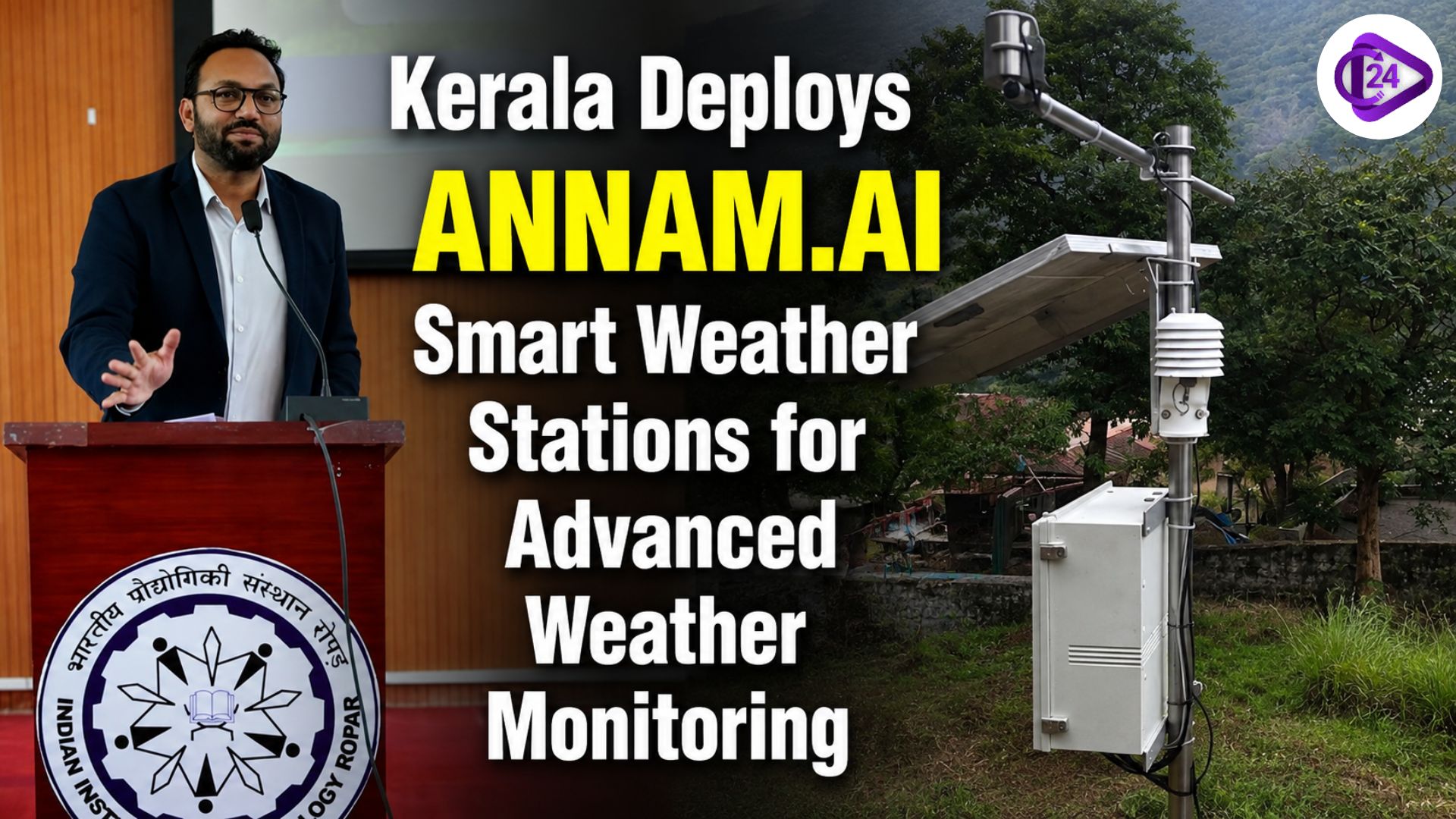
Kerala Deploys ANNAM.AI Smart Weather Stations for Advanced Weather Monitoring
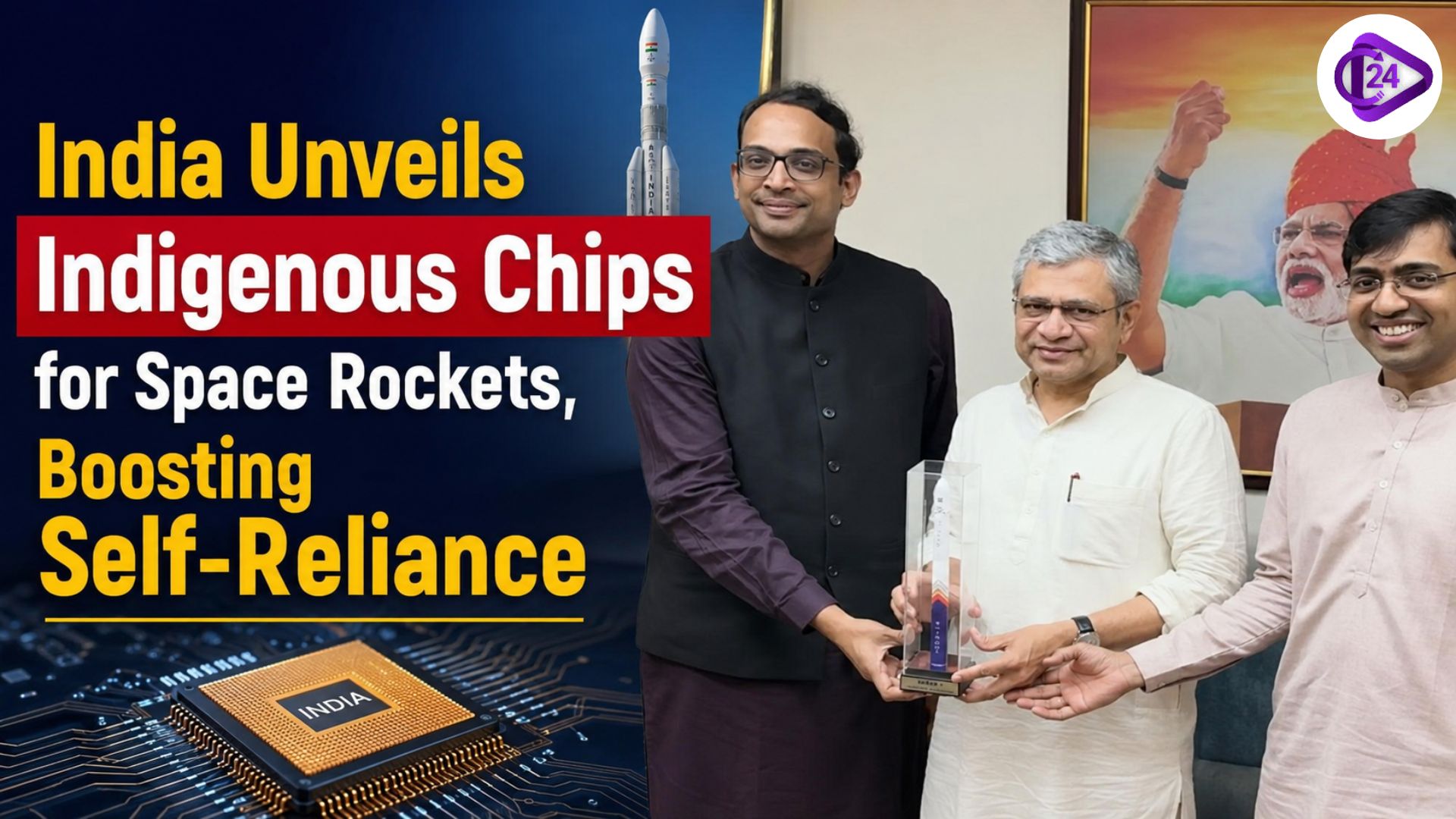
India Unveils Indigenous Chips for Space Rockets, Boosting Self-Reliance
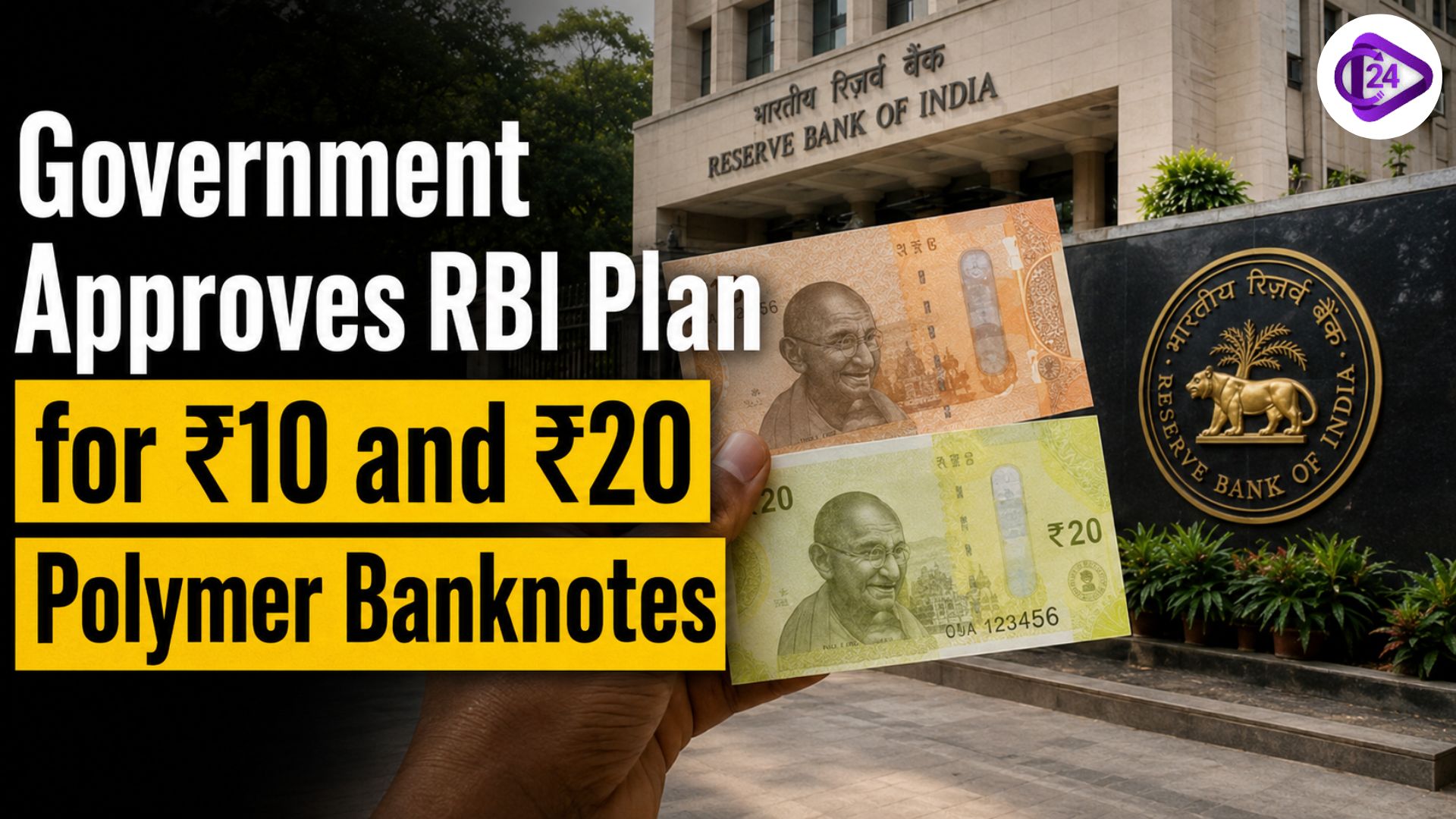
Government Approves RBI Plan for ₹10 and ₹20 Polymer Banknotes
Sarvesh Kushare Wins India’s First CWG 2026 High Jump Silver Medal
MJPJAY 2026: Mahatma Jyotirao Phule Jan Arogya Yojana, Key Facts & Benefits
Esha Singh Wins Gold in 25m Pistol at ISSF World Cup 2026

Start Learning Today with Class24

Class24 Mobile Application

Class24 also has a mobile application so that it becomes easily accessible and convenient. This can be downloaded on an Android device. Users have appreciated this app and the content provided as 4.1 out of 5 is its rating in the App Store. People loved it because Class24 is giving content which is extremely rich in every sense. The app comprises a wide variety of features for smooth learning:

  • User-Friendly Interface: The app is categorized into various sections so that students can navigate and access various resources with ease.
  • Offline Access: The study materials can be downloaded and the student can access them even when not connected to the internet.
  • Inbuilt eBook Reader: There is a lightning-fast reader for eBooks within the app, so reading is seamless.
  • Progress Tracking: The app tracks student’s progress in preparation and keeps them organized and focused.

Courses and Subjects Offered

The total syllabus will be covered, and there are in-depth practice materials so as to give deep preparation in the courses designed to each one of them. All the subjects come under the aegis of courses offered by Class24 to meet different needs of various aspirants such as:

Preparation Tips for All Exams

Preparation tips for all exams mentioned below:

  • Previous Year Papers: Try to attempt at least 5-10 years of question papers to know the pattern of questions, how much difficulty one would face while answering, and how many frequently asked topics were in the examination.
  • Take Mock Tests: Attempt Mock Tests regularly in order to time and accuracy. You may analyze the performance and make an improvement for weak areas.
  • Focus on Time Management: Solve questions in the given time to make a habit of having speed and efficiency. Allocate time sensibly between Paper 1 and Paper 2, while appearing in the examination.
  • Current Affairs: For Current Affairs and TET exams, be updated about current affairs, teaching aptitude, and general awareness.
  • Regular Revision: Spend your daily and weekly time for revisions to not forget concepts and formulas. Use flashcards or do self-summary notes for quick revisions.
  • Understand the Exam Pattern and Syllabus: Understand the pattern of your exam paper and syllabus very well. Both Current Affairs and CSIR NET examinations are two-tier ones and involve both Paper 1, which consists of general aptitude and Paper 2 that involves specific aptitude subjects.
  • Make a Study Plan: Divide the preparation time into three phases of concept building, revision, and mock tests. Allocate more time to weaker areas while maintaining equilibrium with stronger sections.
  • Online Coaching or Study Groups: Enroll in online coaching programs like Class24 to get proper guidance and a structured approach to the study. Study groups will be useful to discuss doubts and share resources.
  • Stay Consistent and Motivated: Maintain a steady study schedule. Stay motivated by making small achievable goals.
  • Use Quality Study Materials: Suggested study material refers to a textbook, a set of previously published question papers, and web sources such as Class24.

Conclusion

Class24 is a one stop solution for aspirants preparing for Current Affairs, CSIR NET, SET, UP PGT English, UP TGT PGT, UPHESC Assistant Professor, TET, IGNOU B.Ed and other competitive exams. There are structured courses, live classes, mock tests along with the guidance of experts to assist candidates in achieving success in their respective fields.

Get success in your hand. Start study anytime anywhere.

The journey becomes simple and enjoyable when you start taking interest in it. And through our app “Class24”, we will be your trusted partners in developing that interest.

class24 app
Daily Quizzes
Mock Tests
Ongoing

No ongoing tests right now.