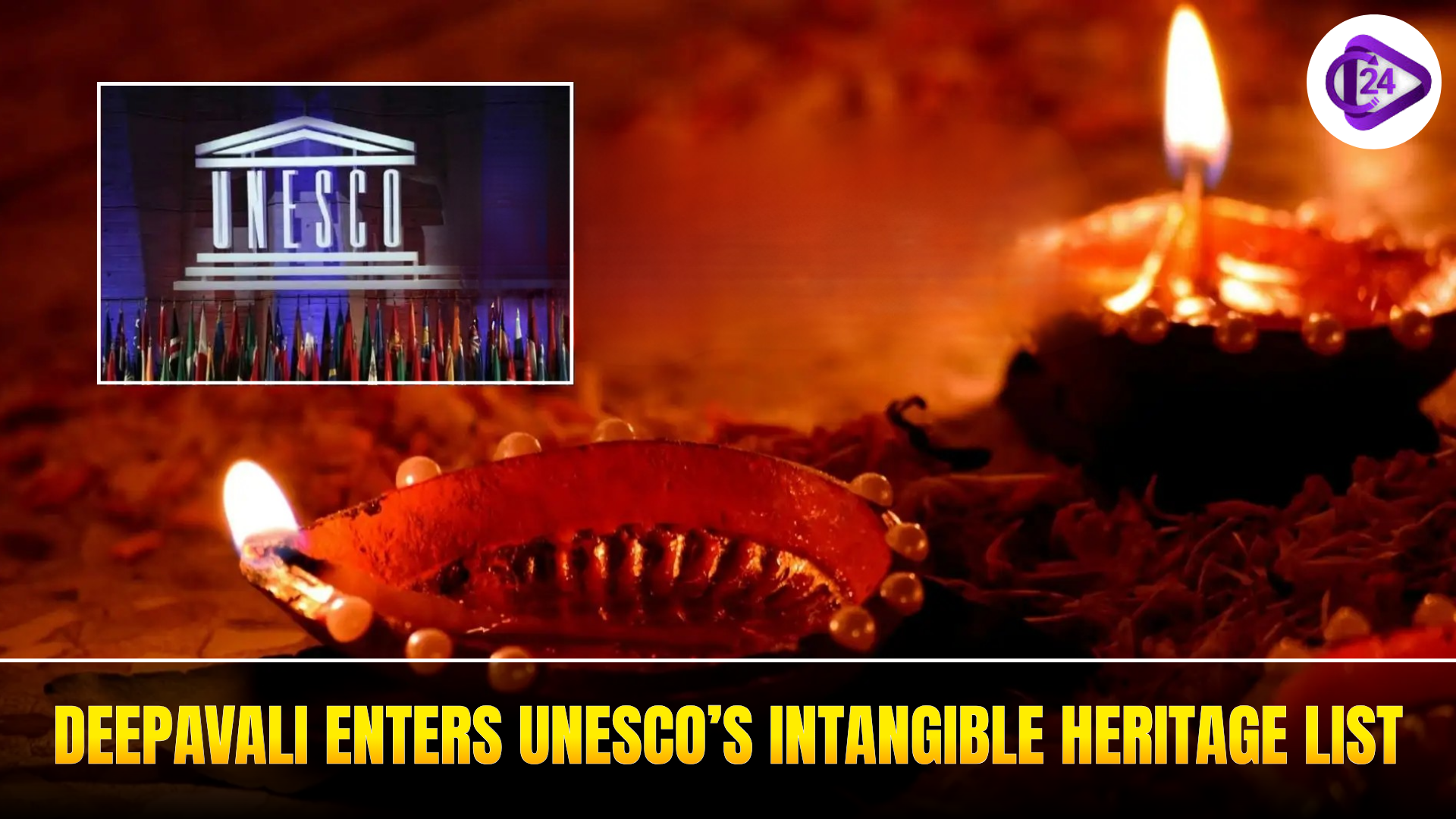
The Deepavali festival, celebrated worldwide, has now been officially registered on the UNESCO List of Intangible Cultural Heritage of Humanity. This award reflects not only Deepavali as a vibrant festival, but as a continuum of tradition, a community, and a generations-old tradition that has bound the rites and craft with an uninterrupted celebration into a culture-rich tapestry. In the case of India, this is the 16th heritage site recognised by UNESCO in recognition of the importance of Indian culture worldwide.
Inside UNESCO’s Intangible Heritage List: Meaning, Purpose & Global Impact
-
Overall identifies existing cultural traditions which could include festivals, performing arts, ritual, and craftsmanship.
-
Focuses on protecting traditional generation-old practices in order to maintain culture.
-
Promotes international collaboration in an effort to save endangered cultural practices.
-
Features the community phase as the electricity of cultural sustainability.
-
Encourages cultural diversity in other countries.
-
International publicity on intangible heritage.
-
Pride in the culture allows cultures to persist.
PYQs on India’s Intangible Heritage
| Exam Name | Year | Question | Options | Correct Answer |
|---|---|---|---|---|
| SSC CGL | 2022 | Which of the following is inscribed in UNESCO’s Intangible Cultural Heritage list? | (A) Rani ki Vav (B) Kalbelia Dance of Rajasthan (C) Ajanta Caves (D) Elephanta Caves |
(B) Kalbelia Dance of Rajasthan |
| UPSC Prelims | 2021 | ‘Kumbh Mela’ was added to UNESCO’s Intangible Cultural Heritage list under which category? | (A) Oral Tradition (B) Social Practices (C) Performing Arts (D) Craftsmanship |
(B) Social Practices |
| SSC CHSL | 2023 | Which traditional art form of India is recognised by UNESCO as Intangible Cultural Heritage? | (A) Madhubani Painting (B) Yoga (C) Chhau Dance (D) Tanjore Painting |
(C) Chhau Dance |
| RRB NTPC | 2020 | Which Indian festival was the first to be listed as Intangible Cultural Heritage by UNESCO? | (A) Holi (B) Durga Puja (C) Diwali (D) Onam |
(B) Durga Puja |
| CDS | 2022 | UNESCO listed which musical tradition of India as Intangible Cultural Heritage? | (A) Hindustani Classical (B) Carnatic Music (C) Sangeet Natak (D) Kutiyattam |
(D) Kutiyattam |
Expected Question For Intangible Heritage Site
Which was the first Indian element to be inscribed on UNESCO’s Intangible Cultural Heritage List?
A. Yoga
B. Kutiyattam
C. Ramleela
D. Kalbelia Dance
Correct Answer: B. Kutiyattam
Description: Kutiyattam, the Sanskrit theatre tradition of Kerala, was the first Indian intangible heritage element inscribed in 2001.
Which is the latest Indian tradition added to UNESCO’s Intangible Heritage List?
A. Durga Puja
B. Deepavali (Diwali)
C. Garba
D. Chhau Dance
Correct Answer: B. Deepavali (Diwali)
Description: Deepavali was officially inscribed in 2025, becoming the newest intangible heritage element from India.
Which SDG directly supports the protection of intangible heritage, such as festivals and performing arts?
A. SDG 11 – Sustainable Cities and Communities
B. SDG 3 – Good Health
C. SDG 9 – Industry & Innovation
D. SDG 15 – Life on Land
Correct Answer: A. SDG 11 – Sustainable Cities and Communities
Description: SDG 11 includes Target 11.4, which focuses on safeguarding cultural and natural heritage.
Promoting traditional crafts under UNESCO’s Intangible Heritage List supports which SDG?
A. SDG 1 – No Poverty
B. SDG 12 – Responsible Consumption and Production
C. SDG 14 – Life Below Water
D. SDG 17 – Partnerships for Goals
Correct Answer: B. SDG 12 – Responsible Consumption and Production
Description: Traditional crafts encourage sustainable use of local resources and eco-friendly production.
Conclusion
Deepavali is listed under the UNESCO Intangible Heritage, which strengthens the fact that it is a colourful representation of the living cultural activities in India. This international acknowledgement crowns the timeless values of the festival of harmony, hope and connection with a community, as well as reinforces the cultural identity of India and makes sure that its rich heritage serves as a significant role model to the generations to come in every corner of the world.