


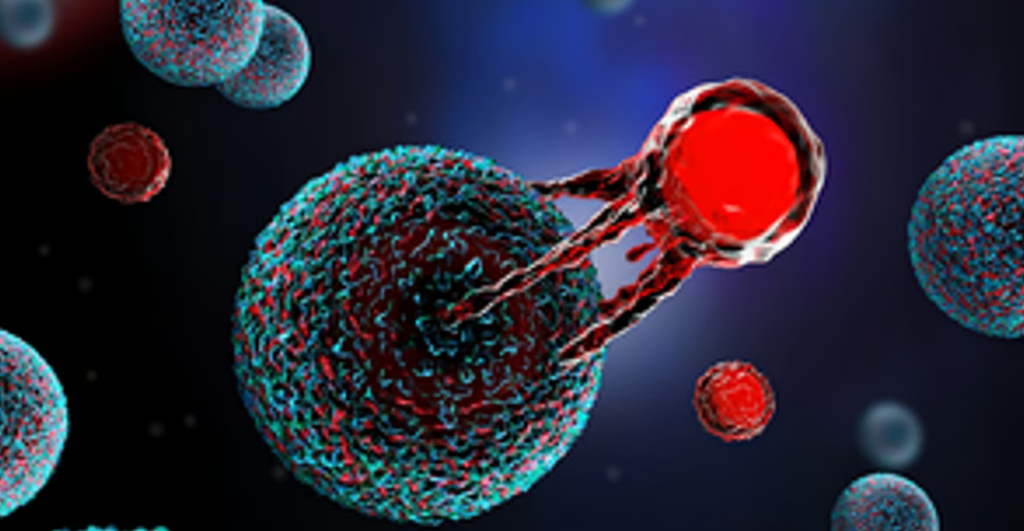
The medical field in India reached a major breakthrough through its establishment of local CAR T-cell therapy capabilities. The medical breakthrough becomes essential because cancer incidence continues to rise while access to cancer treatments remains difficult. IIT-Bombay together with Tata Memorial Hospital led a successful initiative which became a vital development in native medical breakthroughs.

What is CAR T-Cell Therapy?
-
CAR T-cell therapy (Chimeric Antigen Receptor T-cell therapy) enhances T-cells from patients through modification of their properties to make them more effective cancer cell fighters.
-
The medical therapy targets blood cancer diagnoses of acute lymphoblastic leukemia and large B-cell lymphoma primarily when standard therapeutic treatments have proven ineffective.

Clinical Trial and Efficacy
-
The Phase I and Phase II clinical trials generated response results of 73%.
-
Patients diagnosed with leukemia survived without their disease progressing during six months.
-
The lymphoma patient group achieved four months of cancer-free survival period.
-
A high percentage of patients experienced severe side effects that included anemia in 61% and thrombocytopenia in 65% and neutropenia in 96% of cases.
-
Twelve percent of subjects developed the serious immune problem called haemophagocytic lymphohistiocytosis.
Significance for India
-
Medical Advancement: Establishes India as a leader in advanced cancer research
-
The therapy price in India amounts to $30,000 while other countries demand between $373,000 and $475,000.
-
The treatment makes advanced care options available for people who would not afford international healthcare choices.
-
Self-Reliance provides a decrease in foreign biotech dependency which supports India’s Atmanirbhar Bharat initiative.
-
The methodology shows promise for enhancing cancer patient survival expectancy in Indian medical centers.
Challenges and Risks
-
The expense of $30000 remains unaffordable for the average Indian person even though it stands lower than international medical bills.
-
Widely implementing this treatment becomes difficult because the high rate of severe complications remains a significant obstacle.
-
ImmunoAct the manufacturing company needs to complete 15 years of patient follow-up as part of their long-term monitoring obligations.
-
The medical implementation of CAR T-cell therapy demands dedicated hospitals and skilled healthcare providers for management and patient observation purposes.
Global and Ethical Perspective
-
India stands among the top countries that make CAR T-cell therapy available to patients besides the USA, UK, Japan and China.
-
The rushed approvals of this therapy create ethical problems related to thorough testing standards along with patient safety measures.
-
The affordable strategy in India presents an opportunity for low and middle-income nations to obtain current cancer treatment solutions at affordable prices.
Future Prospects
-
Expansion to other hospitals beyond Apollo, Fortis, Amrita, and Max.
-
Possible extension of CAR T-cell therapy to solid tumors in the future.
-
Both government agencies and private entities should team up to achieve cost reduction while increasing accessibility of treatments.
-
Development of India’s biotech sector and indigenous pharmaceutical research.
Conclusion
A landmark discovery in medical science enables India to offer its first CAR T-cell therapy which brings fresh possibilities to cancer patient care. Moving forward requires minimizing costs and effectively controlling side effects when treating patients with CAR T-cell therapy and assuring long-lasting treatment effectiveness. As India keeps investing in cancer immunotherapy alongside national policy backing the nation will become an international leader in affordable immunotherapeutic treatments for cancer.