
Day: October 6, 2025

IUCN Recognizes India’s First Dugong Conservation Reserve in Tamil Nadu

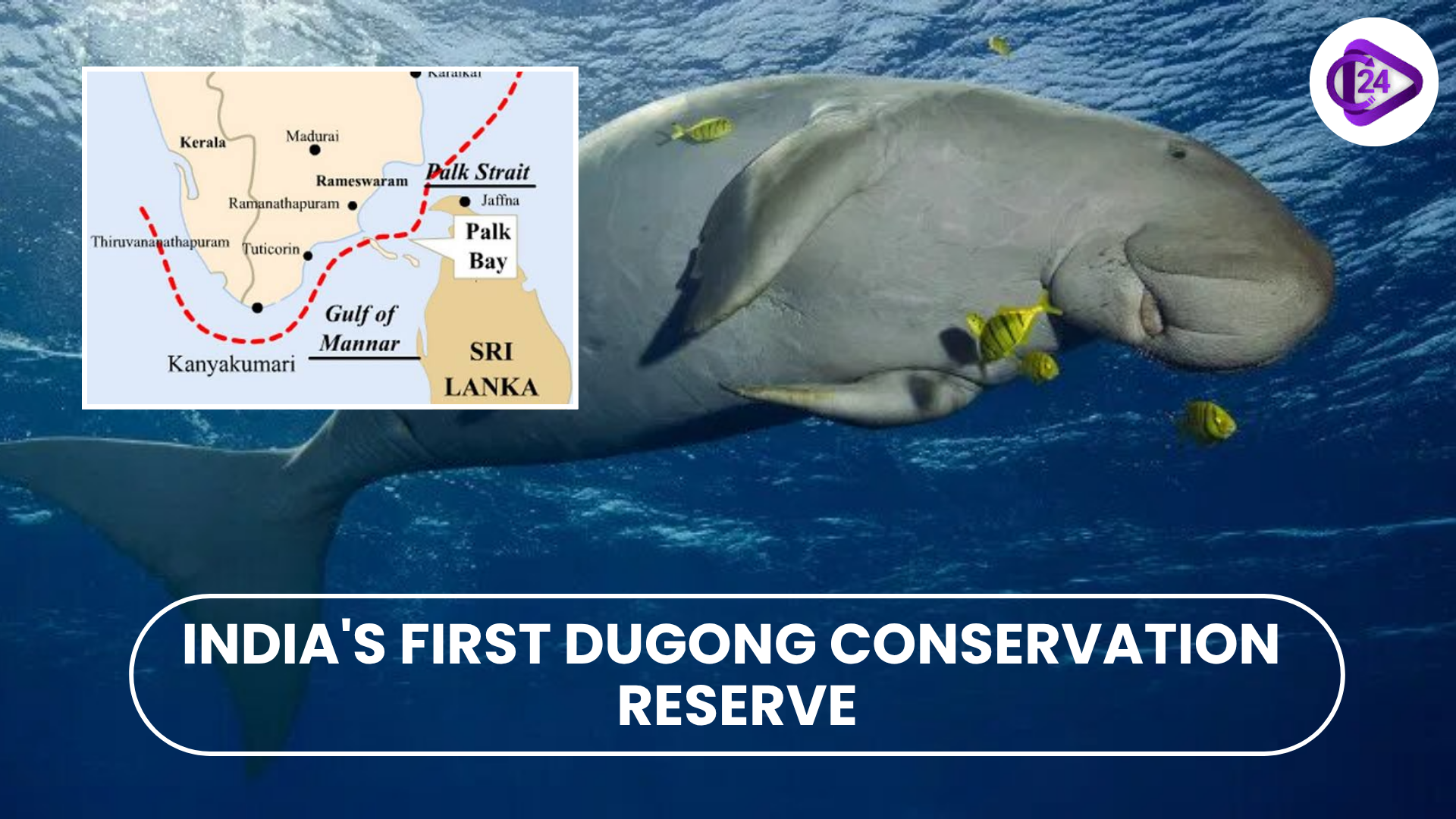
In 2025, the International Union for to Protect of Nature (IUCN) officially recognized the first-ever Dugong Conservation Reserve in the region of Palk Bay in the state of Tamil Nadu, India. Dugongs or sea cows live in the seagrass ecosystems, which are the main component of these reserves and the key feeding grounds of the animals. This recognition brings to the fore that India is trying to conserve marine biodiversity and raises awareness in the rest of the world through the conservation of endangered marine life and coastal ecosystems.

Conservation efforts and challenges

  • The Dugong Conservation Reserve is under the Wildlife Protection Act, 1972, managed by the Tamil Nadu Forest Department, with an aim of restoring the habitat and community involvement.

  • In a project funded by the Government of India under its Scheme of Integrated Development of Wildlife Habitats (IDWH), dugong protection and seagrass restoration are financed.

  • Awareness campaigns and compensation motivate fishermen to report when they see dugongs or when they have caught one by accident.

  • Marine biodiversity and seagrass meadows in the Palk Bay are sampled by scientific surveys.

  • Habitat degradation, illegal fishing, pollution, and climate change have been identified as major challenges and threats to the survival of the dugong and the health of seagrass.

Key Facts of ICUN

  • Founded: 1948, in Fontainebleau, France.

  • Head office: Gland, Switzerland.

  • Members: More than 1,400 organizations in more than 160 countries.

  • Primary Objective: To protect nature and the sustainability of resources.

  • Major Work: Distributions Publishes the Red List of Threatened Species.

  • India: An active participant in the conservation of wildlife and the sea.

  • Global Influence: Recommends the United Nations on matters of biodiversity and climate throughout the world.

Conclusion

In 2025, the IUCN World Conservation Congress, in Abu Dhabi, acknowledged the first Dugong Conservation Reserve in Palk Bay, Tamil Nadu, as one model of marine conservation worldwide. This appreciation indicates the increasing interest of India in safeguarding endangered species such as the dugong, also known as the sea cow, and conserving crucial seagrass habitats. It also indicates the effectiveness of the joint working between the Tamil Nadu Forest Department, the local fishing communities, and the Government of India. The recognition by the IUCN builds on the significance of sustainable seashore management, scientific surveillance, and community involvement to provide marine biodiversity protection in the long run.

Cyclone Shakti Brings Heavy Rain Forecast for Mumbai and Konkan Region

The Cyclone Shakti has sounded off a rain alert in Mumbai and the Konkan region between October 4 to 7. Strong winds of 45 to 65 kmph and rough seas are also likely in the coastal areas such as Thane, Palghar, Raigad, Ratnagiri, and Sindhudurg. The governments have discouraged fishermen from going to sea and recommended that people stay out of low-lying places. Disaster response teams have been put on alert, and local administrations have put preventative actions in place as the cyclone slowly passes along the Arabian Sea, causing extensive rains.

Geographical Overview: Cyclone Shakti’s Route Toward Maharashtra

  • The monsoon conditions enhanced the active ocean temperatures to create Hurricane Shakti, which formed in the east-central Arabian Sea.

  • It is shifting north eastwards, approaching the Maharashtra coast, especially the Konkan region and Mumbai.

  • Dr. Mrutyunjay Mohapatra, head of the India Meteorological Department, has given alerts of heavy rains, high winds, and bad weather on the coast.

  • The coastal districts of Raigad, Ratnagiri, Thane, Palghar, and Sindhudurg are likely to be the most affected.

  • The cyclone is likely to diminish into a deep depression after October 6, but will probably still cause extensive rain and strong winds in western Maharashtra.

  • The name ‘Shakti’ was proposed by Shri Lanka under the protocol of the VMO/ESCAP of the panel of tropical cyclones. 

Increasing Cyclone Formation in the Arabian Sea

  • In the past 2 decades, there has been an increased prevalence and severity of cyclones in the Arabian Sea, largely because of climate change and warmer sea temperatures.

  • The temperature of the sea water has risen by approximately 1-1.5 providing optimum conditions to my powerful cyclones.

  • Previously, the Bay of Bengal generated approximately 70 per cent of all cyclones in India; however, today its proportion is almost twice as much in the Arabian Sea.

  • This is evidenced by recent cyclones such as Tauktae (2021), Biparjoy (2023), and Shakti (2025).

  • These hurricanes lead to excessive precipitation, coastal flooding, and sea erosion, particularly in Maharashtra, Gujarat, and Karnataka.

  • Scientists caution that the growing intensity of cyclones poses a threat to marine ecosystems, shore-based infrastructure, and livelihoods and requires more robust disaster management and early warning infrastructure.

Conclusion

Cyclone Shakti is alert on the increasing cyclone activity in the Arabian Sea caused by climate change and warmer sea surface temperature. It occurred in early October 2025, and its formation was accompanied by heavy rainfall, a wind speed of up to 65kmph, and rough sea along the Maharashtra coast, particularly in Mumbai, Raigad, Ratnagiri, and Sindhudurg. The India Meteorological Department, headed by Dr. Mrutyunjay Mohapatra, gave early warnings that minimized the damage. Shakti, even though weakened after October 6, highlighted the importance of good coastal management, advanced forecasting, and community preparedness to deal with future cyclones.

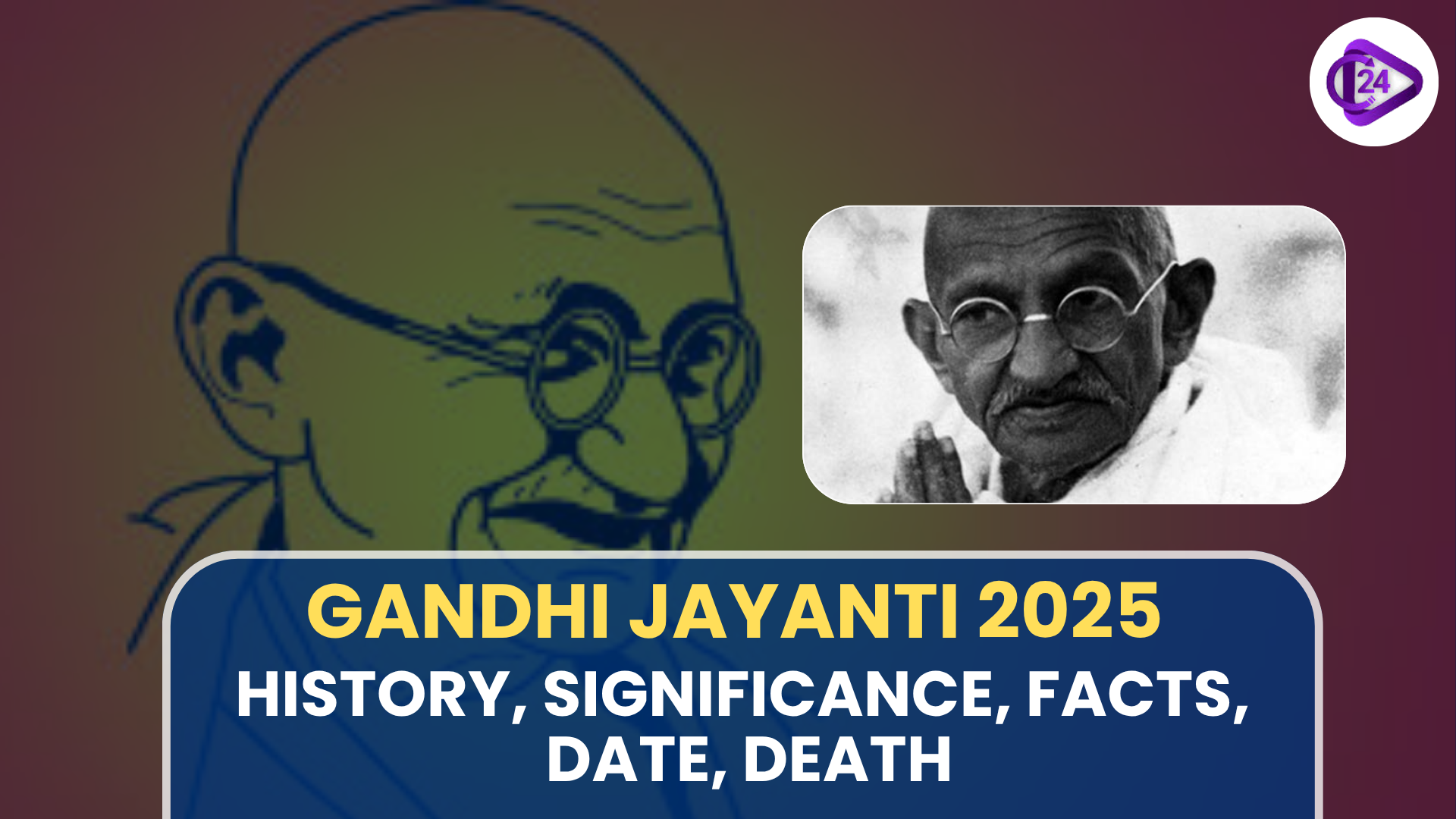
156th Gandhi Jayanti 2025, History, Significance, Facts, Date, Death

The 156th Gandhi Jayanti will be observed on October 2, 2025, which is the birth anniversary of Mahatma Gandhi, who was born in 1869. The theme of this year is centered around truth, non-violence, simplicity, self-reliance, and social justice. People are honoring in India (in Raj Ghat) by conducting prayer meetings, and also drive up cleanliness and educational programs. The day is celebrated around the world as the International Day of Non-Violence, a reminder that all should live by the principles of peace, tolerance, and moral power that Gandhi taught.

The Contribution of Gandhi in South Africa

  • In 1893, Mahatma Gandhi left South Africa to pursue his career as a lawyer and remained there a total of 21 years (1893- 1914).

  • He was discriminated against because of his race, and that motivated him to struggle to achieve equality and justice.

  • In 1894, he set up the Natal Indian Congress in order to organize the Indian community against racial laws.

  • In 1903, Gandhi began to raise awareness of Indians by starting the Indian Opinion newspaper to unite the Indians.

  • He founded in 1904 the Phoenix Settlement, near Durban, as a basic-living society.

  • He established Tolstoy Farm, near Johannesburg, in 1910, where he preached self-reliance and truth.

  • He came up with Satyagraha (non-violent resistance) in his campaigns against the Asiatic Registration Act and the poll tax.

  • His philosophy of truth, non-violence, and civil disobedience was based on his experience in South Africa and was effective in the freedom of India.

Important Movements of Gandhi in India

  • Go Back To India (1915): Mahatma Gandhi returned to India in January 1915 with his philosophy of Satyagraha-truth and nonviolence. He was initiated into the social and political situation in India, and then he joined the national movement under the guidance of Gopal Krishna Gokhale.

  • Champaran Satyagraha (1917): The first move initiated by Gandhi in India took place in Bihar and was against the exploitation of the indigo farmers by the British planters.

  • Kheda Satyagraha (1918): Gujarat peasants who could not pay land taxes because of crop failures were supported and demanded a reduction in taxes.

  • Ahmedabad Mill Strike (1918): The protest demanded fair wages and improved working conditions for the textile mill workers by peaceful means.

  • Non-Cooperation Movement (1920–1922): The campaign encouraged Indians to stop using British products, education, and government to undermine colonial authority.

  • Civil Disobedience Movement (1930): This movement started with the historic Dandi March after Gandhi defied the salt law to protest against the taxation by the British.

  • Quit India Movement (1942): Nationwide movement that demanded to stop the British rule, with its slogan being Do or Die.

  • He was able to reshape the cause of freedom in India to a mass movement rooted in peace, unity, and moral strength, and people around the world were inspired by his leadership.

Conclusion 

Every year, on October 2, the birthday anniversary of Mahatma Gandhi, the Father of the Nation, Gandhi Jayanti is celebrated. The day celebrates his ideals of truth, non-violence, simplicity, and harmony, still celebrated by people the world over. It is also the anniversary of the birth of Lal Bahadur Shastri, the second Prime Minister of India, whose slogan was Jai Jawan, Jai Kisan. The day in honor of both leaders is celebrated with prayer and offering, as well as cleanliness drives, and is a symbol of peace, patriotism, and service to the nation.

Pulicat Fishermen Demand Long-Term Solution as Silt Threatens Lake and Livelihoods

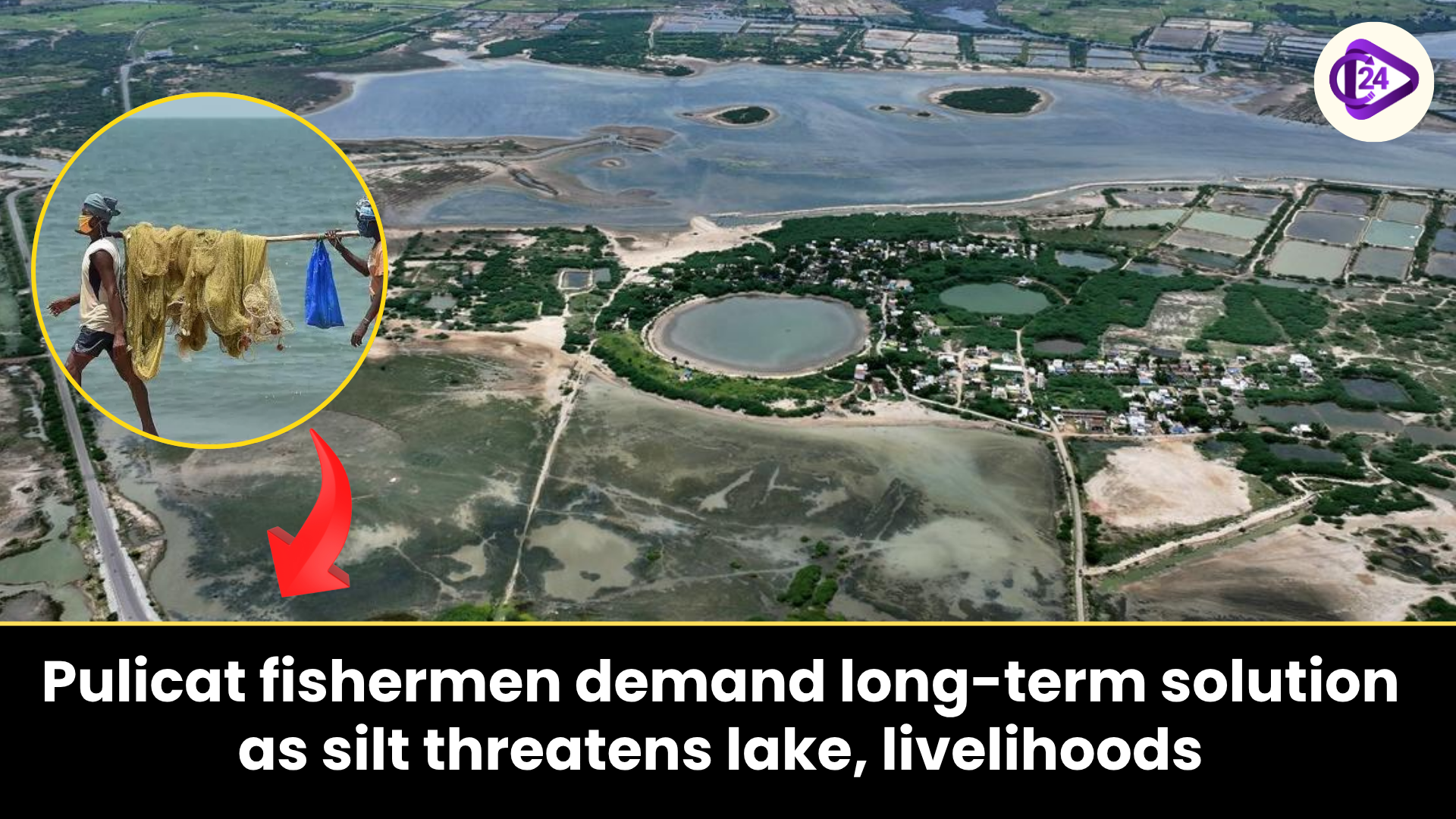
The second-largest lagoon of brackish water in India, Pulicat Lake, is experiencing a serious ecological crisis due to high siltation in its outlet. Fishermen in neighboring villages in Andhra Pradesh and Tamil Nadu have demanded a lasting solution, stating that their livelihoods are at risk because the lake is shrinking and the fish population is declining.

Why is this critical for fishermen and communities?

  • The second-largest brackish lagoon in India, Pulicat Lake, is also experiencing serious siltation that has endangered the ecosystem and livelihoods of fishermen.

  • The obstructed mouth of the lake hinders the flow of seawater, reducing the population of fish and prawns and making fishing hard.

  • Catchs of fish are reduced, fishermen travel farther, spend more, and get less.

  • The disappearing lagoon also impacts migratory birds, mangroves, and local agriculture by disrupting the natural balance of the wetland.

  • Specialists recommend long-term desilting, pollution control, and sustainable management to revive the health of the lake.

  • Pulicat has a grim future, both ecologically and economically, unless something is done.

Key Highlights of Pulicat Lake

  • The second-largest brackish water lagoon in India is Pulicat Lake, which is situated between Andhra Pradesh and Tamil Nadu.

  • It has an area of approximately 759 square kilometers and sustains thousands of fishing families.

  • The lake is an important source of migratory birds, such as flamingos and pelicans.

  • Pulicat Lake became a Ramsar Site in 2002, as a globally recognized ecologically important location.

  • Major dangers are siltation, pollution, and loss of habitat, which impact not only biodiversity but also local livelihoods.

Conclusion

The existence of Pulicat Lake is critical to ecology and the local community's lives. Increasing siltation, pollution, and loss of water flow endanger its biodiversity and the earnings of thousands of fishermen. It requires a long-term and coordinated strategy between Andhra Pradesh and Tamil Nadu. The lake can be healthier again through regular desilting, pollution control, and community involvement. The objective of protecting Pulicat is not only a goal that benefits the environment but also a measure to ensure the protection of sustainable livelihood and balanced climatic conditions of the region.

Frequently Asked Questions (FAQs)

The current affairs cover recent national and international events related to UPSC, SSC, Banking, Railways, and State PCS.

You need to read about the current affairs daily, and revise them every week and every month to keep them longer in your memory.

Yes, Class24 provides free downloadable Daily Current Affairs PDFs for easy revision.

Yes, you can practice MCQs and quizzes to boost your exam preparation.

Absolutely. The content is written in simple, easy-to-understand bilingual language suitable for beginners.

Go to class24.com and click on the current affairs section directly, where you find everything that you need.

ssc-toppers

Start Learning Today with Class24

Related current affairs

Class24 offers free video lectures for smart preparation, covering CGL, CPO, CHSL, MTS, and GD exams. Learn from expert faculty, revise concepts easily, practice with PYQs, and improve speed and accuracy through high-quality, exam-focused video lessons anytime, anywhere.

Get success in your hand. Start study anytime anywhere.

The journey becomes simple and enjoyable when you start taking interest in it. And through our app “Class24”, we will be your trusted partners in developing that interest.

Daily Quizzes
Mock Tests
Ongoing

No ongoing tests right now.