
Day: September 20, 2025

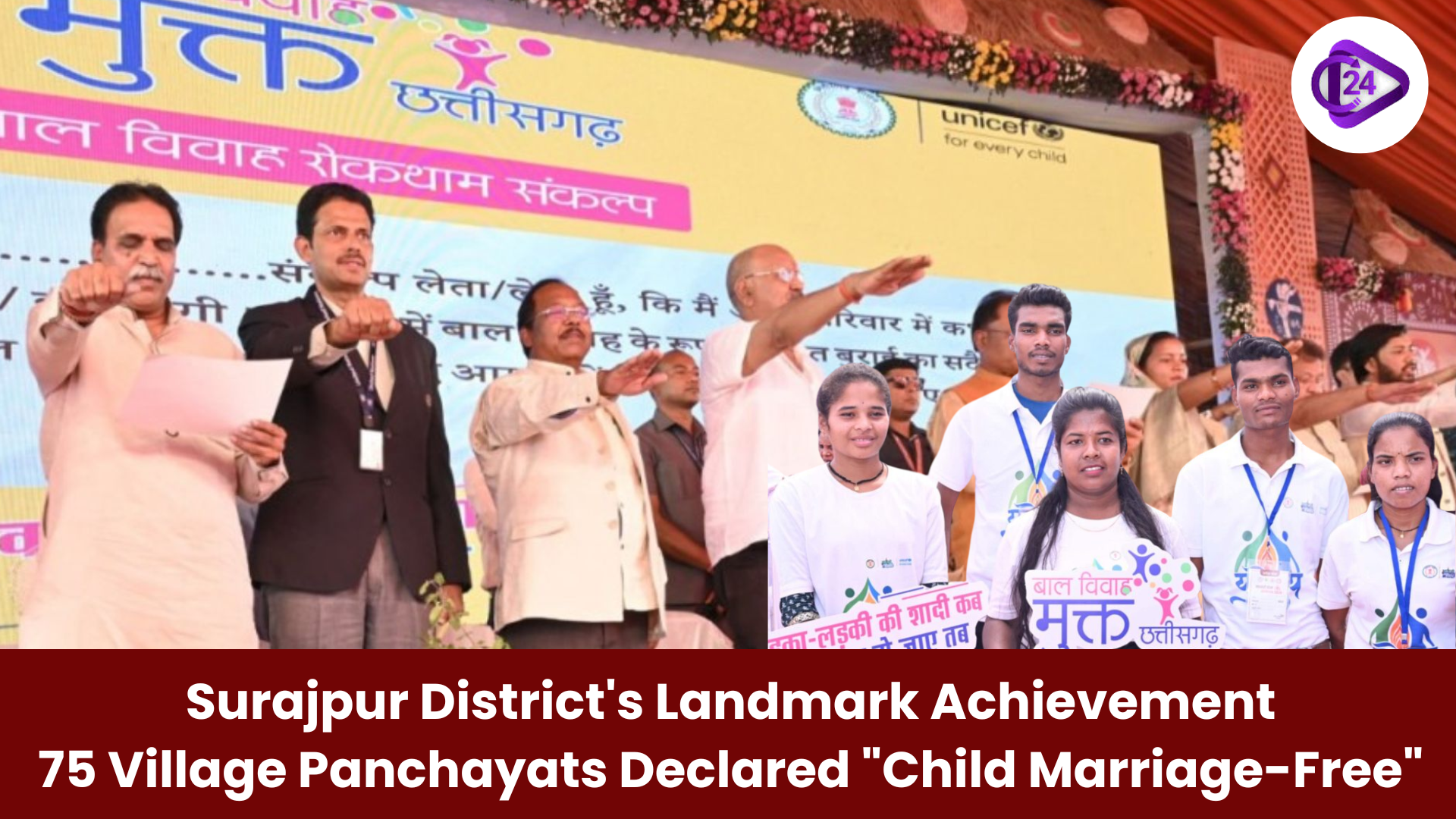
Surajpur Achieves Milestone: 75 Villages Declared Child Marriage-Free

Surajpur is an example of a district in Chhattisgarh, which has been able to declare 75 village panchayats as child marriage-free, a big milestone in the current fight on child marriage in India. The social reform program at this district level has gained recognition and is used as a prototype among the other regions that are determined to eradicate child marriage.

The Model of Child Marriage Eradication in About Surajpur:

What It Is?

  • It is a district level program that aims at eliminating child marriage by involving communities, conducting sensitization and close supervision. The success of such an initiative in Surajpur is now being touted as a template that can be emulated in other districts and states in India to deal with this serious problem.

Objective:

  • The main aim is to end child marriage by creating awareness, enhancing education and legal enforcement.

  • The program also seeks to increase maternal and child health outcomes by decreasing cases of early pregnancies that are usually caused by child marriages.

The main characteristics of the Initiative include:

  • Community Participation:

    • Local communities play a major role in contributing to the success of this initiative. Panchayats, Anganwadi workers, Non-Governmental Organisations and parents have played a great role in making the change.

  • Awareness Campaigns:

    • A number of round-table discussions and community forums have been held to train the masses on:

Child rights

  • The significance of gender education to girls.

  • The medical hazards of early marriages.

Health & Nutrition Link:

  • The project includes child marriage eradication and other existing national campaigns like the National Nutrition Month, and maternal-child health campaigns. The initiative emphasizes the need to postpone early pregnancies to have improved health conditions by educating them about the significance of doing so.

Replication Model:

  • The Surajpur success is not alone. Other districts in Chhattisgarh are also undergoing the same process with the ultimate aim of turning the whole state into a Child marriage free zone.

Conclusion

Child Marriage-Free initiative in Surajpur is an important social reform pattern, which emphasizes the role of community participation and government intervention in the fight against child marriage. Through education, health, and legal enforcement, it offers an example of how other districts and states to follow to decrease the rates of child marriage and achieve better health outcomes of both women and children in India. This effort is correlated to the overall aims of social justice and gender equality, and this is why it is a valuable case of effective governance.

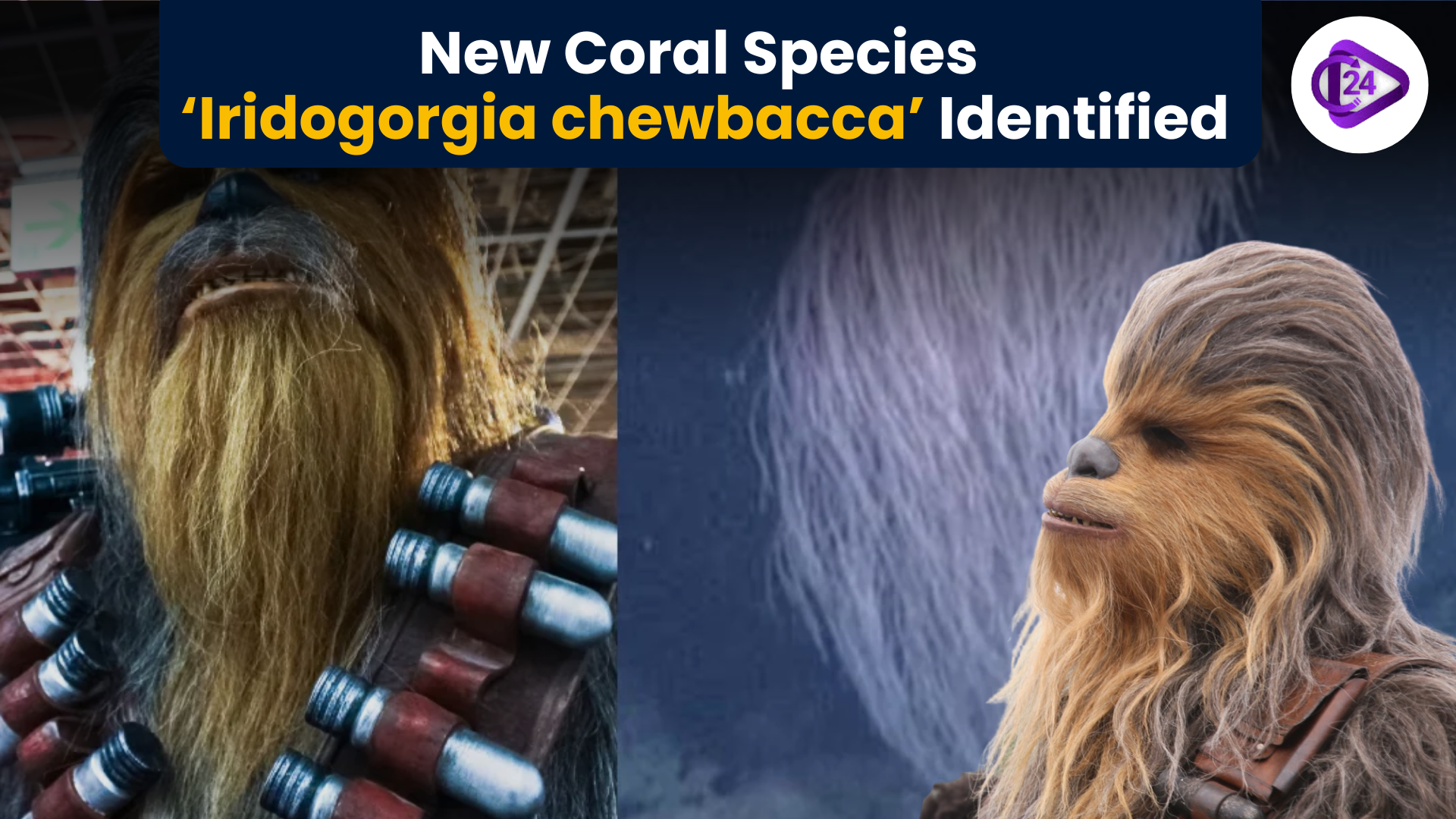
New Coral Species ‘Iridogorgia chewbacca’ Identified

A new deep-sea coral species, Iridogorgia chewbacca, has been discovered by scientists in the western Pacific Ocean. This remarkable finding adds to the growing understanding of marine biodiversity and highlights the richness of unexplored ocean ecosystems. The species was identified through detailed genetic analysis, confirming its uniqueness and expanding knowledge of deep-sea life. Its discovery underscores the importance of marine research in preserving fragile underwater habitats.

Identifying a Species: New Coral Species ident. iridogorgia chewbacca.

What It Is?

  • The species is a recently discovered deep-sea coral species belonging to the genus Iridogorgia called Iridogorgia chewbacca. It was officially described and published in the journal, Zootaxa. This coral was first discovered in the ocean in 2006 and it was not until a careful genetic study that it was discovered to be a distinct species.

Found In:

  • The coral was found in the Tropical Western Pacific Ocean.

  • It had not been formally named before, although it was first spotted in the Hawaiian waters.

Name & Inspiration:

  • It is named Iridogorgia chewbacca, after Star Wizard Chewbacca.

  • Its name is a tribute to the hairy, curly, shiny branches of the coral that are like the fur iconic of the character.

Key Features:

Appearance:

  • The coral is made up of the reflective surfaces of long, curly, and hair-like branches. They are one of the particulars which made the comparison with the fur of Chewbacca.

Growth Pattern:

  • The coral extends itself erectly and singly on the ocean floor similar to the tall posture of Chewbacca.

Rarity:

  • Iridogorgia chewbacca was first observed in Hawaii waters but it was only after a number of studies that it was officially recognized as a separate species.

Significance:

  • Biodiversity Discovery:

    • This finding underscores the fact that undiscovered species may exist in even well known oceans, and underscores the scale of marine biodiversity.

  • Marine Ecology:

    • Iridogorgia chewbacca contributes to the existing knowledge of deep sea ecosystems, which are critical to ocean health and marine biodiversity.

  • Scientific Record:

    • The popular culture of science, which the naming of the species preserves, triggers the interest of the population towards marine research and closes the chasm between the scientific discovery and the references of culture.

conclusion

The discovery of Iridogorgia chewbacca highlights the vast unexplored marine biodiversity and the importance of deep-sea ecosystem research. Its unique features and popular-culture-inspired name also help bridge science and public interest. This finding emphasizes the need for continued exploration and conservation of ocean habitats. Such studies not only enrich scientific knowledge but also promote awareness about the ecological

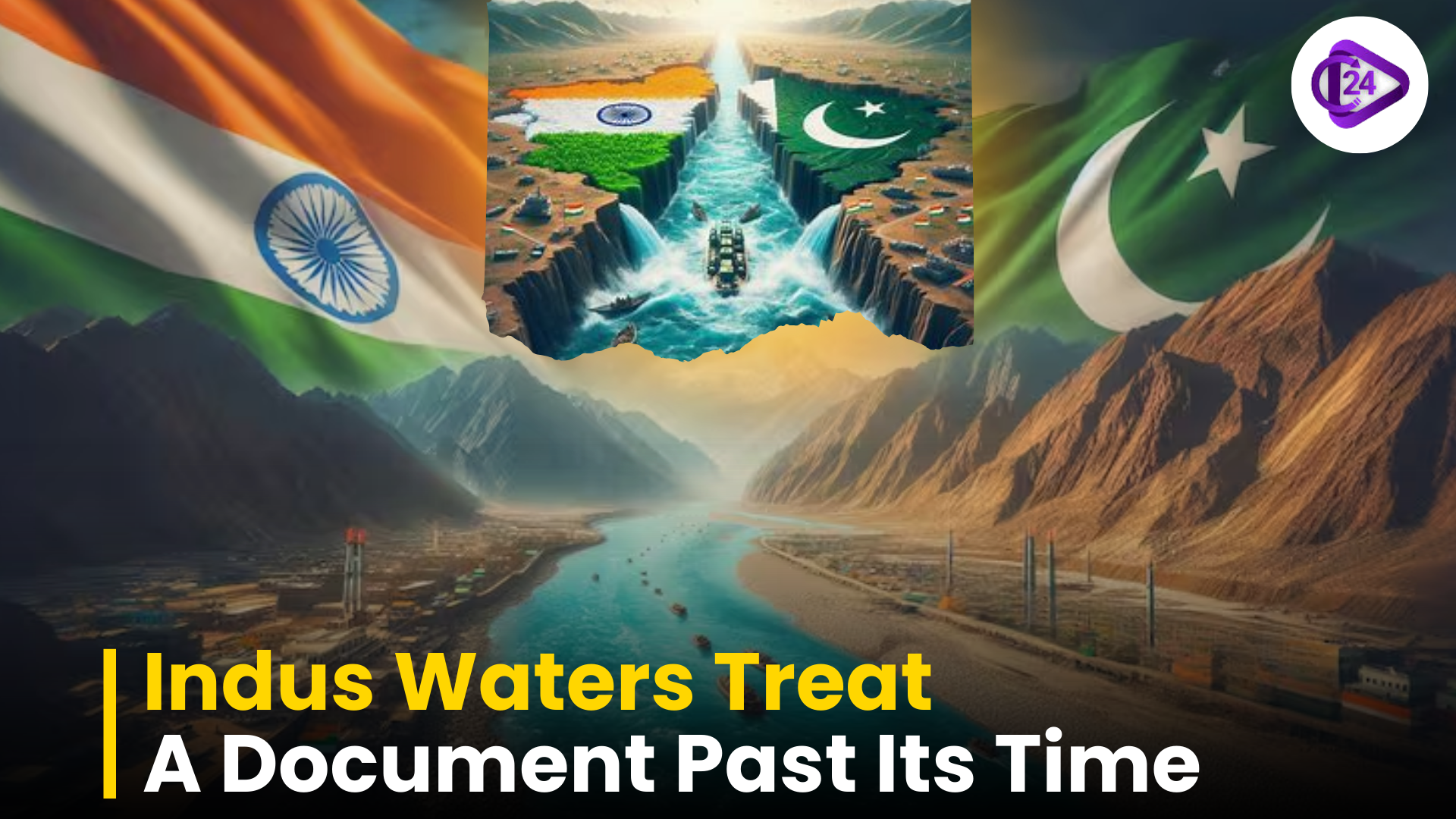
Indus Waters Treaty: A Document Past Its Time

The Indus Waters Treaty (IWT), which is a 65-year-old accord between India and Pakistan signed with the assistance of the World Bank aimed at balancing the sharing of the water by the Indus river and its tributaries. Although the treaty had a legal platform of distributing water and settling disputes, the issues to which the treaty was created have changed and most people think that the treaty is no longer applicable to address the new-arising water related problems in the area.

Key Points in Detail:

Historical Context:

  • The IWT split the Indus River and its tributaries into two, one western (Chenab, Jhelum, and Indus) to Pakistan and the eastern (Sutlej, Beas and Ravi) to India.

  • This was necessary to the irrigation requirements of the respective nations and any large-scale hydraulic plants including the Bhakra and Nangal dams of India and the dependence of the Pakistani state on the western rivers.

The Irrelevance of IWT:

  • Although the treaty was previously used to support the use of water, peace-building, and infrastructure development, it is currently experiencing irrelevancy with changing geopolitical processes and climate changes.

  • Political Enmity and Terror Incidents: The changing political environment, particularly the Pahalgam attack prompted India to freeze its involvement in certain IWT mechanisms which indicated the weakness of the treaty in the wake of the yet-to-be-resolved conflicts.

Current Challenges:

Climate Change Impact:

  • Hindu KushHimalaya glaciers are melting at a rate unprecedented since the early 1970s, and this is causing glacial ice to run off in increased amounts, leading to changes in river flows and shifting in river flows, especially in the Upper Indus Basin.

  • Unpredictable Rainfall and Monsoon: The more erratic monsoon patterns of the Lower Indus Basin are of a direct threat to the stability of agriculture and water management.

  • Floods: The catastrophic Punjab floods, which impacted millions of people and submerged huge areas of agricultural lands, are a good example of severe climatic extremes with which the basin is at risk.

Siltation:

  • The reservoirs are becoming full of silt, reducing storage spaces and enhancing floods. This problem cannot be addressed with reactive actions following the floods but long-term silt management techniques.

Water Beyond Engineering Management:

  • Historically, the IWT was concentrated on irrigation, dams, and hydropower. This time, it will have to be on resilience amidst climatic extremes and sustainability of the ecosystem.

  • New challenges requiring innovative, cross-border cooperation have become siltation and climate variability.

Looking Forward:

  • The initial mechanisms of the IWT, i.e. river allocation, dispute resolution, and project regulation, do not meet the modern requirements of the region. The current requirement today is real-time information exchange particularly on hydrological information and flood forecasts.

  • Information sharing between India and Pakistan such as the agreement made by India with China towards Brahmaputra has been effective in times of floods. This must form the basis of the new collaboration and not an old and inflexible treaty.

  • The cooperation would be facilitated by a flexible structure perhaps in the form of a Memorandum of Understanding (MoU) and this would prevent the historical rancor and time wastage associated with the red tape of the original treaty.

Conclusion

Although the Indus Waters Treaty is an indispensable historical document, it is becoming less and less capable of dealing with the 21st century issues of the Indus Basin. Climate change, geopolitical tensions, and ecological degradation require a new strategy, one related to the information exchange, disaster preparedness, and sustainable water management. Holding on to old structures and ignoring siltation and climatic stress will not help to improve the situation. It is imperative that both India and Pakistan come up with a new, modern structure that would help to guarantee the sustainability of the Indus Basin in the future generation.

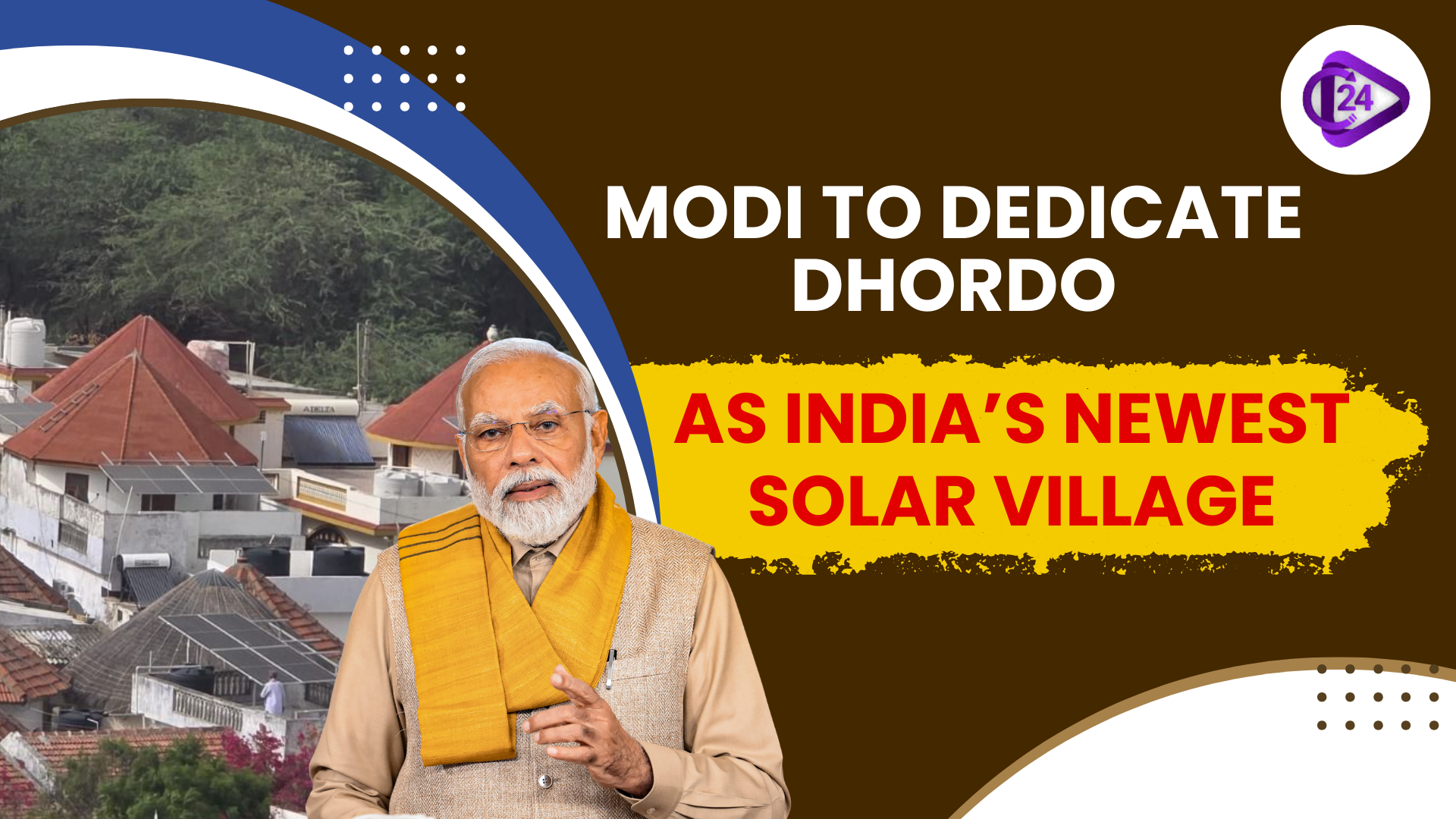
Modi to Dedicate Dhordo as India’s Newest Solar Village

Dhordo, a remote village located in Gujarat’s Kutch district, has earned international recognition as the 'Best Tourism Village' by the United Nations World Tourism Organisation (UNWTO). It is now set to gain further acclaim as India's newest solar-powered village.  Prime Minister Narendra Modi will give Dhordo its official status of a Solar Village at the Samudra Se Samriddhi programme in Bhavnagar, September 20, 2025. This is a major milestone to the village as it is the fourth solar-powered village in Gujarat.

Key Points in Detail:

What is the Solar Village Initiative?

  • Dhordo has gone fully solar with the PM Surya Ghar, an initiative by the government to encourage use of solar energy in the rural regions.

  • All the residential power connections of the village are solarized and this means that the whole village can be put on solar power and this will go a long way in eliminating the use of conventional fossil fuels that pollute the environment.

Solar Energy Technologies:

  • The solar photovoltaic (PV) technology employed in the village is able to transform sunlight into electricity using solar cells, and so it is an environmentally friendly energy source.

  • Solar thermal, which is another form of solar technology, is also employed to heat water with the use of solar energy, thus making the energy use in the village more sustainable.

Global Situation and Vision of India:

  • The use of solar energy is increasingly becoming popular in the world because of its environmental friendliness and reducing its cost.

  • India seeks to reach its solar power capacity of 450 GW by 2030, which would make great strides to its climate pledges and would help avoid overreliance on foreign fossil fuels.

  • The drive towards solar energy is also connected to the realization of Sustainable Development Goals (SDG 7) on clean and affordable energy, and SDG 10 on the promotion of social inclusion through the extension of access to energy.

Importance of Solar Energy:

  • Solar energy will offer a long-term and environmentally friendly energy source that will be able to fulfil the increasing global energy demand.

  • It is an indispensable component of sustainable development due to the unlimited possibilities of solar energy, which can be used to produce electricity, heating, cooling, and lighting.

Meaning to Dhordo and Gujarat:

  • The fact that Dhordo is turned into a solar-powered village is consistent with the objective of the Indian government to minimize carbon footprints and establish communities that are eco-conscious.

  • It is also an initiative that emphasizes community based development where the local communities gain access to clean renewable energy and have a chance to increase their living standards.

Conclusion

A successful solarization of Dhordo represents a great feat highlighting India's concern for sustainable energy. It indicates the level to which clean energy solutions can be realized at the grassroots level and employs this as a model of rural energy transformation. The Dhordo village being recognized as a solar-powered village is a significant step in the Indian green energy revolution, which further contributes to the solar energy role in meeting the climate targets and socio-economic development of rural zones.

Frequently Asked Questions (FAQs)

The current affairs cover recent national and international events related to UPSC, SSC, Banking, Railways, and State PCS.

You need to read about the current affairs daily, and revise them every week and every month to keep them longer in your memory.

Yes, Class24 provides free downloadable Daily Current Affairs PDFs for easy revision.

Yes, you can practice MCQs and quizzes to boost your exam preparation.

Absolutely. The content is written in simple, easy-to-understand bilingual language suitable for beginners.

Go to class24.com and click on the current affairs section directly, where you find everything that you need.

ssc-toppers

Start Learning Today with Class24

Related current affairs

Class24 offers free video lectures for smart preparation, covering CGL, CPO, CHSL, MTS, and GD exams. Learn from expert faculty, revise concepts easily, practice with PYQs, and improve speed and accuracy through high-quality, exam-focused video lessons anytime, anywhere.

Get success in your hand. Start study anytime anywhere.

The journey becomes simple and enjoyable when you start taking interest in it. And through our app “Class24”, we will be your trusted partners in developing that interest.

Daily Quizzes
Mock Tests
Ongoing

No ongoing tests right now.