
Day: September 5, 2025

India’s New Foreigners Act: Key Provisions and Exemptions

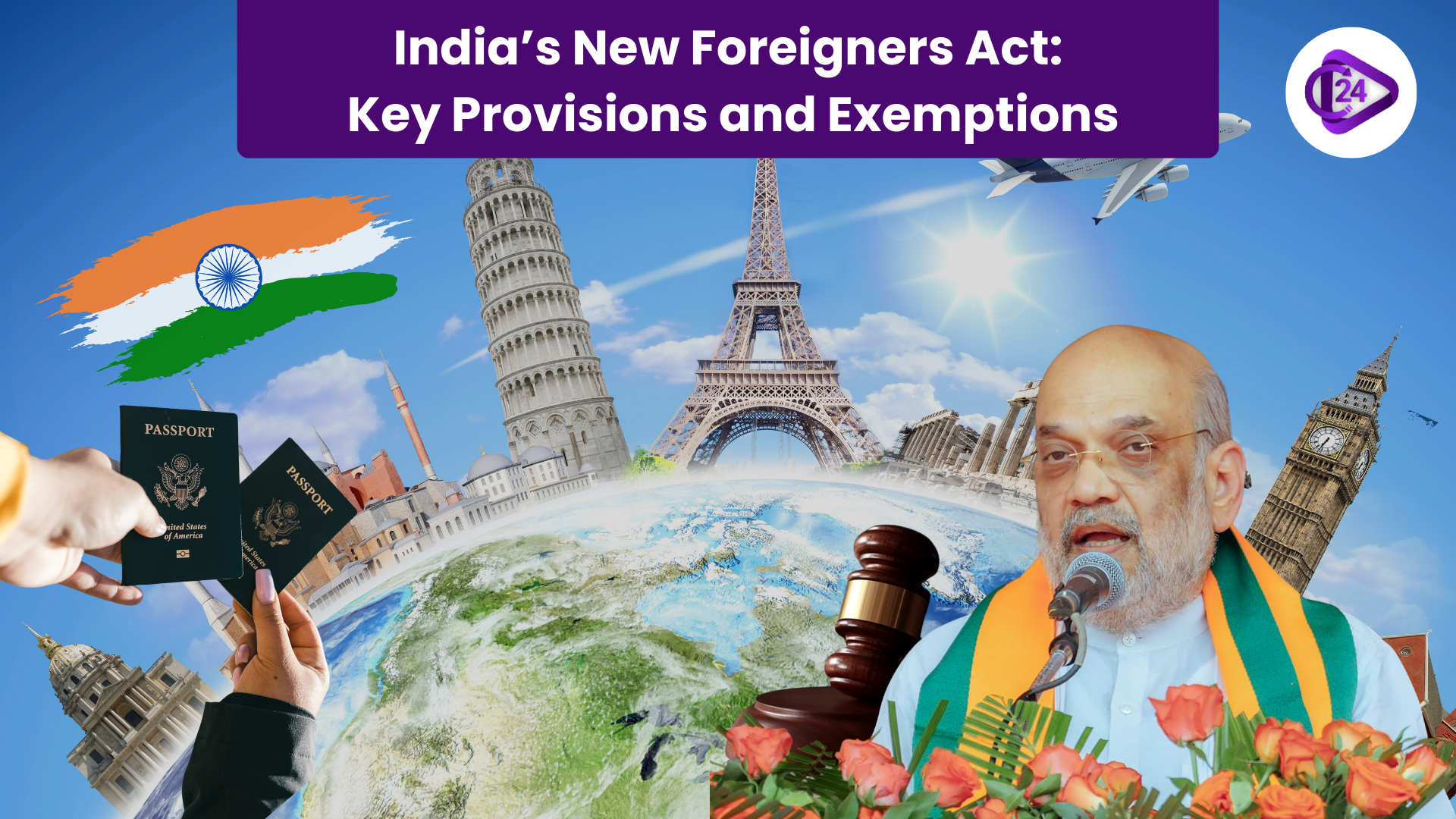
With the Immigration and Foreigners Act, 2025, which came into force on September 1, 2025, India has brought about a radical change in its immigration and foreigner laws. This new act unites several previous acts under one structure and seeks to simplify the entry, stay and exit of foreign nationals whilst clearly exempting certain groups.

Some of the Major stipulations of the New Foreigners Act:

  • Reconciliation of the Past Legislation:

  • The older laws like the Passport (Entry into India) Act, 1920, the Registration of Foreigners Act, 1939, etc. are replaced by it.

  • Streamlines the procedure by grouping together the provisions that are found in various statutes.

Developed Registration Process:

  • When foreigners enter India, they are required to be registered by certain officials.

  • The process will be controlled by FRROs (Foreigners Regional registration officers) and the civil authorities will be the local district police officers.

Entry and Exit Regulations:

  • The foreign nationals must enter and exit India using only the notified posts like major airports, seaports and land border posts.

  • These posts will have immigration officers who will determine whom to allow into the country or deny entry depending on national security.

Protected Area Special Permits:

  • Tourists who visit safeguarded, limited or barred regions will have to have special permits which they can obtain by applying online or through mobile applications.

In-service Healthcare Notifications:

  • Hotels, hostels, and other accommodation facilities are required to file the information of the foreigners who visit them within 24 hours of their arrival and departure.

  • The universities and hospitals must also report foreigners admitted or treated to the authority, birth or death of a foreigner within seven days.

Fines and Penalties:

  • The legislation provides graded fines in the event of any violation that also refers to overstaying, unauthorized admission to the secured zones, or failure to register. The penalties are 10,000 to 5 lakh and certain vulnerable groups are exempted.

The exemptions and Special Categories:

  • Tibetan Refugees: Special entry permits are granted to Tibetans who came prior to 1959 or prior to May 30, 2003 or later provided that they are registered.

  • Minority Refugees: Excludes Bangladesh, Pakistan, and Afghanistan (Hindus, Sikhs, Buddhists, Jains, Parsis and Christians) who entered the country in advance on or before December 31, 2024, regardless of whether they have legitimate documents or not.

  • Sri Lankan Tamils: Refugees that sought refuge in India through January 9, 2015 are also not subject to normal rules of registration.

  • Diplomatic and official passport holders: There are exceptions that are given to diplomats and official passport holders in some countries.

Electronic and Digital Records:

  • The bill suggests applying digital cues through portals and mobile applications that will simplify observing the foreign nationals and implement enforcement. This also increases the management of the health of the people and helps in making decisions on citizenship.

Enforcement and Appeal Mechanisms:

  • Centralized control: The Act puts power in the hands of the central government and it minimises uncertainty in enforcement.

  • Process of appeal: It has been made quite clear that there is a process of appealing fines and penalties, and those who comply in good faith are now safeguarded.

Conclusion:

The Immigration and Foreigners Act, 2025 is a globalized and updated structure that captures most of the loopholes in the earlier legislation in India that concerns foreigners. The Act also seeks to simplify the control of foreign nationals in India by centralizing the enforcement process, digitalizing registration and reporting, and ensuring specific vulnerable populations exemption, as well as providing better protection and mitigating the possibility of a legal gray area. Digital tools and graduated fines will also make the system more transparent and accessible to increase implementation and efficiency.

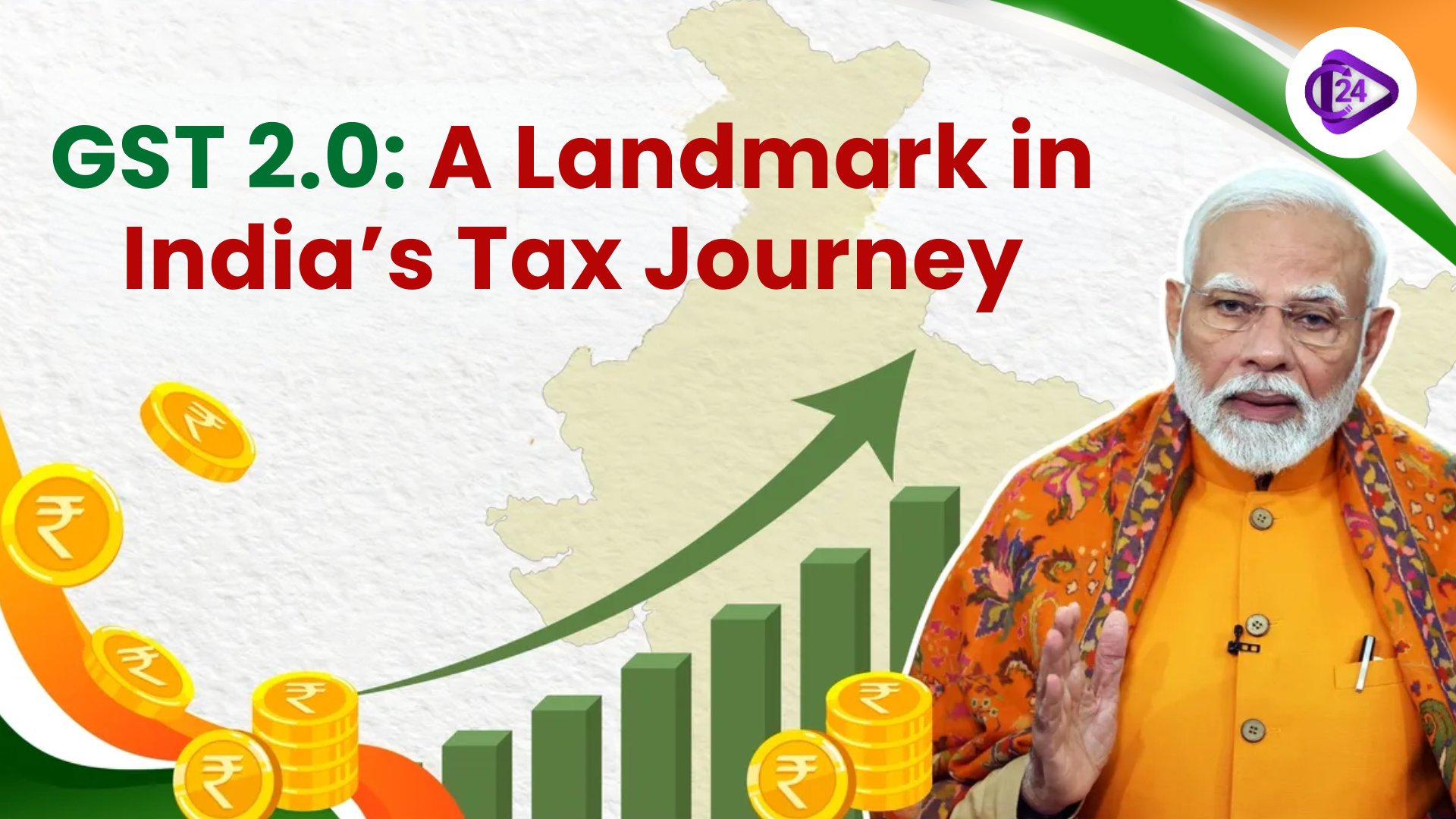
GST 2.0: A Landmark in India’s Tax Journey

On September 3, 2025, the 56th GST Council meeting marked a turning point in the Indian history of taxes. As India looks forward to becoming Viksit Bharat by 2047 with the announcement of GST 2.0, the Council has provided a system of taxation that is more simplified, fair and growth-oriented. Such reforms extend beyond tax rates and forms, striving to transform the tax system into one that is transparent, efficient and easy to understand by citizens.

Key Reforms and Impact:

Simplification of Tax Slabs:

  • The various GST rates (5, 12, 18, and 28 percent) have been made into two major rates, namely 18 percent under the standard and 5 percent under essential goods. There will be a 40 percent de-merit rate on select goods.

  • This helps ease compliance, less confusion and business activities are more predictable.

Relief to Consumers:

  • Ordinary goods such as soap, shampoo, toothpaste and kitchenware have become 5% GST products.

  • Basic needs such as milk, paneer, chapati and paratha have been spared the GST.

  • Considerable reduction in the prices of packaged foods, noodles, chocolates, and beverages will allow reducing the cost to the consumers.

Health and Insurance Benefits:

  • With GST exemption on life and health insurance products, insurance will be more affordable, especially to low-income families and older populations, and social security will increase.

  • GST has also reduced essential drugs, devices and treatment related to cancer, rare and chronic disease and made healthcare more available.

Stimulus on Agriculture:

  • Farm machinery such as tractors receives only 5 percent GST as opposed to the 18 percent that fertilizer and other farm inputs previously received. This is in an effort to reduce the cost of cultivation, increase agricultural production and make farming more competitive.

  • Stimulus to Labour-Intensive Sectors:

  • The reduced GST on handicrafts, marble, granite and leather goods has boosted demand and job creation, and given the traditional industries a competitive advantage.

Major Reforms in the Strategically-Important Areas:

  • Textiles and Cement:

  • It is believed that the GST cut on man-made fibres and yarn to 5 percent will enhance competitiveness in the textile value chain.

  • The cut in the GST on cement to 18 percent will spur development in the housing and infrastructure sectors.

  • Green Growth:

  • The GST reduction on renewable energy-based devices and automotive parts will help in speeding up the green development and sustainability in India.

Institutional Strengthening:

GST Appellate Tribunal (GSTAT):

  • The GSTAT will enter into operation by the end of the year and will facilitate quicker settlement of disputes and enhance a more stable and open taxation system.

  • Operation and Compliance Improvements:

  • Provisional refunds, risk-based compliance tests, and harmonized valuation standards will also make the system simpler and uncertainty and compliance costs lower.

Roadmap and Implementation in future:

  • The gradual adoption beginning September 22, 2025, will remain revenue stable and will benefit businesses and consumers alike by having lower tax rates.

  • The government believes in proper implementation, creation of awareness as well as making sure that the fruit of the reforms are enjoyed by all citizens.

Conclusion:

GST 2.0 is a revolutionary process through which the taxation system in India is simplified. It is designed to empower consumers, farmers, workers and entrepreneurs with fairness, simplification and reforms that focus on growth. These reforms give India a better platform to grow in future, making it more competitive in the world with an equitable share of benefits in all sectors. The CII embraces these changes and will do its best to help them be put into practice.

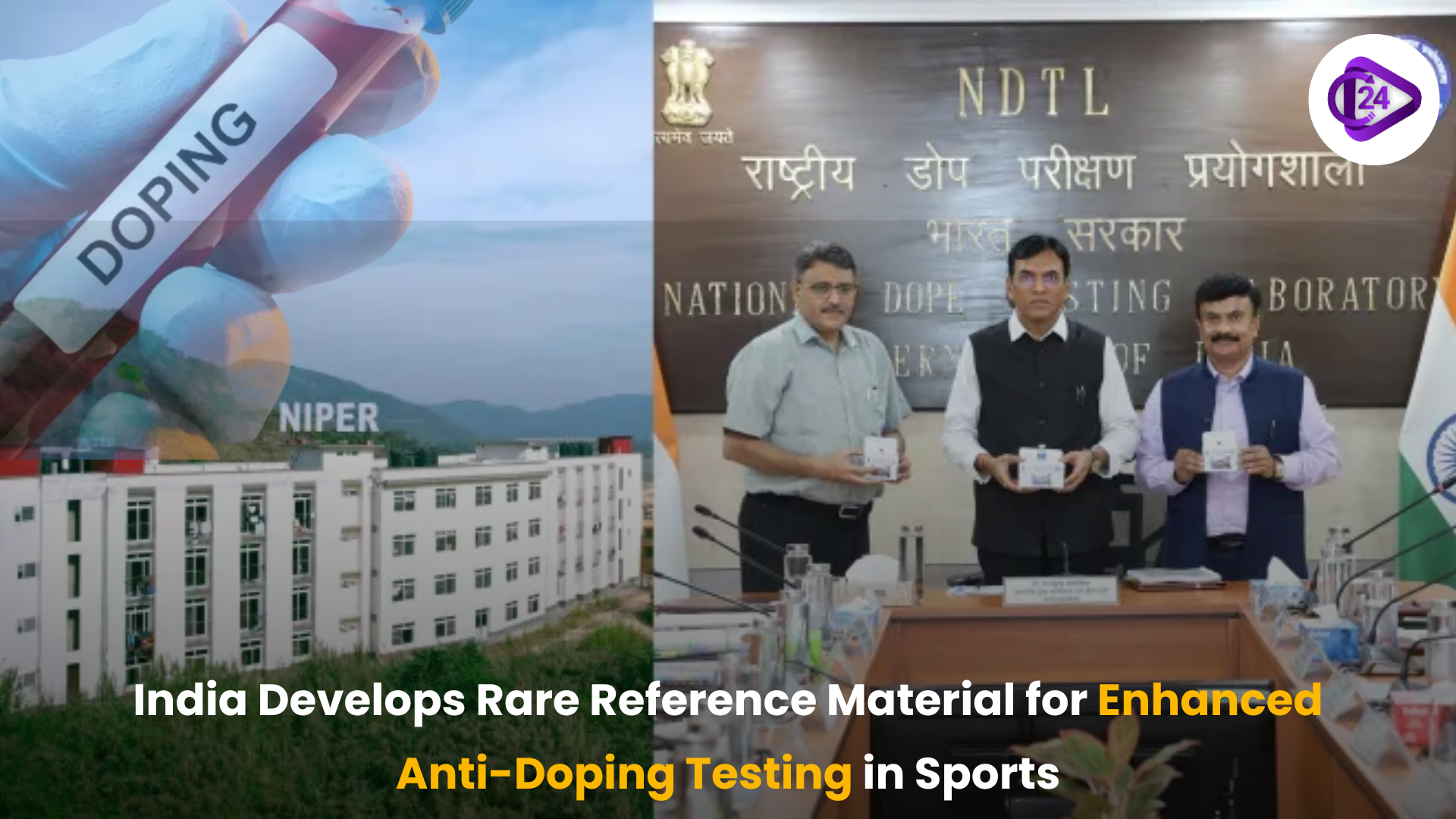
India Develops Rare Reference Material for Enhanced Anti-Doping Testing in Sports

India has also contributed hugely to the fight against doping world wide through the successful production of a rare and high-purity Reference Material (RM) Methandienone Long-Term Metabolite (LTM). This resource has been produced, in partnership with National Dope Testing Laboratory (NDTL), by NIPER Guwahati, which is a significant step towards enhancing the integrity of sports.

Key Highlights

Anti-Doping Advancement Cooperation.

  • NIPER Guwahati collaborated with NDTL to synthesize Methandienone LTM, which is otherwise not commercially available worldwide.

  • When the Union Youth Affairs and Sports Minister Dr. Mansukh Mandaviya opened the 22 nd Governing Body Meeting of NDTL in New Delhi, he launched the reference material.

Role of Reference Materials

  • Proper tests of anti-doping and detection of prohibited substances such as anabolic steroids cannot be performed without RMs.

  • These RMs play an important role in identifying any residual substances that may have been left in the system of an athlete even many years after use and hence fair competition.

Bearing on Global Anti-Doping.

  • This will be significant in the global fight against doping in sports because the Methandienone LTM will be distributed among 30 WADA-accredited laboratories throughout the world.

  • The emerging RM improves detection and deterrence to doping, thus protecting clean athletes.

Conclusion

This development is a sign of the transparency and integrity in sports in India, as the country is determined to make sporting activities transparent. This fundamental reference material is enabling India to lead in strengthening the core values of fair play and anti-doping internationally.

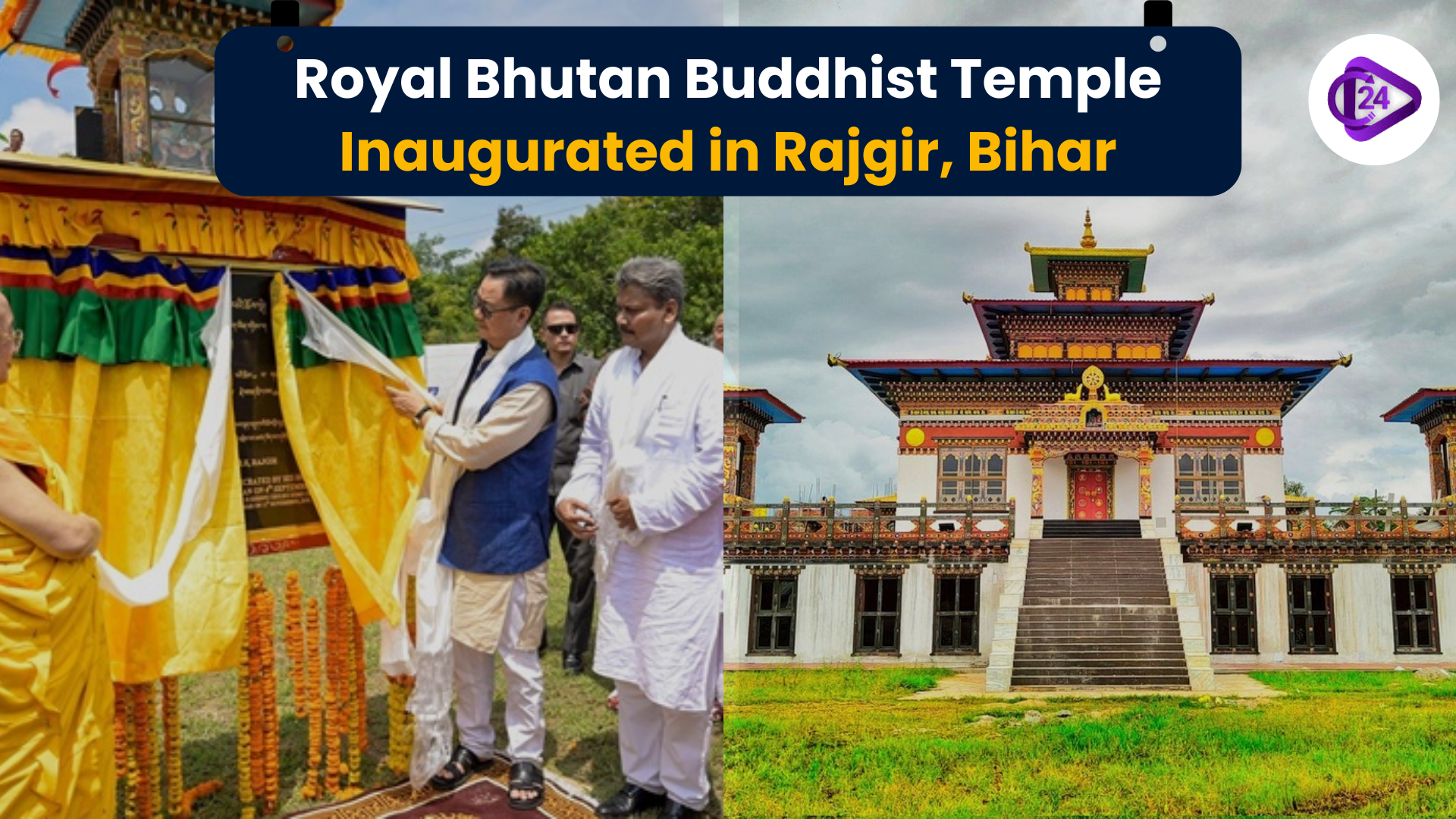
A Buddhist Temple in Royal Bhutan was inaugurated in Rajgir, Bihar

Bhutan Prime Minister Tshering Tobgay opened the Royal Bhutan Buddhist Temple in Rajgir, Bihar, on September 4, 2025, with the Union Minister of Minority Affairs of India, Kiren Rijiju. It also emphasized the close spiritual and cultural associations between India and Bhutan, which adds to the popularity of Rajgir as a major Buddhist pilgrimage destination.

Key Highlights

Inauguration Ceremony

  • With the traditional Buddhist rituals conducted by the religious leaders of both India and Bhutan, the temple was inaugurated.

  • The ritual marked the common Buddhist history and strengthened the diplomatic relationship between the two nations.

Spiritual Significance of Rajgir.

  • Rajgir is a Buddhist site of historical interest, and is in the Nalanda district of Bihar where Lord Buddha meditated and preached.

  • It is also where the First Buddhist Council took place and is thus a very important place to be visited by Buddhist pilgrims.

Cultural/Architectural Significance.

  • Rajgir is provided with a new architectural and cultural focus by the newly opened Royal Bhutan Buddhist Temple.

  • It is an icon of Bhutanese spiritual heritage, and it adds colour to the holy landscape of India.

Diplomatic and Religious Integration.

  • Prime Minister Tshering Tobgay emphasised that the temple represents the long running relationship between India and Bhutan, founded on mutual Buddhist ideals.

  • The festival also aimed at religious diplomacy and development of stronger cultural bonds via Buddhist tourism.

Conclusion

The opening of the Royal Bhutan Buddhist Temple in Rajgir was a big step in enhancing the relationship between India and Bhutan. The temple is an object of collective cultural values that support peace, harmony, and increased religious tourism in the area.

Frequently Asked Questions (FAQs)

The current affairs cover recent national and international events related to UPSC, SSC, Banking, Railways, and State PCS.

You need to read about the current affairs daily, and revise them every week and every month to keep them longer in your memory.

Yes, Class24 provides free downloadable Daily Current Affairs PDFs for easy revision.

Yes, you can practice MCQs and quizzes to boost your exam preparation.

Absolutely. The content is written in simple, easy-to-understand bilingual language suitable for beginners.

Go to class24.com and click on the current affairs section directly, where you find everything that you need.

ssc-toppers

Start Learning Today with Class24

Related current affairs

Class24 offers free video lectures for smart preparation, covering CGL, CPO, CHSL, MTS, and GD exams. Learn from expert faculty, revise concepts easily, practice with PYQs, and improve speed and accuracy through high-quality, exam-focused video lessons anytime, anywhere.

Get success in your hand. Start study anytime anywhere.

The journey becomes simple and enjoyable when you start taking interest in it. And through our app “Class24”, we will be your trusted partners in developing that interest.

Daily Quizzes
Mock Tests
Ongoing

No ongoing tests right now.