Day: September 4, 2025

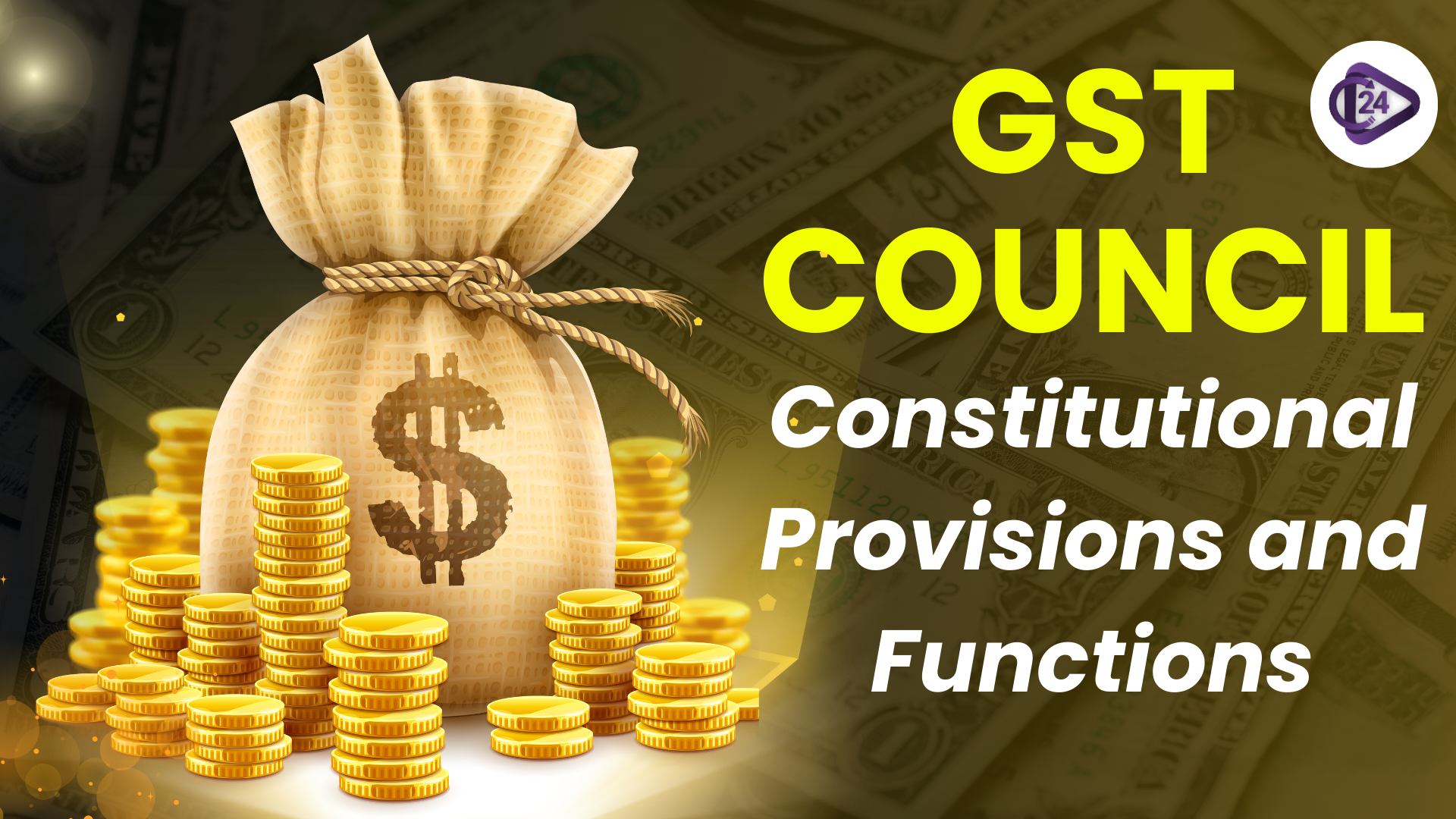
GST Council: Constitutional Provisions and Functions

The Goods and Services Tax (GST) Council is the apex body responsible for decision-making on all matters related to the Goods and Services Tax in India. It was established under the 101st Constitutional Amendment Act of 2016 and plays a crucial role in shaping India’s tax framework to ensure a unified national market. The Council functions as a platform for cooperative federalism, bringing together the Union and State governments to collaborate on GST policy.

Constitutional Provisions of the GST Council:

  1. Formation: Article 279A(1) mandates the President to constitute the GST Council within 60 days of the enactment of the 101st Constitutional Amendment.

  2. Recommendations on Levy: Article 279A(5) allows the Council to recommend GST imposition on items like petroleum and aviation fuel.

  3. Unified National Market: Article 279A(6) ensures that recommendations from the Council are aimed at fostering a unified national market.

  4. Procedural Authority: Under Article 279A(8), the Council can set its own procedural rules.

  5. Validity of Proceedings: As per Article 279A(10), the proceedings of the GST Council remain valid even in the case of vacancies or procedural errors.

  6. Dispute Resolution: Article 279A(11) provides the GST Council with the authority to resolve disputes between the Centre and States regarding GST matters.

Composition of the GST Council:

  1. Chairperson: Union Finance Minister heads the GST Council.

  2. Vice-Chairperson: Elected from among the State Finance Ministers.

  3. Members:

    • Union Minister of State for Revenue or Finance.

    • Finance or Taxation Ministers (or their nominees) from each State.

  4. Permanent Invitee: Chairperson of the Central Board of Indirect Taxes and Customs (CBIC), who is a non-voting member.

  5. Ex-Officio Secretary: Union Revenue Secretary.

Functions of the GST Council:

The GST Council's main functions, defined under Article 279A(4), include:

  1. Taxes to be Subsumed: Deciding on Union, State, and local taxes to be merged under GST.

  2. Goods and Services: Determining the goods and services subject to or exempt from GST.

  3. Model Laws: Framing model laws related to GST, particularly for inter-state trade.

  4. Thresholds: Setting turnover limits for GST exemptions.

  5. GST Rates: Recommending the standard, floor, and band rates of GST.

  6. Special Rates: Suggesting additional tax rates during natural calamities or disasters.

  7. State-Specific Provisions: Making provisions for special treatment of Northeastern and hilly states.

  8. Other Matters: Addressing any other matters related to GST implementation.

Working of the GST Council:

The GST Council operates based on the principle of cooperative federalism. Key aspects include:

  1. Quorum: At least half of the members must be present for a meeting to take place.

  2. Decision-Making: Decisions are made based on a three-fourths majority of weighted votes.

  3. Vote Weightage:

    • Central Government: One-third of the total votes.

    • State Governments (collectively): Two-thirds of the total votes.

Major Outcomes of GST Council Meetings:

Since its formation, the GST Council has been instrumental in implementing several major decisions:

  1. Dual GST Model: The adoption of the dual GST model (CGST and SGST) where both the Centre and States levy taxes.

  2. Tax Slabs: Classification of goods and services into different tax slabs.

  3. GST Compliance System: Launching an online GST compliance system for filing returns and making payments.

  4. Input Tax Credit (ITC): Introduction of ITC to reduce cascading taxes.

  5. Composition Scheme: Provision of simplified composition schemes to ease compliance for small businesses.

  6. Rate Rationalization: Regular updates and adjustments to GST rates to reduce the tax burden on consumers.

Conclusion:

The GST Council has been a vital institution in shaping the tax landscape of India. By ensuring cooperative federalism, it has brought together both the Union and States to make decisions on matters critical to the nation’s economy. The Council’s efforts to streamline taxation, simplify compliance, and reduce the tax burden on consumers demonstrate its significant role in transforming India's economic structure under the GST regime.

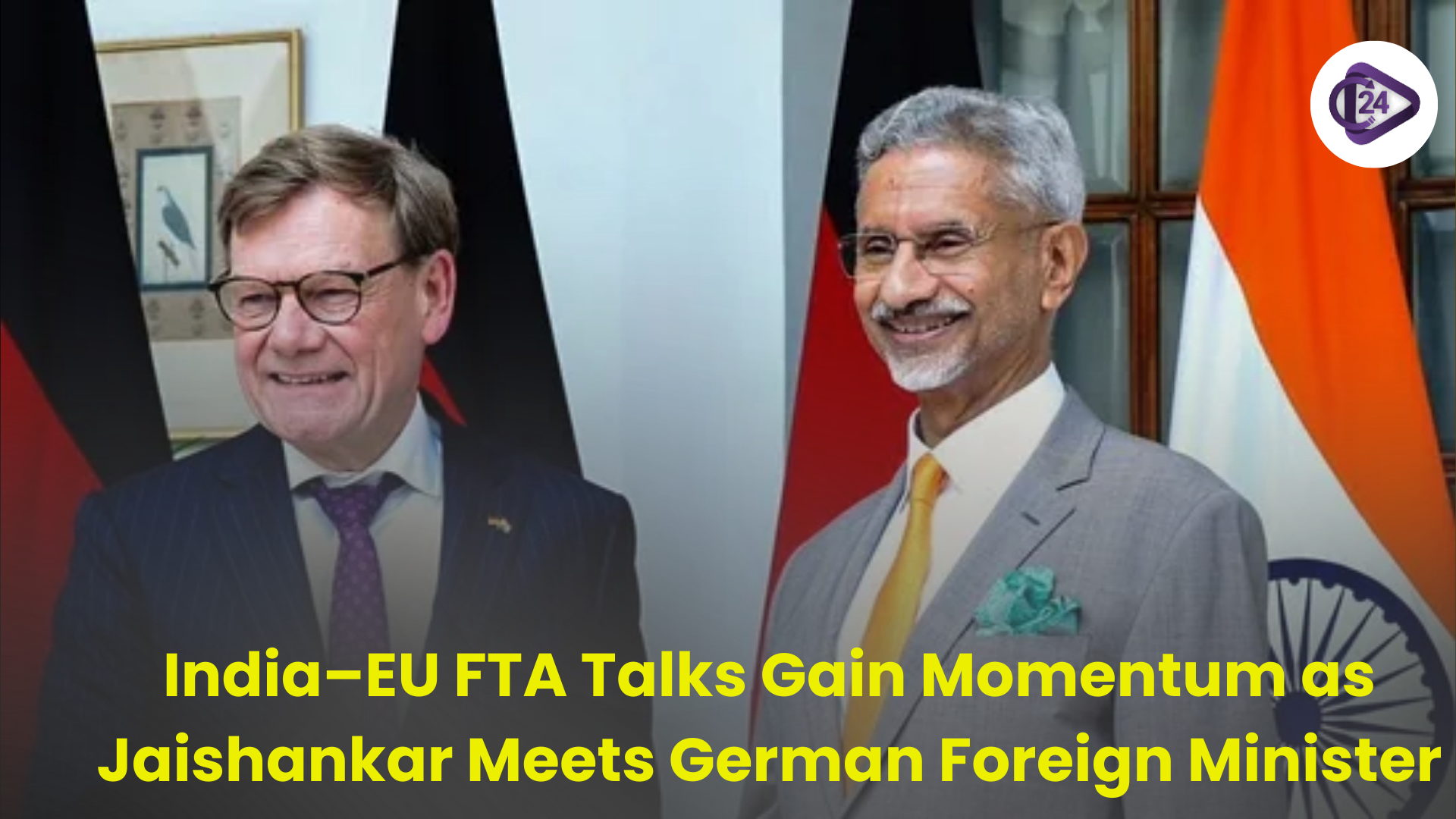
India–EU FTA Talks Gain Momentum as Jaishankar Meets German Foreign Minister

India and Germany have reaffirmed their commitment to doubling trade and expediting the India-European Union (EU) Free Trade Agreement (FTA) talks, a key topic of discussion during the meeting between Indian External Affairs Minister S. Jaishankar and German Foreign Minister Johann Wadephul in New Delhi. The two sides discussed global economic volatility, with a focus on addressing the "twin challenges" of economic instability and political uncertainty, particularly the impact of secondary sanctions and tariffs. While India and the EU aim to finalize the FTA by the end of 2025, differences remain over issues like agricultural market access. The visit also touched on geopolitical concerns, with Wadephul emphasizing Russia and China as the biggest international challenges.

Key Points:

  • India-EU FTA Talks: India and Germany committed to fast-tracking the ongoing India-EU FTA negotiations with the goal of concluding them by the end of the year.

  • Global Economic Stability: Jaishankar highlighted the FTA as a stabilizing factor for the global economy, offering a much-needed ballast in uncertain times.

  • Geopolitical Concerns: German Foreign Minister Johann Wadephul identified Russia’s aggression in Ukraine and China’s increasing assertiveness in the Indo-Pacific as the biggest challenges facing the international order.

  • Secondary Sanctions Issue: The two sides discussed potential tensions arising from secondary sanctions related to Indian companies buying Russian oil, which could lead to economic and diplomatic friction.

  • Bilateral Relations: The visit also underscored the importance of deeper cooperation between India and Germany, with Jaishankar emphasizing the value of a multi-polar world and strategic autonomy.

Conclusion:

The meeting between Jaishankar and Wadephul reflects growing momentum in India-Germany relations, particularly in the realm of trade and economic cooperation. While both sides are optimistic about concluding the FTA, challenges such as agricultural access and geopolitical tensions remain key obstacles. The discussions also highlight the broader global context, with both countries recognizing the need for more cooperative efforts in tackling issues like economic instability and geopolitical security in the face of Russian and Chinese aggression.

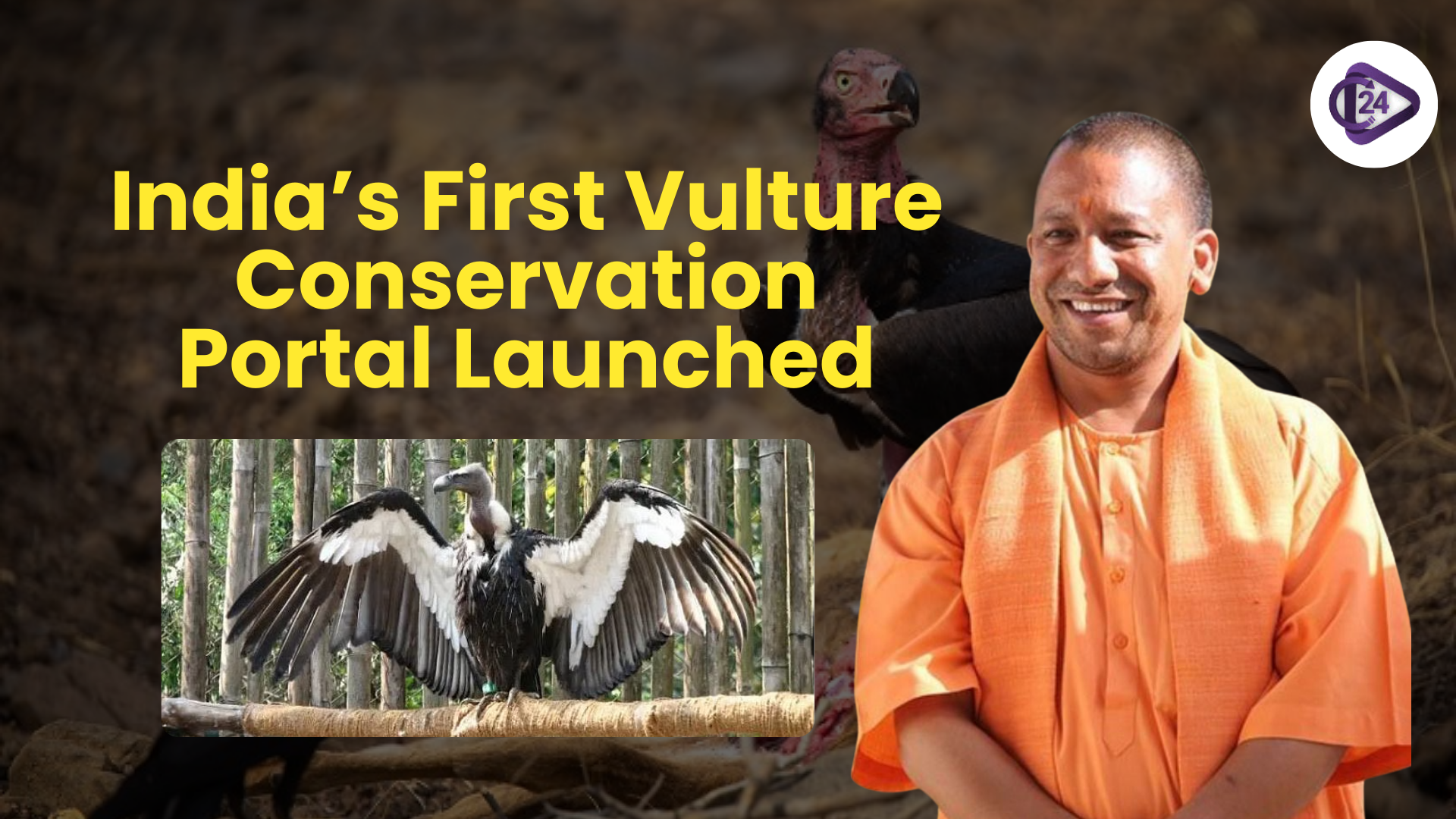
India’s First Vulture Conservation Portal Launched

India's first vulture conservation portal has been launched by an Assam-based foundation, We Foundation India, in collaboration with Gauhati University’s Department of Zoology. This pioneering initiative aims to create a network of individuals dedicated to the conservation of vultures, which are essential scavengers in the ecosystem. The portal's focus is on disseminating vulture conservation information in local languages, starting with Assamese, to ensure grassroots-level awareness. The launch coincides with the observance of International Vulture Awareness Day, which aims to raise awareness about the critical role vultures play in the environment.

Key Points:

  • First of its kind: India’s first vulture conservation portal was launched by We Foundation India in collaboration with Gauhati University’s Department of Zoology.

  • Conservation Focus: The portal is designed to build a network of conservationists and raise awareness about vulture conservation, starting with Assamese language materials.

  • Grassroots Awareness: The portal aims to connect vulture conservation efforts with the local economy and communities, emphasizing their importance in the ecosystem.

  • Collaboration: The Vulture Network is formed by multiple partners, including the Assam Bird Monitoring Network, LASA Foundation, and Suraksha Samitee, along with individual researchers and conservationists.

  • International Vulture Awareness Day: The portal launch was timed with International Vulture Awareness Day, an event to highlight the urgency of vulture conservation.

Conclusion:

The launch of India’s first vulture conservation portal marks a significant step in promoting grassroots awareness and engaging communities in the preservation of vultures. Through collaboration between organizations, scientists, and local communities, the portal aims to ensure sustainable conservation practices and emphasize the ecological importance of vultures. This initiative is timely and critical for the survival of vultures in India, where their numbers have been declining rapidly.

Frequently Asked Questions (FAQs)

The current affairs cover recent national and international events related to UPSC, SSC, Banking, Railways, and State PCS.

You need to read about the current affairs daily, and revise them every week and every month to keep them longer in your memory.

Yes, Class24 provides free downloadable Daily Current Affairs PDFs for easy revision.

Yes, you can practice MCQs and quizzes to boost your exam preparation.

Absolutely. The content is written in simple, easy-to-understand bilingual language suitable for beginners.

Go to class24.com and click on the current affairs section directly, where you find everything that you need.

ssc-toppers

Start Learning Today with Class24

Related current affairs

Class24 offers free video lectures for smart preparation, covering CGL, CPO, CHSL, MTS, and GD exams. Learn from expert faculty, revise concepts easily, practice with PYQs, and improve speed and accuracy through high-quality, exam-focused video lessons anytime, anywhere.

Get success in your hand. Start study anytime anywhere.

The journey becomes simple and enjoyable when you start taking interest in it. And through our app “Class24”, we will be your trusted partners in developing that interest.

Daily Quizzes
Mock Tests
Ongoing

No ongoing tests right now.