Day: September 3, 2025

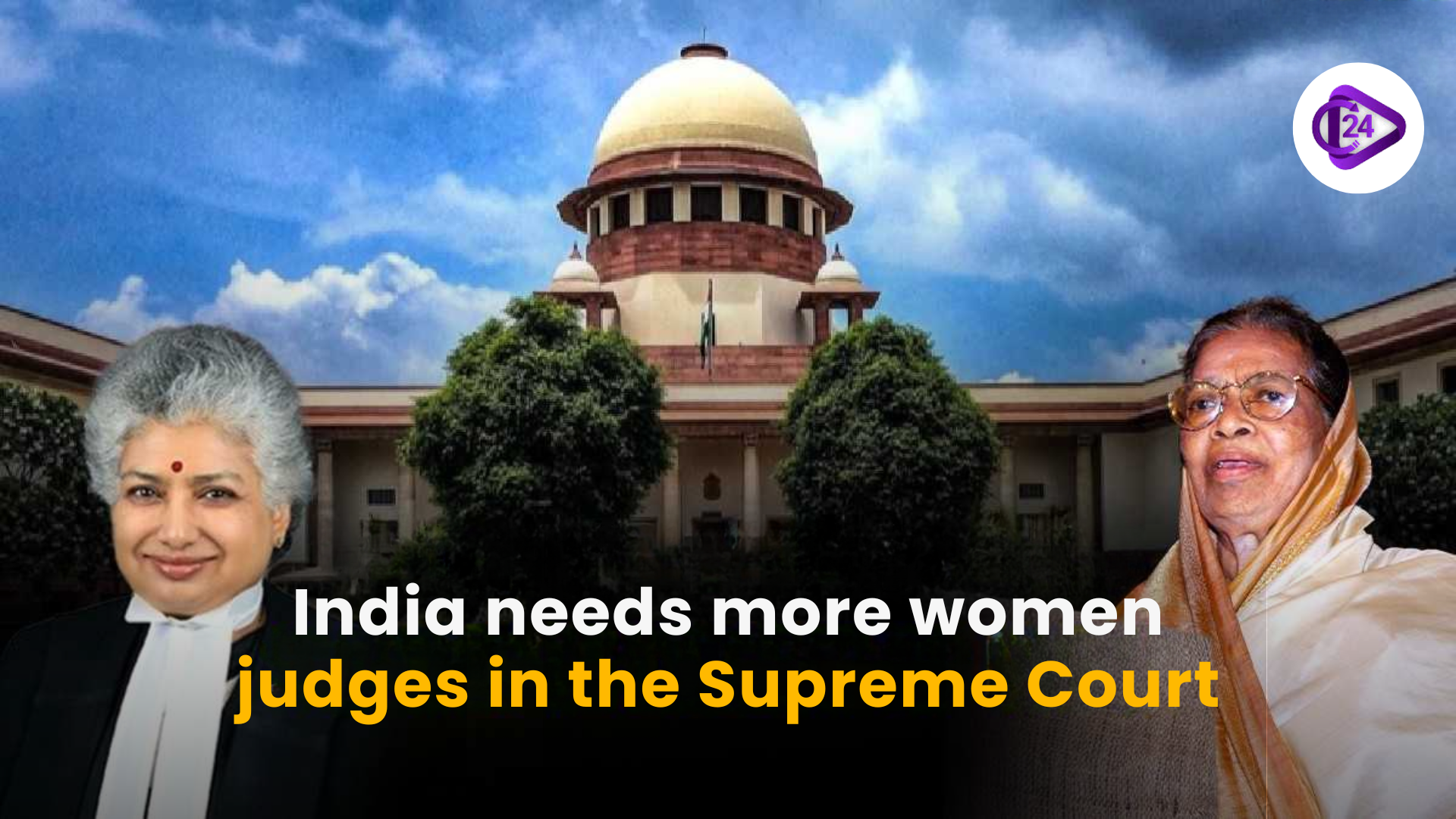
India needs more women judges in the Supreme Court

The vacancies in the Supreme Court that would have been exploited to enhance gender balance upon the retirement of Justice Sudhanshu Dhulia in August 2025 were not occupied by women. There are currently only 34 judges in the Court, of whom Justice B.V. Nagarathna is the only female judge. There have never been 11 women (3.8 of the total number of appointments) serving since 1950. Women end up being appointed towards the end of their careers, which restricts their time and opportunity to impact on the appointment of judges. The absence of gender representation negates the equality and representation agenda of the Court.

What is in News

  • All 34 Supreme Court judges are male (Justice B.V. Nagarathna is the only female).

  • Within the vacancies, gender balance was disregarded once again due to new hires.

  • The Collegium system is not transparent and does not require gender diversity in the appointment to the judicial bench.

Key Points

1. Imbalanced Gender in the Supreme Court.

  • Of 287 (3.8 percent only) women judges appointed since 1950, 11 only have been appointed.

  • The most recent significant milestone was in 2021, when 3 women were appointed together, raising women representation temporarily to over 10%.

  • Women judges lack caste diversity; no woman SC/ST has been given such appointment yet.

2. Structural Disadvantages

  • Women judges are selected at an advanced phase in their lives, which means fewer terms and less chance of making it to the Collegium or becoming CJI.

  • In 2027, Justice Nagarathna will become the first woman Chief Justice, but in 36 days only.

  • Rarely are women lawyers selected directly off the Bar: only one woman, Justice Indu Malhotra, has been so appointed.

3. Lack of Transparency and Collegium Process.

  • CJI and four senior-most judges make judicial appointments in a Collegium.

  • Appointments are not made in a transparent manner and there is no consistent publication of the reasons behind appointments.

  • Sometimes caste, region and religion are included, but never gender.

4. Must Have Gender Representation.

  • Female judges add a different dimension of judicial logic and conclusion.

  • Their presence increases the level of trust and confidence of the people as courts become more representative of the society.

  • Systemic inequities would be fixed by institutionalising gender, caste, and regional diversity policies in the appointment of judicial officers.

Conclusion 

Gender balance has never been achieved at the Supreme Court and women are grossly underrepresented. Women are still being denied appointments despite increasing seniority and merit among women judges and lawyers. Gender should be an institutionalised criterion in appointments on an open policy platform. It is only at this point that the highest court of India will actually represent the constitutional promise of equality and representation of all citizens.

APEDA launches BHARATI initiative to boost agri-food exports

The Agricultural and Processed Food Products Export Development Authority (APEDA) introduced the BHARATI program to empower agri-food startups and to improve exports. The programme was launched by union ministers Piyush Goyal and Chirag Paswan and the Minister of Foreign Trade in UAE. The goal of BHARATI is to accelerate agri-food and agri-tech innovation, technology, and incubate 100 startups. The project is consistent with the goal of the agri-food export of 50 billion Indian rupees by 2030. The initial pilot group will start in September 2025 and deal with innovation, sustainability, and global competitiveness.

What is in News

  • The opening of BHARATI (Bharti Hub of Agritech, Resilience, Advancement and Incubation to enable export) by APEDA.

  • There will be a solution to the agri-export challenge and will empower 100 agri-food startups to create innovations.

  • In line with the Atmanirbhar Bharat, Start-Up India, and the vision of the government of $50 billion agri-food exports.

Key Points

1. Objective of BHARATI

  • Enhance competitiveness and agri-food exports of India.

  • Strengthen youth entrepreneurs and startups in agriculture, food technology and export solutions.

  • Produce Indian agri-products that are competitive at the international level.

2. Pilot Cohort (Sept 2025)

  • Selects 100 startups to participate in a three months acceleration programme.

  • Pay attention to product development, export preparation, compliance with the regulations, and penetration of the market.

  • Will focus on high value products including GI-tagged products, organic foods and superfoods, livestock products, innovative processed foods, and AYUSH products.

3. Innovation and Technology Orientation.

  • Promotes the use of AI-based quality control, blockchain traceability, cold chain IoT, and agri-fintech.

  • Promotes green packaging, cold chain and logistics technology.

  • Reinforces wastage reduction, perishability and quality assurance solutions.

4. Partnerships and Ecosystem

  • Partners with state agriculture boards, IITs, NITs, universities, industry associations and accelerators.

  • Facilitates industry-academia-government collaboration.

  • Intends to create demand driven reverse integration in food technology to serve the international markets.

Conclusion

The BHARATI project is one of the steps that India is taking to become a global agri-export hub. It deals with important issues in the food export chain by targeting startups, innovation, and advanced technologies. Its model partnership will establish an agri-food system that is sustainable and competitive on a global scale. When properly implemented, BHARATI will enable India to reach its audacious 50-billion agri-food export goal by 2030.

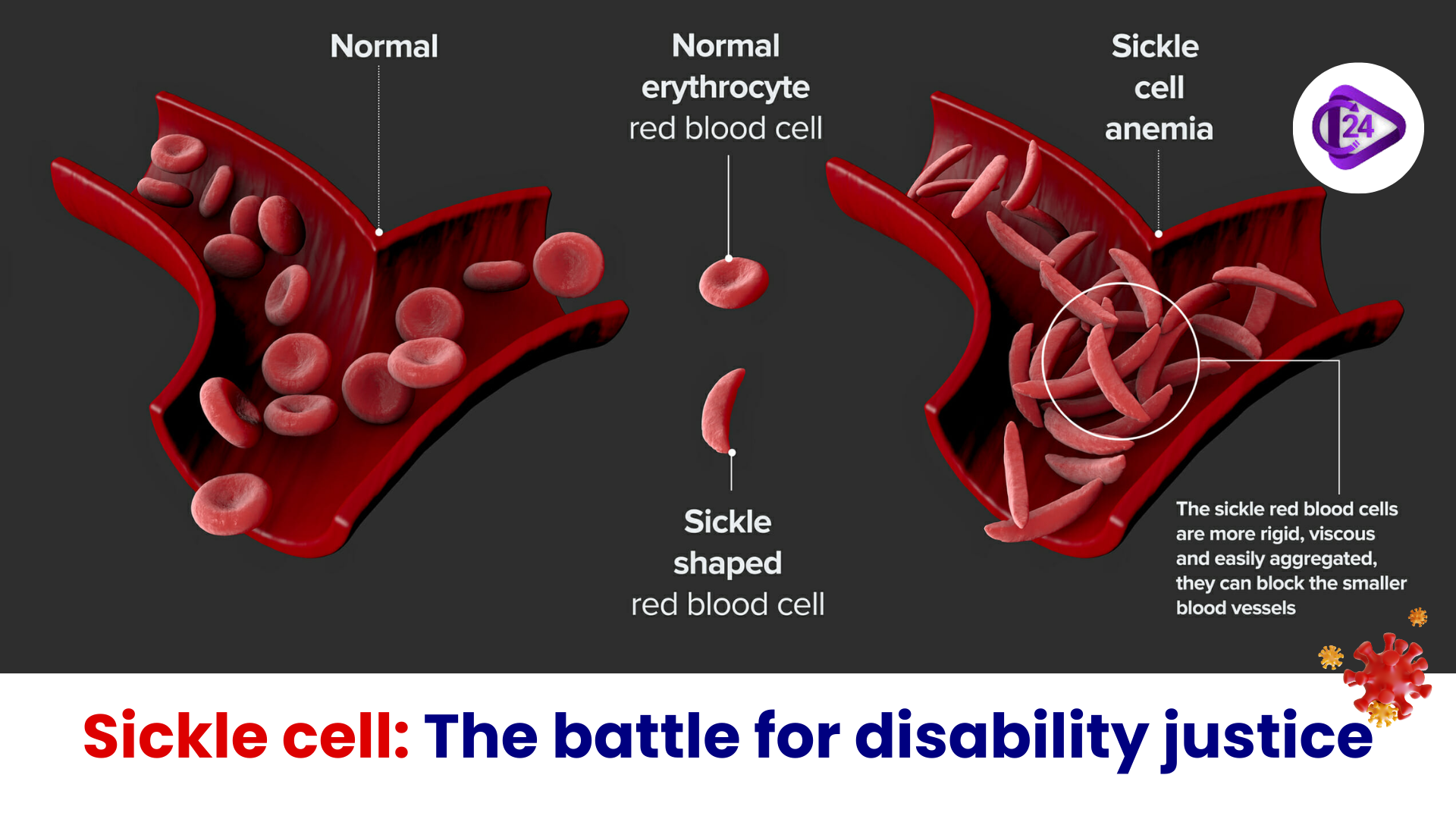
Sickle cell: The battle for disability justice

In March 2024, the Indian government released new disability assessment standards under the RPWD Act, 2016, to patients with sickle cell disease (SCD). SCD is a painful progressive blood disease that disproportionately strikes Adivasi and Dalit populations. The Act was looked upon as a gateway to reservations in education, jobs and welfare schemes, yet SCD patients still do not have a portion of the 4% public sector reservation quota. The certification process is difficult, unreachable, and does not reflect the lived experience of changing, unseen disabilities. Scholars posit that reforms are necessary in order to make disability rights inclusive among individuals with chronic conditions such as SCD.

What is in News?

  • Now the assessment of sickle cell disease is covered by revised guidelines under the Rights of Persons with Disabilities (RPWD) Act, 2016.

  • Regardless of this, SCD patients are still not able to enjoy full rights including job reservations under the 4% quota.

  • The certification system is another big deterrent, and it leaves out many who are severely but unpredictably disabled.

Key Points

1. About the RPWD Act, 2016

  • Grant rights and protections to individuals with benchmark disabilities (40 percent or higher impairment).

  • Gives free education, reservation in tertiary education and government jobs plus welfare benefits.

  • Meets the UN Convention on the Rights of Persons with Disabilities.

2. Problems facing Sickle Cell Disease Patients.

  • SCD is painful, organ-damaging, anaemic and often leads to hospitalisation, interrupting schooling and livelihoods.

  • Social exclusion of Adivasi and Dalit patients, which are affected disproportionately, compounds stigma.

  • Its symptoms are either not apparent or intermittent and therefore difficult to categorize using a strict set of criteria.

3. The impediments in Disability Certification.

  • The certification is to be done by government-appointed medical boards.

  • The scoring is biomedical in nature (e.g., transfusion requirement, neurological injury).

  • Lost schooling, employment or opportunities, socioeconomic effects cannot be counted.

  • There is the problem of rural patients who find it hard to access hospitals and diagnostic centers.

4. Policy Gaps

  • The recognition of SCD does not guarantee the inclusion in the 4% quota of employment.

  • Processes are closed off and they are disproportionately closed to the most marginalised groups.

  • Present structure simplifies disability to a medical rating and does not take into account lived lives.

5. Suggested Reforms

  • Agreements with individuals with SCD and other blood conditions should be extended in job reservations.

  • Build a certification system that is flexible and acknowledges changing and invisible circumstances.

  • Move to a rights-based, social and structural barriers perspective.

Conclusion

The patients of sickle cell disease are caught in a paradox recognised in the RPWD Act but not granted all the protections. Medicalised, score-based assessment disregards the existence of invisible barriers and lived experience. Policy without reform will become an exclusion masquerading as inclusion of the most marginalised in India. The real justice is in understanding that disability is a complex of the medical disorder, social isolation, and systemic injustice.

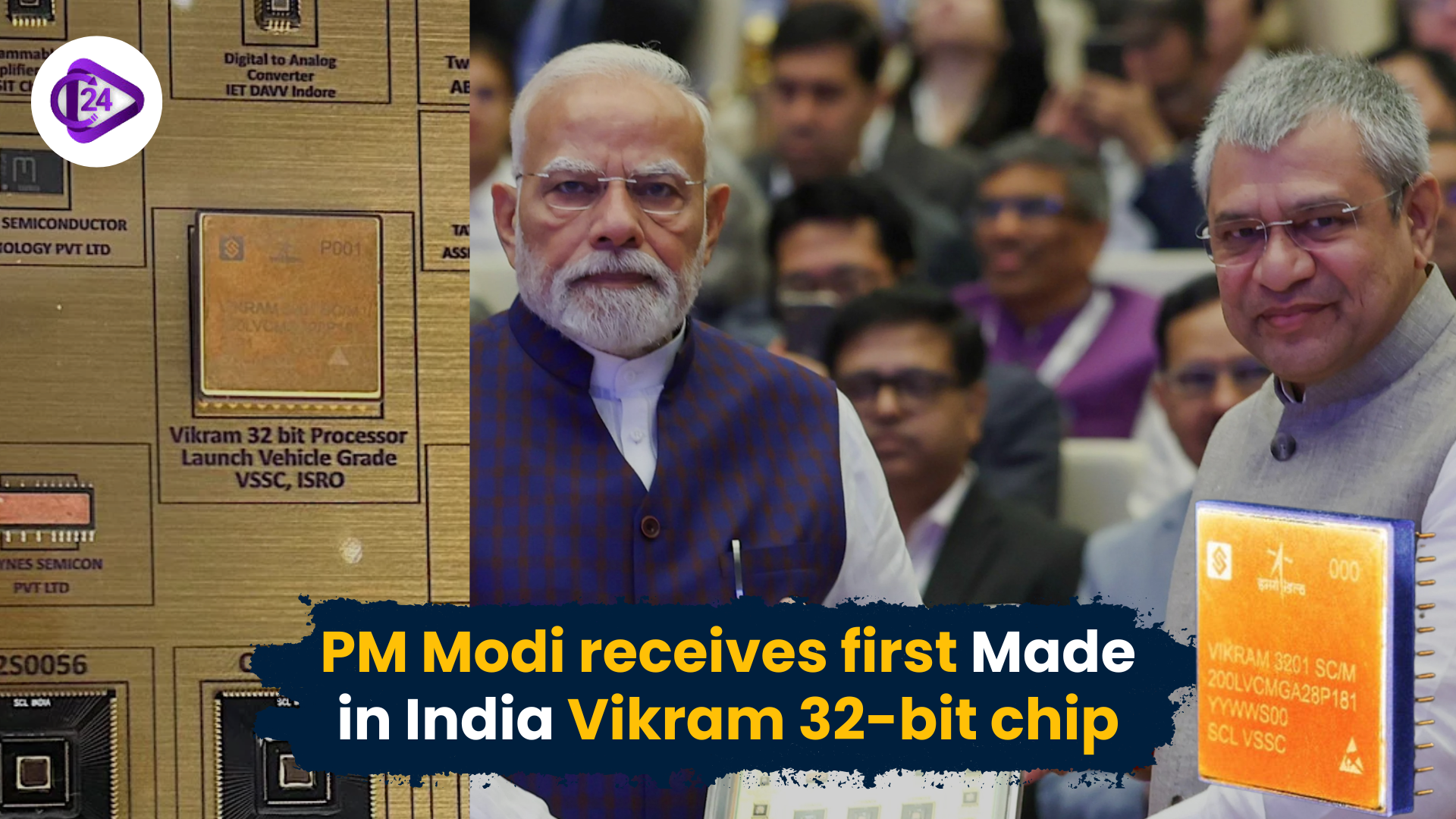
PM Modi receives first Made in India Vikram 32-bit Chip

The Vikram 32-bit was the first indigenously developed processor to receive Prime Minister Narendra Modi in Semicon India 2025. Union IT Minister Ashwini Vaishnaw introduced the chip as a symbol of semiconductor development in India. The processor is a highly developed adaptation of the VIKRAM1601 microchip and was designed by the Vikram Sarabhai Space Centre and Semiconductor Laboratory, ISRO. It will find application in ISRO space flights avionics. In addition to the Vikram chip, 31 prototype chips of IITs and NITs were present as well.

What is in News

  • The Vikram 32-bit Launch Vehicle Grade processor became the first Made in India processor received by PM Modi.

  • The chip is a modified form of the indigenous VIKRAM1601 used by the ISRO since 2009 in rockets.

  • Semiconductor manufacturing is becoming a booming sector in India and several semiconductor fabrication plants are currently being developed.

Key Points

About the Vikram 32-bit Chip

  • Originally designed by Vikram Sarabhai Space Centre (VSSC) and Semiconductor Laboratory (SCL), Chandigarh, ISRO.

  • Intended to be used in space and launch vehicle avionics.

  • A faster and more reliable 32-bit architecture based on the previous VIKRAM 1601, 16 bit.

Semiconductor Logo of Atmanirbhar Bharat.

  • India The first processor designed entirely in India that is marked as Launch Vehicle Grade.

  • Offered as a souvenir to PM Modi at Semicon India 2025.

Academic Participation

  • In addition to the Vikram chip, 31 prototype chips of IITs and NITs were incorporated.

  • Designs were donated by institutions like IIT Jammu, IIT Roorkee, IIT Dhanbad, NIT Durgapur, NIT Calicut and IIT Ropar.

Development of Semiconductor Ecosystems.

  • The Semiconductor Mission in India that was initiated 3.5 years ago is bearing fruits.

  • Five new semiconductor lines in process; one pilot line in process.

  • There are two additional units that are going to start production in the near future which will further empower the independence of the supply chain in India.

Conclusion

A milestone in the technological development of the space program in India is the launch of the Vikram 32-bit chip. It is an indication that India is becoming competent in high-technology semiconductor and avionics. The proactive involvement of IITs, NITs and ISRO points to an ecosystem of cooperation in chip innovations. This success reinforces the desire of India to become a global semiconductor hub in the next decade.

Frequently Asked Questions (FAQs)

The current affairs cover recent national and international events related to UPSC, SSC, Banking, Railways, and State PCS.

You need to read about the current affairs daily, and revise them every week and every month to keep them longer in your memory.

Yes, Class24 provides free downloadable Daily Current Affairs PDFs for easy revision.

Yes, you can practice MCQs and quizzes to boost your exam preparation.

Absolutely. The content is written in simple, easy-to-understand bilingual language suitable for beginners.

Go to class24.com and click on the current affairs section directly, where you find everything that you need.

ssc-toppers

Start Learning Today with Class24

Related current affairs

Class24 offers free video lectures for smart preparation, covering CGL, CPO, CHSL, MTS, and GD exams. Learn from expert faculty, revise concepts easily, practice with PYQs, and improve speed and accuracy through high-quality, exam-focused video lessons anytime, anywhere.

Get success in your hand. Start study anytime anywhere.

The journey becomes simple and enjoyable when you start taking interest in it. And through our app “Class24”, we will be your trusted partners in developing that interest.

Daily Quizzes
Mock Tests
Ongoing

No ongoing tests right now.