
Day: August 28, 2025

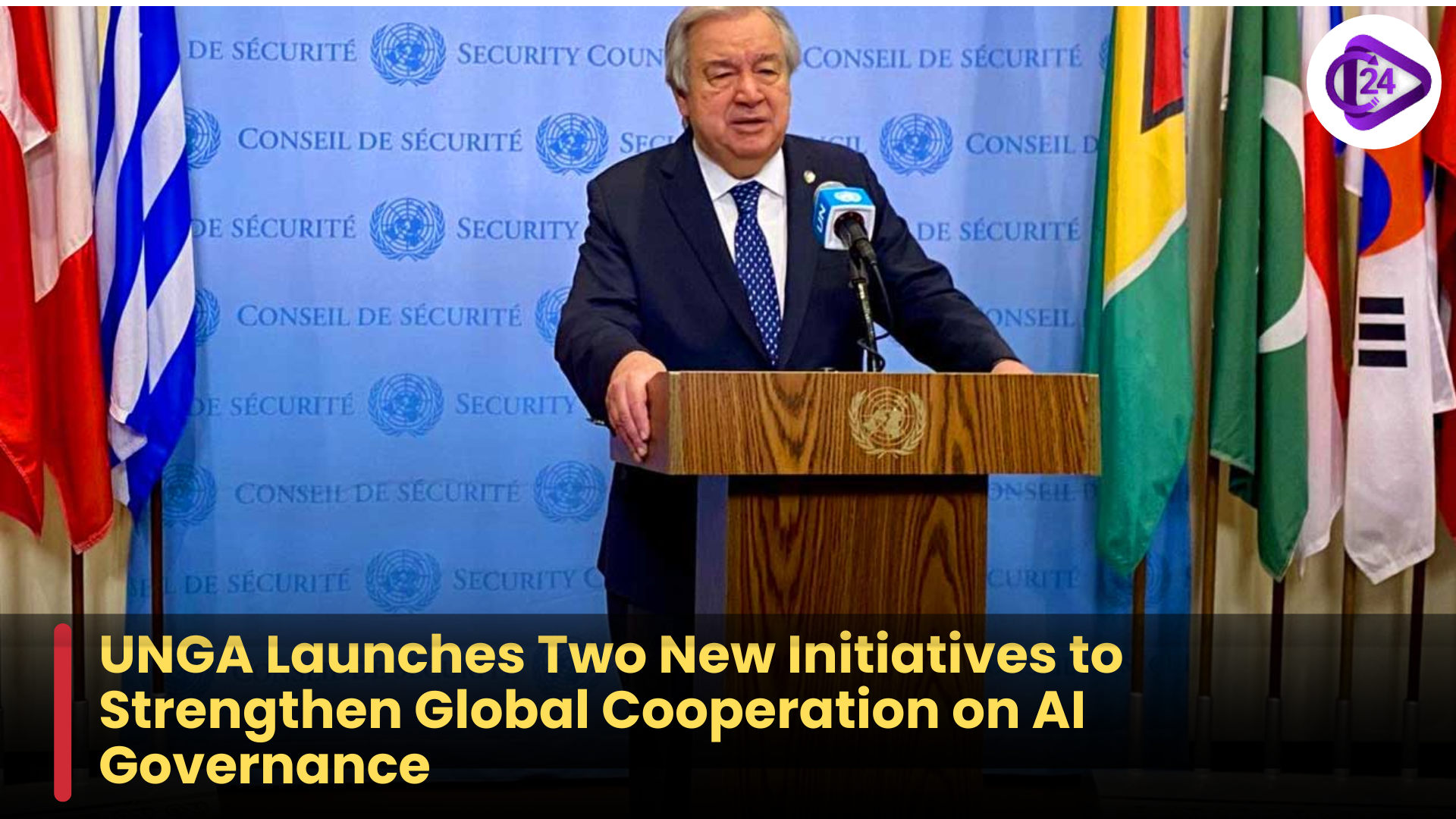
UNGA Launches Two New Initiatives to Strengthen Global Cooperation on AI Governance

The UN General Assembly has initiated two new plans to improve international collaboration on AI governance: the United Nations Independent International Scientific Panel on AI and the Global Dialogue on AI Governance. These are mechanisms to mitigate the advantages and the problems related to AI, encouraging global coordination and knowledgeable policy decisions. The UN Secretary-General Antonio Guterres described the initiatives as a major move to utilize the potential of AI by reducing the challenges associated with them. The efforts align with the Global Digital Compact and demonstrate member nations' commitment to a collaborative future in AI governance.

Context:

  • The efforts symbolize a collective attempt to promote international discussion and scientific contribution to AI regulation to support the overall UN digital policies.

  • They are indicative of an increasing awareness of the necessity of integrated action in the regulation of the transformative power of AI.

Key Points:

Launch of Two Key Initiatives:

  • The UN General Assembly presented two programs that should enhance international collaboration in the area of AI governance:

  • United Nations Independent International Scientific Panel on AI

Global Dialogue on AI Governance

Purpose and Role of the Scientific Panel:

  • The Scientific Panel will act as an intermediary between the research of AI and the policy.

  • It will offer unbiased scientific evaluations to assist the international community to formulate sincere decisions regarding AI governance.

Global Dialogue on AI Governance:

  • This platform will allow States and stakeholders to deliberate over key matters relating to AI to foster inclusive debates regarding the governance of AI and its repercussions worldwide.

  • The Global Dialogue will take the role of a central platform of collaboration and policymaking in the AI sphere on the international level.

Key Dates and Future Activities:

  • The Scientific Panel will release its annual reports in the sessions of the Global Dialogue on AI Governance in July 2026 (Geneva) and 2027 (New York).

  • Soon an open nomination process of panel members will be announced.

UN Secretary-General support and Call to Action:

  • Antonio Guterres hailed the initiatives as a breakthrough step in the Global Digital Compact, stressing that the UN has taken a leading role towards ensuring the communities enhance their digital capabilities.

  • He was urging all stakeholders to join in to make sure that AI would be beneficial to humanity at large.

Conclusion:

The new initiatives of the UN, the Scientific Panel on AI and the Global Dialogue on AI Governance are important steps in ensuring that the global effort to tackle AI matters is carried out in a systematic manner. With the fast-evolving AI technology, these mechanisms will be essential in terms of creating inclusive policy debates and scientific analyses, which will aid in shaping AI governance in a manner that is beneficial to the general society.

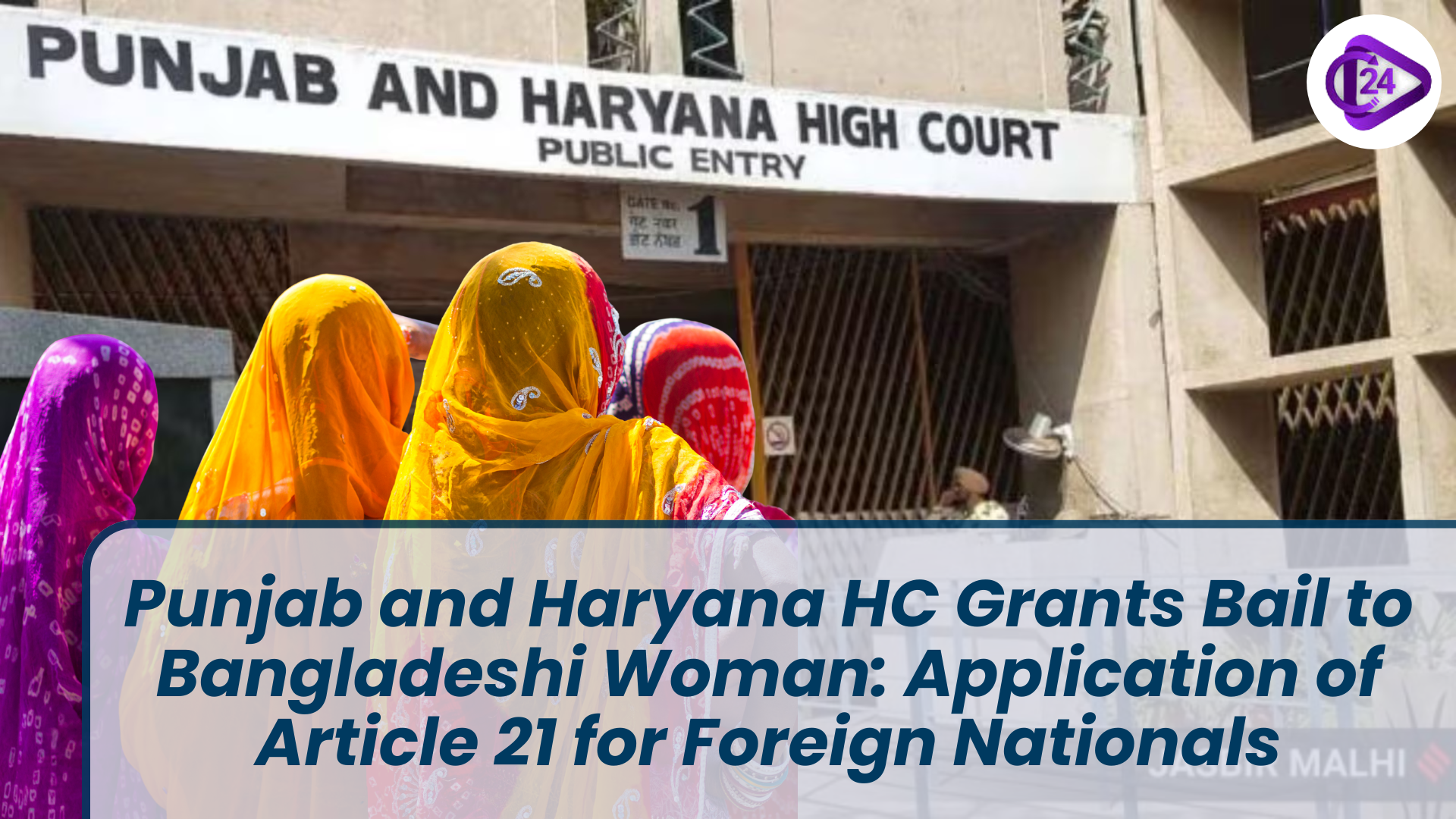
Punjab and Haryana HC Grants Bail to Bangladeshi Woman: Application of Article 21 for Foreign Nationals

Recently, the Punjab and Haryana High Court bailed out Farida Praveen, a Bangladeshi woman who had allegedly committed forgery, cheating and illegal residency in India. The decision of the court focused on the use of Article 21 (Right to Life and Personal Liberty) to the foreign nationals in the sense that no person should be denied the right to their personal liberty without following the due process of law. The case highlights the protection of people, including foreigners, by Article 21 against unjustified detention even when it comes to undocumented migrants.

Context

Case Overview:

  • On February 5, 2025, Farida Praveen (Shikha Gaur) was in pre-trial custody on charges of cheating, forgery and illegal stay in India.

  • It is a case founded on a complaint made by Santosh Sharma who claimed that she induced his son into a relationship and stole money and jewellery.

  • Praveen has been spotted to have forged the documents to obtain Aadhaar, PAN and voter ID in a different name.

Legal Arguments:

  • That Praveen was a foreign nation and was illegally entering India, the Haryana Government claimed, and had forged documents.

  • The lawyer of Praveen argued that any further detention, particularly of an undocumented migrant who could not secure sureties, was an irreversible injustice.

Court’s Ruling:

  • This was made possible by the Punjab and Haryana High Court, which was conscious of the fact that the pre-trial detention may cause irreparable injustice and therefore, bail was granted after a consideration that the length of the custody period may cause irreparable injustice and the person may not be able to find sureties.

  • The court recognised Article 21 protections, stating that Article 21 uses the word person to apply to citizens and foreigners alike. This guarantees that foreign citizens enjoy equal protection of personal liberty as the Indian citizens do.

Conditions for Bail:

  • The court imposed the amount of bond as Rs 10,000 and Praveen was released on personal bonds or on a fixed deposit in case she could not secure sureties.

  • The bail was released on the condition of six months in custody bearing in mind that the charges were not criminal in nature and that there was no criminal history.

Importance of Article 21:

  • The court quoted many Supreme Court decisions especially that Article 21 extends to foreigners such that they are not subject to arbitrary acts and lawless detention.

  • The court pointed out that the undocumented migrants may find it difficult to provide sureties, and that the bail terms must not be so complicated that they become tantamount to denying him/her freedom.

The Legal Foundation: Article 21 – Right to Life and Personal Liberty

  • The basic right of protection of life and personal liberty is provided under article 21 of the Indian constitution. It guarantees that no individual (including foreigners) will be denied his life or liberty without following the due process as provided in the law.

Important Judgments:

  • Gopalan Case (1950): The court decided that Article 21 protection is limited to arbitrary executive action and not to arbitrary legislative action.

  • Case of Maneka Gandhi (1978): The decision broadened the coverage of Article 21, and it incorporated the concept of the due process of law, and ruled that personal liberty encompasses a broad spectrum of rights.

  • KS Puttaswamy Case (2017): The Supreme Court defended the Right to Privacy as stipulated in the Article 21 with the focus on the basic right to dignity.

  • Hadiya Case (2017): This case reiterated the fact that the right to marry legally whom one chooses is fundamental to Article 21.

Right to Life and Liberty deals with many rights, such as:

  • Right to live with dignity and freedom of unlawful detention.

  • Right to privacy, right to shelter, right to health, right to free legal aid and right to fair trial.

Article 21 and Foreign Nationals:

  • Article 21 is not restricted to the citizens of India but also pertains to foreign nationals in India. This protection plays a vital role in the preservation of the human rights of an individual as well as the fact that the aliens do not lose their freedom without any reasonable procedure.

  • The court of the case emphasized that the foreigners also deserve the right to liberty, therefore, contributing to the notion that individual liberty is also a universal right according to the Indian Constitution.

Conclusion:

The case in which the Punjab and Haryana High Court ruled in favor of Farida Praveen to grant him bail strengthens the need to enforce Article 21 to guard the personal liberty even of a foreign country. It points out that whether one is a citizen or not, he is entitled to the protection against arbitrary detention and the right to judicial fair treatment. The case also highlights the expanded understanding of Article 21 that human dignity and personal freedom are not limited to the citizens of India but also to everyone in India, even undocumented migrants.

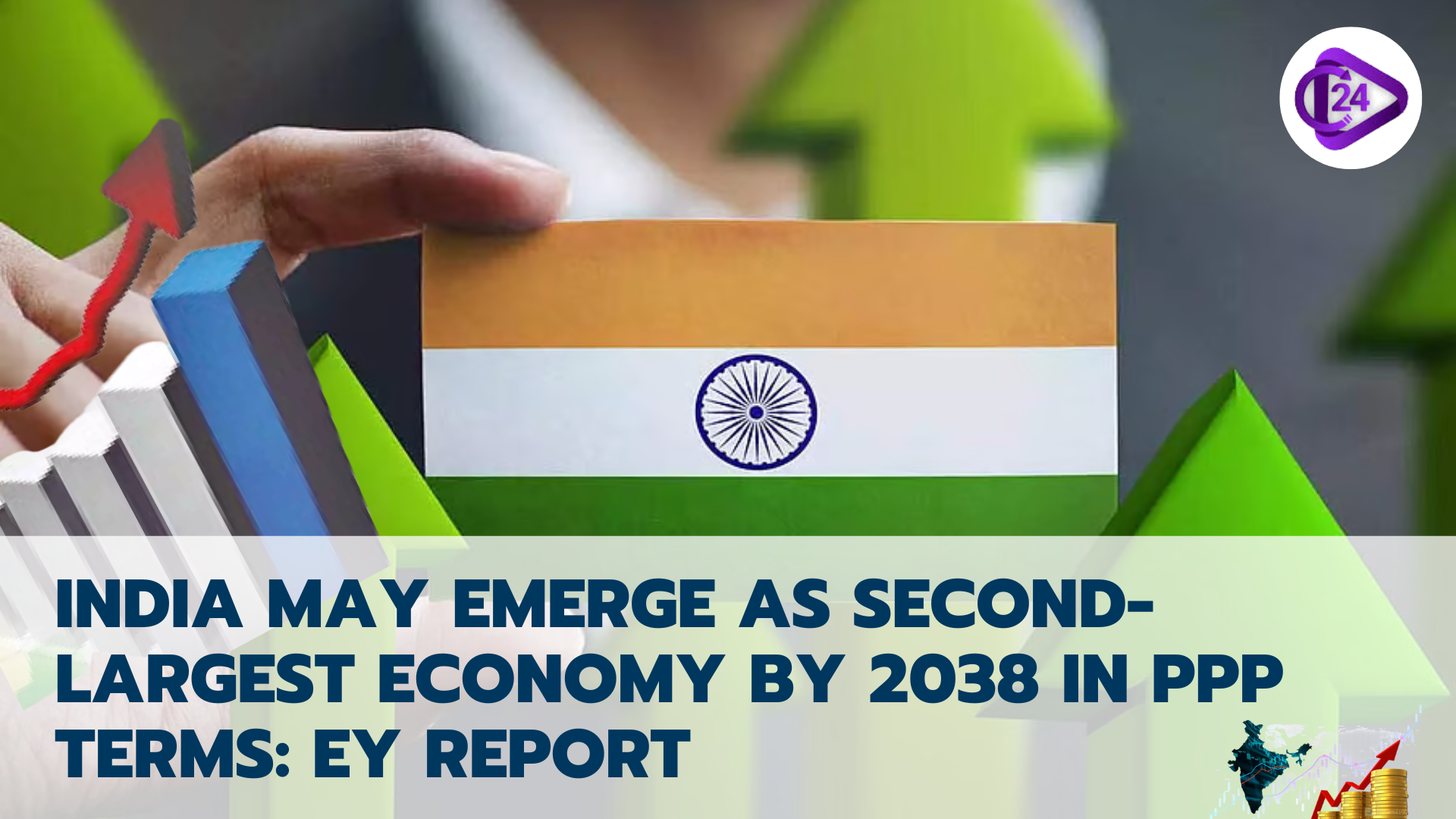
India May Emerge as Second-Largest Economy by 2038 in PPP Terms: EY Report

According to an EY report, India is set to be second largest in the world by the year 2038 in Purchasing Power Parity (PPP) terms with a GDP of USD 34.2 trillion. The young population, high rate of savings and the government debt-to-GDP ratio show a positive trend in the economic path of India, unlike its counterparts who are experiencing an increasing rate of debt. Structural reforms, strong fundamentals, and investments in essential technologies such as AI and renewable energy are additional drivers to the economic growth of the country. India will also emerge as the third-largest economy when measured on the basis of market exchange rate by 2028 and even overtake Germany.

Context

  • The report cites the demographic strength of India, good savings and fiscal discipline, which will ensure that India is ahead of other major economies in the next decades.

  • India stands in a unique position to achieve long term growth due to the positive demographic profile, reforms and investments in major sectors.

Key Points

India's Projected GDP and Economic Position by 2038

  • By 2038, the economy of India will be the second-largest economy in the world with an expected growth to USD 34.2 trillion (PPP).

  • The IMF estimates 20.7 trillion USD (PPP) by the year 2030 as the GDP of India.

India's Competitive Advantages

  • India has a median age of 28.8 years in 2025, which is one of the lowest in the large economies.

  • It possesses the second best level of savings rate, which facilitates a great level of investment and capital formation.

  • Unlike the rising levels of debt, the government debt-to-GDP ratio in India is expected to decrease in 2024 (81.3) to 2030 (75.8).

Challenges for Other Major Economies

  • China is estimated to have the biggest economy with USD 42.2 trillion (PPP) by 2030 though it is affected by such problems as ageing population and increasing debt.

  • The US has high debt levels which is over 120 percent of the GDP which can limit growth.

  • Germany and Japan are limited by the high median ages and dependence on world trade.

The potential of Long-Term Growth in India.

  • India is a combination of a young population, the increasing domestic demand and sustainable fiscal prospects that give it a good long term growth path.

  • The economy has been reinforced by structural reforms like GST, IBC, financial inclusion through UPI and production-linked incentives.

Impact of Emerging Technologies and Infrastructure Investment

  • The renewable energy, semiconductors, and AI focus of India are preconditioning the long-term economic capacity.

  • The infrastructure investments in the hands of the populace will boost the growth potentials, which will help the nation move towards Viksit Bharat (developed nation) by 2047.

India’s Projected Position by 2028

  • By 2028 India is likely to be the third-largest economy in terms of market exchange rates, passing Germany.

  • Despite the fact that the US tariffs are likely to affect 0.9% of the GDP of India, the effects will be alleviated due to proper countermeasures (e.g., export diversification, increased domestic demand, trade relations, etc.).

Conclusion

The demographics of India such as its youthful population, high rates of savings and investment, and fiscal discipline help the country to become the second-largest economy in terms of PPP in 2038. The concentration of the country on the most important changes, new technologies and the development of infrastructure will support the growth process. By 2028, India will overcome Germany and entrench its economy as a global powerhouse in the direction of its Viksit Bharat objective by 2047.

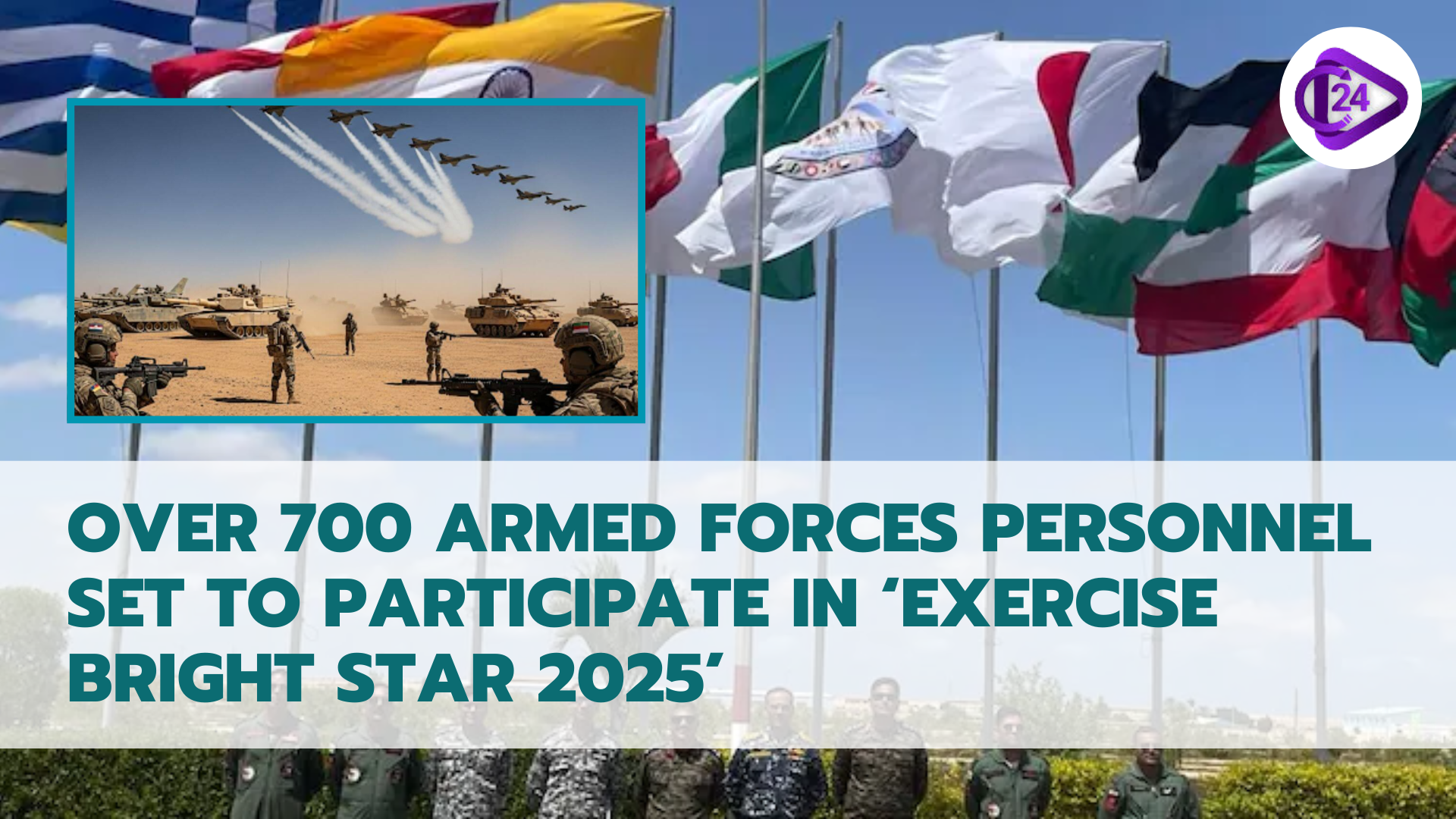
Over 700 Armed Forces Personnel Set to Participate in ‘Exercise Bright Star 2025’

The Multilateral Exercise of the Indian Armed Forces and Headquarters Integrated Defence Staff entitled BRIGHT STAR 2025 will include more than 700 of its members between August 28 and September 10, 2025. It will include live firing demonstrations, command post exercises, short training exercises and expert interactions on recent military operations. It underscores the desire of India to promote regional peace and security with the aim of interoperability and cooperation with other friendly foreign countries. Bright Star, which was hosted by Egypt and the US, is a tri-service exercise that is one of the biggest exercises within the region.

Context

  • Exercise Bright Star enhances cooperation between the nations involved and secures the region and strengthens relations between these countries especially in military affairs.

  • This exercise will be a great chance at helping India enhance jointness and interoperability with international partners.

Key Points:

Scale of Participation

  • The Indian Armed Forces and Headquarters Integrated Defence Staff will involve more than 700 people in Bright Star 2025.

  • The workout will last between August 28 and September 10, 2025.

Key Activities During the Exercise

  • The drill will also include live firefighting between the Indian Army, Indian Navy and Indian Air Force and demonstrations of operational capabilities.

  • Command Post Exercise to enhance joint planning, decision-making and coordination of operations.

Brief Training Sessions on the aspects of modern war.

  • Subject Matter Expert Interactions on contemporary military operations.

Commitment of India to Regional Security.

  • The participation of India highlights the efforts by India in terms of peace, stability and security in the region.

  • Communication with friendly countries in the region and cooperation there are to be strengthened.

About Exercise Bright Star

  • Bright star exercise is a multilateral drill initiated by Egypt and done in collaboration with the US since 1980.

  • It is among the biggest Tri-Service multilateral exercises in the region which involves a number of countries, including India.

Previous Editions and Participation

  • The most recent Bright Star 2023 involved several countries, such as India and the troops were involved in a range of activity in the military.

Conclusion:

Exercise Bright Star 2025 is an occasion that will enable the Indian Armed Forces to train together, enhance coordination, and advance relations with other countries. The exercise will strengthen the resolve of India to maintain the peace and stability of the region as well as develop increased capabilities in modern warfare and also promote interoperability with international partners.

Frequently Asked Questions (FAQs)

The current affairs cover recent national and international events related to UPSC, SSC, Banking, Railways, and State PCS.

You need to read about the current affairs daily, and revise them every week and every month to keep them longer in your memory.

Yes, Class24 provides free downloadable Daily Current Affairs PDFs for easy revision.

Yes, you can practice MCQs and quizzes to boost your exam preparation.

Absolutely. The content is written in simple, easy-to-understand bilingual language suitable for beginners.

Go to class24.com and click on the current affairs section directly, where you find everything that you need.

ssc-toppers

Start Learning Today with Class24

Related current affairs

Class24 offers free video lectures for smart preparation, covering CGL, CPO, CHSL, MTS, and GD exams. Learn from expert faculty, revise concepts easily, practice with PYQs, and improve speed and accuracy through high-quality, exam-focused video lessons anytime, anywhere.

Get success in your hand. Start study anytime anywhere.

The journey becomes simple and enjoyable when you start taking interest in it. And through our app “Class24”, we will be your trusted partners in developing that interest.

Daily Quizzes
Mock Tests
Ongoing

No ongoing tests right now.