
Day: August 22, 2025

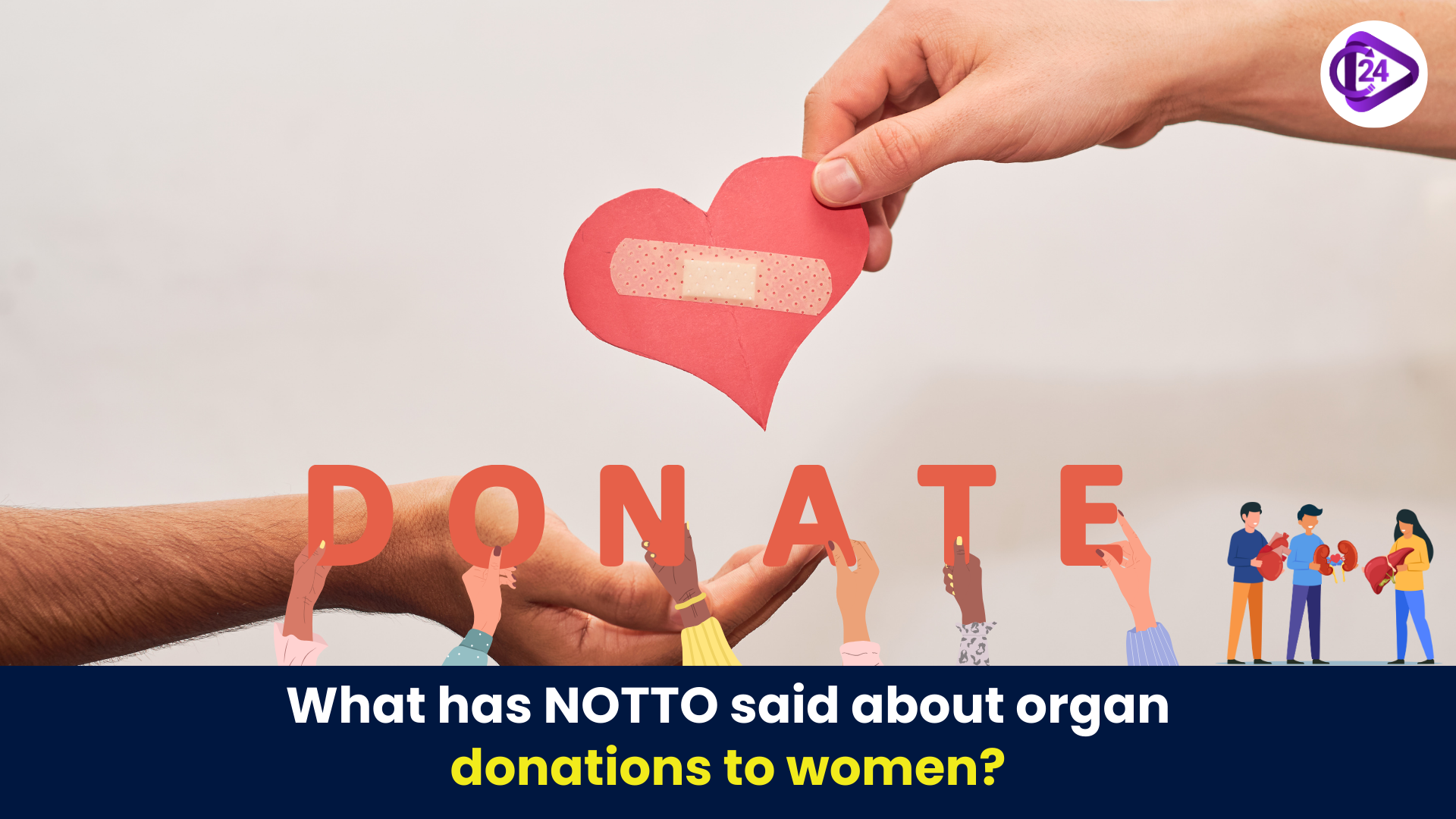
What has NOTTO said about organ donations to women?

The National Organ and Tissue Transplant Organisation (NOTTO) has ordered that women patients/relatives of the deceased donor will be given first priority to organ allocation. The step follows reports that showed a stark gender gap in India organ donation system that sees women donating organs in large numbers but getting transplanted in small. In the 20192023 year period, women donated an almost 64% majority of donors whereas 70 % of recipients were males. The advisory is included under a 10-point plan to attract donors and guide against gender favoritism. It also wants to see improvement of infrastructure, training, and awareness towards increasing organ donation in India.

Context

  • They have been underrepresented as recipients especially when compared to the high contribution of women as organ sources in India.

  • The two problems that the advisory of OTTO corrects are the disparity in gender and systemic issues in the organ donation system.

  • The action is in the wake of a campaign across the world to create awareness and make the donor systems more efficient.

Key Points

New Advisory in NOTTO

  • Give priority in the allocation of organs to women patients and to relatives of deceased donors.

  • The 10-point advisory also encompasses the following:

  • Appointment of hospital based transplant coordinators.

  • Development of organ retrieving facilities in trauma centres.

  • Educating the emergency responders on how to detect possible donors.

Gender Gap in Organ Donation

  • 2019–2023 data (NOTTO):

    • Donors: 63.8% women (36,038 out of 56,509).

    • Recipients: 69.8% men (39,447 out of 56,488).

  • Study in the British Medical Journal highlighted: “Women donate the most, receive the least.”

Legal Framework

  • Covered via Transplantation of Human Organs Act, 1994 (subsequently amended in 2011 to include tissues).

  • Makes the selling/buying of organs illegal; any breach of this rule is punishable by heavy fines and court sanctions.

  • TO is the umbrella organization that governs the activities of organ allocation and recipients vs. donors matching.

Organ Donation as it stands today

  • WHO estimate: 1,30,000 solid organ transplants worldwide annually, meeting only ~10% of need.

  • In India:

    • 1.8 lakh develop end-stage kidney disease yearly.

    • Only ~12,000 kidney transplants were performed.

    • A single donor can save up to 8 lives and improve many more with tissues like corneas and skin.

Challenges & Awareness

  • Obstacles: cultural myths, lack of awareness and even reluctance in families.

  • Government/NGO appeals improve willingness but donation is still rule-based-none bypassing the waitlists.

  • Medical practitioners point out that the current methods guarantee long and healthy life after the transplant.

Conclusion 

India is in a paradox, where the female sex population disproportionately donates organs but inequality is far too much in terms of organs transplanted. The time has come to come up with a balance in this as well as improve the overall donor infrastructure through a new order issued by OTTO. Lengthy raised consciousness, rules, and medical centers can save thousands of lives on a yearly basis.

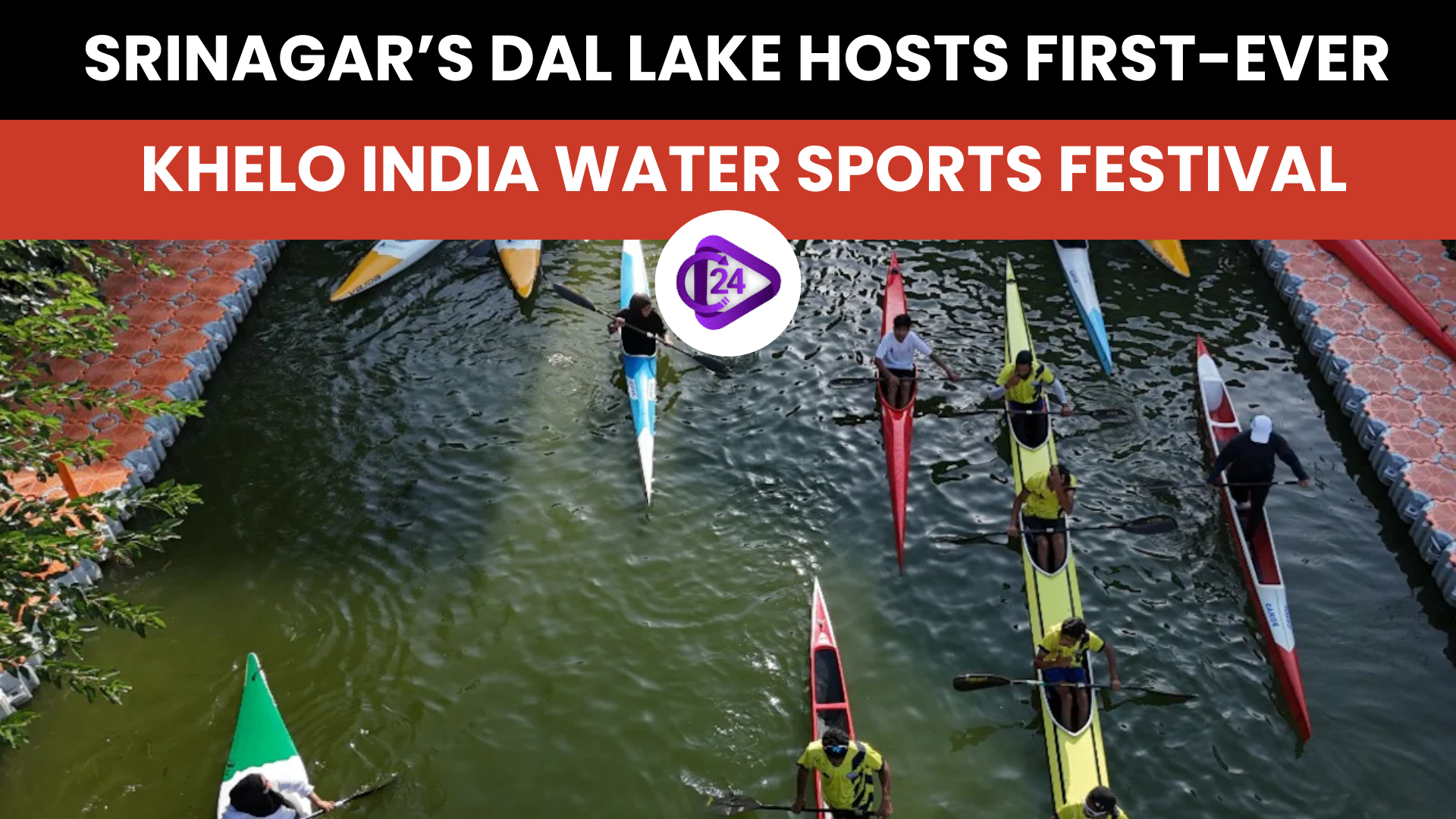
Srinagar’s Dal Lake Hosts First-Ever Khelo India Water Sports Festival

Khelo India Water Sports Festival 2025 was held in Dal Lake in Srinagar and included rowing, kayaking and canoeing. There are approximately 409 participants who are representing 36 States and Union Territories based in three days in the quest of claiming 24 gold medals. The biggest contingent was sent in by Madhya Pradesh and after her came Haryana, Odisha, and Kerala. The purpose of the event will be to find talents to participate in future Olympics because water sports have 16 Olympic medals. Even the local athletes such as Mohsin Ali have already shown results by winning on the first day of the competition in canoeing.

Context 

  • India is ranked 71st in the Paris Olympics in 2024 making it necessary to introduce new talent in sports.

  • Water sports are one of the promising areas that have not been exploited in India even though they can yield 16 medals at the Olympics.

  • The event held in Dal Lake promotes sports culture and tourism in Jammu & Kashmir.

Key Points

The magnitude of participation

  • 409 participants (202 female) participated in it (36 States/UTs).

  • There are 24 gold medals on offer (14 in kayaking & canoeing and 10 in rowing).

  • The largest contingents of candidates were: Madhya Pradesh (44), Haryana (37), Odisha (34) and Kerala (33).

The role of Dal Lake

  • Dal Lake offers European type waters, and is best suited to attract international standard races.

  • Khelo India is hosting the First consolidated open-age championship.

  • Increases local participation of the athletes and promotes tourism.

The role of Key Personalities

  • Bilquis Mir (India first Olympic jury member, Competition Director): it is a boost to the sporting activities in Kashmir.

  • Mohsin Ali (local athlete): he won gold in the 1,000m canoe race on Day 1.

  • Balaji Maradapa (Rowing Federation President): appraised potential of kashmiri athletes.

  • An incomplete list of Olympian Arjun Lal Jat: he predicted a big future in rowing to Kashmiri rowers.

Government and and Institutional Push

  • MoS Sports: Govt determined to provide world class training facilities.

  • The latter stressed the link between sports and tourism, and the spirit of participation as indicated by J&K CM Omar Abdullah.

  • It is in line with Khelo India Beach Games (Diu, May 2025) model.

Conclusion 

The Khelo India Water Sports Festival at Dal Lake becomes a stepping stone in popularising Olympics-standard water sports in India. There is good participation and international quality facilities which is an indication as to how Kashmir can become the sports hub. The event does not only develop or nurture local and national talent, but goes on to promote tourism and the cultural pride within the region.

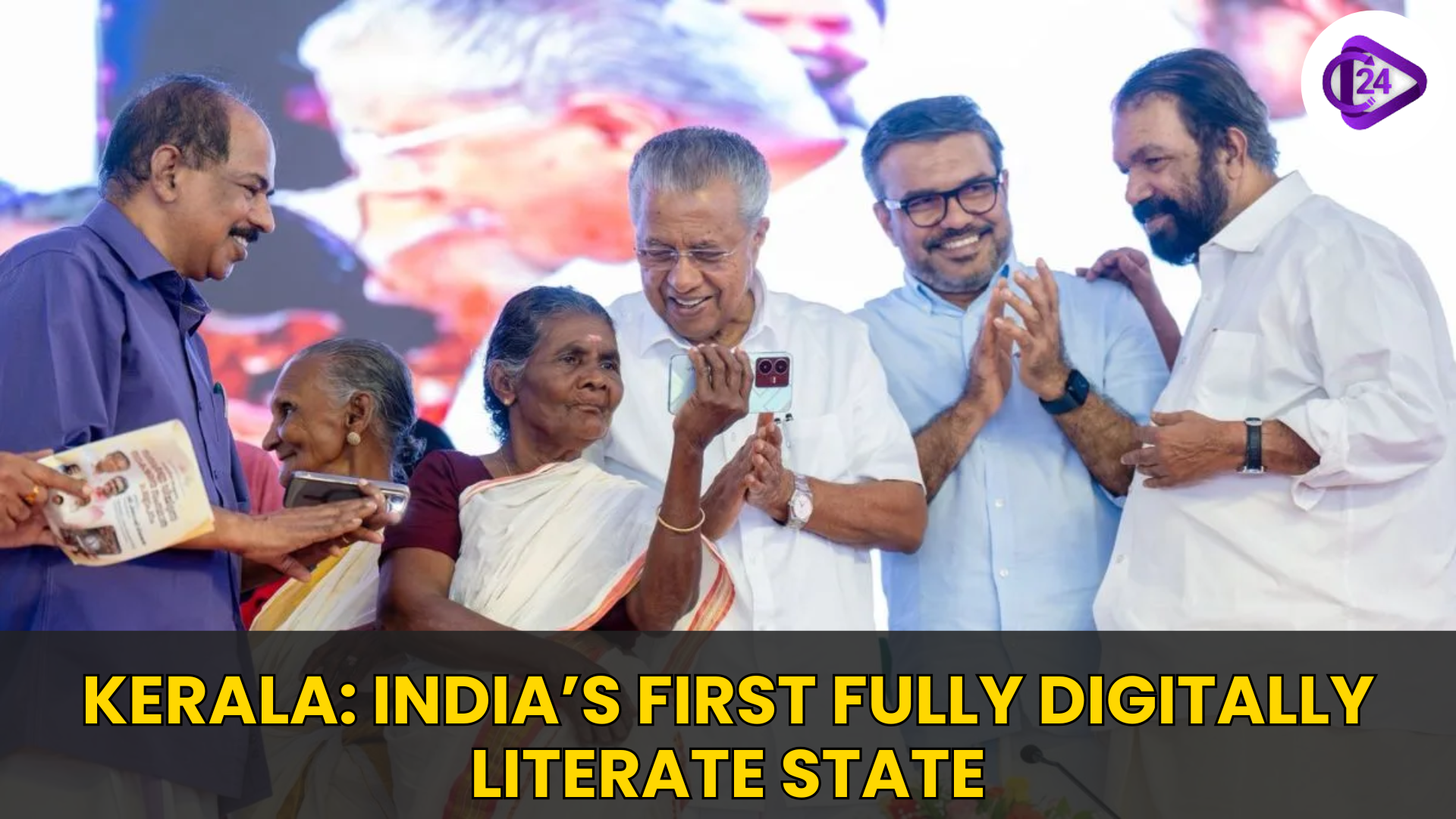
Kerala: India’s First Fully Digitally Literate State

Kerala has become the first fully digitally literate State in India as stated by Chief Minister Pinarayi Vijayan. Let us first look at what is being declared as completed in terms of Phase 1 of the Digi Kerala project and that is the bridging of the digital divide. A total of 1.5 crore individuals surveyed in 83.46 lakh families were found to be having more than 21.88 lakh digitally illiterate individuals. Among them, 99.98 % successfully did training and evaluation. Kerala is now a good example of a model which can be replicated in India as far as digital empowerment is concerned.

Context 

  • Digital literacy is an important attribute of inclusive governance and access to services.

  • Kerala has been the front runner in social development paradigms such as literacy, health and decentralisation in India.

  • Digi Kerala project is a move towards a universal digital inclusion.

Key Points

Digi Kerala Project

  • State based measure across all local authorities.

  • Solution: Digitally illiterate should be trained to bridge the digital divide.

  • Model of the community based and grassroots-driven.

Implementation & Coverage

  • The survey was carried out among: 1.5 crore individuals, 83.46 lakh families.

  • Total numbers of digitally illiterate were identified: 21.88 lakh.

  • Trained and certified: 21.87 lakh (99.98 %).

Social Impact

  • Empowered elderly men and women like 104 year old Abdullah Moulavi Baqavi (Ernakulam) one of the oldest to be trained.

  • Enhances e-governance access, online health services, education and financial services.

National Significance

  • Kerala becomes the first State in India that became fully digitally literate.

  • Creates a repeatable template to other states.

  • Fits into the Digital India vision of narrowing the gap between social and economic disparities using technology.

Conclusion 

The fact that Kerala has been able to make itself fully digitally literate only supports the fact that it is also a frontrunner as far as social development goes. This approach of endowing citizens of all ages with digital skills has put the State in the right position to achieve an inclusive governance. The milestone can be emulated by the rest of India giving it a scalable model.

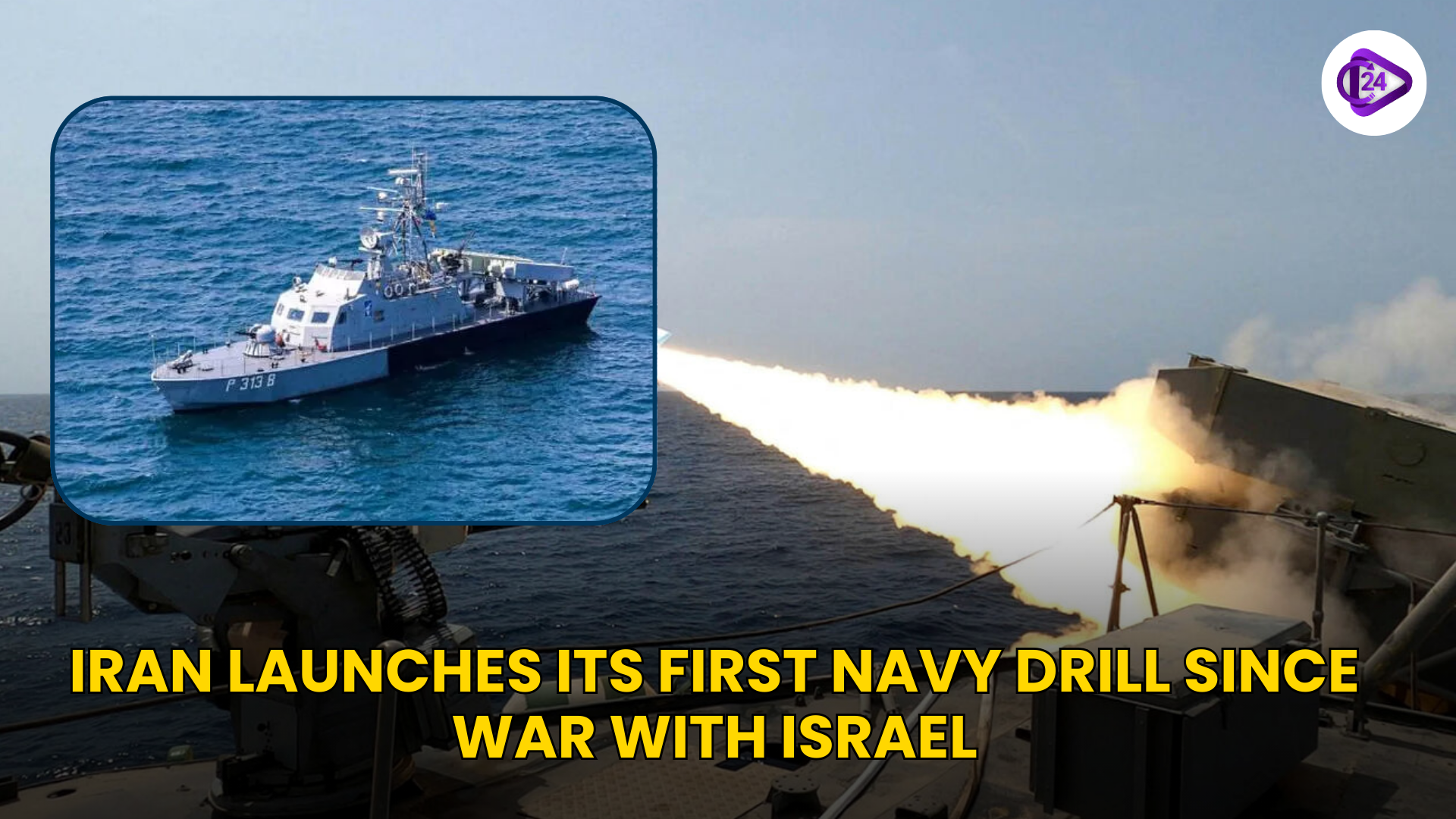
Iran launches its first navy drill since war with Israel

Iran has already started its first naval drill, the so-called Sustainable Power 1404, after being engaged in war against Israel for 12 days. The drill was practiced by launching missiles of frigate IRIS Sabalan and patrol vessel IRIS Ganaveh at the Gulf of Oman and Indian Ocean. The successful launch of the Nasir and Qadir cruise missiles were covered in the state media. The drill follows an attack by Israel on the air defence and nuclear installations in Iran in the conflict. Iran wants to demonstrate its power in spite of recent embarrassments.

Context 

  • The exercise follows that of Iran which fought a war against Israel that paralysed its defence as well as nuclear plant.

  • Military practices are a regular occurrence in Iran and it is considered to have symbolic significance following the June conflict.

  • Iran desires to communicate authority to the local and global public.

Key Points

Name and Time of exercise

  • Exercise rubber stamped as Sustainable Power 1404.

  • The first significant post-June 12-day war with israel military action.

Missile Launches

  • IRIS Sabalan (frigate), IRIS Ganaveh (smaller ship) were involved.

  • Successful firing Nasir and Qadir cruise missiles with the ability to attack sea targets.

Strategic Significance

  • The number of the navy of Iran: approx. 18,000.

  • The war did not affect the navy of Iran much and there were no major attacks like in the air and nuclear units.

  • Exercise carried out in a bid to demonstrate the capability to deter in the region.

Message & Projection

  • Signals military resilience in spite of Israeli aggression

  • These satellites are intended to calm the people of the country and to threaten the neighbors.

Conclusion

The show by Iran is perhaps as much a demonstration of their probability as a demonstration of its deterrence. It tries to uphold credibility in the regional waters through carrying out successful missile launches in the sea. Iran focuses on its lasting military power and preparedness in spite of the losses it incurred during the war.

Frequently Asked Questions (FAQs)

The current affairs cover recent national and international events related to UPSC, SSC, Banking, Railways, and State PCS.

You need to read about the current affairs daily, and revise them every week and every month to keep them longer in your memory.

Yes, Class24 provides free downloadable Daily Current Affairs PDFs for easy revision.

Yes, you can practice MCQs and quizzes to boost your exam preparation.

Absolutely. The content is written in simple, easy-to-understand bilingual language suitable for beginners.

Go to class24.com and click on the current affairs section directly, where you find everything that you need.

ssc-toppers

Start Learning Today with Class24

Related current affairs

Class24 offers free video lectures for smart preparation, covering CGL, CPO, CHSL, MTS, and GD exams. Learn from expert faculty, revise concepts easily, practice with PYQs, and improve speed and accuracy through high-quality, exam-focused video lessons anytime, anywhere.

Get success in your hand. Start study anytime anywhere.

The journey becomes simple and enjoyable when you start taking interest in it. And through our app “Class24”, we will be your trusted partners in developing that interest.

Daily Quizzes
Mock Tests
Ongoing

No ongoing tests right now.