
Day: August 8, 2025

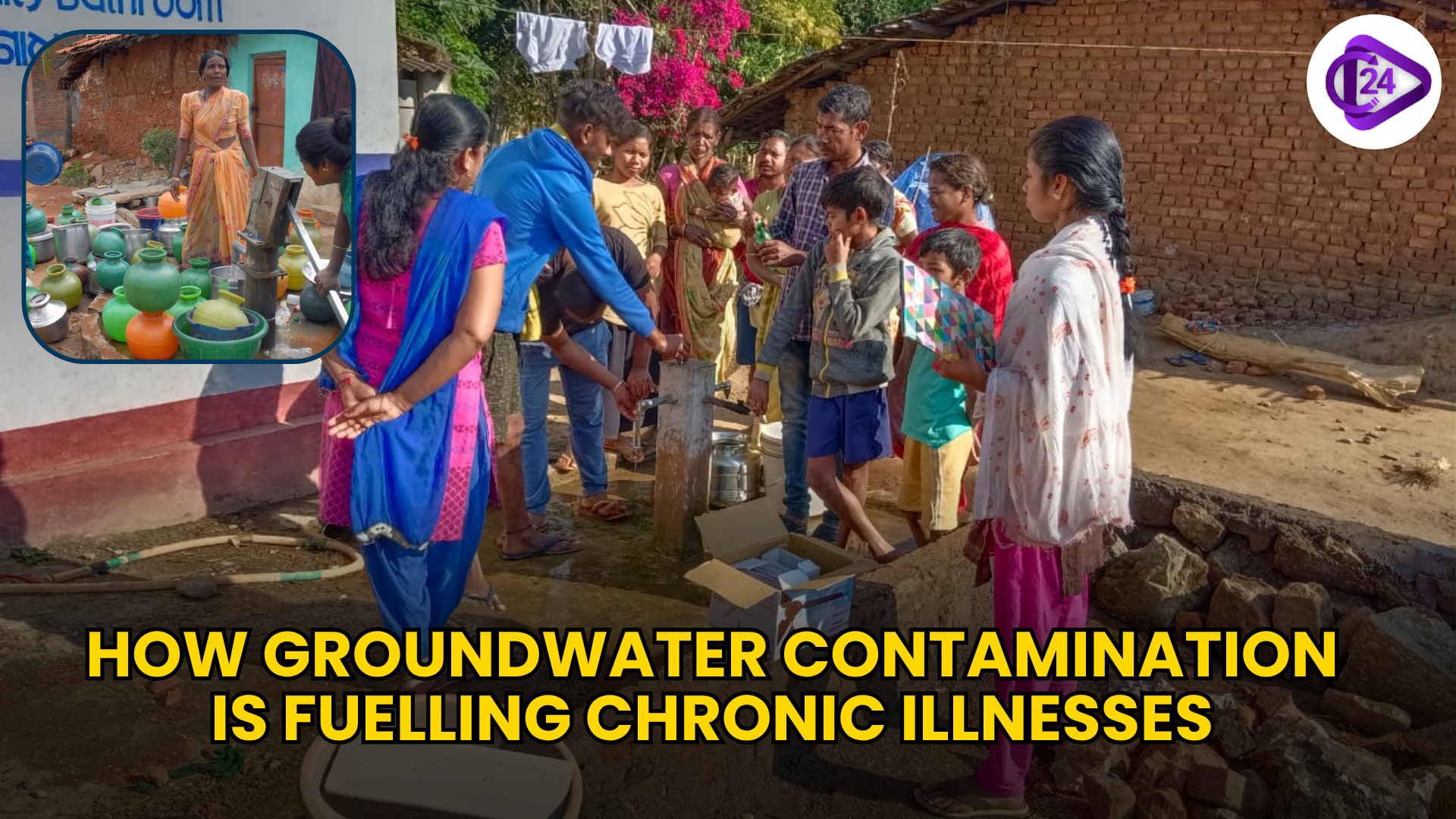
How Groundwater Contamination is Fuelling Chronic Illnesses

Endowed with great rivers and a monsoon cycle, the nation nonetheless relies on what is underground the most–groundwater. The supply of more than 85% of drinking water and 65% of irrigation water in the countryside come out of aquifers. However this lifeline is turning into a slow poison. India now faces one of the most serious population health threats ever, the silent contamination of groundwater, ironically the very source that seems to be preserving lives in our country, by fluoride, arsenic, nitrates, uranium and heavy metals.

An Epidemic in the Making

Groundwater which was once believed to be pristine has become a toxic cocktail. The report of 2024 CGWB indicates:

  • Nitrates: In 440 districts, 20% of samples show unsafe amounts, mostly due to the overuse of fertilisers, and septic leakages.

  • Fluoride: 9% of samples have more than allowable limits of fluoride, which also resulted in skeletal fluorosis among 66 million of its citizens.

  • Arsenic: Gangetic belt areas are found to have a level of arsenic up to 20 times the WHO standard causing Cancers and nerve disorders.

  • Uranium: Uranium was found to be rising in the agricultural areas through use of fertilisers and over-extraction.

  • Heavy metals: Industrial effluents of lead, cadmium and mercury are harming the brains and immune system of children.

This is not the abstract statistics. A group of 13 died in Budhpur (U.P.) in a few weeks due to kidney failure supposedly caused by industrial effluent. Hundreds were sickened by sewage seepage in Paikarapur (Odisha). In the belts of rural areas, children consume water contaminated with drugs that make them develop and grow shorter in life.

Health Fallout

  • Fluoride ->Dental and skeletal malformations,rogues and stunted growth.

  • Arsenic -> Skin lesions, gangrene, skin cancers, liver, bladder and lung cancers.

  • Nitrates –> incremented infant mortality and Blue baby syndrome.

  • Uranium Chronic kidney disease, organ damage.

  • Heavy metals + developmental delays, anaemia, immune-suppression.

  • Such illnesses are disabling, chronic, and multi-generational ones that have kept the communities chained in the circle of poverty and ill health.

The Reason the Problem Existed

The causes are underneath:

  • Disjointed governance Silo working of several agencies (CGWB, CPCB, SPCBs, Jal Shakti Ministry).

  • Weak enforcement- There are negligible penalties and little coverage of the ground water as far as the Water Act, 1974.

  • Data opacity- the surveillance is infrequent, contamination data is not provided in real-time and in a transparent manner.

  • Industrial impunity Industrial-belt units can enjoy minimum regulation, particularly in peri-urban areas.

  • Over-pumping -Declining water tables clump geogenic poisonous substances, such as fluoride and arsenic.

The Way Ahead

  • The groundwater safety predicament experienced in India needs to be given out as an issue on a nationwide mission level:

  • Law revision – A specific Groundwater Pollution Control Act that has explicit responsibility.

  • Modern surveillance- Real-time monitoring sensor assisted by AI, community dashboards, and other early warning systems connected to health surveillance.

  • Remediation & health action – Removal, florescent dancers and traveling health clinics in susceptible areas (Defluoridation plants, arsenic filters and mobile health camps in at-risk zones).

  • Reforms to waste and effluent New strict zero-liquid discharge standards to industry, Decentralised sewage treatment.

  • Stewards in the community water testing led by Panchayat, citizen science initiative, and local plans of managing aquifers.

Conclusion

The pollution of groundwater is not a problem only of the environment but a human tragedy in the making. The crisis is silent, invisible and slow, still its harm is permanent. When the country waits to act, then we will only know how expensive clean water can be after the wells dry out–not in rupees, but in lives and livelihoods lost.

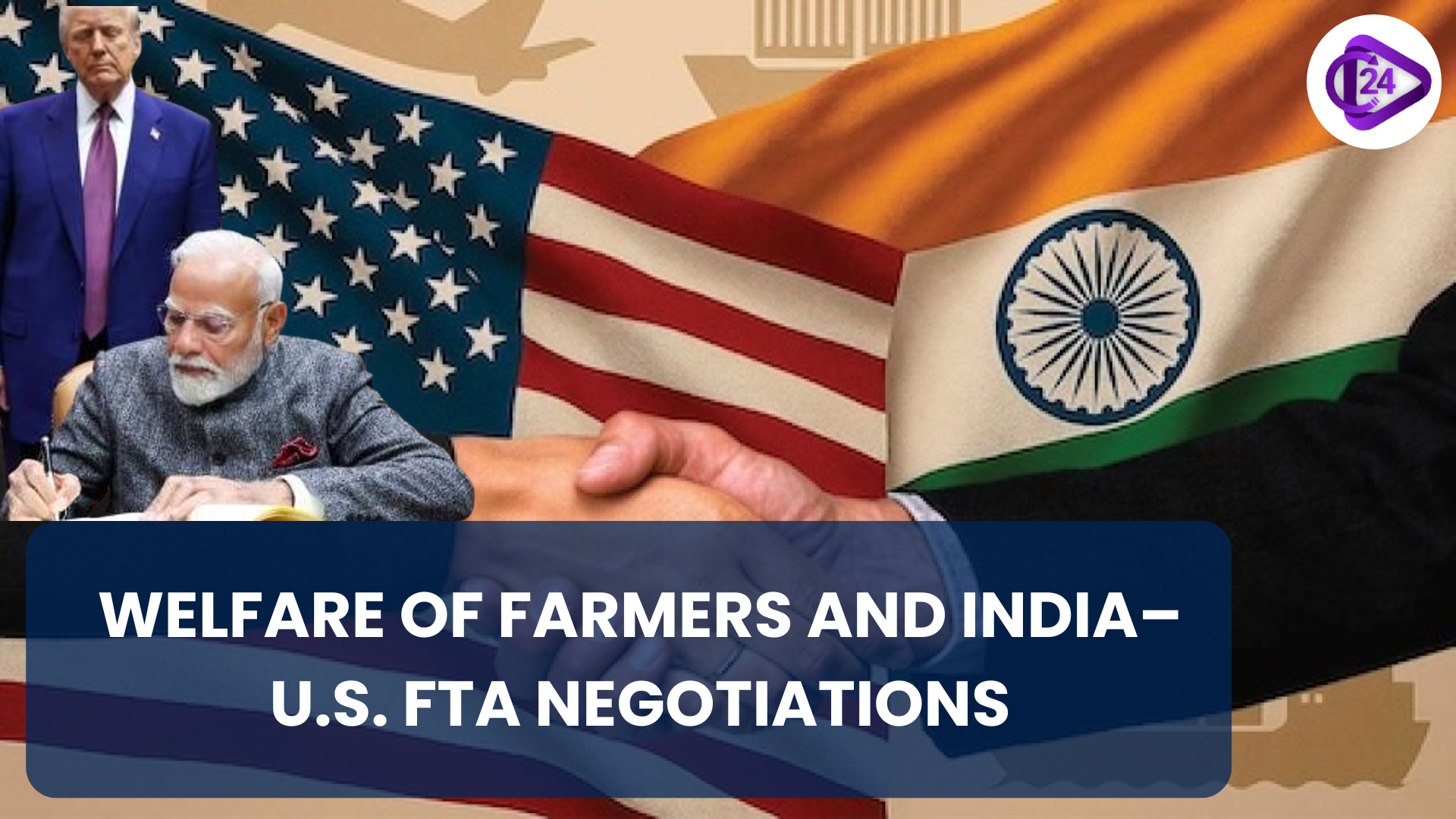
Welfare of farmers highest priority, says Modi amid FTA negotiations with U.S.

Inaugurating the M.S. Swaminathan Centenary International Conference, Prime Minister Narendra Modi once again made it clear that farmers, milk producers and fishermen are the priority of the Government of India even during delicate negotiations of an FTA with the U.S. The U.S. wants the Indian agriculture markets opened more to international trade, and this is one of the matters of concern to the farmer associations such as the SKM in terms of future effects on the livelihoods of rural dwellers. India is already the world leader in milk as well as pulses and jute production and the second biggest producer of rice, wheat, cotton, fruits/vegetables and fisheries. 

Context

  • With the negotiations underway to sign a Free Trade Agreement (FTA) with the United States, Prime Minister Narendra Modi during the inaugural of the M.S. Swaminathan Centenary International Conference, made it clear again that the welfare of farmers, dairy farmers as well as the fishermen will continue to rank as the topmost priorities of the Government of India.

Key Points

Background

U.S FTA Negotiations:

  • The U.S. is aiming at having increased access to Indian agriculture markets, dairy sector, and importation of soybean, corn, almonds, and apples.

  • Other farmer organisations such as the Samyukt Kisan Morcha (SKM) have raised opposition citing that it can adversely affect the livelihood of their rural communities.

  • Any such agreement must be signed only after scrutiny and approval by the Parliament; SKM has demanded this requirement.

Agricultural Achievements of India (as indicated by the PM):

  • Ranked 1st in: production of milk, pulses and jute.

  • Second: rice, wheat, cotton, fruits and vegetables.

  • Second biggest fish producer in the world.

  • Note 2024-25 food grain and oilseed output (soybean, mustard and groundnut at an all-time high).

Key Concerns in FTA Negotiations

Area of Concern

Possible Impact on Farmers

Dairy Sector

U.S. entry could undercut domestic prices; India’s dairy is largely smallholder-based.

Grain Imports

Soybean and corn imports may affect domestic market prices.

Fruit & Nut Imports

Increased supply could impact returns for apple, almond growers (esp. Himachal Pradesh, Kashmir).

Fisheries

Market access demands could expose small-scale fishers to global competition.

PM’s Position

  • Farmers interests must not be compromised even to the personal political detriment.

Focus on:

  • Raising farmer returns

  • Cutting on agricultural costs

  • Establishing new sources of rural income

  • Congruence with the vision of M.S. Swaminathan that food security goes hand in hand with farmer prosperity.

M.S.Swaminathan Award Food and Peace

  • 1st Recipient: Prof. Ademola A. Adenle (Nigeria)

  • Appreciated in bringing out evidence-based policy as far as genetically modified (GM) agriculture is concerned.

  • Conducted the biggest GM crop adoption study in Africa (300+ stakeholders, 3 years).

  • Produced a Fibre-Feed-Food (F3) framework.

  • Took part in regulatory changes in more than 30 countries, both in bioethics and public trust.

Way Forward

  • Open Negotiations: Carry out parliamentary and stakeholder consultations prior to concluding FTA.

  • Sectoral Safeguards: Apply Safeguards to vulnerable sectors (dairy, smallholder crops, fisheries) by using quotas, tariffs or phased liberalisation.

  • Export Readiness: Larger agri-export base- expand India agri-export base not just to open markets.

  • Investment in Competitiveness: Enhance value chains, processing and branding of Indian produce to become competitive in the world marketplace.

Conclusion 

The United States will be embracing major FTA negotiations including the FTA India talks to facilitate liberalisation of trade, which is a ticklish position to maintain the welfare of farmers. The government intends to protect smallholders by demanding sectoral protection, open consultations, and competitiveness-gaining as it seeks to exploit international trade prospects. In this vein, this practice would be in line with the vision of M.S. Swaminathan to integrate food security and farmer prosperity.

Frequently Asked Questions (FAQs)

The current affairs cover recent national and international events related to UPSC, SSC, Banking, Railways, and State PCS.

You need to read about the current affairs daily, and revise them every week and every month to keep them longer in your memory.

Yes, Class24 provides free downloadable Daily Current Affairs PDFs for easy revision.

Yes, you can practice MCQs and quizzes to boost your exam preparation.

Absolutely. The content is written in simple, easy-to-understand bilingual language suitable for beginners.

Go to class24.com and click on the current affairs section directly, where you find everything that you need.

ssc-toppers

Start Learning Today with Class24

Related current affairs

Class24 offers free video lectures for smart preparation, covering CGL, CPO, CHSL, MTS, and GD exams. Learn from expert faculty, revise concepts easily, practice with PYQs, and improve speed and accuracy through high-quality, exam-focused video lessons anytime, anywhere.

Get success in your hand. Start study anytime anywhere.

The journey becomes simple and enjoyable when you start taking interest in it. And through our app “Class24”, we will be your trusted partners in developing that interest.

Daily Quizzes
Mock Tests
Ongoing

No ongoing tests right now.