
Day: August 4, 2025

India Hosts 1st BIMSTEC Traditional Music Festival ‘SaptaSur’

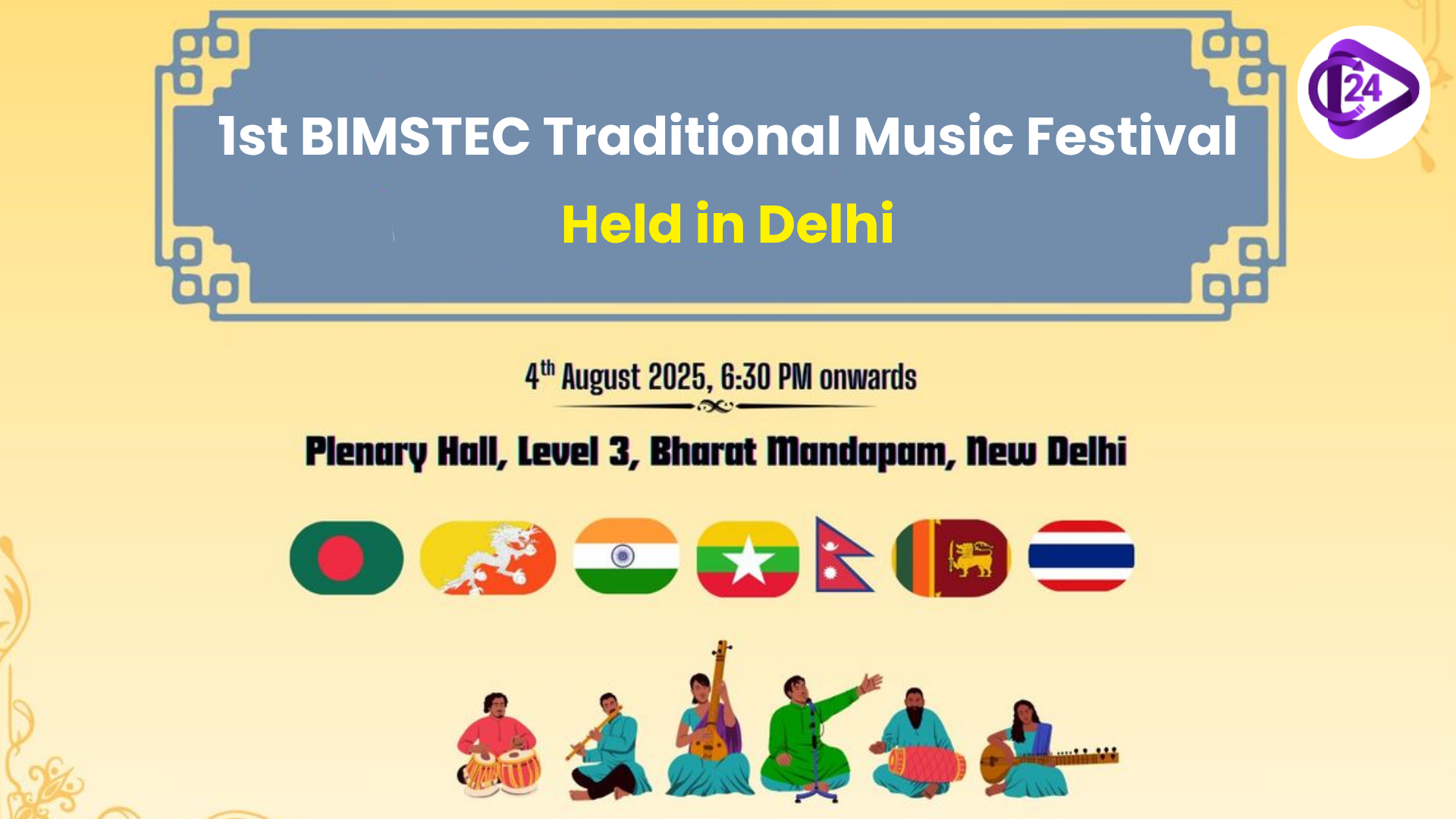
Dr. S. Jaishankar, the Minister of External Affairs, opened the first BIMSTEC Traditional Music Festival which is known as SaptaSur: Seven Nations, One Melody in New Delhi. All of the BIMSTEC member countries, including India, Bangladesh, Bhutan, Myanmar, Nepal, Sri Lanka and Thailand, performed in it. People-to-people interactions and the regional cultural diversity are the focus areas of the festival that is consistent with the Act East Policy and Neighbourhood First Policy of India.

Context

  • The first ever BIMSTEC Traditional Music Festival titled 'SaptaSur: Seven Nations, One Melody' was launched by External Affairs Minister Dr. S. Jaishankar in New Delhi.

Key Points

  • Date: 5 August 2025

  • Venue: Bharat Mandapam, New Delhi

  • Organized by: Indian Council for Cultural Relations (ICCR)

The Importance of the Festival

  • The first-of-its-kind cultural convergence of BIMSTEC countries in the form of music.

  • Delivers the promise of PM Modi of promoting regional cultural cooperation expressed at the BIMSTEC Summit in Thailand (April 2025).

  • Uses soft power diplomacy and empowers cultural diplomacy because of the exchange in art.

  • Promotes unity of the region, respectfulness and shared culture between South and Southeast Asia.

About BIMSTEC

Feature

Detail

Full Form

Bay of Bengal Initiative for Multi-Sectoral Technical and Economic Cooperation

Members

Bangladesh, India, Myanmar, Sri Lanka, Thailand, Nepal, Bhutan

Established

1997 (Bangkok Declaration)

Secretariat

Dhaka, Bangladesh

Key Sectors

Trade, Technology, Transport, Tourism, Counter-Terrorism, Environment, Culture, Agriculture

India's Role

India leads sectors such as Security, Counter-Terrorism, Transport, and Environment & Disaster Management

Conclusion

The BIMSTEC Traditional Music Festival is the cultural landmark of India in the course of its multilateral outreach to other countries. The festival reinforces the regional ties by emphasizing on the cultural unity in variety, it further underlines Indian excellence in promoting the people driven regionalism relying on the soft power instruments, such as music and art, or cultural festivals.

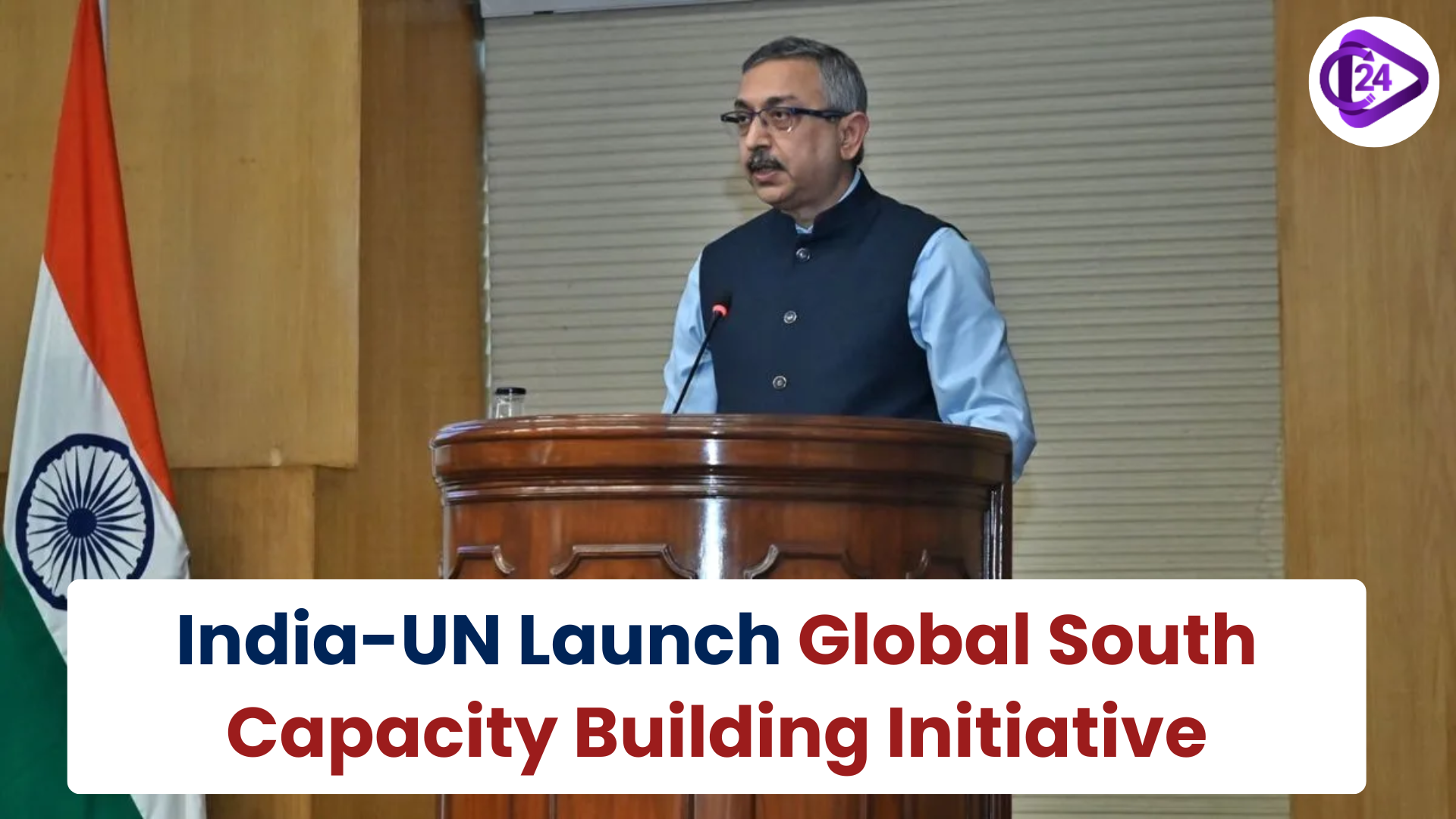
India-UN Global Capacity Building Initiative: South-South Cooperation in Action

On August 1, 2025, India actually launched the initial group of projects as a part of the India-UN Global Capacity Building Initiative – a radical diplomatic and development initiative that would help to build South-South cooperation and speed up the achievement of the Sustainable Development Goals (SDGs) in the Global South. The initiative has been a new step in the field of the development diplomacy of India and it has served as a reinforcement of its status of being a Vishwa Mitra (Global Partner).

Key Points

Background and Context

  • In September 2023, then External Affairs Minister Dr. S. Jaishankar announced, on the sidelines of the 78th UN General Assembly, the India-UN Global Capacity Building Initiative.

  • It attempts to combine the traditional Indian model of development partnerships with multilateral assistance by UN agencies, to come up with custom solutions to low income and developing countries.

  • It complements the ITEC programme, which was the flagship India-origin programme, with a 58+ year history, that has trained 2.25 lakh+ participants to date, in more than 160 + countries.

Projects Launched Under Phase 1 (August 2025)

Project Theme

Countries Involved

Partner UN Agency

Rice Fortification & Supply Chain

Nepal

World Food Programme (WFP)

Digital Health Platforms

Zambia and Lao PDR

UNDP

Census Preparedness

Belize, Barbados, St Kitts & Nevis, Suriname, Trinidad & Tobago

UN Population Fund (UNFPA)

Vocational Training

South Sudan

UNESCO

Importance of the Initiative

1. New Concept of South-South Cooperation

  • It highlights the rampant and proactive leadership within the joint development diplomacy.

  • Strengthens the partnerships free of conditionalities, which observe the national sovereignty and local priorities.

2. SDG-Centric Approach

  • Targeted actions include putting an end to hunger (SDG 2 on ZERO Hunger), achieving good health (SDG 3 on Good Health), quality education (SDG 4 on Quality Education), decent work (SDG 8 on Decent Work) and partnerships to achieve the goals (SDG 17 on Partnerships to achieve goals).

3. Strategic Soft Power

  • Amplifies the angle of India as a development partner, and not a donor.

  • Increases the international position of India in international institutions such as BRICS, G-20, and Voice of Global South Summit.

4. Multilateral Synergy

  • Includes organization by UN bodies, expertise, monitoring systems, and legitimated by the world community.

  • Why Does it Matter to the Global South

  • Most of the low-income countries are deprived of technical human capital and institutional readiness.

    • These projects provide

    • Technology transfer

    • Skill development

    • Design and “capacity building”

  • Reduces vulnerability issues in the areas of public health, food security, and data governance, and post-COVID situations

India’s Development Diplomacy: Evolution and Scope

Milestone

Contribution

ITEC (1964)

Over 400 specialised training courses in sectors like IT, banking, healthcare, and agriculture

Lines of Credit (LOCs)

$32 billion committed to over 65 countries

Solar Mamas (Barefoot College)

Training rural women from Africa and Asia as solar engineers

e-VBAB (Tele-education & Tele-medicine Africa)

Digital platform for health and education exchange with African countries

UNESCO/WHO/UNDP Partnerships

Integration with multilateral mechanisms for quality assurance and transparency

Challenges and Areas of Concern

Challenge

Explanation

Execution Monitoring

Ensuring accountability and impact across diverse geographies

Alignment with Local Needs

Risk of misalignment between curriculum and on-ground realities

Infrastructure Bottlenecks

Many recipient countries face poor digital infrastructure or governance

Sustainability & Follow-Up

Need for post-training tracking, refresher support, and feedback loops

Way Forward

  • Intensify Local Alliances

    • Liaise with the community based NGOs and regional institutions in host countries to contextualize the content of training.

  • Digital Platforms Across Scales

    • Increase hybrid and virtual modules to a broader reach with the help of systems like DIKSHA, e-Vidya, or Ayushman Bharat Digital Mission.

  • Multi-Stakeholder Involvement

    • Include Indian startups, Indian universities and Indian tech providers in international capacity building missions.

  • Outcomes-Based Framework

    • Ensure effective monitoring and evaluation (M&E) systems to be put into place with pre-determined SGD-linked indicators.

  • Institutional Branding

    • These efforts should be institutionalized through the establishment of an India International Institute of South-South Cooperation.

Conclusion

The India-UN Global Capacity Building Initiative is a remarkable and auspicious beyond-national-certaincy stage for intensifying development democratization. It shows how India has moved on to provide knowledge and capacity sharing resources most especially to the Global South, no longer the aid recipient.

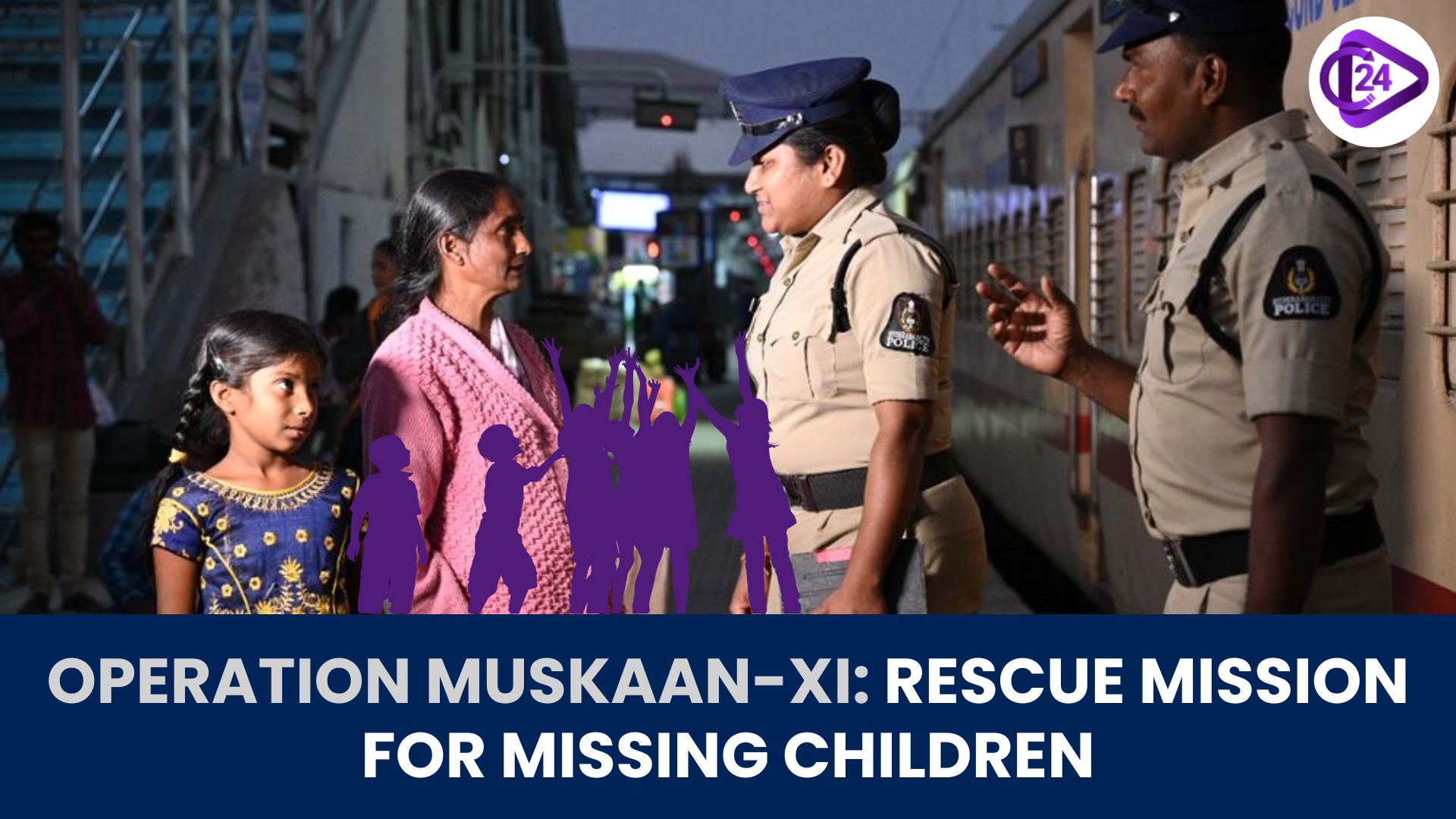
Operation Muskaan-XI: A Lifeline for India’s Lost and Exploited Children

Its struggle against child-trafficking, forced labour and exploitation saw a major boost when the Ministry of Home Affairs (MHA) came out with an operation named Muskaan. Operation Muskaan-XI, which is now in its 11 th year, led by the Telangana Police has untied over 7,600 children out of vulnerable situations and this depicts how inter-agency coordination has helped in the protection of children.

Context

  • Operation Muskaan-XI, the 11 th edition that is being conducted by the Telangana Police has rescued more than 7,600 children out of a vulnerable situation, proving that harmony among the agencies can be extremely strong in child protection.

Key points

What is Operation Muskaan?

  • Operation Muskaan (also called Operation Smile) is a national program that aims at tracing, rescuing and rehabilitating missing, trafficked or exploited children in India.

History of the Initiative

  • Initiated in 2014 as a local project of Ghaziabad Police to trace lost children.

  • This was subsequently stepped up to a national agitation by the Ministry of Home Affairs (MHA).

Alternate Name

  • Also known as Operation Smile in some states, but both aim at the same goal—rescuing children in distress.

Main Objective

  • To rescue and reform:

    • Missing children

    • Victims of child trafficking

    • Child laborers

    • Children were put at work as beggars, house helps, or exploited sexually.

Duration

  • It is conducted as a specially dedicated month-long drive which is generally done in the month of July each year.

Stakeholders Involved

  • Operation Muskaan is an inter-agency initiative and consists of:

    • Police and Anti-Human Trafficking Units (AHTU)

    • Ministry of Women and Child Development (WCD)

    • Child Welfare Committees (CWCs)

    • State Juvenile Police Units (SJPU)

    • National Commission of Protection of Child rights (NCPCR)

    • Non-Governmental Organizations (NGOs)

    • Labour Departments

How Does It Work?

  • The special teams find the vulnerable places which include the railway stations, bus stands, slums and factories etc.

  • Begun children are rescued.

  • Documented

  • Medical care was furnished

  • Linked to child welfare services

  • To be reunited with their families or in rehabilitation homes

Exercise Muskaan-XI: Salient Details

  • Carried out by Women Safety Wing of Telangana Police (July 2025)

  • More than 7,600 children were rescued.

    • 529 girls

    • More than 3,700 children in other states (Odisha, Bihar, MP, Rajasthan)

    • 4 children from Nepal

  • The number of victims of child labour was 6,700

  • More than 1,700 FIRs have been lodged and over 1,700 are issues with arrests

  • Facilitated with women and child development, labour, health, and NGOs

Legal and Policy Framework Supporting Operation Muskaan

Law/Policy

Role in Operation Muskaan

Juvenile Justice (Care & Protection) Act, 2015

Provides for rescue, protection, and rehabilitation of children in need

POCSO Act, 2012

Handles cases of sexual exploitation discovered during rescue

Child Labour (Prohibition & Regulation) Act, 1986

Enables legal action against child labour violations

Integrated Child Protection Scheme (ICPS)

Framework for inter-agency coordination and long-term rehabilitation

CrPC & IPC Sections

Used for registering FIRs and prosecution of traffickers and exploiters

Goals of Operation Muskaan

  • Identification and rescue: Attention should be paid to those children who are involved in child labour, begging, or are in dark conditions.

  • Rehabilitation and Repatriation: Support the process of going back to families or institutions of the state and entrance to schools or bridge programs.

  • Capacity building: Police training, Child welfare officer training and NGO training.

  • Data Sharing: TrackChild portal and CCTNS integration.

  • Community Awareness: Making of information using the mass media in order to solicit cooperation among the population.

Impact and Achievements (National Level)

Year

Children Rescued

2015

19,195

2016

12,233

2025 (Telangana only)

7,600+

  • Rehabilitation Success: In 2025, over 6500 children get back to their families

  • Educational Enrollment: 2,600+ kids of Urban Bridge School Network

  • Labour Department Action: Fines worth ₹46+ lakh imposed under the Minimum Wages Act

Challenges in Implementation

Challenge

Description

Identification of Asymptomatic Victims

Many children appear "voluntarily" employed due to economic pressures

Inter-State Coordination

Children from different states require cooperation among various agencies

Rehabilitation Infrastructure

Shortage of shelter homes, counsellors, and educational facilities

Judicial Delay

FIRs and legal action often result in prolonged trials

Poverty and Migration

Structural factors that push children into labour and trafficking

Way Forward

  • Institutional Strengthening

    • Empower Special Juvenile Police Units (SJPU) and Child Welfare Committees (CWC).

    • Play greater resources under Mission Vatsalya and ICPS.

  • Technology Integration

    • Increase the application of AI, facial recognition, and real-time sharing of information through the TrackChild portal.

  • Community Engagement

    • Carry out awareness campaigns in risk prone places and get Anganwadi and ASHA workers as well as school teachers involved.

  • Cross-border Protocols

    • Come up with a system through Nepal and Bangladesh, to take back the rescued children of foreign origin, very fast.

  • Judicial Reforms

    • Expedite child issues, and victim-centered legal services.

  • Follow-up

    • Follow up after the rescue so that children do not fall into exploitation.

Conclusion

Operation Muskaan is the demonstration of how child rights and cooperation between federalism in India works. The fact that more than 7,600 children have been saved in Telangana alone speaks to the proportions of the crisis, and to the effectiveness of specific intervention. It is good to save but it is necessary to rehabilitate, reintegrate and to implement reforms in systems so that the saving continues.

Frequently Asked Questions (FAQs)

The current affairs cover recent national and international events related to UPSC, SSC, Banking, Railways, and State PCS.

You need to read about the current affairs daily, and revise them every week and every month to keep them longer in your memory.

Yes, Class24 provides free downloadable Daily Current Affairs PDFs for easy revision.

Yes, you can practice MCQs and quizzes to boost your exam preparation.

Absolutely. The content is written in simple, easy-to-understand bilingual language suitable for beginners.

Go to class24.com and click on the current affairs section directly, where you find everything that you need.

ssc-toppers

Start Learning Today with Class24

Related current affairs

Class24 offers free video lectures for smart preparation, covering CGL, CPO, CHSL, MTS, and GD exams. Learn from expert faculty, revise concepts easily, practice with PYQs, and improve speed and accuracy through high-quality, exam-focused video lessons anytime, anywhere.

Get success in your hand. Start study anytime anywhere.

The journey becomes simple and enjoyable when you start taking interest in it. And through our app “Class24”, we will be your trusted partners in developing that interest.

Daily Quizzes
Mock Tests
Ongoing

No ongoing tests right now.