
Day: July 31, 2025

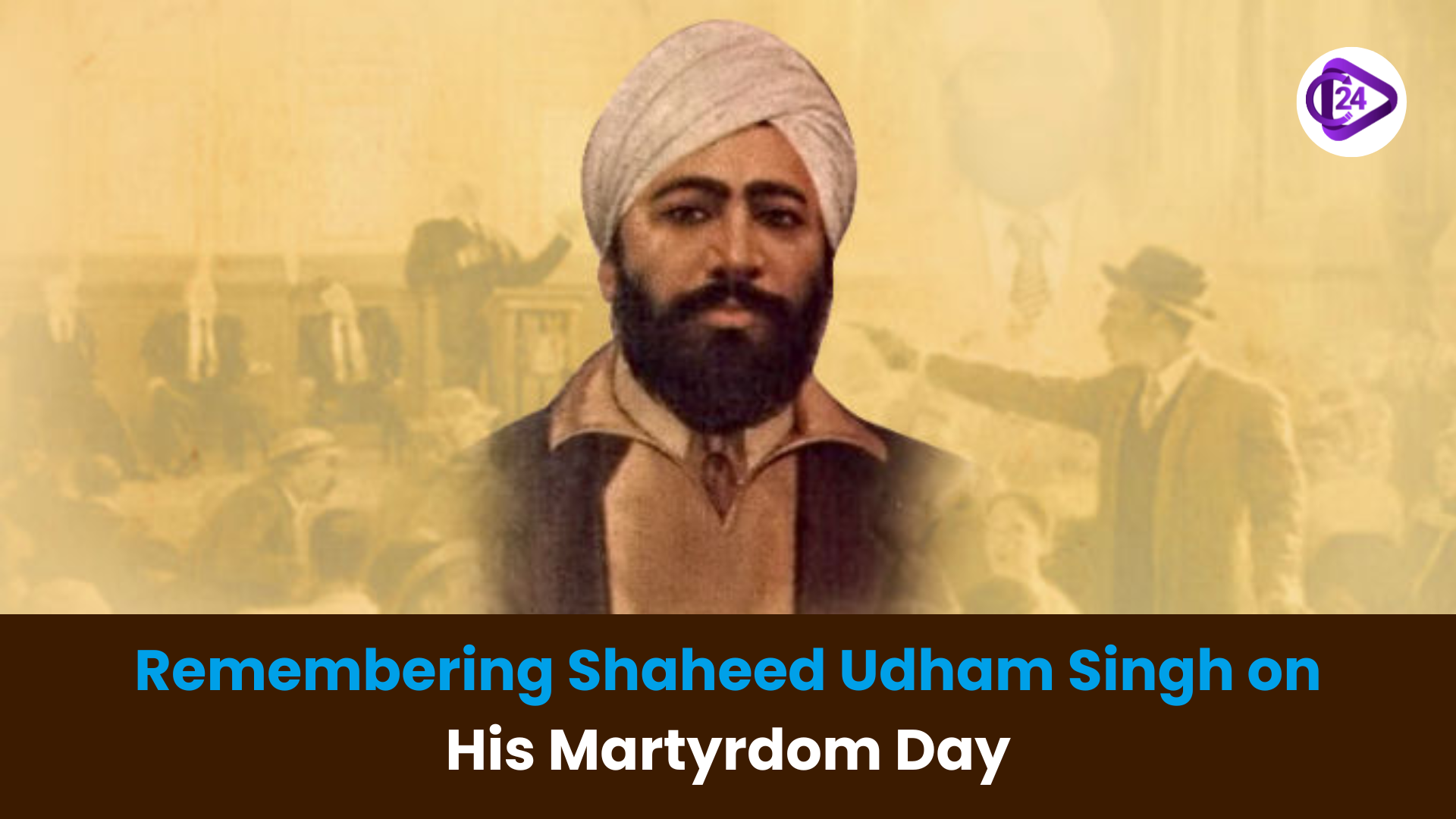
PM Remembers Shaheed Udham Singh on His Martyrdom Day

On the martyrdom day of Shaheed Udham Singh, i.e. 31 st July 2025, Prime Minister Narendra Modi paid homage to the heroes of the fight against the British. Udham Singh is known to have avenged the Jallianwala Bhag massacre that killed many Indians in 1919 by going to London where he murdered Michael O Dwyer. He came to represent anti-colonial resistance being influenced by Sikh philosophy and revolutionary groups such as Ghadar Party. He has been a martyr of the Indian freedom struggle and his execution in 1940 in the Pentonville Prison of London made him so. In 1995, a district of Uttarakhand was named after him (Udham Singh Nagar).

Context

  • The life and deeds of Udham Singh epitomize the revolutionary nationalism in the Indian struggle to be independent. 

  • His act of killing O'Dwyer after shooting was not a simple vengeance effort but a protest against colonialism and in particular, the Jallianwala bagh massacre.

Childhood and Childhood influences

  • Date of birth: 26 th December, 1899 at Sunam ( Punjab ).

  • Infant Orphan: Lost both parents at an early age; did not grow up with parents.

  • Religious and Political Exposure: Sikh ideology of justice/sacrifice.

Observed acts of anti-colonialism

  • Komagata Maru incident (1914): A historical moment in the immigration policies of the colonies.

  • Jallianwala Bagh massacre (1919): Udham Singh was driven by a revolutionary spirit that was catalyzed by the event of Jallianwala Bagh massacre.

Revolutionary Activities

  • Became a member of the Ghadar Party (1924) in the US, a transnational revolutionary organization against British rule.

  • Detained during 1927 because of the ownership of firearms; ended up doing five years in prison.

  • Had Indian revolutionaries in touch and was working on revenge at Jallianwala Bagh.

Michael O Dwyer Assassination

  • March 13, 1940.

  • Venue: Caxton Hall in London.

  • Act: Assassinated Michael O Dwyer, who was a former Lt. Governor of punjab and supported the 1919 massacre.

  • Motive: This was a symbolic gesture of justice against the colonial atrocities and particularly the Jallianwala Bagh.

Trial and Death penalty

  • During his trial, Singh did not express any remorse and pointed out the crimes of British colonialism in the court.

  • Going: 31 July 1940 at Pentonville Prison, London.

  • Idolized in India as a martyr who gave his life in the name of defending the reputation and remembrance of the Indian victims of the British oppression.

Inheritance and Awareness

  • Shaheed Udham singh has become a permanent image of Indian revolutionary nationalism.

Cultural Depictions:

  • In literature, plays and movies (e.g. 2021 biopic starring Vicky Kaushal).

Commemoration:

  • Udham Singh Nagar district, Uttarakhand came into existence.

  • Frequent honors paid by the heads of the nation; commemorated in teaching schools and the popular consciousness.

Conclusion

Shaheed Udham Singh is an iconic figure of justice, struggle, and sacrifice in the freedom movement of India. His life represents the international aspect of anti-colonial struggle in India and with the revolutionary zeal that accompanied and complemented Gandhi's non violent movement.

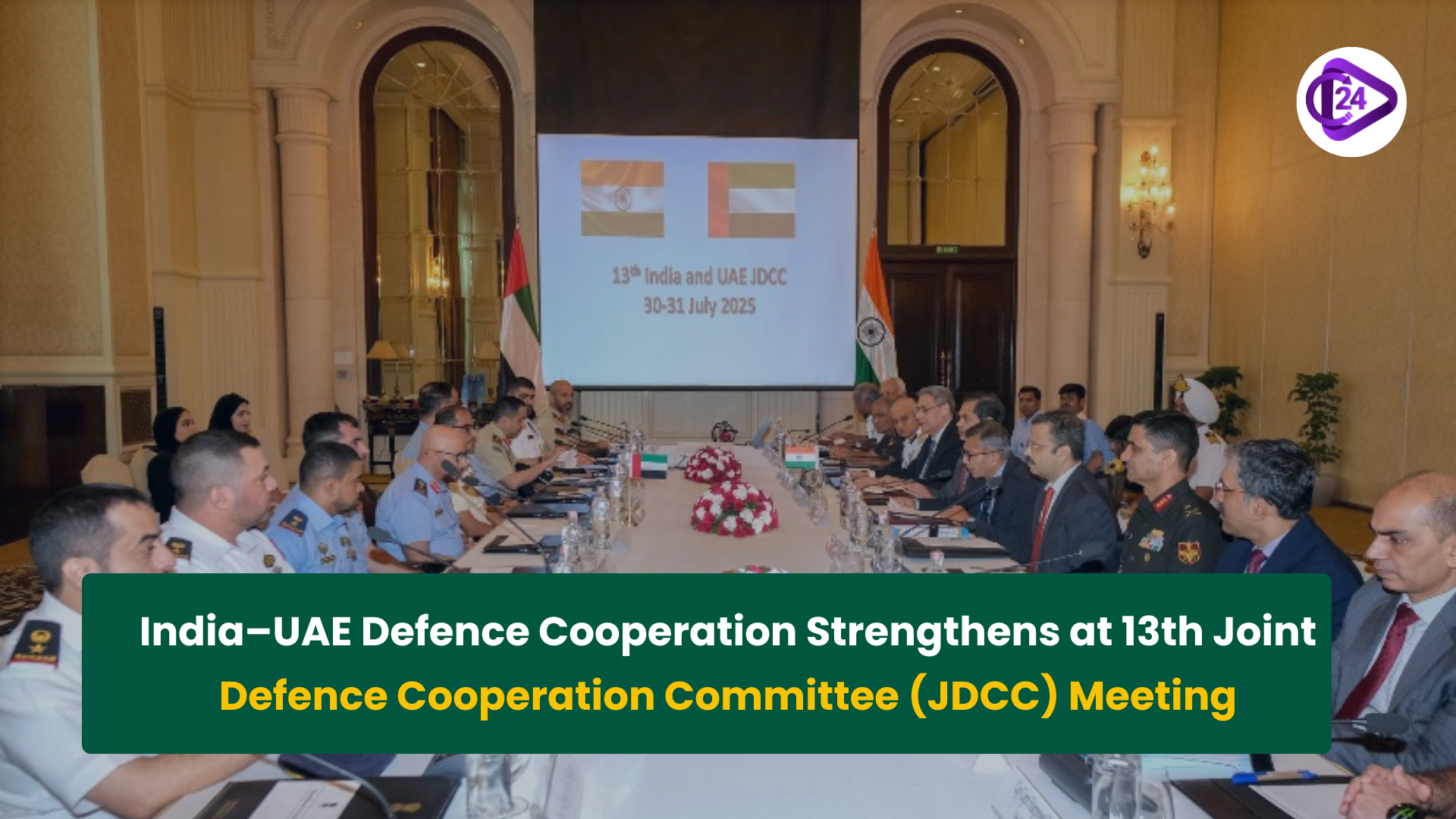
India–UAE Defence Cooperation Strengthens at 13th Joint Defence Cooperation Committee (JDCC) Meeting

On 30 July 2025, the 13 th meeting of the India-UAE JDCC in New Delhi was conducted and served as another stepping stone in bilateral defence relationships. At the level of Secretary of the Minister, the meeting has re-affirmed the strategic intentions of both parties to boost and upgrade the military, industrial and maritime collaboration.

Background India-UAE Strategic Defence Ties

  • During the visit of PM Modi to UAE, bilateral relations were brought to a new level through the Comprehensive Strategic Partnership (2015).

  • The area of the defence partnership is one of the most crucial pillars, which represents the wider geopolitics and similar interests in security of the Indian Ocean region.

  • The expanding synergy is characterized by frequent military exercises, and shared production, as well as transfer of technology.

Main Results of the 13 th Meeting of the JDCC

  • High-Level Representation:

    • Co-chairs are Defence Secretary Rajesh Kumar Singh (India) and Lt Gen Ibrahim Nasser M. Al Alawi (UAE).

    • Held at Secretary-level and indicated high strategic intent, the first time.

  • Intensified Training Cooperation:

    • Concurring to boost the training interactions between the military and tailoring Indian training program to meet the demands of the UAE.

    • Build capacities and facilities that allow interoperability.

  • Maritime Security Cooperation:

    • A contract on the sharing of information on maritime domain awareness.

    • Enhanced anti-piracy, response to pollution, and search and rescue cooperation.

  • Defence Industrial cooperation:

    • The possibility to speak about joint production of small arms like ICOMM (India) and CARACAL (UAE).

    • Co-development road maps of next-gen technologies like Artificial Intelligence (AI).

    • Identified opportunities were in shipbuilding, platform maintenance, refits, and upgrading.

  • Institutionalised Cooperation:

    • UAE National Guard and Indian Coast Guard sing MoU in effort to improve the synergy in coastal and maritime safety.

    • Staff Talks done:

      • 4th Army-to-Army

      • 9th Navy-to-Navy

      • 1st Air-to-Air

    • Concentrating on the military exercises, SME exchanges, and training.

Strategic and Diplomatic Importance

  • India harmonises defence diplomacy with West Asia whose major region is the gulf.

  • Increases the capability of India acting as a net provider of security in the Indian Ocean Region (IOR).

  • The Indian defence manufacturing and training ecosystem stands to benefit UAE, and the latter gets strategic reach into West Asia.

Future Engagements

  • The UAE delegation will visit the Deputy Minister of Defence of India Raksha Rajya Mantri Sanjay Seth and will attend the 2 nd India-UAE Defence Industry Partnership Forum.

  • India is participating in the Dubai Air Show (Nov 2025) which will increase aerospace cooperation.

Conclusion

The 13 th JDCC summit is a major stride towards India and UAE strategic and defence partnerships which is augmenting the greater peace, stability, and cooperation vision in the whole region. 25 As the geopolitical relationships in the Indian Ocean and West Asia change, this defence relation can be seen as the enhanced status of India as a responsible and capable partner in strategies.

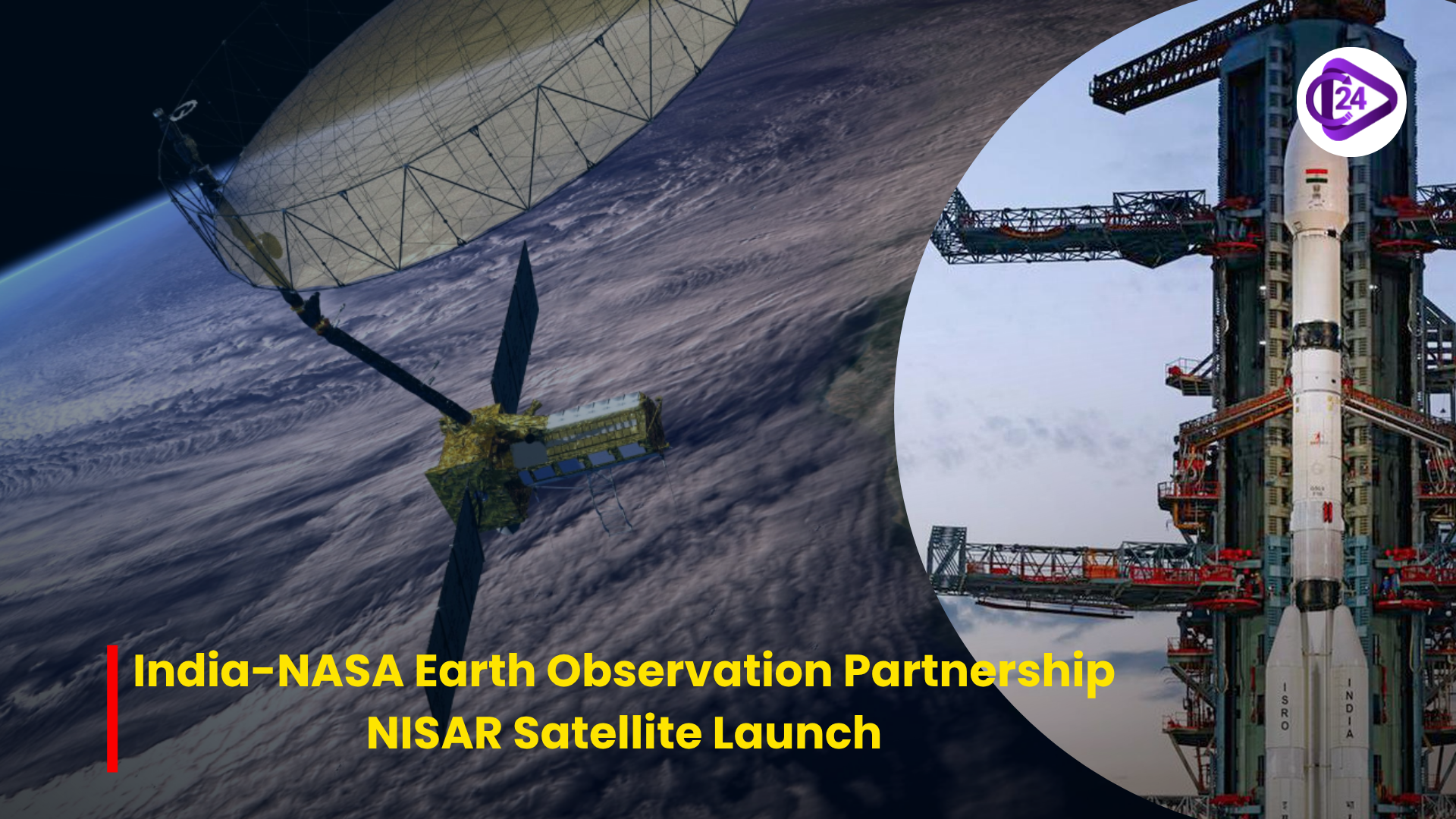
India-NASA Earth Observation Partnership: NISAR Satellite Launch

The NASA-ISRO Synthetic Aperture Radar (NISAR) satellite is an Indian satellite launched successfully on the date of July 29, 2025, at the Satish Dhawan Space Centre, Sriharikota. This is also the first chapter of a collaboration flight between the Indian Space Research Organisation (ISRO) and the National Aeronautics and Space Administration (NASA). The objective is important to the government in environmental monitoring, disaster management, and strategic use applications.

Context

  • India launched the NASA-ISRO Synthetic Aperture Radar (NISAR) satellite on 29 July 2025, at Satish Dhawan Space Centre, Sriharikota. 

  • The satellites are part of the first-ever collaboration between Indian Space Research Organisation (ISRO) and the National Aeronautics and Space Administration (NASA) Earth observation missions.

Key Points

Characteristic of the NISAR Mission 

  • Dual-frequency SAR: The NISAR is the first satellite that works with dual-frequency Synthetic Aperture Radar, with the L-band (NASA) and S-band (ISRO) systems.

  • Mass and Orbit: Has a total weight of 2,392 kg, and it is put into a 743-km sun-synchronous orbit with the help of GSLV-F16.

  • Mission Life Five years, with unlimited scans of the globe at 12-day intervals.

  • Antenna Technology: It has a 12-metre unfoldable mesh reflector antenna with SweepSAR mode which covers and has high resolution.

About NISAR Mission

  • Launch Phase

    • Lighted off successfully on GSLV-F16 July 29 at 5 40 p.m.

  • Deployment Phase

    • The start date is 10 days after the launch. Complex unfolding of radar boom and antenna ~9 m away from the spacecraft is included.

  • Commissioning Phase

    • Includes the testing and calibration of the payloads as well as the systems.

  • Science Phase

    • Operation of the Earth observing functions to commence and last during the life of the mission.

Goals and Uses

  • Environmental Monitoring:

    • Look into deformation of the ground, movement of vegetation, ice sheets and movement of the soil moisture.

  • Disaster Management:

    • Allows a quick response to the earthquakes, floods, landslides, and storms.

  • Agriculture & Water:

    • Mapping of farmlands, crop production, mapping of water resources available on the surface.

  • Strategic Use:

    • Detection of ships, coast surveillance, and classification of sea ice on seas to support maritime security and climate study.

Importance of the ISRO-NASA Agreement

  • Technological Synergy:

    • ISRO offered services, spacecraft bus, S-band radar and a launch vehicle.

    • NASA brought in L-band radar, radar-reflector boom, GPS-receivers, high-rate data subsystem and payload integration through JPL.

  • COVID-era Partnership:

    • In spite of these international sanctions, more than 65 ISRO engineers were operating on Jet Propulsion Laboratory (JPL) at NASA and 175 NASA engineers traveled to ISRO to do the integration and test.

  • Future-mission Model:

    • Demonstrates that multilateral collaboration can work in climate science and space-based technologies.

Conclusion

The Indo-US collaboration in space and Earth science has reached a new milestone with the successful launch of the NISAR satellite. Relatively new priorities such as climate change, disaster resiliency, and resource surveillance policies will require real-time information that NISAR will offer to real-time policymaking and response. It establishes a precedent in joint, dual use technology regarding sustainable development and strategic foresight.

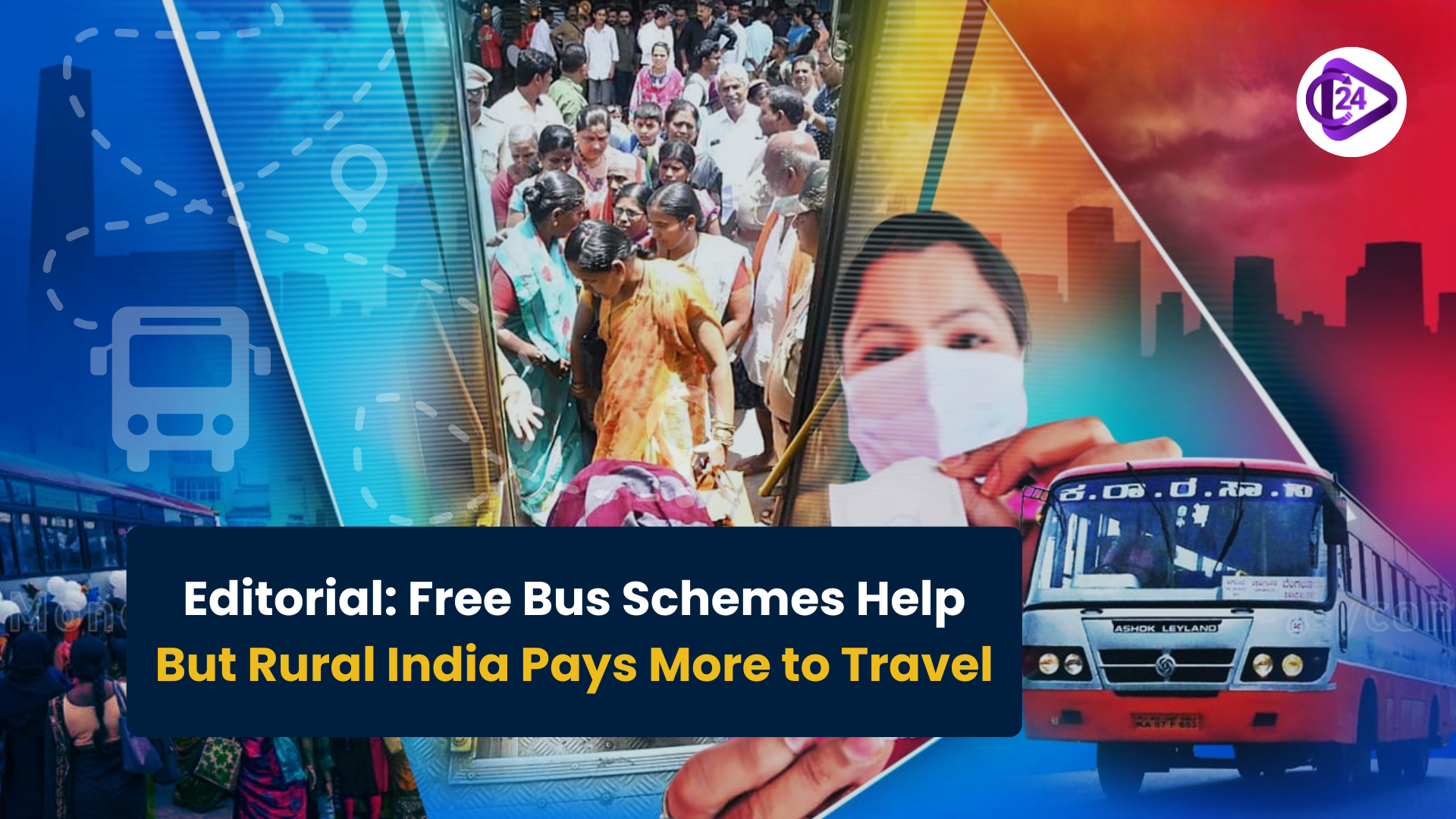
Free Bus Schemes Help, But Rural India Pays More to Travel

Although there has been a reduction in the level of poverty in rural India, the issue of inequities with regards to access to the public transport system still exists. The Household Consumption Expenditure Survey (HCES) 202324 indicates that the share spent by the rural households on the conveyances takes a disproportionately large part of buses in their conveyance budgets. The schemes to get free bus travel in different states are meant to reduce this burden, particularly on women, but the results are aced. There is low bus density, poor infrastructure, and distorted patterns of use. Fare waivers are not enough; structural developments will facilitate equal mobility.

Context

  • Inclusive development in India has to fill the mobility gaps in India particularly in the rural region. 

  • Public transport not only plays the role of allowing people into the economic world, but also enhances access to education, health and social services. 

  • The 2023-24 HCES entails useful information on patterns of expenditure on conveyance, which are essential in the formulation of successful transport policies.

Key Points

Value Added Data Insights

  • Expenditure Per Month: 4,122 (rural) as compared to 6,996 (urban)

  • Share of Non-Food Spending Conveyance: ~14 % at the national level

  • Bus Travel Share in Spending on Conveyance: 20.6 % (rural) vs. 16.2 % (urban)

  • Bus: Density: Only 17 buses per 1 Lakh of the population (milepost: 60)

Problems in Rural Mobility

  • Lack of Buses

    • National average: 17 buses to 1 lakh of the population

    • States such as Punjab, Odisha and UP: less than 10 buses/lakh

  • Infrastructure Deficit

    • Bad roads conditions, unpredictable schedules, old buses

    • But it is particularly hard for women, aged people and schoolchildren

  • Skewed Utilization

    • Bus spending among the higher-income groups is higher in rural places

    • Most of the daily-wage workers in the field are also forced to use informal transport or to walk

    • Shows that buses are meeting more general mobility requirements and not only work-related needs

Policy Recommendations

  • Implementation of Electric Buses

    • Reduced operational expenses, fares and prices

    • The good consequences to the environment: reduction in the emissions, better air quality

  • Growth of Bus Fleets

    • Give priority to rural and under served districts

    • Add frequency and distance last-mile connection

  • Fund and Improve the Services

    • Poor and vulnerable groups fare rationalization

    • Specific headings in the price subsidy on women, schoolchildren, and laborers

    • Punctuality and safe and comfortable service

  • Planning of Rural-Urban Transportation

    • Develop a hub-and-spoke: the central bus hubs and feeder routes

    • Monitor real time data where it comes in handy to schedule and capacity planning

    • Match to the employment, education, and healthy points of entry

Conclusion

Traveling freely on the bus is a developing concept, particularly in empowering rural women and facilitating transportation situations. Nevertheless, it can only succeed when it comes to fare waivers, but not holistic reforms. Mobility must be made a policy priority particularly in the rural regions since the availability of reliable and affordable transport is a pillar of inclusive growth. 

Frequently Asked Questions (FAQs)

The current affairs cover recent national and international events related to UPSC, SSC, Banking, Railways, and State PCS.

You need to read about the current affairs daily, and revise them every week and every month to keep them longer in your memory.

Yes, Class24 provides free downloadable Daily Current Affairs PDFs for easy revision.

Yes, you can practice MCQs and quizzes to boost your exam preparation.

Absolutely. The content is written in simple, easy-to-understand bilingual language suitable for beginners.

Go to class24.com and click on the current affairs section directly, where you find everything that you need.

ssc-toppers

Start Learning Today with Class24

Related current affairs

Class24 offers free video lectures for smart preparation, covering CGL, CPO, CHSL, MTS, and GD exams. Learn from expert faculty, revise concepts easily, practice with PYQs, and improve speed and accuracy through high-quality, exam-focused video lessons anytime, anywhere.

Get success in your hand. Start study anytime anywhere.

The journey becomes simple and enjoyable when you start taking interest in it. And through our app “Class24”, we will be your trusted partners in developing that interest.

Daily Quizzes
Mock Tests
Ongoing

No ongoing tests right now.