Day: July 29, 2025

Mera Gaon Meri Dharohar (MGMD): Cultural Mapping for Rural Identity and Development

Mera Gaon Meri Dharohar (MGMD) programme is one of the constituent programmes of the national programme of cultural mapping titled Indira Gandhi National Centre (IGNCA) which is a part of the National Mission of Cultural Mapping (NMCM) of India. The programme was launched from June 2023 as part of Azadi Ka Amrit Mahotsav, which will capture the culture of 6.5 lakh Indian villages. Already 4.7 lakh villages worth of data have been uploaded on the MGMD portal consisting of diverse repertoires of oral traditions, festivals, forms of art, and customs. The programme embraces inclusive documentation and the documentation even of marginalized communities and lesser-promoted forms of cultural expression. Notwithstanding the fact that no state-wise allocation of finances has been done so far, the mission is a historic attempt of utilizing culture when it comes to empowering the rural communities and preserving their identities.

Context:

  • Mission: National Mission on Cultural Mapping (NMCM)

  • Introduced by: Ministry of culture, Government of India

  • Agency to be Implemented: IGNCA (Indira Gandhi National Centre for the Arts)

  • Name of the programme: Mera Gaon Meri Dharohar (MGMD)

  • Opening: June 2023 (in the framework of Azadi Ka Amrit Mahotsav)

  • Sub-Web Portal: https://mgmd.gov.in

Objectives:

  • to capture and digitally map the cultural identity of 6.5 lakh Indian villages.

  • To conserve and to encourage the intangible cultural heritage.

  • To support local cultural resources as a way of enhancing rural economic potential.

  • In order to establish a representational, readily accessible cultural repository with researchers, policymakers and the citizens in mind.

Elements of Village Cultural Mapping:

  • The MGMD portal obtains the following information concerning each village:

The Role of MGMD Programme:

  • Cultural Preservation:

    • Protecting the intangible cultural heritage (ICH) on the ground.

    • Promotes multi-generation flow of practices.

    • Can ensure cultural preservation in a way that was/is threatened by city life and relocations.

  • Inclusive representation:

    • Makes the ignorant and tribal cultures speak out through it by making it very diverse.

    • Records local dialects, traditions, and practices that are on the verge of becoming extinct.

  • Agriculture:

    • Facilitates culture tourism in a way that encourages the livelihoods of the rural communities.

    • Are able to assist in GI (Geographical Indication) identification.

    • Officially recognizes the talent of artisans and the artists.

Components of Village Cultural Mapping:

The MGMD portal captures the following data for each village:

Category

Examples

Oral Traditions & Beliefs

Folktales, legends, proverbs

Customs & Rituals

Marriage, birth, death practices

Historical Significance

Ancient monuments, battles, legends

Art Forms

Music, dance, painting, craft

Traditional Food

Indigenous dishes, food festivals

Prominent Artists

Folk performers, artisans, oral historians

Fairs & Festivals

Local melas, seasonal festivals

Traditional Dress & Ornaments

Ethnic clothing, jewelry patterns

Local Landmarks

Sacred groves, tanks, heritage buildings

Marginalised Cultural Expressions

Tribal, nomadic, Dalit traditions and stories

Progress So Far:

Metric

Status (As of July 2025)

Villages Targeted for Mapping

6.5 lakh

Villages Currently Documented

4.7 lakh

Portal Live

Yes (Public access with cultural profiles)

Financial Allocation (State-wise)

None allocated yet

West Bengal Status

5,917 out of 41,116 villages mapped

Tamil Nadu & Others

Documentation in progress

Academic and policy use:

  • Serves as a medium of housing educational research.

  • Helps to make region specific cultural policies.

Issues and Problems:

  • Financial assistance and funds deficiency on state scale.

  • The quality of documentation is varied; it requires trained cultural surveyors.

  • Accessibility in the remote areas might be hampered due to the digital divide.

  • Commercialization or exoticization threat of rural cultures.

Conclusion:

Mera Gaon Meri Dharohar project is a paradigm change in urban oriented cultural policies to village orientation to cultural identity and restoration. The programme not only enhances cultural pride of people in India about their intangible heritage but also provides capabilities of economic power and overall development due to the recognition and documentation of the diversity among people living in rural India. Nevertheless, it requires permanent investment, coordination at the state level, and quality assurance in order to achieve its transformational potential.

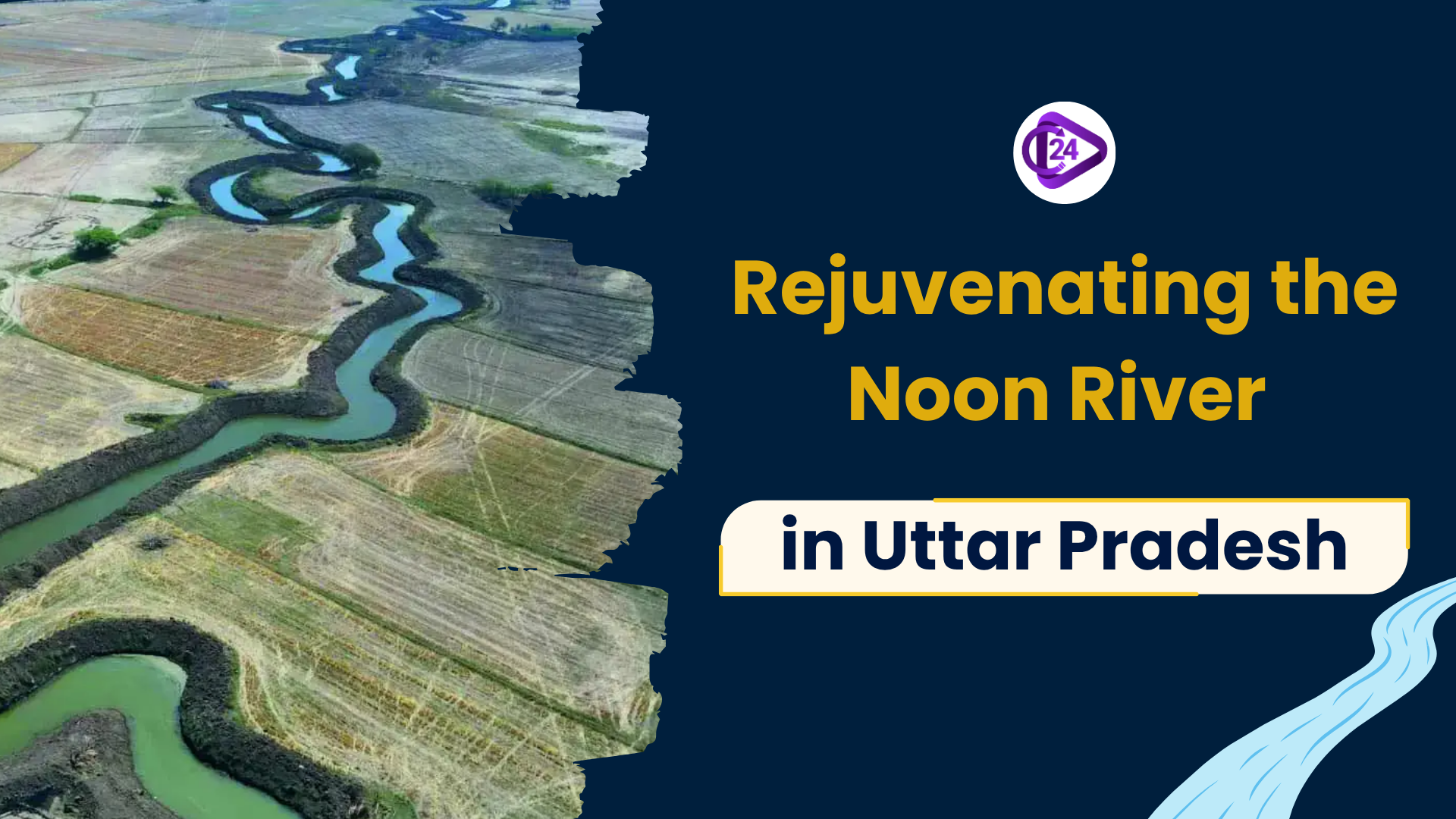
Rejuvenating the Noon River: A Model of Community-Led River Restoration in Uttar Pradesh

In one of the best instances of community-led restoration of an ecological landscape, the Noon River at the Kanpur district of the state of Uttar Pradesh has been revived, as part of a state-wide project of restoring life to the central valley of the district, under the state government project of One District, One River. The river (a length of 48.5 km) was clogged with water hyacinth, construction and industrial wastes. The flow of the river has been re-established in 34 gram panchayats through drone mapping, satellite survey and community labour through MGNREGA. The initiative by the officials, as well as the population of the village, enhanced access to irrigation and recovery of interest in rural employment schemes. It has now become an example of an integrated, sustainable water management.

Context:

  • Project: the project of the Government of Uttar Pradesh One District, One River (introduced following Saryu Mahotsav 2025).

  • District: Uttar Pradesh, Kanpur

  • River: Noon River (48.5 km; source: Kanhaiya Lake at Rampur Narua; confluence with the Ganga at Bithoor)

  • Project Duration: February 22 2025 to July 2025

Scientific and Technological Instruments Applied:

  • Drone mapping and satellite imagery (maps that are above 40 years of age)

  • Technical aid of:

    • Remote Sensing Application Centre, Lucknow pp

    • BBAU, IIT-Kanpur, BHU, National Institute of Hydrology (Roorkee)

    • Finding of dry and blocked areas

    • Delineation of rivers basin and floodplain

Community Participation:

  • Through Gram panchayats, officials and villagers were involved through:

  • Shramdaan (voluntary work)

  • The MGNREGA (more than 1, 700 man-days in Rampur Narua, alone)

  • Slogans such as: Female local rank-and-file organization Women led local mobilisations Women led local mobilizations

  •  Were gathered round together In one big ring, Hum sabne milke thana hai, Noon nadi ko fir se jeewant karaana hai

Rejuvenation Activities:

  • Eranging jal kumbhi (water hyacinth)

  • Removal of boulders, construction material and debris

  • Encroachment and disposal of industrial waste (CSR money being spent on heavy machinery)

  • Institute of small check dams

  • Establishment of patches of vegetation through the Forest Dept assistance

Cost & Employment:

  • Spending: 1.22 crores (mission on MGNREGA wages)

  • Resurgent rural employment: increase in work days to 1,760 as against 1,200 in the recent past.

Environmental & Socio-economic Impact:

Area

Impact

Irrigation

Improved access to surface water; reduced dependency on borewell pumps

Flood Mitigation

Reduced seasonal overflow into farmland

Biodiversity

Restoration of aquatic habitat and native vegetation

Rural Livelihoods

Employment via MGNREGA; cost savings in irrigation

Wider State-Scores:

  • An almost 50 rivers came back to life in Uttar Pradesh

  • Rivers that were earlier on referred to as nallahs being rediscovered

  • Cross-sectional planning: Forest, Irrigation, Panchayati Raj, Horticulture etc.

  • Case: Kukrail (Lucknow) and Sarain (Sitapur) got new life after some decades

Conclusion

The Noon River scheme illustrates the strength of the collective effort of water management involving the community in India as a rural setting. It integrates the past, the present science and employment programs such as MGNREGA to have lasting results. These are priorities in fighting water scarcity and flood as well as defeating rural economic setbacks and go along with SDGs 6 (Clean Water), 13 (Climate Action) and 15 (Life on Land).

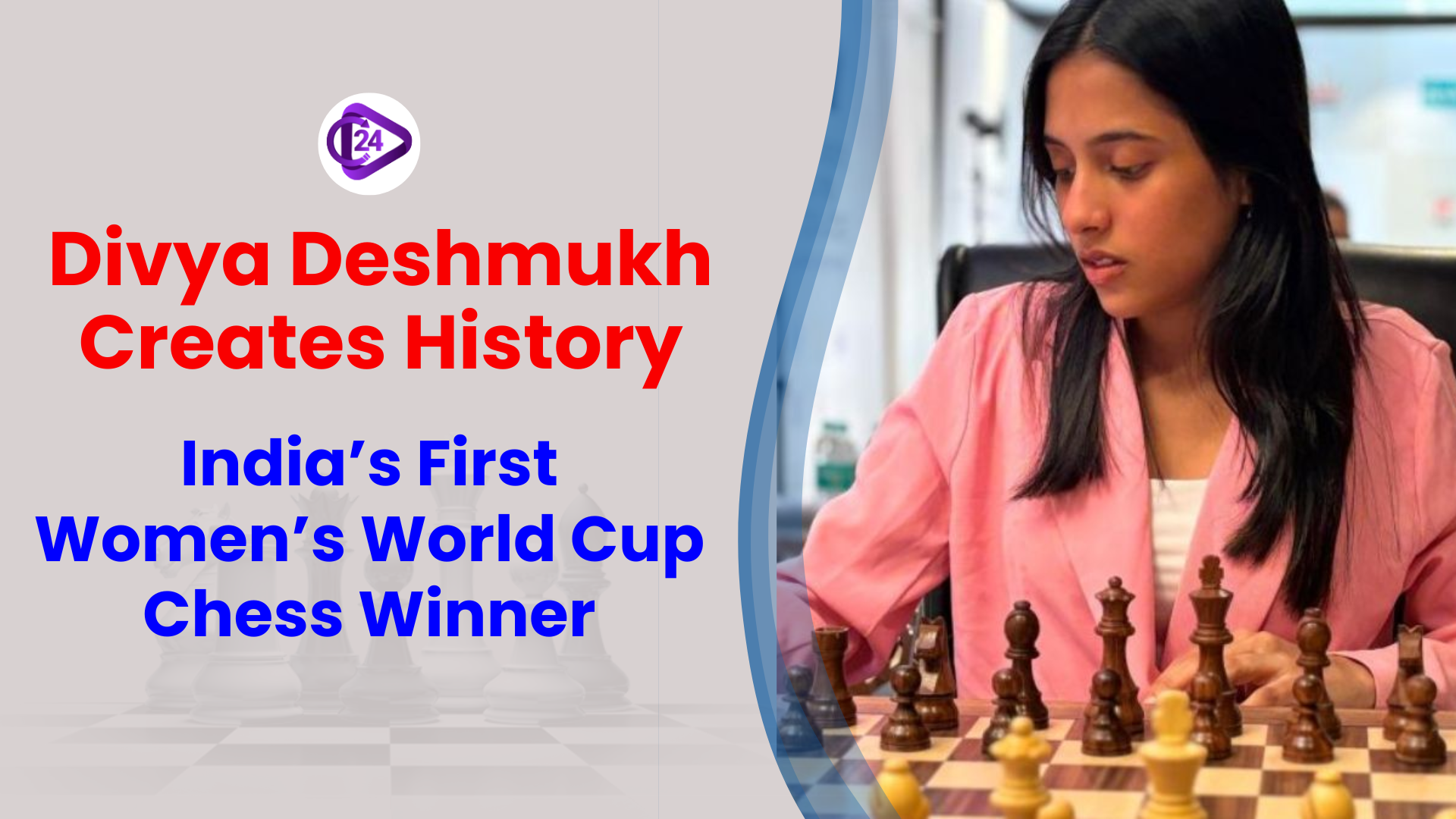
Divya Deshmukh Creates History: India’s First Women’s World Cup Chess Winner

It was the FIDE Women Chess World cup 2025 in Batumi, Georgia which was won by Divya Deshmukh, the 19-year-old genius chess master, and this was the first time ever that an Indian female chess master had ever won this game. She tied in tiebreakers with Koneru Humpy, world No. 5 in an all Indian final. Along with this victory, Divya too became the 88 th Grandmaster of India and the fourth Indian woman to have achieved this. The win contributes to the increasing strength of India in the game of chess, as Gukesh won the world championship. All these enabled Divya and Humpy to qualify to the Candidates Tournament towards the Women World Chess Championship.

Context:

  • Name: FIDE Women Chess World Cup 2025

  • Location: Batumi, Georgia

  • Final Date 29 July 2025

  • Significance: First Indian woman to win the World Cup; a contributor to the increased domination of India in chess at the international scene.

Takeaways of Divya in her Win:

  • Defeated Finalist:

    • Beat Omega No. 5 Koneru Humpy after tiebreakers (India)

  • Milestones Achieved:

    • First Indian woman to be the Women Chess World Cup winner

    • Was the 88 th Indian Grandmaster

    • Fourth Indian woman Grandmaster (after Humpy, Harika and Vaishali)

    • Qualified to FIDE Women Candidates Tournament

  • Recent Achievements:

    • The World Junior Championship 2024 was won in Gandhinagar

    • Contributed to the bagging of the gold medal in the Chess Olympiad 2025 at Budapest, India

  • Historic Parallel:

    • The previous Indian to have won the World Cup was the only one (Viswanathan Anand, 2002)

The Ascendancy of India in the International Chess:

  • Recent Feats:

    • D. Gukesh: Qualified at 2025 Open Candidates and won the world title at the age of 18

    • 4 Indian women advance to the quarter final of the world cup

    • The number of applications (those who took part in Candidates 2024 (Toronto) was 5 Indians 3 men, 2 women)

  • Women in the Indian Chess:

    • Koneru Humpy: First, Five in the World

    • D. Harika, R. Vaishali, and Divya, now, so, India is a world power in female chess

  • Institutional Support:

    • Growth of FIDE- recognised targets in India (e.g. World Junior 2024)

    • Sponsorships by National Chess Federation and privately sponsored development of youth

Conclusion

This is a historic achievement of Indian chess and women who are taking part in sports as Divya Deshmukh is the first of Indian people to achieve this feat. Her early success indicates India is establishing a much more serious chess system, cultivated by instruction, youth competitions, and competitor experience. The fact that Indian players have succeeded at the level of the world arena such as the world cup, Olympiad and the candidates tournament is a sign of a new golden age of the chess game in India. Such achievements improve the image of India in the world, as well as stimulating the involvement of young people and gender equality in serious sports.

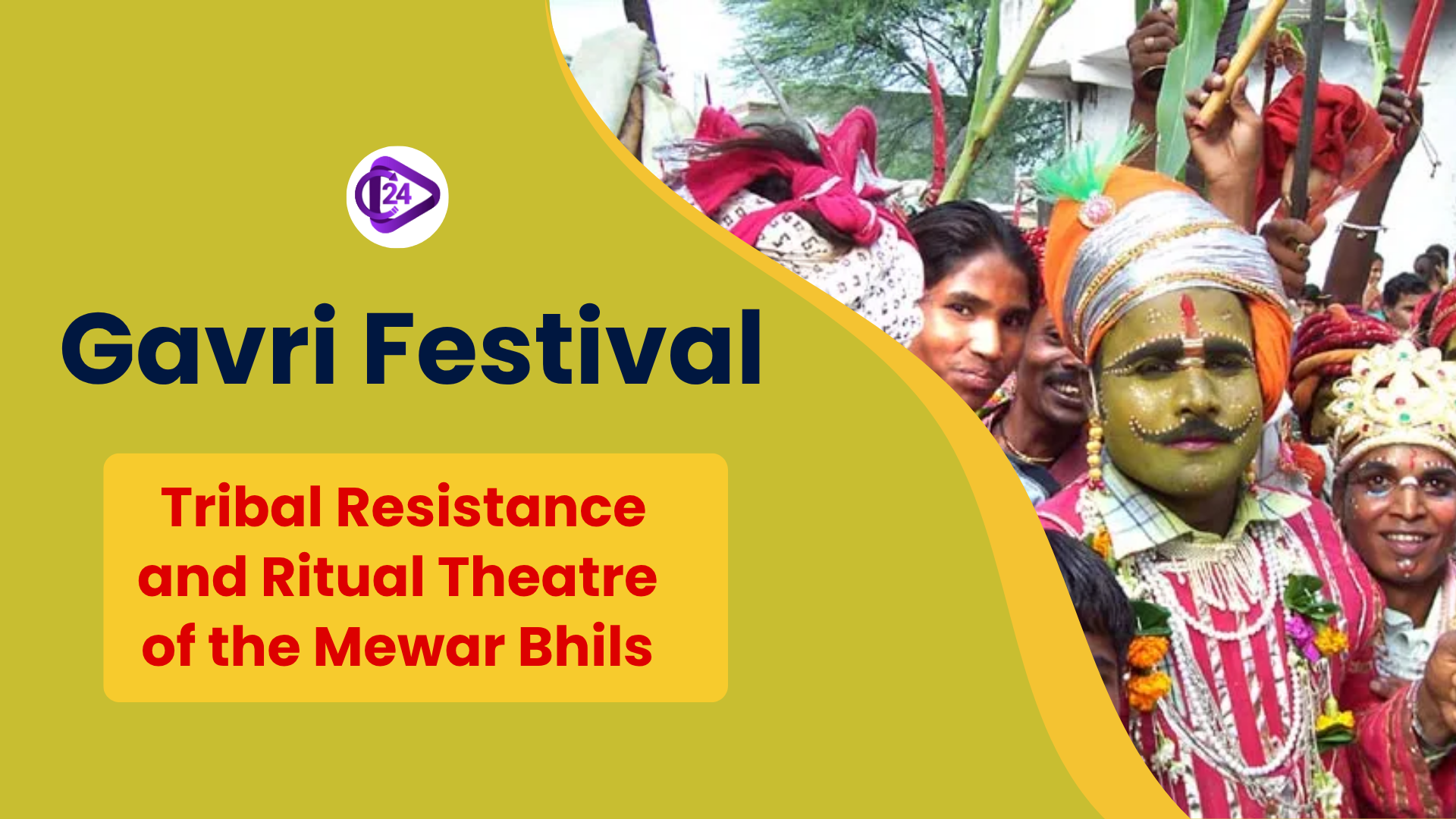
Gavri Festival: Tribal Resistance and Ritual Theatre of the Mewar Bhils

Gavri Gavri is an only 40 days ritualistic folk theatre observed by Mewar Bhils of Southern Rajasthan, after Raksha Bandhan. This is dedicated to shakti(Goddess Gauri/Parvati ) and is accomplished by all-male troupes, who conduct dance-dramas between different villages. The satire and mythology are involved in criticizing powers of caste and state at the festival and social hierarchies are turned down uproariously as a symbolic portrayal of power. It is also spiritual as well as political and it keeps the Bhil identity and their ecological values. Captured by Aditi Mehta and Sudharak Olwe, Gavri represents a testimony of tribal survival and cultural assertion and struggle in itself.

Context:

  • Occasion: The event is an annual post-monsoon festival of Bhils in the south of Rajasthan that is enacted by Bhil Adivasis.

  • Area: Mewar region Udaipur, Rajsamand, Chittorgarh, Dungarpur and Banswara districts.

  • Significance: Religiosity, Caste protest, culture statement in a single overarching performative culture.

Important Characters of Gavri Festival are:

  • Gavri is a colorful religious tribal festival that takes place in the Mewar region of South Rajasthan or specifically in districts such as Udaipur, Rajsamand, Chittorgarh, and Bhilwara. It is mostly practiced by the tribe of Bhil in the months of August – September (after the monsoon period which is in the Hindu month of Bhadrapada).

  • Period: It is a 40 days long festival where Bhil villagers do not drink and eat non-vegetarian; they also do not shave their body parts and exercise complete spiritual control.

  • Performances: Folk theatre which entails outdoor dramatic repertoire of mythological and tribal stories is at the heart of Gavri.

  • Themes: The tales illustrate combat between virtuous and vices, and these tales are influenced by regional deities, such as Devnarayan, Bhairuji and Chamunda Mata.

  • Actors: Male actors, dressed in bright traditional outfit, perform all the roles even of women and gods.

  • Purpose: It is supposed to call down divine secrets as a defense to the village and blessings of good health, rain and wealth.

Major Characteristics of Gavri Festival:

Spiritual And Ritual basis:

  • It starts after the festival of Raksha Bandhan, and this denotes Goddess Parvati as the sister to the Bhils.

  • It includes fasting, travelling barefoot and religious commitment to Bhil gods.

Performance Dynamics:

  • Exerted by khelyas-actors of 16-40 age.

  • It consists of 1520 plays including Badliya Hindwa, Bhilurana and Banmata which are played in 3540 villages.

  • Associated with no written text; shared through performance, songs, satire and storytelling.

  • Female roles performed by men, which spoke about the fluid gender performance in a patriarchal environment.

Thematic Content:

  • Satire on kings, gods, Brahmins and the colonial iron.

  • Emphasizes nature worship, Bhil resistance, and condemnation of the violence of the state.

  • Temporal dynamic inversion of power and caste during the plays.

Ceremonial Elements:

  • Symbolic ownership (avsar aana) in which the performers go into divine trance.

  • The performers are housed by the villagers which strengthens membership and the family units.

  • Exhibited in the IGNA (ligneoMs disp[arl­ivingston hearing, at The Eternal Dance of Tribal India, by the Indira Gandhi National Centre for the Arts (IGNCA).

Cultural and Social Effect:

  • Restores Adivasi cosmos and anti-histories of resistance.

  • Empowers tribal identity as mainstream culture is lost.

  • Blasts capitalist and Brahmanical hegemony by use of subversive art.

Conclusion

Gavri is not only a festival, but also theatre, resistance and renewal of the Bhils. It breaks caste ladders, opposes patriarchy and practices ecological principles. It is important to maintain such festivals as part of the Indian cultural plurality as well as inclusion of the tribal in national discourse.

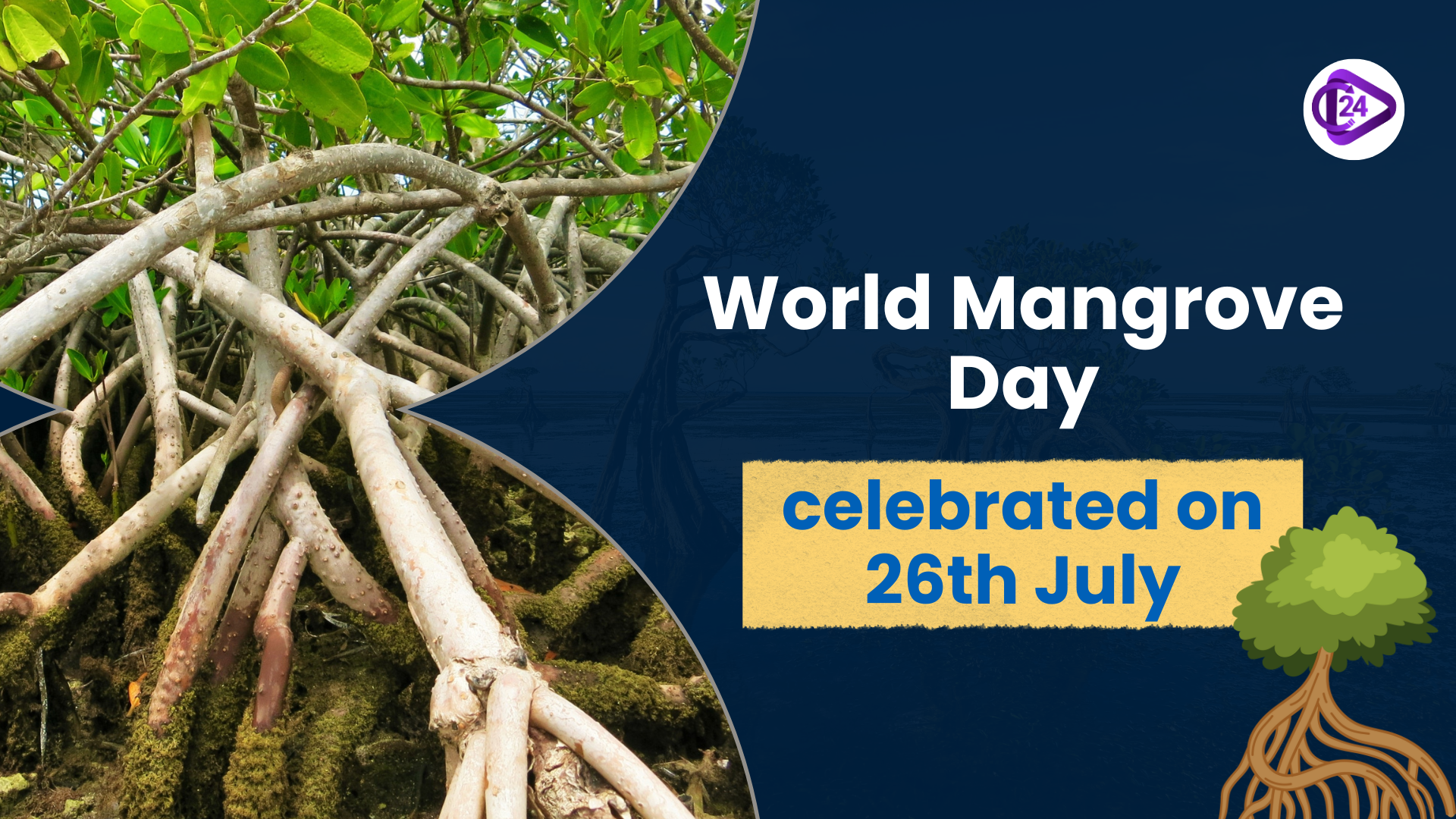
World Mangrove Day celebrated on 26th July

World Mangrove Day that is celebrated on 26 th July emphasizes on the ecological, economical and climatic importance of the mangrove ecosystems. These special forests occur along the coastlines and are salty, inter tidal areas that provide multiple critical facilities, inclusive of carbon sequestration, disaster mitigation as well as biodiversity conservation. The Sundarbans and Bhitarkanika ecosystems of India are the important examples of the mangrove-rich ecosystem, which harbour wildlife and livelihood.

What are Mangroves?

  • Definition: The mangroves are the salt-adapted trees and shrubs, which develop on the intertidal region in tropical and subtropical areas.

  • Ecological Zone: Occur ring in tidal flat areas, estuaries and deltas; they are subjected to bi dally tidal flooding.

Adaptations:

  • To respire by pneumatophores (Avicennia).

  • Stabilisers by roots (prop roots Rhizophora).

  • Excretion salt glands.

  • Viviparity: The seeds can germinate on parent trees.

Mangrove Distribution:

Global Status:

  • Global total mangrove (FAO 2023): 14.8 million hectares total.

  • Countries of highest concentration: Indonesia, Brazil, Nigeria, Mexico, Australia (47 percent of the global mangroves).

Status of India (ISFR 2023):

  • Total area coverage: 4,992 sq.km (approximately 0.15 per cent of total geographical area of India).

  • Large regions: Sundarbans (West Bengal), Bhitarkanika (Odisha), Andaman Islands, Krishna-Godavari delta and portions of Gujarat and Kerala.

  • Recent increase: Mangrove cover of Tamil Nadu increased twicefold, that is, 4,500 ha to 9,039 ha, over four years 

Case Study of Sundarbans

  • Geographic Distribution: between the Hooghly River (India) and the Baleswar River (Bangladesh) in the Ganga-Brahmaputra-Meghna Delta.

  • UNESCO World Heritage: Sundarbans National Park (India), there are three Bangladesh wildlife sanctuaries.

  • Biodiversity: It is a home of Bengal tiger, estuarine crocodiles, Indian python and over 260 species of bird.

  • Earning a living: The residents are supported by collecting honey and fishing.

The importance of mangroves

  • Biodiversity Hotspot:

    • Supports more than 5,700 species in the 21 phyla.

    • Breeding areas to marine life, birds, reptiles as well as mammals.

  • Carbon Sequestration (Blue Carbon Sinks):

    • Stores ~394 tonnes of carbon per hectare.

    • Slow decomposition due to anaerobic, saline conditions enhances long-term carbon storage.

  • Coastal Protection:

    • Decreases wave energy by 5-35%.

    • Reductions in the depth of cuts by 15-70 percent help in buffering natural tides in cyclones and tsunami.

  • Livelihood Support:

    • Honey, fruits, timber, and fishery source.

    • Of utmost importance to food security on the coast.

  • Disaster Mitigation:

    • Sucks up cyclonic shocks; necessary in the disaster-hit regions such as the Bay of Bengal.

  • Strategic Utility:

    • Improves transmission of radio waves which helps in communicating during emergency in out-of-reach disaster areas (e.g. West Bengal Radio Club projects).

Major Threats to Mangroves

Threat

Details

Land Conversion

Aquaculture (26%), oil palm, rice cultivation (43%) – State of the World’s Mangroves 2024.

Deforestation

Logging, charcoal production, urban expansion.

Pollution

Oil spills, industrial effluents, sewage discharge.

Invasive Species

Prosopis juliflora invading Tamil Nadu mangroves, altering soil salinity and ecosystem health.

Climate Change

Sea-level rise, altered salinity, and changing rainfall patterns disrupt mangrove regeneration.

Government, and Global Initiatives

India’s Efforts:

  • National Mangrove Conservation Programme (NMCP) – Funds in support of protection and afforestation.

  • ISFR Reporting- Annual survey of mangrove status.

  • CAMPA Funds- It is used in restoring the degraded mangrove forests.

  • Blue Economy Policy-It focuses on the conservation of coastal ecosystems.

  • MISHTI Scheme (2023) Mangrove Initiative of Shoreline Habitats and Tangible Incomes.

International Collaborations:

  • Ramsar Convention

  • Convention on Biological Diversity (CBD)

  • redd program UN

  • Blue Carbon Initiative

Way Forward

  • Enforcing Legal Infrastructure:

    • Double up coastal regulation zones (CRZ).

    • Penalize the unlawful slaughter of forests and change of land.

  • Community Engagement:

    • Encourage community based conservation of mangroves.

    • Provide incentives by ecotourism and livelihoods based on biodiversity.

  • Technology Integration:

    • Audit real time surveying with drones, AI and Geographic GIS mapping.

    • Put in place phytoremediation and bio-restoration paradigms.

  • Ecological Urban Planning:

    • Incorporate the mangrove protection in Smart Cities and coastal development plans.

    • encourage Eco-sensitive zoning.

  • Research & Innovation:

    • Promote research and development on mangrove-based medicine and its sustainable utilisation.

    • Evaluate resiliency to the climate of indigenous species.

  • Capacity Building:

    • Carry out awareness campaigns on World Mangrove day.

    • Train local youth train as Mangrove Rangers.

Conclusion

Mangroves are ninjas of nature- they protect the coast, support biodiversity, reduce disasters and trap carbon. However, they are still one of the endangered ecosystems. India, of various mangrove traits, between Sundarbans and Andamans, has to take the lead by examples to conserve, take community actions and climate-sensitive growth. It is time to realize that mangroves are not mere trees; coastal pillars of resilience, and as such must be spared at all costs.

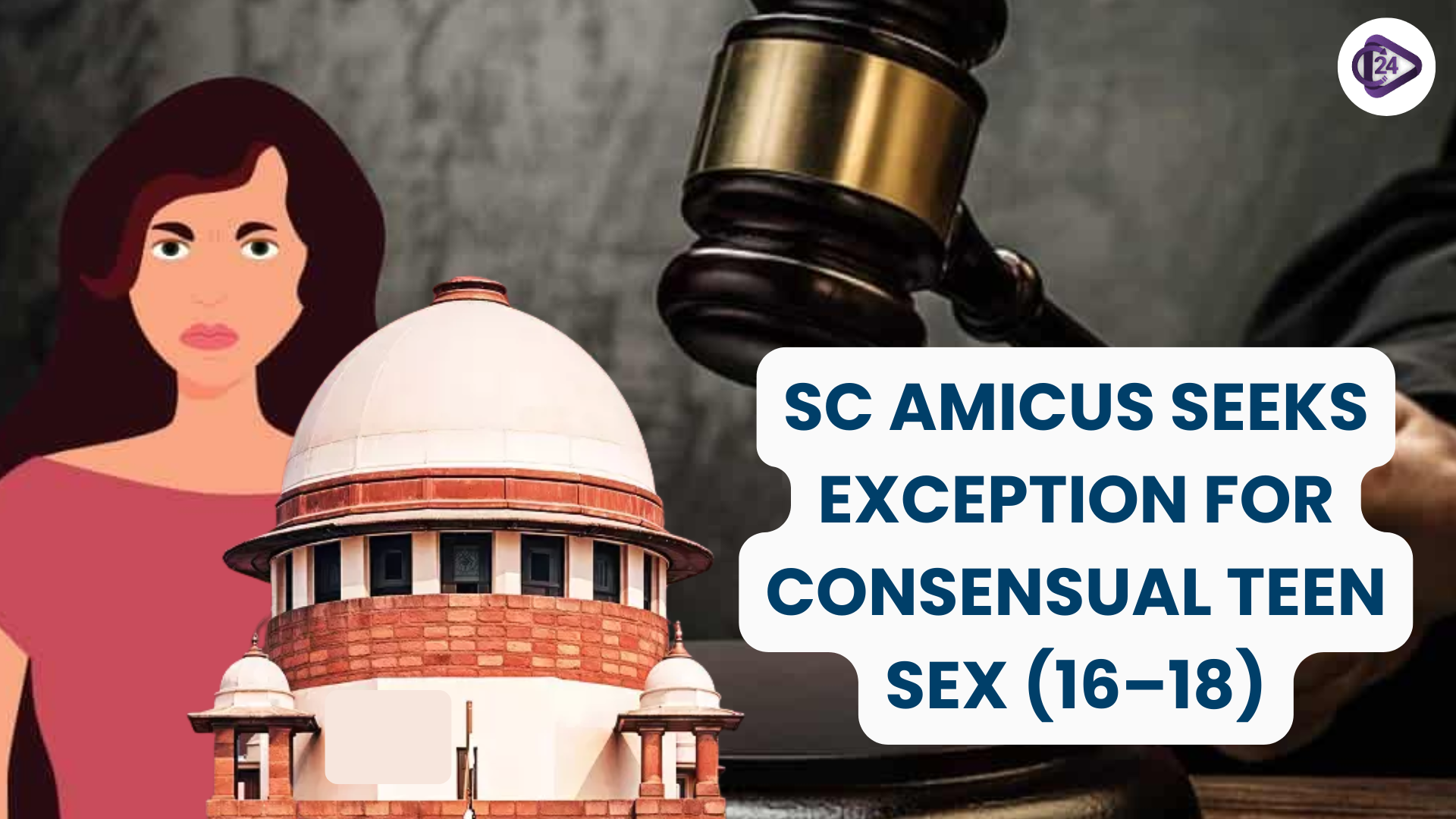
SC Amicus Seeks Exception for Consensual Sex Between Adolescents Aged 16–18

Protection of children from sexual offences (POCSO) Act, 2012 came into being to protect children against sexual exploitation. It has however begged the question of trying all people under the age of 18 as children thereby criminalizing consensual sex between teenagers aged 16-18. This is an argument espoused by one amicus curiae Indira Jaising in a recent Supreme Court submission asking that a close-in-age exception be made relating to the misuse of the law in cases of voluntary relationships involving adolescents.

Legal and Constitutional Background

  • POCSO Act, 2012: Makes any sex act with an under-18 person a criminal act, whether or not they consent.

  • Criminal Law (Amendment) Act, 2013: Increased the age of consent to 18 years right.

  • Section 375 and Section 63 of Indian Penal Code (IPC) and Bharatiya Nyaya Sanhita (BNS): Correspondence with POCSO that makes consensual sex with a minor an act of rape.

  • Article 21 of the Constitution: Safeguards right of life and liberty or personal freedom, including freedom over repose and dignity of the body.

Issues with Criminalizing Consensual Adolescent Sex:

  • Violation of Bodily Autonomy

    • Young people between 16 and 18 sometimes can give informed consent.

    • Punishing them of their voluntary acts, Meaning personal liberty (Article 21), will be a breach of personal liberty.

  • Disproportionate Punishment:

    • Adolescents in consensual relations are enrolled in a serious offense such as rape, which stains their lives forever.

  • Abuse of law:

    • Parents also wrongly apply POCSO to any relationship they do not approve of (inter-caste, inter-religious or elopement).

  • There is no Evidence-based Justification:

    • Before 2013, the age of consent had been 16 and above, most of all the 0.8 decades.

    • There were no empirical statistics given to prove up to 18.

  • Global Norms:

    • Close in age exemptions are used in order to distinguish between exploitative and consensual relationships in many democratic countries (e.g. USA, UK, Canada).

Arguments in Favor of a Close-in-Age Exception:

  • Intention of protection saved:

    • The abusive adult-child relationships may be punishable in spite of the independence of the teenagers.

  • Avoids Overcriminalization:

    • The machinery of law will be able to deal with real cases of child sexual abuse and leave the consensual teen acts.

  • Helps to Maintain and Enhance Mental Health:

    • The experience of a criminal trial and imprisonment at a young age are harmful to psychosocial development.

  • Supports the Constitutional Morality:

    • According to Navtej Singh Johar (2018) the Court affirmed the privacy, dignity and choice of consenting individuals to conduct sexual activities.

Counterarguments:

  • Adolescent Weakness:

    • Adolescents might be emotionally weak and fail to evaluate consequences even at the age of 16-18.

  • Social and Cultural Issues:

    • Indian society is conservative; the liberalizing of the age of consent can become an act against.

  • Peril of Teenage Pregnancies:

    • Sexual initiation at an early age can bring in health, educational, and social dilemmas among the girls.

Way Forward:

  • Judicial Reinterpretation: Legislative reform is not necessary to safeguard consensual relationships between adolescents where judicial creation of a close-in-age exception can cushion such relationships.

  • Law Commission Review: An adolescent sexuality, consent, and effectiveness of POCSO should be a subject of a detailed study.

  • Sexual Education: It should include age appropriate, rights based sexual education in school as a means to promote informed decision making.

  • Legal Protection: Mandatory counseling or mediation solutions involving consensual adolescent cases can be put in place rather than punitive measures.

Conclusion

The need to protect children against abuse must not be set as high over the need to allow adolescents to have a developing autonomy by creating a balance between the two needs. The close-in-age exception that could be introduced under the POCSO framework would make sure that the consensual relationships will not be criminalised in accordance with the constitutional morality, international best practices and progressive approach to the interpretation of fundamental rights.

Frequently Asked Questions (FAQs)

The current affairs cover recent national and international events related to UPSC, SSC, Banking, Railways, and State PCS.

You need to read about the current affairs daily, and revise them every week and every month to keep them longer in your memory.

Yes, Class24 provides free downloadable Daily Current Affairs PDFs for easy revision.

Yes, you can practice MCQs and quizzes to boost your exam preparation.

Absolutely. The content is written in simple, easy-to-understand bilingual language suitable for beginners.

Go to class24.com and click on the current affairs section directly, where you find everything that you need.

ssc-toppers

Start Learning Today with Class24

Related current affairs

Class24 offers free video lectures for smart preparation, covering CGL, CPO, CHSL, MTS, and GD exams. Learn from expert faculty, revise concepts easily, practice with PYQs, and improve speed and accuracy through high-quality, exam-focused video lessons anytime, anywhere.

Get success in your hand. Start study anytime anywhere.

The journey becomes simple and enjoyable when you start taking interest in it. And through our app “Class24”, we will be your trusted partners in developing that interest.

Daily Quizzes
Mock Tests
Ongoing

No ongoing tests right now.