
Day: July 8, 2025

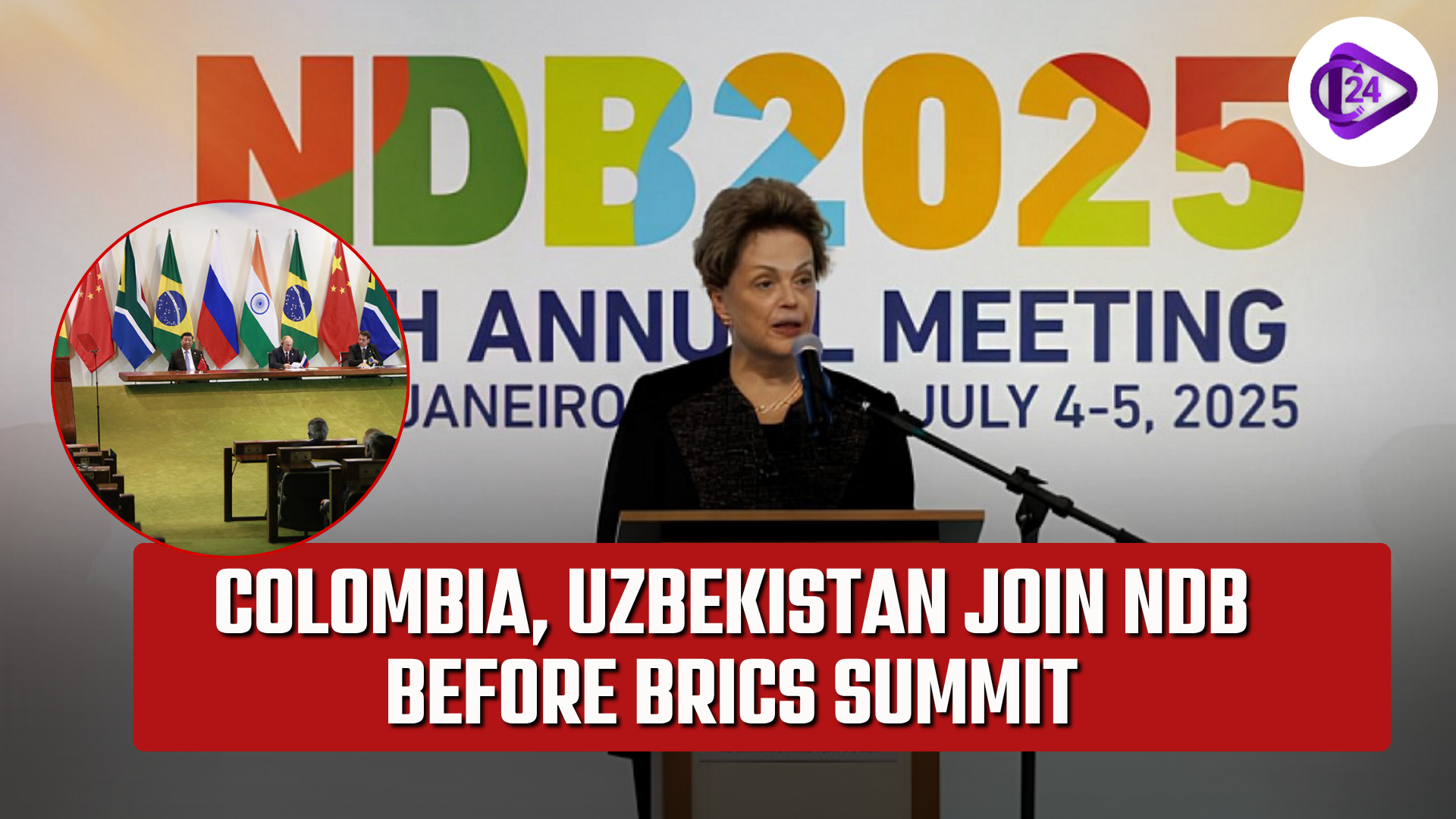
Colombia and Uzbekistan Join NDB Ahead of 17th BRICS Summit

Colombia and Uzbekistan are the two latest members of New Development Bank which increases the membership of that multilateral lender to 11 countries. The action follows shortly before the 17th BRICS Summit and it further consolidates the bank in assisting developing economies in the areas of sustainable growth and development on infrastructure projects.

Key Details

Rising NDB Membership:

  • Colombia, Uzbekistan formally become members of the New Development Bank and the number of countries increases to 11.

  • Having started as the bank of the original BRICS countries (Brazil, Russia, India, China and South Africa) the bank expanded to similar countries such as Bangladesh, UAE, Egypt and Algeria.

Mission /Focus of NDB:

  • The President of NDB, Dilma Rousseff, highlighted the priority of the bank to assist the Global South and in particular, in the spheres of innovation, science and technologies.

  • Among other factors, the NDB is supposed to assist member countries transition to Fourth Industrial Revolution, driving investments in key areas, including clean energy, transport, green projects, water and sanitation, and digital infrastructure.

Current Members

  • Among the already existing NDB members, there are: India, Brazil, Russia, China, South Africa, Bangladesh, UAE, Egypt and Algeria with the new members which include Colombia and Uzbekistan.

About New Development Bank (NDB)

  • Formerly known as the BRICS Development Bank.

  • Owned and operated by BRICS countries: Brazil, Russia, India, China and South Africa.

  • Pays attention to the infrastructure and sustainable development financing.

Objective

  • To raise assets to be dedicated to development projects in BRIC and other emerging economies.

  • Promotes sustainable development and cooperation in economy among developing countries.

History of Establishment

  • Proposed concept: 2012 BRICS Summit in New Delhi.

  • Formally signed: Fortaleza summit July 15, 2014.

  • Commencement date: July 21, 2015.

Offices and Headquarters

  • Beijing and Shanghai

  • Research and development operations: South Africa and Brazil.

Membership

  • All the UN member states who are willing to join can become members.

Conclusion:

The fact that Colombia and Uzbekistan have been introduced into the New Development Bank is making a significant move in the expansion of the bank to be able to finance the vital infrastructural and sustainable developmentality projects. The increase can be related to the increase in the value of the NDB as a means of assistance to the Global South especially due to the challenges facing them in technology and environment.

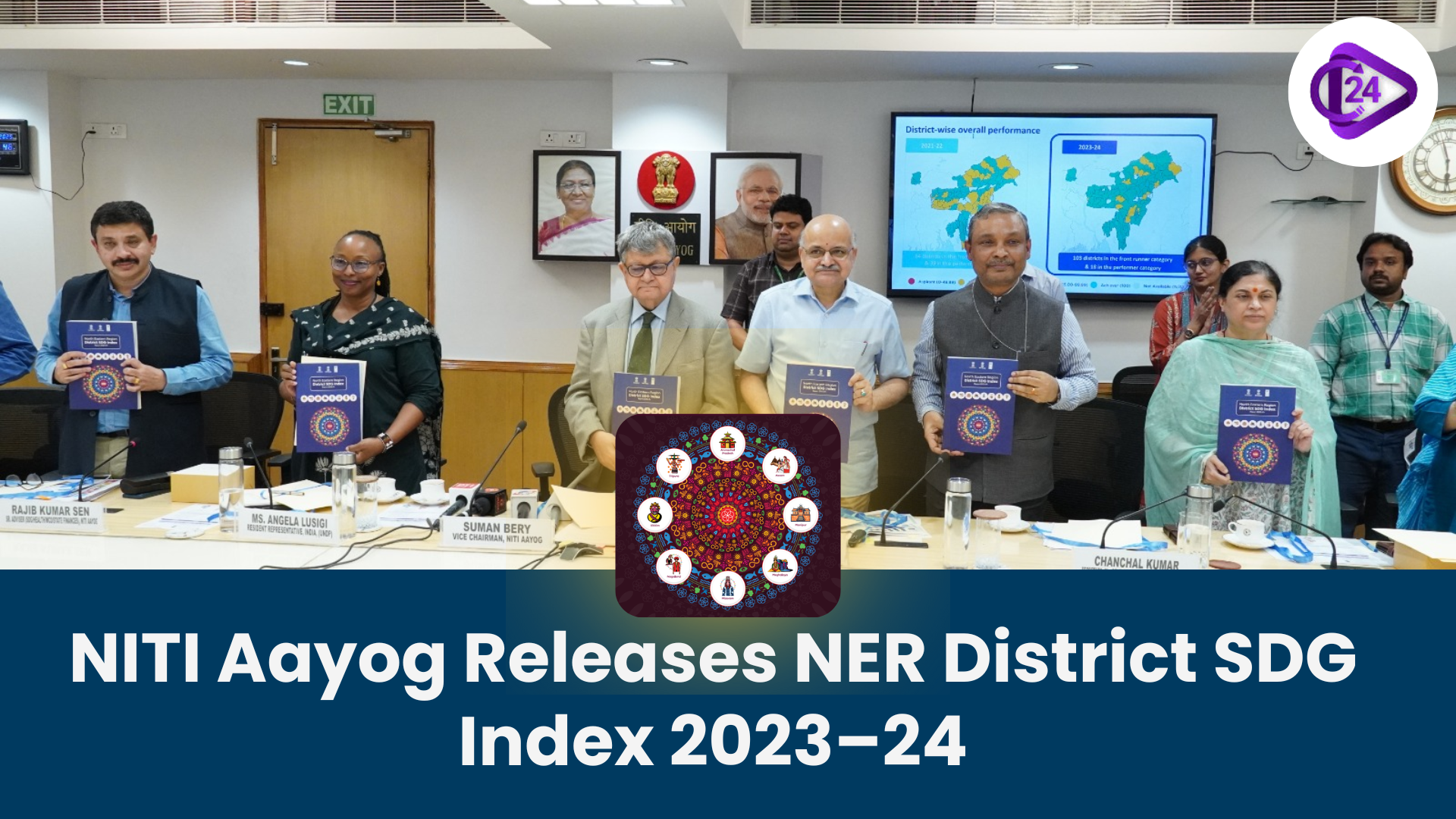
NITI Aayog Releases Second Edition of North Eastern Region District SDG Index (2023-24)

In partnership with the Ministry of Development of North Eastern Region (MoDoNER), and with procedural assistance of the UNDP, NITI Aayog published the second edition of North Eastern Region (NER) District SDG Index of 2023-24. The report focuses on monitoring the situation with the achievement of Sustainable Development Goals (SDGs) at the district level and offers practical recommendations on how to enhance development in the region.

Key Details

Combined performance and achievements:

  • 85% of the districts demonstrated that their composite score increased.

  • The status of Front Runner has also been attained by Mizoram, Sikkim and Tripura wherein they have zero districts in the Aspirant or Achiever levels.

  • In Mizoram, Hnahthial ranked as the leading district (with the score of 81.43).

  • Nagaland (3 districts) made an entry into top 10 performers.

SDG Indicators of Progress:

  • In the Good Health & Well-being SDG, 93 districts had an increase in their scores.

  • Sikkim illustrated best performance in all its districts with less variation in scores.

State District Performance:

  • Jiri (81) to Bellary (67) – max (1372) points and min (67) points.

  • Sikkim: Gangtok (76.64) to Gyalshing (71.14) have the narrowest range of scores or differences of 5.5 points.

  • Tripura: Gomati (78.79) to Dhalai (72.29) in minimum intra-state variation of 6.5 points.

  • Nagaland: Mokokchung (78.43) to Zunheboto (63.36) – difference of 15.07 points.

  • These improvement was also recorded in Assam, Manipur, Meghalaya where each district recorded improvement in the key indicators such as Zero Hunger, Quality Education, Clean Water and Sanitation, Decent Work and Economic Growth.

State wise Achievement Summary:

  • Arunachal Pradesh: Longding (58.71) to Lower Dibang Valley (73.36).

  • Assam: South Salmara-Mankachar (59.71), to Dibrugarh, (74.29).

  • Manipur: Pherzawl ( 59.71 ) to Imphal West ( 73.21 ).

  • Meghalaya: East Jaintia Hills (63.00) to East Khasi Hills (73.00).

Important Key findings of NITI Aayog and MoDoNER:

  • SDG Index offers an evidence-based formal policy tool of planning and resource allocations.

  • According to the report, this is because of such schemes and programmes that have been implemented by the nations as well as the locals in the form of the Aspirational Districts Programme that have resulted in immense changes in the way SDGs are being performed between the various districts.

Conclusion

NER District SDG Index 2023-24 indicates impressive performance region wise as most of the districts have soared in terms of significant improvement in critical SDGs. The report is an important leverage to informed decision-making, directing interventions, to speed up development, so that no district can be left behind in the attainment of SDGs in 2030.

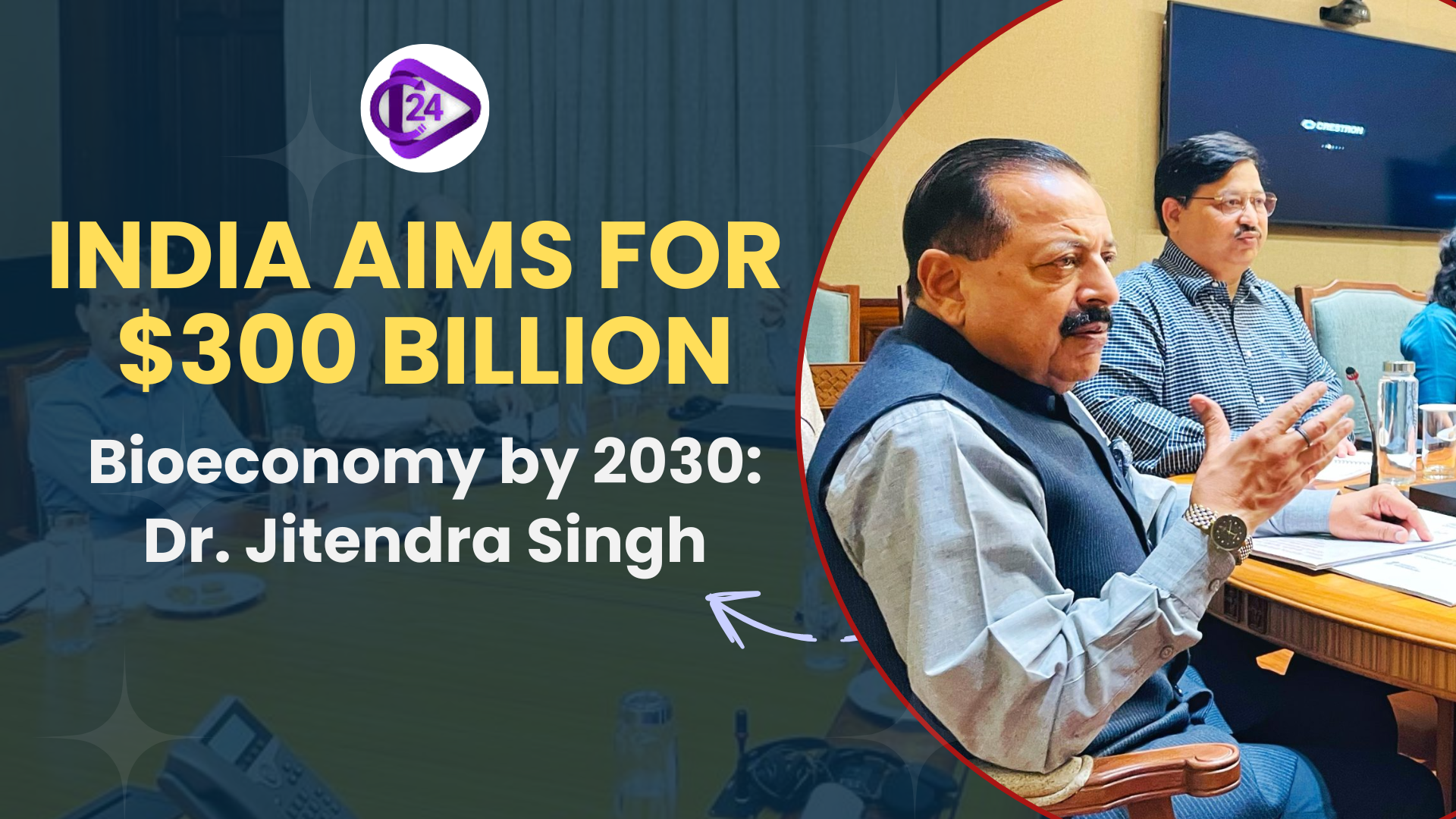
India Targets $300 Billion Bioeconomy by 2030: Dr. Jitendra Singh Unveils Vision at World Bioproduct Day

At the World Bioproduct Day event, Dr. Jitendra Singh, Union Minister of Science & Technology, emphasized India’s goal to achieve a $300 billion bioeconomy by 2030. He highlighted the importance of inclusive participation in the biotechnology mission, with every Indian being a stakeholder in the nation’s bioeconomy. The BioE3 Policy and the focus on public engagement are crucial steps toward realizing this vision

Key Details:

What is Bioeconomy?

Definition: 

  • Bioeconomy can be described as the creation, operating, and preserving biological resources, including associated understanding, science, technology and innovation, to offer products, procedures and services in various sectors of the economy serving the sustainability.

  • Target of India: Reach 300 billion bioeconomy in 2030.

Major Areas of Bioeconomy:

  • Biopharma/Biomedical

  • BioAgri (Agriculture)

  • BioIndustrial

  • BioResearch/BioIT

  • Bioeconomy in India: The relevance:

Significance of bio ecomony

  • Economic Growth:

    • In 2024, the contribution of bioeconomy to GDP grew up to 4.25%, with the growth of this industry being at $165.7 billion in 2014 when it was at only $10 billion.

  • Entrepreneurship:

    • Innovation came through the growth in biotech startups which grew in a span of a decade to reach 10,000+.

  • International Centre of Cheap Medicines:

    • India is number 3 in pharma manufacture (in volume) and manufactures 65 percent of the world's vaccines.

  • Food Security:

    • BioAgri sector enhances productivity of agri, livestock products by use of GM crops, bio-products and animal biotechnology.

  • Employment:

    • The number of jobs that bioeconomy is expected to generate is 35 million.

  • Energy Security:

    • The level of ethanol blending rose to 15% by 2024, up to 20% by 2025, decreasing imports of the crude oil, as well as CO 2 emissions.

  • Environmental Benefits:

    • Circular Economy: Second generation ethanol and bioplastics are gaining use since they limit waste emission.

    • Pollution Control: Utilization of biofertilizers and bioremediation decreases the use of chemicals and enhances ecosystems.

    • Climate-Smart Crops: Creation of high yielding and drought resistant crops.

Schemes and Policies that Favour Bioeconomy:

  • BioE3 Policy 2024 :

    • It is centered on advanced biomanufacturing, bio-foundry clusters and bio-AI hubs around bio-based product development.

  • National Biopharma Mission:

    • With an endeavor to improve the capability of India in the area of vaccines, biosimilars, and medical devices with the perspective that industry academia collaboration is going to help us.

    • Biotechnology Research Innovation and Entrepreneurship Development (Bio-RIDE) Scheme:

    • Facilitates bio-entrepreneurship, innovation and academia-industry partnership.

  • Genome India Project:

    • Establishes a database of genetic variations to show the diversity of population in India.

  • Biotech-KISAN:

    • Collaboration between scientists and farmers so as to empower the farmers through agricultural innovations, particularly in rural and tribal regions.

  • The Biofuels National Policy 2018

    • Would increase the use of biofuels in the energy and transport sectors.

Obstacles to the Development of India Bioeconomy:

  • Regulatory and Policy Problems:

    • Duplication of laws and unspecificity in ministries and committees.

    • Pirating of bio-piracy relates to abuse of traditional knowledge.

    • Conflicts in laws as was the case of the Protection of Plant Varieties and Farmers Rights Act and the Patent Act.

  • The Research and Development (R&D) Issues:

    • There is poor spending in research and development (0.64 percent of Gross Domestic Product, compared to 2 percent in China and 3 percent in the US).

    • Sectoral imbalance: Biotech (<10%) and fuel (<10%) is behind pharma (40%).

  • Other Issues:

    • There was the issue of safety of genetically modified organisms (GMOs).

    • Financial support and insufficient infrastructure of genomic data.

    • Chain supply problems and reliance on foreign sources of ingredients.

    • Lack of competent expertise in biotechnology areas.

Way Forward:

  • Policy and regulating Framework:

    • Develop a National Bioeconomy Mission that would include stakeholder representation.

    • Put in place a single window regulatory system of biotechnology innovations.

    • Consolidate legislations e.g. align Protection of Plant Varieties with the Patent Act.

  • Encourage Investing and Financing:

    • Give incentives on the R&D investments.

    • Install an outcome funding scheme of high-risk innovations and corporate innovation funds with government matching.

  • Bring out the Human Capital Development:

    • Develop Centers of Excellence in education of biotech, creating specialist curricula.

    • Create a National Biological Data Repository in order to have improved data storage and international cooperations.

  • Cope with Safety Hazards:

    • Use safer designs and complete economic, environmental and safety evaluation of biotech projects.

  • Empower Biotechnology infrastructure:

    • Invest more in genomic data collection, storage and analysis platforms.

    • Enhance field trial systems of GM crops in collaboration with the agricultural universities.

Conclusion:

India’s vision for a $300 billion bioeconomy by 2030 is rooted in inclusive participation, innovation, and sustainability. The event reinforced biotechnology’s role in various sectors, from agriculture to industry, and highlighted India’s commitment to leveraging its resources for economic and environmental benefits. The BioE3 Policy and the focus on public engagement are crucial steps toward realizing this vision.

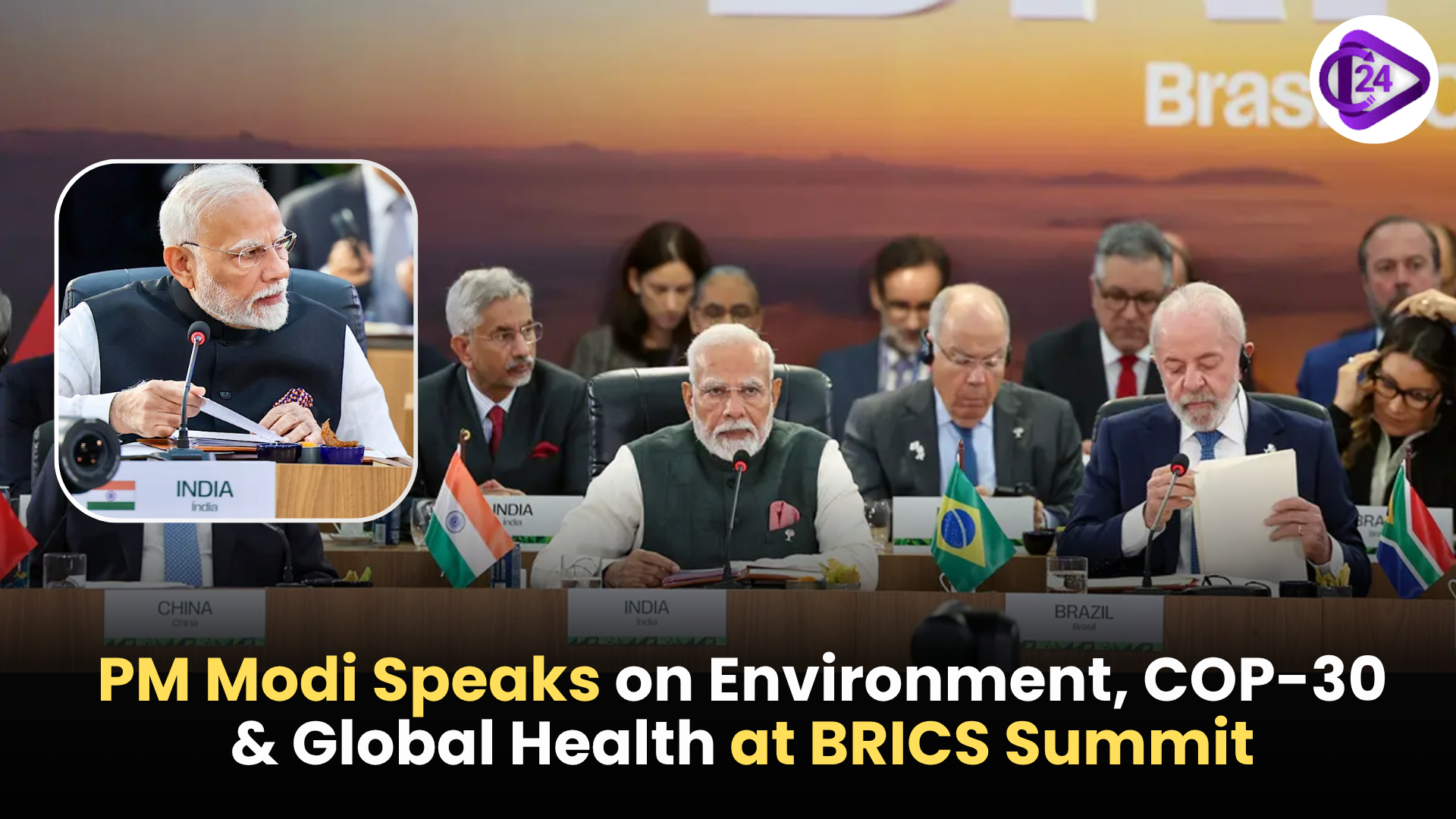
Prime Minister Modi Addresses Key Session on Environment, COP-30, and Global Health at 17th BRICS Summit

Prime Minister Modi participated in the BRICS Summit, made his focus on climate justice, green development of India, and the health of the planet. He reaffirmed India's commitment to sustainable growth and assured he would place priority on Global South in the next BRICS leadership in India in 2026. Modi also showed the positive performance of India in the climate action, health projects, and development aid to the Third World.

Context

  • The 17th BRICS Summit was attended by Prime Minister Narendra Modi in the session on Environment, COP-30 and Global Health. 

  • The delegation was all about climate change, sustainable development, and health problems of the world.

Key Details:

India and the Climate Change:

  • According to Prime Minister Modi, climate change in India does not only represent an energy challenge but also impacts the context of the bottom-line between life and nature.

  • India considers climate justice as an ethical duty and it has achieved considerable progress, including paying early compliance with the Paris agreement.

  • He pointed out the efforts of the International Solar Alliance, Coalition for Disaster Resilient Infrastructure, and Mission Life, among others, two of which are also part of India, focusing on remedying the environment with the people-friendly approach in the core of sustainable growth.

Sustainability and World Cooperation:

  • Modi emphasized that India is now on the sustainable growth path besides being the fastest-growing large economy.

  • He appealed to transfer of technology and cheap finance to developing countries that will assist them resolve climate change and was of great significance to the Framework Declaration on Climate Finance adopted by BRICS.

One Earth, One Health:

  • India presented its One Earth, One Health policy under the leadership of Modi, which focuses on the necessity of international collaboration within the context of worldwide health.

  • He pointed at the successful use of digital health schemes in India and said he was willing to provide them to Global South countries.

  • One of the major outcomes of the summit is the BRICS Partnership to Eliminate Socially Determined Diseases welcomed by Modi.

India as Future BRICS leadership:

  • In 2026, India will host the BRICS chairmanship. Modi presented the plan of the Indian presidency, which is based on the people-centered and humanity first policies.

  • India will lead a new shape of BRICS and the new name of the acronym will be as follows Building Resilience and Innovation of Cooperation and Sustainability.

17th BRICS 2025 

  • Location: Rio de Janeiro, Brazil

  • Date: 6-7 July

  • Theme: Strengthening of Global South Cooperation towards inclusive and Sustainable Governance

  • In the Rio Declaration, the focus was made on inclusivity, expansion, as well as South-South cooperation.

  • Indonesia became a full BRICS member, 11 new partners were added such as; Nigeria, Vietnam, Cuba and Kazakhstan.

  • Pay attention to three pillars: the Political-Security, Economic-Financial, and Cultural Cooperation.

  • Key launches:

    • Financial Framework of Climate Finance

    • Artificial Intelligence Governance Statement

    • Social diseases partnership in health

Conclusion:

The speech by Prime Minister Modi at the BRICS Summit reconfirmed the desire of India to act in terms of climate change, world health and sustainable growth. His vision of the future leading India in BRICS in the year 2026 as the leader with the resilience to innovate and cooperate is to allow enhancing the voice of the Global South to be given more precedence and invest in the solutions to global challenges where the human aspect is included.

Frequently Asked Questions (FAQs)

The current affairs cover recent national and international events related to UPSC, SSC, Banking, Railways, and State PCS.

You need to read about the current affairs daily, and revise them every week and every month to keep them longer in your memory.

Yes, Class24 provides free downloadable Daily Current Affairs PDFs for easy revision.

Yes, you can practice MCQs and quizzes to boost your exam preparation.

Absolutely. The content is written in simple, easy-to-understand bilingual language suitable for beginners.

Go to class24.com and click on the current affairs section directly, where you find everything that you need.

ssc-toppers

Start Learning Today with Class24

Related current affairs

Class24 offers free video lectures for smart preparation, covering CGL, CPO, CHSL, MTS, and GD exams. Learn from expert faculty, revise concepts easily, practice with PYQs, and improve speed and accuracy through high-quality, exam-focused video lessons anytime, anywhere.

Get success in your hand. Start study anytime anywhere.

The journey becomes simple and enjoyable when you start taking interest in it. And through our app “Class24”, we will be your trusted partners in developing that interest.

Daily Quizzes
Mock Tests
Ongoing

No ongoing tests right now.