Day: July 3, 2025

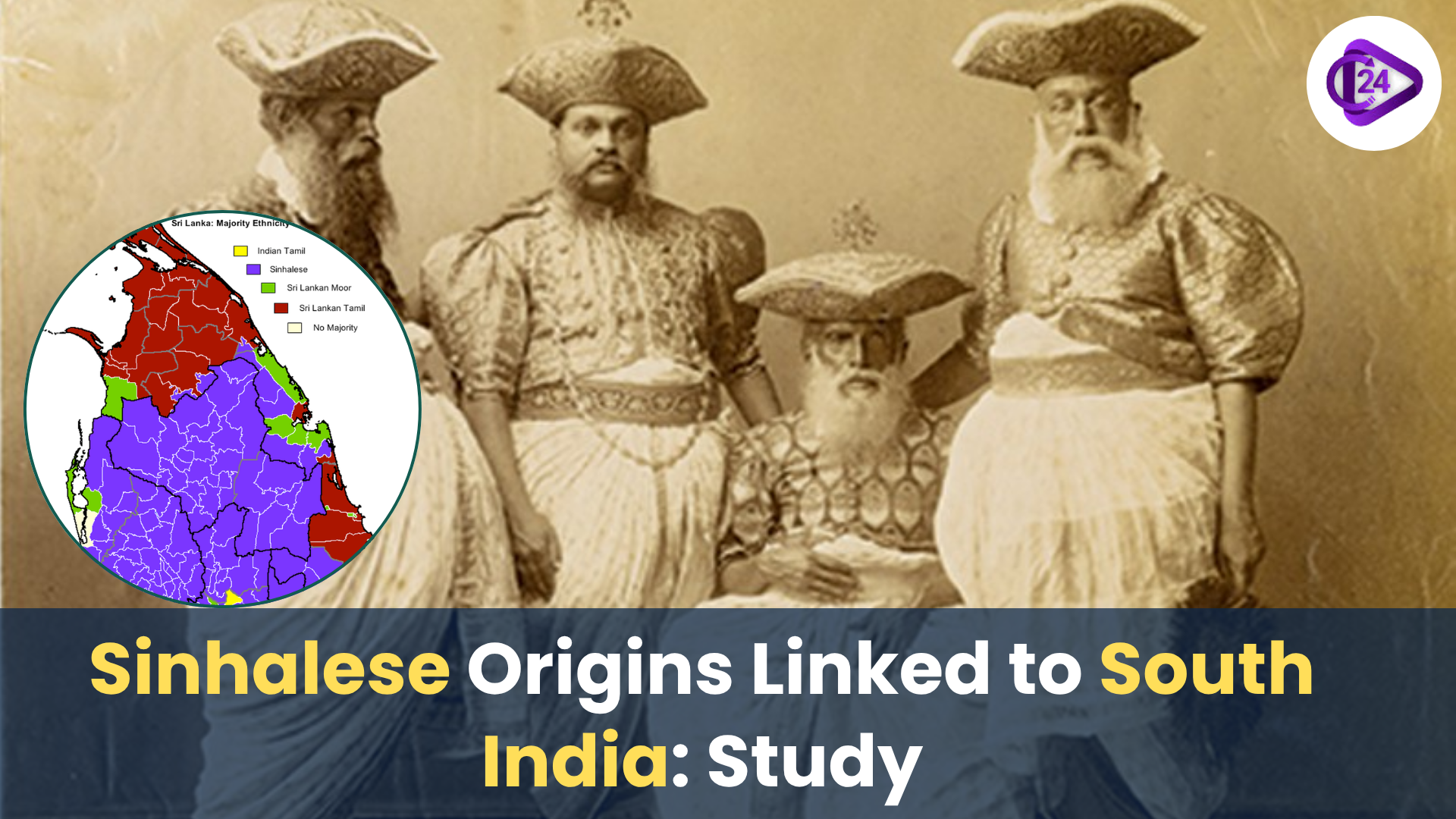
Sinhalese Origin Traced to Southern India: Genome Study Reveals Ancient Interactions with Sri Lankan Adivasis

A genetic research conducted recently has found out that Sinhalese people in Sri Lanka were probably a population, originated in Southern India, between proto-historic times and 3,000 years back, followed by an amalgamation by the neighborhood inhabitants, known as the indigenous Adivasi. The article was published in Current Biology and involved studying whole-genome sequences of Sinhalese, and two Adivasi clans Coastal and Interior, and Sri Lankan Tamils. The study disputes previous theories of Sinhalese origins being in places in North India and how genetic evidence showed that the Sinhalese were genetically closer to the Dravidian-population groups in South India. It also throws light to population diversity, endogamy and genetic health risk among Adivasi communities.

Context

  • The Sinhalese are genetically the nearest to South Indian Dravidians populations and the Sri Lankan Adivasis as indicated in new genome data, invalidating earlier theories about northern Indian ancestries. 

  • In the research, there is also rich information about genetic isolation and health predisposition of Adivasi tribes.

Key Points

Study Highlights

  • Publication date: October 1, 2024

  • Procedure: Sequencing of the entire genome of:

    • 35 Sinhalese urbanites

    • 19 5 Interior, 14 Coastal adivasi people

    • Sri Lankan Tamils (1000 Genomes Project, 35)

Genetic Introductions

  • Sinhalese are highly genetically related with:

    • South Indian populations who speak Dravidian South indian

    • Sri Lankan Adivasis clans

    • Little Steppe affiliation among Sinhalese (as opposed to the North Indians)

    • There is no significant genetic connection to North India, notwithstanding Indo-European language (Sinhala)

Language Vs Genetics

  • Sinhala language is Indo-European which usually is in northern India

  • Genetic information refutes linguistic presumption

  • Potential cause: non-significant-gene-flow language transmission (the elite dominance model)

Adivasi Insights

  • Traditional hunter-gatherer being that has more past ancient hunter gatherer heredity

  • On a refinements, genetically different than Sinhalese

  • Endogamy at display and population size Smallness

  • Interior Adivasi possess greater genetic drift and low diversity in comparison to Coastal Adivasi

Historical Correlation

  • Migration of Sinhalese reaches back to ~3,000 years ago which coincided with Sri Lankan chronicles (500 BCE)

  • India (ANI-ASI era) was the scene of dynamic mixing of the genes, which was a case of migration of the genetic material.

  • Sustained cultural exchange is genetically supported by the biological connections between India and Sri Lanka

Conclusion

This pioneering genome research changes our perception of Sinhala ancestry in that a substantial genetic inheritance had a strong South Indian basis instead of a northern source. Moving forward it also underlines the centrality of genetics in unlocking the history of migration and emphasizes the necessity to pay attention to how health and demographic principles can target a discontinuous, vulnerable group of Adivasis in Sri Lanka.

Union Minister Inaugurates C-FLOOD: India’s Unified Inundation Forecasting System

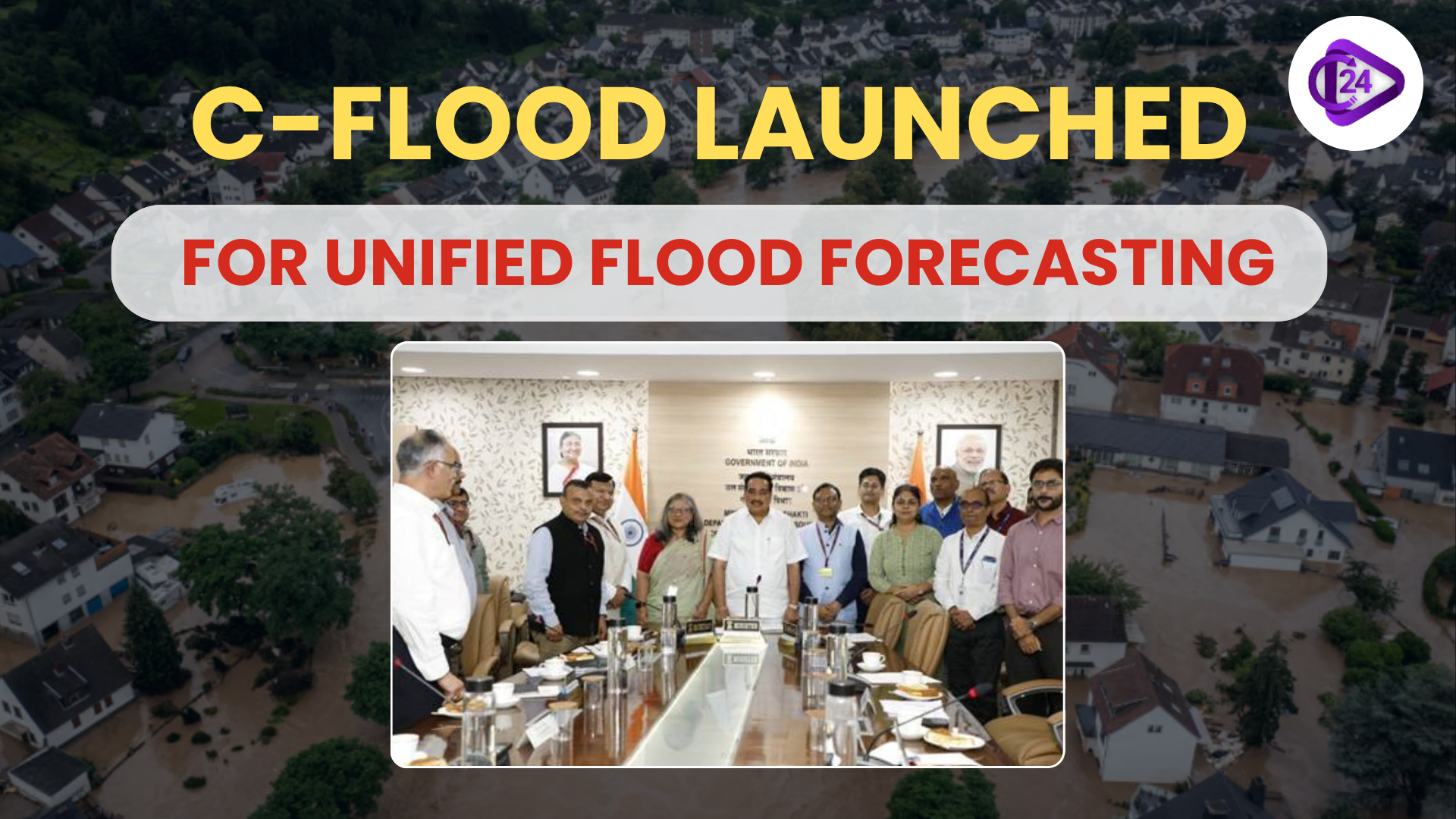
C-FLOOD, a web-based system to forecast floods designed during the National Supercomputing Mission (NSM), was launched on July 2, 2025, by the Union Minister of Jal Shakti Shri C. R. Patil. The system gives the village level two-days in advance flood forecasts in terms of maps and prediction of the water level. It combines the flood modelling of C-DAC, CWC, and NRSC and first of all, the Mahanadi, Godavari and Tapi river basins are covered with it. The platform uses a 2D hydrodynamic-modelling, which is high performance-based. This is a decisive moment on the way to enhancing disaster response and data-driven flood management in India.

Context

  • C-FLOOD is a novel single unified flood forecasting system which gives early-warning alerts of village-scale inundation through high computing power. 

  • It increases the preparedness of India against disasters by combining the models found in the major river basins.

Key Points

About C-FLOOD 

  • Full name: No expanded name but it abbreviates to Unified Inundation Forecasting System

  • Nature: Web-based decision-support

  • Forecast Range: This feature extends the forecast range up to 2 days of forecasts of inundation by flood, inundation extents and water level predictions

  • Granularity: Until the level of village

Developers and Collaborators

  • C-DAC Pune: NSM technical lead partner

  • Central Water Commission (CWC): Design and Flood modelling

  • NRSC (ISRO): Basin models of National Hydrology Project (NHP)

Ministries Involved:

  • Jal Shakti Ministry

  • MeitY-Ministry of Electronics and Information Technology

  • Department of Science and Technology (DST)

Technical Features

  • 2D Hydrodynamic Modelling: A real-time flood modelling is simulated on a 2D area.

  • HPC Infrastructure: Simulations of Mahanadi are executed in supercomputers in C-DAC

  • Covered River basins: Mahanadi, Godavari, Tapi(additional river bases to be added)

  • Integration Target:To interconnect to the National Disaster Management Emergency Response Portal (NDEM)

Objectives and Benefits

  • Issue of early warning on floods on preparedness and mitigation

  • Support the local district and state disaster management bodies

  • Make data-sharing and integration between agencies easier

  • Allow ground-truth verification and increasing accuracy with the help of satellites

Governmental Guidance and perspectives

  • Extend to cover large river basins

  • Better inform and enlighten the people about C-FLOOD

  • Improve accuracy with ground truth, satellite and validation data

  • Encourage inter-agency coordination (CWC, C-DAC, NRSC, NDMA)

Conclusion

C-FLOOD shows the changing sands of India in terms of technology driven disaster risk reduction in line with the climate resilience and adaptive governance planning parameters. It is representative of the active nature of the government in flood forecasting, emergency planning and democratizing information.

First Ancient Egyptian Genome Sequenced: 4,500-Year-Old DNA Offers Clues to Ancestry and Preservation

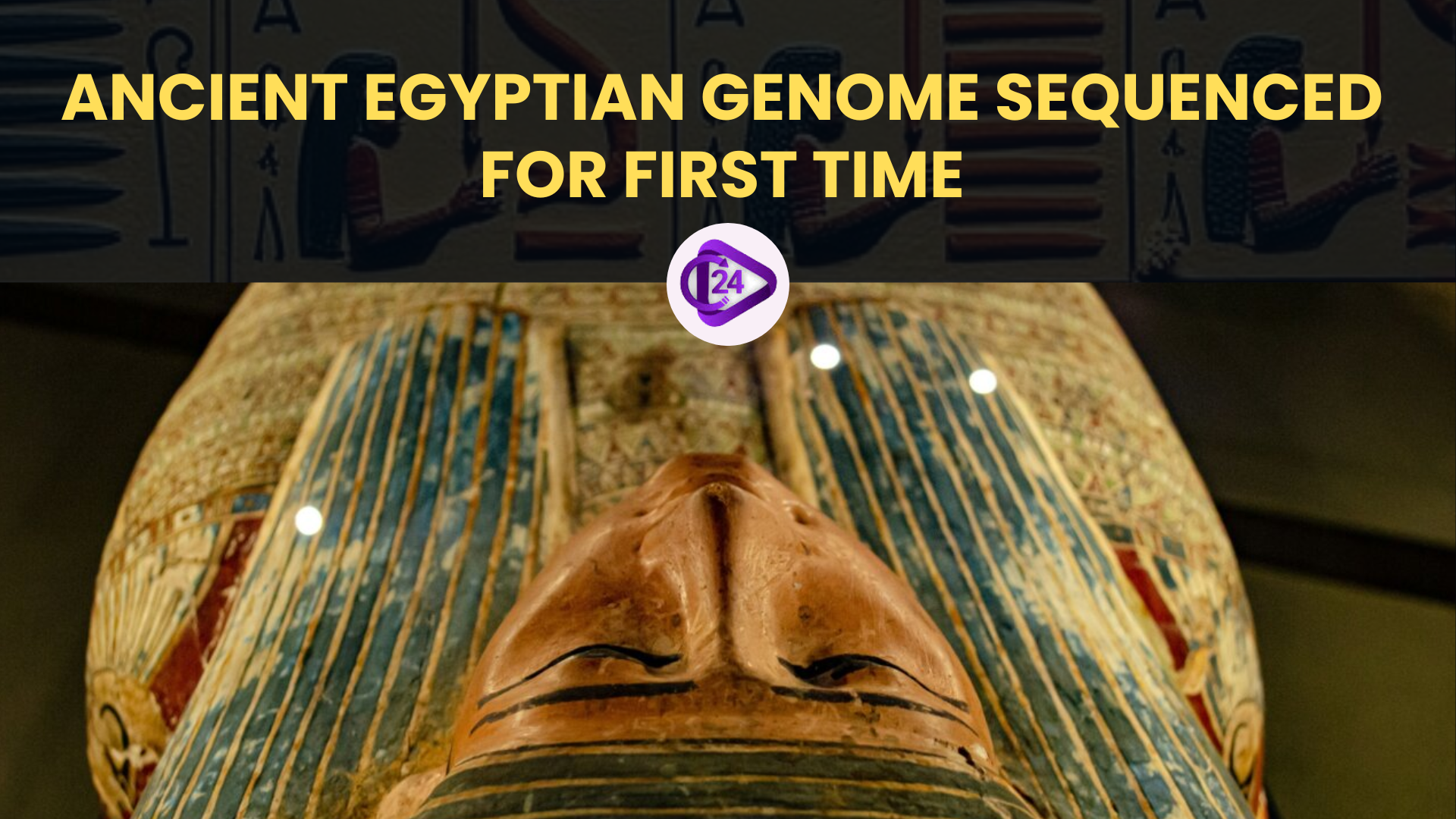
This is the first time that a whole genome of an ancient Egyptian was sequenced, who lived about 4,500-4800 years ago, in the Old Kingdom era. It is the oldest and most complete DNA ever recovered in an Egyptian, extracted from a person buried in a ceramic pot in a rock-cut tomb in Nuwayrah in the south of Egypt. This is a person whose family origin was mainly that of North Africa with limited connections to ancient Mesopotamian farmers. The results give insight to the ancestral heritage and preservation techniques of the civilizations of ancient Egypt. On July 2, the research was posted in the journal Nature.

Context

  • The oldest complete genome study of a male Egyptian mummy, dated to 4,500 years ago showed largely North African ancestry with a Mesopotamian component. 

  • DNA was most possibly well conserved by burial conditions in such harsh climate of Egypt.

Key Points

Discovery context and Burial

  • Location: Nuwayrat, 265 km south of Cairo

  • Burial Style: The body laid in a large ceramic pot in rock-cut tomb

  • Dating Third to Fourth Dynasties (Old Kingdom, 4,500-4,800 years ago)

  • Age of death: 44-64 years

  • Predicted Traits: Brown hair, brown eyes, dark to black skin color, 157 and 160 cm of height

Genetic Findings

  • 78% Ancestry: Prehistoric North Africa (Neolithic Morocco)

  • 22% Ancestry: Early Fertile Crescent farmers (Mesopotamia)

  • Evolvable genetic southward movement by way of Levantine populations (Israel, Syria, Jordan)

Aspects of Scientific and Technological dimension

  • DNA source: Root tips of teeth- the best to store

  • Preservation Factors: Such grave salutations as pot burial and rock-cut tomb due to stable micro-environment despite external heat

  • Significance: the most complete and oldest sequenced ancient Egyptian genome

Implications

  • Illuminates demography and social dynamics in North Africa and West Asia.

  • Offers archaeogenetic implications regarding burials, and the flow of genes in prehistoric societies.

  • Illustrates the relationships between burial environment and preservation practices and the achievement of DNA in archaeology.

What is Ancient DNA (aDNA)?

  • An ancient DNA (aDNA) is a genetic material derived out of ancient biological remains such as bones, teeth or frozen tissues. 

  • It provides clues into the ancestry of humanity, migration, the patterns and course of diseases, and the development of evolution.

Value of aDNA in India

  • Assists in the reconstruction of the ancient genetic background of populations.

  • throws some light on Indus Valley Civilization, Aryan migration, Dravidian ancestry and tribal origins.

  • Combines archaeology, history and genomics to make evidence based conclusions.

Important India Human Ancient DNA Studies

1. Rakhigarhi Study (Indus Valley Civilization)- 2019

  • Journal: Cell (September 2019)

  • Directed by: Deccan College, Pune & Harvard Medical School

  • Sample: 4,600-year-old female skeleton of a person excavated in Rakhigarhi, Haryana

  • Findings:

    • The steppe pastoralists (Aryan) were not the ancestral roots of IVC.

    • The nearest contemporary genetic connection: South Asians, specifically Dravidians and a certain amount of tribal people.

    • Indicates that there must have been a pre-Indo-European continuity genetic contribution in the sub-continent.

2. DNA Analysis of Roopkund Skeletons (2020)

  • Publication date: August 2020 2020, Nature Communications

  • Sample: 38 roopkund lake skeletons, Uttarakhand

  • Findings:

    • There are two genetically different groups:

      • One of the South Asian (800 CE)

      • The other one is a specimen of the eastern Mediterranean (Greek/Crete, c. 1800 CE)

      • The traces of several migration acts or pilgrimages during centuries

3. Projects of BSIP (Birbal Sahni Institute of Palaeosciences)

  • Focus: Prehistoric and protohistoric pre human and animal DNA study Prehistoric, Prehistoric Ancient animal DNA Prehistoric

  • Locations: Mehrgarh, Dholavira, Sanauli and so on

  • Partnerships with ICMR and AIIMS to combine paleogenetics to the study of diseases and health werden

4. Megalithic Burials DNA Analysis

  • Districts: Andhra Pradesh, Karnataka, Tamil Nadu

  • Current work in seeking tribal origin and descent and relationship with Aboriginal first speakers of dravidian

Problems of Ancient DNA Research in India

  • DNA in hot and humid climates decays very fast

  • Historically, poor protocols of excavation preservation

  • Moral and ethical issues of testing human remains

  • Few centers of expertise in aDNA (but this is getting better)

Conclusion

The arranging of the 4,500-year-old archaic Egyptian genome is one of the biggest steps forward in archaeogenetics, which is a rare chance to see inside the roots, routine, and dialogs of the early cultures. It demonstrates the capabilities of scientific preservation methods of extreme climates as well.

No Link Found Between COVID-19 Vaccines and Sudden Deaths: Health Ministry

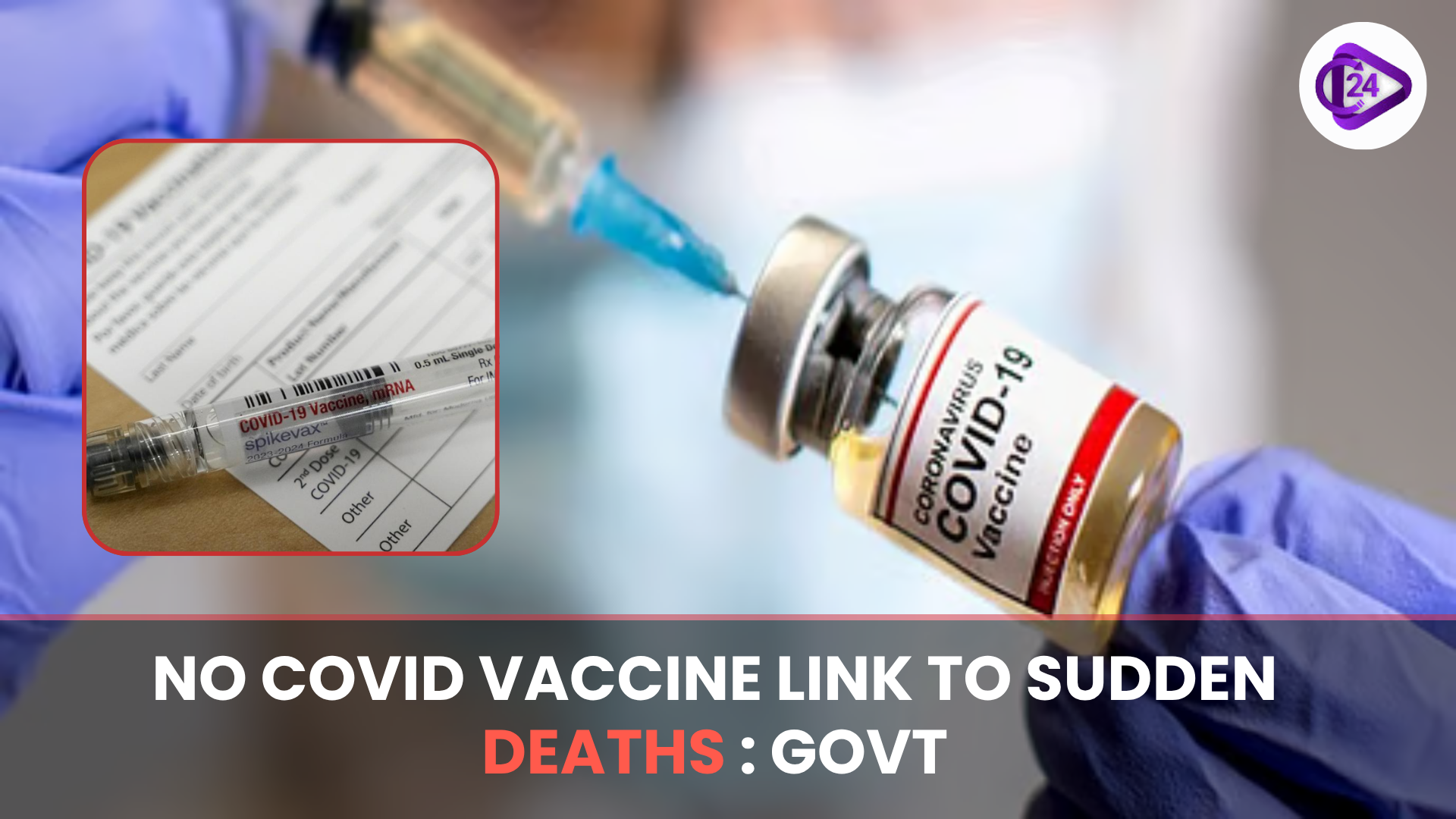
According to the Union Health Ministry, COVID-19 vaccines do not augment the risk of sudden unexplained death, particularly among young adults. This is an elaboration that has been done by the ICMR and the NCDC following stringent research studies. Such research has compared how death rates occur throughout India since the vaccination and have discovered that there was no statistically significant difference in comparison with earlier years. It was identified that more likely causes are genetic factors, lifestyles, as well as post-COVID complications. The Ministry cautioned against the use of misinformation, which is likely to increase vaccine hesitancy.

Context

  • The scientific investigation has not revealed any causal relationship between sudden deaths amid young adults in India and COVID-19 vaccines. 

  • The Health Ministry pointed out that there exists falseness on this matter and which is not scientifically based.

Key Points 

Investigating Agencies

  • ICMR (Indian council of medical research)

  • National Centre of Disease Control (NCDC)

  • AIIMS (in ongoing study) (All India Institute of Medical Sciences)

Important Research and Results

Study 1:

  • Title: Factors related to unexplained sudden mortality among individuals aged 18 45 years in The Indian subcontinent

  • Study design: Retrospective matched case control study

  • Done by: ICMR-NIE

  • Dates: May June July 2023

  • Geographical Divisions: 19 states/UTs and 47 tertiary care hospitals

  • The finding is that there is no association between sudden deaths and COVID-19 vaccines.

Study 2:

  • Title: “Establishing the cause in sudden unexplained deaths in young”

  • Type: Prospective study

  • Performed by: AIIMS (with collaboration of ICMR)

  • Initial Grasping: The most frequent cause of sudden death among the adult population is a heart attack (myocardial infarction)

Reasons found behind the sudden deaths

  • Genetic predispositions

  • Harmful recreational activities (e.g. smoking, drug abuse, stress)

  • Pre Existing conditions (e.g. untreated condition of the heart)

  • Post-COVID-19 complications

Government’s Stand

  • Against faith in the safety of vaccines

  • Misinformation can result in vaccine terrorization, which should be warned.

  • Highlighted the life-saving quality of vaccines against the pandemic

About vaccine misinformation

What is Vaccine misinformation?

  • intentionally or unintentionally inaccurate or misleading information regarding vaccines. It has proved to be a tremendous challenge to public health policy especially in health emergencies such as the COVID-19 pandemic.

How Vaccine Misinformation Affects Public Health Policy

1. Vaccine Hesitancy

  • Definition: Refusal or acceptance delay of vaccines even when available.

  • Effect: Decreases the coverage of vaccination opening up the potential of losses to herd immunity.

  • Example: India: Rumours of infertility induced by COVID-19 vaccine vaccines led to suspicion in the rural areas.

2. Healthcare Systems Pressure

  • The false information results in reduced vaccination rates, which predisposes people to greater promotion of the disease.

  • Increased hospitalization and number of admissions into ICUs strain an already overextended public health infrastructure.

3. Erosion of public trust

  • Confidence in science, experts and institutions is compromised.

  • Makes future health ones harder to deal with (e.g. booster shots, campaign to immunize children).

4. Policy Redirection

  • Governments might have to reserve budget towards counter-misinformation initiatives at the expense of the primary health facilities.

  • Mismanagement of universal immunization programmes such as Mission Indradhanush.

5. International Ramifications

  • Influences international traveling regulations and vaccine export (since the lack of faith in vaccines may cause coverage imbalances).

  • The low vaccine-confidence countries could be restricted to various degrees or dealt with limited organization in international health arenas.

6. Legal and ethical Dilemmas

  • The controversy is about compulsory vaccination, freedom of speech or the safety of the masses.

  • Falsehood makes policy making about the use of coercion vs. persuasion on vaccine outreach hard to come by.

Creating Strategies to Counter Vaccine Misinformation

  • Citizen Education Programs

    • Through the involvement of community leaders, influencers and local media.

    • Ex. The Har Ghar Dastak campaign of India.

  • Regulation and Fact-Checking

    • Collaborations, such as with Twitter, WhatsApp, YouTube users are used to report or delete misinformation.

    • Promoting reliable scientific websites by government sites.

  • Legal Frameworks

    • Penalizing deliberate misinformation using law such as the Information Technology Act, Disaster Management Act or the Epidemic Diseases Act.

  • Civil Society interaction

    • Working with NGOs, health workers, ASHA workers to give grassroots information.

Conclusion

The evidenced-based stand of the Indian government has shown that there was no relevance between COVID-19 vaccines and sudden deaths among young adults. This increases the confidence of the people in scientific procedures and the relevance of evidence-based health communication in addressing misinformation.

Phone Tapping Not Permissible for Crime Detection: Madras High Court

In a landmark decision, in a plea by the Ministry of Home Affairs to permit phone tapping to detect general crime, the Madras High Court threw out the plea. Justice N. Anand Venkatesh stressed that phone tapping amounts to a dangerous act of intrusion in privacy and should strictly operate under the Section 5(2) of Indian Telegraph Act, 1885. The justification of such measures, according to the court, may be applicable in cases of the public emergency or the public safety only. The decision makes Article 21, which places the right to privacy as a fundamental right, even stronger. Within the case was discussed the phone tap that occurred in 2011 to detain a bribery suspect who was serving in the field of government.

Context

  • Madras HC passed a judgement that phone tapping is unconstitutional unless it is justified under the circumstances of public emergency or under the public safety. 

  • Instead, it declined to encompass the purview of Section 5(2) of Telegraph Act to find crimes.

Key Points

Legal Framework

  • Law Applicable: Section 5(2) of the Indian Telegraph Act, 1885

  • Allows Phone Tapping, In the Following Conditions:

    • There is a public emergency, or

    • It is in the interest of public safety

Case Background

  • The petitioner is P. Kishore of Everonn Education Ltd.

  • Problem: There was a case of his phone tapping with an order of MHA, which resulted in the bribery of a tax official.

  • Ruling: The tap was unconstitutional; this recording can not be presented in a court as evidence.

Important Insights of the Court

  • Right to Privacy is a fundamental right under Article 21.

  • The only role of the court is to review the passing of legal thresholds.

  • Judiciary is denied the capability of enlarging statutory powers of the executive.

  • Cited the PUCL (1996) and the K.S. Puttaswamy (2017) of the right to privacy.

Constitutional Implications

  • Reiterates that there is no compromise on privacy unless there are extreme circumstances.

  • Strengthens the controls of executive excess in surveillance.

  • Forms judicial oversight to protect the misuse of the surveillance authority.

Conclusion

The ruling is a robust confirmation of the constitutional right to privacy, and it places clear limits on the state powers of spying. It highlights the relevance of the safeguards created by the legislation and the role of the judiciary to exercise their duty of protection of the fundamental rights not only in opposition of the state interests, such as prevention of crime.

PM Modi Embarks on Five-Nation Tour, to Attend BRICS Summit and Boost Global South Ties

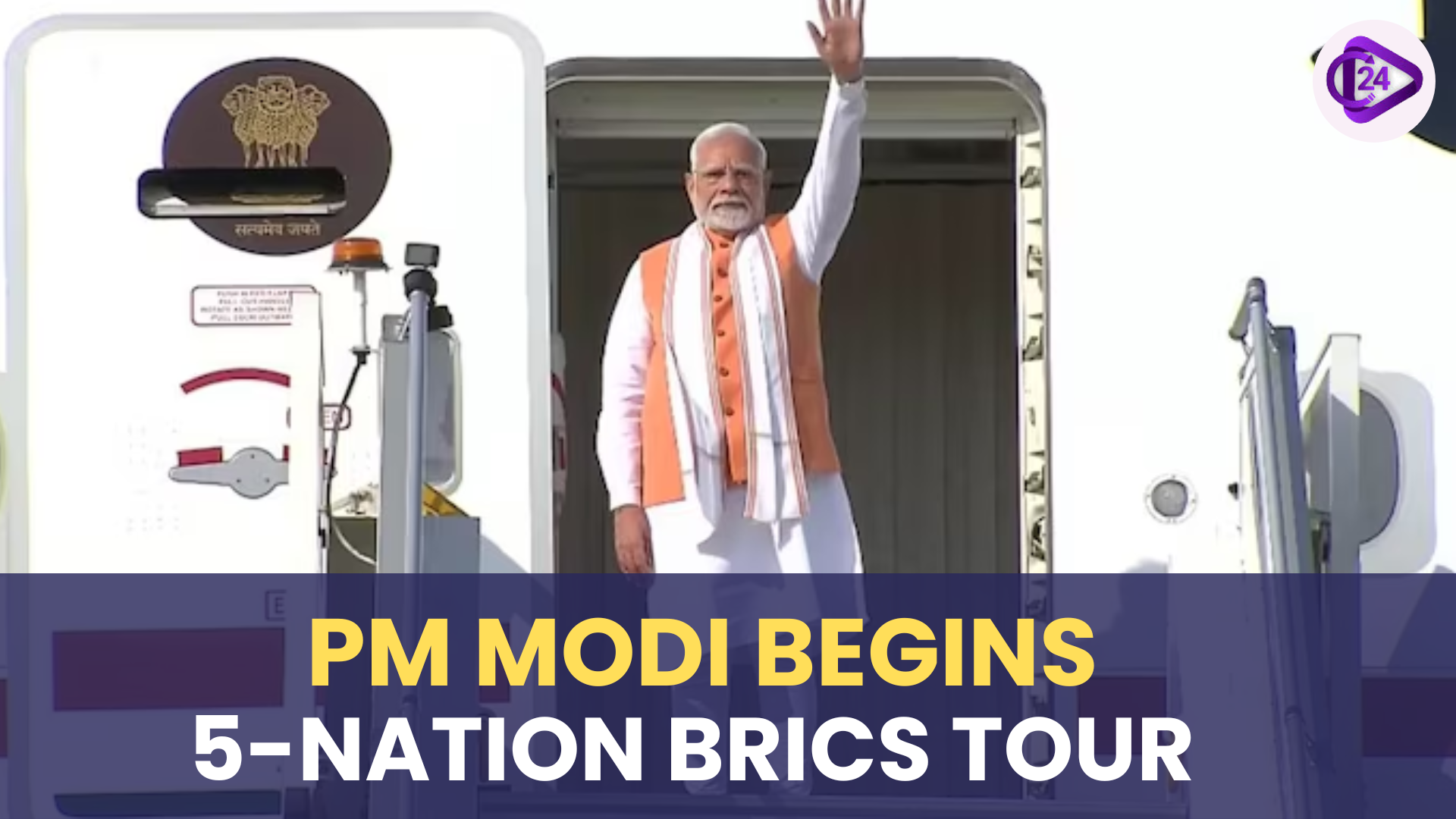
The Indian Prime Minister Narendra Modi launched a series of five country diplomatic visits on his visit to Ghana where he received a rousing welcome by the president John Mahama. The tour is meant to strengthen Indian relations with the Global South and it will also take the president to Ghana, Trinidad and Tobago, Argentina, Brazil, and Namibia. The BRICS meeting in Brazil will be attended by PM Modi and he is likely to have several bilateral meetings. He highlighted that BRICS is the way forward to maintain (s) a balanced, multipolar world. The tour also involves Ghana and Trinidad and Tobago conferring the highest state honours on PM Modi.

Context

  • The tour of five countries organized by PM Modi focuses on enhancing collaboration with the Global South as well as reinforcing Indian participation in the BRICS. 

  • In Ghana and Trinidad, he will get the highest honours and speak in several parliaments as well as advance vaccine and economic diplomacy.

  • BRICS 2025 Summit: It will be organized in Rio de Janeiro, Brazil, on July 6-7, 2025.

Key Points

Reason of the Visit

  • Intensify collaboration in the Global South.

  • Participate in the BRICS meeting in Brazil and facilitate a multipolar world order.

  • Initiate the search of bilateral relations with countries in Africa, South America, and the Caribbean.

Key Destinations

  • Ghana: Bilateral meetings with President Mahama Visiting fellow of the Imperial Society of Teachers of Dance Visit Parliament and discuss health and vaccination partnership.

  • Trinidad and Tobago: Honored by PM Kamla Persad Bissessar; to be awarded with Order of the Republic of Trinidad and Tobago; strengthening the ancestral heritage and culture.

  • Brazil: BRICS summit in Rio de Janeiro, state visit in Brasilia, moments to continue advancing the agenda of the Global South.

  • Argentina: Bilateral activity in order to expand strategic relations.

  • Namibia: President Netumbo Nandi Ndaitwah receives Namibia; Speaks to Joint Session of Parliament; increases cooperation in energy and development.

Themes and Areas of Focus

  • South-South cooperation

  • Partnership in vaccine production (case of Ghana)

  • Capacity building/Investment

  • Focus on peaceful, fair and equal international order

Diplomatic Significance

  • State honours recall the increased global influence of India.

  • The visit is the message of India in redesigning world governance.

  • Enhances the credibility of India as one of the emerging economies.

About BRICS

What is BRICS?

  • BRICS is a multilateral bloc comprising of five emerging major economies:

  • Brazil, Russian, India, China and South Africa.

Formation and Evolution

  • Formed: 2006 (originally the BRIC; with the inclusion of South Africa in 2010)

  • Objective: Aim is to revise the global financial and political institutions because of the emergence of the emergent economies.

  • New members added: 2010 including South Africa

    • During the Johannesburg Summit 2023, the BRICS embarked upon welcoming six new countries as its members:

    • The United Arab Emirates, Argentina, Egypt, Ethiopia, Iran and Saudi Arabia.

Key Goals:

  • Disseminate peace, security and development

  • Encourage economic growth and multilateral trade

  • Promote the multipolar world order as the offset of western dominance

Important BRICS Mechanisms and Institutions

1. New Development Bank (NDB)

  • Was founded in 2014 (Shanghai headquarters)

  • Investments into sustainability and infrastructural development in BRICS and other emerging markets.

  • India itself has been one of the biggest beneficiaries and contributors to it.

2. Contingent Reserve Arrangement (CRA)

  • Gives financial assistance in terms of currency swaps in times of balance of payment crisis.

  • Increases the economic stability of the members.

3. BRICS Summits

  • Annual meetings of coordination of policies on:

    • Global governance

    • Climate change

    • Development and health

    • Trade and investment

The Role of India in BRICS

  • Strategic Voice of the Global South

    • India has always used BRICS to push its agenda in relation to the developing countries.

    • Emphasis on global inclusive and multilateralism reformed.

  • Advocate Reforms in UN

    • The lobbies of permanent membership of the UNSC and a greater Global South representation.

  • Economic Cooperation

    • India is encouraging collaboration in the digital economy, green technology and energy security.

    • Organizes BRICS Start Up Forums, Business Council and other ministerial meetings.

  • Check against China

    • As long as there is cooperation, India has been using BRICS as the platforms to negotiate with China on a neutral ground, particularly after border tensions.

  • Vaccine and Health Diplomacy

    • India is promoting BRICS Vaccine Research & Development Centre during COVID-19.

    • Enhances health equality and preparedness on the pandemic.

Challenges in BRICS

  • Geopolitics (e.g., Indian and China border conflict).

  • Dissymmetry of size of the economies (China wins).

  • Foreign policies having no cohesion.

  • Weaknesses of institutions and gaps in implementation.

Indian Vision for BRICS 

  • A number of people who have been democratized by a multilateral system of fairness and equality.

  • Technological innovation-based expansion through collaboration in terms of digital infrastructure, fintech, and AI.

  • According to its slogan, it advocates climate justice, sustainable development, and energy transitions.

Conclusion

The strategic five-nation tour undertaken by PM Modi assures the Global South that India is committed to the Global South and that it will be taking the leadership role in BRICS. The visit is an important point of India's multipolar foreign policy initiative with high-level interactions, bilateral collaboration, and symbolic awards.

Frequently Asked Questions (FAQs)

The current affairs cover recent national and international events related to UPSC, SSC, Banking, Railways, and State PCS.

You need to read about the current affairs daily, and revise them every week and every month to keep them longer in your memory.

Yes, Class24 provides free downloadable Daily Current Affairs PDFs for easy revision.

Yes, you can practice MCQs and quizzes to boost your exam preparation.

Absolutely. The content is written in simple, easy-to-understand bilingual language suitable for beginners.

Go to class24.com and click on the current affairs section directly, where you find everything that you need.

ssc-toppers

Start Learning Today with Class24

Related current affairs

Class24 offers free video lectures for smart preparation, covering CGL, CPO, CHSL, MTS, and GD exams. Learn from expert faculty, revise concepts easily, practice with PYQs, and improve speed and accuracy through high-quality, exam-focused video lessons anytime, anywhere.

Get success in your hand. Start study anytime anywhere.

The journey becomes simple and enjoyable when you start taking interest in it. And through our app “Class24”, we will be your trusted partners in developing that interest.

Daily Quizzes
Mock Tests
Ongoing

No ongoing tests right now.