Day: June 30, 2025

India’s Population Census 2027 to Begin with House Listing Phase in April 2026

Registrar-General of India (RGI) has declared the initial stage of the Population Census 2027, which is going to commence on April 1, 2026. The step will entail the HouseListing and Housing Schedule (HLO). On behalf of this, planning will be done, and the administrative boundaries are to be completed by the end of 2025. The census will also be done digitally for the first time and a total of 34 lakh enumerators and supervisors will participate in this exercise countrywide.

Context

The HouseListing and Housing Schedule of India Population Census 2027 will begin in April 2026 which will be its first phase. It will be a digital exercise that will comprise millions of enumerators.

Census Phases:

  • HouseListing and Housing Schedule (HLO): This will be implemented in April of 2026 and will gather the information on housing conditions, house composition and facili- ties.

  • Population Enumeration (PE): To pursue it, this step will record the specific demography and socio-economic skills, with a reference date of March 1, 2027.

Freezing of Administrative Boundaries:

  • The RGI has stated that any administrative boundary change has to be concluded before the 31 st of December 2025. This involves the delimitation of police stations, tehsils and districts.

Census 2027 Preparatory Steps

  • Enumeration Blocks: There are about 24 lakh enumeration blocks (EB) which have been finalized in the 2021 Census and would probably be considered in the 2027 Census. Each of the blocks tends to stretch 150-180 houses or 650-800 individuals.

  • Census Functionaries: A massive group of about 34 lakh enumerators and supervisors will be used in the digital Census, and also there are 1.3 lakh other Census functionaries.

Caste Enumeration

  • Inclusion of Caste Data: The Census will for the first time ever after 90 years, reveal detailed caste data. The Union Cabinet gave its approval to this on April 30, 2025, as a part of the Population Census-2027.

What is Gathered In the Census?

  • HLO Data: The initial stage gathering the aspects like family structure, the material of the house, the type of ownership, facilities of the house (water, electricity, sanitation), cooking source, appliances like TV, phone and car, etc.

  • PE Data: The second step would include taking details of the demographics such as name, age, sex, marital status, education, occupation and status as caste/tribe.

Population Enumeration (Forecast in February 2027)

Record data at individual level:

  • Name, age, sex, relation to the head of the household

  • Occupation, religion, education and marital status

  • Caste / tribe status, disability, migrant background

  • Even the homeless people will also be counted.

In 2027, the Census Digital Leap

  • Self-Enumeration: The households have a chance to complete information pertaining to them through a portal in government or a mobile application.

  • Smartphones as Data Recorder: Enumerators will use smartphones or hand set with an installed data collection application.

  • Real-Time Monitoring: The Census Management and Monitoring System (CMMS) will monitor the progress, address the problems and make sure that the data is of high quality.

What makes the 2027 census different from the 2011 census?

Aspect

2011 Census

2027 Census

Mode of Data Collection

Fully paper-based

First fully digital census, minimal paper use

Use of GPS & Geofencing

Not used

GPS tagging of houses and geofencing for accuracy

Error Detection

Manual checking, limited automation

Mobile alerts to flag unusual entries in real-time

Data Entry Method

Manual entry with written forms

Pre-programmed dropdowns for standardized digital input

Data Processing Speed

Slower due to manual collation

Faster and automated with real-time syncing

Accuracy

Prone to human error and inconsistency

Higher accuracy due to automated validation checks

Enumerator Tools

Pen, paper, printed forms

Tablets/smartphones with census app

Challenges in the 2027 Census and way forward

  • Digital Literacy: Enumerators lack knowledge of digital tools, many of them. Solution Multilingual features interfaces as well as intense training of enumerators.

  • Access in Rural Areas: The rural areas have poor connectivity. Resolution: the app will be offline and will sync the data after connecting.

  • Technical Problems: A prospect of bugs or malfunctions of software in the field. Solution: Real-time field support and trouble-shooting tools.

  • GPS Drift: incorrect GPS tagging. Solution: It will be through manual adjustments of coordinates by supervisors.

  • Respondent Reluctance: There are those who will not want to provide personal data. Solution: To train enumerators on soft skills and legal procedures to overcome fear.

Conclusion

Census 2027 will be a revolutionary step in the history of data collection in India where digital technologies and real-time follow-up will allow a new degree of accuracy and efficiency in the process. The addition of caste information is a major activity that is leading to a lot of awareness about the social fabrication of India. Although the issues of digital literacy and connectivity are observed, they can be avoided with relevant training and technical assistance. This is because a digital-first system offers speediness and certainty of data, which will be essential in decision-making regarding policies and development planning.

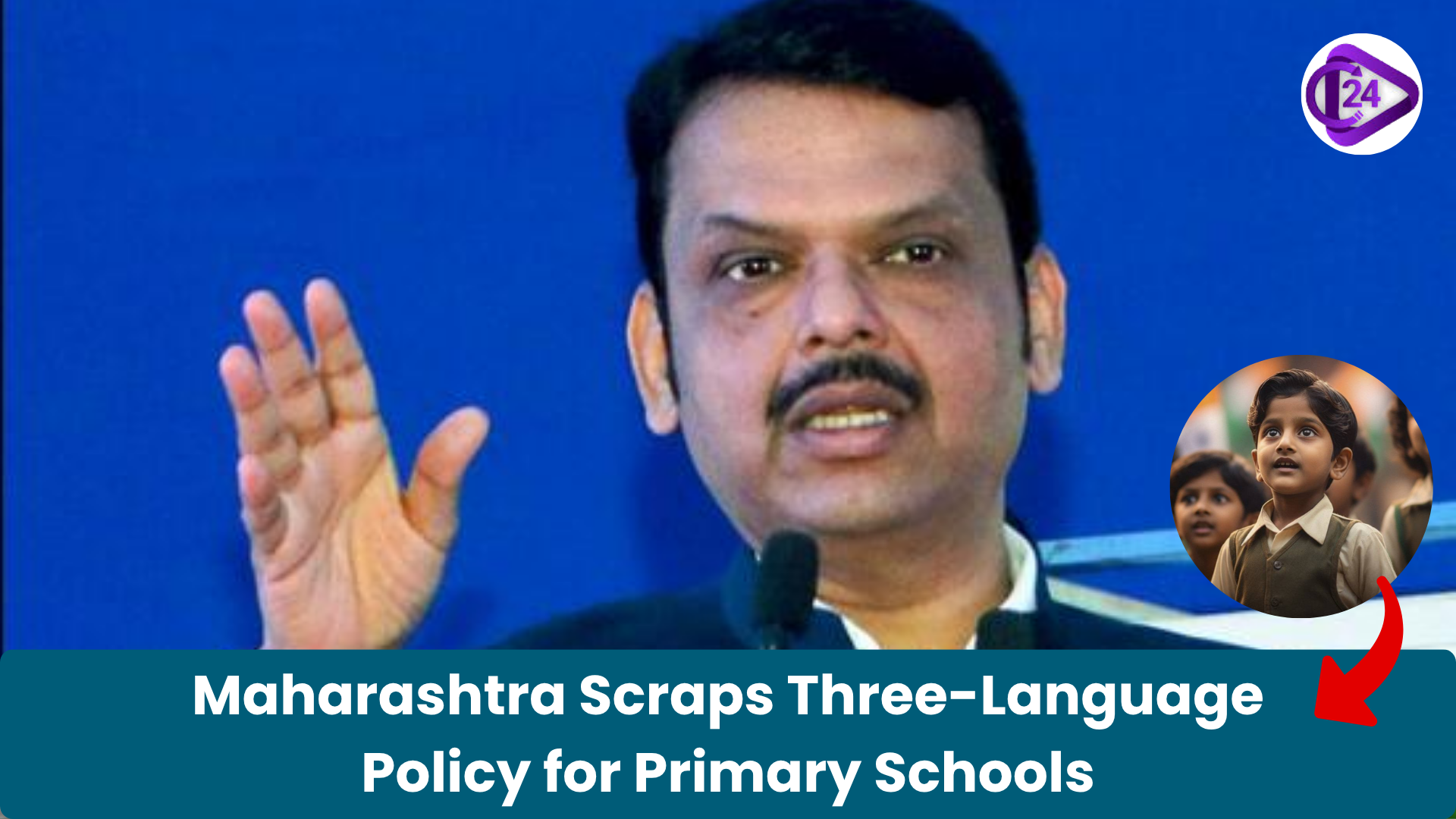
Maharashtra abolishes Three-Language Policy in Primary Education

After massive outcry by various political parties, activists and academicians, Maharashtra has decided to do away with the controversial three-language policy applicable in Classes 1 to 5. The policy was very unpopular and was scrapped amid huge resistance because the country had planned to implement three languages in primary schools. The policy has now resulted in forming a committee by the government to look into the future of the policy and recommend the grade where the policy should be implemented. The opposition parties including the Thackeray cousins have celebrated this to be a successful protest on consensus among the Marathi people. But the position occupied by the newly-created expert panel is questioned.

Context

  • Maharashtra finally repeals the three languages policy in administrative schools following a long campaign against this three languages policy but establishes a committee to determine whether such policy is to be pursued in future. 

  • Experts and opposition leaders are cautious on the role of the panel.

Key Highlights

What is the Three language policy?

  • NEP 1968: It required Hindi to be taught in all the states of the country, and some states had language specifications. The Hindi-speaking states were compelled to teach Hindi, English, and a South India language whereas non-Hindi states were to teach the local language, Hindi and English.

  • NEP 2020: Maintains the three-language formula and inspires freedom of choice of languages, two to be used for the students originating in India, and the one may be any regional or Sanskrit.

  • Attention to Bilingual Instruction: There is an emphasis on bilingual instructions with special focus on home language/mother tongue and English.

  • Sanskrit: It pays particular attention to Sanskrit as a possible third language.

Importance of Three-Language Formula

The 3-language Formula has a number of positive features, especially when it comes to such areas as the development of communication skills, integration of a nation, and professional opportunities.

  • Develops Multilingual Abilities: Promotes the tendency to learn not one, but several languages, which also enhances cognitive abilities and allows to communicate more effectively.

  • National Integration and Cultural Exchange: Overcomes the communicative barrier, encouragement of Hindi outside the Hindi speaking or regional language in the non-Hindi speaking states and vice versa, makes people feel united.

  • Greater job security and employment: Being multilingual increases the chances of building a career and mobility and greater education in other states.

  • Empowers Regional Languages: Promotes the active use and preservation of regional languages to keep it out of the sidelines.

Concerns Surrounding the Three-Language Formula

In spite of its benefits, the Three-Language Formula also has various issues especially in the provision of Hindi imposition and its practicality.

  • Feel of Forced Hindi: States such as Tamil Nadu, West Bengal and Karnataka reject the formula, as they feel it is an endeavour to push Hindi over the local languages.

  • Issue of Practical Implementation: In many schools, there is the problematic shortage of potential candidates to teach additional languages which is a problem to implement.

  • Overload of Students: The formula increases the academic pressure particularly those who have a problem in language acquisition and it increases the burden on them to handle them.

  • Possible Disregard to Foreign Languages: Critics state that the students are to be promoted in the learning of the global languages (such as French, German, or Mandarin) to succeed in their international careers rather than a third Indian language.

Way Ahead

There has to be a middle ground found in order to clear the differences and make the Three-Language Formula successful.

  • Positive Discussions: The Centre and the States must also discuss constructively and find a workable compromise that takes into account the regional preferences and, at the same time, preserve cohesiveness in the country.

  • Shared responsibility: The responsibility in the implementation of the policy is shared by the Centre and the State as the subject of education is a concurrent subject.

  • Significance of Samagra Shiksha: The debate on the third language should not be used to slow down the release or implementation of Samagra Shiksha as it helps to aid the educational changes and provide quality education.

Schemes related to three language policy

Scheme/Initiative

Year (With Effect From)

Focus

National Education Policy (NEP) 2020

2020

Emphasizes three-language formula in school education

Samagra Shiksha Abhiyan

2018

Supports multilingual teaching and textbook development

Central Hindi Directorate (CHD)

1960

Promotes learning and teaching of Hindi across India

Kendriya Hindi Sansthan

1960

Trains teachers in Hindi as a second/third language

Navodaya Vidyalaya Scheme (NVS)

1986

Follows three-language formula in school curriculum

Kendriya Vidyalaya Sangathan (KVS)

1963

Implements the three-language policy in KVs

Language Education under EFLU and CIIL

1969 (CIIL), 1958 (EFLU)

Supports language education, research, and training

Bhasha Sangam

2018

Promotes familiarity with 22 scheduled Indian languages

Ek Bharat Shreshtha Bharat (EBSB)

2015

Encourages learning of languages of other Indian states

Digital India Bhashini (AI-based language platform)

2022

Enables multilingual access to digital content and services

Conclusion

The Three-Language Formula belongs nowadays to the Indian educational policy, which is aimed at enhancing multilingualism and integration. But it should be implemented with consideration of the regional sentiments, the issues affecting the availability of teachers and the workload of students. The initiatives of the government including the PM SHRI scheme and Samagra Shiksha Abhiyan will be instrumental in enhancing the larger educational system and in making sure that the formula is effective, inclusive and balanced in all states.

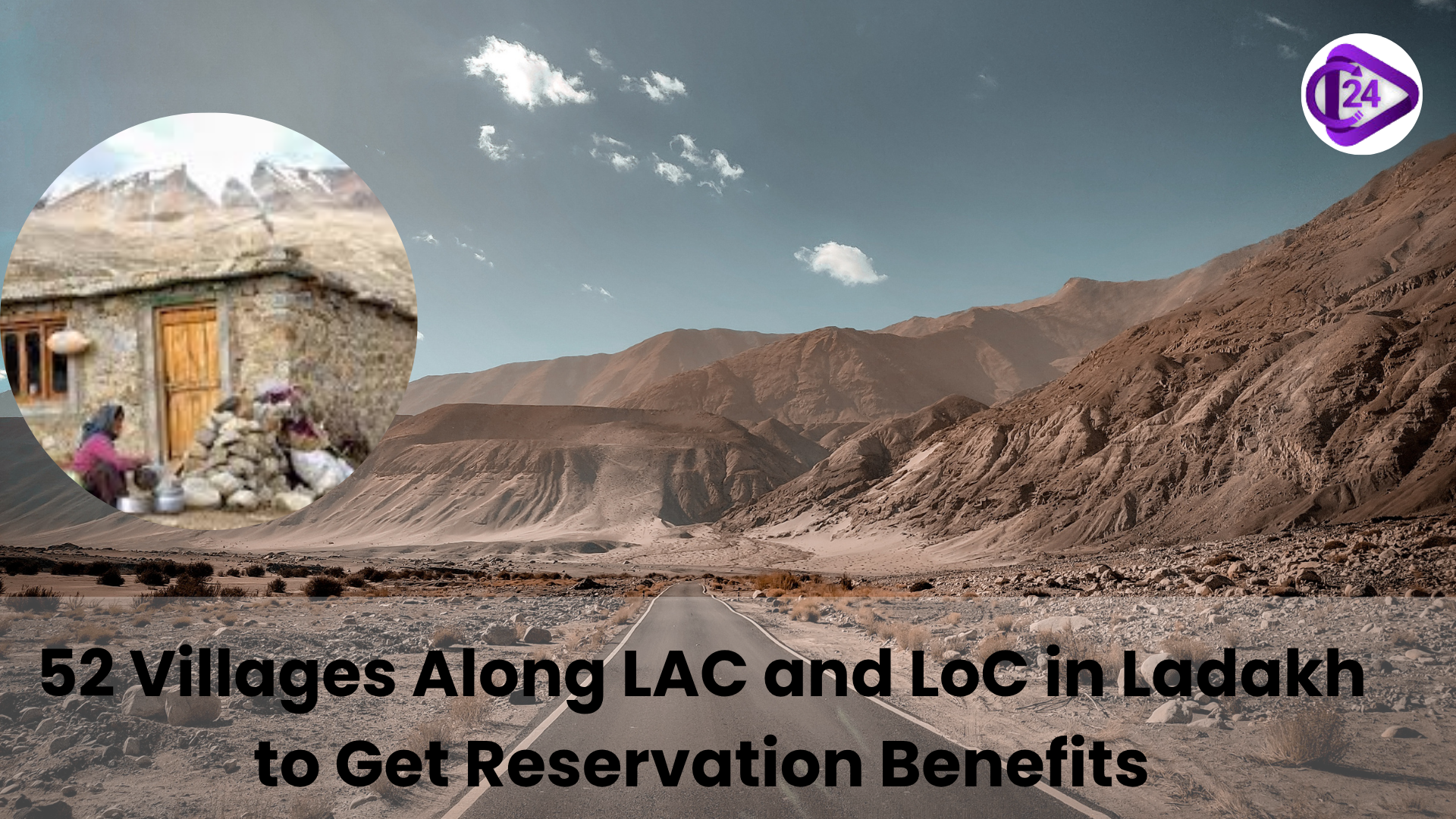
52 Villages Along LAC and LoC in Ladakh to Get Reservation Benefits

The Union Territory of Ladakh has proclaimed 52 villages across the Line of Actual Control (LAC) and Line of Control (LoC) a reserved area. Such a step will enable the people in these villages to enjoy reservation during recruitment and other areas. The move covers 18 villages in Leh and 34 in Kargil districts after a commission headed by Justice Bansi Lal Bhat made a report.

Context

  • On the LAC and LoC, Ladakh administration has declared 52 villages as reserved areas as per the Jammu and Kashmir Reservation Act, 2004. This will provide the people in these villages with reservation in many sectors.

  • Declaration of Reserved Areas: 52 villages in Ladakh, 18 in Leh and 34 in Kargil will now benefit under the Jammu and Kashmir Reservation Act, 2004 with respect to being located within the LAC and LoC.

Key Details

  • Amendment of Law; The declaration was made through Legal Amendment of the Ladakh Reservation (Amendment) Regulation, 2025 which sets up that the areas qualify to receive benefits under the Reservation.

  • Commission and Process: The villages to which the benefits of the reservation were to be given, were found out by a one-member commission, which was chaired by Justice Bansi Lal Bhat. A final report of the commission was filed in December 2024 and subsequently okayed by the Ladakh administration.

  • Objective: This is meant to give the inhabitants of these regions of strategic importance better advantages in their recruitment and other sectoral activities.

  • Implementation: Such areas have been recognized as reservations by the Ladakh administration by its notification under the amended Act. 

About Ladakh’s new reservation policy

  • New Regulations Notified: Four important rules were notified on June 3, 2025, in Ladakh, such as that of reservation, languages as well as the composition of hill councils.

  • Reservation in Employment: Under the Ladakh Civil Services Decentralisation and Recruitment (Amendment) Regulation, 2025, reservations based on residence (85%) to the females or males of Ladakh doing a government job are allowed.

  • Domicile Criteria: The non-local residents must have one continuous 15-year stay in Ladakh period that is October 31, 2019, to be able to receive a 5% job quota.

  • Total Reservation: The total reservation in government jobs has increased to 95% now which is with 10% quota to Economically Weaker Sections (EWS).

Domicile and Reservation standards

  • 85% Reservation of the Ladakhi: The new policy grants 85 percent of the government workforce to the resident Ladakhi.

  • Domicile Criteria: Non- Locals should have stayed in Ladakh at least 15 years to be eligible to a job quota of 5 percent.

  • EWS Quota: A further quota of 10 percent is also given to Economically Weaker Sections making it total quota of 95 percent.

Demographic Context

  • As per the 2011 Census, the population of Ladakh stands at 2,74,289 and it appears that the percentage of tribals living in this region is 80%. Most people in Leh are Buddhists; Kargil is a strong Muslim community.

After 2019 Developments and Requirements

  • After Ladakh became a Union Territory in 2019, a number of civil society formations have been agitating on the rights to land, resources and employment.

  • The major demands cleave along the line that states the need to be covered under the Sixth Schedule to recognize tribal status, statehood, allocation of separate seats in the Lok Sabha to Leh and Kargil, and fulfillment of the available government vacancies.

What is Government and Civil Society Negotiations?

  • The Union Ministry of Home Affairs created a high-powered committee (HPC) to interact with the civil society and negotiations had multiple failures.

  • These tensions were responded to by the indefinite fast by climate activist Sonam Wangchuk in October 2024 which also resulted in the relaunch of negotiations.

Conclusion

Declaration of 52 villages as reserved areas in Ladakh is another great initiative that will mean the residents along the LAC and LoC will be in a better position of getting reservation in most sectors, and this will uplift the condition of these people socio economically. The relocation is to highlight the interests of communities in the border areas which are sensitive.

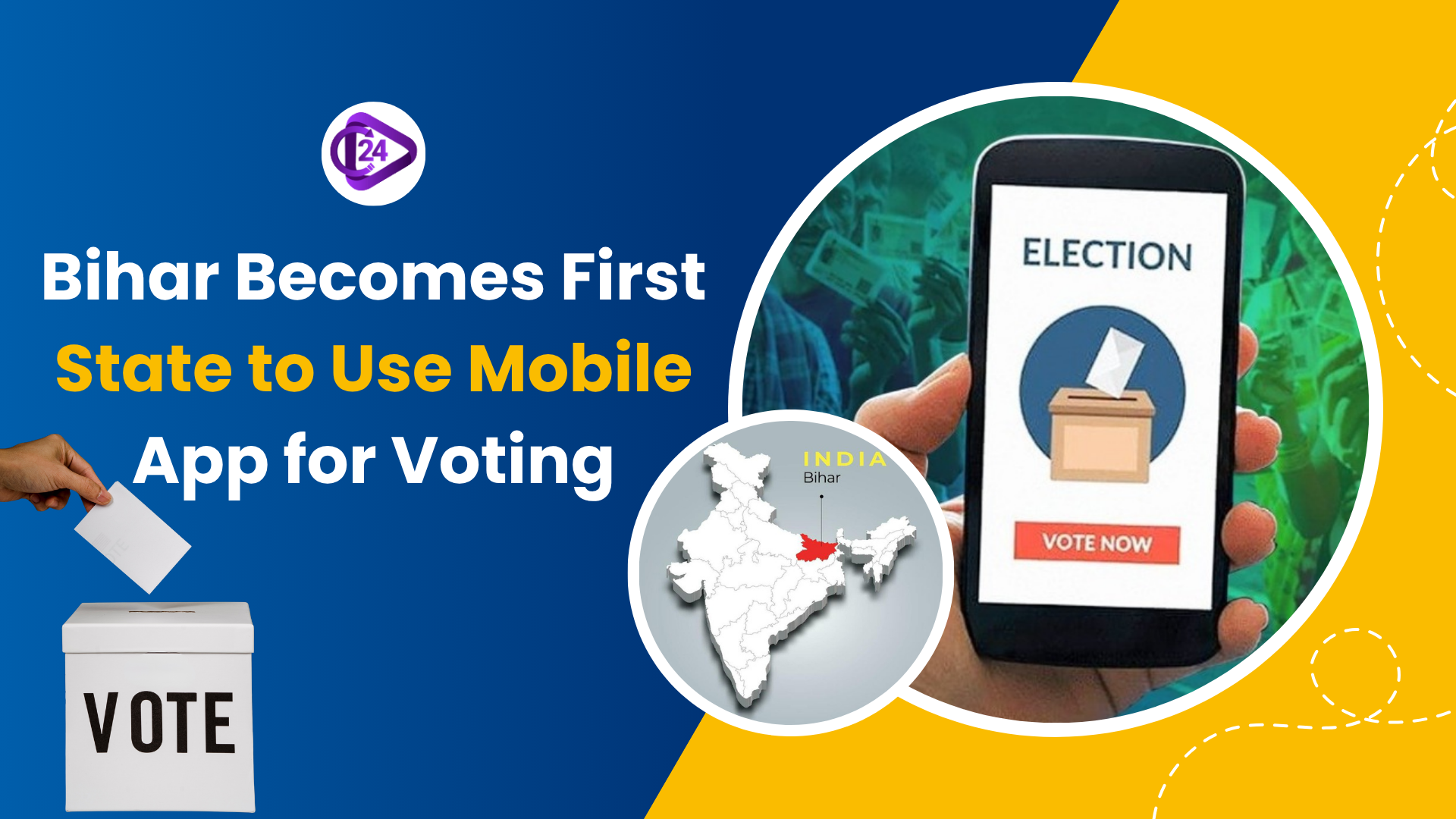
Bihar Becomes First State to Use Mobile App for Voting

Bihar has gone ahead to be the first state in India that would enable voters to vote through a mobile application. The facility was launched in the midst of municipal by polls and elections of six Nagar Panchayats that allowed senior citizens, people with disabilities and pregnant women, to cast votes at home. It was held in districts, such as Patna, Buxar, Rohtas, and East Champaran, and mobile voting techniques could be utilized together with normal voting channels.

Context:

  • India has now initiated its first mobile-based e voting- system in Bihar where citizens can vote through mobile in the municipal elections of the six councils in Patna, Rohtas, and East Champaran. 

  • This is an initiative to help the elderly people, women carrying a child and the disabled who can not attend the electoral polling booths.

Key Points

  • Introduction to Mobile Voting: The state of Bihar in India is the first Indian state to have introduced the concept of e-voting on mobile as an app for the municipal elections.

  • Target Groups: The special target population in mobile voting service is senior citizens, handicapped persons, and expecting women, who are unable to come to the polling stations.

  • App Development: The E-SECBHR app is the one that runs the e-voting system, and it was developed by the Centre for Development of Advanced Computing (C-DAC).

The Procedure of the E-Voting System

  • App Installation: Voters will be required to install the E-SECBHR App which is available to the Android users at the moment.

  • Verification Process: The user connects a mobile number (which is registered in the voters list) to the app, and once verified, he or she will be able to cast the vote on the day of elections through the app or the website of official Bihar Election Commission.

Tampering- Prevention Security Measures

  • Limitations of Logins: Two registered voters will be allowed to log in through one mobile number.

  • Voter identification: Voters Ids would be confirmed by entering a vote I D number.

  • Blockchain Technology: The block chain ensures that the votes have been captured safely and will not be easy to tamper with, this offers an unhackable system.

  • Facial Recognition: The app contains facial recognition to identify voters before the voting.

Participation and Adoption

Voter Registration: There were approximately 10,000 voters to date who registered to vote using the app and further about 50,000 would vote using the web-app.

Conclusion

The introduction of mobile voting in Bihar is a major step towards the process of digitization of the elections and democratization of the process of voting. The initiative has allowed remote and efficient voting to be available and it is supported with the use of better security measures and technology; in addition, it has made remote and efficient voting open to vulnerable groups. Yet it is not clear whether this facility will be continued to the Assembly elections to come too.

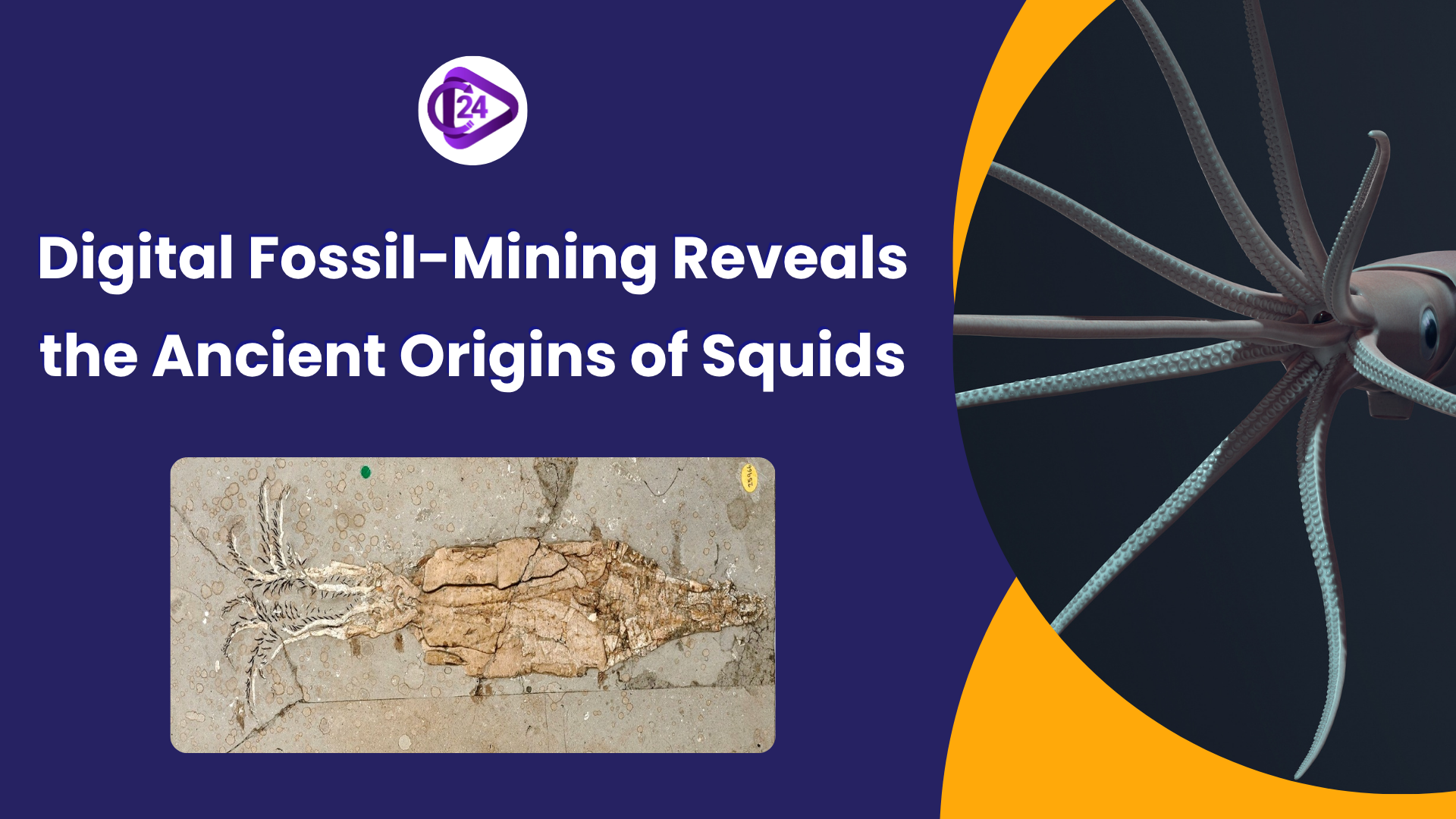
Digital Fossil-Mining Reveals the Ancient Origins of Squids

Digital fossil-mining of a new study revealed valuable data on the evolutionary history of squids, which is hard to trace since it has a soft body. Through non destructive scanning of rocks through complex technology scientists managed to extract small beaks of squid using a scan and were able to retrieve them and extract the beaks of the ancient squid in Cretaceous era rocks that were millions of years old. This discovery can shed light on the fact that squidelines existing far in a deeper sea and coast were in existence much earlier than what the world had thought before.

Context

The evolutionary history of Squid had been unveiled by a computerized fossil-mining process which discovers fossils subsumed within the rocks. The paper indicates that squids, which include the contemporary deep-sea and near-shore squids, lived 100 million years ago as against what was predicted, which is 30 million years earlier.

Key Points

  • Digital fossil-Mining: Scientists employed something termed digital fossil-mining, where we grind rocks through but with detailed photographic techniques. Such images were merged to come up with 3D models of these contents such as fossils.

  • Fossil beaks: The researchers concentrated on squid beaks, tiny yet vital chitin mouthparts. With the method, they were able to pull out digitally 263 lower squid beaks in rocks during the Cretaceous era.

  • Finding Species: The squid beaks were found in at least 40 species (23 genera and 5 families) and this indicates an earlier and far wider diversity in the evolution of squids than was traditionally believed.

  • Evolutionary Implications: The results demonstrate that existing squids, in the modern lineages such as deep-sea and coast-based species, existed as early as 100 million years ago with the high rate of diversification in only 6 million years.

  • Effect on a Marine Ecosystem: By the Late Cretaceous, squids had proliferated and were overtaking shelled cephalopods such as ammonites. This shows that the squids existed in the marine ecosystem long before the mass extinction that occurred 66 million years ago.

What are the Squids? 

  • Squids are a wide range of cephalopods, most of which (more than 300) belong to the order Teuthoidea (or Teuthida). 

  • Squids live in the coastal and the ocean waters and differ in size, habitat, and life styles to include rapid swimming and floating plankton. 

  • They are ecologically relevant and very essential in the food chain.

  • Structure: Squids are tube-shaped with double-headed bodies which are compact. They have two of their 10 arms specialised in the form of long slender tentacles each with four rows of suckers and toothed and horny rings.

  • Internal Shell: The majority of squids have an internal, feathery-shaped structure that is shaped out of a horny material and this gives them strength and buoyancy.

  • Eyesight: The squid eyes are very complicated which is nearly similar to the human one; the eyes are usually placed on the sides of the head.

Reproduction and Life Cycle

  • Egg Attachment: The location and mode of attachment of eggs in different species of squids occur differently. Others have them fastened to floating weeds and others on the sea bed.

  • Development: In some species the young squid are used at hatching and the others have a planktonic larval phase.

  • Bioluminescence: some of the squids have light organs and a fascinating part of their behavior is known as bioluminescence, and it assists them in communication, prey attraction and to recognize various things.

Ecological Role

  • Food Source: Squids are food to a large number of predators such as the sperm whales, bony fishes, and human beings.

  • Size Diversity: The vastness of squid distribution begins with the size because the smallest squid species, i.e. Southern pygmy squid, is only 1.6 cm in length and on the other end, we have the squids that cannot get larger than 43 feet i.e. the giant and colossal squids, and the latter has been reported to grow much bigger at approximately over 65 feet although there are unconfirmed records of it growing to over 65 feet.

Giant squid (Architeuthis)

  • Size and Rarity: The giant squid is one of the largest living invertebrate forms. An entire giant squid carcasses have been discovered that were 3.2 meters long but there are reports to suggest that they could have been as long as 5.5 meters without losing their tentacles.

  • Place and Research: Giant and colossal squid have been estimated to live in the deep ocean waters, and many studies on biology and behavior are ongoing, but work to find these and study them continues.

Conclusion

The fossil-mining innovation made by this digital breakthrough also expands the squid evolutionary history and emphasizes their initial dominance within the marine food webs. It is found that squids were major sea actors in the oceans way before marine mammals emerged, and this has made marine wildlife so diverse and intelligent than it was before.

India Puts a ban to Jute Imports by Bangladesh through Land and Sea Ports

India has also blocked the import of jute in and out through the seaport as well as land ports with Bangladesh over the issue of subsidization of the jute products that is forcefully affecting the Indian jute sector. The new curbs, albeit not including the Nhava Sheva seaport in Mumbai, are set to safeguard the local industry, particularly the Indian farmers and workers employed in the jute industry line of business.

Context

In India, the imports of jute with Bangladesh by the land and sea ports are blocked to safeguard the domestic production of jute. Curbs, which are to be imposed forthwith, will block entry of jute Bangladesh to India except at the port of Nhava Sheva.

Key Points

  • Manufacturing of Restrictions: India has blocked the entry of jute and allied products produced in Bangladesh through all land and sea ports, with exception of Nhava Sheva port in Mumbai because this had adverse effects on the jute industry in the country.

  • Rationale behind the Curbs: The move is as a result of the dumping of subsidized jute products (yarn, fibre, and bags among others) of Bangladesh that have adversely affected Indian producers. These imports had not been prevented in the past by lowering the anti-dumping duties that had been placed on them by the Indians.

  • Indian Industry Effect: The introduction of imported jute facing subsidies and tariffs has had the unfortunate impact of crushing the Indian jute industry incorporating more than four lakhs of workers in organized jute mills and other factories besides cultivators in jute growing states such as West Bengal, Bihar and Assam.

  • Exemption to Nepal and Bhutan: Nepal and Bhutan are the two countries that show the benefits of exemption because the jute of Bangladesh will not affect Nepal and Bhutan but the re-exports to India is prohibited to avoid bypassing the ban.

  • Coverage of the Order: This order has writs over flax tow and waste, jute and other bast fiber, single yarn, woven fabric and other textile bast fibers. India is also adamant to allow Bangladesh to use the third countries to reach the Indian jute market.

Conclusion

India has taken an issue on banning import of jute manufactured in Bangladesh, protecting its own jute industry, to save the lives of farmers and laborers in India. The restrictions, although not applicable to the exports of Bangladesh to its neighbor countries, are there to make sure that unfair trade is kept to a minimum so as to avoid distortion in the market.

Frequently Asked Questions (FAQs)

The current affairs cover recent national and international events related to UPSC, SSC, Banking, Railways, and State PCS.

You need to read about the current affairs daily, and revise them every week and every month to keep them longer in your memory.

Yes, Class24 provides free downloadable Daily Current Affairs PDFs for easy revision.

Yes, you can practice MCQs and quizzes to boost your exam preparation.

Absolutely. The content is written in simple, easy-to-understand bilingual language suitable for beginners.

Go to class24.com and click on the current affairs section directly, where you find everything that you need.

ssc-toppers

Start Learning Today with Class24

Related current affairs

Class24 offers free video lectures for smart preparation, covering CGL, CPO, CHSL, MTS, and GD exams. Learn from expert faculty, revise concepts easily, practice with PYQs, and improve speed and accuracy through high-quality, exam-focused video lessons anytime, anywhere.

Get success in your hand. Start study anytime anywhere.

The journey becomes simple and enjoyable when you start taking interest in it. And through our app “Class24”, we will be your trusted partners in developing that interest.

Daily Quizzes
Mock Tests
Ongoing

No ongoing tests right now.