

Day: June 26, 2025

36 Indians Begin Kailash-Mansarovar Yatra After 6 Years

Kailash Mansarovar Yatra successfully operated independently after a gap of six years, where 36 Indian pilgrims landed at the holy places of Kailash Mountain and lake of Mansarovar in China. This yatra is symbolic of restoration of the first people to people mechanism between India and China post COVID 19 pandemic and the LAC stand-off. This pilgrimage whose participants have Hindu, Buddhist, Jain and Tibetan Bon worshippers brings out an important cross-Himalayan cultural exchange between the two countries. The yatra which will span to July 2 is viewed as a good initiative in the India-China relations as there has been an amelioration in infrastructure and collaboration between the two governments.

Context

  • The Indian religious people have accomplished the mission of reaching Mount Kailash and the Mansarovar Lake lake with the reawakening of the Kailash Mansarovar Yatra that had taken a break of six years. 

  • It is also another massive cultural exchange between India and China and it is expected to enhance bilateral relationship even further as this yatra was made possible through this country and China.

Key Points

Revival after a duration of six years

  • It was the beginning of the yatra by 36 Indian pilgrims after a gap of 6 years (last year conducted pre-COVID and pre-LAC stand-off)

  • Becomes the initial people-to-people interaction between China and India after philanthropy during pandemic times and military conflicts

Route and Distance

  • Yatra routes:

  • Nathu La Pass (Sikkim)

  • Lipulekh Pass (Uttarakhand)

  • Occupies an area of more than 3,000 km with high altitude terrain

The cultural and religious Significance

  • Mount Kailash: This is considered as the home of Lord Shiva

  • Mansarovar Lake: A holy lake of the Hindus, Buddhists, Jains and Bon tradition

  • Mount Kailash is a place that pilgrims carry out kora (ritual circumambulation) around

India-China Cooperation

  • The MEA of India and Chinese officials organized it.

  • Facilities provided:

  • Indian-style meals

  • Support medical & oxygen

  • Biometric identity checks and interpreters of different languages

  • A Chinese official Wen Tao termed it as a symbol of bilateral consensus.

Strategic & diplomatic Implications

  • It was regarded as a confidence-building effort that follows tensions in the LAC

  • May signify the way to:

  • Restart of visa, tourism, direct flights

  • Wider cultural and financial interactions between China and India

About Kailash yatra

Physical Features

  • Location: Tibet Autonomous Region, China

  • Height: 6638 meters

  • Composition: black rock peak, diamond shaped

  • It is where lake Mansarovar is located

  • Origin of four great rivers:

  • Sutlej, Brahmaputra, Karnali and Indus

Religious and Cultural implications

  • Hinduism: The place of Lord Shiva and Goddess Parvati

  • Buddhism: Mount Meru the axis between heaven and earth was identified as such

  • Jainism: This is where Rishabhanatha was enlightened and came to be known as Ashtapada.

  • Tibet: sacred spiritual focus of Tibet

Pilgrimage and Yatra (KMY)

  • Kailash Mansarovar Yatra (KMY):

  • The India host-hosted tests annually (JuneSept)

  • Two routes:

    • Lipulekh Pass, Uttarakhand (after 1981)

    • Nathu la, Sikkim (since 2015)

Spiritual True Belief and Conservation

  • Although Mount Kailash is short in comparison to Mount Everest it has never been climbed

  • It is also not allowed to climb as it is sacred

Conclusion

Revival of the Kailash Mansarovar Yatra is also an indicator that India and China are warming in their relationship and that cultural and spiritual vitality are being renewed between state and state. This collaboration between the two governments to enable the process of pilgrimage denotes the possibilities of enhancing the relationship among each other using people to people channeling. With the passage of this yatra it does not only bear the religious significance but also the hope that India and China can work together in many areas.

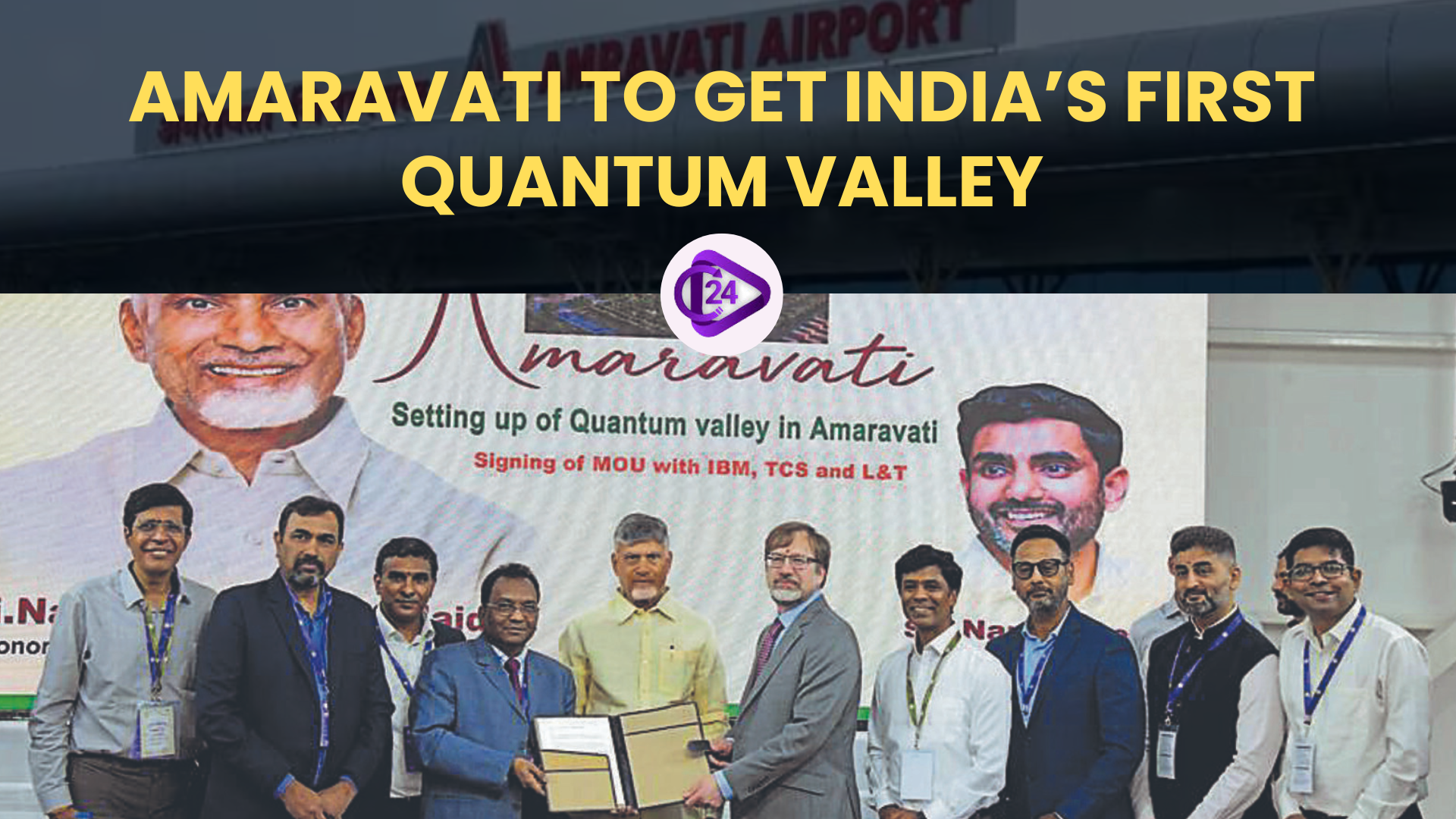
Amaravati to Host India’s First Quantum Computing Valley

Amaravati, Andhra Pradesh, will house India first-ever Quantum Computing Valley which is scheduled to be launched in January 2026. This development will mark a great leap towards the increased quantum technologies attention in India. Among the sectors that the initiative will target are education, healthcare, pharma and agri-tech sectors which make the opportunities high among those working in research and innovation departments. Quantum Valley Tech Park will be in line with the National Quantum Mission, which is to increase productivity and generate wealth with novel technologies.

Context

  • By 2026 Amaravati will become the first Quantum Computing Valley in India which will offer research and industrial development opportunities. 

  • The project will be aimed towards quantum technologies in the fields of pharma, agri-tech, and med-tech.

Key Points

Purpose and Scope

  • Location: Amaravati, Andhra Pradesh

  • Launch Date: January 2026

  • The first Quantum Computing Valley in India that focuses on increased use of quantum technology

  • Target industries: EdTech, Pharma, Health, Agri-tech, Med-tech

Mapping to National Quantum Mission

  • Gives support to the Indian National Quantum Mission:

  • Increase productivity and innovativeness

  • Facilitate the generation of money with high technology

  • Eager to turn India into a global expert in quantum technologies

Innovation & Research Opportunities

  • Quantum valley Tech Park Development

  • Will cater to lakhs of professionals in research and development as well in industry practices

  • Healthcare-medical, education, and pharma interdisciplinary collaboration

Global Collaboration

  • IBM or Google as an equal participant in the quantum research network of India

  • Applications include:

    • Pharma R&D

    • Optimization of EV battery

    • Road direction & freight distributions

    • Image classification using AI

Technological and Industrial Effect

  • Will spark the quantum-powered innovation in key industries

  • Expands computing performance to find solutions to complicated industrial issues

  • Indian influence in the new world of quantum technology

Conclusion

Creation of the very first Quantum Computing Valley in Amaravati is also a significant process to ensure India becomes a world leader in quantum technology. This initiative will not only transform India in terms of being able to conduct research, innovation and industrial collaboration but also will open up massive opportunities in sectors such as pharma, agri-tech and med-tech. This step will fit in the vision of India to become a global destination in the sphere of advanced technologies and contribute to crafting the future of technologies that demand the latest technologies in computing.

Indian-Made Chemotherapy Drugs Fail Quality Tests Globally

In a recent study, directed by Professor Marya Lieberman of the University of Notre Dame, various chemotherapy drugs manufactured in India by various organizations, have indeed been found to have not endured quality tests and thus, patients across more than 100 countries and afflicted with cancer are quite vulnerable. The testing in 189 samples of drugs on cancer, showed the result of about a fifth of the drugs being out of control in terms of quality standards, with Venus Remedies testing the worst. These drugs that are of the essence in treating diseases such as breast cancer, ovary cancer and leukaemia have proved to be either ineffective or terribly overdosed posing very serious side effects that could be life threatening. This has provoked issues regarding the worldwide regulation of the generic pharmaceutical sector and the safety of the health of the population.

Context

  • Research published that the chemotherapy drugs produced by Indian pharmaceutical organizations such as Venus Remedies, Zuvius Lifesciences and GLS Pharma did not pass the quality test thus putting global cancer patients at harm. 

  • Such results demonstrate severe flaws in the international drug security system and authorities control.

Key Points

Study Findings

  • The survey was carried out by University of Notre Dame

  • Almost one in every five chemotherapy medication manufactured by Indian firms failed to pass quality examinations

  • Worst performer – all 8 cycles;phosphamide samples tested by Venus Remedies failed

  • Zuvius Lifesciences, GLS Pharma are other companies involved.

  • In more than 40 countries faulty drugs were distributed

Influence on Treatment of Cancer

  • Medications contained either excessively high or insufficient levels of active component

  • Not enough: Powerless treatment

  • Too much: Toxic side effects, body parts damage, and even deaths

  • Nepal, Ethiopia, Saudi Arabia and the U.S are some of the affected countries.

Drug Regulation Lapses in the globe

  • Illuminates ineffective cross border regulatory of quality of generic drugs

  • Nepal: No capacity to do cancer drug testing; did not recall a single drug

  • Brings the regulatory enforcing in India into question as the biggest supplier of generic drugs to the world

International Public Health Implications

  • In low income nations, a patient who has cancer is not able to spend money on other drugs when first medication fails

  • Reveals weakness of dependence on inexpensive generic cancer medicines all over the world

  • Raises demands of more robust international oversight and national change in quality control of drugs

Conclusion

The inefficiency of chemotherapy drugs manufactured in India raises severe concerns about drug quality and drug regulatory control in the world but exposes vulnerable patients with cancer to the risk of failure to cure this ailment. Although the role that India plays in the production of generic drugs is vital in ensuring that the rest of the world has access to medicine, control mechanisms should be intensified so as to certify the safety and efficiency of these medicines. Given the seriousness of some of the cases covered in the study, there is an extreme necessity to have a bigger regulation and transparency at a global level in the pharmaceutical industry to safeguard patients all over the world.

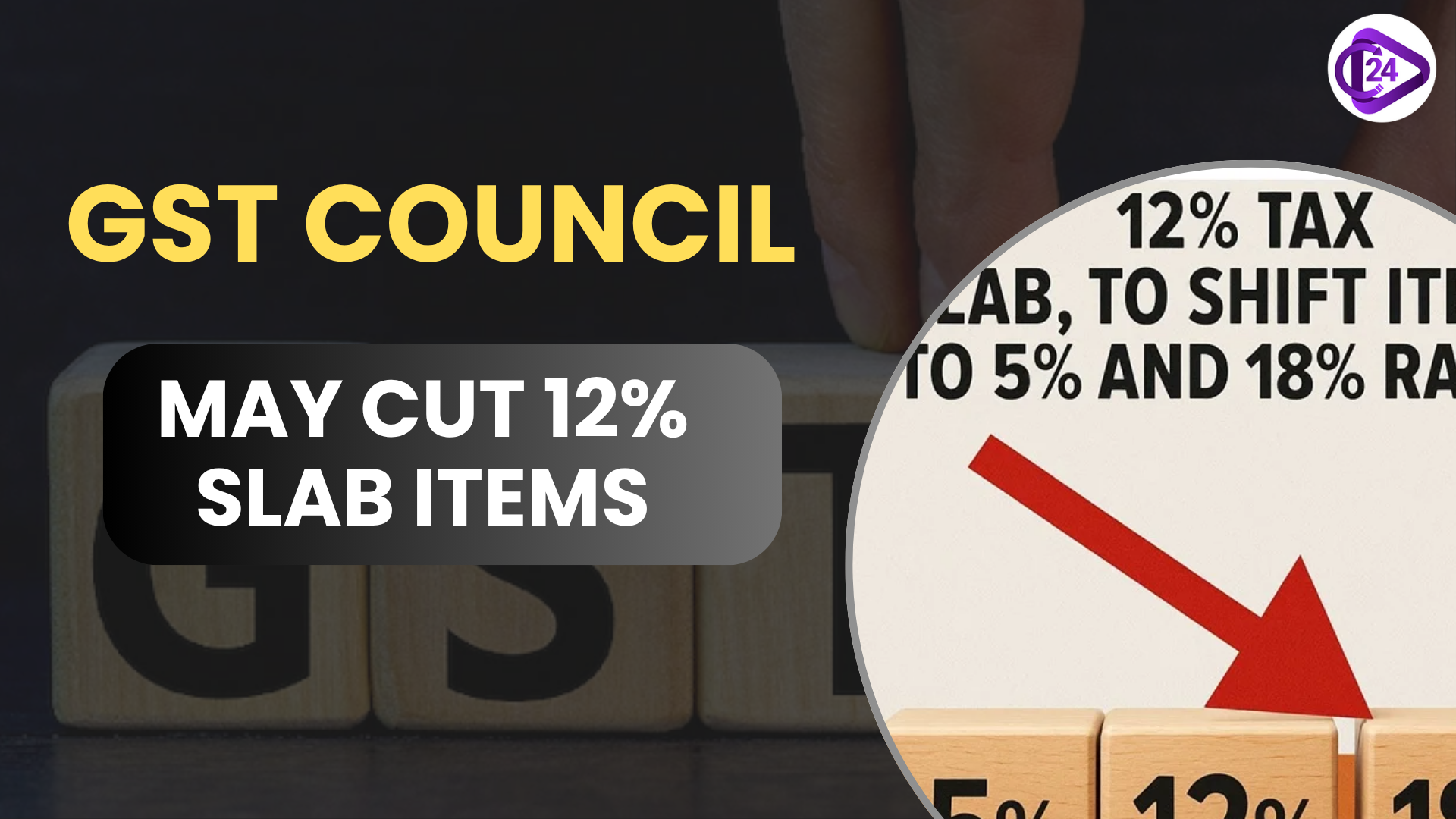
GST Council to Discuss Reducing Items in 12% Slab

The GST council will deliberate on the move to cut down items in the 12% tax bracket in their next meeting that is expected to be held in July 2025 due to held-up meetings. The argument that stands out as one to discuss is whether to eliminate the 12%. slab as part and parcel of the rationalization and simplification of rates. Taxation of service intermediaries is also on the agenda of the council which may relieve the sector of heavy taxation. Such verdicts have the potential to introduce tax waiver measures that run into thousands of crores and which will have an effect on business and consumers alike on an Indian scale.

Context

  • In its next meeting, the GST Council will discuss the possibility of reviewing the 12% slabs and also, on the taxation of service intermediaries. 

  • The changes may result in reduced taxation rates and even magnificent reprieve to the service sector.

Key points

An Meeting Agenda:

  • Rate Rationalization:

    • Recommendation of reducing or removing this 12 % GST slab

    • To simplify to four principal slabs: 0%, 5%, 18%, 28%

  • Taxation Service Intermediaries:

    • Reconsideration of 18% GST on intermediaries that will provide the service to clients abroad

    • May relieve and enhance export competitiveness harmonizing tax levels

Effects of a Reduction/Removal of the 12% Slab:

  • The 12% items can be transferred to 5% or 18% and compliance made easy

  • May limit the availability of input tax credit (ITC) by manufacturers

  • Undercharge on utilitarian products such as toothpaste and soap

Significance

  • Manufacturers Worries:

    • ITC loss in case of shift to 5% slab

    • Possible rise in the input costs

    • The variation on sectors could be high with FMCG and consumer goods being the highest affected.

  • Relief in Service Sector:

    • Negotiating the relaxation of tax regulations of service intermediaries

    • Will lower the total tax liability and increase outsourcing business internationally

Conclusion

The next meeting of the GST council can bring a significant simplification to the Indian taxation system, as the council is considering dropping the 12 percent tax bracket and changing the taxation on service intermediaries. These resolutions may help minimize the taxation rates thus ensuring that the GST structure would be effective and also recognize the objections of the industries regarding the input tax credits. Nevertheless, these reforms should not be one-sided but should strike a balance between the needs of the consumers, manufacturers and the service sector so as to pioneer a long-term economic increase.

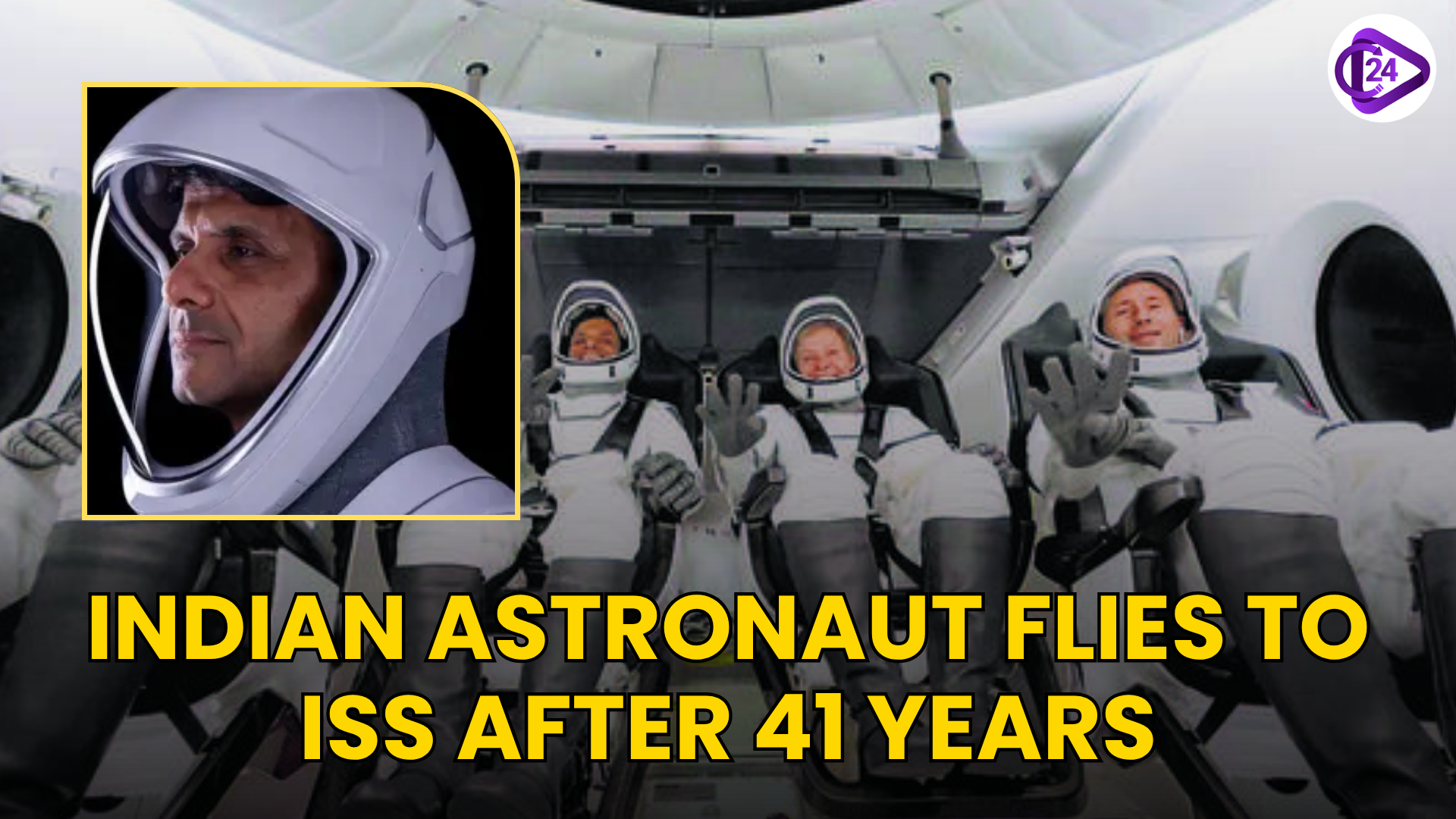
India Returns to Space: Shubhanshu Shukla Aboards ISS After 41 Years

The human space programme of India experienced a great leap when Shubhanshu Shukla became the first Indian reality astronaut to ever be a part of a mission to the International Space Station (ISS) after more than 41 years. Axiom-4 mission (Ax-4) was a SpaceX Dragon capsule launched on the Kennedy Space Center, U.S. Together with the crew, Shukla will occupy 14 days of performing scientific research, engaging in outreach, and business development. This mission has been the start of the revived human space exploration in India. The message which was carried to space by Shukla made it clear that this mission is not only an individual travel but the beginning of the human space programme of India.

Context

  • The Axiom-4 mission includes Shubhanshu Shukla who is in India to travel to the ISS and the first Indian astronaut to have travelled to the ISS in 41 years, in the first step of a human space programme in India. 

  • The mission will be scientific based and commercial based in space.

Key Points

India Has Reentered Space (After 41 Years):

  • The 1st Indian in space since Rakesh Sharma (1984) is Group Captain Shubhanshu Shukla.

  • Axiom-4 part of the mission to the International Space Station (SS).

Details of Axiom-4 Mission

  • Carried out by: Axiom Space (based in the US); spacecraft: SpaceX Crew Dragon

  • Rocket: Falcon 9 rocket

  • Mission Type: ISS private spaceflight mission

  • Time: about 14 days

  • A portion of: NASA-Axiom collaboration (4th in sequence following Ax-1, Ax-2, plus Ax-3)

 International Crew Members

  • Commander: Peggy Whitson (USA)

  • Pilot: Shubhanshu Shukla (India)

  • Specialists: Sławosz Uznański-Wiśniewski (Poland), Tibor Kapu (Hungary)

Objectives

  • Foster Low Earth Orbit (LEO) business (e.g. space tourism, R&D)

  • Foster the scientific experiments under the microgravity (materials, bio, Earth observation)

  • Promote international space science cooperation

  • Add to the development of commercial space stations

Importance for India

  • Indian astronauts first to be present in a plate mission to ISS on a commercial basis

  • Is a portent of increasing ISRO-NASA cooperation

  • Gaganyaan mission precursor mission (after 2025)

  • Artemis Accords training received by NASA during the visit to the US by PM (2023)

About ISS

  • An international space station at an altitude of ~400 km above the ground

  • NASA, Roscosmos, ESA, JAXA with CSA joint project

  • Rep. earth 16/day; velocity approx. 7.66km/sec

  • A crew of 7 permanent astronauts that are researching in the microgravity

Key Facts Gp Capt. Shubhanshu Shukla

  • Indian Air Force officer, commissioned in 2006.

  • Chosen as prime astronaut to the Axiom-4 mission (2024) to the ISS.

  • Background: Lucknow, Born (1985); NDA, MTech ( Aerospace), IISc Bengaluru.

  • Trained at Yuri Gagarin Centre, Russia and ISRO facility.

  • Has about 2,000 flight hours on different aircrafts such as Su-30 MKI, MiG-21/29.

  • He was named as one of the four astronauts to fly in India Gaganyaan missions (after 2025).

  • Will be India’s first astronaut to board the ISS.

Conclusion

The Axiom-4 mission and the journey of Shubhanshu Shukla to the ISS is a significant step in India in space explorations. Being scientifically oriented, geared towards international relations, as well as commercial space affairs, this mission marks the origin of the Indian human space programme making the nation one of the leading actors of global space exploration. With the current developments in India in the space sector, this country has set its sights on a self-sufficient space activity in the near future.


Frequently Asked Questions (FAQs)

The current affairs cover recent national and international events related to UPSC, SSC, Banking, Railways, and State PCS.

You need to read about the current affairs daily, and revise them every week and every month to keep them longer in your memory.

Yes, Class24 provides free downloadable Daily Current Affairs PDFs for easy revision.

Yes, you can practice MCQs and quizzes to boost your exam preparation.

Absolutely. The content is written in simple, easy-to-understand bilingual language suitable for beginners.

Go to class24.com and click on the current affairs section directly, where you find everything that you need.

ssc-toppers

Start Learning Today with Class24

Related current affairs

Class24 offers free video lectures for smart preparation, covering CGL, CPO, CHSL, MTS, and GD exams. Learn from expert faculty, revise concepts easily, practice with PYQs, and improve speed and accuracy through high-quality, exam-focused video lessons anytime, anywhere.

Get success in your hand. Start study anytime anywhere.

The journey becomes simple and enjoyable when you start taking interest in it. And through our app “Class24”, we will be your trusted partners in developing that interest.

Daily Quizzes
Mock Tests
Ongoing

No ongoing tests right now.