Day: June 23, 2025

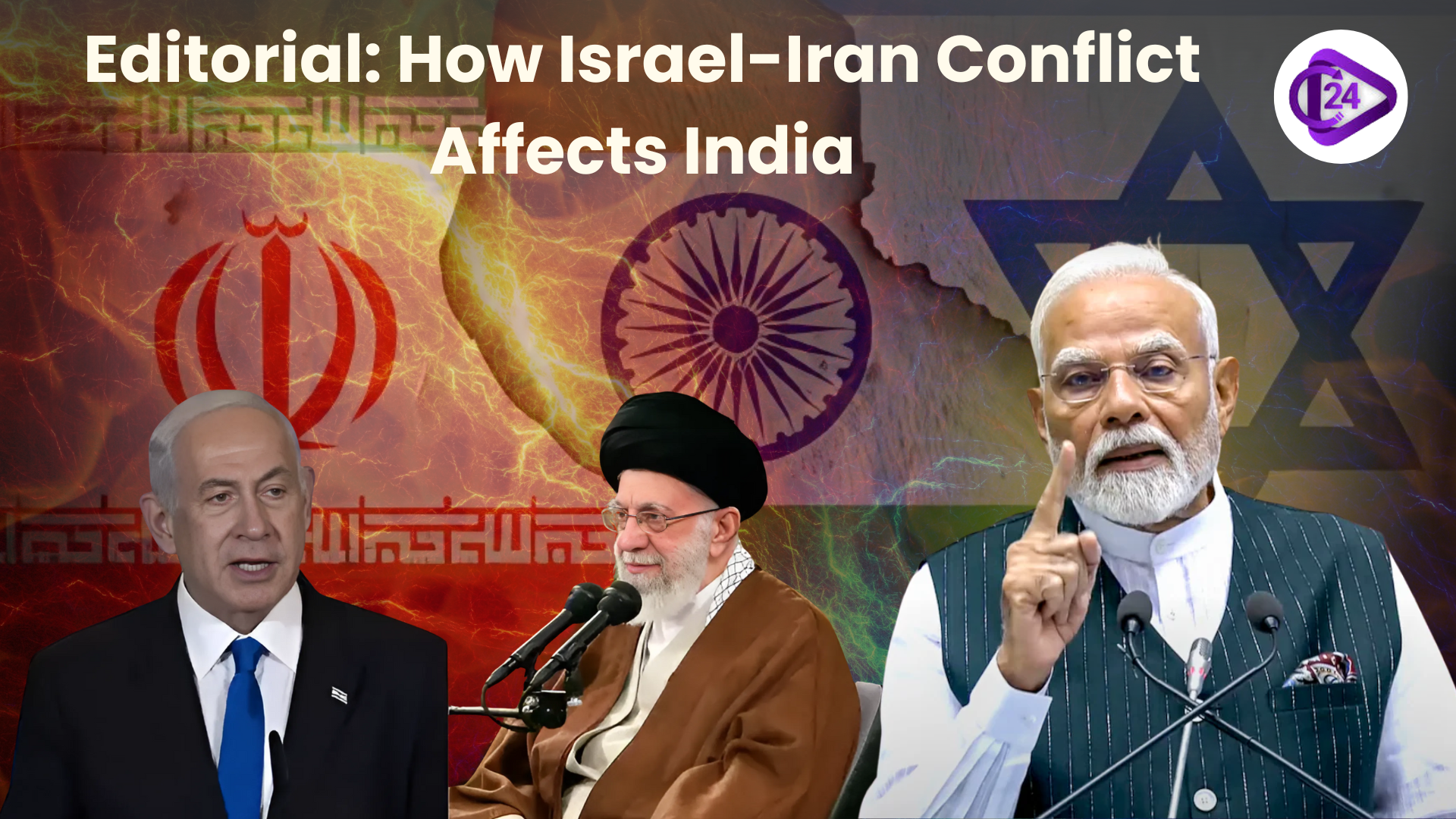
The Effects of Israel-Iran conflict on India: economics, geopolitics and strategy

The simmering tension between Iran and Israel is sending tremors in the international geopolitics with India being in a dilemma to maintain a balance between the two powers. India is also currently in the process of evacuating its nationals out of Israel and Iran and coping with the effects of a potential fall-out in trade, especially oils bought through the strait of Hormuz. This puts India in a difficult diplomatic position as it has had a long history with both countries and its strategic value in the Middle East issues. Moreover, the crisis may pose a threat to the important shipping lanes, energy security, and connectivity to India, which may affect it economically and geopolitically.

Context

  • As much as the Israeli-Iran conflict is a hassle to India, it is notably a disturbance to international trade lines, demand of energy resources, and geopolitical relations in the region. 

  • Maintaining relations between the two nations and evacuating its nationals will become a diplomatic tightrope.

Key Developments

The Diplomatic Respond of India

  • Has no position, pushes peace and dialogue.

  • PM Modi and EAM Jaishankar emphasized even relations with both countries.

  • Would not join in the UN Gaza ceasefire vote, showing strategic caution.

Evacuation Efforts

  • Mission Sindhu was launched to rescue ~35,000 Indian Nationals (10k in Iran, 25k in Israel).

  • Iran was on board by opening the airspace to evacuation flights.

Economic Impacts

  • The prevalence of India-Iran trade was reduced to India-Iran trade of only 1.4B in comparison to 14B in 2017.

  • Oil prices might go up, inflation and increased shipping prices might occur, due to disruption in the Strait of Hormuz.

  • Affects the energy security and competitiveness of India as an exporter.

Geopolitical Challenges

  • Will have to reconcile U.S-Israel bonds with BRICS friendship, comprising Iran.

  • There is speculation on the U.S- Pakistan coordination which is a risk to diplomacy.

  • The BRICS summit in July could force India into clearing the air.

Threat of Regional Connectivity 

  • The threat of regional connectivity is also a matter of concern. This is mostly due to the lack of information connectivity that ties it to the conveniences of the past that offers a minimum level of connectivity to the individual states.

  • The Haifa Port and India-Middle East-Europe Corridor can be delayed.

  • The access to Central Asia could be impeded by the Chabahar Port (Iran) development.

Vulnerabilities in energy and Remittance Energy

  • West Asia provides 54% of the oil imports and 40% of the remittances.

  • The economic and energy provision of India would be destabilized by any regional disturbance.

  • The views of bias toward Israel can be disastrous to the India-Kenya relations in the Gulf

Conclusion

The India Israel-Iran conflict is a mixed-bag issue that runs the line between international relations, economic and geopolitical interests. Due to the vitality of energy lines, trade connectivity, and regional alliances, India needs to tread these vicissitudes cautiously. This non-position up until now, with evacuation attempts, is part of the overall policy of maintaining relations with the rest of the world as well as domestic and economic stability. Nevertheless, the conflict that continues to take place relates to the dire necessity to establish stability in the region to secure strategic interests of India in the long perspective.

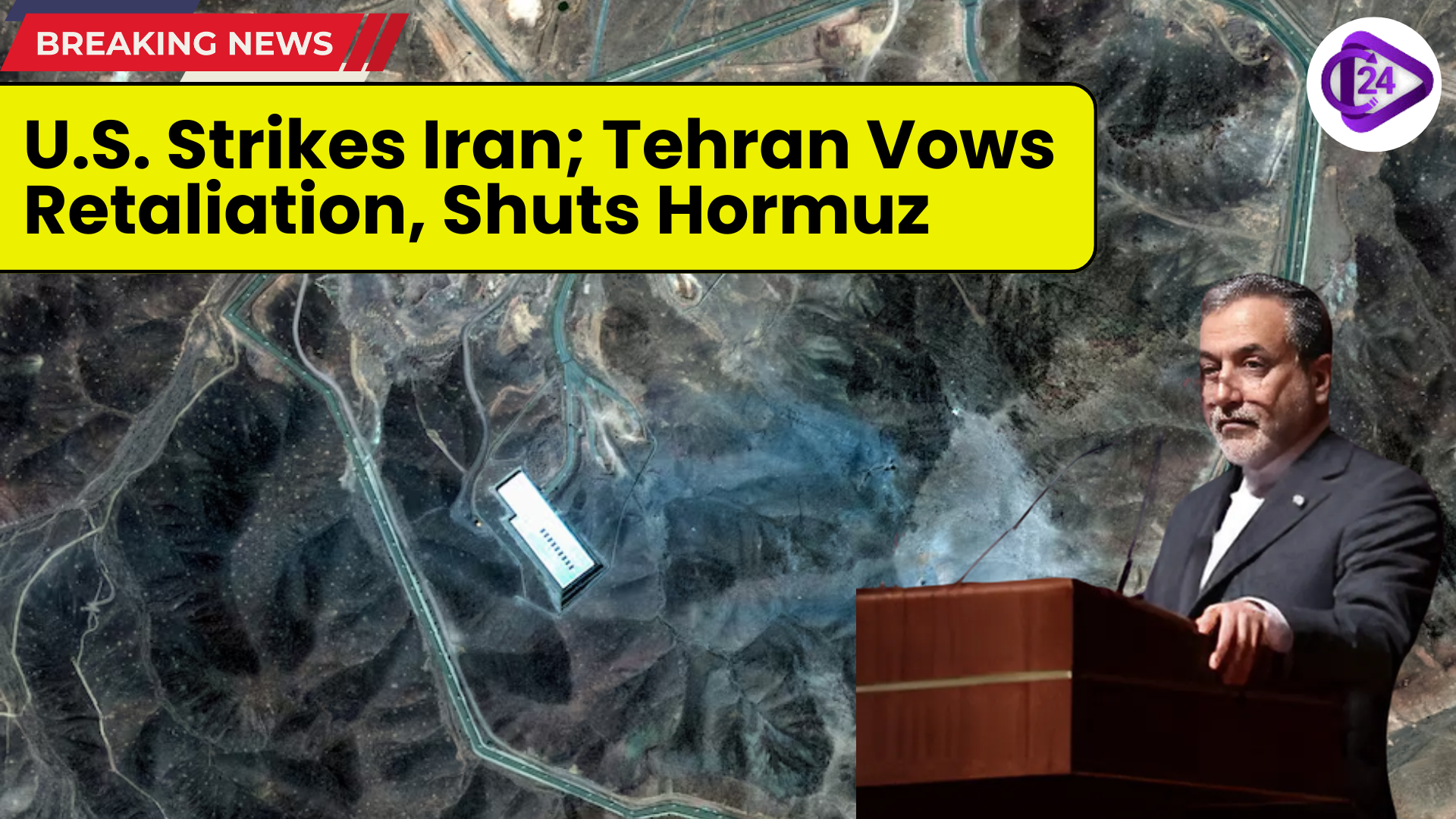
U.S. Strikes Iranian Nuclear Sites; Iran Vows Retaliation and Closes Strait of Hormuz

In an act out of the Middle East crisis, the Brown cross Californian State and airstrikes of three main Iranian nuclear plants including Fordow, Natanz, and Isfahan were attacked by the United States using heavy bunker carrying bombs. The action, which was unauthorized by the congress and was taken after diplomacy had broken down, has been referred to by Iran as a red line activity. President Trump claimed the sites as being destroyed and the UN watchdog confirmed no radioactive leaks. The Foreign Minister of Iran declared the end of diplomacy and threatened to take revenge. To this effect, Iran parliament decided to shut down the critical strait of Hormuz which posed danger to the world oil trade.

Context

  • America bombed Iranian nuclear installments and Tehran responded by harsh criticism and counter offensives. 

  • Iran reacted by voting to seal the vital Strait of Hormuz increasing the chances of a broader regional war.

Key Points

U.S. Airstrikes:

  • Using 30,000-pound bunker-buster bombs, strikes were carried on Fordow, Natanz and Isfahan nuclear facilities.

  • President Trump was saying he is successful; assessments of damages are still in progress.

  • It is not Congressionally authorized, it is a factor that concerns both legal and geopolitical issues.

Iran’s Response:

  • Foreign Minister Abbas Araghchi of Iran declared the end of diplomacy and declared the strikes a violation of sovereignty.

  • Iran is entitled to take the right of self-defense, and is also planning with Russia on what to do next.

  • Iran accused the U.S of jeopardizing the stability of the region.

UN Watchdog Report on Nuclear:

  • No radioactive short-term pollution has been recorded.

  • Nuclear surveillance still goes on.

Aperture of Strait of Hormuz:

  • The parliament of Iran voted to close it down awaiting a decision to be made by the Supreme National Security Council.

  • The Strait of Hormuz plays an important role in oil supply to the world and India.

About Strait of Hormuz

  • Location: A point interlinking the Persian Gulf and the Gulf of Oman and Arabian Sea.

  • Neighboring Countries: On the north: Iran and on the south: Oman and UAE.

Strategic Importance:

  • One of the world’s most crucial oil chokepoints.

  • It handles about 20 percent of the world's oil.

  • Width: The narrowest is approximately 33 km in width with a 2 mile shipping lane on the east and west side.

The Global Trade Impact:

  • Critical to the oil export of Saudi Arabia, Iran, UAE, Kuwait and Iraq.

  • Every suppression impacts on the internationally agreed price of oil.

Security Concerns:

  • Become a common subject of attention as a point of strained Iran-U.S. relations, military patrols, and block the passage threats.

International Law:

  • Within the UNCLOS (United Nations Convention on the Law of the Sea) – transit passage is possible.

Impact on India’s Energy Strategy After U.S. Strikes on Iran

  • Oil Vulnerability

    • Approximately 80 percent of crude oil is imported into India, and much of it goes through the Strait of Hormuz.

    • Balancing can increase prices drastically, touching energy security and inflation.

  • Non Concentrated Oil Sources

    • U.S., Russia, Brazil and West Africa imports now.

    • Less over-dependence on the Middle East.

  • Strategic oil reserves

    • Mangalore, Padur.

    • Offers short term supply shock padding.

  • Hormuz Bypass Strategy

    • Quite a number of imports are not using the Strait of Hormuz.

    • Reduces susceptibility to Iran related tensions.

  • Economic Impact

    • The jump in oil prices could increase CAD, as well as weaken the rupee and cause inflation.

    • Fuel prices at the retail are likely to increase.

  • Long-long-term Energy Transition

    • Greater solar, wind, biofuels, EV advocacy.

    • Strengthens Atmanirbhar Bharat in energy.

Conclusion

The U.S airstrikes represent a significant rise in tensions between the U.S and Iran which may trigger long-term unrest in the MiddleEast. As the Strait of Hormuz is quite vulnerable to cut down its operation, the international oil markets are exposed to insecurity and even an energy security setback can influence international as well as national policies of energy security by means of energy security balancing strategy and diplomatic approach.

India to Integrate Rare Blood Donor Registry with e-Rakt Kosh for Better Access and Management

The Union Health Ministry has in a breakthrough decision of assisting individuals whose blood type makes the group rare plan to combine the Rare Donor Registry with the e-Rakt Kosh, the online system of monitoring blood banks in India. The purpose of this integration is to offer a centralized network to people, who require ultra-rare blood types like Bombay blood, P-Null, and Rh-null. It will facilitate the balancing of the blood and it will also aid the doctors in making quick judgments of finding the rightful shade of the blood when receiving someone. Indian Council of Medical Research (ICMR-NIIH) has designed the Rare Donor Registry with the objective to store the information of rare blood donors all over the country. What it still takes is to be able to retain a stable number of committed donors.

Context

  • India will incorporate the Rare Donor Registry in e-Rakt Kosh and this will simplify the search for rare blood types. 

  • The reason to make this move is to have improved access to match blood and save lives in addition to effective running of blood banks.

Key Points

Important Milestones: Rare Blood Registry & e-Rakt Kosh Connection

Connection with e-Rakt Kosh

  • The e-Rakt Kosh platform is under implementation of National Health Mission (NHM) to integrate the Rare Donor Registry.

  • Will permit centralized access to rare blood group information as well as to available blood bank real-time data.

  • Will help to manage the blood stock better and feed the patients with rare blood types in time.

The discovery of Rare Blood Groups

  • Contains ultra- rare groups: Bombay blood group, P-Null, Rh-null.

  • Vital in cases of thalassemia and sickle cell disease whereby antigen-specific compatibility is essential.

  • Resorts to multiplex PCR and DNA analysis to identify donor quickly and precisely.


The Impact of Medical and Blood Donation

  • Accelerates the pace in finding the rare blood match that saves lives.

  • The innovation at the ICMR-NIIH has transformed intricate problem of blood search into a feasible solution

  • Opportunity: The driving force of any operation is a pool of donors that has to be maintained, motivated.

Low cost Diagnostic Development

  • Point-of-care tests established by ICMR-NIIH include low cost tests based on haemoglobinopathies such as sickle cell disease.

  • The price of the test kit was brought down by 50 % (i.e. 350/- to less than 50/-) so the savings to the government were approximately 1857 Crore.

  • Flanked by Health Technology Assessments (HTA) which are organized by DHR and ICMR-CRMCH.

India’s innovation in global sphere

  • The innovations of India in the diagnostics of hemophilia and haemoglobinopathies are becoming increasingly popular in the world.

  • The World Federation of hemophilia is exploring the visual card rapid test of India to use in low resource settings.

About Blood Groups Developments and concepts

What are Blood Groups?

  • Antigenic classification of red blood cells (RBCs) and classification of antibodies contained in plasma.

  • Important in blood transfusion, organ transplants, and blood match.

ABO System and Rh Systems

  • ABO Types:

    • A (A antigen, Anti-B antibody)

    • B (B antigen, Anti-A antibody)

    • AB (A&B antigens, No antibodies) – universal recipient

    • O (No antigens, Anti- A and Anti-B antibodies) => Universal donor

  • Rh Factor:

    • Rh+: D antigen positive

    • Rh-: D antigen

    • 8 Blood Types; A,+, A, -, B,+, B, -, AB, +, AB, -, O, +, O, –

Blood Group Components

  • Antigens (on RBCs): Type blood

  • Antibodies (in plasma): destroy antigens that are incompatible

  • Plasma: transports antibodies, nutrients and hormones

  • RBCs: Transport oxygen that determines the blood type

Bloodventory & Ailments

  • Heart Disease: More prone to patients of type AB-B

  • Thrombosis: Non-O higher exceeded the risk of clotting

  • Malaria: There is partial protection by Group O

  • Ulcers/Cancer: Group O- ulcers, Group A- cancer of the gastric/pancreas

  • Autoimmune Diseases: AB associated with complexity of immunity

  • HDN: Rh- mother & Rh+ infant: possibility of an infant hemolysis

Rare And Newly Discovered Blood Groups

  • Lan, Jr, Vel, FORS and Er (found in 2022)

  • Transfusion complications can be caused by rare antigens

  • It is essential in personalized medicine and safety of transplants

Conclusion

The experience of uniting the Rare Donor Registry with e-Rakt Kosh will transform the situation with rare blood types in India, and the assisted people with such blood groups will better access the sources of life-saving. In addition to better management of blood banks, integration also enhances the fact that India is currently dedicated to its stewardship of cheaper and efficient healthcare overall, especially on the diagnostics and health improvement of rare blood reserves. The campaign of the country to make haemoglobinopathy screening more affordable worldwide can only strengthen the position of the country as a leader in the development of health technologies.

India Trails in Critical Technology Sectors: Semiconductors, AI, Biotechnology, Space, and Quantum

A new Critical and Emerging Technologies Index includes 25 countries from five important areas of technology such as semiconductors, artificial intelligence (AI), biotechnology, space, and quantum. The index shows that it is well behind the leaders in this like the U.S, China, and Europe in most of such key sectors. America has a firm advantage in the U.S., specifically in AI, semiconductors and space, as China is catching up in biotechnology and quantum. India is moderately ahead of such countries as Russia and Australia but the score of 15.2 puts it below France.

Context

  • With regards to key technologies such as semiconductors, AI, biotechnology, space, and quantum, India trails by a gaping margin behind the world leaders- the U.S and China. 

  • This is evidenced by the Critical and Emerging Technologies Index in India which points out the weaknesses in these major sectors.

Key Developments

Overall Performance

  • India ranked second last with a score of 15.2 after France, Canada and Australia.

  • The U.S. is the leader in all the five sectors, China and Europe come after that.

Sector-Wise Insights

  • Semiconductors (35%):

    • India is still behind Taiwan, South Korea and Japan.

    • Does not have design and manufacturing capabilities, as well as supply chains.

  • Artificial Intelligence (25%):

    • U.S. leads due to R&D, skilled workforce, and private sector investment.

    • India experiences poor infrastructure and finance.

  • Biotechnology (20%):

    • China makes a breakthrough in vaccinations, genetic engineering, and R & D.

    • India is promising but ought to have improved funding and innovation systems.

  • Space (15%):

    • India comes 7th; Russia is in 3 rd position.

    • Delayed space budget and privatization.

  • Quantum Technologies (5%):

    • China demonstrates a fast development in research and infrastructure.

    • India is not left behind on investments but lacks in implementation and global presence.

Major determinants of ranks

  • Human Capital:

    • India also requires additional skilled expertise in deep-tech.

  • Financing & Partnership:

    • India is trailing in the aspect of collaboration and developing with the private sector, and investment in Research and Development.

  • Policy & International Influence:

    • India is not yet up to speed on all three of the above areas, which support the global leadership of tech: policy support, alliances, and innovation ecosystems.

  • Strategic Gaps of India

    • Poor home ecosystem in the sectors of semiconductors and AI.

    • Under investing in biotech and quantum.

    • Provision of long term R&D finances, capacity building, and collaboration with foreign nations

Conclusion

The fact that India lags behind in the most critical technologies that include semiconductors, AI and biotechnology is becoming a big obstacle to its dream of becoming a tech superpower. The Critical and Emerging Technologies Index also underlines the necessity to promote the strategic investments, talent development, and policy change. In order to reduce the gap India has to focus on building up its technology infrastructure and enhancing international partnerships along with building domestic innovation.

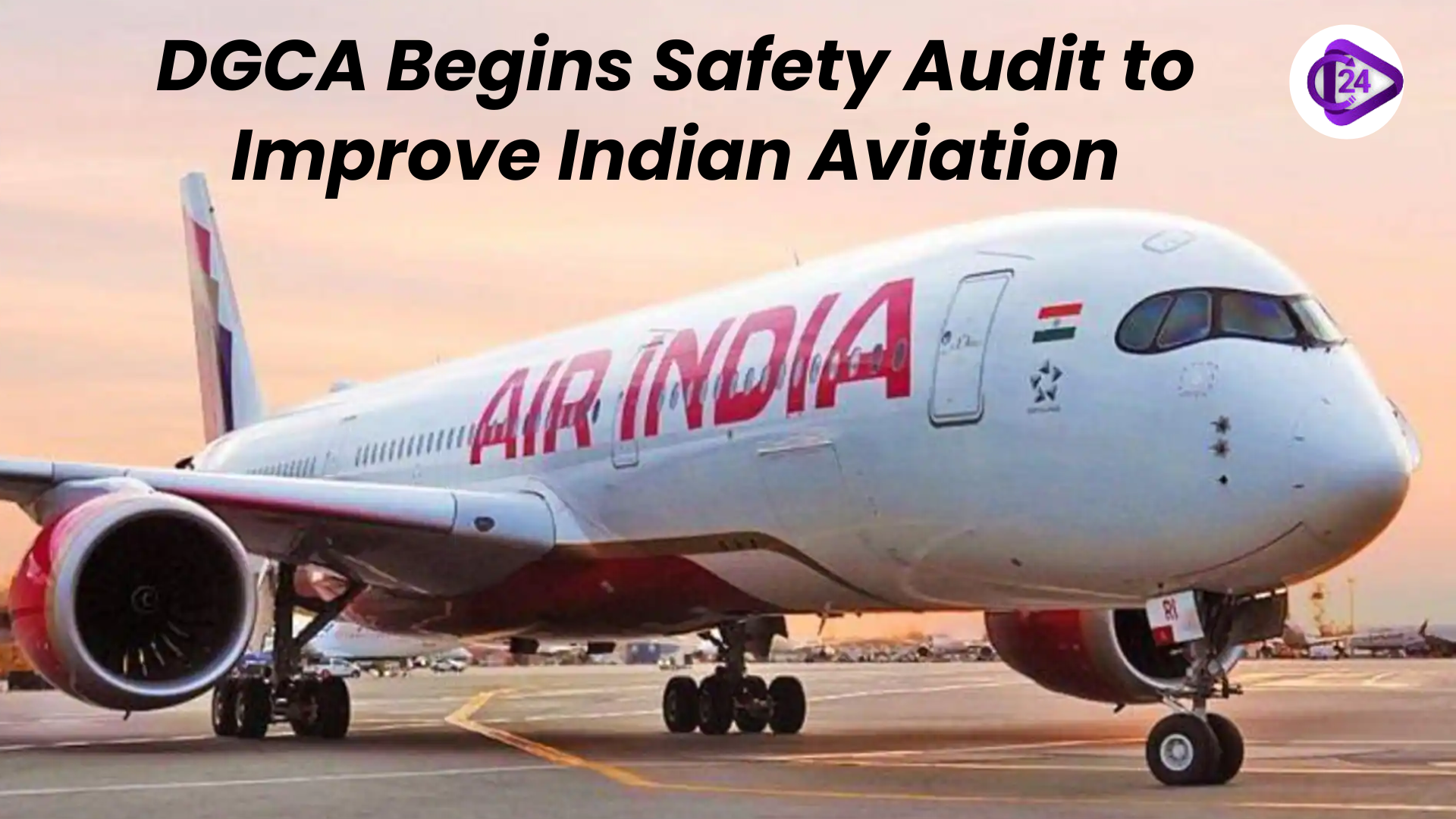
DGCA introduces a complete safety audit to improve Indian aviation safety

To enhance aviation safety, the Directorate General of Civil Aviation (DGCA) has initiated a Comprehensive Safety Audit. The program will analyze the safety, efficiency of operations and regulatory compliances at the entire aviation industry. This is amidst the tragic airline crash of Air India flight AI-171 that took place on June 12 and killed 241 people on board. The audit will no longer rely on the conventional overseeing process and that it will also include a more comprehensive review in order to overcome systemic weaknesses. The new structure is also in accordance with the standards kept by ICAO and goals of aviation in India.

Context

  • In a bid to enhance aviation safety, DGCA has come up with a new Comprehensive Safety Audit, that has the capacity to enforce safety management systems and operations practices. 

  • The audit is meant to be proactive to identify the weakness and make improvements in the aviation standards of India.

Key Developments

Target of the Comprehensive Safety Audit:

  • The new structure of the audit by the DGCA is aimed at giving the whole picture of the aviation industry.

  • It will measure and assess safety, operating efficiency and regulatory compliance within the industry.

  • It seeks to determine the systemic weaknesses and enhance resilience of the operations in the field of aviation.

Safety Focus After the Crash:

  • The audit is based on the fatal crash of an Air India flight AI-171 on June 12, the importance of the safety practices re-evaluation.

  • It is expected to exclude future catastrophes, so that it is more determined to obey demands of ICAO, which are Standards and Recommended Practices (SARPs).

Paradigm Shift in the Audit Framework:

  • The classical role in oversight was usually isolated, with each of the directorates carrying out their own inspection.

  • The Comprehensive Special Audit is meant to cut across the borders of these silos to bring forth a 360 review of the whole of the aviation system.

Multicultural Perspective of Auditing:

  • Senior DGCA officials will head the teams and be assisted by key officials of various fields like the Flight Standards, Air Safety, Airworthiness etc.

  • The audit will entail surprise visits to the facilities, site visits, and well-designed interviews with the management and operational personalities.

  • Trend analysis of the data will also add as an important aspect of the process in order to detect the underlying safety problems.

Audits Trigger Mechanism:

  • Significant events like critical safety incidents or a violation of regulatory requirements, or operational disruption may trigger special audits.

  • This will make the system changeable in real time to the risks that are emerging.

Adherence to Global Standards:

  • The project reflects how India is taking its place in terms of global aviation practice and the development of an aviation environment on a world scale.

Conclusion

The Comprehensive Safety Audit conducted by the DGCA is a positive measure towards dealing with the issue of systemic safety in India aviation business. The initiative has its focus on making the aviation industry stronger, compliant, and more effective and will be achieved by implementing multidisciplinary audits in addition to the usual safety checks. This will not only assist in enhancing the safety standards of the country but also harmonize the Indian aviation system according to the international standards.

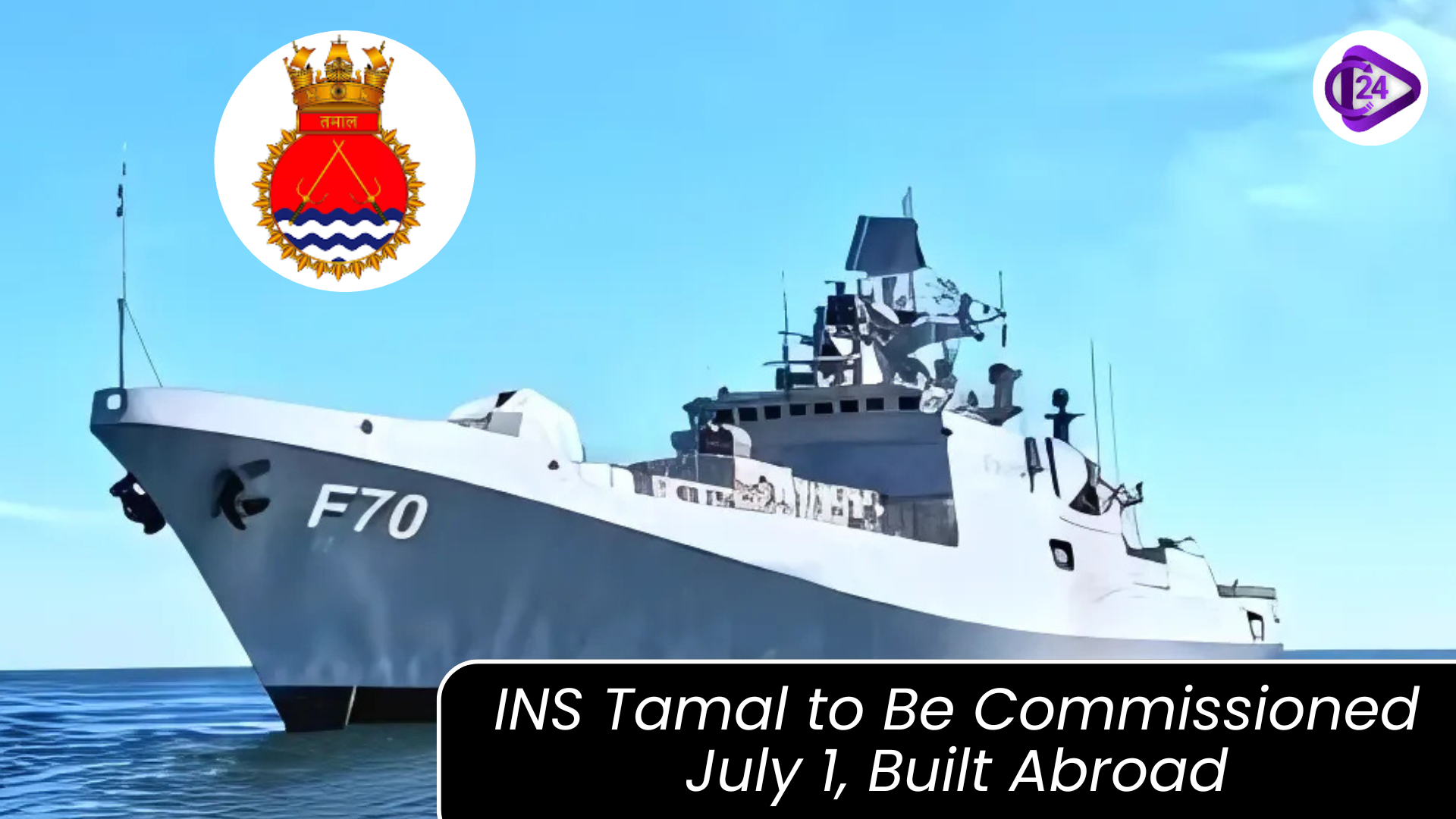
INS Tamal to Be Commissioned on July 1: Last Warship Built Outside India

The INS Tamal, an Indian Navy latest stealth multi-role frigate, will be commissioned on July 1 in the town of Kaliningrad in Russia. It is the final warship constructed outside of India which is in accordance with Indian government policy “Atma Nirbhar Bharat” and Make in India programme. This is the war-ship of the series of Krivak-class and has mixed up Indian and Russian technologies and also features well-advanced technology such as BrahMos cruise missile. The commissioning ceremony is expected to be headed by vice-admiral Sanjay J. Singh with some of the highest ranking Indian and Russian officials present there.

Context

  • On July 1, INS Tamal, another Krivak-class frigate will be commissioned and it will be the final warship in India that has been constructed abroad.

  • This ship boasts of 26% local content and latest technologies both the BrahMos missile.

Key Developments

Main Development: Commissioning of INS Tamal

Commissioning Details

  • To take place on July 1 at Kaliningrad, Russia.

  • It is the final warship constructed overseas on behalf of India.

  • Indian and Russian top officials to be present.

Strength of Atmanirbhar Bharat

  • Has 26% of indigenous contents.

  • A metaphor of the changeover to self-defense.

  • Two similar-looking frigates in construction at Goa Shipyard Ltd., as part of the Make in India program with Russian partnership.

Advanced Capabilities

  • 125m Stealth, 3,900 tonne surface frigate.

  • Armed with sea and land-attack BrahMos cruise missile.

  • Has 33 Made-in-India systems that will improve domestic defense.

Crew Training & Trials

  • More than 250 Indian military navy personnel were trained in Russia.

  • Sea trials were conducted to test systems and prepare in 3 months.

Strategic Deployment

  • Upon commissioning, it will become part of the Indian Navy’s Western Fleet, also known as the “Sword Arm,” strengthening India’s naval defense capabilities in the region.

Conclusion

Commissioning of INS Tamal will be a major step in modernization and self-reliance efforts of India in the field of defence. The warship that features sophisticated technologies and local parts is going to give India an increased capability in its navy and the shift toward increasing the locally manufactured military equipment. It is also the final result of foreign-built warship construction and, by extension, the increasing emphasis on domestic manufacturing as part of India through its Atma Nirbhar Bharat vision.

Frequently Asked Questions (FAQs)

The current affairs cover recent national and international events related to UPSC, SSC, Banking, Railways, and State PCS.

You need to read about the current affairs daily, and revise them every week and every month to keep them longer in your memory.

Yes, Class24 provides free downloadable Daily Current Affairs PDFs for easy revision.

Yes, you can practice MCQs and quizzes to boost your exam preparation.

Absolutely. The content is written in simple, easy-to-understand bilingual language suitable for beginners.

Go to class24.com and click on the current affairs section directly, where you find everything that you need.

ssc-toppers

Start Learning Today with Class24

Related current affairs

Class24 offers free video lectures for smart preparation, covering CGL, CPO, CHSL, MTS, and GD exams. Learn from expert faculty, revise concepts easily, practice with PYQs, and improve speed and accuracy through high-quality, exam-focused video lessons anytime, anywhere.

Get success in your hand. Start study anytime anywhere.

The journey becomes simple and enjoyable when you start taking interest in it. And through our app “Class24”, we will be your trusted partners in developing that interest.

Daily Quizzes
Mock Tests
Ongoing

No ongoing tests right now.