
Day: June 13, 2025

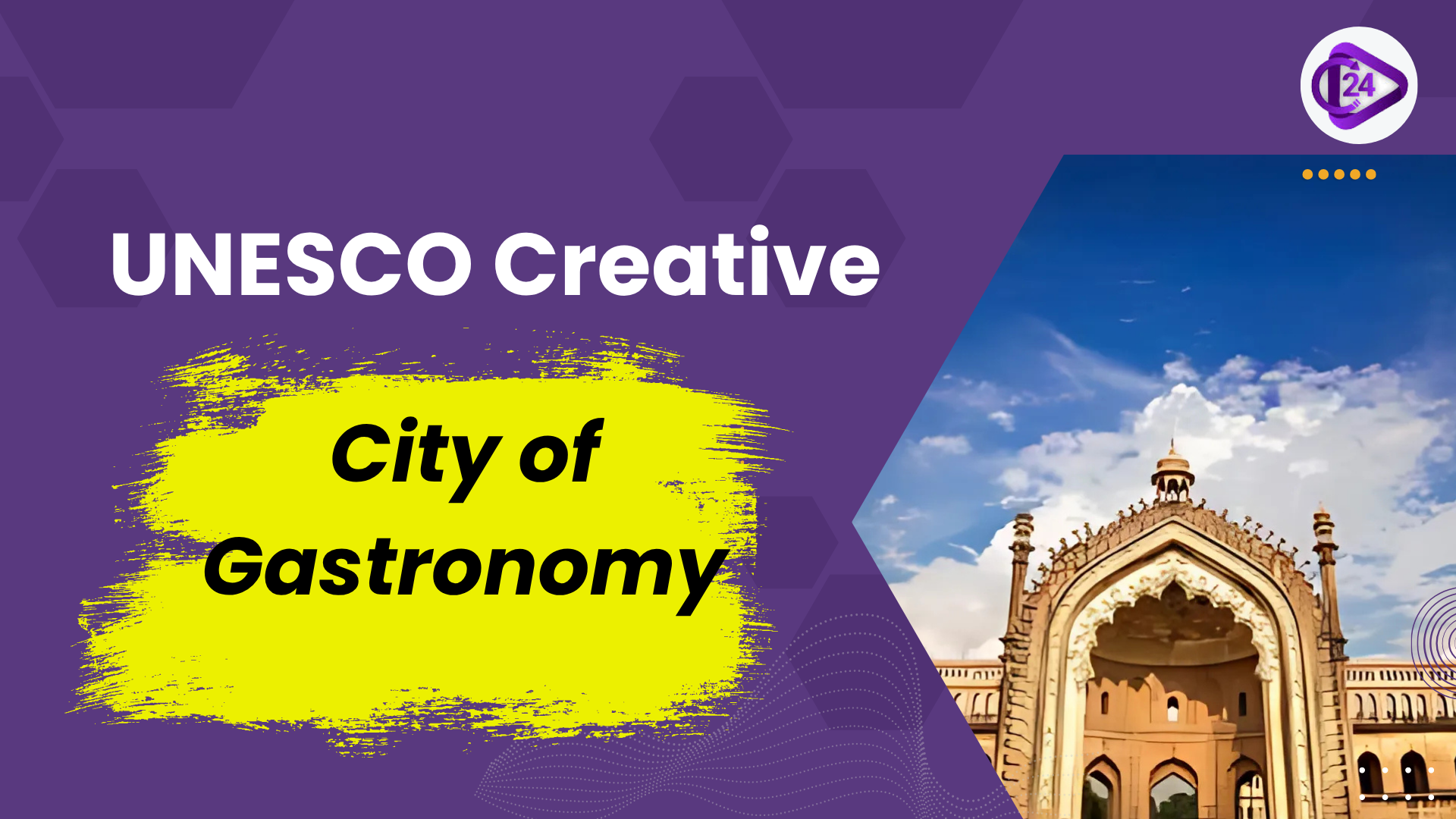
Lucknow Nominated for UNESCO’s Creative City of Gastronomy

The capital of Uttar Pradesh, Lucknow, has been officially proposed by India to be a UNESCO Creative City of Gastronomy. This recognition aims to bring to light the Awadhi cuisine, which has always been a favourite among foodies in the region and around the world. This rich culinary tradition of Lucknow, whether it is the famous Tunday Kebabs and Kakori Kebabs or vegetarian food items such as Durga Ke Khaste and Bajpai Ki Puri, is a blend of courtly cuisine and home-style delicacies. The city's proposal for a Creative City of Gastronomy is an attempt to secure a UNESCO designation, similar to its Chikankari and Banarasi sarees.

Lucknow is a bid to be a UNESCO Creative City of Gastronomy, in recognition of its traditional Awadhi cuisine. The food culture in the city is a vital element of its culture, offering both vegetarian and non-vegetarian dishes.

Key Details Regarding Lucknow's Nomination

1. The UNESCO Creative City of Gastronomy Proposal

Awadhi Cuisine Highlighted:

  • Lucknow has submitted the proposal to UNESCO to be known as a Creative City of Gastronomy. The nomination dreads Awadhi cuisine, a vegetarian and non-vegetarian mix of delicacies that have been part of the city's cultural heritage.

Nomination Process:

  • The nomination process is being spearheaded by the culture and tourism department of the UP government, along with the assistance of Mumbai-based consultant Abha Narain Lambah, who compiled the detailed dossier that will be submitted to UNESCO.

2. Lucknow’s Rich Gastronomic Heritage

Delicious Non-Veg Specialities:

  • Lucknow is the place to savour Tunday Kebabs, Kakori Kebabs, Mutton Biryani and Chicken Kebabs, just to name a few items that would make your mouth water.

  • The royal kitchens of Awadh have a profound impact on the city's food culture, and there are specific recipes that have been passed down through generations.

Vegetarian Offerings:

  • Lucknow is also famous for its non-vegetarian dishes, along with vegetarian legends like Durga Ke Khaste, Bajpai ki Puri, khasta, and kachori.

  • The city is also inclined towards sweets. Motichur ke Laddu, Malai Paan and Imarti are some of the traditional sweets which are famous in the city.

3. Growing Global Recognition for Lucknow’s Culinary Scene

G20 and other High-Level Visits:

  • The recent G20 Summit, DefExpo, and UP Investors Summit have added an international dimension to the city, as well as another focus on its culinary tradition. Foreigners have sampled the sumptuous food in Lucknow, and this is the boost this city needed in its quest to win the UNESCO status.

Tourism Impact:

  • Lucknow is already an established tourism destination, with 480 million tourists visiting the city every year, many of whom come to the city's food courts to relish the variety of local delicacies.

4. Cultural Significance of Lucknow’s Cuisine

Blending of the Past and the Present:

  • As Abha Narain Lambah writes about the cuisine of Lucknow, it is not just a repository of traditional Awadhi cuisine. Still, it is also evolving and progressive, accommodating new tastes and preferences. Such fineness and diversity have established Lucknow as a culinary destination for people worldwide.

Culinary Evolution:

  • The food scene in Lucknow is constantly evolving, with the abundance of traditional food being combined with the ever-changing flavours of contemporary food culture. The fact that the city has managed to strike the right balance between tradition and innovation in terms of what it offers in terms of food also makes it deserving of UNESCO status.

5. Next Steps for the Nomination

Final Data Submission: 

The application of Lucknow as the Creative City of Gastronomy is going to be re-examined, and a final round of data is to be provided by the end of June. After that, UNESCO representatives may arrive in the city to investigate the statements and assess the food heritage.

Focus on Awadhi Cuisine’s Global Impact: 

  • The city's food proposal focuses on the rich food culture of Lucknow and its potential contribution to the world's food culture, with the epicentre of this gastronomic movement being Awadhi cuisine.

Indian Cuisine Origins and Evolution:

  • Indian cuisine reflects a 5000-year history of cultural and community influences.

  • The spice trade with Europe was crucial to the Age of Discovery, making Indian spices highly sought after globally.

  • Early cuisine involved simple food habits of the Aryans, later becoming more complex with agricultural advancements.

  • Vegetarianism emerged due to religious influences like Buddhism and Jainism.

Foreign Influences on Indian Cuisine:

  • Greek, Roman, and Arab traders brought essential spices such as saffron, cumin, and coriander.

  • Arabs introduced coffee, and Persian Zoroastrians influenced the development of Parsi cuisine, including the introduction of biryani.

  • The Mughals revolutionized food with Mughlai cuisine, introducing dry fruits and nuts.

  • The Portuguese introduced tomatoes, potatoes, sugar, and refined sugar.

  • British colonial influence led to tea culture and the use of knives and forks.

The Role of Spices and Herbs:

  • Spices are integral to Indian cuisine, with 'masala' being a blend of various herbs, such as garam masala.

  • Ancient Ayurvedic texts highlight the medicinal properties of spices.

  • Indian spices were traded globally, influencing the cultures of many nations.

Regional Cuisines in India:

  • North India: Known for Mughlai cuisine, which includes rich dishes like kebabs, kormas, and biryanis, and the use of wheat-based breads like naan and roti.

  • South India: Focuses on griddled foods like dosas, sambars, and seafood, with heavy use of tamarind, coconut, and 'kari' leaves.

  • East India: Bengali cuisine emphasises fish, mustard oil, and subtle flavours; Oriya cuisine is known for its delicate spices and seafood.

  • West India: Includes diverse cuisines such as Rajasthani, Gujarati, and Goan, with influences from hunting, vegetarianism, and Portuguese rule.

Festivals and Traditional Foods:

  • India celebrates numerous festivals with special dishes offered to deities, such as Modakas during Ganesh Chaturthi or milk pudding during Janmashtami.

Indian Food Around the World:

  • Indian food, especially curry, tandoori dishes like chicken tikka, and biryani, is popular worldwide.
    Indian cuisine has had a significant influence on the cuisines of Southeast Asia, Malaysia, Singapore, and the Middle East.

  • Indian food's global presence, exemplified by dishes like Chicken Tikka Masala in the UK, highlights its widespread popularity.

Conclusion

The nomination of Lucknow as a UNESCO Creative City of Gastronomy highlights the abundance of Awadhi cuisine and its rich food culture. As its profile grows internationally, thanks to the presence of a substantial tourism industry and high-profile visits and connections with the outside world, Lucknow is seeking to be ranked among other world cities which are known for their culinary arts. The city's bid to win this coveted title underscores how food culture, heritage, and contemporary tourism converge to give the town a stronger sense of place in the global arena.

Air India Plane Crash: A Setback for Airline’s Revival Plans Amidst Tragic Loss of Over 240 Lives

The deadly Air India plane crash that took place on June 12, 2025, claimed the lives of more than 240 people, becoming one of the most tragic aviation accidents in the last decade. It happened on a Boeing 787 Dreamliner, the first crash of its kind to involve the aircraft model. The disaster has since overshadowed Air India's attempts to repair its image and upgrade its fleet following its acquisition by the Tata Group in 2022. The recovery plans that involved the airline in rejuvenating the carrier by improving its maintenance and introducing new aircraft into its fleet have suffered an enormous blow, and the cause of the crash remains to be ascertained.

The Air India accident on June 12, 2025, has resulted in more than 240 fatalities, which is a big blow to the airline in its quest to rebuild its reputation. The accident, in which a Boeing 787 Dreamliner was involved, raises questions about the maintenance and safety standards Air India follows.

Details Regarding the Air India Plane Crash and Its Aftermath

1. The Incident

Place and Casualties:

  • The accident occurred shortly after the takeoff, and the flight was bound for London Gatwick. Air India flight AI-171 crashed at the time when it was carrying 229 passengers and 12 crew members on board, and only one survivor was reported; he was a British national of Indian origin.

  • The dead included a few students and prominent Indian dignitaries, including the former chief minister of Gujarat, Vijay Rupani.

Crash Site and Impact:

  • Firefighters and the Indian army helped in clearing the site as they sprayed water on the wreckage, which was covered with debris. The plane lost contact with the airport control after issuing a mayday call.

2. Air India’s Challenge in Fleet Revamp

Previous Efforts for Recovery:

  • As an asset of the Tata Group since 2022, Air India was planning to redesign its fleet, addressing long-term operational challenges and renovating its reputation as a global airline. Although its economic involvement and sustenance have been enhanced, poor customer service, flight delays, and an old fleet still characterise the airline.

Aircraft Maintenance:

  • The Boeing 787 Dreamliner involved in the crash was 11 years old and belonged to Air India. Despite the fierce new jet orders, the airline's fleet continues to have a large number of old aircraft; 27 per cent of the fleet is between 10 and 15 years old, and 43 per cent of the fleet is above 15 years old. This is one of the problems affecting the airline in its quest to match its competitors, such as Emirates and IndiGo.

3. Investigation and Aftermath

Reason behind the Crash:

  • The reason behind the crash is yet to be established, and the aviation minister said that an official inquiry had been initiated. Early indications by aviation consultants suggested that the aircraft had not taken off well before it plunged. The Boeing 787 has been described as possessing a broad scope of flight data monitoring, and this will aid in the determination of the cause of the crash.

Boeing’s Response:

  • Boeing also presented its profound condolences concerning the incident, explaining that the company was “seeking to learn more” regarding the crash. Aviation Safety Network said that it was the first accident involving a Boeing 787.

4. Public Reactions and Global Condolences

Response of the Indian Government:

  • Prime Minister Narendra Modi announced his sadness about the crash, which he described as heartbreaking beyond words. An Indian government post on social media also confirmed that several agencies, including Indian Army teams, would be involved in rescue operations.

Foreign Diplomacy:

  • The UK government and Prime Minister Keir Starmer assured the families of the British nationals aboard the flight that they would give them all the support. King Charles III also sent a message of condolence saying that he and Queen Camilla were “desperately shocked.”

5. Air India’s Troubled Past and Future

Aviation Incidents History:

  • Among the severe incidents that occurred in the past involving Air India, there is a crash of a Boeing 737 in 2010 that took the lives of 158 people and an accident in 2020 with Air India Express that claimed 21 lives. All these accidents have tarnished the airline's reputation, despite several reforms and modernisation efforts.

Ongoing Challenges:

  • However, Air India Express, its low-cost carrier, still gets complaints regarding the late arrival of flights, poor cabin environment, and overall unpleasant customer experiences despite the constant modernisation of its fleet. The airline's financial woes continue, as evidenced by its $520 million net loss in 2023-24.

6. Broader Impact on the Aviation Industry

Industry Shockwaves:

  • The crash has not only rattled the airline's reputation, but it may also have a broader impact on the aviation sector in India. The country's aviation infrastructure has been growing at a rapid pace, and several international summits, along with other high-profile events such as the G20 Summit, have been held recently in India.

  • Nevertheless, safety and operational efficiency have been significant challenges for all stakeholders, including government agencies and private airlines.

Conclusion 

The Air India crash has sent shockwaves through the aviation industry, marking a significant setback to the airline's efforts to overhaul its fleet and regain passenger confidence. The ensuing investigation into the cause, as well as Air India's modernisation of the fleet, will prove central in resolving the long-held concerns regarding aircraft safety and passenger service. The accident underscores the importance of maintaining high standards of safety and effective fleet management procedures in shaping the future success of the Indian aviation industry, which is currently experiencing rapid expansion.

India Slips to 131st in Global Gender Gap Index 2025

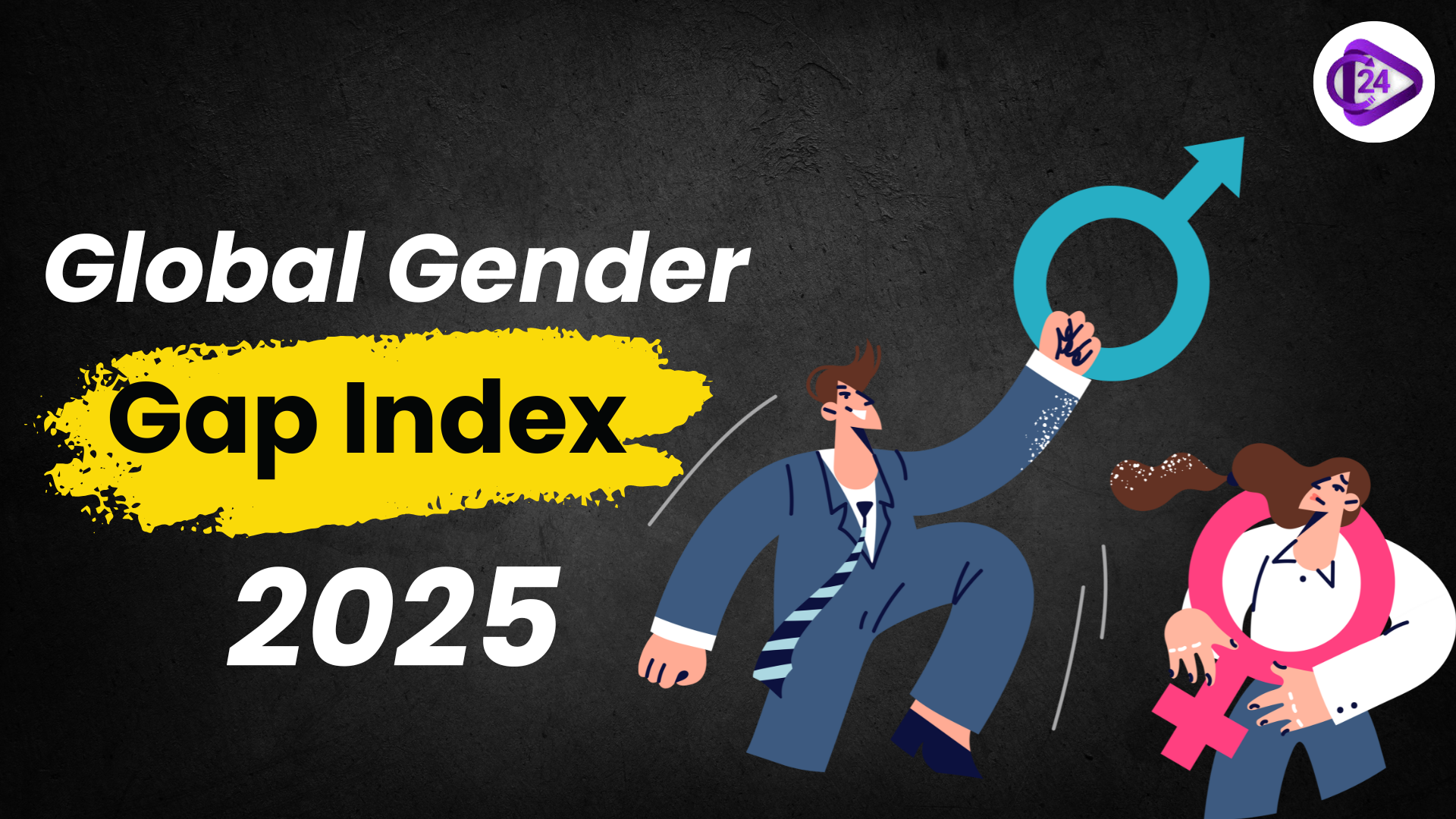
Compared to last year, India has fallen two ranks to take the 131st spot on the 2025 Global Gender Gap Index. Although India's economic contributions and educational achievements have been impressive, political empowerment remains a significant challenge. The country's gender parity score is 64.1%, indicating that there have been slight positive changes in several spheres; however, achieving gender equality in critical fields such as politics remains challenging. India has one of the worst scores in South Asia, and the country is significantly brought down by the fact that women are poorly represented in parliament and as ministers.

The Global Gender Gap Index 2025 has revealed that India has fallen to 131st place, despite improvements in economic participation and education, while political empowerment has declined. The nation is still struggling significantly to achieve gender equity, particularly in political representation.

Key Details Regarding India’s Position in the Global Gender Gap Index 2025

1. India’s Performance in the Global Gender Gap Index

Rank and Parity Score:

  • In the Global Gender Gap Index 2025, India ranked 131st out of 148 countries, with a gender parity score of 64.1%.

  • This is a two-place drop-in compared to the 129th place last year.

Key Dimensions Assessed:

The index measures gender parity in four dimensions:

  1. Economic Activity and Opportunity

  2. Educational Attainment

  3. Health and Survival

  4. Political Empowerment

2. Areas of Improvement and Progress

Economic Participation and Opportunity:

  • India has scored 0.9 percentage points more in this area, reaching 40.7 per cent.

  • There was no change in the labour force participation rate at 45.9 per cent, although there was some slow progress in gender parity in earned income, which improved to 29.9 per cent against a previous rate of 28.6 per cent.

Educational Attainment:

  • In India, there was almost equal education with a score of 97.1 per cent.

  • This is an indication of improved access to education by women and girls, as well as higher levels of literacy among women and higher enrolment of women in tertiary education.

Health and Survival:

  • Our country, India, has also been improving in terms of health, thanks to improvements in the sex ratio at birth and increased healthy life expectancy.

  • The gains, however, are fairly small given that there has been a general decrease in life expectancy for both men and women in the country.

3. Decline in Political Empowerment

Women Members of Parliament:

  • The percentage of women in Parliament dropped to 13.8 per cent in 2025, down from 14.7 per cent in 2024.

  • It is the second consecutive year of decline, indicating stagnation or a reversal in the political representation of women.

Women in Ministerial Positions:

  • The percentage of women holding ministerial positions also declined, dropping to 5.6% compared to 6.5%, a vast difference from the 30 per cent mark in 2019.

  • This deterioration in political empowerment remains a setback to India's performance in the Global Gender Gap Index.

4. Regional Comparison and Global Leaders

South Asia Context:

  • India ranks lower than many of its South Asian neighbours, as nations such as Bangladesh (24th), Nepal (125th), Bhutan (119th) and Sri Lanka (130th) are ranked higher.

  • The only other South Asian nations that rank below India are the Maldives (138th) and Pakistan (148th).

Top Performers:

  • Iceland, maintaining the 1st place, was followed by Finland, Norway, and Sweden, rounding out the top four.

  • These nations have consistently topped the index over the years, with Iceland scoring a gender parity index of 0.926.

5. Global Gender Parity Trends

Global Improvements:

  • Across the world, gender parity has been enhanced, and the total gender gap decreased to 68.8 per cent in 2025.

  • Nevertheless, complete worldwide equality is projected to be 123 years at the present pace of change.

Representation in the Workforce and Leadership:

  • The current working women's population accounts for 41.2 per cent of the global workforce, but only 28.8 per cent of women hold leadership positions, highlighting the prevailing gender gap in decision-making across all fields.

6. Implications for India’s Growth and Policy

Economics and Social Impact:

  • The Global Gender Gap Index is not a purely social measure with solid economic overtones.

  • The World Economic Forum has highlighted that countries taking steps towards achieving gender parity have a higher chance of attaining resilient and inclusive economic growth.

 Policy Recommendations for India: 

  • India needs to address the political empowerment gap and further invest in developing gender-sensitive policies to increase female representation in leadership positions, both in government and the private sector.

  • The gender gap can only be narrowed by implementing more inclusive policies in economic participation and education to ensure the full involvement of women in the country's economic development.

India has launched several initiatives to bridge the gender gap in social, economic, and political spheres:

  1. Beti Bachao Beti Padhao – A campaign aimed at addressing issues like gender discrimination and promoting the education of girls.

  2. Mahila Shakti Kendra – A program focused on empowering rural women by providing skills and support for employment.

  3. Mahila Police Volunteers – Women volunteers who assist in tackling crimes against women and children.

  4. Rashtriya Mahila Kosh – A scheme providing micro-finance to women for self-help groups and their empowerment.

  5. Sukanya Samriddhi Yojna – A savings scheme to promote the welfare of girl children.

  6. Kasturba Gandhi Balika Vidyalaya – A program offering residential schooling for girls from disadvantaged backgrounds.

  7. Political Reservation – 33% of seats in Panchayati Raj Institutions are reserved for women, and the 106th Constitutional Amendment (2023) reserves one-third of seats for women in Lok Sabha, State Assemblies, and Delhi's Legislative Assembly.

  8. Female Entrepreneurship Initiatives – Programs like Stand-Up India, Mahila-e-Haat (an online platform for women entrepreneurs), and the Entrepreneurship and Skill Development Programme (ESSDP) promote women's business ventures.

Conclusion 

India's position in the Global Gender Gap Index 2025 (131st place) highlights a significant challenge in the area of political empowerment, despite notable progress in education and economic activities. The gender parity score of 64.1% highlights some gains and the prevalence of inequalities in the country. As the representation of women in Parliament and as ministers declines, India needs to focus on developing gender-sensitive policies to enhance women's political empowerment and their broader inclusion in governance. These gaps will be crucial to address to achieve inclusive growth and long-term economic resilience in India.

High Seas Treaty Nears Enforcement with 49 Nations Onboard

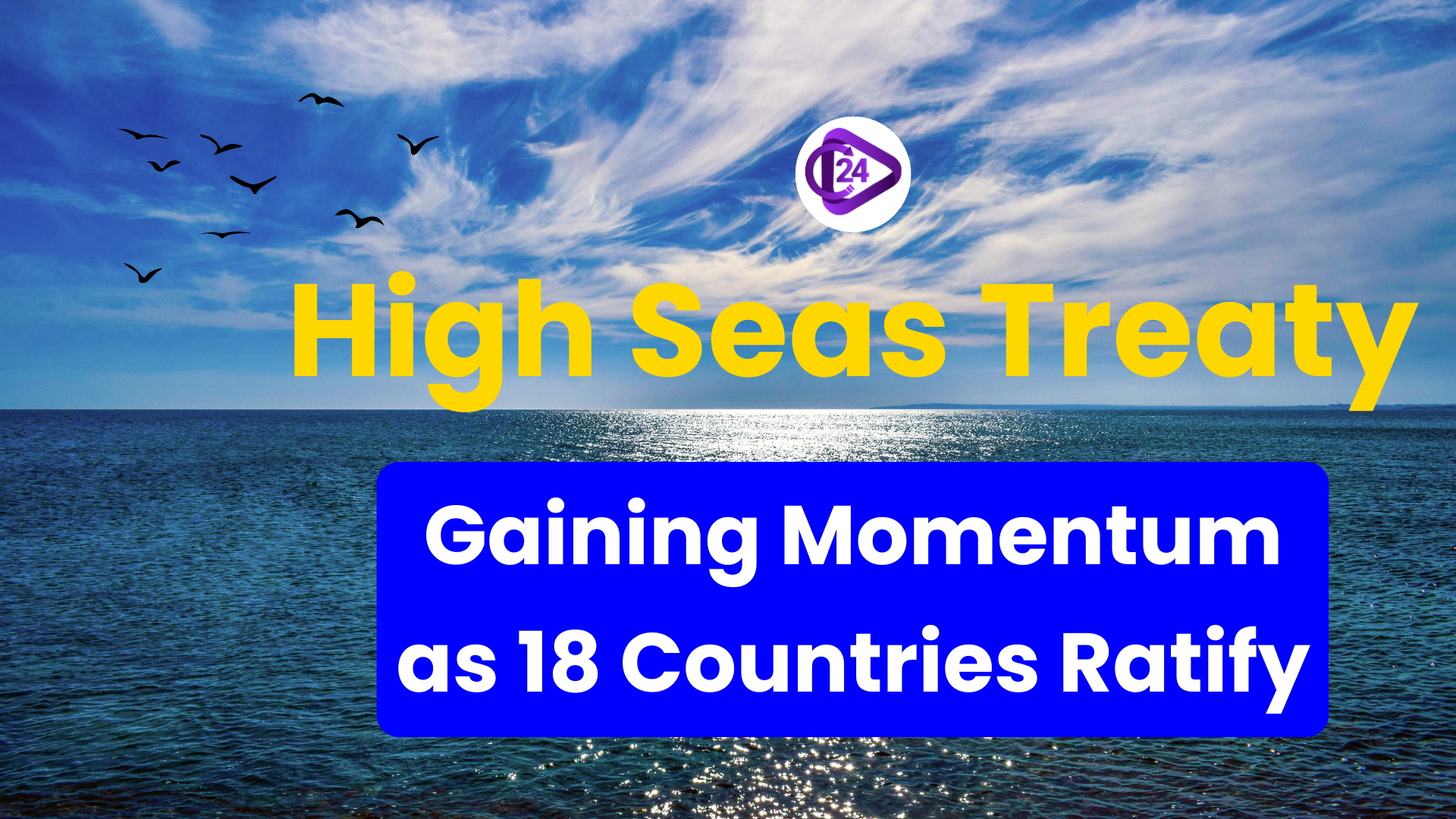
At the U.N. Ocean Conference in Nice, France, 18 countries signed the High Seas Treaty, making a total of 49 ratifications, only 11 more ratifications needed to enable the agreement to come into force. The treaty, formally called the Agreement on Biodiversity Beyond National Jurisdiction (BBNJ), is the first legally-binding instrument aimed to preserve marine diversity in international waters, making up almost two-thirds of the ocean. That boost in numbers has raised hope that the treaty might be adopted in the nearest future and become a historical change in the regulation of the world's oceans.

The High Seas Treaty is now being ratified by 49 countries and the EU, meaning that the treaty will need only 11 further ratifications in order to become effective. It is expected that the treaty will create no-take zones and manage the use of international waters sustainably, which is crucial in the process of protecting marine biodiversity.

Key Details Regarding the High Seas Treaty

1. What is the High Seas Treaty?

  • Official Name: The treaty is formally dubbed as the Agreement on Biodiversity Beyond National Jurisdiction (BBNJ).

  • Purpose: It is the first legally binding international agreement devoted to the protection of marine biodiversity in the high seas – the ocean regions that are not under the jurisdiction of any single nation.

  • Scope: The high seas make up almost two-thirds of the ocean and almost half of the planet, but so far, they have had no effective protection in terms of legislation.

2. Why is the Treaty Important?

  • Lack of Regulation: When this treaty was entered there was no wide ranging regulatory regime that could establish marine areas of protection or impose conservation strategies in the high seas which are becoming more vulnerable to overfishing, climate change and deep sea mining.

  • Environmental Pressures: As the high seas come under increased pressures, environmentalists cautioned that marine life is vulnerable to irreparable damage unless it is legally protected.

  • Megan Randles, the global political lead of oceans at Greenpeace, explained that the situation on the high seas was, until now, comparable to the wild west, with no effective regulations to speak of.

3. Role in Achieving Global Goals

  • 30×30 Target: The agreement is also important to the global 30×30 target to ensure 30 percent of the Earth is protected by land and sea by the year 2030.

  • Marine Protected Areas (MPAs): It establishes a legal basis for establishing marine protected areas (MPAs) on the high seas, which will help protect marine life diversity.

  • Regulation of Destructive Activities: Destructive activities that may take place, such as deep-sea mining and geo-engineering, are also regulated by the treaty to ensure such activities are controlled in a manner that does not cause more harm to ocean life.

4. Multilateral Decision-Making

  • Global Cooperation: Importantly, decisions will be reached multilaterally under the treaty via conferences of the parties (COPs) as opposed to unilateralism by individual nations. Through this system, no country will feel left out in the governance and future of the high seas.

5. What Happens Once the Treaty Reaches 60 Ratifications?

  • 120-Day Countdown: After 60 countries ratify the treaty, there will be a 120-day countdown prior to the official coming into force of the treaty.

  • Marine Protected Areas Implementation: The coming into force will enable the countries to begin to identify protected areas in the high seas and to establish the required oversight structures.

  • Considerable Progress: The treaty now has 49 ratifications by countries and the European Union, so only 11 countries remain before the countdown can begin.

  • Statement by U.N. Secretary-General: António Guterres, the U.N. Secretary-General, expressed hope, saying that the treaty will enter into force soon, and urged all countries to act swiftly.

6. What Happens After 60 Ratifications?

  • COP1 Meeting: Within one year after the treaty comes into force, the first Conference of the Parties (COP1) will be held. The meeting will be aimed at preparing the ground on how the treaty will be implemented, with decisions being made on how it will be governed, funded, as well as establishing organizations that will assess proposals on marine protection.

  • Global Support: Environmental organizations are urging quick action to get beyond the needed 60 ratifications, noting that it would be ideal to have the widest possible global involvement in the treaty in order to ensure its successful operation.

7. Environmental Groups' Push for Speed

  • Aiming to exceed 60 Ratifications: Rebecca Hubbard, director of the High Seas Alliance, also pointed out that 60 ratifications is an important target, but in order to make the treaty effective, it is important that countries across the globe join in the implementation.

  • 2025 as a Turning Point: The showing of support during the U.N. Ocean Conference has brought optimism that 2025 may be the year that protection of high seas becomes a reality and a turning point in ocean protection.

Conclusion

The High Seas Treaty, aimed at preserving biodiversity in international waters, is on the verge of becoming ratified historically, with 49 countries and the European Union already having signed on. When 60 countries ratify the treaty, it will come into force, and finally, the high seas, which are a crucial and rapidly degraded part of the planet, will have some protection. The treaty is a significant contribution to the development of marine protected areas and the control of damaging human practices, such as deep-sea mining, to international conservation ambitions. The energy created at the U.N. Ocean Conference has established an optimistic schedule towards the success of the treaty, and quickly is the call amongst advocates to see this treaty adopted globally by 2025.

Frequently Asked Questions (FAQs)

The current affairs cover recent national and international events related to UPSC, SSC, Banking, Railways, and State PCS.

You need to read about the current affairs daily, and revise them every week and every month to keep them longer in your memory.

Yes, Class24 provides free downloadable Daily Current Affairs PDFs for easy revision.

Yes, you can practice MCQs and quizzes to boost your exam preparation.

Absolutely. The content is written in simple, easy-to-understand bilingual language suitable for beginners.

Go to class24.com and click on the current affairs section directly, where you find everything that you need.

ssc-toppers

Start Learning Today with Class24

Related current affairs

Class24 offers free video lectures for smart preparation, covering CGL, CPO, CHSL, MTS, and GD exams. Learn from expert faculty, revise concepts easily, practice with PYQs, and improve speed and accuracy through high-quality, exam-focused video lessons anytime, anywhere.

Get success in your hand. Start study anytime anywhere.

The journey becomes simple and enjoyable when you start taking interest in it. And through our app “Class24”, we will be your trusted partners in developing that interest.

Daily Quizzes
Mock Tests
Ongoing

No ongoing tests right now.