Day: June 5, 2025

India’s First Indigenous Polar Research Vessel: A Major Step in Polar and Ocean Research

India has signed an agreement between GRSE and Kongsberg from Norway to create its debut indigenous Polar Research Vessel. The ship will assist India’s research assignments at their polar bases in Antarctica (Bharati and Maitri) as well as in the Arctic (Himadri). It will carry modern scientific instruments to study the life and environments found in the polar regions’ oceans. It fits with India’s goals that come under MAHASAGAR and Sagarmala 2.0, both meant to improve India’s shores and capabilities for shipbuilding. This plan plays a role in helping achieve the goals of India’s ‘Make in India’ and Atmanirbhar Bharat.

Context

  • Collaborating with Kongsberg firm from Norway, India will develop its first PRV which will strengthen its polar research facilities. 

  • India will improve its shipbuilding skills and strengthen its dominance in the maritime area, following Sagarmala 2.0.

Key Points

Partnership and development

  • MoU Signed: Between Garden Reach Shipbuilders and Engineers Limited (GRSE) and Norway’s Kongsberg firm.

  • Purpose: The Polar Research Vessel (PRV) helps with research in the polar regions and the oceans, created according to the requirements of the National Centre for Polar and Ocean Research.

Role and Importance of the PRV:

  • The bill includes provisions to enhance the capacity of India’s three important research stations in the Antarctic and Arctic: Bharati, Maitri and Himadri.

Features and capabilities

  • Advanced scientific instruments will be used to discover marine environments and a variety of life in the polar regions and those areas of the southern ocean.

  • The research is focused on polar and ocean areas, with the aim to improve our understanding of these two areas.

Strategy and Policy 

  • Making the MAHASAGAR Commitment shows India’s strong dedication to fostering improvement in polar and ocean regions together.

  • Sagarmala 2.0 is intended to help India become a leader in world maritime activities by improving facilities and building better vessels.

Promotion of ‘Make in India’ and Atmanirbhar Bharat.

  • Building a better infrastructure for ships in India also follows India’s goals of increasing indigenous shipbuilding and supports the Make in India and Atmanirbhar Bharat campaigns.

Conclusion

Making the first Polar Research Vessel in India is a big achievement for the country’s science and maritime sectors. It will allow India to conduct more research in the polar region and support its position as a top maritime nation, following national objectives of becoming self-reliant and advanced in technology.

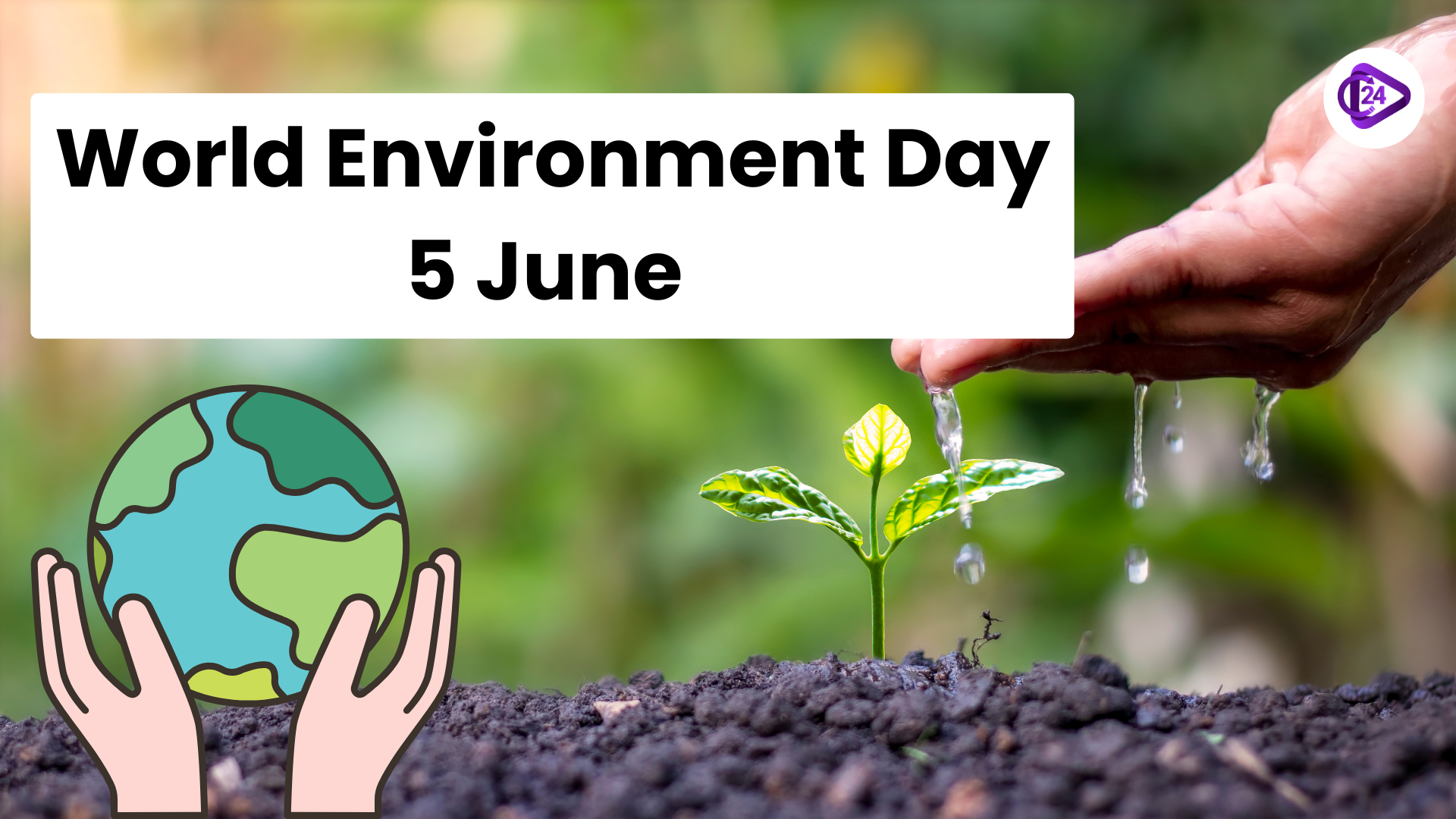
World Environment Day 2025: “Beat Plastic Pollution”

Every year on June 5, World Environment Day encourages people and countries to care for the environment. South Korea will host the Conference in 2025, while the main theme is “Beat Plastic Pollution.” This day helps people everywhere to waste less plastic and support eco-friendly habits. It all began in 1972 with the United Nations Conference on the Human Environment which then prompted the formation of UNEP. Every year, the event explores new environmental issues and in 2025, the key issue will be plastic waste and its pollution.

Summary:

  • On World Environment Day 2025, the focus is on “Beat Plastic Pollution” to reflect the problems we face due to plastic pollution. 

  • The conference is held in South Korea to inspire people across the globe to oppose plastic and reduce pollution.

Key Points

Beginning of World Environment Day

  • After the 1972 United Nations Conference on the Human Environment which was held in Stockholm, Sweden, people began to talk about sustainability.

  • The United Nations formed UNEP.

  • By 1973, UNEP had begun organizing World Environment Day every year.

First Theme:

  • “Only One Earth” was the first theme and it stressed that Earth is the only planet where we can live.

  • Stories and films are now created to highlight environmental problems such as pollution, cutting down forests and changes in climate.

The theme of 2025 is “Beat Plastic Pollution”

  • Gives attention to how plastic waste can harm both nature and human beings.

  • Plastic takes a very long time to dissolve and it is present in many different ecosystems, causing harm to both the wildlife and humans.

Host location – South Korea

  • South Korea is welcoming World Environment Day for the second year.

  • The nation has taken steps to lessen its plastic waste and put money into new green technologies.

  • South Korea encourages countries around the globe to stop plastic pollution.

What is Plastic Waste?

  • The yearly production of plastic is over 430 million tonnes and two-thirds of it ends up as waste.

  • A very little percentage of plastic, only 9%, is recycled and most is found in landfills, rivers and seas.

  • It has been established that microplastics, which are dangerous, are present in our drinking water, in what we eat, the air we breathe and in the human body.

Global action to Control Plastic Waste:

  • 170 countries signed up to the United Nations Global Treaty to End Plastic Pollution in 2040.

  • The deal wants to limit manufacture of plastic, increase use of things that can be used more than once and help develop biodegradable products.

  • Ban on single-use plastics is enforced in many countries, including India.

Conclusion

This year’s World Environment Day urges everyone to act immediately against the problem of global plastic pollution. South Korea’s actions, together with United Nations efforts, are especially important in fighting the issues plastic waste brings to both the environment and our health. It will be vital for taking these actions to protect the environment and sustain life in the future: cutting down on plastics, recycling and starting to use more green solutions.

Rising Cancer in India: The Role of Air Pollution in Lung Cancer Cases

There has been an increase in the number of cancer cases in India and it is estimated that it will rise from 14.6 lakh in 2022 to 15.7 lakh in 2025. People who smoke are still the main lung cancer patients, but those who breathe polluted air are also getting it. A growing number of lung cancer cases among non-smokers has been linked to both outside and indoor air pollution. Specialists are emphasizing that we need quick research into the link between air pollution and cancer, as well as actions to address pollution itself. Because many lung cancer cases are not caught early in India, it is still a big challenge to get early treatment.

Summary

  • Lung cancer cases are going up in India, even among people who do not smoke, as air pollution is a leading hazard. 

  • It is necessary to carry out urgent research and apply pollution control to reduce the increasing number of cancer cases.

Key Points

Projected Increase in Cancer Cases:

  • Cancer cases in India are projected to rise from 14.6 lakh in 2022 to 15.7 lakh by 2025.

Facts about Lung Cancer Statistics

  • In India, lung cancer comes in second among the most common cancers for men.

  • It is included in the top five cancers for women.

  • Some people who have never smoked are diagnosed with lung cancer too (up to 30% of cases).

India population affected by Cancer

  • The lifetime risk of being diagnosed with cancer for someone in India is 1 out of 9.

  • Lung cancer is the biggest cause of deaths from cancer worldwide.

Link between air pollution and lung cancer

  • Air Pollution: An Agent in Causing Cancer

    • PM 2.5 found outside is determined to be highly carcinogenic.

    • Indoor air pollution caused by burning solid fuels is thought to cause cancer and is a known Group 2 carcinogen.

  • Results of Air Pollution:

    • Even though air pollution and lung cancer are strongly associated, more research is required to confirm the link.

    • According to reports, India sits in 5th place among nations for air pollution, since its PM2.5 levels are at 50.6 µg/m³ which is much higher than the recommended 5 µg/m³.

  • Second-hand Smoke:

    • More than half of Indian adults experience second-hand smoke at places such as home, work or during travels and this exposure results in more cases of lung cancer.

Non-smoking lung cancer

  • Emerging Trend:

    • Some research states that about 40-55% of cases of lung cancer happen in people who have never smoked.

  • Histology Differences:

    • While adenocarcinoma is more common in non-smokers, squamous cell carcinoma is usually found in smokers.

  • Age Demographics:

    • People in India who get lung cancer are usually a decade younger than those found in Western countries.

Factors Involved in Causing Lung Cancer

  • Indoor Pollution:

    • Cooking using solid fuels and biomass in rural areas increases the chances of getting lung cancer.

  • Occupational Exposures:

    • Those who encounter asbestos, chromium, cadmium, arsenic and coal-based products are more likely to get lung cancer.

Challenges found in Diagnosing and Treating Illnesses

  • Late Diagnosis:

    • Due to nonspecific lung cancer symptoms like cough, chest pain and trouble breathing, many people are not diagnosed early.

    • In India, doctors commonly misdiagnosed tuberculosis which leads to a late discovery of lung cancer.

  • Stage of diagnosis

    • Many patients receive a diagnosis in Stage 4, showing that the cancer has reached other organs.

  • Limited access to treatment

    • Although immunotherapy has great promise, most patients find it both unavailable and too expensive.

Way Forward

  • Need for Further Studies.

    • Research into the connection between air pollution and lung cancer should be extended in India.

  • Addressing Air Pollution

    • India should involve many sectors to address air pollution that happens inside and outside.

  • More attention to the Northeast region

    • Since there is an increasing risk of cancer in the Northeast region, well-designed efforts and awareness programs can support it.

Conclusion

Since a growing number of non-smoking women in India are getting lung cancer, exploring the effects of air pollution is very important. Boosting research and using new strategies to cut down on air pollution aid in reducing cancer cases. Diminishing the impact of cancer means putting better cancer detection and treatment in place.

Ancient Astrolabe Discovered at Raigad Fort, Revealing Maratha Empire’s Astronomical Insights

Recently, the Archaeological Survey of India (ASI), teaming up with the Raigad Development Authority, found an ancient astrolabe at Raigad Fort in Maharashtra. The invention of the instrument in 1597 proves that the Maratha Empire was highly skilled in astronomy and navigation. The digs, which stretched out for years, unearthed many objects proving the significance of the fort, most importantly during Chhatrapati Shivaji Maharaj’s period. The writings and design of the astrolabe point to its use for finding north and south directions. Depth of knowledge about how the Marathas worked and how they developed technology will rise as researchers continue to look at these discoveries.

Context

  • A Raigad Fort archaeologist discovered an ancient astrolabe from 1597, proving that the Maratha Empire knew much about astronomy. 

  • The discovery also lets us study administration and navigational practices in Shivaji Maharaj’s time.

Key Points

Discovery and excavation

  • Location: The fort is located at Raigad in Maharashtra, both the ASI and Raigad Development Authority were involved in its unearthing.

  • Time taken: Archaeologists spent several years exploring different places inside the fort.

About the Astrolabe

  • The statue is rectangular and is constructed out of copper-bronze.

  • There are Sanskrit inscriptions written in Devanagari script on the pillar.

  • There was engraving of animals on the stone (tortoise or snake) which suggests it was meant to guide the user.

Historical Context:

  • Date: The record is from Shaka 1519 which is equal to 1597.

  • Significance: It is very likely that this seal was created during Shivaji Maharaj’s reign, especially during 1656 or 1674.

Importance

  • Shows the advanced knowledge of astronomy that existed in the Maratha Empire.

  • The location of the fort may indicate early interest in astronomy.

Conservation Efforts:

  • Some items found include coins, kitchen items, weapons and lamps.

  • Protection: Chemical procedures will be carried out and the astrolabe will later be seen in a museum in Mumbai.

Future Research:

  • The researchers plan to discover how Shivaji Maharaj applied the astrolabe for use in navigation.

Conclusion:

Uncovering the astrolabe at Raigad Fort points to how advanced the Maratha Empire was in technology and navigation. More studies on the subject should bring to light more information on astronomy and administration in the period. This will assist in better understanding Shivaji Maharaj and the achievements of the Marathas.

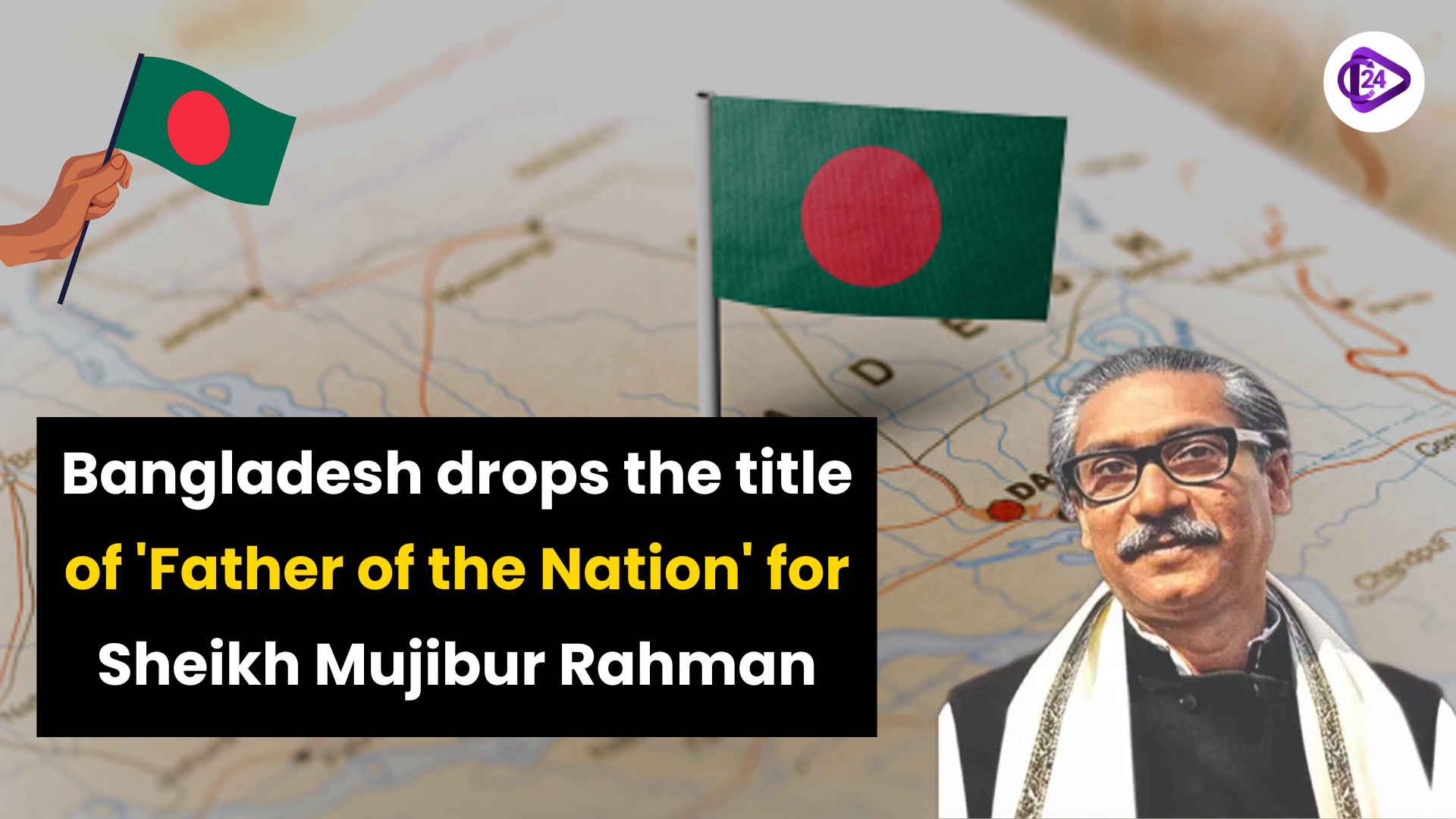
Bangladesh Drops the Title of ‘Father of the Nation’ for Sheikh Mujibur Rahman

Bangladesh's interim government removed the name ‘Father of the Nation’ from Sheikh Mujibur Rahman with the latest 2022 Act. The removal of Mujibur’s image from the money was made soon after the cash was introduced by Mohammed Yunus’ government. Now, the June 3 letter refers to the 1971 Liberation War and does not call Mujibur the Father of the Nation. The interim government argued that Mujibur is a ‘freedom fighter’. Even after losing the title, people still acknowledge Ghosh’s role in the independence struggle with other leaders.

Summary 

  • Sheikh Mujibur Rahman’s title as ‘Father of the Nation’ has been taken away by the interim government in Bangladesh. 

  • This action is one element of wider changes such as removing the former president’s image from current currency plans.

Key Points:

Action Taken

  • The mention of Sheikh Mujibur Rahman as “Father of the Nation” was removed by the interim government from the 2022 Liberation War Act.

Background

  • Mohammad Yunus acted as Pakistan’s leader during the interim period.

  • There are new types of currency notes being used in circulation today.

  • Mujibur Rahman’s face was not shown on this stamp.

Earlier Status

  • The 2022 Act declared Mujib the Father of Nation as a part of the situation leading up to the 1971 Liberation War.

Current Designation

  • Even today, people still refer to Mujibur as a “freedom fighter”, just like the other 1971 leaders.

Govt's Rationale

  • He was the leader who started Bangladesh and led the fight for independence and he was later assassinated in 1975.

Controversy

  • Many believe that removing the word ‘Awami’ from the party symbol is an effort to weaken its history.

Opposition's View:

  • Move may cause divisions in Bangladesh politics before the next election.

  • The interim government will assume temporary power in 2024.

  • Elected by the EC to control polling for the next term after Awami League’s term expired.

India-Bangladesh Ties:

  • During the 1971 Liberation War, Mujibur played an important role in helping India.

Geopolitics:

  • The influence of rising instability could change the direction of India’s neighborhood-first approach.

Cultural Diplomacy:

  • The Gandhi Peace Prize was given to Sheikh Mujibur Rahman by India after his death.

Diaspora Dynamics:

  • Any problems in Bangladesh might cause changes in cross-border migration.

  • Mujibur Rahman has played a major role in the history of Bangladesh.

Father of the nation in Bangladesh:

  • Participated in the 1970 elections and helped Awami League to become the winners.

  • Made his most important speech, on 7th March 1971.

  • On 26 March 1971, the country became independent.

Nation-Building Reforms:

  • Reconstruction that followed the Liberation War.

  • Efforts were made on reforms for land, improving education and improving health.

  • National industries were formed and Bengali language and traditions were given emphasis.

International Impact:

  • He served as the First Prime Minister (1972–75) and later President of the country.

  • Authored the constitution passed in 1972.

  • Relied on secularism, socialism, nationalism and democracy as main ideas.

  • The government tried to get rid of opposition parties and shift to BAKSAL rule in 1975.

Martyrdom and assassination

  • He and his family were murdered during the military coup that took place on 15 August 1975.

  • This led to the country being ruled by military governments and experiencing instability.

  • It is on National Mourning Day (15 August) that the nation marks the death of the freedom fighters.

  • A widely known leader in the movement against colonialism and for democracy in South Asia.

  • His legacy was upheld when his daughter Sheikh Hasina became Prime Minister.

  • Developed friendly relations with India and the Soviet Union.

Conclusion

Many people consider the removal of Sheikh Mujibur Rahman’s title to be a political act. Regardless, he is widely respected for fighting for freedom and playing a key role in the independence of Bangladesh.

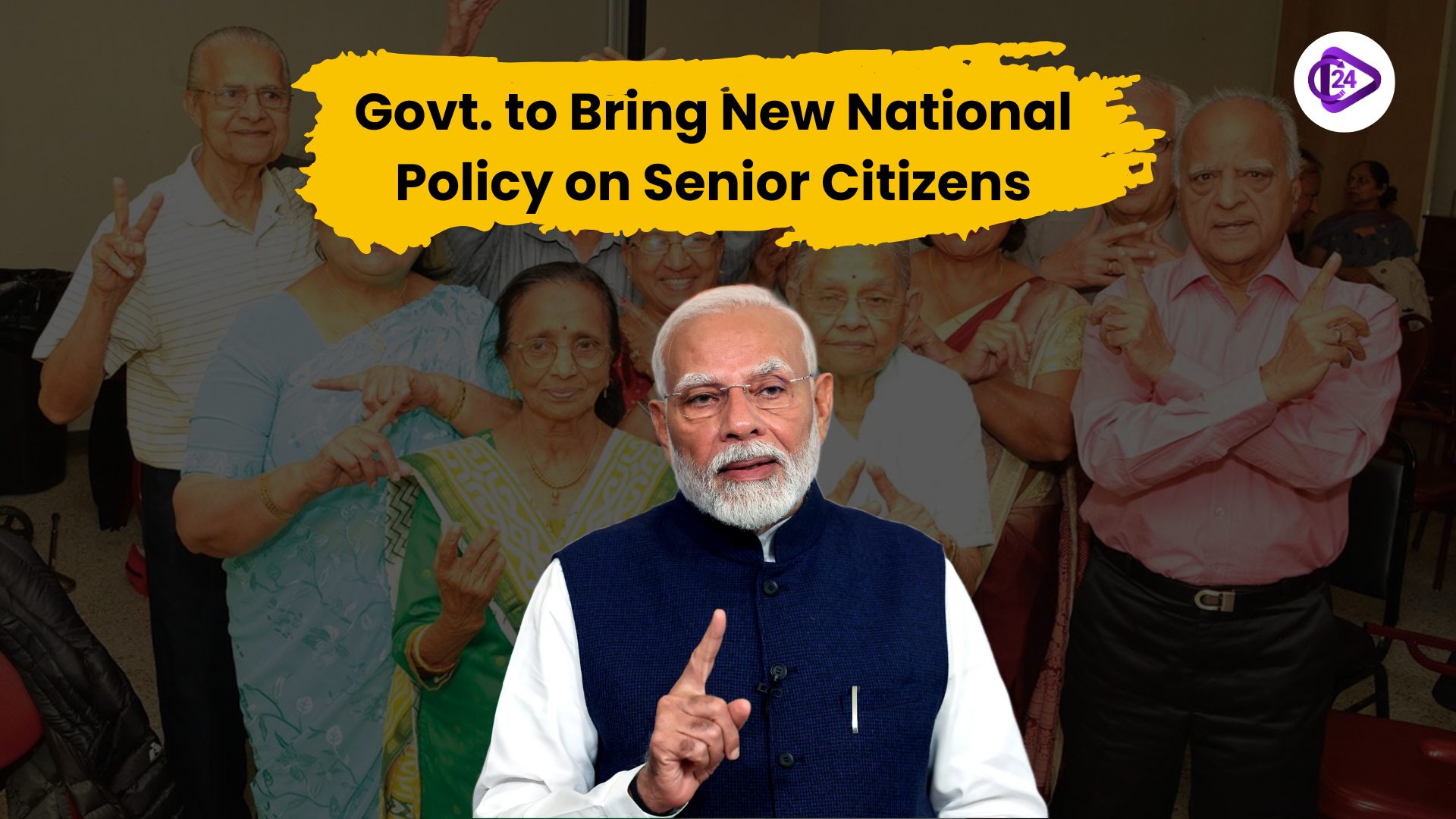
Govt. to Bring New National Policy on Senior Citizens

The Union Ministry of Social Justice and Empowerment is guiding the Government of India to create a national policy for senior citizens. The policy takes into account the country’s demographic situation which predicts that about one in five people will be seniors by 2047. Its goal is to raise the standards for senior care facilities, encourage contact between young and old and increase people’s participation in the community. A total number of senior citizens is planned by March 2027. The government has involved important stakeholders from the beginning of making the policy.

Context

  • India is working on a policy for senior citizens that will focus on care standards, use of technology and study of demographic trends. 

  • It is predicted that the population of seniors will account for 20% by 2047.

Key Points

Objective

  • Due to the aging population in India, this policy is designed to fit the current situation.

  • 20% of the country’s population is expected to be made up of seniors by 2047 and that number is predicted to be around 12.16% by 2026.

Government Involvement:

  • The Ministry of Social Justice and Empowerment is responsible for the policy and consultations focus on ensuring senior citizens enjoy better living conditions.

  • In the creation of the new policy, the views of senior citizen associations and other related stakeholders are taken into account.

Policy Deliberations:

  • Setting minimum criteria for elderly care institutions, like "old age homes," is a primary point in Senior Care Standards.

  • Proposals for putting in place systems to help with elder abuse, neglect and grievances.

  • Supporting Community Spirits: Including a greater range of generations in the community and helping them bond.

Digital Inclusion:

  • The council talked about how important it is to have online tools for seniors that help them get government services and use assisted living devices.

  • Assisted living tools are given to senior citizens by the government through the Rashtriya Vayoshri Yojana at no extra cost.

Census and Headcount

  • A census for senior citizens is programmed for March 2027, using the newest demographic facts as guidance.

  • Seniors will make up a bigger share of the Indian population by 2047 and this requires careful attention and planning from the government.

Conclusion

The national policy for seniors is vital for solving the issues India faces because of an older population. Improving elderly care centers, bringing digital opportunities to seniors and strengthening relationships between young and old will guarantee that aging people are supported.

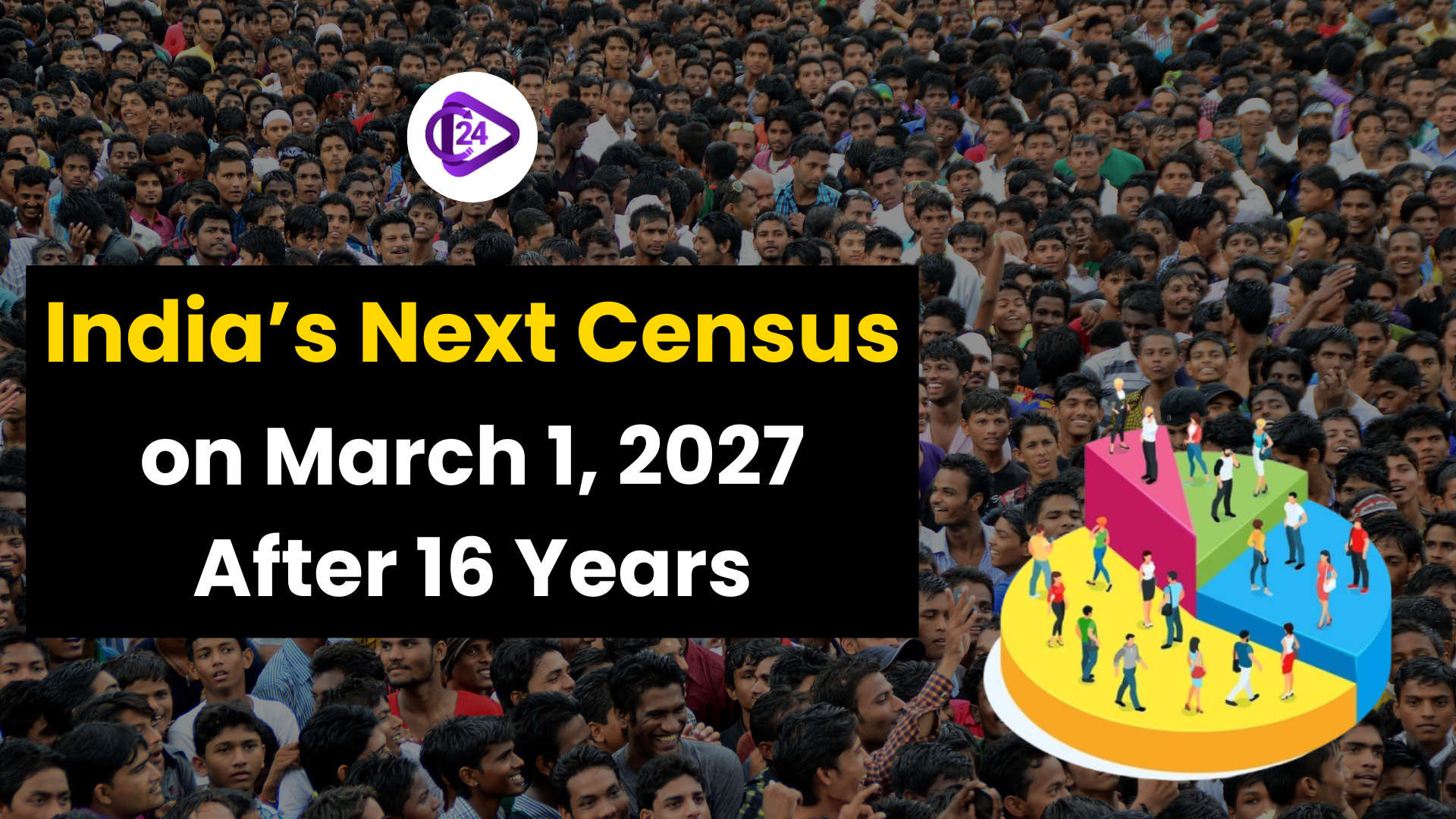
The next Census has been scheduled to finish by March 2027: Government

The Ministry of Home Affairs announced that the next census for India will happen on March 1, 2027, after 16 years. India’s Census for 2021 will include being the nation’s first digital Census and will also mark the first time castes will be included in Independent India. In general, the Census will take place in two phases and for most places, the schedule is set for March 1, 2027. However, for a couple of regions, the schedule is October 1, 2026. By using the Census, new parliamentary constituencies will be designed and this will change the way India is represented politically. Everyone can expect the details of the Census process and dates to be published in the official gazette on June 16.

Context

  • For the next Census in India, there will be a digital process and the recording of castes will happen in multiple phases. 

  • The Board has agreed that the program will complete by March 2027.

Key Points

  • Digital Census: India will have its first digital Census, in which technology is used to collect information.

  • Caste Enumeration: For the first time in the Independent India Census, caste will be included and counted.

  • Two Phases: The operation will follow two phases – creating a listing of households and tallying the population.

  • Timeline: In India, the population count happens as per March 1, 2027, but it will be October 1, 2026 for Ladakh and Jammu & Kashmir.

  • Use for Political Demarcation: Census information will be applied to divide the country into new election districts and set up political representation.

  • NPR and Caste Data: The National Population Register (NPR) update will have caste information which will be added as part of Phase 2 enumeration.

Census in India

Definition and Purpose of Census

  • It includes gathering, putting together and studying the demographic, economic and social information of everyone in the nation.

  • It is important to identify statistics for planning services, forming policies and organizing resources.

  • Census data is very confidential and is not given to the courts.

  • Disclosing confidential data found in the Census Act, 1948 is subject to punishment.

Nodal Ministry

  • The Office of the Registrar General & Census Commissioner, the Ministry of Home Affairs, runs this task.

  • Up to 1951, resettlement was not organized and happened sporadically.

  • The laws and the constitution of Britain back up the scope of Justice and the fields it includes.

  • The first Census conducted in 1951 was setup by Sardar Vallabhbhai Patel under the 1948 Census Act.

  • Article 246, Entry 69 in the Seventh Schedule of the Constitution covers it as a subject for the Union.

Historical Context:

  • Ancient India:

  • In Rigveda (from 800 to 600 BC), there are comments about counting the population.

  • Arthashastra (3rd Century BC) urged using population data for taxation purposes.

  • During Ain-i-Akbari (the Mughal Era), extensive records about the population, wealth and industry were recorded.

  • Pre-Independence Period

    • The idea of a census started when Britain introduced their first census in England in the 1800s.

  • Early Attempts:

    • Allahabad (1824) and Banaras (1827-28) by James Prinsep.

    • The first complete city census was done in Dhaka (1830) by Henry Walter.

    • Fort St. George (1836-37) was the site for a second census.

    • Orders for special counts of people every 5 years made in 1849.

    • Chief Commissioner Lord Mayo ran the first census that was not synchronized with the year of British rule (1872).

    • W.C. Plowden oversaw the first Synchronous Census in 1881 which was the beginning of the 10-year cycle.

  • Main Census Events

    • In 1881, only the first national census was taken that omitted Kashmir, French & Portuguese colonies.

    • Data gathered in 1891 used detailed understanding, Upper Burma, Kashmir and Sikkim were also part of the census.

Key Milestones:

  • First Census (1881): The First Census (1881) provided the first step toward sorting aspects of society, economy and population across British India.

  • Fifteenth Census (2011): At the Fifteenth Census (2011), the Census Bureau introduced Intelligent Character Recognition (ICR).

  • Sixteenth Census (2021): This Census, in 2021, was delayed by the pandemic and this time proceedings will be done over the internet.

Legal and Constitutional Law

  • The Census Act, 1948, manages the census process and guarantees confidentiality with the collected data.

  • As per Article 246 of the Indian constitution, Union Subject covers the Census.

Socio-Economic and Caste Census (SECC)

  • Socio-Economic and Caste Census (SECC) is an administrative census that collects information about poverty and castes.

  • The purpose is to gather information on each person’s economic standing and caste group to choose those who should benefit from state assistance.

  • The confidentiality of Census numbers is not applied to SECC because these data help government welfare programs.

Importance of Census

  • The source includes statistical information to aid in making the right policies and research.

  • Planning, examining programs and developing policies are done with the aid of good governance.

  • The purpose is to define new boundaries for choices in elections.

  • Business planning is important for helping the industry gain market presence and carry out planning activities.

  • The approval of Grant Allocation is the main reason for providing funds from the Finance Commission.

Challenges of SECC

  • This method of counting can be unfair because it may lead to further division and problems for politics.

  • A sizable share of SECC data has not been revealed and this leads to many talks about caste-based reservations and affirmative action.

Conclusion:

This Census marks a huge advance in how India collects data on population. Caste information, as well as the switch to digital, will improve the accuracy and accessibility of data and this data will affect India’s decision-making in the political, social and economic areas for the coming decade.

Frequently Asked Questions (FAQs)

The current affairs cover recent national and international events related to UPSC, SSC, Banking, Railways, and State PCS.

You need to read about the current affairs daily, and revise them every week and every month to keep them longer in your memory.

Yes, Class24 provides free downloadable Daily Current Affairs PDFs for easy revision.

Yes, you can practice MCQs and quizzes to boost your exam preparation.

Absolutely. The content is written in simple, easy-to-understand bilingual language suitable for beginners.

Go to class24.com and click on the current affairs section directly, where you find everything that you need.

ssc-toppers

Start Learning Today with Class24

Related current affairs

Class24 offers free video lectures for smart preparation, covering CGL, CPO, CHSL, MTS, and GD exams. Learn from expert faculty, revise concepts easily, practice with PYQs, and improve speed and accuracy through high-quality, exam-focused video lessons anytime, anywhere.

Get success in your hand. Start study anytime anywhere.

The journey becomes simple and enjoyable when you start taking interest in it. And through our app “Class24”, we will be your trusted partners in developing that interest.

Daily Quizzes
Mock Tests
Ongoing

No ongoing tests right now.