
Day: May 22, 2025

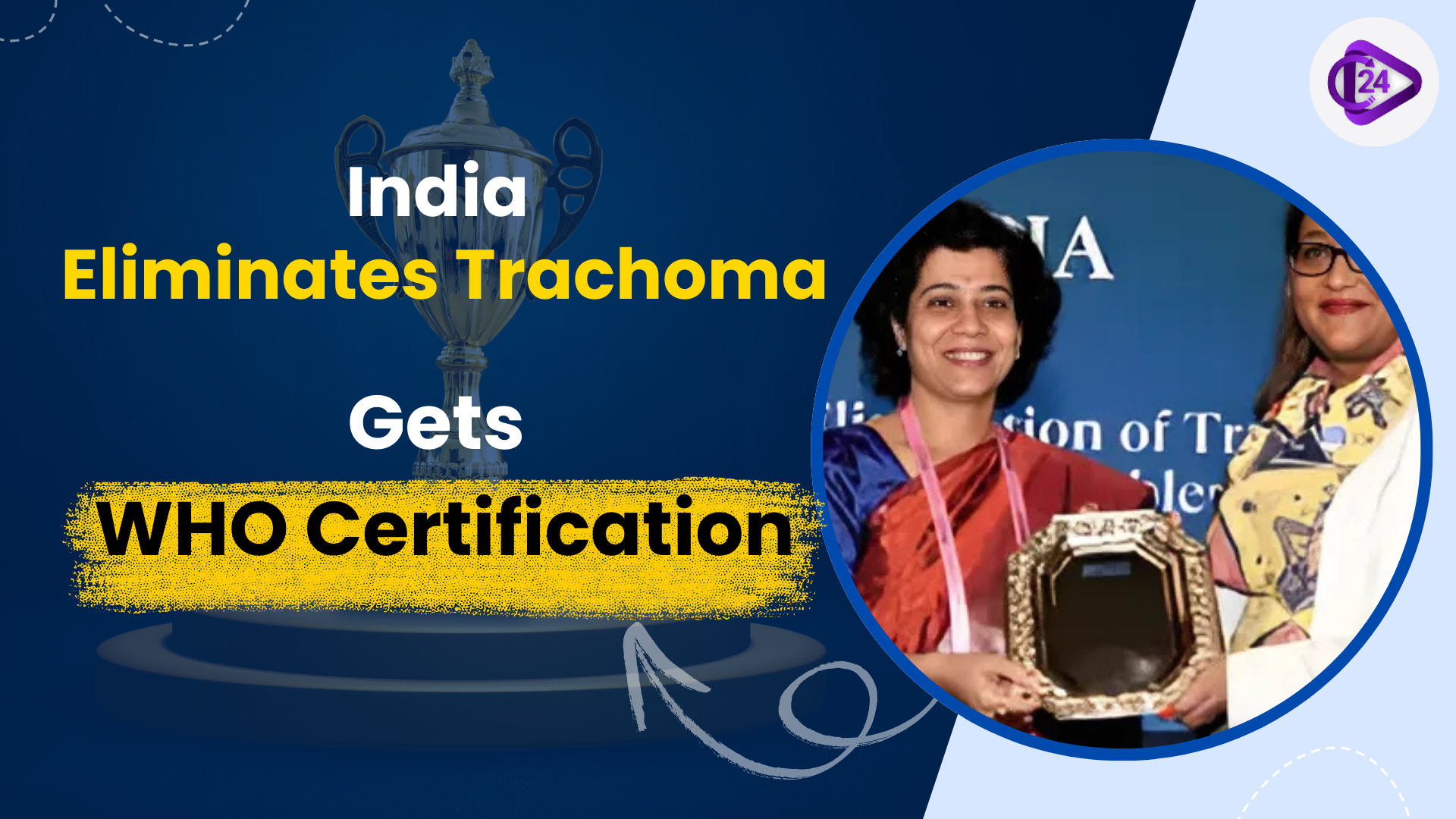
India Eliminates Trachoma as a Public Health Problem, Gets WHO Certification

At the recent 78th World Health Assembly, India was given the WHO Certificate of Elimination of Trachoma as a Public Health Problem. As a result, India joins Nepal and Myanmar as the third country in the WHO South-East Asia Region not affected by trachoma. Blindness control and procedures were put into place over the years using the National Programme for Control of Blindness and Visual Impairment (NPCBVI), which included a comprehensive National Trichiasis Survey. Reaching a milestone in vaccines allows us to celebrate a win against a disease responsible for preventable blindness.

Context

  • According to WHO, India has met the criteria to declare trachoma as no longer a public health issue, much like Nepal and Myanmar have already done in the region.

  • This outcome is a result of reliable efforts in supervising, caring for, and cleaning up affected areas.

Key Points

What is Trachoma?

  • This bacterial eye disease is transmitted by Chlamydia trachomatis and is contagious.

  • The virus spreads when infected eye or nose discharge lands on your hands, clothes, bedding or is brought in by flies.

  • In endemic areas, children carry and can spread the infection.

Global Burden:

  • In 38 nations, trachoma leads to significant visual impairment or blindness for 1.9 million people globally.

  • During 2023, global health services carried out 130,000 surgical procedures and treated patients with antibiotics in almost 33 million cases.

  • Countries such as Papua New Guinea and Mauritania now have confirmation from WHO that their elimination of malaria is complete.

India’s Journey:

  • The NPCBVI started providing document surveillance in 2019.

  • The 200 Districts of National Trichiasis Survey was carried out between 2021 and 2024.

  • In October 2023, trachoma was no longer considered a problem in the country and it received WHO’s certification in May 2025.

Symptoms of trachoma

  • Initially: Red eyes, visible discharge, painful eyes and sensitivity to light.

  • When trachomatous trichiasis occurs, the eyelashes drag over the cornea, develop layers of scar tissue and cause someone to go blind.

  • Women are more likely to be affected by the challenges caused by caregiving.

Transmission and risk factors

  • Being in cramped quarters and having lots of people around increases your chances of getting COVID-19.

  • A lack of cleanliness, drinking water and sanitation helps bacteria to thrive and spread.

  • Preschool kids are likely to pick up and pass along viruses.

  • They carry germs in areas that are not clean enough.

Global Goal 2030

  • Trachoma is common mostly in Africa, South Asia, Latin America, Australia and the Middle East.

  • India, China, Nepal, Pakistan, Iran, Morocco and Vietnam are among the 21 countries recognized by WHO for destroying trachoma.

Conclusion:

India’s certification for eliminating trachoma as a public health problem is a major success in public health that shows the value of ongoing work in surveillance, finding patients and cleaning facilities. As a result, we know that combining health programs and boosting hygiene infrastructure plays a key role in preventing infectious diseases. We need to keep these measures in place to avoid another outbreak and protect countless people from sight loss.

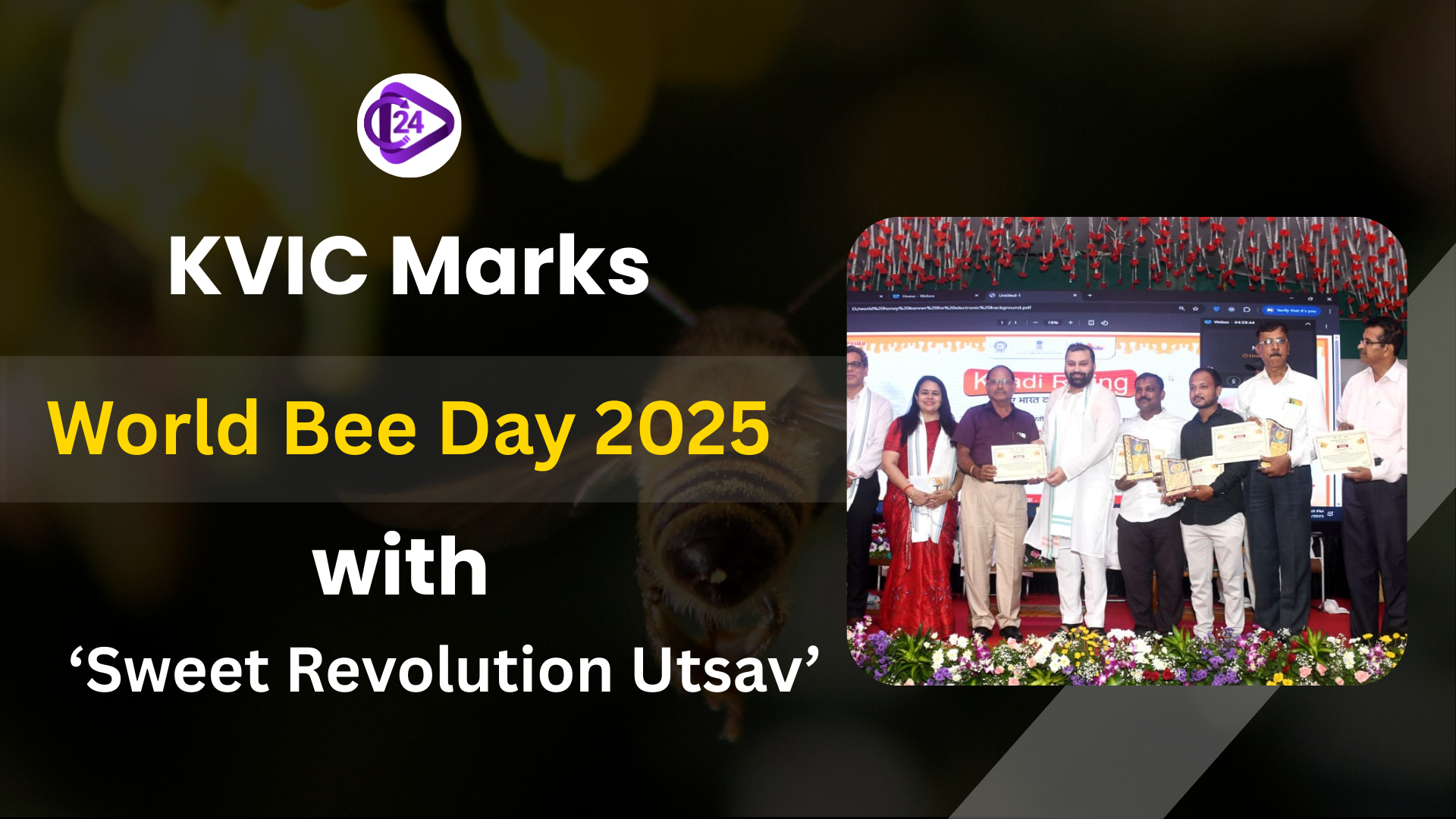
KVIC Marks World Bee Day 2025 with ‘Sweet Revolution Utsav’

The Ministry of Micro, Small and Medium Enterprises’ Khadi and Village Industries Commission (KVIC) celebrated World Bee Day at its office in Mumbai under the theme “Bee inspired by nature to nourish us all.” Under the name ‘Sweet Revolution Utsav,’ the event focused on how bees are vital for both nature and rural life in agriculture. KVIC has given out more than 2.29 lakh bee boxes and colonies under the Honey Mission which has produced 20,000 metric tonnes of honey and made beekeepers a total of Rs. 325 crore. It fits with Prime Minister Narendra Modi’s plan to turn the White Revolution into a Sweet Revolution, so that rural youth, women and farmers can depend on themselves.

Summary:

  • The Ministry of Micro, Small and Medium Enterprises’ Khadi and Village Industries Commission (KVIC) celebrated World Bee Day at its office in Mumbai under the theme “Bee inspired by nature to nourish us all.”

  • Under the name ‘Sweet Revolution Utsav,’ the event focused on how bees are vital for both nature and rural life in agriculture.

Key Points

Theme and Importance 

  • Theme: “Bee inspired by nature to nourish us all.”

  • Points out that bees aid pollination, maintain ecological balance and help maintain livelihoods.

What Honey Mission Accomplished:

  • 2,29,409 bee boxes and colonies have been distributed across the nation.

  • Matching 20,000 metric tonnes of honey was produced.

  • Beekeepers have generated nearly Rs. 325 crore in income.

  • The value of honey exported during FY 2024-25 was Rs. 25 crore.

Livelihood and empowerment

  • Thousands of rural people, such as youth, women, and farmers, took part in beekeeping.

  • The creation of honey processing plants, training centers, and marketing support networks is needed.

  • Fostering self-reliance (Atmanirbhar Bharat) by creating ongoing rural employment opportunities.

Role of CBRTI Pune

  • In 1962, it was launched; more than 50,000 beekeepers have attended its courses in modern apiculture.

  • Helps out with research, encourages new rural businesses and boosts crop yields through pollination.

Why Bees Matter in Ecology:

  • Responsible for pollinating approximately 75% of the food crops available to us.

  • The absence of bees endangers 30% of food plants plus 90% of wild plant species.

Involvement in Culture and Community

  • Plays, poems and essays brought attention to the culture being celebrated.

  • Success stories from beneficiaries located all over India are being shared online.

Conclusion:

Under the ‘Sweet Revolution Utsav’, KVIC showcases on World Bee Day 2025 how bees support both the environment and the rural economy. KVIC is using the Honey Mission to ensure that beekeeping supports people, helps preserve nature, benefits communities, and supports a strong rural economy in India.

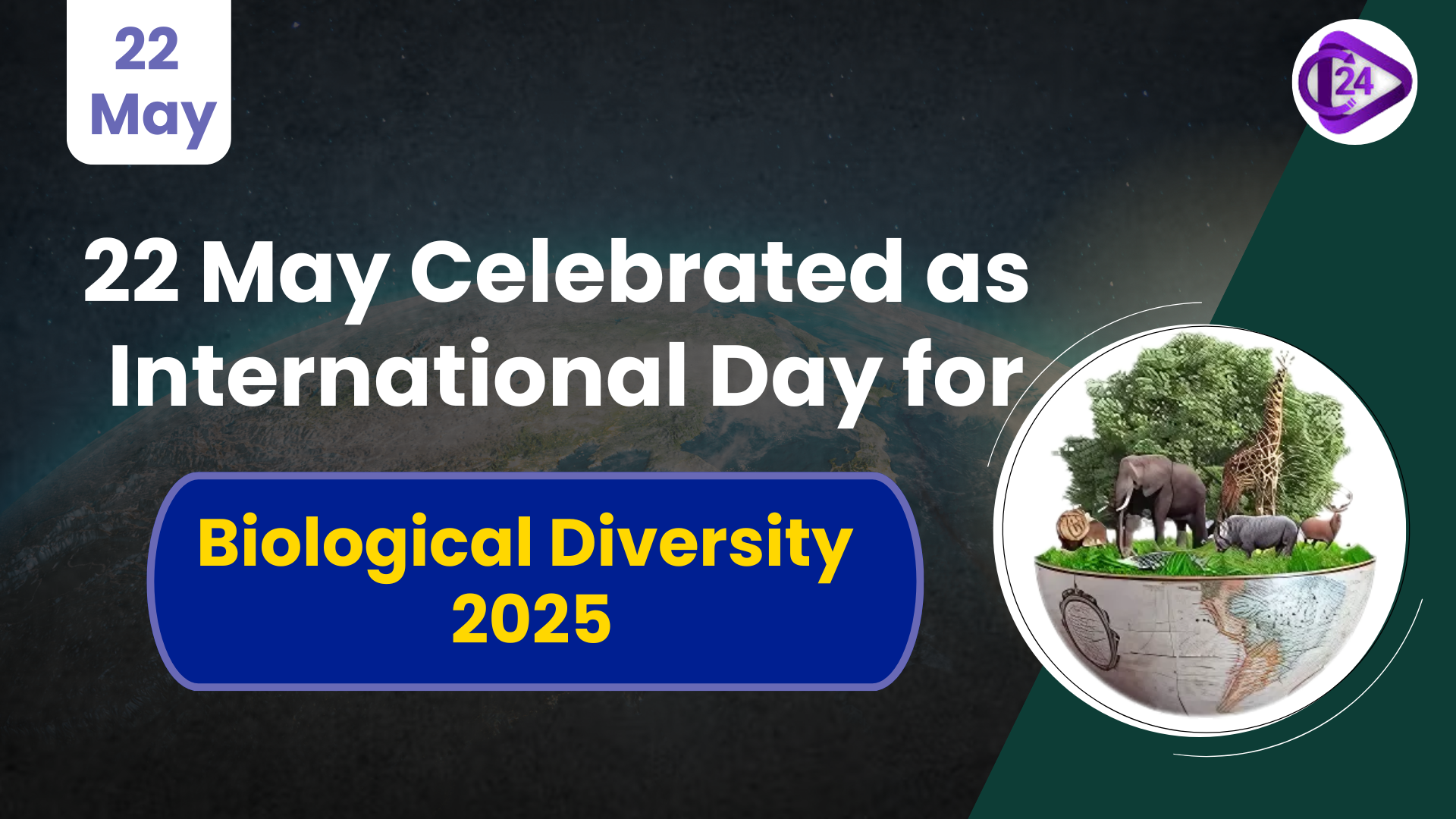
International Day for Biological Diversity 2025: Role of Rural India in Biodiversity Conservation

Every year, the United Nations declares May 22 to be the International Day for Biological Diversity (IDB) to inform people about biodiversity’s importance for the planet. “Harmony with nature and sustainable development,” the chosen theme for 2025, emphasizes that caring for biodiversity serves the same purpose as achieving the United Nations Sustainable Development Goals (SDGs). Given that habitat loss, pollution, climate change and overexploitation are urgent threats to nature, the world now calls for nations to work together to take care of our environment and stop its genetic diversity from being lost.

Summary:

  • Every year, the United Nations declares May 22 to be the International Day for Biological Diversity (IDB) to inform people about biodiversity’s importance for the planet. 

  • Theme for 2025: “Harmony with nature and sustainable development.”

Key Points 

  • In Theme 2025, visitors can learn about integrating with nature and sustainable development.

  • Concentrates on how awareness of biodiversity can help meet the SDGs.

  • Encourages humans and the environment to exist together.

History of International Day for Biological Diversity

  • The date is celebrated every year on May 22 to mark the 1992 Convention on Biological Diversity among nations.

  • At first noticed in December 2000, and the date was moved to May 22 to have a bigger effect.

Importance of International Biological Diversity Day

  • Makes more people aware of the ways that biodiversity is important for life sustainability.

  • Highlights habitat loss, pollution, and climate change are major dangers for the environment.

  • Connect work on biodiversity to the goals of sustainable development.

  • Supports global cooperation and exchange of information.

  • Helps local people take care of the environment.

  • Helps policymakers make better choices for conserving nature.

  • Highlights the many kinds of life found on our planet.

Conservation Projects Across the World

  • Connected with the Kunming-Montreal Global Biodiversity Framework and the 2030 Agenda.

  • The report supports international cooperation to help biodiversity recover and stay safe.

How Rural India Supports Biodiversity

  • Rural India is home to most Indians and to those who keep the country fed through agriculture.

  • Long ago, farmers helped biodiversity by using crop rotation, saving seeds, mixed crops and natural fertilizers.

  • Despite improving harvest levels, the Green Revolution caused soil loss, a shortage of water, a decrease in species and increased economic insecurity.

Traditional practices can help the environment.

  • These approaches, agroecology, organic farming and natural farming, can improve the health of our ecosystems.

  • Using these techniques helps nature and lets us use less harmful substances.

Caring for the Needs of Policy and Community

  • KMGBF targets are included in India’s National Biodiversity Strategies and Action Plans.

  • Encouragement from the government through impactful incentives, useful training, and the involvement of civil society is very important.

  • Farmers must be encouraged as leaders in biodiversity and experts in knowledge for a transition that lasts.

Farmers are Important Agents for Biodiversity 

  • If we honor both the ecological knowledge and the strong economy of farmers, it leads to better care of nature.

  • Leaders in rural areas play a key role in ensuring biodiversity is preserved for a long time.

Conclusion:

International Day for Biological Diversity 2025 reminds us that looking after biodiversity is central to sustainable development worldwide. Because of their strong ties to the land and age-old traditions, rural Indians have a strong chance to help with the biodiversity revolution. When India adopts sustainable farming, helps its farmers and aligns its policies with international standards, it can save ecosystems, make life better for its people and reach global biodiversity aims.


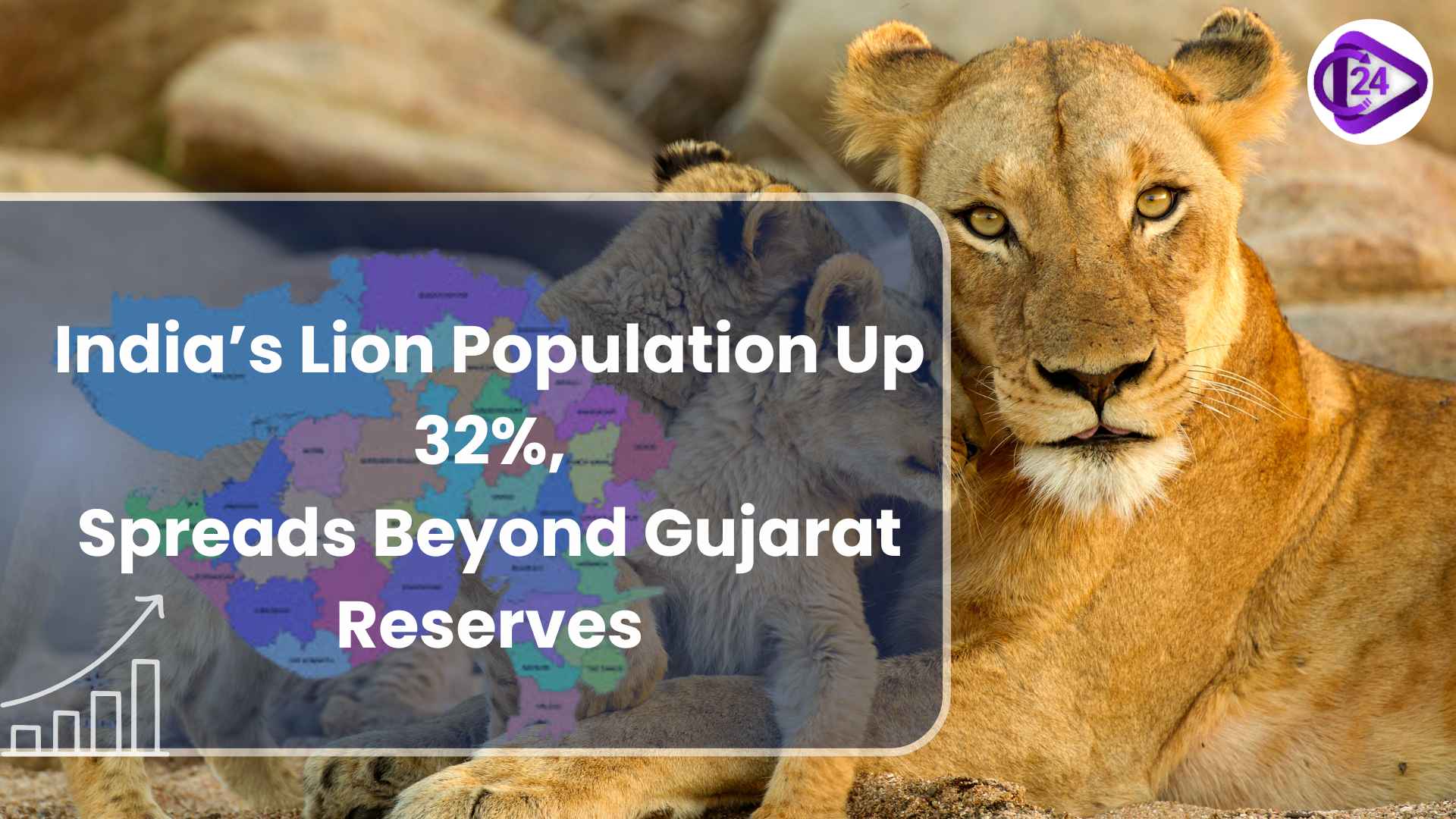
Asiatic Lions Roar Louder in Gujarat; Population Rises to 891

Between 2020 and 2025, there was a big increase in the youngest lions in India, going from 666 to 891. Adult female numbers, an important sign of population increase, increased by 27%, ending up at 330. Despite mainly living in Gir National Park and Paniya Wildlife Sanctuary, lions are now often seen in areas dominated by humans. It points out that more human-wildlife encounters are taking place and that the establishment of additional lion habitats is urgently needed. To help this continue, Project Lion is being used by the government to enhance existing natural habitats and construct new ones.

Summary:

  • The number of lions in India has increased by 32% in only five years, with many now living outside the parks in Gujarat. 

  • Project Lion seeks to improve habitats and find a way for humans to live well with lions.

Key Points

  • Population Growth:

    • Their numbers went from 675 in 2020 to 891 in 2025.

    • Adult female lions have grown by 27% and now total 330.

  • Territorial Expansion:

    • Between 2015 and 2020, lion habitat was 30,000 sq. km and by 2025, it reached 35,000 sq. km.

    • More lions live outside the main protected areas than they do inside.

  • Technologies used 

    • The region under study covered 35,000 square kilometers across 58 talukas in 11 districts.

    • Instruments used were camera traps, high-resolution cameras, radio collars and beats were confirmed through observation.

  • Geographic Spread:

    • In Gujarat, most lions are located in and around Gir National Park.

  • Census Frequency:

    • Lion numbers are checked every five years.

  • Human-Lion Conflict:

    • Development close to human areas has led to more conflicts.

    • Livestock loss is compensated so that people in the community accept the concept.

  • Conservation Efforts:

    • The state is an example of how lions can be conserved, though new habitats are needed to reduce clashes between humans and lions.

    • At present, officials are reviewing the opportunity to move lions to Kuno National Park in Madhya Pradesh.

    • Project Lion has been given a budget of ₹2,900 crore to expand and better protect lion habitats.

About Asiatic Lions

  • Asiatic Lion in India:

    • Subspecies: Panthera leo leo is a smaller version of the African lion.

    • Uncommon feature: A fleshy fold of skin along the belly of African lions.

    • During ancient times, they were found in West Asia and the Middle East, but today they only survive in India.

  • Distribution:

    • Recorded in West Bengal in eastern India and Rewa in central India (Madhya Pradesh) in the past years.

    • At this time, the species is found solely in Gir National Park and Wildlife Sanctuary in Gujarat.

  • Threats:

    • Exposure to problems related to natural disasters and diseases.

    • Local people kill wild animals to retaliate for attacks on their livestock.

  • Protection Status:

    • IUCN Red List: Endangered.

    • CITES: Appendix I (strict trade protection).

    • Wildlife (Protection) Act 1972: Schedule I (highest protection in India).

  • Conservation Efforts:

    • The MoEFCC launched the Asiatic Lion Conservation Project from 2018–2021.

    • Active in scientific management, controlling diseases, caring for animals and supporting the community.

    • Joint efforts from several fields to promote a balanced human population and the safety of ecosystems.

Conclusion:

Nearly extinct decades back, lions now live and hunt farther afield which points to successful conservation, but it also brings up issues with sharing nature with humans. Making new lion habitats and finding ways to prevent conflicts will be necessary to help lions remain alive for the future.

Frequently Asked Questions (FAQs)

The current affairs cover recent national and international events related to UPSC, SSC, Banking, Railways, and State PCS.

You need to read about the current affairs daily, and revise them every week and every month to keep them longer in your memory.

Yes, Class24 provides free downloadable Daily Current Affairs PDFs for easy revision.

Yes, you can practice MCQs and quizzes to boost your exam preparation.

Absolutely. The content is written in simple, easy-to-understand bilingual language suitable for beginners.

Go to class24.com and click on the current affairs section directly, where you find everything that you need.

ssc-toppers

Start Learning Today with Class24

Related current affairs

Class24 offers free video lectures for smart preparation, covering CGL, CPO, CHSL, MTS, and GD exams. Learn from expert faculty, revise concepts easily, practice with PYQs, and improve speed and accuracy through high-quality, exam-focused video lessons anytime, anywhere.

Get success in your hand. Start study anytime anywhere.

The journey becomes simple and enjoyable when you start taking interest in it. And through our app “Class24”, we will be your trusted partners in developing that interest.

Daily Quizzes
Mock Tests
Ongoing

No ongoing tests right now.