Day: May 21, 2025

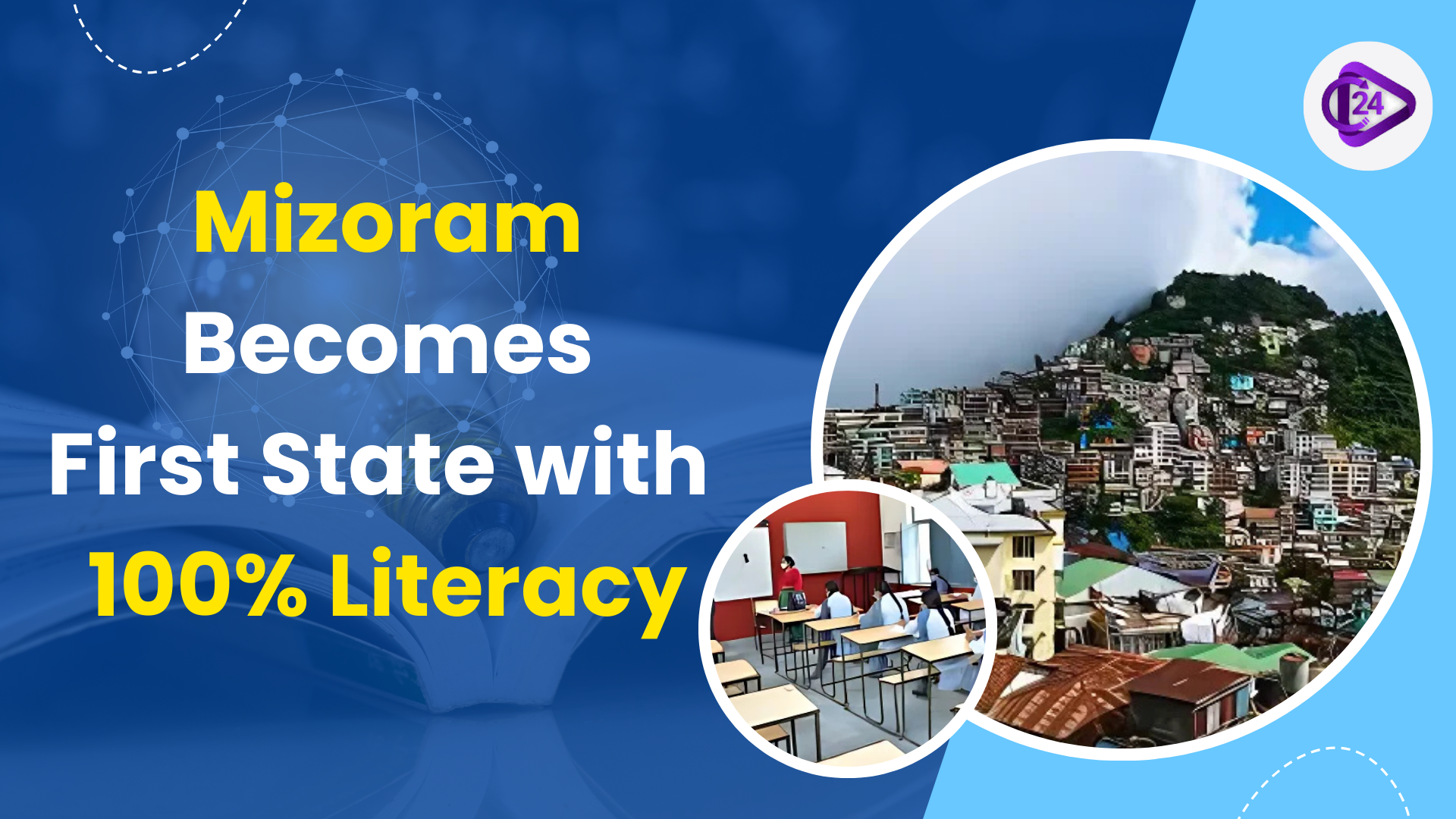
Mizoram is the First State in India to have 100% Literacy, according to the Census

On May 20, 2025, Mizoram officially celebrated becoming India’s first literate state. Starting with a solid base of 91.33% for literacy in 2011, the state went on to reach 98.20% in its latest survey. Thanks to the ULLAS – Nav Bharat Saaksharta Karyakram (New India Literacy Programme), most of the remaining illiterate population was enrolled in this programme through door-to-door surveys and volunteer teaching. Mizo people showed their strong support for education by including representatives from the government, volunteers, and schools in the effort. Mizoram’s successful schooling for the disabled has greatly boosted the effort toward inclusive learning and fostered literacy.

Context

  • Mizoram has achieved 100% literacy because of focused government programmes and community efforts. 

  • This success shows that the ULLAS literacy effort has been effective with the guidance of the National Education Policy 2020.

Key Points

How did Mizoram Achieved 100% Literacy?

  • Strong Foundation: Mizoram already had a high literacy rate of 91.33% as per the 2011 Census, providing a strong base.

  • ULLAS means UL Nav Bharat Saaksharta Karyakram (New India Literacy Programme).

    • From 2022 through 2027, the plan will focus on adult literacy over 15 years, including Foundational Literacy, Life Skills, Basic Education, Vocational Skills and Continuing Education.

    • Working door to door, we identified persons in Mizoram who were not literate: 3,026 in number.

  • Community Volunteerism:

    • Over 292 volunteers took part by instructing and motivating students.

    • Because of the strong cultural value of Kartavya Bodh, a lot of people chose to volunteer.

  • Government Support and Collaboration

  • Working together closely between state education departments, community leaders, and schools.

  • Using the mobile app for ULLAS, volunteers and learners could be easily spotted.

Importance of  Mizoram’s Success

  • Being Fully Literate First: Mizoram is leading the nation by achieving full functional literacy.

  • Education Equals Independence: Learning to read and write improves the chance for a job, informed involvement in society and healthy living.

  • Contributes to National Aims: Supports both the National Education Policy 2020 and the Sustainable Development Goals (SDG 4) aiming for quality education.

  • Promotes Stronger Society: Learning skills and abilities through literacy brings about social unity, gender balance, and helps stop poverty and discrimination.

Impact of Full Literacy in Mizoram

  • Economic Development: High literacy gives people better chances at work, encourages new businesses, and supports the state’s economy.

  • Quality of Life: By learning to read, a person gains access to good treatment, proper nutrition and public resources.

  • Political and Social Life: Being involved in politics and society informs people about their duties and makes them more likely to vote.

  • Inspiration for other states: Because it has been so successful, Mizoram’s methods can be imitated by other states and union territories.

  • Long-term benefits: Supporting lifelong learning promotes education that results in improved achievements for children and teenagers going forward.

Literacy in India

What is Literacy?

  • Being literate means you can read and write in short in any language and understand what it says, according to the United Nations Population Commission.

  • If someone is aged seven or greater and can read and write in any language without difficulty, they are reported as literate by the Census in India.

  • Having a formal education is not needed to be recognized as literate.

Literacy in India Date according to Census 2011

Parameter

Value

Literacy rate in 2001

65.38%

Literacy rate in 2011

74.04% (↑ 9% increase from 2001)

Male literacy (2011 Census)

~82%

Female literacy (2011 Census)

~65%

Male literacy (NSO 2017–18)

84.7%

Female literacy (NSO 2017–18)

70.3%

Highest Literacy Rate States

Kerala

96%

Delhi

96%

Uttarakhand

87.6%

Himachal Pradesh

86.6%

Assam

85.9%

Across all states, male literacy rates exceed female literacy rates, highlighting persistent gender disparity.

Reasons for illiteracy in India

  • Certain economic and social issues that include inequality, gender bias, casteism and technological problems.

  • A high number of people living in poverty restricts many from getting an education.

  • When children work and receive inadequate education at primary school, their chances of going on to higher education are very slim.

  • Political commitment that does not last limits successful literacy drives.

Government Steps Taken to Improve Literacy

Constitutional Provisions:

  • Minorities are granted by Article 30 the authority to establish and operate educational establishments.

  • It is required by Directive Principles that every child be offered free and compulsory education (Articles 41, 45, 46).

Major Schemes and Acts of Literacy in India

  • Sarva Shiksha Abhiyan (SSA) was launched in 2001 to provide universal elementary education through specialized local planning.

  • Since 1995, there has been a Midday Meal Program to improve students’ nutrition and increase their attendance at school.

  • Right to Education (RTE) Act, 2009, which guarantees children between the ages of 6 and 14 the right to education.

  • National Education Policy 2020 intends to reach 100% literacy by offering everyone, young and old, inclusive and quality education.

Conclusion:

The state of Mizoram becoming fully literate is an example of what can be done with strong government support and community efforts, alongside new literacy initiatives such as ULLAS. Because of this, other states will try to achieve universal literacy, supported by the National Education Policy 2020.

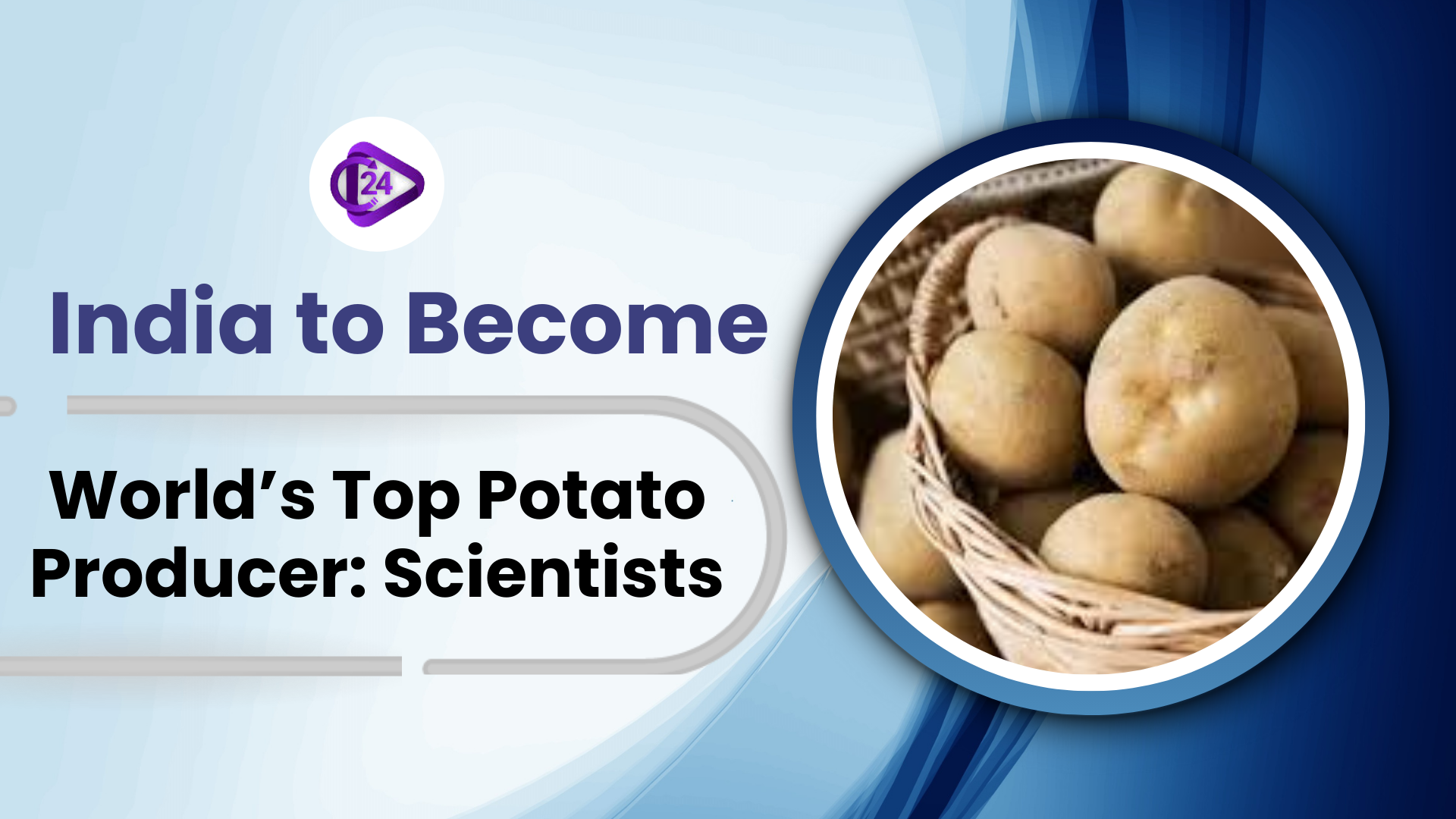
India is set to become the world’s leading potato producer, says International scientists

According to scientists from the International Potato Center in Peru, India is on track to be the world’s number one potato producer by 2050, replacing China. The projection was presented at a meeting dedicated to research on root and tuber crops in India and South Asia. The country is expected to increase its potato output from 60 million tonnes to 100 million tonnes by the year 2050. Improvements are the result of 50 years of collaboration between CIP and India, thanks to new technologies and larger farming. There is also an opportunity in the country for other root crops such as sweet potatoes, which can help increase both rural employment and nutrition.

Context

  • International Potato Center in Peru, India, will be the world’s number one potato producer by 2050, replacing China. 

  • The projection was presented at a meeting dedicated to research on root and tuber crops in India and South Asia.

Key Points

Production Outlook:

  • More than 60 million tonnes are produced worldwide every year.

  • The estimated output by 2050 is about 100 million tonnes.

Key Partners:

  • The International Potato Center (CIP) has worked together for 50 years.

  • ICAR and the state agriculture departments

Climatic Conditions of Potato

  • Ideal temperature:13–18°C during the day, 18–29°C during the night.

  • Best soil: Loamy, sandy loam with a pH range of 5.2 to 6.4

  • Need at least 6 hours of sunlight a day

  • Sensitive to temperatures above 30°C.

Top Potato Producing States in India

State

Rank

Share in National Output

Uttar Pradesh

Largest producer

~30%

West Bengal

Second-largest

~24%

Bihar

Third-largest

~18%

Cultivation Seasons:

  • Potato is mainly a Rabi crop.

  • Limited Kharif cultivation, in some states, such as Uttarakhand and Karnataka.

Economic and Social Benefit:

  • It supports job options for farmers, helps rural regions grow, and boosts women’s empowerment

  • This system helps ensure food, nutrition, and climate safety.

  • Provides new opportunities for private companies and cooperatives in making and moving food.

Government Support and Initiatives

  • Using more funds to advance agricultural science and technologies

  • Special attention is given to shared studies on potatoes and sweet potatoes.

Conclusion:

Because of advances in farming, strong collaborations, and a helpful climate, India is heading toward becoming the biggest potato producer in the world by 2050. The progress will improve India’s farming industry, boost employment chances in rural areas, help secure food, and support efforts to adjust to climate change, all in line with the country’s broader objectives.

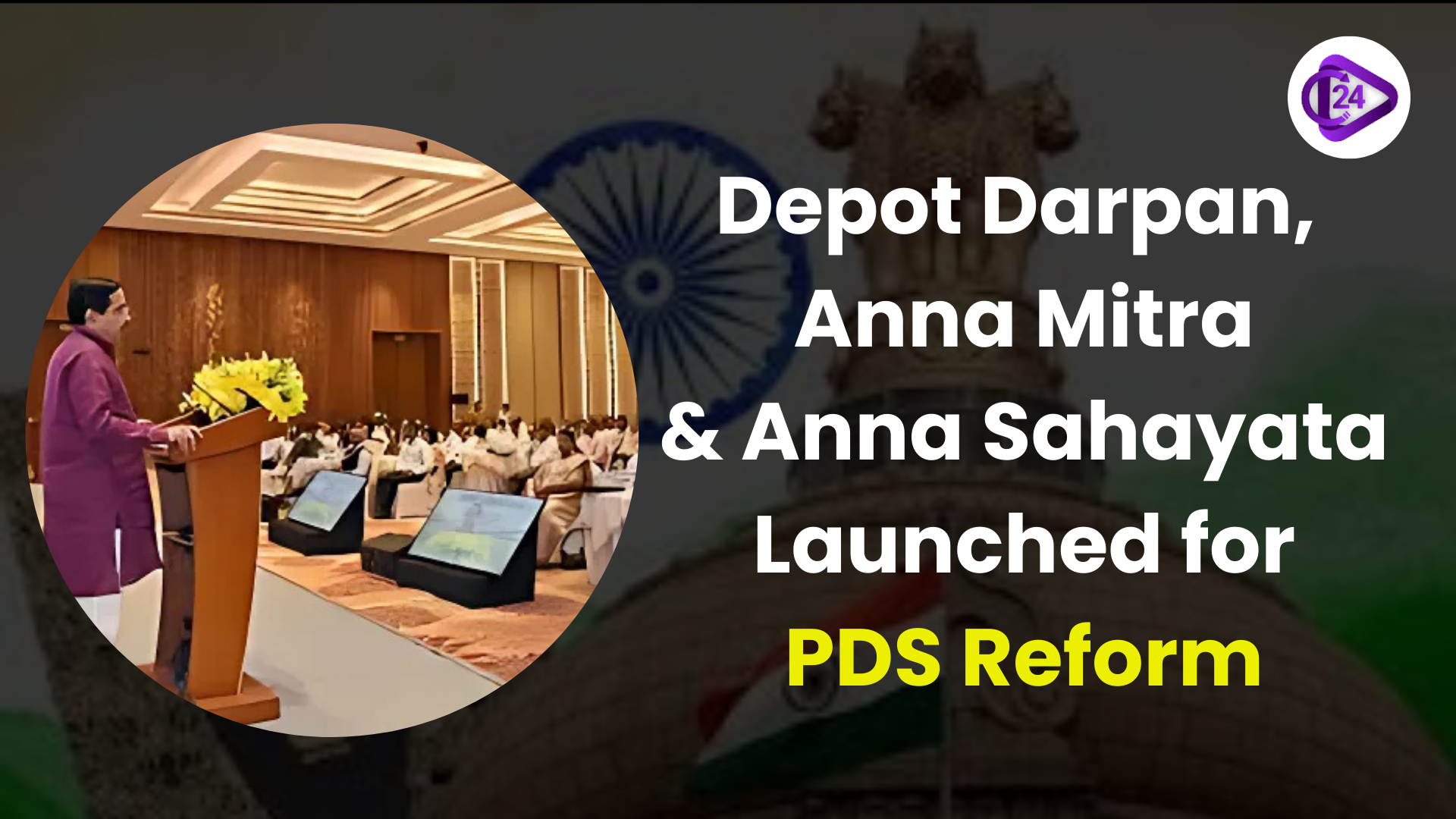
Pralhad Joshi Launches 3 Key Digital Tools to Reform PDS

Union Minister of Consumer Affairs, Food and Public Distribution, Shri Pralhad Joshi, introduced three digital services – Depot Darpan Portal, Anna Mitra mobile app, and Anna Sahayata grievance platform – to boost India’s Public Distribution System (PDS). They plan to increase transparency, efficiency in operations, and power for beneficiaries among the over 81 crore individuals served by PDS. Depot Darpan helps farmers monitor food grain depots through technology, while Anna Mitra handles daily field operations, and Anna Sahayata looks after grievance settlement. These launches are an important phase toward achieving digital governance in line with the National Food Security Act.

Context

  • Union Minister Shri Pralhad Joshi introduced three digital initiatives called the Depot Darpan Portal, Anna Mitra mobile app, and Anna Sahayata grievance platform, all to help upgrade India’s PDS.

  • These schemes were launched by the government to improve how the Public Distribution System works and ensure everything remains clear and efficient. 

Key Points 


Depot Darpan Portal

  • The tool is meant for food depots under the Food Corporation of India (FCI) and the Central Warehousing Corporation (CWC).

  • Employs IoT sensors, uses CCTV to observe, and examines current information for better control and safety of the environment.

  • Awards Composite Ratings that depend on infrastructure and operations to help companies work towards improvement at all times.

  • Efficient operations and better space use are expected to help FCI save ₹275 crore and CWC save ₹140 crore.

  • It is planned to spend a total of ₹280 crore on the CWC for its infrastructure, and a further ₹1000 crore will be spent on the FCI.

Anna Mitra Mobile App

  • Allows FPS dealers, DFSO staff, and food inspectors to access data on their daily activities as they happen.

  • You can watch stock receipts, generate sales reports, follow up on grievances, check geo-tagged inspections, and view FPS ratings.

  • At present, users in Assam, Uttarakhand, Tripura, and Punjab can experience the service in both Hindi and English.

Anna Sahayata Grievance Platform.

  • The scheme launched to help 81 crore recipients of PM Garib Kalyan Anna Yojana (PMGKAY) has an improved method for handling grievances.

  • You can use WhatsApp, IVRS, or ASR to complain easily and have your issue resolved quickly.

  • The pilot covers Gujarat, Jharkhand, Telangana, and Uttar Pradesh and is accessible in five languages.

The government’s aim

  • The government supports welfare programs until they reach everyone who needs them.

  • Enhances transparency, accountability, and efficiency in food security and welfare delivery.

  • Facilitates the One Nation One Ration Card system to give beneficiaries easier access to food grains.

  • Follows the Digital India mission by bringing technology to government work.

Conclusion:

With the introduction of Depot Darpan, Anna Mitra and Anna Sahayata, we are moving closer to achieving a Public Distribution System where everything happens online and with better visibility. With the help of new technology and data-based systems, the proposals try to boost food availability and send welfare assistance to those in need most clearly and honestly.

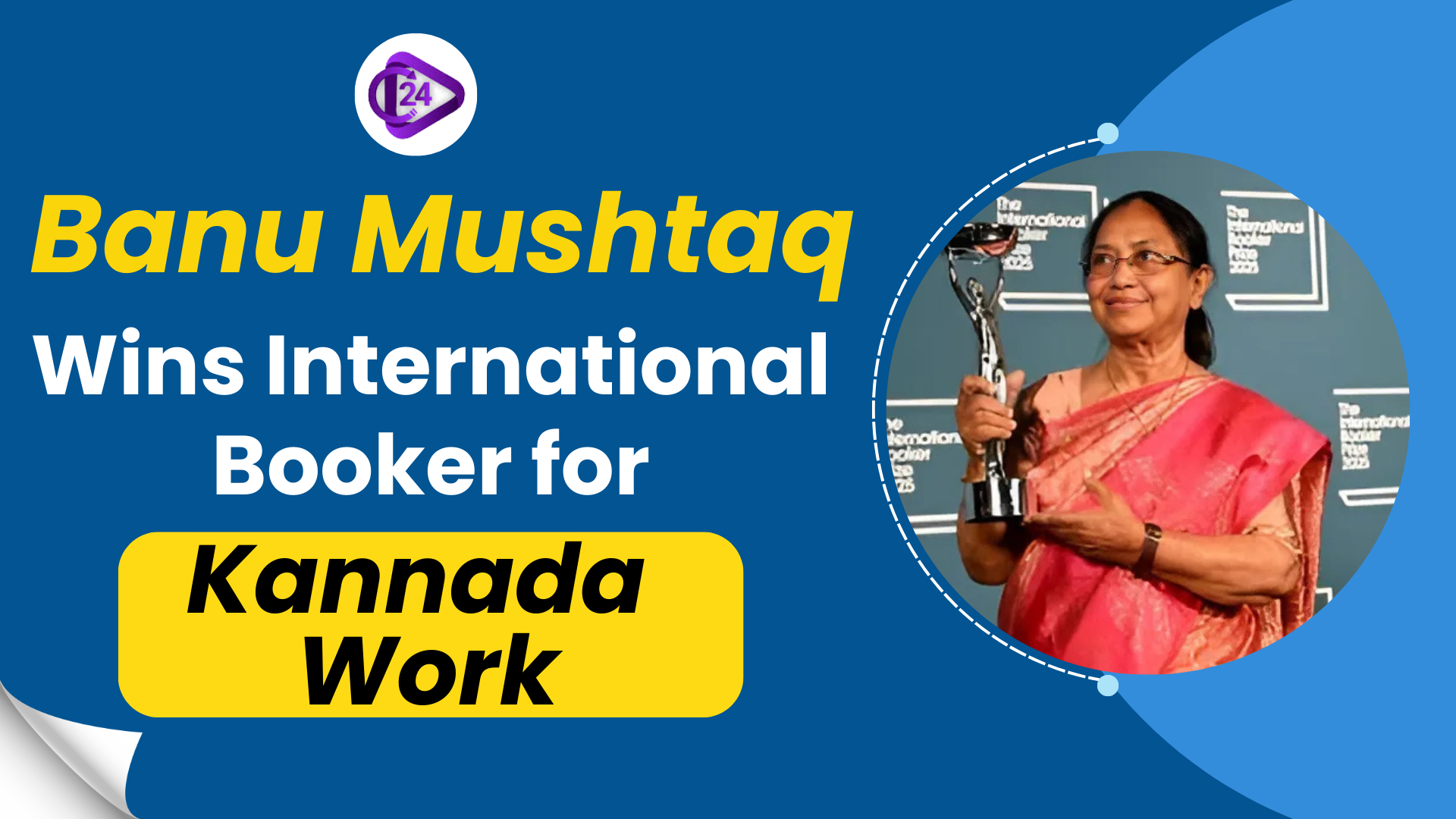
Banu Mushtaq Wins International Booker Prize for Kannada Short Story Collection ‘Heart Lamp’

Kannada writer, activist, and lawyer Banu Mushtaq was awarded the International Booker Prize 2025 for her short story collection ‘Heart Lamp,’ making it the first work in the language to do so. Awarded at the Tate Modern in London, Mian Mushtaq joined her translator, Deepa Bhasthi, to receive the prize. The collection was honored for its detailed portraits of social conflicts in families and communities, chosen from among entries from all around the world. Mushtaq said the win showed the value of diversity and emphasized how literature connects people. The reward helps to promote long-form fiction or short stories that were first drafted in one language and translated into English for release in the UK or Ireland.

Context

  • Banu Mushtaq’s ‘Heart Lamp’ wins The International Booker Prize 2025 and becomes the first Kannada work to win. 

  • Heart lamp centers its story around the lives of Muslim women and girls in southern India.

Key points

  • About Banu Mushtaq

  • Born in 1948 and originally from Hassan, Karnataka, India.

  • Author, law graduate, and champion of women’s rights.

  • Works in Kannada; established in Indian literature from the 1970s.

  • All of the titles below are available in Urdu, Hindi, Tamil, Malayalam and English.

  • Heart Lamp by Kannada writer earned the International Booker Prize in 2025, making him the first Indian to win.

Fame and Accomplishments

  • Won the Karnataka Sahitya Academy Award and Daana Chintamani Attimabbe Award.

  • Haseena and Other Stories took home the PEN Translates Award in 2024.

  • Because of Heart Lamp, Sheela Gowda became well-known around the world and drew attention to Kannada literature.

About Heart Lamp 

  • All the short stories in this publication were written between 1990 and 2023.

  • Studies the daily experiences of women and girls living in southern India's Muslim communities.

  • Considers how people living in male-dominated societies must overcome hardship.

  • Published in English translation by Deepa Bhasthi; publication by And Other Stories in 2025.

Prize Details:

  • Prize money: GBP 50,000

  • Translator: Deepa Bhasthi translated the book from Kannada to English.

Significance of Win

  • First Kannada title to win the International Booker Prize.

  • Celebrated as an achievement toward more diversity in stories.

  • Helps Indian languages and works of literature to reach people globally.

About the International Booker Prize

  • Set up in 2005 and its prior name was the Man Booker International Prize.

  • It is presented annually for fiction translated into English and printed in the UK and Ireland.

  • Sponsors global fiction and the work of translators.

Other Indians who won International Booker Prize

Year

Author

Work

1971

V.S. Naipaul

In a Free State

1981

Salman Rushdie

Midnight's Children

1997

Arundhati Roy

The God of Small Things

2006

Kiran Desai

The Inheritance of Loss

2008

Aravind Adiga

The White Tiger

2022

Geetanjali Shree

Tomb of Sand

Conclusion:

With Heart Lamp becoming the first Kannada-language book to win the International Booker Prize, Banu Mushtaq celebrates regional Indian narratives in global writing. This award demonstrates how translating works helps unite different cultures and allows a range of voices to be heard.

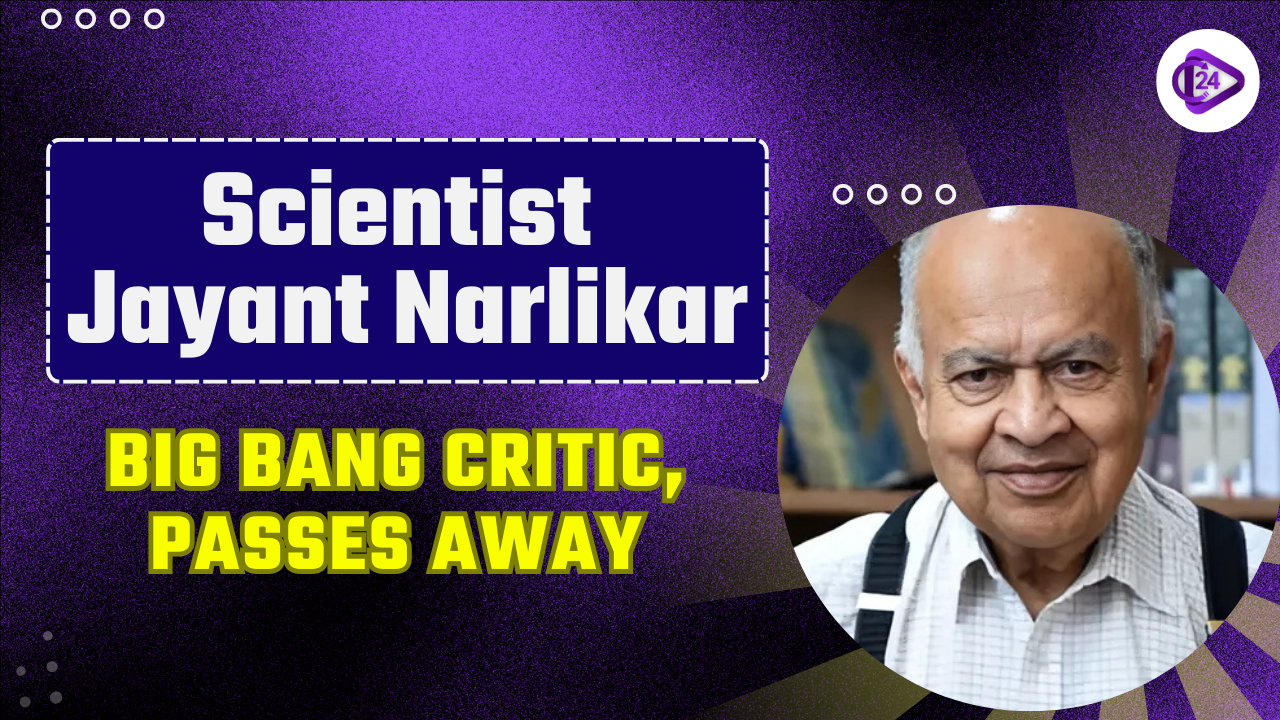
Jayant Narlikar, an Indian Scientist Who Disputed the Big Bang Theory, Passed Away

Well-known Indian astrophysicist and science communicator Jayant Narlikar died at 86 in Pune. Together with Fred Hoyle, he rose to international fame for advancing the “steady state” theory as an alternative to the Big Bang model. Narlikar did important scientific work and was also passionate about communicating science to the public, to reduce superstitions and increase understanding of science. While he led IUCAA Pune, Dr. Subrahmanyan led the training of many major Indian astrophysicists.

Context

  • Indian astrophysicist and science communicator Jayant Narlikar passed away at 86 in Pune. 

  • Together with Fred Hoyle, he rose to international fame for advancing the “steady state” theory as an alternative to the Big Bang model.

  • He is best known for doubting the Big Bang theory and making IUCAA a recognized place for research worldwide.

Key Points

Scientific Contributions:

  • Together with Fred Hoyle, co-developed a theory that the universe is always in a steady state, with matter being continuously formed.

  • Never abandoned his criticism of the Big Bang theory and continued to develop his thoughts during his life.

Institutional Leadership:

  • Founder-Director of the Inter-University Centre for Astronomy and Astrophysics(IUCAA), Pune.

  • Worked together with scientists like Thanu Padmanabhan and Sanjeev Dhurandhar.

Science Popularisation:

  • Did a lot to lessen people’s belief in superstition and encourage the acceptance of scientific ideas in India.

  • Sparked interest in many people with his TV shows, ideas written down and lecture events.

Awards and Honours

  • Jayant Narlikar received Padma Bhushan in 1965 and Padma Vibhushan in 2004.

  • In 1996, UNESCO awarded the Kalinga Prize for publishing work aimed at popularising science.

  • In 2004, he was honoured with the Prix Jules Janssen from the French Astronomical Society.

Literary Works:

  • Authored science-fiction stories and an acclaimed autobiography, awarded by the Sahitya Akademi.

  • Explored themes of technology, morality, and alien encounters with clarity and philosophical depth.

Early Life and Education

  • Son of Professor Vishnu Vasudev Narlikar (a mathematician) and Sumati Narlikar (a Sanskrit scholar), born in 1938.

  • Received Ph.D. from the Fred Hoyle Center at the University of Cambridge.

Conclusion:

No one with the educational background of children to explain the most advanced ideas better than Jayant Narlikar, whose passing has left a big hole. His name is remembered for his theories, importance in establishing institutions, and constant promotion of scientific curiosity and rational thinking.

Frequently Asked Questions (FAQs)

The current affairs cover recent national and international events related to UPSC, SSC, Banking, Railways, and State PCS.

You need to read about the current affairs daily, and revise them every week and every month to keep them longer in your memory.

Yes, Class24 provides free downloadable Daily Current Affairs PDFs for easy revision.

Yes, you can practice MCQs and quizzes to boost your exam preparation.

Absolutely. The content is written in simple, easy-to-understand bilingual language suitable for beginners.

Go to class24.com and click on the current affairs section directly, where you find everything that you need.

ssc-toppers

Start Learning Today with Class24

Related current affairs

Class24 offers free video lectures for smart preparation, covering CGL, CPO, CHSL, MTS, and GD exams. Learn from expert faculty, revise concepts easily, practice with PYQs, and improve speed and accuracy through high-quality, exam-focused video lessons anytime, anywhere.

Get success in your hand. Start study anytime anywhere.

The journey becomes simple and enjoyable when you start taking interest in it. And through our app “Class24”, we will be your trusted partners in developing that interest.

Daily Quizzes
Mock Tests
Ongoing

No ongoing tests right now.