
Day: May 19, 2025

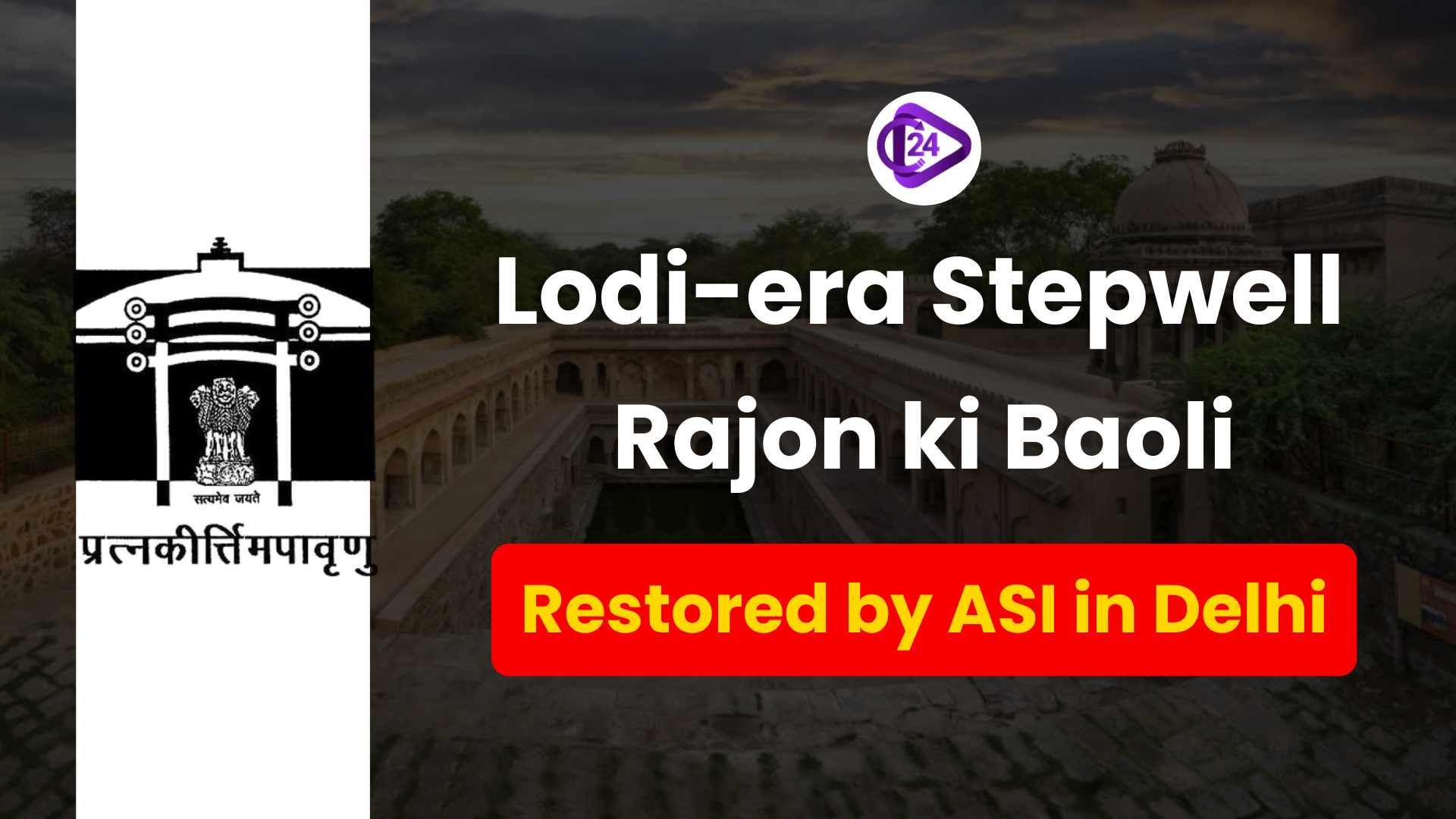
The 16th-Century Lodi-era Stepwell Rajon ki Baoli was restored by ASI in Delhi.

Working in partnership with a private company, the ASI completed the restoration of the centuries-old Rajon ki Baoli in Delhi’s Mehrauli Archaeological Park. In 1506 CE, Daulat Khan Lodi had this stepwell constructed during the Lodi dynasty for storing water and allowing people to rest. It features aspects of Indo-Islamic architecture with both social and religious significance. Rajon ki Baoli shows the Lodi era’s clever architecture and meaningful cultural impact on Delhi’s buildings. Restoration forms a major part of efforts to look after India’s historical water management systems and monuments.

Context:

  • The ASI has finished restoring Rajon ki Baoli, an old stepwell built during Lodi times in Delhi. Restoration helps to preserve India’s water structures from medieval times and raises awareness of history.

Details of Rajon ki Baoli:

  • This pillar stands at Mehrauli Archaeological Park, only 400 meters south of Adham Khan’s Tomb in Delhi.

  • In 1506, Daulat Khan Lodi, who worked for Sultan Sikandar Lodi, constructed the mosque.

  • The Stepwell of the Masons refers to those who built it, the Raj Mistris (craftsmen), not the rajas or royalty.

  • Design: The architecture is a rectangular stepwell that is 49,893 sq. feet and reaches a depth of 13.4 meters.

  • Space: The stepwell has four levels, but only the top one is exposed at its base.

  • The Hubert Howe Bancroft Garden features verandas, arched halls, arches with 12 pillars, walls with stucco medallions and contains a mosque, tomb and chhatri pavilion.

  • It was meant to store water, allow rest for travelers and hold importance for various social and religious purposes.

About the Lodi Dynasty:

  • Dynasty: From 1451 to 1526 CE, the rulers of this dynasty controlled the Delhi Sultanate.

  • The first governor of the Delhi Sultanate, Bahlul Lodi, was the founder of the Afghan Empire.

  • The territories under them included: Punjab, Jaunpur, Gwalior, and Upper Ganga Valley.

Notable Facts & Achievements

  • Annexing Jaunpur, Bahlul Lodi increased the power of Afghanistan in the north.

  • Sikandar Lodi: He established Agra, organised reforms in land holdings, appreciated arts, levied the jizya tax and attacked and destroyed temples in Mathura.

  • Ibrahim Lodi: The defeat at the First Battle of Panipat by Babur in 1526 put an end to his rule.

  • Era: The Delhi Sultanate ended and the Mughal Empire started in India.

Significance:

  • Rajon ki Baoli shows how Lodi architecture could be both purposeful and beautiful.

  • Thanks to the restoration, both cultural heritage and tourism are saved and promoted.

  • Includes traditions and water management from medieval society in India.

Conclusion:

The restoration of Rajon ki Baoli highlights India’s strong desire to conserve its ancient history. Serving as reminders of India’s cultural traditions, such monuments help to convey to new generations how water was managed then. The initiative benefits heritage tourism and helps people value India’s rich history.

UPSC Prelims Practice Questions

Q1. Read the information below about Rajon ki Baoli:

  • This place was constructed by Sultan Ibrahim Lodi in 1506 CE.
  • The stepwell is in the Mehrauli Archaeological Park in Delhi.
  • The name comes from the wealthy people who funded the project.
  • The entire restoration work was undertaken by the Archaeological Survey of India (ASI) independently.

Which of the statements above is/are true?
A) Only 2 is correct
B) Only B1 and B2 are correct.
C) Only 2 and 3 are correct.
D) They are found in 1, 2 and 4.

UPSC Mains Practice Questions

Q.1 Examine how the Lodi Dynasty affected the type of architecture found in Delhi. How does Rajon ki Baoli portray the unique Indo-Islamic style seen during the era of the Lodis? (250 words)

FAQs on Rajon ki Baoli UPSC

This Lodi-era stepwell in Delhi was constructed in the 16th century.

In 1506 CE, it was built by Daulat Khan Lodi under Sultan Sikandar Lodi.

It served for water storage, rest, and religious purposes.

ASI restored the building with the help of a private organization.

It preserves history, boosts tourism, and showcases Lodi architecture.

India Rolls Out Biometric E-Passports for Faster, Safer Travel

India has introduced biometric e-passports for its citizens after over 120 countries have already done so. The change follows ICAO’s recommendations and improves the country’s security, identification system and international travel. Individuals in India can get an e-passport by filling out the application online or by visiting Passport Seva Kendras. As a result of this, people can go through immigration faster, reduce the risk of identity theft and help achieve India’s digital and border security goals. All manufacturing is done at the India Security Press in Nashik, helping the Make in India program.

Context

  • The use of strong security features in India’s e-passports helps protect a person’s identity and makes traveling outside the country easier. 

  • Through this, communities can be more secure, traveling is made easier and India follows the latest digital ID rules internationally.

Key Points

What is an E-Passport?

  • A passport with a digital chip containing information about a person’s identity and features.

  • An electronic book is distinguished by a gold rectangle symbol on the cover.

Security Features:

  • Basic Access Control(BAC): ensures the chip can only be used by devices that it is hooked up to.

  • Passive Authentication (PA): Monitors changes and confirms the authenticity of stored data.

  • Extended Access Control (EAC): ensures an extra layer of security for biometric data that needs protection.

  • Ensuring the operation of global aviation communication systems follows the standards from ICAO Document 9303.


Advantages:

  • Increased security: With biometric authentication, chances of identity theft and fraud are reduced.

  • Streamlined Immigration means that your identity can be checked by a machine at e-gates, so you won’t have to wait so long.

  • Widely Known: Appreciated globally since it complies with ICAO guidelines.

  • It is harder to commit fraud if biometric passports are involved.

  • Ease for Travelers: Immigrating becomes faster and easier.

  • National Security: Stronger management and security at border points.

  • It’s simple to update and renew your passport information.

  • Helps achieve Digital Transformation: Assists in creating digital rather than paper identities around the globe.

The main reason for adopting:

  • Address issues with protecting borders and identity fraud.

  • Employ international requirements for identity and travel documents.

  • Streamline rules on visas and immigration.

  • Give citizens passports and similar documents acknowledged all over the world.

How India Tackles the Issue:

  • In April 2024, Pilot was introduced as part of Passport Seva Programme 2.0.

  • To begin with, Nagpur, Bhubaneswar, Jammu, Chennai, Hyderabad and other cities will experience it.

  • Passports issued by the Tamil Nadu Regional Office in Chennai became e-passports in March 2025.

  • In less than three weeks, more than 20,700 people in Tamil Nadu received their e-passports.

  • By 2025, biometric e-passports should be used nationwide and become the main form of ID.

Manufacturing:

  • All of the currency is printed in one location by India Security Press.

  • Ensures data protection, follows privacy rules and promotes Make in India.

Conclusion:

India’s decision to use biometric e-passports helps strengthen national security, protect identity and improve traveling to other countries. This decision by India helps the country follow ICAO standards, eases the immigration process, makes borders stronger, supports its digital growth and assists in the Make in India plan. The change will mean Indian people can use travel documents that are accepted worldwide, secure and convenient as the rules of international travel change.

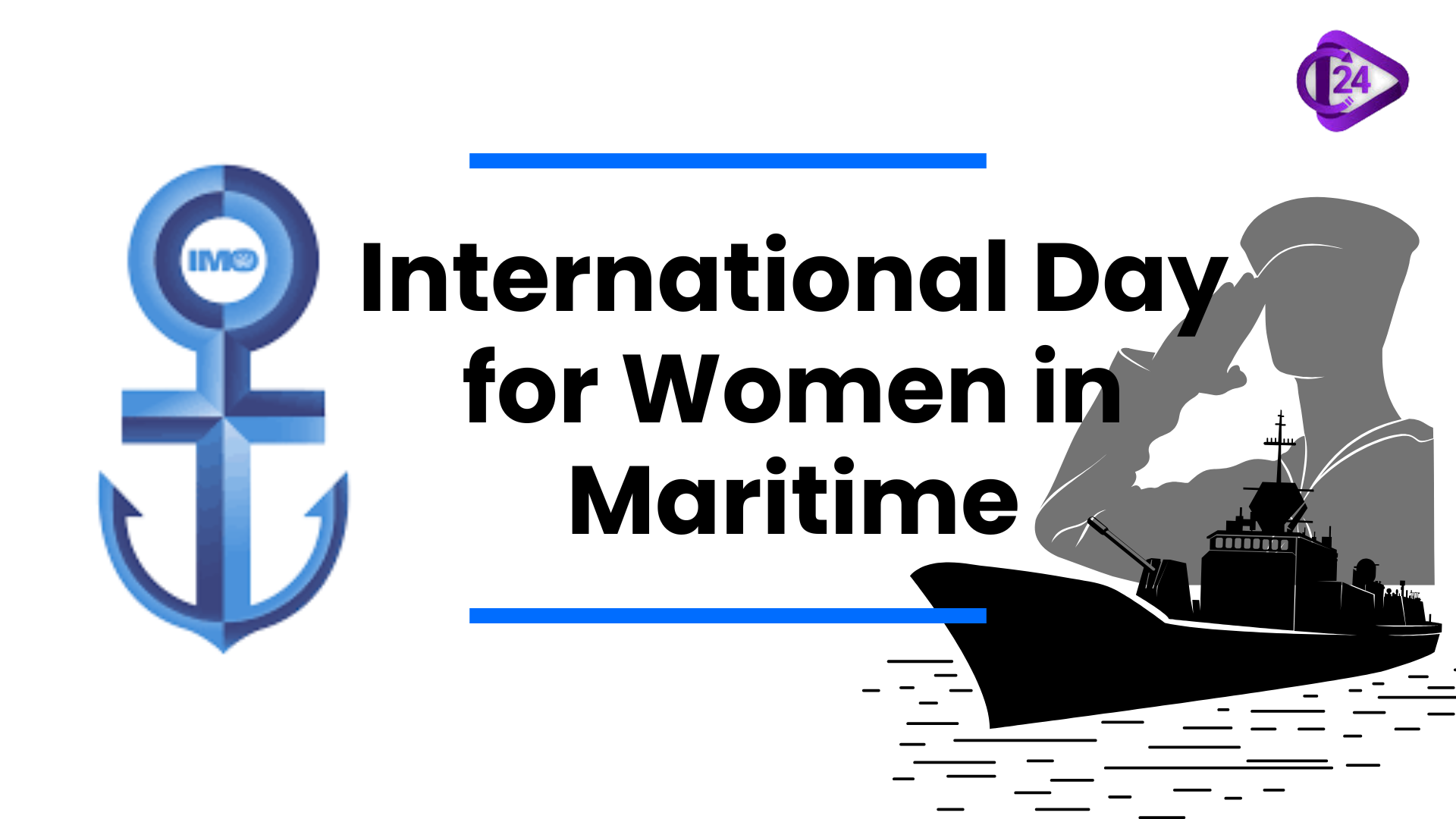
India observes ‘International Day for Women in Maritime’ and launches ‘Sagar Mein Samman’

For the International Day for Women in Maritime, India introduced the ‘Sagar Mein Samman’ (SMS) project to encourage and support gender equality in maritime activities. The policy aims to bring about gender equality on ships and in leadership roles by emphasizing helping women feel empowered, remain safe, be leaders and so on. This is mainly due to the government’s ongoing efforts governed by the Maritime India Vision 2030. Sarbananda Sonowal recognized the value of women in maritime and commended those who have reached great accomplishments. The IMO’s goal of including women in the industry fits within its global mission and the UN Sustainable Development Goals.

Summary:

  • To support a gender-inclusive team in the future, India started ‘Sagar Mein Samman’. Since 2014, there has been a 649% increase in female seafarers, demonstrating that equality for women in the industry is improving.

Details:

Policy Program – Sagar Mein Samman (SMS).

  • Promotes equal opportunity for women in all levels of the industry.

  • Focuses on instruction, security, leadership, keeping members and gender discrimination.

  • Focused on fulfilling the Government’s Diversity, Equity and Inclusion (DEI) initiatives.

Growth and Impact

  • Between 2014 and 2024, the number of women in seafaring has increased by 649%.

  • Nearly 3,000 women seafarers have received financial aid since 2014.

  • The number of registered women seafarers grew 739% from 1,699 (in 2015) to 14,255 (in 2024).

Government Support and Vision

  • Among the plans in Maritime India Vision 2030 is helping shipping companies, offering scholarships to students and encouraging more women to work on land.

  • Goal for 2030: have twelve percent of technical maritime roles filled by women.

Honoring Individuals and Organization Activities

  • There were talks, awards for women and involvement of government authorities, marine specialists and international groups.

  • People often respect Sumita Banerji, Bharati Bhandarkar and Capt Deepti Singh.

Participation with the Global Goals:

  • Helps promote IMO’s theme “Women in Maritime: Leading Transformation and Sustainability.”

  • Supports India’s work on gender equality and the United Nations SDGs.

Conclusion:

With the ‘Sagar Mein Samman’ initiative, India strengthens gender equality and women empowerment in the Indian navy. The policy works to make sure women are welcomed and their issues are addressed. This supports India’s aspirations to become a maritime leader and aids efforts to protect the environment globally and in India.

Israel Launches Operation Gideon Chariots in Gaza to Pressure Hamas

To force Hamas to release all its hostages and to weaken the militant organization, Israel has launched Operation Gideon Chariots in the Gaza Strip. Following hours of airstrikes and many poor outcomes, this move happens as Israel keeps essential goods from entering Gaza. Because efforts and visits in Doha and by President Trump have not helped reach a ceasefire or bring aid, the conflict remains unresolved. A severe crisis affecting human life in Gaza is due to the blockade.

Summary:

  • Hamas is being forced by Israel to stop its militant activity and surrender all hostages through Operation Gideon Chariots.

  • At least 150 people died from a lack of food and medicine after being locked down for 24 hours.

Details:

Operation Overview

  • Operation Name: Gideon Chariots.

  • Objective:

  • Put pressure on Hamas to free the last hostages.

  • End the existence of the militant group.

  • This event took place in the Gaza Strip.

  • The war was initiated by Israel’s Army.

  • Israel Katz, the Defence Minister, gave the news.

    • Background

      • For almost 20 years, Hamas has been in charge of the Gaza government.

      • After days of air attacks that caused many deaths, operations began.

      • Donald Trump’s arrival in the Middle East did not help resolve the conflict in Syria.

      • For the past two months, Israel has prevented humanitarian aid from reaching Gaza.

      • At least 150 people have died in only 24 hours; the number since the ceasefire began in January is now over 3,000.

Ground Situation in Gaza.

Blockade:

  • Israel has blocked access to Gaza for almost twenty years.

  • No food, water, fuel, or humanitarian aid is reaching Gaza.

Impact:

  • During the last 24 hours, more than 150 people have died due to Israeli airstrikes.

  • Since the Israeli ceasefire broke down in January, over 3,000 Palestinians have lost their lives.

  • There is a high risk of famine, according to Gaza’s Health Ministry.

Humanitarian Crisis:

  • No food, water, fuel, or goods were allowed in Gaza for three months because of the Israeli blockade.

  • If the blockade does not end, food security experts fear that famine may occur.

Conclusion:

Operation Gideon Chariots is significant because it marks a significant step forward in the Israeli-Hamas conflict due to Israel’s efforts to get back hostages and address the risks posed by militants. Because the blockade and warfare are long-lasting, the crisis in Gaza has become dire, leading to a strong call for both a sustained end to warfare and support to keep agents from widespread hunger and further misery.


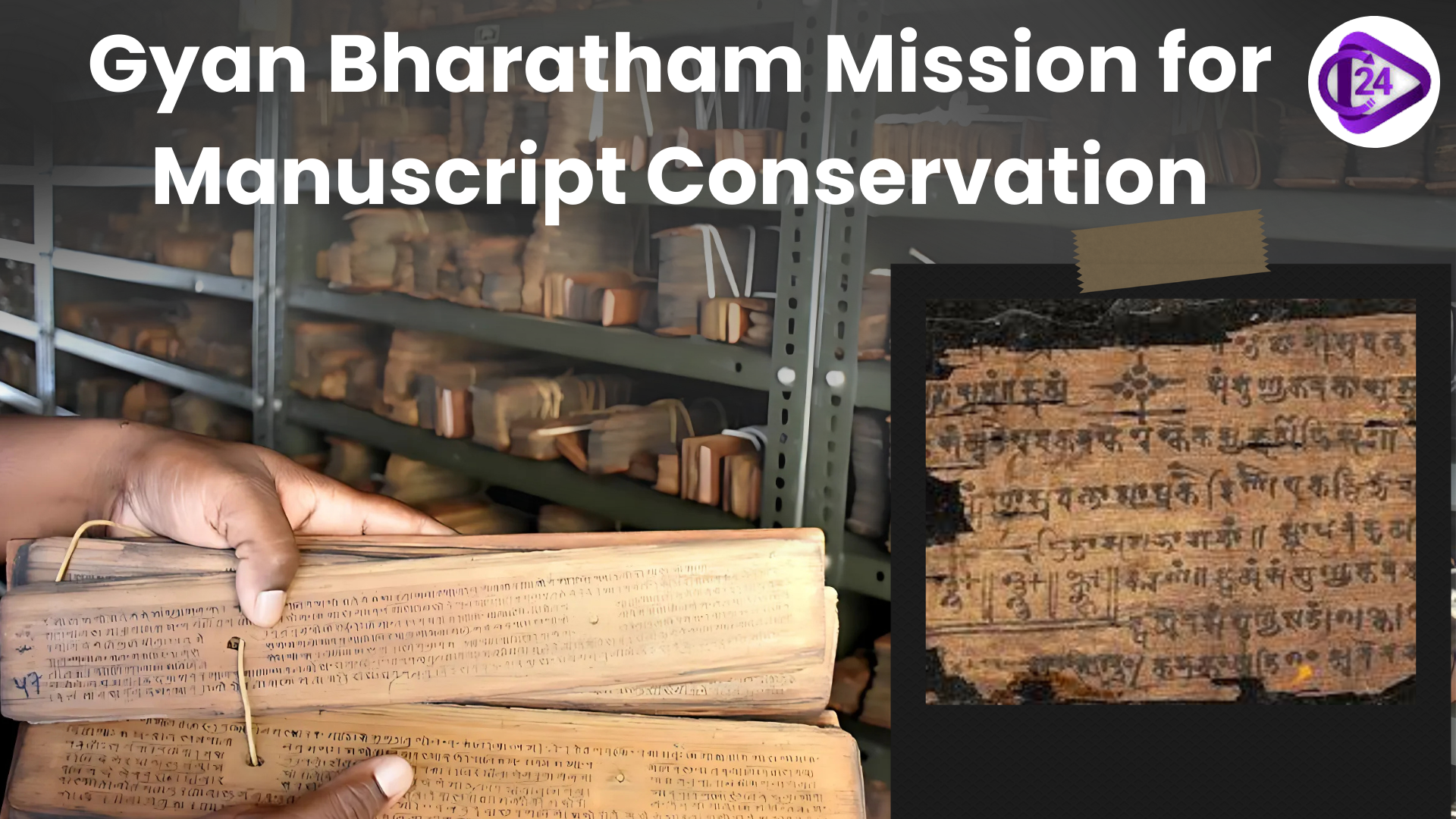
Gyan Bharatham Mission for Manuscript Conservation to be launched on June 9 by the PM

On the 9th of June, Prime Minister Narendra Modi will introduce the new Gyan Bharatham Mission, which is an improved version of the National Manuscripts Mission. The initiative is planned for next year and will help to digitize more than 1 million Indian manuscripts. This academic field deals with manuscripts that are kept in various academic institutions, libraries, museums, and by private collectors. With this mission, the government is trying to revive the National Manuscripts Mission's aim which could not be accomplished when it was introduced in 2003. National treasures must be safeguarded by first surveying, documenting, and recording them digitally.

Summary 

  • Gyan Bharatham Mission plans to use digital devices for storing India’s ancient manuscripts from various places and collections. 

  • The initiative is part of the 2025–26 budget plan and aims to improve on the earlier mission.

Key Points

Objective:

  • Collect, outsource, digitalise and secure India’s manuscripts.

  • The plan is to harvest a whopping 1 crore manuscripts.

Background:

  • Given to IGNCA, the National Manuscripts Mission (NMM) which began in 2003, will now be revamped.

  • Spends were increased from ₹3.5 crore to ₹60 crore.

Current Status:

  • Data about over 52 lakh manuscripts has been compiled.

  • Seventy thousand titles out of three lakh of digitised books are currently available.

  • Lack of an appropriate access policy means it is not currently possible for private collections to be openly shared.

Institutional Support:

  • The IGNCA is an organization functioning under the Ministry of Culture.

  • Digitisation must be supported by the Oriental Research Institute in Mysuru.

The experts are listed below:

  • CILL, Mysore

  • IIT Bombay

  • The Central Sanskrit University

  • The Google Arts & Culture website

Features of Gyan Bharatham Mission

Revamped Initiative:

  • The National Manuscripts Mission (NMM) falls under the National Centre for the Arts.

  • It was set up in 2003, though its use was very limited.

Budget Allocation:

  • Money raised: The amount has increased from ₹3.5 crore to ₹60 crore.

  • The Union Budget for 2025–26 included the announcement of this.

Scope:

  • Expected to catalogue over 1 million manuscripts found in India.

  • Participates in surveying, recording information and saving data in a digital form.

  • Sharing ideas with educational institutions, libraries, museums and those who have their collections.

Progress Made:

  • Digital Archive:

    • 52 lakh manuscripts have been included in the metadata developed by NMM.

    • About 3 lakh works have been digitized by the National Library, but only 70,000 are open for viewing by everyone

  • Reasons for limited access

    • Having no policy for access to resources.

    • Access to 80% of manuscripts is difficult because they are in private hands.

  • Ongoing Conservation Efforts

    • New conservation laws are constantly being developed.

    • In 21 years, NMM has protected over nine crore folios.


Dealing with problems and challenges:


  • Lack of public access

    • You can find most manuscripts in the collections of private owners.

    • The absence of appropriate rules for granting public access.

  • Cultural Preservation:

    • A partnership between private collectors and the government is necessary.

  • Technological Integration:

    • There is a need for technology and storage facilities to preserve heritage.

    • Team-ups with tech firms to preserve information through technology.

Conclusion:

Overall, the Gyan Bharatham Mission aims to make a large digital preserve of all kinds of Indian manuscripts. With a larger budget and the help of experts, the mission is expected to deal with previous challenges and make more ancient knowledge systems open to the public.

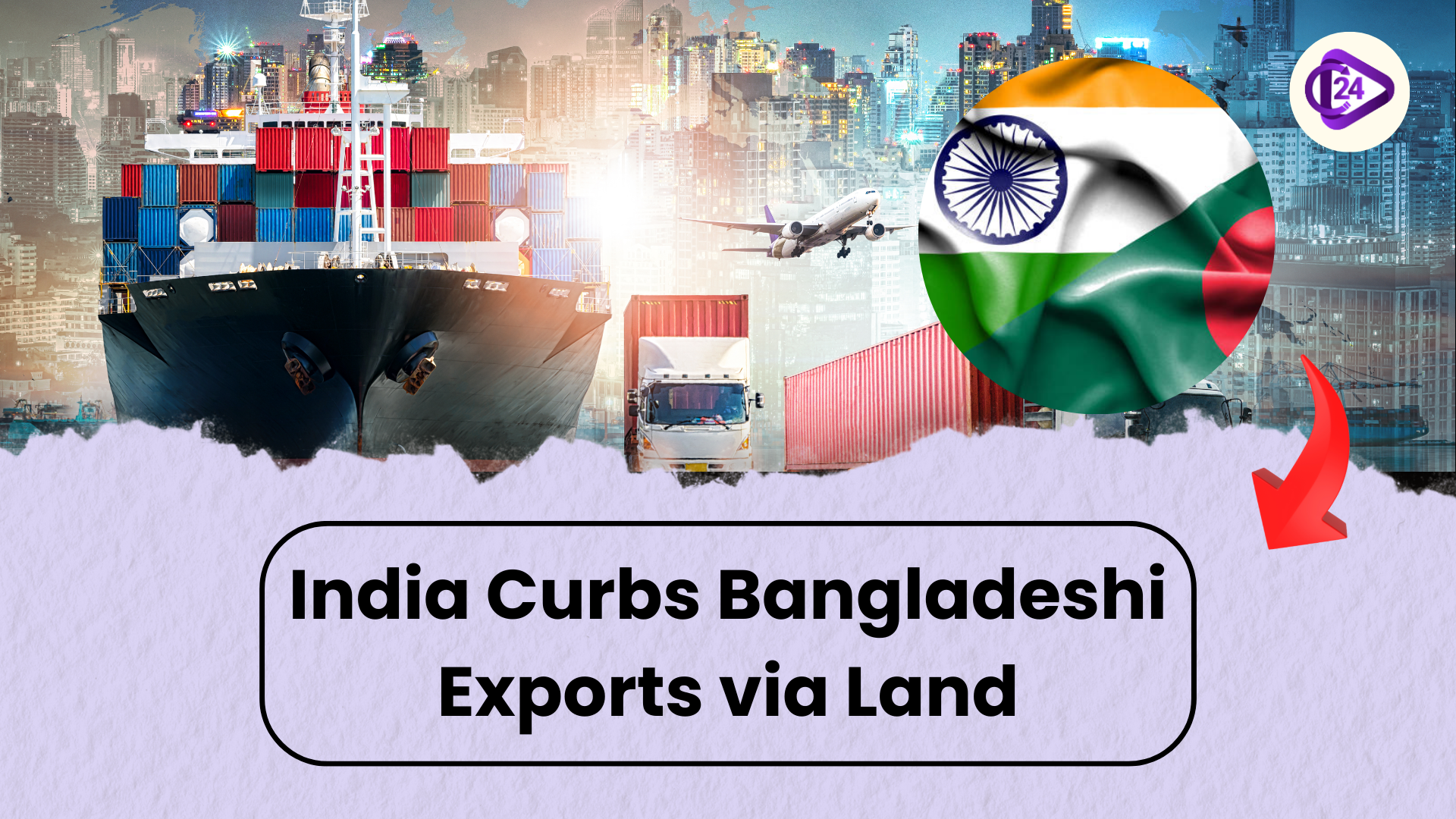
India Imposes Land Port Restrictions on Bangladeshi Garment Exports

The Indian government imposes a limit on land port exports of Bangladeshi garments. India has decided to block some garments and products from Bangladesh at their land ports. This was taken after Bangladesh had banned Indian yarn exports over land and limited them to come through seaports. The rule being enforced in these states includes ports in Assam, Tripura, Meghalaya and Mizoram. Since Bangladesh exports over 93% of its garments to India by land, this step is likely to impact their trade relations strongly. Compared to previous moves, this action is considered to have a special role because of increasing trade friction.

Context

  • India has put two land port restrictions on Bangladesh.

  • It is only through the ports of Kolkata and Mumbai that ready-made garments will be permitted.

  • India’s decision aims to restrain Bangladesh, as Bangladesh has blocked Indian yarn many times at the country’s borders.

Key Points:

  • From April 13, Bangladesh closed land ports for Indian yarn.

  • The Bangladeshi authorities have been reported to have been inspecting Indian trucks aggressively.

  • India makes sure that Bangladeshi goods are subject to the same restrictions.

Scope for India’s Restriction

  • Covering all land ports in the northeastern portions of India.

  • Affects important ports found in Tripura, Assam, Meghalaya and Mizoram.

  • Goods can only be imported at Kolkata and Nhava Sheva (Mumbai).

Commodities Affected:

  • Ready-made garments

  • Goods made from plastic and wooden furniture

  • Juices, soda, and drinks that contain fruit flavors

  • Goods such as cookies, cake,s and bread

  • Cotton yarn is dyed with chemicals when it is made.

Trade Significance:

  • 93% of the garments exported by Bangladesh to India are shipped through land ports.

  • Bangladesh is one of the leading nations in producing textile goods.

Politics and Strategy

  • India feels that Bangladesh is applying its trade policy unfairly.

  • A call meant for the New Administration under Muhammad Yunus.

  • Yunus’ observations that northeastern India is partly land-locked raised more tension between the two countries.

Impact:

  • Previously, Bangladesh sent 93% of its ready-made garments to India across land ports.

Detailed Reason behind the decision

  • The West responded to Bangladesh’s move.

    • Imports of Indian yarn into Bangladesh via land ports stopped on April 13.

    • India is acting accordingly to ensure trade between the countries is equal.

  • Manufacturing in the Local Area:

    • The government is making this decision to aid local manufacturers in India’s northeastern region.

    • Problems were noted because Bangladesh is a big producer of textiles in the world economy.

🇮🇳 India–Bangladesh Bilateral Trade Overview (FY 2023–24)

Trade Indicator

Value (USD Billion)

Remarks

Total Bilateral Trade

13.0

Bangladesh is India’s largest trade partner in South Asia

India’s Exports to Bangladesh

11.38

Major exports include cotton yarn, cereals, and machinery

India’s Imports from Bangladesh

1.62

Primarily ready-made garments and jute products

Trade Balance (India’s surplus)

9.76

Reflects a significant trade surplus in India’s favor

Details of Restrictions

  • Certain Things are Not Allowed:

    • The production of readymade garments, plastic and wooden furniture, fruit drinks, carbonated drinks, bakery foods, confectionery, cotton yarn, and dyes is included.

  • Points of Entry:

    • Currently, ships can bring goods only to Kolkata and Nhava Sheva (Mumbai) ports.

  • Parts of Europe Affected:

    • There are Land Customs Stations (LCS) and Integrated Check Posts (ICP) in Assam, Meghalaya, Tripura, and Mizoram.

  • India’s areas of concern include:

    • Because the northeastern states are landlocked (no ocean access), they can easily face difficulties in trading.

Items regularly exported by India to Bangladesh

  • Products Made From Cotton Yarn & Handloom:

    • With a value of $2.39 billion, India has exported around 20% of its goods to Bangladesh.

  • Cereals:

    • Most importantly, the crops are rice and wheat.

  • Machinery and Mechanical Appliances:

    • Industrial and agricultural machines

  • chemicals and pharmaceuticals

    • Organic chemicals and medicinal products are part of pharmacology.


Items regularly exported by Bangladesh to India

  • Ready-Made Garments:

    • Each year, the process is valued at over $700 million

  • Jute Products:

    • These can also be made into bags, carpets and yarn.

  • Textile Scraps:

    • Takes part in recycling and the manufacturing process

  • Fish and seafood.

    • Ensure there are hilsa and prawns in the festival menu.

Trade Partnerships and Undertakings

  • South Asian Free Trade Area (SAFTA) 

    • It is an agreement between countries in South Asia.

    • Most goods traded between India, Bangladesh and other SAARC members can be imported and exported without paying duties.

  • Agreement on the Comprehensive Economic Partnership (CEPA):

    • Talking with other countries to strengthen trade ties.

  • Maitri Setu Bridge

    • This bridge, known as the Feni River Bridge, links Sabroom in India with Ramgarh in Bangladesh and has made trade between the two easier.

  • Bangladesh–India Friendship Pipeline

    • In March 2023, this pipeline started delivering diesel from India to Bangladesh and helping improve energy cooperation.

Conclusion:

India has decided on port restrictions to balance out Bangladesh’s trade barriers and protect its domestic production. It reminds us that trade between countries is delicate and requires meeting regularly to solve non-tariff difficulties.

Frequently Asked Questions (FAQs)

The current affairs cover recent national and international events related to UPSC, SSC, Banking, Railways, and State PCS.

You need to read about the current affairs daily, and revise them every week and every month to keep them longer in your memory.

Yes, Class24 provides free downloadable Daily Current Affairs PDFs for easy revision.

Yes, you can practice MCQs and quizzes to boost your exam preparation.

Absolutely. The content is written in simple, easy-to-understand bilingual language suitable for beginners.

Go to class24.com and click on the current affairs section directly, where you find everything that you need.

ssc-toppers

Start Learning Today with Class24

Related current affairs

Class24 offers free video lectures for smart preparation, covering CGL, CPO, CHSL, MTS, and GD exams. Learn from expert faculty, revise concepts easily, practice with PYQs, and improve speed and accuracy through high-quality, exam-focused video lessons anytime, anywhere.

Get success in your hand. Start study anytime anywhere.

The journey becomes simple and enjoyable when you start taking interest in it. And through our app “Class24”, we will be your trusted partners in developing that interest.

Daily Quizzes
Mock Tests
Ongoing

No ongoing tests right now.