
Day: May 14, 2025

Southwest Monsoon Arrives Early in Andaman; IMD Forecasts Above-Normal Rainfall

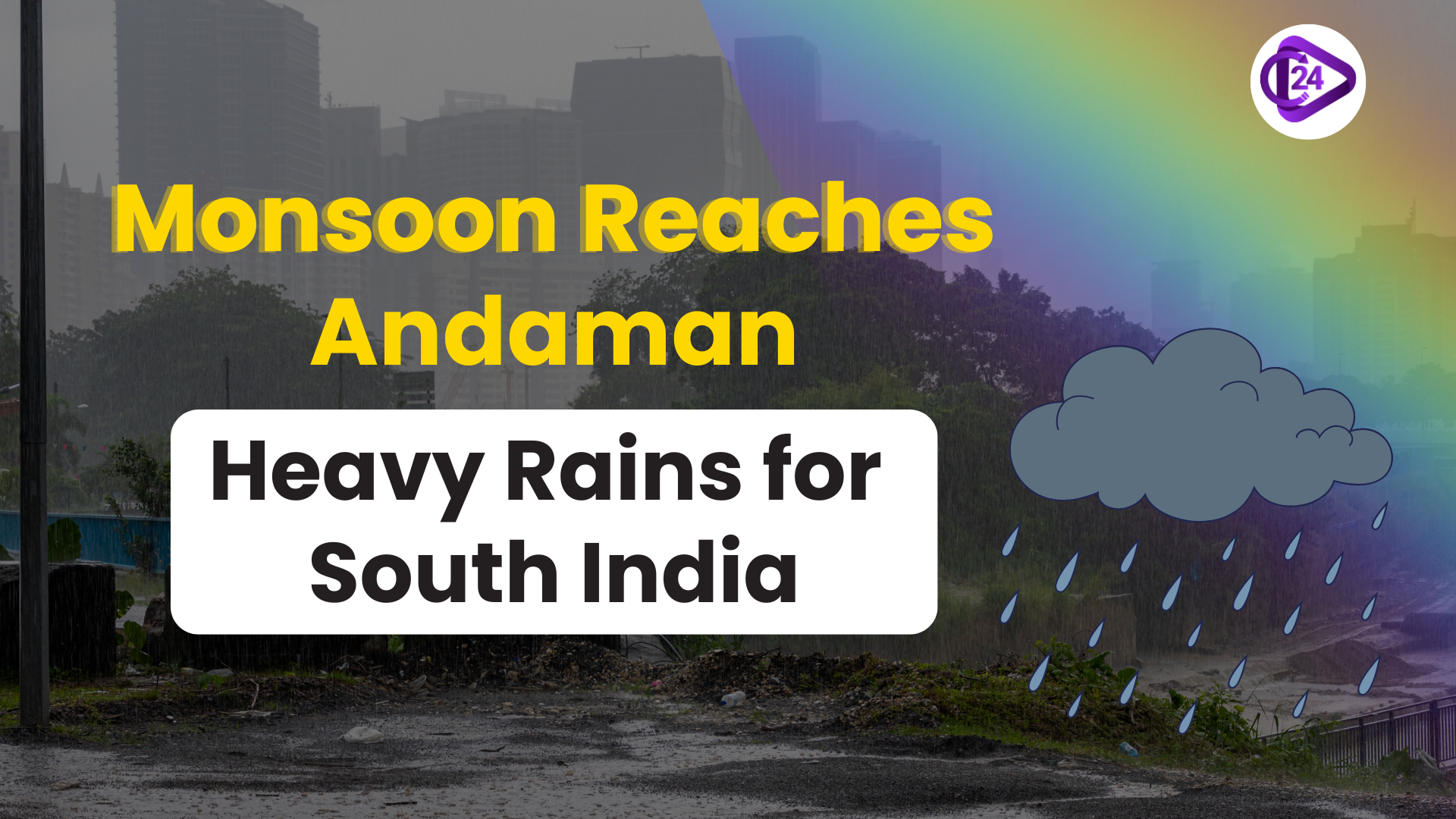
The India Meteorological Department (IMD) reported that the southwest monsoon began its first entry into the Andaman Sea, Bay of Bengal, and Nicobar Islands. This is ahead of schedule, with heavy showers and thunderstorms predicted in central and southern India. Although the monsoon generally takes around 10 days to reach Kerala, no date of onset has yet been declared officially. India will receive more than normal rainfall this year, just like last year.

Key Points:

  • The southwest monsoon has progressed over some areas of the south Bay of Bengal and the Andaman Sea.

  • Heavy to very heavy rain with thunderstorms and lightning is forecast over Andhra Pradesh, Karnataka, Kerala, and Tamil Nadu.

  • The onset date of the monsoon over Kerala is likely to be declared later this month.

  • India is predicted to see "above normal" monsoon rains this year, which is like the 8% above normal rains of 2023.

  • Heavy rain also lies ahead for northeast India over the next five days.

Monsoon Seasons of India

  • Southwest Monsoon:

    • Happens from June to September.

    • Brings seasonal rain, essential for agriculture in India.

    • Comes in two branches:

      • Arabian Sea branch: Comes in from the west.

      • Bay of Bengal branch: Comes in from the southeast.

  • Retreating Monsoon:

    • Happens during October and November.

    • Characterized by clear skies and increasing temperatures.

    • Heavy rains in southern India were caused by cyclonic depressions.

    • Characterized by "October heat" and heavy rains in eastern parts.

Factors that Affect the Formation of the South-West Monsoon

  • Differential Heating:

    • Land heats quicker than water, producing low pressure over land.

    • High pressure over oceans results in wind movement that brings moisture.

  • Inter-Tropical Convergence Zone (ITCZ):

    • A region of low pressure close to the equator, moving with the sun.

    • Controls wind patterns and influences the strength of the monsoon.

  • El Niño:

    • The reversal of pressure over the Indian Ocean and Pacific Ocean impacts rainfall.

    • Increased ocean temperature can lower rainfall.

  • Tibetan Plateau:

    • Severe heating during summer produces strong air currents, which create low pressure in higher altitudes.

  • Jet Streams:

    • The Easterly Jet helps bring the monsoon rains.

Mechanism of the Southwest Monsoon

  • Onset: The ITCZ shifts north in June, enabling southeast trade winds to take up moisture from the Indian Ocean.

  • Monsoon Branches:

    • Arabian Sea: Carries moisture over Western India.

    • Bay of Bengal: Carries moisture over Eastern India.

  • Monsoon Trough: Over the Indo-Gangetic Plain, an area of low pressure develops and is related to rainfall.

Impact of Monsoons on Life in India

  • Positive Impacts

  • Agriculture:

    • About 64% of India's population relies on agriculture.

    • Timely rains are required for planting and reaping crops.

    • Used to recharge dams and reservoirs for water supply and hydro power.

  • Regional Differences:

    • Different crops grow in different areas because of varying patterns of rain.

  • Negative Effects

    • Unpredictable Rainfall:

      • Floods or droughts can happen because of unpredictable monsoon activity.

      • Heavy rains cause soil erosion and landslides.

    • Infrastructure Destruction:

      • Transportation and life get disrupted by floods and landslides, and economic loss is incurred.

Monsoon Prediction and Challenges

  • Traditional Forecasting: IMD's earlier forecasts used snow cover to forecast monsoon results.

  • Modern Forecasting: IMD employs numerical models and satellite information but continues to have problems with long-term forecasting because of data limitations and large uncertainty.

Recent Initiatives and Future Outlook

  • Monsoon Mission (2012):

    • Focused on enhancing seasonal and intra-seasonal forecasting.

    • Delivers district-level agro-meteorological advisories to farmers.

  • International Collaboration:

    • Indo-US Expedition (2018) for comprehending the Bay of Bengal's role in the monsoon.

    • National Supercomputing Mission to increase computing power for precise forecasts.

  • Global Warming Impact:

    • Climate change is causing more unpredictable and intense rainfall, and more droughts in certain areas.

Way Forward:

  • Water storage for irrigation and hydropower to enhance food security.

  • Investment in improved prediction models and timely advisories for sustainable agriculture.

Conclusion:

The progress of the southwest monsoon into the Andaman Sea marks the start of a possibly heavy monsoon season, with southern India getting substantial rainfall. The forecast of more-than-usual rainfall will be good news for agriculture but also carry threats like flooding and landslides. Monitoring and preparedness are essential to offset negative effects on infrastructure and livelihoods, especially in flood-vulnerable regions.

PM Modi stresses targeted interventions and technology to eliminate TB

On Tuesday, Prime Minister Narendra Modi conducted a high-level review meeting of the National TB Elimination Programme (NTEP). He also called for targeted interventions, with a focus on technology-based outreach and data analytics. The target is for early TB diagnosis and treatment among vulnerable groups, such as workers in high-risk occupations. The Prime Minister underlined the achievement of 18% decline in TB incidence in India between 2015-2023.

Key Points:

  • PM Modi stresses targeted interventions and technology to eliminate TB.

  • Prioritizing the identification of high-risk groups like construction and mining workers.

  • Heartening figures reveal a huge 18% decline in the incidence of TB in India during the period from 2015 to 2023.

  • Upscaling diagnostic facilities, such as 8,540 NAAT and 87 culture/drug susceptibility testing labs.

  • Public awareness and hygiene stressed as the main driver of TB elimination.

About Tuberculosis (TB)

  • Definition: Tuberculosis (TB) is an infection caused by the bacterium Mycobacterium tuberculosis. It mostly infects the lungs but can infect other parts of the body as well, like the abdomen, glands, bones, and nervous system.

  • Transmission: TB is transmitted through air, primarily when small droplets from the cough or sneezes of an infected person with TB are breathed in.

Types of TB

Type of TB

What It Is

Is It Contagious?

Symptoms

Pulmonary TB

TB that affects the lungs.

Yes

Persistent cough (sometimes with blood), chest pain, weight loss, fatigue.

Latent TB

TB bacteria are in the body but inactive. You don’t get sick.

No

No symptoms. You feel completely normal.

Active TB

TB bacteria become active and multiply, making you sick.

Yes

Persistent cough, weight loss, fever, tiredness — often more severe symptoms.

Symptoms of TB

  • Cough that lasts longer than 3 weeks, sometimes with blood.

  • Weight loss, night sweats, high fever, tiredness.

  • Loss of appetite, chest pain, swollen lymph nodes.

Treatment & Prevention

  • Curable with Antibiotics: Takes 6-18 months of medication.

  • BCG Vaccine: Offers moderate protection, primarily for severe TB in children and infants.

Key Highlights of TB in India

  • Declining TB Incidence: Tuberculosis incidence in India fell to less than 200 per lakh (2022) from 237 per lakh (2015), a 16% reduction.

  • Reduction in TB Mortality: TB-related deaths have decreased by 18% since 2015, now at 23 per lakh population.

Improved Treatment Success Rates:

  • MDR-TB Treatment Success Rate: 74%.

  • Pre-XDR-TB Success Rate: 68%.

  • XDR-TB Success Rate: 45%

State-Wise TB Performance Index


  • Best Performing States: Himachal Pradesh, Odisha, Gujarat.

  • Lowest Performing States: Punjab, Bihar, Karnataka.

Conclusion:

India has progressed considerably in lowering TB incidence and mortality, and treatment success rates have been improving continuously. Sustaining such progress and attaining the target of TB elimination is made possible by targeting interventions, analysis of data, and public engagement. The initiatives taken by the government, especially to increase diagnostic facilities, play a pivotal role in addressing this chronic health problem.

UPSC Prelims Practice Questions

Q1. Read the following statements about Tuberculosis (TB) in India:

  • TB is caused by a virus that acts mainly on the respiratory system.
  • India has committed to eliminating TB by 2025.
  • The BCG vaccine provides good lifelong immunity against TB across all ages.

Which of the above given statements is/are correct?
a) 1 and 2 only
b) 2 only
c) 2 and 3 only
d) 1, 2 and 3

UPSC Mains Practice Questions

Q.1 "India's war against Tuberculosis needs to transcend medicine to be a movement based on public education, targeted outreach, and technological interventions."  Analyze the strategies and achievements under the National TB Elimination Programme with reference to recent trends. (250 words)

FAQs

PM Modi stressed targeted interventions, technology-driven outreach, and data analytics to end TB, particularly among high-risk population groups.

Early diagnosis and treatment, especially for vulnerable population groups such as construction and mining workers.

India has reduced TB incidence by 18% between 2015 and 2023.

The government has scaled up diagnostic capacity, comprising 8,540 NAAT and 87 culture/drug susceptibility testing laboratories.

TB can be treated using antibiotics for 6-18 months, and the BCG vaccine confers immunity, particularly for children and infants.

Justice for Pahalgam: Three Terrorists Shot Down in Operation Keller In Jammu & Kashmir

The Indian Army launched Operation Keller on May 13, 2025, in the Keller forest region of Shopian district, Jammu and Kashmir. The operation was a counter-terror operation to neutralize militants who carried out the April 22, 2025, Pahalgam attack that killed 26 tourists. The operation was sparked by Operation Sindoor's success because intelligence reports opened the way for tracking LeT operatives who were hiding in the area.

Key Points

  • Launch Date: 13 May, 2025.

  • Objective: Operation Keller aimed to neutralize LeT terrorists located in the Shopian Keller area.

  • Leadership & Execution:

    • Conducted by Rashtriya Rifles units, assisted possibly by J&K Police and CRPF.

  • Terrorist Casualties:

    • Three LeT terrorists were killed in a hot gunfire duel within dense forest cover.

    • Their bodies were recovered from undergrowth.

  • Identified Terrorists:

    • Hussain Thokar (localite resident from Anantnag).

    • Ali Bhai (also Talha Bhai, alleged Pakistani terrorist).

    • Hasim Musa (alias Suleiman, also alleged Pakistani terrorist).

Operation Keller: A Follow-Up to Operation Sindoor

  • Operation Keller is regarded as an important counter-terror operation after Operation Sindoor, which was initiated following the attack at Pahalgam.

  • The operation is a part of India's robust counter-terrorism campaign in retaliation to the Pahalgam terror strike and follow-up attacks on terror targets across the border.

Conclusion:

Operation Keller is a major achievement for the Indian Army in its battle against terrorism in Jammu and Kashmir. The neutralisation of important militants highlights India's determination to improve security in the region and take aggressive measures against militant outfits such as Lashkar-e-Taiba.

UPSC Prelims Practice Questions

Q1. The following statements about Operation Keller (2025) are:

  • It was initiated in Jammu & Kashmir's Anantnag district.
  • The operation was to neutralize the terrorists involved in the Pahalgam attack.
  • Lashkar-e-Taiba operatives were targeted by the operation.

Which of the above given statements is/are correct?
a) 1 and 2 only
b) 2 and 3 only
c) 1 and 3 only
d) 1, 2 and 3

UPSC Mains Practice Questions

Q.1 Operation Keller represents a strategic turn in India's counter-terrorism operations after the Pahalgam attack." Analyze, in this context, the changing dynamics of counter-terror operations in Jammu & Kashmir and the contribution of combined intelligence and military operations. (250 words)

FAQs

Operation Keller is a counter-terror operation conducted by the Indian Army on May 13, 2025, to eliminate terrorists responsible for the Pahalgam attack.

It was initiated in response to the April 22, 2025, Pahalgam attack that claimed the lives of 26 tourists.

Three LeT terrorists were eliminated by the operation.

The terrorists were Hussain Thokar (local), Ali Bhai (Talha Bhai, Pakistani), and Hasim Musa (Suleiman, Pakistani).

It is a follow-up of Operation Sindoor and part of India’s continued counter-terror operations.

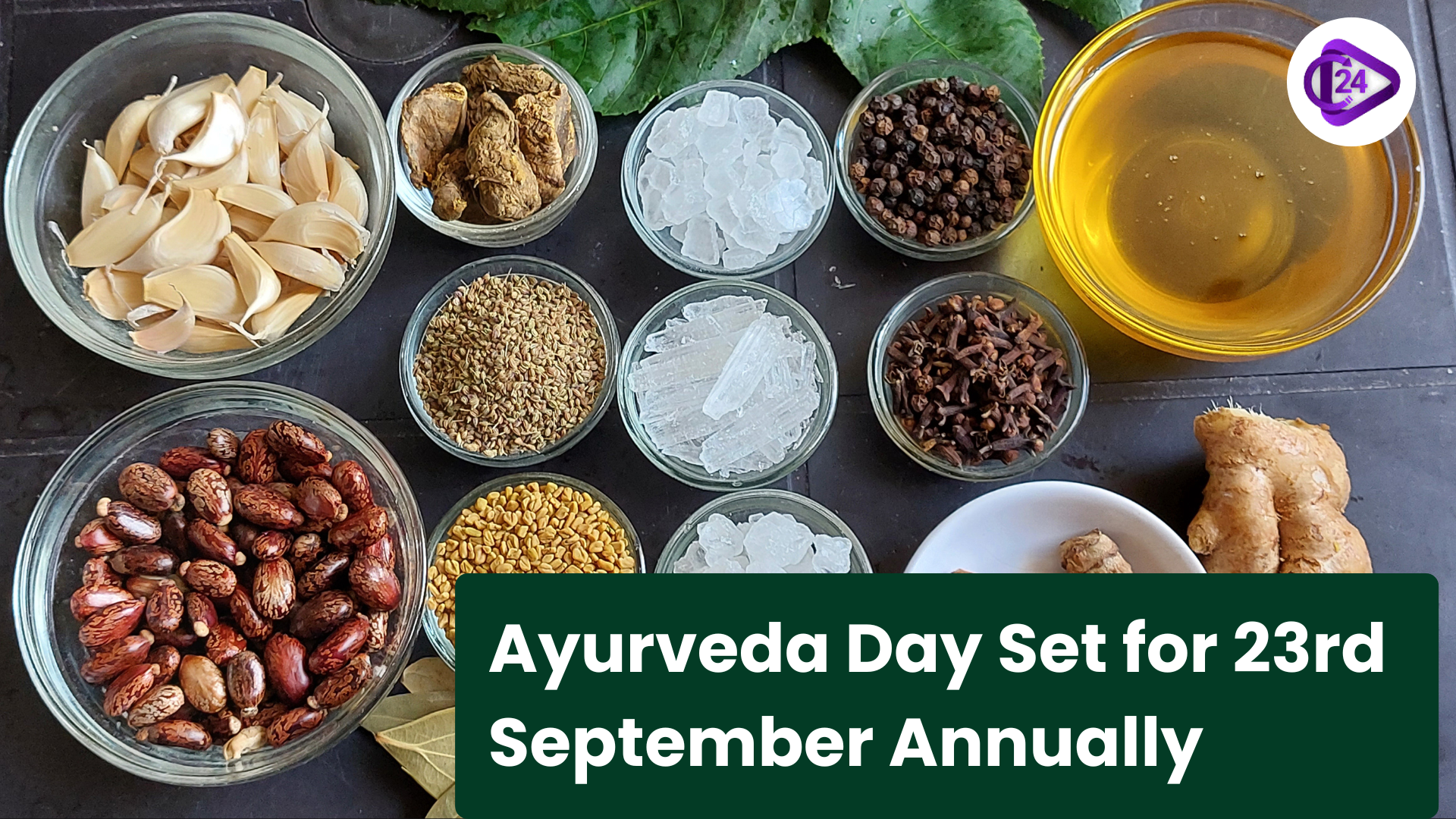
Ayurveda Day to be celebrated on 23rd September every year

In a path-breaking move, the Government of India has formally decreed 23rd September as the fixed date for observing Ayurveda Day annually starting from 2025. The transition from the variable lunar date of Dhanteras (celebrated in the Hindu month of Kartik) was to make the celebration uniform nationally and internationally. This was done by a Gazette Notification issued on 23rd March 2025 to bring uniformity and ease of observance.

Context

  • The Government of India has formally decreed 23rd September as the fixed date for observing Ayurveda Day annually starting from 2025.

Key Points

  • Reason for Change: The date of Dhanteras varies between 15th October and 12th November, leading to logistical problems in planning national and international events.

  • Astronomical Symbolism: 23rd September autumnal equinox, symbolizes cosmic harmony, reflecting Ayurveda's emphasis on balancing with nature.

  • Global Engagement: The Ministry of Ayush will seek to incorporate Ayurveda much more intensively into global health discourse, inviting involvement from all sectors.

Definition of Ayurveda:

  • Ayurveda is a combination of two words: AYU (life) and VEDA (science or knowledge). Therefore, Ayurveda means the "science of life."

  • It is a complete system of medicine that not only addresses physical health but also spiritual and mental health.

Branches of Ayurveda:

  • Nara Ayurveda: Concerns human life.

  • Satva Ayurveda: Concerns animal life and its diseases.

  • Vriksha Ayurveda: Concerns plant life, its growth, and diseases.

Practice of Ayurveda:

  • Approved by the Indian Medical Council (1971): Ayurveda, together with Unani and Siddha, is recognized as a significant system of traditional medicine.

  • Preventive Aspect: Emphasizes personal cleanliness, climate-related practices, and environmental considerations.

  • Curative Aspect: Includes herbal drugs, physiotherapy, diet, and external therapies.

  • Individualized Approach: Therapies are modified to suit each patient's individual requirements.

Significance:

  • Body's Components: Ayurveda views the human body as a balance of three humors (Vata, Pitta, Kapha), seven tissues (Rasa, Rakta, Mansa, Meda, Asthi, Majja, Shukra), and waste products (mala, mutra, sweda).

  • Balance is Paramount: The balance of these components controls health and vitality.

  • Holistic Health: Focuses not only on curing but also on preventing disease, encouraging health, and facilitating recovery.

Major Challenges of Ayurveda:

  • Dated Concepts:

    • There are some Ayurvedic writings that have ideas in conflict with contemporary physiology (e.g., urine formation theory).

  • Ineffective in Emergencies:

    • Ayurveda does not perform well in acute diseases, infections, and operations, preventing its global acceptance.

  • Lack of Uniformity:

    • Ayurvedic practices vary geographically due to diversified plant-based medicine.

  • Misleading Propaganda:

    • Ayurvedic pharma industries at times exaggerate the virtues of products without scientific evidence, resulting in over-reliance on drugs rather than on lifestyle changes.

Government Efforts towards Ayurveda

  • National Ayush Mission: Directed towards encouraging and integrating traditional medicine.

  • Aahaar Kranti Mission: Encourages nutritional awareness and indigenous nutrition systems.

  • New Portals on Ayush Sector: Ensuring digital outreach and information.

  • ACCR Portal & Ayush Sanjivani App: Means to greater access to Ayurvedic healthcare solutions.

Future Prospects and Way Forward:

  • Reverse Pharmacology: Merging clinical experiences in order to innovate new Ayurvedic drugs.

  • To lead in Ayurvedic R&D, NMITLI (New Millennium Indian Technology Leadership Initiative) promotes collaboration between academic institutions, the private sector, and public research institutes.

  • Following Kerala's Lead: promoting Ayurveda as a standard practice for people of all ages in order to improve immunity and health.

Conclusion

The official designation of September 23rd as Ayurveda Day offers a consistent and emblematic date that captures the spirit of Ayurveda. It enhances India's international standing in the global health discourse and fortifies its dedication to advancing Ayurveda as a comprehensive, preventative healthcare system.

UPSC Prelims Practice Questions

Q.1 Ayurveda Day is observed to mark the birth anniversary of which among the following deities regarded as the father of Ayurveda?

a) Charaka
b) Sushruta
c) Dhanvantari
d) Patanjali

Q.2 Read the following statements about Ayurveda Day:

  • It is celebrated every year on the birth anniversary of Sushruta.
  • The Ministry of AYUSH celebrates Ayurveda Day.
  • It is celebrated on Dhanteras every year.

Which of the statements provided above are correct?
a) 1 and 2 only
b) 2 and 3 only
c) 1 and 3 only
d) 1, 2 and 3

UPSC Mains Practice Questions

Q.1 "Ayurveda Day is not just a celebration of traditional medicine but a strategic step towards integrative healthcare in India."

Explain the importance of Ayurveda Day in the context of India's public health system and soft power diplomacy. (250 words).

FAQs on Ayurveda Day 2025

Observed every year on 23rd September to propagate Ayurveda as an all-encompassing system of medicine.

From Dhanteras to 23rd September to ensure consistency and for easy observance on a global level.

Ayurveda translates to the "science of life" and caters to physical, mental, as well as spiritual health.

Nara Ayurveda (human life), Satva Ayurveda (animal life), and Vriksha Ayurveda (plant life).

National Ayush Mission and Ayush Sanjivani App are focused on promoting and enhancing access to Ayurveda.

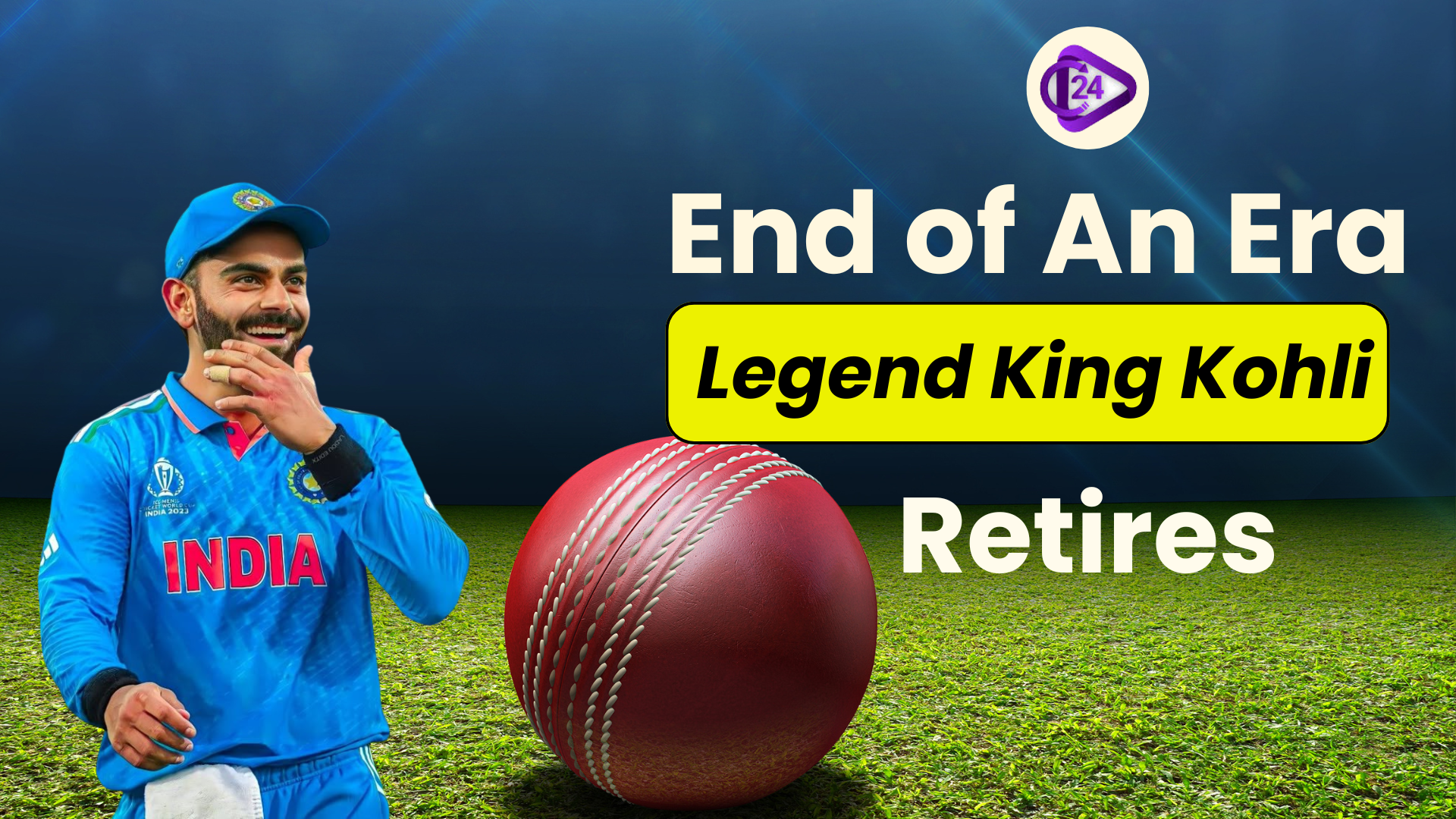
Virat Kohli Announces Retirement from Test Cricket: End of a Historic Era

Virat Kohli, the modern Indian cricket hero, is retiring from Test cricket, signalling the end of a fruitful 14-year stint in the sport. Kohli leaves India with 123 Tests, 9230 runs, and 30 centuries, accounting for him being the country’s fourth-highest Test run-scorer. Not only numbers, but he changed the culture of Indian cricket with superlative fitness, passion, and aggression. As India's most successful Test captain with 40 wins to his credit, he created a team that believed in pace, intensity, and resilience. The exit of Virat Kohli, after Rohit Sharma, is an indication of the coming of a new generation in Indian cricket.

Context

  • Kohli retires with an enviable legacy: 9230 runs, 30 centuries, and unparalleled records in captaincy. His term reshaped India’s attitude to playing Test matches.

  • End of an era: Out with Kohli, Rohit, Pujara, and Rahane, India starts a new era with youth down the tough journey ahead.

Key Points 

Early Life and Career

  • Born: November 5, 1988, in Delhi.

  • Debut: Also had an ODI debut in 2008 and a Test debut in 2011.

  • U-19 World Cup: Helped India win the 2008 U-19 World Cup.

Test and ODI Achievements

  • Test Runs: 9,230 runs in 123 Tests with 30 centuries.

  • ODI Runs: More than 12000 ODI runs with 43 centuries.

  • Captaincy Record: Success in 40 of 68 Tests, the best up to now by an Indian captain.

  • Memorable Win: Took India to their first Test series triumph in the land of Australia in 2018-19.

Captaincy and Leadership

  • Aggressive Leader: Kohli imparted high standards of fitness and put India on top of the Test table.

  • Stepped Down: He resigned as captain of T20I and Test cricket in 2021 and concentrated on his batting.

Personal Life and Legacy

  • Fitness Icon: Changed Indian cricket with his approach to fitness.

  • Philanthropy: Operates Virat Kohli foundation, which is centred on education and health.

  • Awards: Honoured with Padma Shri and Rajiv Gandhi Khel Ratna Award.

Career Highlights:

  • Scored 9230 runs at 46.85 average; 30 centuries and 31 fifties.

  • Fourth-most India Test run-scorer after Tendulkar, Dravid, Gavaskar.

Captaincy Record:

  • Led India in 68 Tests, 40, which happens to be the best that any Indian captain has recorded.

  • 1st Australia Test series win (2018–19).

  • Favoured pace bowling, fitness, and fielding.

Technical Brilliance:

  • Remembered for his cover drives and quick running in between wickets.

  • Best Test phase: 2016–2019, marked by consistency and dominance.

  • Experienced hard times after 2020, with a record of 30.72 Test average in 39 Tests.

Retirement Impact:

  • Retired soon after Rohit Sharma, signalling a transition.

  • Young Batsman now has to step up on the next tour in England.

  • Virat Kohli will carry on in ODIs and IPL (Royal Challengers Bengaluru).

Virat Kohli's Achievements in Cricket

  • Test Career Runs: Scored runs of 9,230 in 123 Test matches with an average of 46.85.

  • Centuries in Tests: Has made 30 centuries in Test cricket.

  • ODI Career Runs: Achieved more than 12000 runs in ODIs with a mean of 59.07 Runs, a tally of 43 centuries.

  • Most Successful Indian Test Captain: Guided India to 40 victories in 68 Tests, which made him the best captain in the tests for the Indian team.

  • ICC Rankings: On several occasions, Kohli has been placed at No. 1 batsman by the ICC in all three formats.

  • First Indian to score a ton in all the formats. Kohli became the first Indian to make a century in all three formats of the game, i.e., Test, ODI, and T20I.

  • Historic Series Win in Australia: Virat Kohli had taken India to its first-ever Test series win in Australia during the 2018-19 season.

  • Fastest to 8,000 & 9,000 Test Runs: He was fastest to 9,000 Test runs to break marks set by stalwarts such as Sachin Tendulkar.

  • Captaincy Record: On his captaincy, India emerged as the best team in the ICC Test rankings in 2016.

  • ICC Awards: Virat Kohli has won it several times (2017, 2018) (ICC Cricketer of the Year award).

  • Famous ODI Chase: A player known for his amazing chase in ODIs with a number of match-winning innings, especially his century in the 2018 ODI series against Australia.

  • Fitness Icon: Kohli is credited for introducing a lot of emphasis on fitness to Indian cricket, and it is the beginning of the new age of athleticism in the team.

  • Most Runs in 2010s: Virat Kohli ended the 2010s as the leading run-scorer in ODIs of the decade, consolidating his superiority in the game.

Conclusion 

Virat Kohli’s retirement from tests not only signals the end to a glorious cricketing chapter but also the exit of a leader who brought a new definition to Indian test cricket using aggression, discipline, and resilience. His legacy does not only come in statistics but rather India turning into a fearsome Test side. With a generation fading away, Indian cricket now faces a choice at the highway of transition – and must take inspiration from Kohli’s ethos to carve out a new road ahead.

UPSC Prelims Practice Questions

Q.1 Which format of international cricket has Virat Kohli recently retired from?
A. T20 Internationals
B. One Day Internationals
C. Test Cricket
D. All formats

SSC CHSL (Tier 1) PYQ Questions 2019 

Q. What was the Captain of the Indian cricket team when India won its first ever Test series in Australia?
A. MS Dhoni
B. Virat Kohli
C. Rahul Dravid
D. Anil Kumble

SSC CGL PYQ (2017)

Q. What was the honour given to Virat Kohli in 2018?
A. Bharat Ratna
B. Padma Shri
C. Padma Bhushan
D. Arjuna Award

UPSC Mains Practice Questions

Q.1 "Cricket is more than a sport in India"– it is a social and cultural phenomenon. Discuss the societal impact of cricket in shaping national identity and youth aspirations. (15 marks)

FAQs

He represented India at 123 Test matches.

He made 9,230 runs with 30 centuries.

He is the 4th highest run-scorer in Test for India.

Record of 40 wins in 68 Tests – the most for any Indian captain.

The 2018–19 India first ever Test series win in Australia.

Yes, he will continue playing ODIs and IPL.

Frequently Asked Questions (FAQs)

The current affairs cover recent national and international events related to UPSC, SSC, Banking, Railways, and State PCS.

You need to read about the current affairs daily, and revise them every week and every month to keep them longer in your memory.

Yes, Class24 provides free downloadable Daily Current Affairs PDFs for easy revision.

Yes, you can practice MCQs and quizzes to boost your exam preparation.

Absolutely. The content is written in simple, easy-to-understand bilingual language suitable for beginners.

Go to class24.com and click on the current affairs section directly, where you find everything that you need.

ssc-toppers

Start Learning Today with Class24

Related current affairs

Class24 offers free video lectures for smart preparation, covering CGL, CPO, CHSL, MTS, and GD exams. Learn from expert faculty, revise concepts easily, practice with PYQs, and improve speed and accuracy through high-quality, exam-focused video lessons anytime, anywhere.

Get success in your hand. Start study anytime anywhere.

The journey becomes simple and enjoyable when you start taking interest in it. And through our app “Class24”, we will be your trusted partners in developing that interest.

Daily Quizzes
Mock Tests
Ongoing

No ongoing tests right now.