Day: May 13, 2025

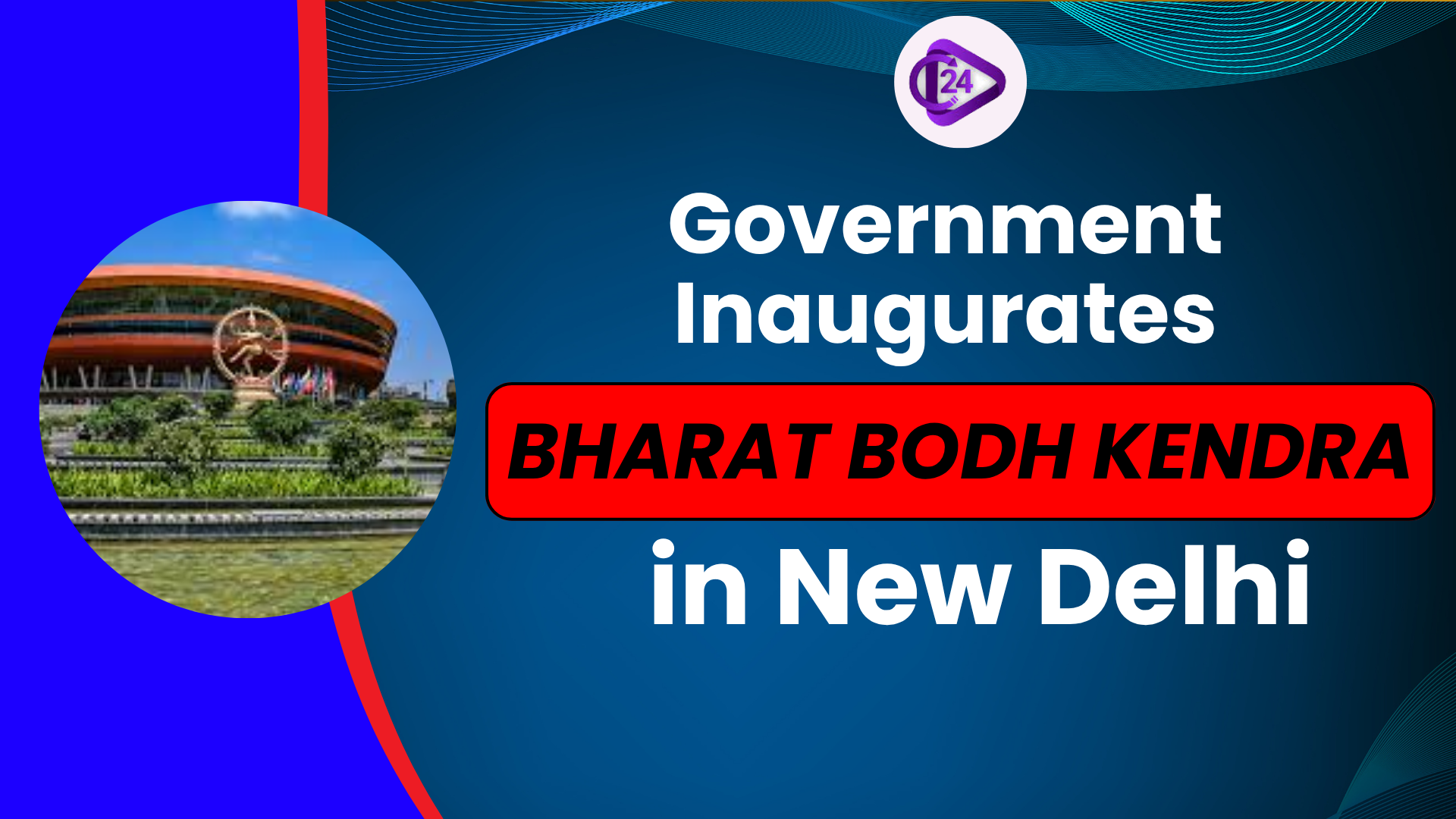
“Bharat Bodh Kendra” was inaugurated by Union Minister Manohar Lal in New Delhi

On 10th May, 2025, the Bharat Bodh Kendra of the India Habitat Centre (IHC) was inaugurated by Union Minister Manohar Lal in New Delhi. As part of the Habitat Library and Resource Centre, the Kendra is an idea to make people aware of their civilizational heritage in India. The new section is about such areas as art, philosophy, spirituality, and history, helping to create a reflective space for research and learning. This initiative highlights the increasing focus on cultural literacy and the renewed focus on the Indian traditional knowledge systems.

Key Points

  • Location: India Habitat Centre, New Delhi.

  • Inauguration: May 10, 2025, written by Union Minister Manohar Lal.

  • On 10th May, 2025, the Bharat Bodh Kendra of the India Habitat Centre (IHC) was inaugurated by Union Minister Manohar Lal in New Delhi. 

  • As part of the Habitat Library and Resource Centre, the Kendra is an idea to make people aware of their civilizational heritage in India.

Key Features:

  • Specialized collections on Indian art, music, philosophy, spirituality, and history.

  • Civilizational heritage and indigenous knowledge systems.

  • Offers a quiet place for reading, learning, and research.

  • Accessible to the IHC members and the cultural researchers.

Significance and Objectives:

  • Create awareness of India’s timeless traditions.

  • Promote the renewal of the appreciation of civilizational knowledge.

  • Support interdisciplinary studies of the Indian heritage.

  • Enhance the availability of authentic cultural resources for public and academic audiences.

Conclusion:

The launching of Bharat Bodh Kendra at IHC is an important step to encourage cultural and intellectual interaction with India’s huge civilizational inheritance. With its saturated curated resources, the initiative will be instrumental in improving cultural literacy, studies in heritage education, and research into India’s various knowledge systems, adding to India’s larger history and traditions.

UPSC Prelims Practice Questions

Q.1 Where was the inauguration of Bharat Bodh Kendra held?

a) New Delhi

b) Mumbai

c) Kolkata

d) Chennai

Q.2 Who inaugurated the Bharat Bodh Kendra on May 10, 2025?

a) Union Minister Amit Shah

b) Union Minister Manohar Lal

c) Union Minister Smriti Irani

d) Union Minister Narendra Modi

FAQs about Bharat Bodh Kendra UPSC

A new endeavor at IHC to boost India's civilizational legacy.

Union Minister Manohar Lal.

Indian art, philosophy, spirituality, and history.

IHC members, culture researchers, and the general public.

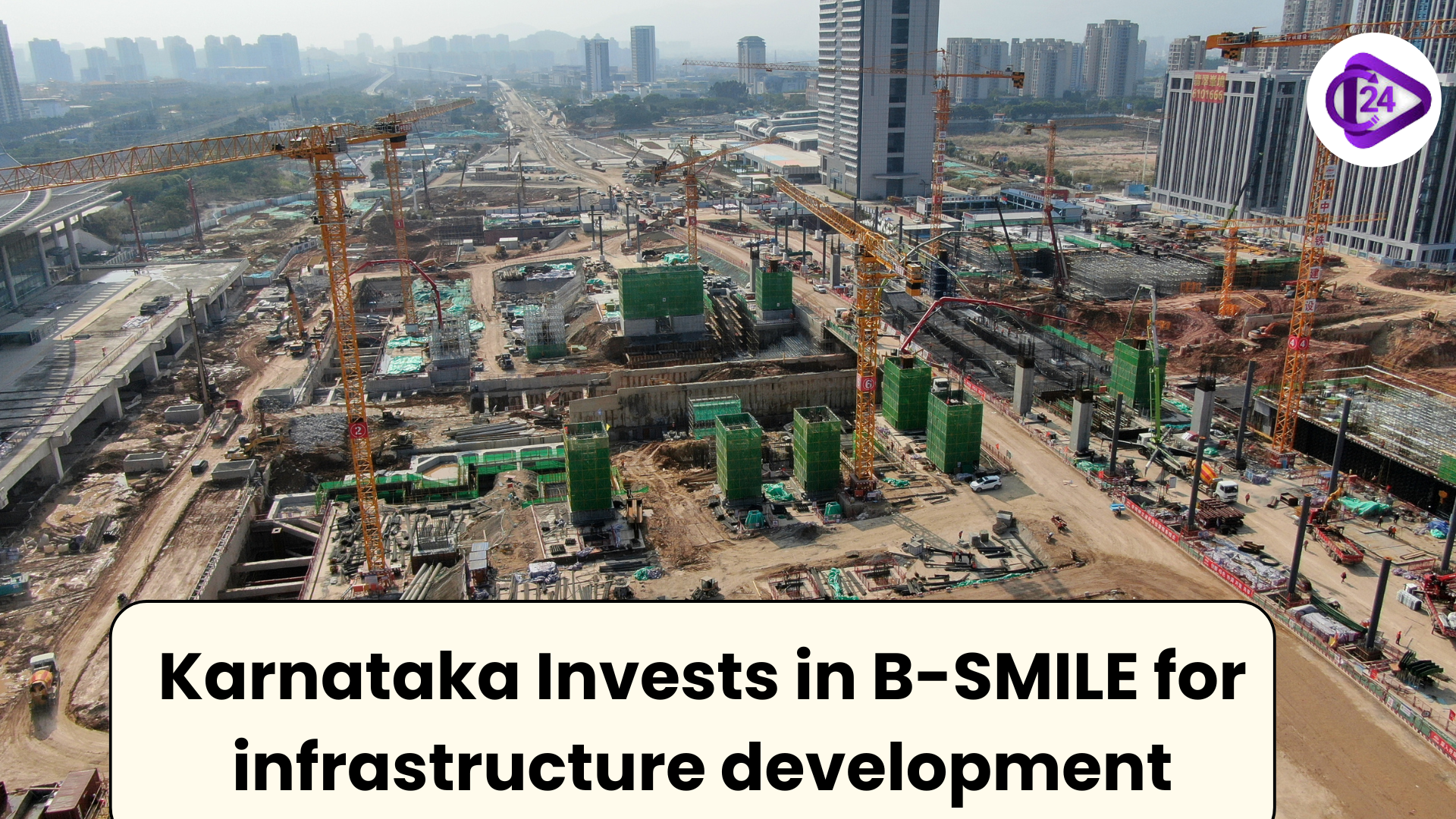
Karnataka Government to invest 7000 cr in B-SMILE for infrastructure development

Bengaluru Smart Infrastructure Limited (B-SMILE), a special-purpose vehicle (SPV) created to execute huge infrastructure projects in Bangalore, will start with a financial commitment of ₹7,000 crore from the Karnataka government. The initiative also provides room for private capital in the pursuit of its goals. 100% owned by the state or having a 90% government equity, B-SMILE will monitor several urban development projects that shall transform Bengaluru’s infrastructure. The nature of the governance structure combines public officials and experts from the private sector to guarantee the successful implementation and management of projects.

Key Points:

  • Initial Investment: B-SMILE will receive 7,000 crores from the Karnataka government for infrastructure development.

  • Ownership Structure: It has equity holdings by the Karnataka government (90%) and BBMP (10%).

  • Governance: The organization will have an 11-member board, comprising public officials and private sector experts.

  • Primary Focus: One of B-SMILE’s first jobs is to handle the 40 km tunnel road construction to decongest road traffic in Bengaluru.

  • Future Reorganization: A restructuring of the board will be done after the Greater Bengaluru Governance Act, 2024, has come into effect.

What is B-Smile Initiative?

  • B-SMILE Initiative means Bengaluru Smart Infrastructure Limited (B-SMILE), a special-purpose vehicle (SPV) under the Karnataka government to supervise and implement massive infrastructural developments in Bengaluru. 

  • Objectives:

    • With initial financial pledge of crore rupees 7,000, B-SMILE seeks to resolve the urban concerns by introducing major infrastructure projects, for example, 40 km tunnel road to resolve the traffic impediment. 

    • The idea promotes public-private partnerships where both the government as well as the private sector contribute to the governance structure. 

    • B-SMILE aims at transforming Bengaluru’s infrastructure to introduce urban living and connectivity of the city.

Conclusion:

The creation of B-SMILE represents a major improvement of Bengaluru city’s urban infrastructure, with the beginning of the state government’s investments in B-SMILE of ₹7,000 crore. The innovative governance model that combines experience of the public and private sectors is hoped to solve major urban problems with the first one being a 40 km tunnel road project to alleviate the city’s traffic congestion.

UPSC Prelims Practice Question

Q. Referring to the Bengaluru Smart Infrastructure Limited (B-SMILE), note the following statements:

  • It is a special-purpose vehicle (SPV) formed by the Government of Karnataka to implement large infrastructure projects in Bengaluru.
  • It is fully financed and run by private investors on a public-private partnership basis.
  • One of its first areas of focus is building a 40 km tunnel road to ease traffic congestion in the city.
  • Its board has only elected representatives of the people from Karnataka. 

Which one of the following statements is/are correct

a) 1 and 3 only
b) 2 and 4 only
c) 1, 2 and 3 only
d) 1, 3 and 4 only

FAQs

B-SMILE (Bengaluru Smart Infrastructure Limited) is a special-purpose vehicle formed by the Karnataka government to carry out big-ticket infrastructure projects in Bengaluru.

The government has pledged ₹7,000 crore as the seed money for development of urban infrastructure.

B-SMILE is 100% government-owned, with 90% equity by the Karnataka government and 10% by BBMP, and is managed by an 11-member board of public and private experts.

The first major project under B-SMILE is a 40 km tunnel road aimed at easing Bengaluru’s traffic congestion.

Niveshak Shivir Initiative: Empowering Investors to Reclaim Unclaimed Dividends and Shares

The Niveshak Shivir Initiative is a nationwide initiative that helps investors recover their unclaimed dividends as well as their shares. The initiative is initiated by the Investor Education and Protection Fund Authority (IEPFA) together with SEBI to help investors in smoothing the process of reclaiming assets. It also increases financial literacy, decreases the dependency on intermediaries, and encourages trust in the financial system. The initiative includes On-ground helpdesks, a Digital search tool, and a simplified claims process, which offers physical and digital assistance to the investors.

About:

  • Objective: Support investors in recovering unclaimed dividends and shares with ease.

  • Launched by: IEPFA (Investor Education and Protection Fund Authority); SEBI (Securities and Exchange Board of India).

Key Features:

  • Investor Helpdesks: On-ground support for person-to-person interaction with representatives of the company and RTAs (Registrar and Transfer Agents).

  • Digital Search Tool: A portal to monitor share status and to file claims (Form IEPF-5).

  • Streamlined Claim Process: Aid to realize the recovering assets in demat as well as physical form.

Significance:

  • Minimizes the need for intermediaries in retrieval of assets.

  • Increases the transparency in the process of the investor’s claims.

  • Localizes financial literacy and trust of the financial ecosystem.

  • Speeds up solving the grievances of investors.

Conclusion:

The Niveshak Shivir Initiative is an important move towards making the investors empowered by the simple process of claiming the unclaimed assets making the financial world more transparent and appealing for the investors. With the help of IEPFA and SEBI, the initiative seeks to end the issues that had persisted for decades, i.e unclaimed dividends and shares, thus, creating a better financial ecosystem in India.

Niveshak Shivir UPSC Prelims Practice Question

Q. With reference to the ‘Niveshak Shivir Initiative’, consider the following statements:

  1. It aims to assist investors in reclaiming their unclaimed dividends and shares.

  2. It is implemented jointly by the Investor Education and Protection Fund Authority (IEPFA) and SEBI.

  3. The initiative encourages reliance on financial intermediaries for faster asset recovery.

  4. It includes on-ground helpdesks and a digital tool for simplifying the claims process.

Which of the statements given above are correct?

(a) 1, 2 and 4 only

(b) 1, 3 and 4 only

(c) 2 and 3 only

(d) 1, 2, 3 and 4

FAQs about Niveshak Shivir UPSC

A nationwide initiative taken by SEBI and IEPFA to facilitate recovery of unclaimed shares and dividends by the investors.

Jointly launched by the SEBI and IEPFA's Investor Education and Protection Fund Authority.

It provides on-ground helpdesks, digital search facility, and a quick claims process to aid investors.

It supports the recovery of financial assets, encourages financial literacy, decreases dependency on intermediaries, and strengthens trust in the financial system.

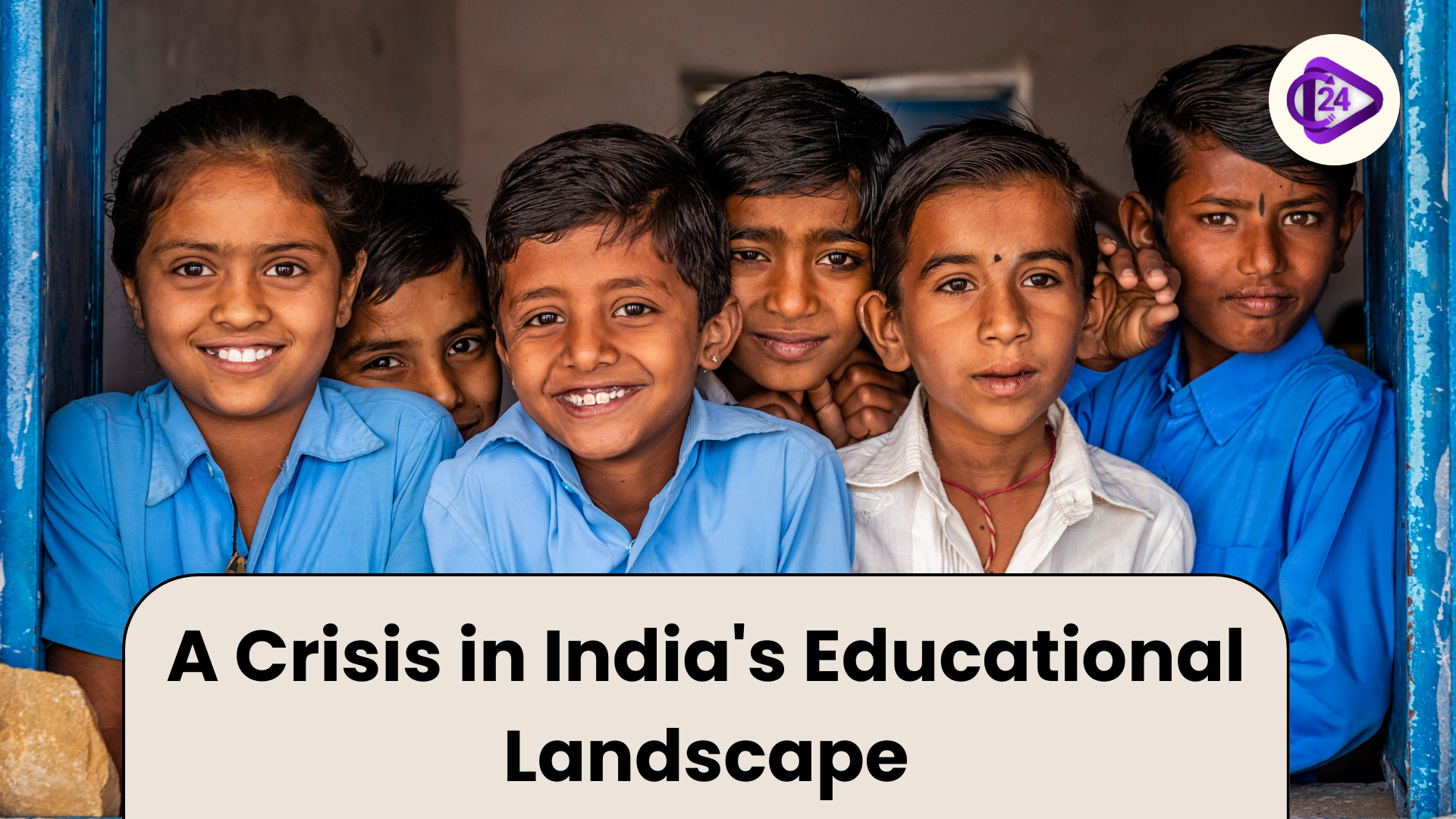
The Erosion of Academic Freedom: A Crisis in India’s Educational Landscape

India’s educational scene, a cornerstone of intellectual independence and critical reasoning, is becoming even more centralised and under bureaucratic control. As the power of such entities as UGC and such bodies as the NEP grows, universities are being transformed, their autonomy is being eroded, and free inquiry is being stifled. This is further compounded by the trend whereby education gets increasingly more corporatised, puts profits before intellectual growth and strengthens a climate of fear that stifles dissent. This editorial talks about the implications of such changes that have been made and how they affect higher education in India and its democratic values.

Decline in Academic Autonomy

  • Centralisation of Curricula: Universities are now based on standardised syllabi, reducing academic freedom.

  • Erosion of University Governance: UGC controls appointments, administration, and research, hence limiting autonomy.

Consequences of Centralisation

  • Intellectual Homogeneity: Standardised curricula kill creative and diverse thinking.

  • Suppression of Dissent: Universities are no longer the sites of resistance, avoiding critical debates and researches.

Pressures on the Academic Climate

  • Self-Censorship and Fear: Teachers and students shy from controversial areas because of the feared reprisals.

  • Loss of Public Intellectuals: Fear of dissent lowers the position of public intellectuals and democratic involvement.

Corporatisation of Education

  • Education as a Business: Associations with marketable disciplines relegates much-needed disciplines such as philosophy and literature to the background.

  • Commodification of Knowledge: Education is taken for profit as opposed to knowledge pursuit.

Academic Governance Issues

  • Managerialism in University Leadership: Corporate managers are focused on efficiency and brand visibility but not academic standards.

  • Ideological Bias in Leadership: Leadership ideological bias corrupts academic autonomy

Crisis of Imagination in Education

  • Imagination vs. Transactional Knowledge: Market-driven education suppresses intellectual excursions and individual expansion.

  • Reclaiming University Autonomy: Universities should take back freedom in order to safeguard academic freedom and critical thinking.

Conclusion

The undermining of academic self-rule and the increasing corporatisation of education in India act as a looming threat as far as the future of intellectual liberty and democratic interaction is concerned. Curricula centralisation, repression of dissenting voices, and greater attention on marketable disciplines are severely diminishing the potential of higher learning. To protect the transformative power of knowledge, universities need to return to their role of a place for critical thought, innovation, and social progress. 

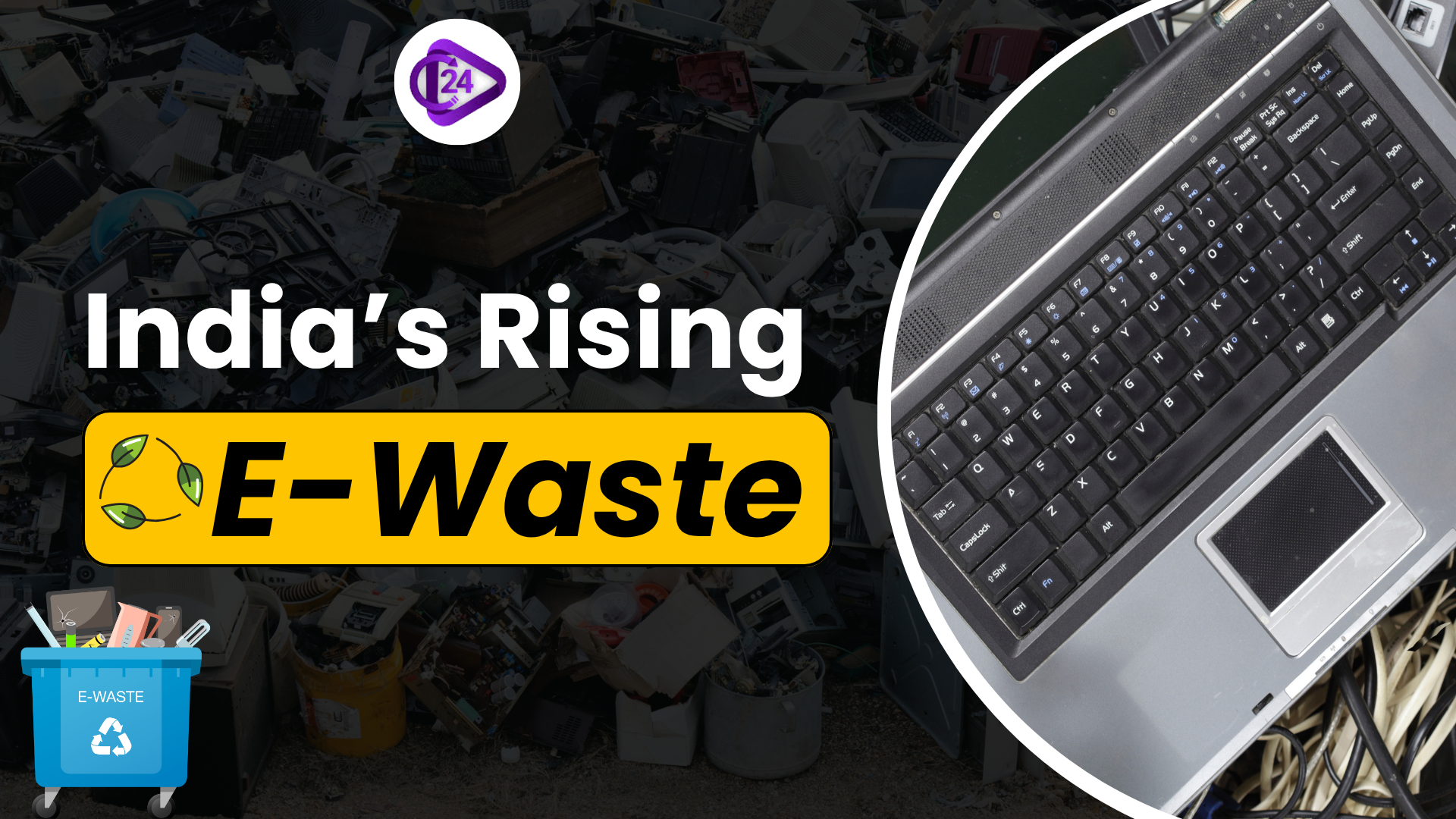
India’s Rising E-Waste: A Critical Call for Recasting Its Management Approach

India is rapidly heading to a digital future, but the transformation is creating a major environmental problem in the guise of electronic waste (e-waste). India is now one of the leading e-waste producers of the world, with a shocking rise of 151.03% from 7,08,445 metric tonnes in 2017-18 to 17,78,400 metric tonnes in 2023-24. The crisis of e-waste in the country is further complicated by poor practices of recycling of the same in the informal sector and inefficient management systems. To overcome this, there are introduced Extended Producer Responsibility (EPR) regulations and floor-pricing in EPR certificates have been introduced to encourage formal recycling, environmental reduction, and sustainable waste management practices.

Context

  • The amount of e-waste produced in India has increased greatly in the last six years, and the inefficient practices lead to significant environmental and social harm.

  • The E-waste (Management) rules, 2022 include EPR floor prices, which are intended to control the waste associated with the informal recycling industry and drive the adoption of sustainable practices and a safe environment.

Key Points 

E-waste in India

  • E-Waste Surge: The e-waste in India grew by 151.03% from 2017-18 to 2023-24, to 17,78,400 metric tonnes per year.

Impact of Improper Management:

  • Environmental damage: Soil, air, and water contamination caused by dangerous substances such as lead, mercury, and cyanide.

  • Social harm: Informal recycling activities, mostly done by women and children, put workers at risk of exposure to toxic substances, shortening their lifespan.

  • Economic loss: India expects to lose more than $10 billion in losses from water pollution every year, losing Rs 80,000 crores in lost value of critical metals.

Extended Producer Responsibility (EPR):

  • Producers have to take care of the end-of-life of their products, sustainable design, and recycling.

  • EPR introduces a bottom price for certificates in order to stabilize the e-waste management market, providing reasonable payment to the formal recyclers and preventing informal e-recycling.

Importance of Stable Pricing:

  • Floor pricing encourages formal recycling, allowing the recyclers to retrieve valuable materials (such as gold, copper).

  • Helps to avoid chaos in the market and provides environmental recycling in an orderly and responsible manner.

  • Stimulates technological advancements in the techniques of recycling at the same time decreasing the cost of inaction, such as environmental and health crises.

Recycling Vision:

  • A stagnant EPR floor price could advance infrastructure, which guarantees resources’ efficiency and protection of the environment.

  • Appropriate valuation of the recycling can formalize the sector, bringing new opportunities for the economy, thus decreasing the burden of e-waste upon the environment.

About E-Waste in India

  • Definition: Electrical and electronic waste that contains poisonous chemicals such as lead, cadmium, mercury, and nickel.

E-Waste in India Data

  • E-Waste Growth: The e-waste in India increased by 72.54% from 1.01 million MT (2019-20) to 1.75 million MT (2023-24).

  • Untreated E-Waste: An average of 57% (990 000 MT) e-waste is without treatment in India each year.

  • Recycling Rate: The recycling of the e-waste stood at 43% in 2023-24 while it was only 22% in 2019-20.

  • E-Waste Generation: The 65 cities also produce 60% of the e- waste of India and 10 states produce 70% of the e- waste.

  • International Context: India is the 3rd world biggest generator of e-waste in the world after China and the US.

  • E-Waste Management Rules (2022): Innovated Extended Producer Responsibility (EPR) to make recycling compulsory and make them more responsible.

Challenges of E-Waste in India

  • Informal recycling emits toxic substances making the environment hazardous to persons.
  • Non-existence of infrastructural set-up and lack of awareness generate the problem of improper disposal.

Disposal Methods:

  • Landfilling: Toxic chemicals leach into soil.
  • Incineration: Releases toxic fumes.
  • Recycling: Recovers valuable materials, but harmful to handle.

Global Practices:

  • EU advocates for tight goals of recycling and eco-design initiatives.
  • Japan applies the EPR and the recycling fee for the home appliances.

Recommendations:

  • Incorporate informal recyclers in formal systems.
  • Invest in advanced recycling technologies.
  • Come up with public awareness programs for effective disposal.

Conclusion:

With the increasing e-waste crisis in India, there is a dire need for bold, systemic solutions to ensure that waste is properly managed proper management. EPR floor pricing is a crucial element in ensuring safe formal recycling since it takes care of the dominance of the informal sector. The implementation of stable pricing procedures can become a trigger for technological innovations to protect the environment and increase resource efficiency, contributing to a circular economy. With an appropriate floor price, India can thus pursue economic development and environmental sustainability while at the same time leading the rest of the world in the management of e-waste.

E-Waste in India UPSC Prelims Practice MCQ 

Q.1 Consider the following statements regarding e-waste management in India:

  • The E-Waste (Management) Rules, 2022 replaced the earlier rules of 2016.
  • Extended Producer Responsibility (EPR) is a key feature of India's e-waste rules.
  • India is the largest producer of e-waste in the world as per the Global E-waste Monitor 2020.

Which of the above statements is/are correct?

A. 1 and 2 only
B. 2 and 3 only
C. 1 and 3 only
D. 1, 2, and 3

E-Waste in India UPSC Mains Practice Question

Q.1 Discuss the challenges posed by the growing e-waste problem in India. Examine the effectiveness of the current regulatory framework and suggest measures to improve e-waste management in the country. (250 words)

E-Waste in India UPSC FAQ's

E-waste includes discarded electronics. It is dangerous because it contains toxic materials and cannot be disposed of properly.

The CPCB monitors and enforces the E-Waste Management Rules under the MoEFCC.

India produced 1.2 million tonnes of e-waste in 2023, ranking third globally.

Frequently Asked Questions (FAQs)

The current affairs cover recent national and international events related to UPSC, SSC, Banking, Railways, and State PCS.

You need to read about the current affairs daily, and revise them every week and every month to keep them longer in your memory.

Yes, Class24 provides free downloadable Daily Current Affairs PDFs for easy revision.

Yes, you can practice MCQs and quizzes to boost your exam preparation.

Absolutely. The content is written in simple, easy-to-understand bilingual language suitable for beginners.

Go to class24.com and click on the current affairs section directly, where you find everything that you need.

ssc-toppers

Start Learning Today with Class24

Related current affairs

Class24 offers free video lectures for smart preparation, covering CGL, CPO, CHSL, MTS, and GD exams. Learn from expert faculty, revise concepts easily, practice with PYQs, and improve speed and accuracy through high-quality, exam-focused video lessons anytime, anywhere.

Get success in your hand. Start study anytime anywhere.

The journey becomes simple and enjoyable when you start taking interest in it. And through our app “Class24”, we will be your trusted partners in developing that interest.

Daily Quizzes
Mock Tests
Ongoing

No ongoing tests right now.