
Day: May 10, 2025

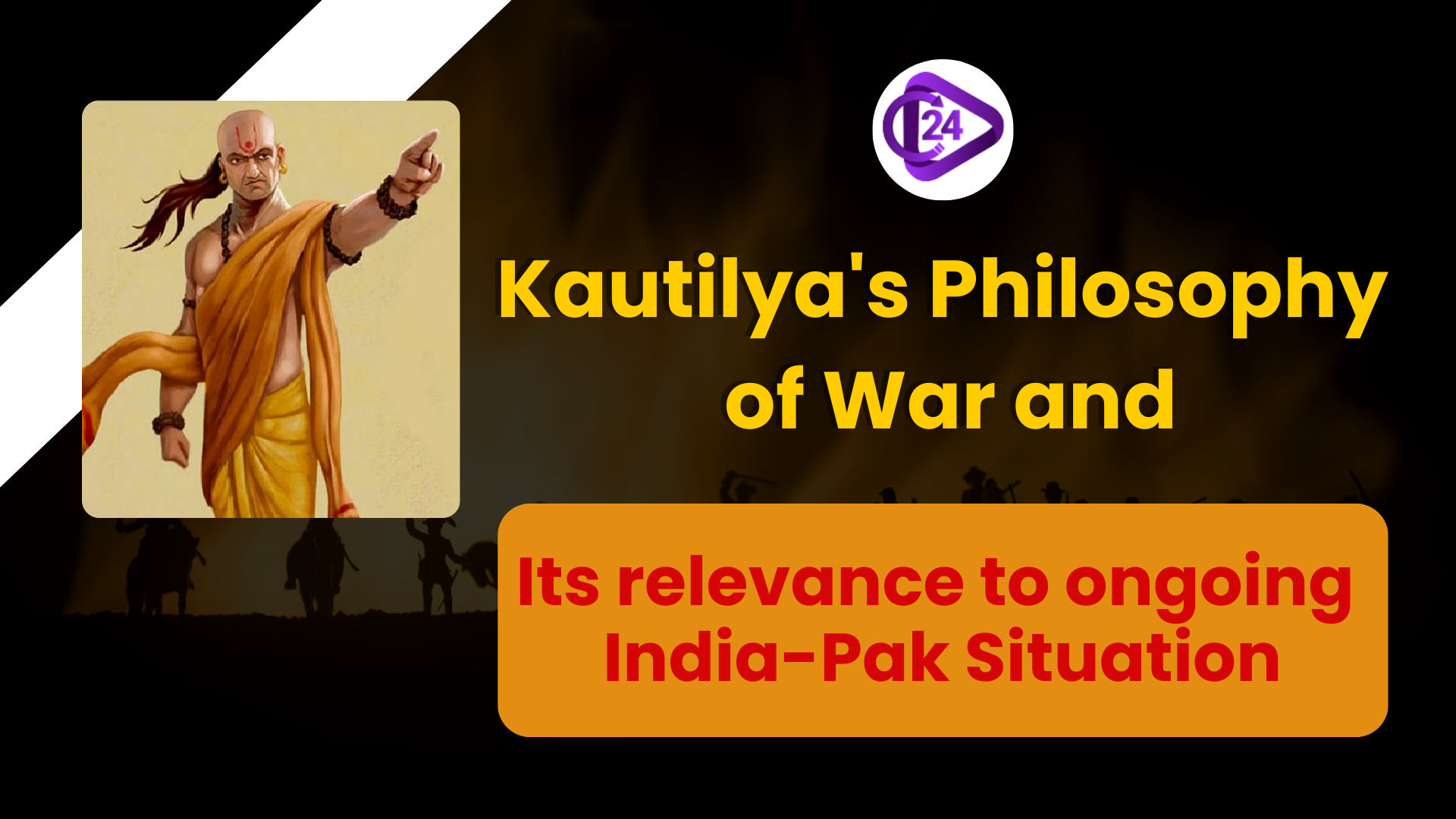
Kautilya’s Philosophy of war and its relevance to the ongoing India-Pakistan Situation

The Arthashastra is an old Indian text composed by the philosopher Kautilya (otherwise known as Chanakya), who was the adviser to the first Mauryan king, Chandragupta Maurya. This book one of the oldest and most significant writings on politics, governance and economics. It provides the practical guidance on how to govern as a king or ruler, how to deal with enemies and how to support the wellbeing of the people. It also mentions about war, diplomacy and the domestic management of the state.

Context

  • The current tensions in India-Pakistan military clashes and territorial disagreements can be analyzed using Kautilya’s Arthashastra which is a detailed plan for statecraft, diplomacy and war.

  • Kautilya’s teachings provide some insight into the nature of war, diplomacy, and war for power, but which are particularly relevant to the India-Pakistan conflict with reference to the Kashmir issue.

Key Points

Kautilya’s Philosophy of War:

  • Realism in War: International relations, as humanity sees them, is simply a power struggle. States, he says, are always at war or preparing to be at war.

  • Offensive Realism: Kautilya practices offensive realism in that a state should expand its power to survive and become dominant. He claims that “offense is the best defence.

  • Role of Territory: Kautilya makes a big deal about territory and resources in conflict. Control of valuable areas is one of the key features of a state’s power.

  • Diplomacy and War: Kautilya’s strategy consists of diplomacy (Sama), inducement (Dama), punishment (Danda), and divide and rules (Bheda) to obtain strategic solutions.

Mandala Siddhant (Theory of Political Relations):

  • Concentric Circles of Power: The state-to-state relationship in the immediate environment as defined by Kautilya’s Mandala Siddhant varies from enemy to ally edging on self-interest.

  • India-Pakistan Context: India and Pakistan’s relations show Mandala theory in action as both countries vie for the control of Kashmir, a region that is, of course both rich in resources and strategic.

  • No Permanent Enemies or Friends: There are no permanent friends or enemies in Kautilya’s eyes, only permanent interests. This is why both countries are changing their allies to international powers (India’s relationship with the U.S. and Pakistan’s relationship with China).

Saptanga Theory (Theory of Seven limbs of the State):

  • Elements of Power: Kautilya lists the seven most important attributes of the strength of a state:

    • Swami (Leader)

    • Amatya (Ministers)

    • Janapada (People)

    • Durg (Fortifications)

    • Kosa (Treasury)

    • Danda (Army)

    • Mitra (Allies)

  • Application to India and Pakistan:

    • India and Pakistan are increasing their army and alliances.

    • India’s defense relationships with the U.S. and growth in state of military technology project Kautilya’s counsel of protecting the state.

    • Pakistan’s quest with China for the military support and economic co-operation forms a strategic bed to align to balance the power of India.

Importance of war and diplomacy:

  • Sama (Diplomacy): Kautilya raises a note on the need for diplomacy where possible, while war is otherwise inevitable.

    • India and Pakistan: India has tried diplomacy several times (e.g., peace talks), but Pakistan’s actions keep spurring military tensions.

  • Dama (Economic Incentives): By either economic incentives or punishment, changing the enemy's behavior.

    • India’s Role: India has applied economic persuasion and trade politics to shape the regional geopolitics, but economics have often been inadequate given the deep-rooted geopolitical conflict.

  • Danda (Punishment): Military action as a punishment/deterrent form of punishment.

    • Operation Sindoor: India’s early-day military targeted terror camps in Pakistan along the same lines as Kautilya’s stress on Danda as a weapon of maintenance of national security.

  • Bheda (Divide and Conquer): Kautilya advocates making divisions among the enemy camp.

    • Pakistan’s Internal Divisions: India’s effort to develop relations with ethnic and political groups of Pakistan for instance, in Balochistan, represents the idea of Bheda of Kautilya.

Strategic Importance of Kashmir:

  • Territorial Gain: Control over territories that are strategically important for the survival and expansion of the state is important to Kautilya.

  • Kashmir’s Role: Kashmir is not only economically important for its resources but it is also militarily but also greatly geopolitically as well. Both India and Pakistan realize that Kashmir’s control will be an advantage strategically, which would give it an epicenter for its conflict.

  • Kautilya’s View on Territory: According to him, any state must protect its borders and resources; that is why Kashmir is sensitive for them all.

The Long-Term Strategy of Statecraft:

  • Kautilya’s Focus on Long-Term Planning: Kautilya stresses that long range strategy is important, alliance formation, militarization strength and economic strength.

  • India and Pakistan: Both countries’ long-term strategies are oriented towards military readiness, alliance with world power and use of economic and diplomatic instruments to reach the strategic objectives.

Conclusion:

The current state of affairs in India with its echoes of the Operation Sindoor, and the war that remains going over Kashmir, both illustrate the teaching of statecraft that Kautilya prescribes on power, maneuver, and the art of war.  The latest war between India and Pakistan is the implementation of Kautilya’s War of Offensive Realism, diplomacy, territorial control and alliances, so his Arthashastra remains a tome to understand modern geopolitics in South Asia.

Kozhikode Becomes Part of WHO’s Global Age-Friendly Cities Network

On May 2nd,2025, there was an official induction to the Global Network of Age-Friendly Cities and Communities (GNAFCC) established by the World Health Organization (WHO) for Kozhikode. This acknowledgement demonstrates the city’s dedication to improving urban life for its elderly people by embracing inclusive policies and infrastructure, which will work towards the elder citizenry. The fact that Kozhikode is part of this group is a testimony to its aggressive efforts at enhancing accessibility, healthcare, and community solidarity for older individuals.

Context:

  • Kozhikode has become a part of gets International Recognition WHO’s Global Network of Age-friendly Cities

  • Focus Areas: To increase the amount of accessible public spaces, affordable housing, healthcare, community participation, and digital inclusion for seniors, the city plans to do so.

Key Points

  • Kozhikode’s Inclusion in GNAFCC:

    • Kozhikode gauges its place in a global network of cities striving for age-friendly environments with enhanced elderly and related care and accessibility.

  • Key Focus Areas:

    • An improvement in easy accessibility of public spaces, affordable housing, and healthcare access, and creating community-based support and digital inclusion for the elderly.

  • WHO’s GNAFCC:

    • GNAFCC was founded in 2010, consisting of more than 50 countries, promotes policy innovation and involves elder citizens in urban governance.

  • Kozhikode’s Initiatives:

    • Senior-friendly parks, community health services, active ageing workshops and information and support digital platforms.

  • Significance for Kozhikode:

    • This Recognition makes Kozhikode stand among progressive cities which value enhancing quality of life for the older adults together with urban sustainability and inclusiveness.

Conclusion:

The World Health Organisation (WHO)’s inclusion of Kozhikode in its global network of age-friendly cities is an important lesson along the road to coming up with an age-friendly urban atmosphere for older people. The emphasis on infrastructures that are easy to access, along with healthcare facilities and the participatory role of people, itself serves as a model not only for other cities of India, but also the world over, concerning giving the seniors a better quality of life. This initiative contributes to the larger vision of the sustainable and inclusive development of cities, benefiting not only seniors but the entire community.

UPSC Prelims PYQ

Q. Which of the following statement is correct about Kozhikode WHO’s Global Network of Age-Friendly Cities:

  • Kozhikode is now a member of WHO’s Global Network of Age-Friendly Cities showing its investment in enhancing urban life of senior citizens.
  • Raising the accessibility of public places, healthcare, housing and digital inclusion will be among the city’s efforts to support the elderly population.
  • The GNAFCC was founded by the World Health Organization in 2015.

Which of the above statements are correct?

A. 1 and 2 only
B. 2 and 3 only
C. 1, 2, and 3
D. 1 only

UPSC Mains Practice Question

Q.1 Discuss about the importance of Kozhikode’s induction in to WHO’s global network of age-friendly cities and communities. What does the award imply for the process of urban sustainability development and the inclusiveness among the elderly people? (150–200 words)

FAQs

It’s the Global Network of Age-Friendly Cities and Communities by WHO which supports elder-friendly life in urban environment.

Kozhikode was inducted on May 2, 2025.

For its ambition in easy access infrastructure, care for the aged and progressive urban policies.

Public spaces, health care, affordable housing, community, and access of seniors to digital.

Brazil to host FIFA Women’s World Cup 2027 in 8 Cities

FIFA has named 8 cities in Brazil the hosts for the 2027 FIFA Women’s Cup to take place from June 24 to July 25, 2027. Such cities (with Rio de Janeiro and São Paulo) will host stadiums that were formerly sponsored by the 2014 Men’s World Cup, thus having first-class facilities for the event. The announcement comes on the back of Brazil’s successful bid to host the tournament and is a career-high moment for women’s football in South America and the world.

Context:

  • Brazil to hosts the 2027 FIFA Women’s Cup which will take place from June 24 to July 25, 2027.
  • Rio de Janeiro and São Paulo are among the eight cities that were formerly sponsored by the 2014 Men’s World Cup, thus having first-class facilities for the event.

Highlights

  • Tournament Dates & Teams: The 2027 FIFA Women’s World Cup will be on from June 24 to July 25 with 32 teams.

  • Host Cities & Stadiums: 8 cities, among them Rio de Janeiro/São Paulo will arrange the games, all stadiums previously used for 2014 Men’s World cup.

  • Infrastructure: Every venue has been fitted with fancy stadiums and sophisticated facilities for a world-class experience.

Key points:

Host Cities & Venues:

  • 8 cities will host matches: Belo Horizonte, Brasilia, Fortaleza, Porto Alegre, Recife, Rio de Janeiro, Salvador, and São Paulo.

  • All cities will rely on stadiums that served the 2014 Men’s World Cup, thereby guaranteeing excellent facilities.

Infrastructure:

  • The revised edition came with modern stadiums equipped with sophisticated training facilities and excellent infrastructure of the urban area, hotels, public services.

  • Adapted transport and mobility systems that will allow fans and teams to travel.

Objectives of the Tournament:

  • Bolster women’s football everywhere, especially in South America.

  • Spike economic activities and tourism in host cities.

  • Give the world a platform to be exposed to female athletes’ talent.

Significance:

  • Make Brazil a more important sports tourism centre.

  • Raise awareness and global consciousness on women’s football.

Conclusion:

The inauguration of the 2027 FIFA Women’s World Cup in Brazil is a major landmark for women's sports to South America. Investments in highly rated infrastructure and world-class stadiums will not only promote the women’s football game but they will also encourage economy growth in the host cities. The tournament will give women athletes a global platform to display their talents while also acting as a sport tourism destination for Brazil. This tournament’s successful conduct can make a significant contribution to the drive for the world to recognize women’s football.

UPSC Prelims PYQ

Q.1 Take the below statements regarding the 2027 FIFA Women’s World Cup:

  • Brazil will host the tournament from 24 June to 25 July 2027.
  • The cities of hosts for the 2027 FIFA Women’s World Cup were also home to the 2014 Men’s World Cup.
  • The tournament will represent the 32 teams of the world.

What statements, among the ones above, are correct?

A. 1 and 2 only
B. 2 and 3 only
C. 1, 2, and 3
D. 1 and 3 only

UPSC Mains Practice Questions

Q.1 Explain the role of Brazil in staging the 2027 FIFA Women’s World Cup in regard to the significance of women’s football and economic benefits to the host cities. (150–200 words)

FAQs

From 24 June to 25 July of 2027, 32 teams will compete.

8 cities (Rio de Janeiro, São Paulo, and Brasília), all of them using 2014 World Cup stadiums.

Modern stadiums, modernized transport, leading-class training conditions, and modernized public services.

In order to promote women’s football, boost tourism, and present female talent at a global level.

It makes Brazil prominent on the sports map for tourism and establishes gender equality in sports throughout the world.

BrahMos Manufacturing Unit in Lucknow to be inaugurated on 11th May

India is boosting its defence manufacturing capacity with the opening of a BrahMos missile production plant at Lucknow on 11 May. The unit, which is a part of the Defence Industrial Corridor in Uttar Pradesh, hopes to produce 80-100 supersonic cruise missiles per year. The joint venture between DRDO and Russia’s NPO Mashinostroyeniya, the BrahMos missile, is pivotal in India’s strategic defence. The project is likely to make the defence manufacturing infrastructure of the country robust, which would require an investment of Rs 300 crore, and this workstation would receive a generous contribution from IITs for R&D support.

Context:

  • India is stepping up its defence production with the inauguration of a BrahMos missile production unit in Lucknow on 11 May.

Key Points

About

  • BrahMos Missile Facility: A Rs 300 crore BrahMos missile production plant in Lucknow will manufacture 80-100 missiles every year.

  • Defence Corridor Initiative: The plant is a part of defence industrial corridor of Uttar Pradesh which will be used to strengthen production of India’s defence.

  • Strategic Importance: BrahMos, a joint India-Russia venture, is an asset of essential importance to India’s military with a range of 290 km.

  • Defence Investment: Rs 28,000 crore worth of investment proposals have been drawn to Uttar Pradesh Defence Corridor in India.

  • Research Support: IIT Kanpur & IIT BHU will support R&D activities for the Defence Corridor.

What is BrahMos Missile?

  • A supersonic cruise missile a joint venture between DRDO and Russia’s NPO Mashinostroyeniya.

  • Has a range of 290 km; the fastest cruise missile, with Mach 2.8 flying speed.

  • It is capable of launch from land air and sea and is operated on the “fire and forget” principle and needs no additional guidance after launch.

Defence Industrial Corridor:

  • The effort seeks to establish a complete defence manufacturing hub in Uttar Pradesh.

  • Lucknow also happens to be one of the six nodes of this corridor with investments under way and MoUs with key players.

  • IITs (Kanpur, BHU) are given the status of centres of excellence for R&D support.

Benefits:

  • Enhanced Defence Capabilities: Boosts the missile production of India and enhancing strategic deterrence.

  • Job Creation: Creates employment directly and indirectly in the region.

  • Boost to Defence Corridor: Matches the Uttar Pradesh’s Defence Industrial Corridor by creating more business opportunities through the inflow of capital from outside.

  • Technological Advancements: Motivates innovation through support for R&D in R&D in defence technologies by IIT.

  • Economic Growth: Facilitates regional and national economic growth; investments Rs 28,000 crore.

  • Strengthened Strategic Position: Serves to reduce the national security dependency on external sources of knowledge.

  • Increased Export Potential: Opens doors for missile exports strengthening defence diplomacy.

  • Self-reliance in Defence: Boosts the production of the advanced nature of weapons systems to enhance “Atmanirbhar Bharat”.

Conclusion:

The inauguration of the BrahMos missile production facility at Lucknow is therefore a big stride towards building up India’s defence capabilities. As a component of the bigger initiative of Defence Industrial Corridor, it propels the self-reliance of India in defence production, meets strategic military objectives, and drives technical & economic growth. Not only will the facility strengthen India’s missile manufacturing capacity, it will also aid the larger overall objective of making India a global leader in defence manufacturing.

UPSC Prelims PYQ

Q. Given the below stated data about the BrahMos missile, answer the questions:

  • It is a joint project between India and Israel and a cruise missile.
  • It is capable of launch from land, air or sea platform.
  • It has a ballistic trajectory and needs a mid-course guidance.

From among the above statements which one are/are correct?

A. 1 only
B. 2 only
C. 2 and 3 only
D. 1 and 3 only

UPSC Mains Practice Question

Q.1 In the era of India’s self-reliance and defence manufacturing, describe the importance of the Brahmos missile production facility in Lucknow. (150–200 words)

FAQs

It’s a new facility for production of 80–100 BrahMos missiles a year, which is part of the UP Defence Industrial Corridor.

It is a joint venture between India’s DRDO and Russia’s NPO Mashinostroyeniya.

Its maximum reach is 290 km and it can fly at Mach 2.8 (three times the speed of sound).

₹300 crore on the plant as part of ₹28,000 crore investment in the Defence Corridor.

It enhances defence self-reliance, promotes exports, creates employment and improves national security.

India is stepping up its defence production with the inauguration of a BrahMos missile production unit in Lucknow on 11 May.

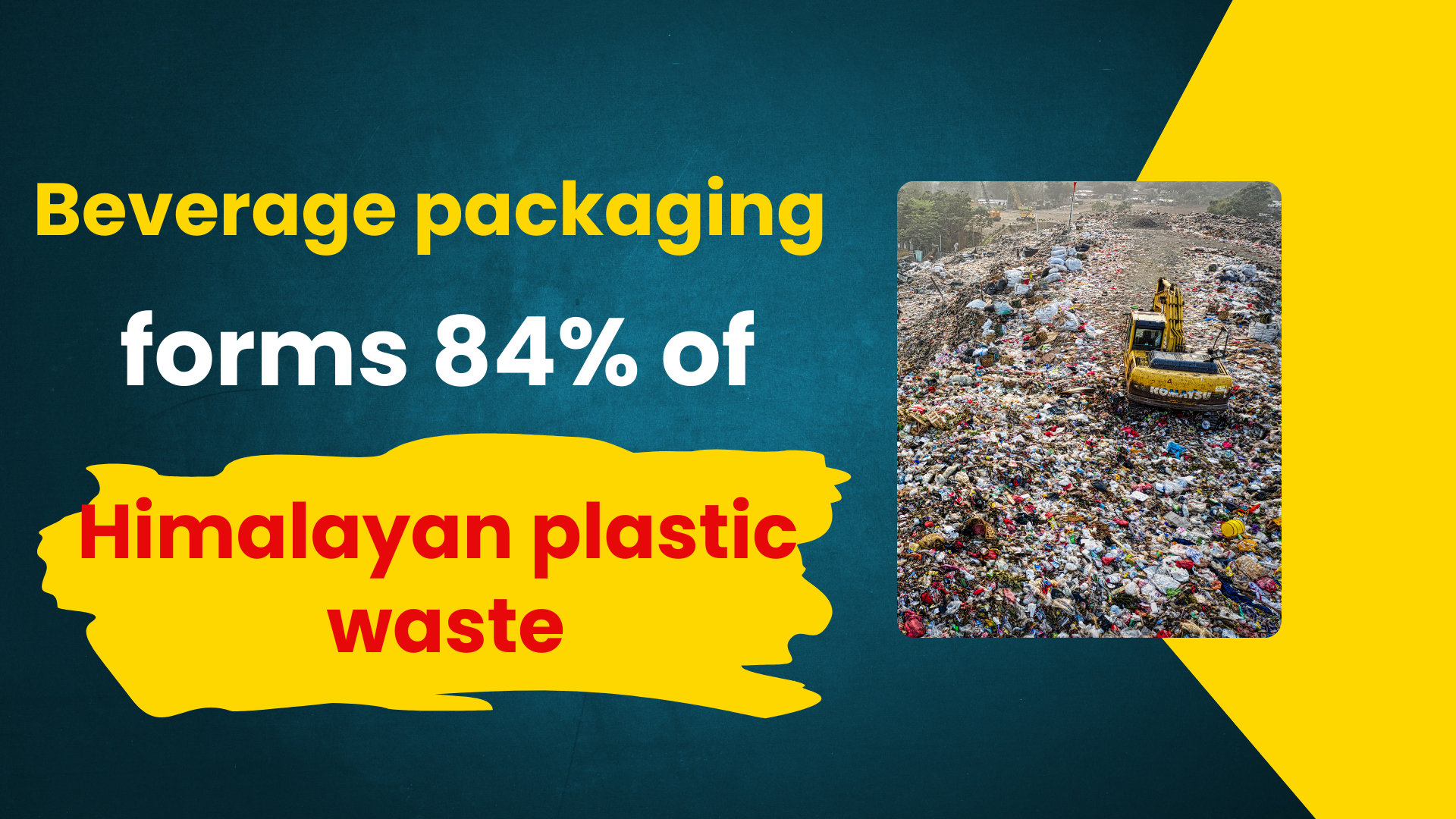
84% of plastic waste in the Himalaya comes from Food & Beverage Packaging

A recent analysis by the Zero Waste Himalaya Alliance shows that more than 84% of plastic waste generated in the Himalayan region has come from one-time food and beverage packaging. This alarming data brings to the fore the growing situation facing the eco-sensitive Himalayan belt. Over 70% of all collected plastic waste is non-recyclable. The report sheds light to expose the need for systemic policy changes and the undertakings beyond individual behavior that must be done to address the problem of increasing pollution from plastics.

Context:

  • 84% of Plastic Waste: More than 84% of plastic waste in the Himalayan wasteland emanates from single-use food and beverage packaging.

Highlights of report:

  • Non-Recyclable Waste: Approximately 70% of the collected plastic waste is non-recyclable, contributing to worsening the waste management problem.

  • Waste Crisis: The Himalayan waste problem is production and systemic and not just a post-eating waste management problem.

  • THC Movement: THC movement has been useful in the creation of awareness and combating problems of plastic pollution since 2018.

  • Sikkim's Contribution: Sikkim was the top 2025 report waste generator, and a considerable number of plastic items in Darjeeling, West Bengal, had been audited.

About Plastic Pollution in India

India highest contributor to global plastic pollution

  • As recently reported in Nature, India has emerged as the biggest contributor to global plastic pollution, with about 1/5th of the global plastic waste. 

  • India produces approximately 9.3 million tonnes of plastic annually, a number that is a lot higher than others such as Nigeria and China.

Data Point for the Plastic Pollution in India 

  • India has 9.3 million tonnes of plastic waste a year with 5.8 million tonnes burned and 3.5 million tonnes discharged as debris.

  • The waste is mostly unregulated, made worse by informal recycling and open burning.

  • While India is struggling with waste management, the Global North has adequate systems for plastic waste.

Reasons for Plastic pollution in India: 

  • Rapid Population Growth and Urbanization:

    • Serving as raw material for many products, the fast increasing population and urbanization results in demand for plastic products, especially for packaging materials which leads to increased plastic waste generation.

  • Inadequate Waste Management Infrastructure:

    • India’s waste management system lacks proper capacity to manage waste generated such that there are no sanitary landfills, but instead uncontrolled dumping sites.

  • Open Burning of Waste:

    • Not surprisingly, a large percentage of India’s plastic waste (5.8 million tonnes/year) is discarded through burning, contaminating the environment with dangerous toxins while contributing to the already high levels of air pollution.

  • Informal Sector Recycling:

    • Informal recycling sources that take care of a large proportion of plastics in India do so without any proper monitoring and contribute to the disassembly of figures. It is then hard to determine the exact nature of plastic pollution.

Issues with Mismanaged Plastic Waste:

  • Environmental Degradation:

    • Waste plastics block waterways and spoil marine environment and aquatic biodiversity. It also interferes with soil amenities and adds to air pollution when burnt.

  • Public Health Risks:

    • Long term health risks exist from microplastics in food and water. Burning disposed plastic waste also produces poison that damages respiratory system.

  • Economic Challenges:

    • The economic loss accumulated from the uncollected plastic packaging waste is significant amounting to a projected estimate of $133 billion by the year 2030.

  • Impact on Agriculture:

    • The contaminants of agricultural plastic waste in combination with poor wastewater treatment results in soil pollution in form of microplastic accumulation affecting soil nutriment and food safety.

Government Efforts for Plastic Waste Management:

  • Plastic Waste Management Rules, 2016:

    • Sets standards for the conservation of plastic waste based on collection, recycling and disposal.

  • Plastic Waste Management Amendment Rules, 2018:

    • Presents the initiatives such as phasing out generic non-recyclable multi-layered plastics, and setting up a central registry of producers and brand owners.

  • Plastic Waste Management Rules, 2021:

    • Bans specific single–use plastic items and implements the Extended Producer Responsibility (EPR) regime for plastic waste management.

  • Plastic Waste Management (Amendment) Rules, 2024:

    • Further enhances regulations on plastic waste collection and recycling and producers are obliged to see proper waste management.

  • Swachh Bharat Mission:

    • Targeting better management of waste machinery all over India including plastic waste through awareness of the public and better infrastructure.

  • National Clean Energy Fund (NCEF):

    • The NCEF is financing technologies to recycle or transform plastic waste into energy and thus providing the technological groundwork for sustainable waste management solutions.

  • India Plastics Pact:

    • An attempt to work with stakeholders from the plastic supply chain to reduce plastic waste through recycling and their reduction.

  • Extended Producer Responsibility (EPR):

    • The government is still trying to build EPR mechanisms to make producers accountable for their plastic products’ life cycle – from the collection to recycling.

Way Forward:

  • Circular Economy:

    • Promote RRR (Reduce, Reuse, & Recycle) in plastic design and waste management system. Establish recovery facilities and encourage the use of recycled plastics.

  • Smart Waste Management:

    • Integrate smart technology in waste management using IoT-enabled bins, AI for segregation mobile apps to report illegal dumping locations of recycling centers.

  • Strengthening EPR:

    • Graded fees may be imposed for hard to recycle plastics and extend EPR to the informal sector to enhance the state of waste pickers and their accountability.

  • Awareness Campaigns:

    • Launch national campaigns in various languages and include plastic waste learning in schools. Use influencers to preach plastic-free lifestyles and involve people in waste reduction.

  • Waste-to-Energy:

    • Make investments in high technology waste to energy technologies like pyrolysis and gasification to transform waste plastics to energy and ensuring stringent emissions control.

  • Green Procurement:

    • Apply plastic waste reduction criteria in the government procurement policies and government buildings as waste-free measurement milestones.

Conclusion:

The ever-increasing problem of plastic waste in the Himalayan region, which plays a major role in single-use food and beverage packaging, shows the absolute necessity of immediate policy-level interventions and system-level policy reforms regarding production and waste management. The ongoing work of such groups as the Himalayan Cleanup (THC), although necessary, is inadequate to the crisis, and there needs to be a move from centralized waste systems to sustainable, circular economy models.

UPSC Prelims PYQ

Q.1 Which of the following is/are the potential environmental impacts of plastic waste?

  1. Plastic waste can block waterways and degrade marine biodiversity.

  2. Plastics burning can cause air pollution and contribute to global warming.

  3. Plastics degrade into microplastics, causing harm to soil, water, and food chains.

Select the correct answer using the codes below:
A. 1 and 2 only
B. 2 and 3 only
C. 1, 2 and 3
D. None of the above

UPSC Prelims PYQ

Q.2 With reference to the regulation of plastic waste in India, which of the following statements is/are correct?

  1. The Plastic Waste Management Rules, 2016, were introduced to promote plastic recycling and sustainable disposal.

  2. The Plastic Waste Management (Amendment) Rules, 2021, introduced a ban on specific single-use plastic items.

  3. The National Clean Energy Fund (NCEF) is focused on reducing plastic waste through recycling technologies.

Select the correct answer using the codes below:
A. 1 and 2 only
B. 2 and 3 only
C. 1, 2 and 3
D. 1 only

UPSC Mains Practice Questions

Q.1 Recent study shows, "84% of Himalayan waste comes from food and beverages packaging." Discuss the key challenges posed by plastic waste in the Himalayan region and suggest policy-level solutions to address them. (150–250 words)

FAQs


Over 84% comes from single-use food and beverage packaging.


About 70% is non-recyclable, worsening the pollution crisis.


Due to urbanization, poor waste management, open burning, and unregulated recycling.


India generates 9.3 million tonnes/year, the highest globally.


Plastic Waste Rules (2016–24)
Swachh Bharat Mission
EPR policies
India Plastics Pact

India’s Eroding Press Freedom: A Reflection on the Larger South Asian Trends

The 23rd Annual South Asia Press Freedom Report 2024-25 reports rising obstacles to press freedom in India and other South Asian countries. The systemic measures to suppress media freedom as are stressed in the report include legal crackdowns, self-censorship and the role of political IT cells in fuelling disinformation. Although small steps can be seen in the ranking of India’s World Press Freedom Index, the country still falls in “very serious” category, which is a worrying trend for democracy and media freedom crying out for help.

Context:

  • India’s media is under increased threat of censorship and legal challenge, restricting the right of freedom of expression.

  • Political ITs fuel disinformation expansion, and complicate media issues.

  • India is placed poorly on World Press Freedom Index 2025 with minimal improvement.

Key Points:

Why India Remains in the ‘Very Serious’ Category in the World Press Freedom Index?

  • Media Censorship and Legal Challenges:

    • Gagging of critical journalism through enhanced use of laws such as sedition UAPA and PMLA.

    • Resulting in self-censorship and a chilling effect on reporters.

  • Impact of Political IT Cells:

    • Political parties’ IT cells disseminate distorted information.

    • The journalists and outlets are hostile towards the government are hunted down.

  • Concentration of Media Ownership:

    • Media in India is owned by power houses.

    • Compares enhancements against a more diversified media landscape and restricted ability to produce independent reports.

  • Harassment and Legal Repression:

    • Press activists suffer cyber threats, legal harassment, and arbitrary arrests.

    • Fears people and muzzles critical or investigative journalism.

  • Digital Transformation:

    • Digital media present information sources other than traditional sources, but it also distributes misinformation more widely.

    • Journalistic integrity is compromised in the digital kamikaze.

India’s Position in World Press Freedom Index 2025:

  • India’s Rank Over Recent Years:

    • 2023: 161st

    • 2024: 159th

    • 2025: 151st

  • Classification:

    • Not succeeded in much but India still belongs to the “very serious” category, which means that the problems with the freedom of media and the independence of the press continue.

  • Trend Analysis:

    • Unlike India, with small improvement in its rank over last two years, India is inferior to many of its South Asian neighbours in ranking.

    • This country is experiencing great threat to press freedom, which is evident from the low rankings.

Conclusion:

India’s press freedom is under tremendous pressure because the press is both legally constrained, politically influenced and economically pressurized. Concentration of media ownership, growing disinformation and loss of journalistic independence, create concerns for the democracy. While the digital shift creates opportunities, it also emphasizes the increasing precariousness of the formidably large media workforce. For better press freedom, India has to solve the rising problems of media concentration and legal suppression, and the proliferation of disinformation, with a free and independent press to maintain the democratic values.

UPSC Prelims PYQ (2018)

Q.1 Which of the following statement(s) are true about freedom of the press in India?

  • Article 19 (1)(a) of the Constitution implies that there is freedom of the press.
  • Press Council of India supervises the press functioning.
  • The RTI ensures the press is empowered with government functioning having transparency.

Answer the question using the codes given above.

A. 1 and 2 only
B. 1 and 3 only
C. 2 and 3 only
D. 1, 2 and 3

UPSC Prelims PYQ (2018)

Q.2 Looking at the Indian Media one can make the following observations:

  • India’s media is absolutely free under the Constitution.
  • The Press Council of India is an independent body which establishes conditions under which the press in India operates on the platform of ethics of journalism.

Which of the above stated statements is/are right?

A. 1 only
B. 2 only
C. Both 1 and 2
D. Neither 1 nor 2

UPSC Mains Practice Question

Q.1 Critically examine the factors behind India’s poor ranking in the World Press Freedom Index, focusing on media censorship, legal challenges, and the role of political IT cells in spreading disinformation. (250 words)

FAQs


The report indicates growing concerns over perceptions of press freedom in India – actual legal profiling, disinformation by way of political IT cells, and more self-censorship among journalists feeling the threat of reprisal and harassment.


India is 151 among 180 in the World Press Freedom Index 2025. A small improvement this is from the previous years (161st in 2023, 159th rank in 2024), India continues to publish under the “very serious” category, which means great worries about the freedom of press.


  • Legal suppression through such a UAPA Law, PMLA, and sedition.
  • Censorship of one’s own work in fear of arrest or legal recourse.
  • Disinformation campaigns that are organized by the political IT cells.
  • Media ownership consolidation to the hands of strong corporate groups.
  • Digital misinformation and trolled journalists.


Political IT cells spread false or distorted narratives actively and target critical journalists and amplify state-sponsored views, generating hostility for independent journalism and worsening the disinformation crisis.


Although India’s rank has improved marginally from 161st (2023) to 151st (2025), India still ranks behind many of the South Asian countries and continues in the “very serious” category. It means that serious reforms and protections against press freedom are not yet in place.

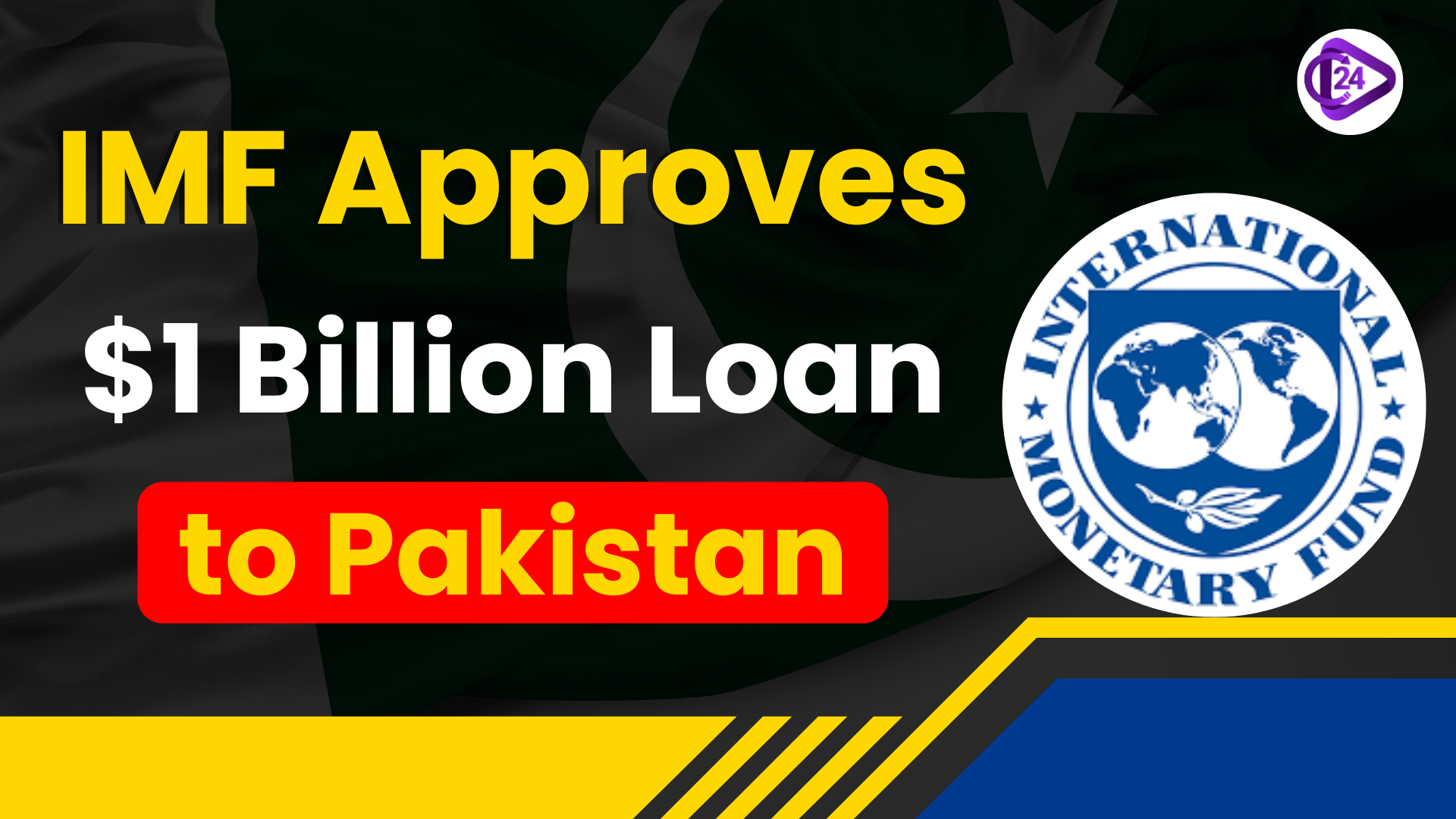
IMF Approves $1 Billion Loan to Pakistan in the Face of Concerns over Terrorism Funding by India

The International Monetary Fund (IMF) has cleared the release of USD 1 billion to Pakistan under its Extended Fund Facility (EFF) in the face of the objections raised by India. India refrained from participating in the voting process, fearing that IMF moneys were to be used in sponsoring state terrorism. By India, the discussed points are economic instability of Pakistan, and the military’s participation in policymaking. The IMF’s decision coincides with other times of financial crisis in Pakistan and earlier failed IMF programs.

Context:

  • IMF grants a $1 billion loan to Pakistan, with India ignoring a vote cast.

  • India raised concerns over a misappropriation of funds for the support of terrorism.

  • Pakistan’s associated history of failed IMF programs and continuing economic instability was remarked.

Key Points:

  • India's Abstention: India generated vociferous objections at the IMF over the misuse of means stressing that the poor history of Pakistan with IMF loans will question future achievements.

  • Pakistan’s Economic Track Record: Pakistan has received financial aid from IMF several times but still remains visited by the harsh economic instability and struggles to observe IMF requirements.

  • Military Influence: India sounded a note that Pakistan’s pervasive involvement of its military in political and economic issues can erode the reforms that IMF assistance has imposed.

  • Financial Concerns: India advised that persistent financial support without the necessary reforms was likely to reward Pakistan’s behaviour in regional instability, specifically in terms of terrorism.

  • International Concerns: Such global institution risk reputational risks if it provides assistance to countries that in the past had supported cross-border terrorism, according to India’s statement.

India's Abstention:

  • India voted against the IMF’s shores of $2.3 billion to Pakistan.

  • The loan includes:

    • 1 billion under the Extended Fund Facility (EFF).

    • US$1.3 billion within the Resilience and Sustainability Facility (RSF).

    • It was not a case of opposition but that of IMF rules, which forbid a formal “no” vote.

India’s Concerns:

  • Challenged the "poor track record" of IMF program implementation by Pakistan.

  • Spectered worries about the use of funds for state supported terrorism.

  • Noted that continued financial assistance to Pakistan sends a destructive message to the world community.

  • Emphasized risks of the use of debt financing for cross-border terrorism.

IMF's View:

  • In the IMF report, “Evaluation of Prolonged Use of IMF Resources, ” it says:

    • There was an idea that the IMF lending to Pakistan was politicised.

    • Pakistan looks like a chronic borrower and a significant debtor.

    • Even with previous programs, economic slippages and failure to implement policies continue.

India’s Diplomatic Stand:

  • India urged Worldwide financial institutions to make sure moral values are considered while making funding decisions.

  • Suggested review on loans to Pakistan from agencies such as Financial Action Task Force (FATF).

  • Pakistans interference of the military in economic affairs was pointed out as one of the key risks.

Background:

  • Pakistan has not been short of borrowing from the IMF since it first looked for help in 1958.

  • The country entered the IMF in 1950 and applied for the first loan of its kind, which was in 1958, and became the first country to do so.

  • Pakistan has taken 22 IMF loans, and there has been a mixture of economic reforms and continued instability.

Critical Stages of IMF and Pakistan Relationship:

  • Early Years (1958-1970s):

    • Pakistan obtained a $25 million standby arrangement in 1958 when it first borrowed.

    • During the 1960s, there existed back-to-back programs (1965, 1968) that assisted Pakistan in managing balance of payments crises.

    • The government of Zulfikar Ali Bhutto (1972-1977) applied several times for IMF borrowing, aggregating to 314 million SDR.

  • Benazir-Nawaz Model of Democracy (1988-1997):

    • Pakistan participated in the IMF programs eight times, withdrawing SDR 1.64 billion.

    • The government had a problem with implementing the suggested reforms, hence the continued financial instability.

  • Musharraf Era (1999-2008):

    • Despite political instability, this enabled him to secure an SDR 1.33 billion loan over nine years, although at low interest rates.

    • In 2008, the PPP government received the biggest bailout package in Pakistan's history (SDR 4.94 billion) after ousting Musharraf, but fundamental reform was largely ignored.

  • 2010-2022 Loan Programs:

    • During the PML-N government (2013-2018), Pakistan was granted another good loan of SDR 4.399 billion.

    • Pakistan’s fiscal vulnerabilities, heightened current account deficit and sluggish export remained despite efforts.

    • IMF found that the program had helped increase growth and reinforce social safety nets, though, there were macroeconomic weaknesses.

Impact on Pakistan:

  • Short-Term Relief: IMF loans have been a lifeline for Pakistan whenever the nation is under a fiscal crisis mentality, supporting its economy in the short run.

  • Structural Issues: Despite multiple loans, Pakistan has been unable to carry out effective structural reform. Time after time, the IMF-dictated fiscal-economic measures are not being enforced, prompting the occurrence of financial issues again and again.

  • Debt Accumulation: Pakistan’s debt load has expanded over time, with large percentages of loans channeled under different governments (PPP, PML-N, and military governments).

Impact on India:

  • Security Concerns: India is worried that funds will help Pakistan’s military and finance cross-border terrorism.

  • Economic Competition: India’s soft-power diplomacy in the region may be threatened by economic salvation of Pakistan.

  • Diplomatic Strain: India aired concerns, but did not veto the loan, which provided evidence of diplomatic eschewing of certainty.

Impact on the Situation:

  • Geopolitical Dynamics: The IMF’s support to Pakistan further limits Pakistan’s relations with global financial institutions.

  • Pakistan's Stability: The loan may give Pakistan’s economy a short-term boost, but it is not clear if in the long term, there will be success because of past failures.

  • IMF’s Reputation: The IMF is under fire for loan approval despite worries over the misuse of the money for military expenditure.

Way Forward:

  • Enhanced Monitoring: The IMF should tighten monitoring to prevent misuse of funds.

  • Diplomatic Engagement: India should continue to complain about issues in international forums and secure and strengthen its security.

  • Economic Pressure: India could use its economic weight and thereby influence better accountability in the aid distribution.

  • Regional Cooperation: India needs to concentrate on improving regional cooperation to lower Pakistan’s reliance on foreign loans.

Conclusion:

The IMF’s willingness to extend a $1 billion loan to Pakistan in the face of Indian resistance is a pointer to the ever-present difficulties the international financial institutions experience in reconciliation between economic aid and geopolitics. India’s abstention from the vote reflects the emerging levels of discontent over the theme of Pakistan’s continuous instability and its vulnerability to misemployment of economic support, especially as regards terrorism-based operations.

UPSC Prelims PYQ (2016)

Q.1 With reference to the International Monetary Fund (IMF), consider the following statements:

  • The IMF provides loans to countries facing balance of payments problems.
  • The IMF can impose conditions on the borrowing countries.

Which of the statements given above is/are correct?
A. 1 only
B. 2 only
C. Both 1 and 2
D. Neither 1 nor 2

UPSC Prelims PYQ (2015)

Q. With reference to a grouping of countries known as BRICS, consider the following statements:

  • The First Summit of BRICS was held in Rio de Janeiro in 2009.
  • South Africa was the last to join the BRICS grouping.

Which of the statements given above is/are correct?
A. 1 only
B. 2 only
C. Both 1 and 2
D. Neither 1 nor 2

UPSC Mains Practice Question

Q.1 "The International Monetary Fund’s decision to extend financial support to Pakistan amid heightened tensions with India raises questions about the role of multilateral institutions in geopolitically sensitive regions.”

Critically examine the implications of IMF lending in conflict-prone areas, especially with reference to India-Pakistan relations and global financial diplomacy. (250 words)

FAQs


India abstained from the vote due to concerns that IMF funds might be misused to support state-sponsored terrorism and cross-border activities. It also cited Pakistan’s poor track record with past IMF programs and its military’s influence over policymaking.


The total loan package approved by the IMF is $2.3 billion, which includes $1 billion under the Extended Fund Facility (EFF) and $1.3 billion under the Resilience and Sustainability Facility (RSF).


India raised four key concerns:

  • Misuse of IMF funds for terrorism.
  • Pakistan’s failure in past IMF programs.
  • Persistent economic instability and lack of reform.
  • Military’s interference in economic governance.


Yes, Pakistan has taken 22 loans from the IMF since 1958. Despite receiving billions in aid, the country continues to suffer from economic instability and has repeatedly failed to implement required structural reforms.


It raises security concerns for India, strains regional diplomatic ties, and may impact India’s economic and strategic influence. For the IMF, it poses reputational risks if funds are misused, while Pakistan may get short-term relief without long-term stability.

Frequently Asked Questions (FAQs)

The current affairs cover recent national and international events related to UPSC, SSC, Banking, Railways, and State PCS.

You need to read about the current affairs daily, and revise them every week and every month to keep them longer in your memory.

Yes, Class24 provides free downloadable Daily Current Affairs PDFs for easy revision.

Yes, you can practice MCQs and quizzes to boost your exam preparation.

Absolutely. The content is written in simple, easy-to-understand bilingual language suitable for beginners.

Go to class24.com and click on the current affairs section directly, where you find everything that you need.

ssc-toppers

Start Learning Today with Class24

Related current affairs

Class24 offers free video lectures for smart preparation, covering CGL, CPO, CHSL, MTS, and GD exams. Learn from expert faculty, revise concepts easily, practice with PYQs, and improve speed and accuracy through high-quality, exam-focused video lessons anytime, anywhere.

Get success in your hand. Start study anytime anywhere.

The journey becomes simple and enjoyable when you start taking interest in it. And through our app “Class24”, we will be your trusted partners in developing that interest.

Daily Quizzes
Mock Tests
Ongoing

No ongoing tests right now.