

Day: May 5, 2025

Mithridatism and the Quest for Universal Antivenoms: Ancient Practice Meets Modern Science

Mithridatism was first used by King Mithridates VI of Pontus and described the historical method to build poison immunity through small nondangerous poison exposures. People no longer conduct Mithridatism because vaccines and antitoxins exist but Timothy Friede an American exposed himself to more than 200 snakebites and 700 venom injections throughout eighteen years. Advanced testing on May 2, 2025 in Cell demonstrated how Mithridatism antibodies extracted from Timothy Friede's blood could protect mice from various snake venoms when used with varespladib pharmaceuticals.

Summary:

  • Modern scientific research has studied the ancient practice of Mithridatism through experimental takedown of snake venom to establish poison resistance.

  • The blood antibodies of Timothy Friede proved to scientists they could work together with a drug to disarm multiple types of snake venom for mice which demonstrated potential for future universal antivenom development.

Key Points:

Scientific Relevance:

  • The technique of Mithridatism developed into modern immunological practices which underlie vaccination and antitoxin-based therapeutic methods.

  • The discovery enables scientists to create universal antibodies which protect against numerous types of venom which presents an essential solution to public health needs.

Snakebite Burden:

  • According to WHO estimates India experiences approximately fifty thousand annual fatalities because of snake bites.

Challenges:

  • Lack of timely access to species-specific antivenom.

  • Poor rural healthcare infrastructure.

Medical Breakthrough:

  • When Friede’s immune response from vaccination received varespladib drug treatment it effectively protected mice against all of the tested venoms.

  • Such methodology holds potential to replace current specific antivenom products with solitary medication solutions.

Ethical Considerations:

  • Performing self-experimentation willingly triggers ethical as well as safety concerns in bioethical frameworks.

  • Such self-experimental methods have fostered innovative research by following the same approach used in historic vaccine trials which included Edward Jenner and Barry Marshall.

Conclusion:

The principles of mithridatism continue to thrive through modern immunological research along with drug discovery techniques despite the practice being abandoned centuries ago. The ancient practice of snake immunity combined with present-day research methods demonstrated by Friede shows promise toward developing a single antivenom that might save lives in India and other countries with significant snakebite occurrences. This scientific advancement needs to be monitored by ethical practices and needs clinical study testing as well as accessibility considerations.

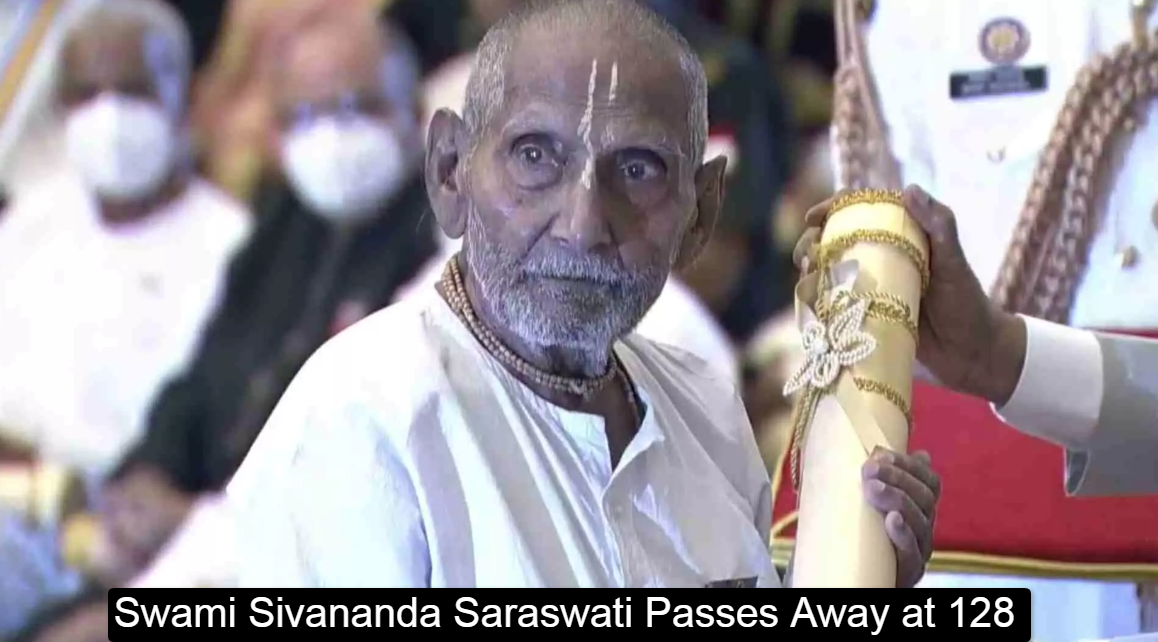
Swami Sivananda Saraswati Passes Away at 128: A Life of Yoga, Seva, and Simplicity

The Padma Shri awardee and renowned yoga guru Swami Sivananda Saraswati died of cardiac arrest when he reached 128 years of age in Varanasi. As a person who maintained simplicity Swami Sivananda committed himself to teaching yoga and spiritual teachings along with serving the needy among sick and poor people. His recognition by the Padma Shri in 2022 made him the memorable recipient at that age. The yogic-based disciplined approach of his life resulted in worldwide medical and spiritual interest. His biography illustrates how he displayed three core qualities which were endurance through difficult times alongside frugality coupled with complete devotion toward helping others.

Summary

  • At 128 years of age Swami Sivananda Saraswati died in Varanasi after inventing a legacy through his work as a yoga teacher and humanitarian while demonstrating humble and compassionate actions.

  • Since 1896 his birth into poverty he invested more than one hundred years of his life serving through yoga teachings as well as maintaining a humble lifestyle which he offered as spiritual instruction for others.

Key Points

Personal Life & Background:

  • Born: 8 August 1896, Sylhet, Bengal Presidency (now in Bangladesh).

  • The orphaned child migrated to Kashi at age six to study under Guru Omkarananda.

  • The master taught his students how to practice self-control together with maintaining awareness of sexual desire and living a basic lifestyle.

Yoga & Humanitarian Work:

  • Through his years in Varanasi he dedicated his life to teaching yoga at the ghats.

  • The caretaking and feeding regime served more than 400 to 600 leprosy patients among beggars.

  • He explained that yoga should be adopted as a whole life philosophy beyond its physical postures.

  • He committed to participating in the Maha Kumbh Mela for more than a hundred years.

Awards & Recognition:

  • Padma Shri (2022) – Fourth-highest civilian honour.

  • Yoga Ratna Award (2019) and Basundhara Ratan Award.

  • The million-plus viewers witnessed his respectful gesture when he bowed humbly to PM Modi and President Kovind.

Conclusion:

Swami Sivananda Saraswati demonstrated spirituality through life-action when his inner technique intersected with vital responsibilities. His path from being an orphan to becoming the worldwide symbol of yogic practice and dedicated humanitarian work provides useful teachings regarding life in a society that blindly seeks material achievements. His passing marks the closing of a historic period since his legacy continues shining as a shining example of clear living and generous understanding and yogic wisdom.

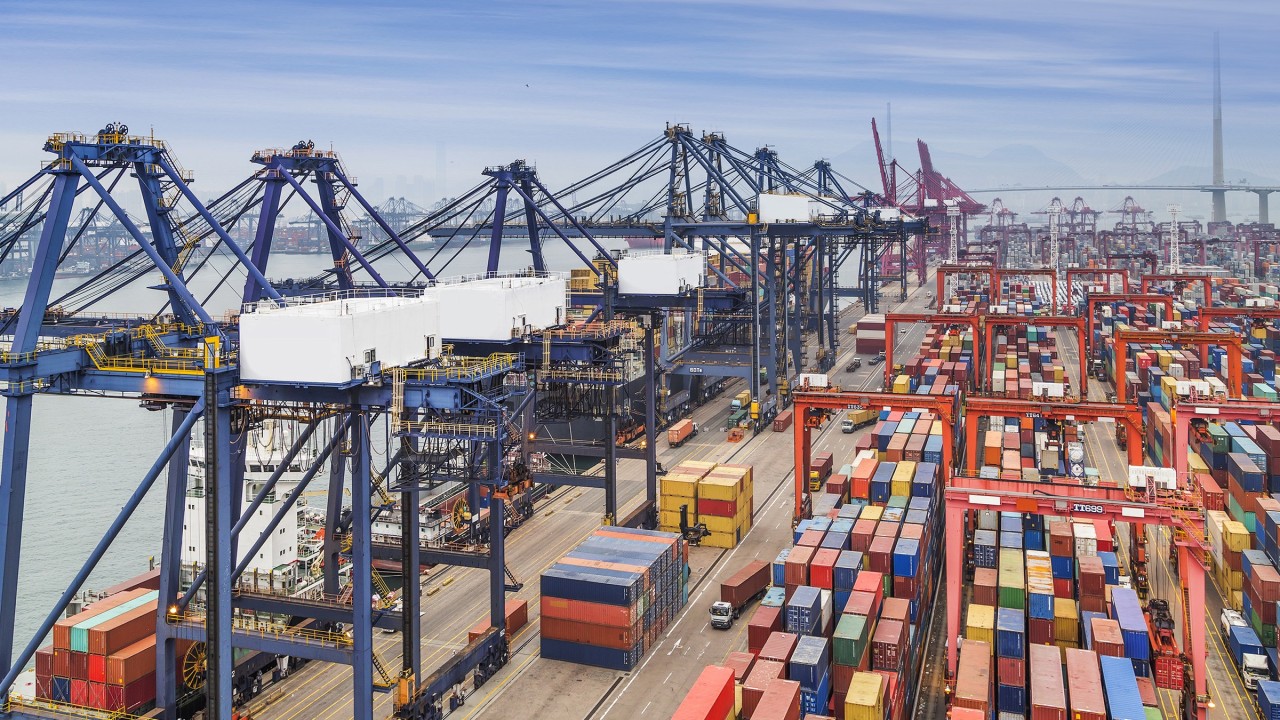
Infrastructure and Identity: Building the Future through Ports

Prime Minister Narendra Modi activated India’s first deep-water semi-automated container transshipment port at Vizhinjam port town while reinstituting its global maritime significance. Facing international shipping lanes at only 10 nautical miles away, Vizhinjam Port gives India important access to global markets and freedom from foreign transshipment sites such as Colombo and Singapore. Through a cooperation model involving the Center, State and private-sector initiatives Vizhinjam Port seeks to drive Kerala's economic growth and strengthen India's worldwide maritime position.

Summary:

  • Vizhinjam Port represents India's inaugural greenfield deep-sea transshipment port which occupies a special position to access international shipping lanes and diminish dependence on overseas port terminals.

  • The port seeks to establish itself as a worldwide economic and logistics center through joint efforts by state authorities and the central government and private organizations yet needs swift address of existing infrastructure challenges and policy restrictions.

Key Points:

Strategic Location & Maritime Potential:

  • The port maintains the best position as an Indian port to reach international shipping lanes through a 10 nautical mile distance.

  • The natural 20-meter-deep water draft lets it harbor large ultra-class container vessels.

  • Mediterranean Shipping Company includes this location as a part of its worldwide shipping network.

Project Details:

  • The project costs Indian taxpayers ₹8,867 crore where ₹5,595 crore is Kerala government funding alongside ₹2,454 crore from Adani Ports coupled with ₹817.8 crore as part of Central government VGF.

  • A new India-based deepwater transshipment port with semi-automated systems operates from greenfield territory.

  • Between 6 and 8 lakhs TEU units were efficiently handled during the first year of operations which surpassed all expectations.

Innovation & Inclusivity:

  • India’s first port with a skilled women-led crane operation team.

  • A skill training center named Community Skill Park prepares professionals for maritime operations under the PPP business model.

Economic & Global Significance:

  • India has the opportunity to develop into its equivalent of Shenzhen.

  • Proposal for a Special Investment Region (SIR) under discussion.

  • The port seeks to establish itself as the worldwide leading center for providing bunkering services using hydrogen and ammonia as green fuels.

  • The brand redefinition includes changing the name to Trivandrum International Seaport Ltd.

Challenges:

  • The completion of NH 66 rail along with ICP and ORR infrastructure has caused project delays.

  • Absence of permanent Port Health Office and integrated check post.

  • The return of VGF investment to government bodies may rise as high as ₹10,000 crore.

  • Competition from Colachel port nearby—threat to economic viability.

Steps Taken:

  • The project appeared as a global showcase during WEF and Invest Kerala 2025.

  • The completion timeline for Phases II & III is set to reach its target by 2028.

  • Environmental approval is in place while businesses are investing ₹20,000 crore.

Ports in India

Types of Ports in India:

Port Classification Based on Geographical Area:

  • Major Ports in India (13): 

    • The 13 major ports function under the Central Government through the application of both the Indian Ports Act (1908) and the Major Port Trust Act (1963).

    • Control terminals are distributed between Mumbai, Chennai, Kochi, Kolkata, Mangalore, and Visakhapatnam.

    • The Port Trusts rely on boards of trustees which are chosen by the Central Government to handle their management operations.

Coast

State

Port

Eastern Coast

Tamil Nadu

Chennai

Western Coast

Kerala

Kochi (Cochin)

Eastern Coast

Tamil Nadu

Ennore

Eastern Coast

West Bengal

Kolkata (Haldia)

Western Coast

Gujarat

Kandla

Western Coast

Karnataka

Mangalore

Western Coast

Goa

Mormugao

Western Coast

Maharashtra

Mumbai Port Trust

Western Coast

Maharashtra

Jawaharlal Nehru Port Trust (JNPT)

Western Coast

Maharashtra

Vadhavan Port

Eastern Coast

Odisha

Paradip

Eastern Coast

Tamil Nadu

Tuticorin (V.O. Chidambaranar Port)

Eastern Coast

Andhra Pradesh

Visakhapatnam

  • Minor Ports (205): 

    • Managed by State Governments through Port Departments or State Maritime Boards.

    • The states of Gujarat, Maharashtra and Tamil Nadu together with Andhra Pradesh and West Bengal form the major port regions in India.

Port Classification Based on Cargo Handled:

  • Business-oriented ports receive and dispatch both general cargo and passenger services.

  • Industrial Ports: Specialize in bulk cargo like minerals, chemicals, and oil.

  • Such ports provide service for handling bulk as well as general cargo shipments.

Port Classification Based on Location:

  • Several ports inside India operate as inland facilities beyond its coastal areas and maintain river connections.

  • Out Ports: Deep-water ports like Vadhavan that support larger vessels.

Governance Models:

  • The Service Port Model involves port authorities that operate as landowners alongside equipment control while running all activities.

  • Under the Landlord Port Model the public holds port infrastructure ownership and operations run through private sector management including terminal operations and cargo handling activities.

Strategic Importance of Ports:

  • Foreign trade together with logistics fundamentally relies on India's ports for its operational success.

  • The Mumbai region maintains the status as India's greatest natural harbor facility.

  • The Maritime India Vision 2030 targets port infrastructure modernization alongside operation efficiency boost through advanced measures.

Economic Contribution:

  • The Indian ports give substantial economic impact to the GDP through their management of extensive container cargo volume at major shipping locations.

  • JNPT(Jawaharlal Nehru Port Trust) and Paradip act as crucial locations for handling containerized cargo and Kochi and Tuticorin focus on handling bulk cargo.

Conclusion:

The development of Vizhinjam Port brings about revolutionary changes to India's industry-driven port growth strategy. South Asian dominance in both maritime and logistics sectors can be attained by the development of strategic infrastructure alongside supportive policy initiatives. The project's complete realization requires stakeholders to collaborate quickly and better financial resources as well as rules that advance economic viability and sustainability and geopolitical strength.

PM Modi Inaugurates Khelo India Youth Games 2025 in Bihar: A Milestone in Decentralized Sports Development

Prime Minister Narendra Modi performed the virtual inauguration of the seventh Khelo India Youth Games (KIYG) on May 4th 2025 at Patliputra Sports Complex in Patna Bihar. For the first time Bihar hosts a multi-discipline national sports event that extends across five cities plus Delhi as it conducts 27 sports events and a demonstration sport focus on esports. More than ten thousand individuals participate in this event and among them six thousand are athletes. India's vision extends beyond the games to accomplish major goals which include making sports universal while building sports facilities nationally and qualifying athletes for international competitions particularly the Olympics.

Summary:

  • Bihar succeeded in establishing itself as a vital sport development area for India through the launch of Khelo India Youth Games 2025 where 27 sports were conducted across five cities and New Delhi.

  • The Games exist to spread sports development across a wider area while designers seek to uncover athletic potential from basic sources ahead of the 2036 Olympics which will incorporate esports as a test discipline.

Key Points:

Event Details:

  • Prime Minister Modi launched this event on May 4th 2025.

  • The events took place across Patna alongside Raigr, Bhagalpur, Gaya, Begusarai and Delhi.

  • 27 medal sports + 1 demo sport (esports).

  • 10,000+ participants; 6,000+ athletes.

Historic Firsts:

  • It marks the inaugural occasion that Bihar will serve as the host for KIYG.

  • Records show that India achieved the first Sepaktakraw medal victory after winning the ISTAF World Cup which led to its status as an official medal competition.

  • Esports introduced as demonstration sport.

Infrastructure Development:

  • Bihar has 38 Khelo India Centres.

  • Total of 1,048 centres across India.

  • 34 State Centres of Excellence across India.

Future Plans:

  • Khelo India School Games, Beach Games (Diu), Tribal Games (Chhattisgarh), and Indigenous Games (South India).

  • The goal advances an all-encompassing sports program which includes all athletes throughout the complete year.

Wider Goals:

  • Build athlete base for 2036 Olympics.

  • Improve national health and fitness.

  • The state strives to change how people see Bihar regarding sports hosting ability.

PM Modi’s Address Highlights:

  • Through sports India establishes soft power capabilities which boosts its international attractiveness while extending its global reach.

  • India actively pursues its plan to be an Olympic host organization for the 2036 Olympics.

  • The sports segment received elevated government policy importance while the sports budget went up by three times to ₹4,000 crore.

  • Inclusivity: Promotion of emerging sports—Wushu, Lawn Bowls, Pencak Silat, Roller Skating—beyond mainstream disciplines.

Structural Support:

  • Khelo India Centres: 1,048 nationwide; 38 in Bihar.

  • TOPS (Target Olympic Podium Scheme): Supporting elite athlete preparation.

  • Increased focus on grassroots participation and athlete-centric development. 

  • Impact of Khelo India Youth Games 2025

Sports Development in Bihar and India

  • The first major sports event in Bihar will establish the state as a prominent sporting location through better facilities and enhance its national sports recognition.

  • Indian sports demonstrate increasing popularity through the massive total of 10,000 participant numbers which includes more than 6000 competitors from across the nation.

  • City-Wise Hosting: Distributed across 5 Bihar cities and Delhi, encouraging regional development and engagement.

Innovation & Inclusion

  • Introduction of Esports: Recognition of digital gaming as a growing domain among youth.

  • The introduction of Sepaktakraw as a medal sport helps to build both indigenous sports participation and niche sporting events following India's recent international gold medal success.

National-Level Impact

  • The project serves as an identification mechanism that identifies new atheletes to be developed for international competition at the 2036 Olympics.

  • Nationwide implementation of Khelo India Centres & Infrastructure has established 1,048 facilities across territories including 38 centers operating in Bihar for continuous athlete training.

 Importance of Khelo India Youth Games

  • Youth Empowerment & Talent Discovery:

    • The program serves as a lower-level approach to detect sport abilities among rural and urban participants across India.

    • Opportunity for aspiring athletes from economically weaker backgrounds.

  • Infrastructure Boost in Tier-2/3 Cities:

    • More games that will be hosted in Begusarai and Bhagalpur can lead to a wider distribution of sports facilities across the state.

  • Changing Image of Bihar:

    • Bihar has transitioned to emerge as a competent organizer of national-level events by changing its image from a slow-developing state.

    • The initiative supports PM’s dual vision of nationwide development through “Viksit Bharat by 2047” and “Viksit Bihar”.

  • Integration with Health Goals:

    • Sunday on Cycle initiative together with health promotion will address both obesity and inactivity as lifestyle diseases.

  • Inclusive & Regional Games Calendar:

    • The upcoming sporting events such as School Games and Tribal Games and Beach Games along with Indigenous Games will combine regional diversity with inclusivity in sports.

Challenges & Limitations

  • The sports complexes in small towns face an uncertain future after the Games since there is no evidence they will be used for long-term purposes.

  • Standardization of Khelo India Centers and their regular quality assessment requires proper funding mechanisms.

  • Athlete development remains at risk due to insufficient career progression opportunities together with insecure job prospects.

  • The growing significance of electronic sports warrants proper ethical standards and guidelines concerning addiction issues.

Way Forward

  • Post-Event Engagement: Convert event-based success into a long-term sports ecosystem via scholarships and career support.

  • Public-Private Partnership (PPP) should promote private investors to support sports academy expansion alongside necessary equipment purchase and sports nutrition delivery and athletic coaching development.

  • The implementation of an effective tracking system must exist to monitor Khelo India athletes during their Olympic performance advancement process.

  • Curriculum Integration: Make sports a core part of school curriculum, not just extracurricular.

Conclusion:

The Khelo India Youth Games 2025 in Bihar represent India's new sports policy direction which extends beyond metropolitan centers to unite the nation through grassroots sports programs. These initiatives fulfill the government's goals for building Fit India as well as championing sport-based youth empowerment and achieving Viksit Bharat by 2047. By becoming a host state Bihar undergoes an image transformation which supports additional national initiatives for lesser-known geographical locations.

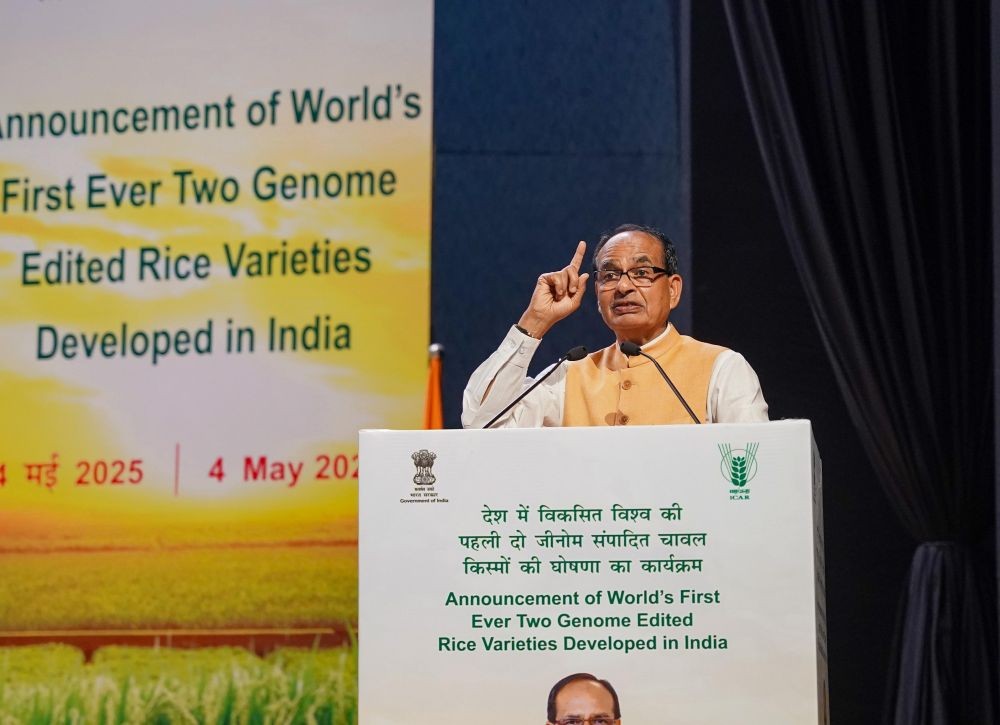
India Launches First Genome-Edited Rice: DRR 100 & Pusa DST 1

The Union Agriculture Minister, Shri Shivraj Singh Chouhan, informed the nation through his announcement on May 4, 2025, that India had created its first set of CRISPR-Cas technology-based genome-edited rice varieties DRR Rice 100 (Kamla) and Pusa DST Rice- 1. These varieties developed by ICAR institutions present a significant advance in sustainable farming practices that resist climate changes. The research developed rice varieties that bring higher yield results, lower greenhouse gas emissions, and enhanced ability to thrive in dry and salty conditions. This scientific achievement received recognition during a Delhi-based NASC Complex celebration which welcomed important agricultural scientists as well as policymakers.

Summary:

  • Through CRISPR-Cas technology India introduced two genome-edited rice varieties making the country the very first worldwide to achieve this milestone without incorporating foreign DNA.

  • Through their introduction two new rice varieties enhance yield options by 30.4% while also enabling water savings of 7,500 million cubic meters and lowering greenhouse gas emissions by 20%.

Key Points:

  • Varieties Released: DRR Rice 100 (Kamla) and Pusa DST Rice 1.

  • The biosafety rules of India classify CRISPR-Cas genome editing technology as SDN-1 and SDN-2 which enables its use.

  • Benefits:

    • 19% higher yield (average).

    • 20% reduction in GHG emissions.

    • 7,500 MCM water saved.

    • Tolerance to drought, salinity, and climate stress.

    • The plan achieves early maturity while providing strong stalk support for lodging prevention.

  • Geographical Suitability: Targeted for 13 major rice-growing states across agro-climatic zones.

  • Policy Push: The Indian government has dedicated ₹500 crore toward genome editing in its latest budget that was released in 2023–24.

  • "Minus 5, Plus 10" Formula: Reducing rice cultivation in 5 million hectares combined with increased production of 10 million tons results from the "Minus 5, Plus 10" Formula.

Impact of Genome-Edited Rice in India

Agricultural Impact:

  • The productivity level improves by 30.4% which leads to increased rice output while maintaining the same farming land size.

  • The new plants will demonstrate greater ability to withstand drought conditions and salinity damage as well as endure climate-related stress.

  • DRR Rice 100 enables farmers to plant and harvest two rice crops per year because it shortens the growth period by twenty days.

  • Genome-edited rice reduces farmers' dependence on water supplies and fertilizers, which leads to more economically sustainable agriculture.

Environmental Impact:

  • Water Conservation: Saves 7,500 million cubic meters of irrigation water—critical for water-stressed states.

  • The 20% decrease in methane emissions helps India fulfill its goals outlined in the Paris Climate Accord National Determined Contributions.

  • The reduction of waterlogging together with salinity stress leads to better long-term preservation of soil quality.

Socio-Economic Impact:

  • Farmers receive better earnings because of higher harvest outcomes and increased resistance which decreases financial risk while making incomes more predictable.

  • By promoting youth engagement the program facilitates younger generations to implement modern agri-tech technologies and scientific practices.

  • The improved competitive power driven by this initiative enables India to reach ₹48,000 crore annual Basmati rice export value.

Importance of the Initiative

  • Scientific Leadership:

    • India leads the world as the first nation to create genome-edited rice which does not include foreign DNA materials.

    • India demonstrates its ability to work with advanced biotechnological technologies through its CRISPR-Cas practices.

  • Food Security & Self-Reliance:

    • Supports ‘Aatmanirbhar Bharat’ in agri-science.

    • The initiative enables sustainable feeding of an expanding populace.

  • Second Green Revolution:

    • The initiative maintains the success of Green Revolution 1 while adding sustainability along with climate adaptation features.

  • Efficient Land Use:

    • The "Minus 5, Plus 10" strategy seeks to lower water-intensive rice cultivation areas and introduce oilseed or pulse farming areas.

  • Biosafety & Public Acceptance:

    • The treatment and regulatory approval process for genome-edited crops including SDN-1 and SDN-2 differs from GMOs because of which there is better public acceptance and safer approval systems.

Challenges:

  • Many of the small and marginal farmers cannot obtain information and resources.

  • The public continues to confuse genome-edited organisms with genetically modified organisms even though SDN-1/2 received regulatory clearance.

  • These new crop varieties face difficulties in attaining market immunity framework and procurement policies from the government.

  • Open-access seed availability needs special attention since seeds were created through public research.

Way Forward

  • The extension services with strengthened Krishi Vigyan Kendras should reach out to farmers for education about new practices.

  • Policy Integration: Align crop insurance, MSP, and procurement policies with new genome-edited varieties.

  • Genome editing should move forward with pace into oilseed development as well as pulse development and millet transformation to achieve increased benefits.

  • Public-private partnerships should advance innovation through relationships with IP rights protected at a favorable level for farmers.

Conclusion:

The market entry of genome-edited rice makes India a worldwide leader in agricultural biotechnology while creating a new era for Indian farming. Indian goals related to food security and export competitiveness and sustainable farming practice find alignment with these recent advances. These varieties provide solid progress toward the planned second Green Revolution that connects productivity to environmental conservation.

Frequently Asked Questions (FAQs)

The current affairs cover recent national and international events related to UPSC, SSC, Banking, Railways, and State PCS.

You need to read about the current affairs daily, and revise them every week and every month to keep them longer in your memory.

Yes, Class24 provides free downloadable Daily Current Affairs PDFs for easy revision.

Yes, you can practice MCQs and quizzes to boost your exam preparation.

Absolutely. The content is written in simple, easy-to-understand bilingual language suitable for beginners.

Go to class24.com and click on the current affairs section directly, where you find everything that you need.

ssc-toppers

Start Learning Today with Class24

Related current affairs

Class24 offers free video lectures for smart preparation, covering CGL, CPO, CHSL, MTS, and GD exams. Learn from expert faculty, revise concepts easily, practice with PYQs, and improve speed and accuracy through high-quality, exam-focused video lessons anytime, anywhere.

Get success in your hand. Start study anytime anywhere.

The journey becomes simple and enjoyable when you start taking interest in it. And through our app “Class24”, we will be your trusted partners in developing that interest.

Daily Quizzes
Mock Tests
Ongoing

No ongoing tests right now.