Day: May 1, 2025

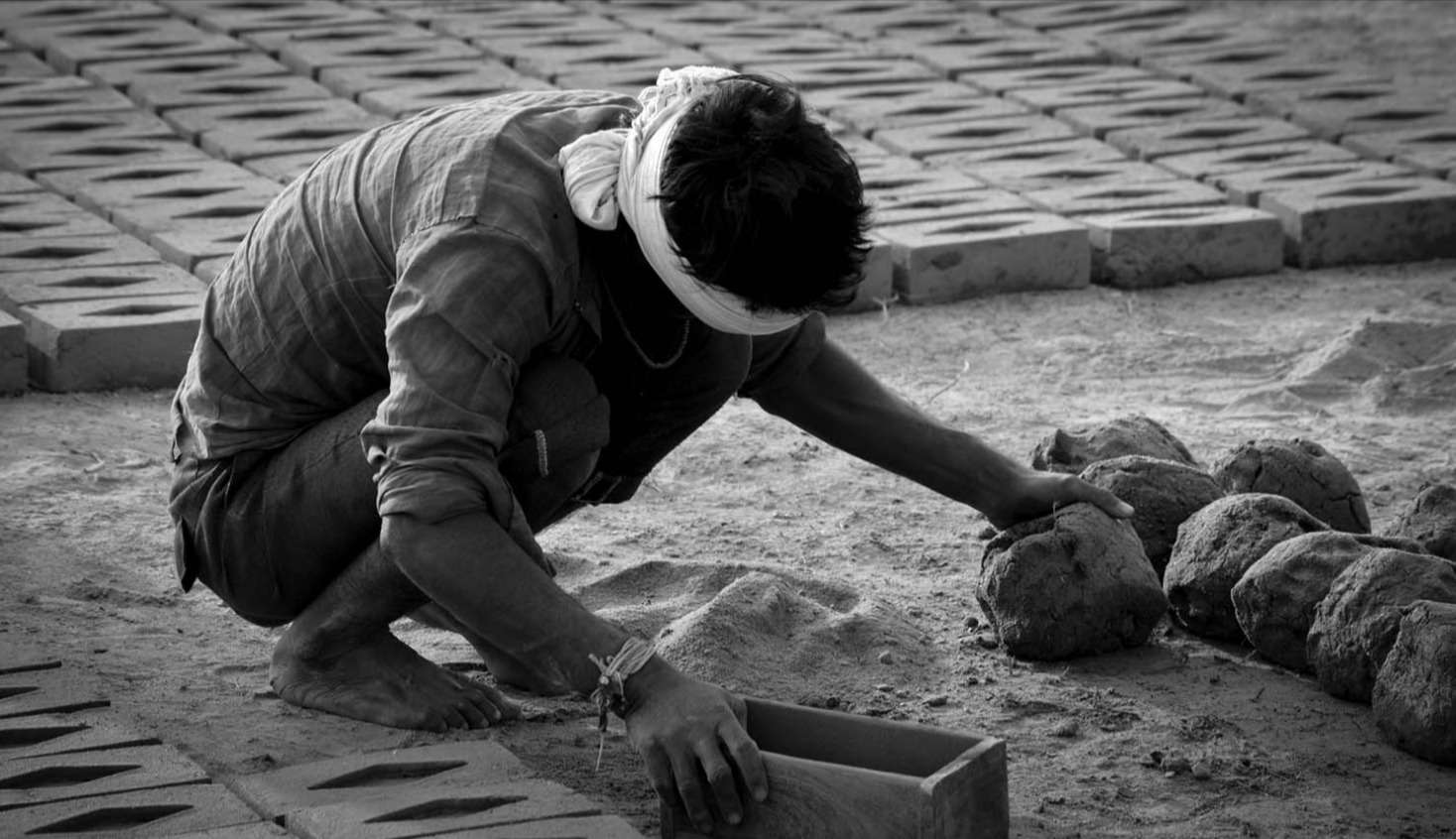
India’s Bonded Labour Crisis: A Persistent Shadow on Workers’ Rights

Millions of people endure bonded and forced labor conditions in India even though they possess constitutional protections and diverse laws that are decades old. The nation marks Labour Day through accounts that showcase its ongoing difficulties to defend labor rights and dignity for vulnerable workers. The new labour reforms from 2019-20 have diluted employee union rights alongside their ability to negotiate collectively. The International Labour Organisation (ILO) Report 2024 flags informal employment and job quality as critical issues in India.

Context:

  • Bonded labor exists in India at present, even though official legislation abolished it in 1975.

  • Through debt-traps and insufficient legal enforcement, brutal exploitation continued to affect Mukesh Adivasi and K. Thenmozhi.

  • Poverty exists together with caste discrimination, along with illiteracy and inadequate labor union presence, to create systemic bonded labor conditions.

  • Between 2016 to 2021, government agencies managed to rescue only 12,760 bonded laborers despite their 2030 rehabilitation plan for 1.84 crore laborers.

  • About 39 crore workers among the 47 crore unorganized sector workforce in India experience conditions nearly equivalent to bonded labor.

Key Points

Legal and Policy Background:

  • Through the Bonded Labour System (Abolition) Act, 1976, the government abolished bonded labor while it annulled debts that created these labor practices.

  • Constitutional Provisions:

    • Article 23: Prohibition against forced labour and trafficking.

    • Article 21: Right to life and dignity.

  • As a result, weak enforcement occurs since ground-level monitoring is poor and society presents obstacles to compliance.

Governmental Targets and Implementation Failure:

  • The government aims to free and help rehabilitate 1.84 crore bonded laborers during the period from 2030 to the present.

    • Performance (2016–2021): Only 12,760 individuals rescued.

    • The yearly required rescue numbers starting from 2021 will exceed 11 lakh.

  • Reality Check: Currently far behind, reflecting a significant policy-implementation gap.

Root Causes of Bonded Labour:

  • The most immediate factors leading to bonded labor status include medical necessities, unemployment, dowry payments and religious duties.

  • Systemic Triggers:

    • Caste and ethnic discrimination.

    • Lack of education and awareness.

    • Monopoly of employers over wages and resources in rural/remote areas.

    • Debt as a tool of control.

India's Informal Sector:

  • Employment Stats (NSSO):

    • Total employed: 47 crore.

    • Organised sector: Only 8 crore.

  • The unorganised sector consists of 39 crore workers who receive neither employment agreements nor benefits nor protection of their rights.

  • ILO 2024 Report: Warns of poor job quality and dominance of informal employment.

Labour Codes 2019–20:

  • The codes were developed to unite and simplify labor legislation.

  • Criticism:

    • The new codes reduce both union authority and worker rights to organize.

    • Makes strikes harder to organise.

    • Doing business convenience receives more importance than worker rights protection.

Socio-Economic Context:

  • Migration that stems from poverty and unemployment together with climate change effects feeds the population of bonded workers.

  • Lack of unionisation leads to:

    • No grievance redressal.

    • No collective negotiation.

    • Easy exploitation by employers.

Implications for Governance and Policy-Making:

  • India demonstrates a weak performance in enforcing labor rights throughout the country.

  • Highlights the failure of social justice mechanisms in practice.

  • The situation creates doubt regarding both ethical development models and human rights law violations.

  • The situation demands widespread awareness programs while supporting trade union membership and policy decisions based on quantitative data.

Conclusion

The sustained existence of bonded and forced labour within India reveals substantial breakdowns in its dedication toward both basic labor rights and social justice practices. Symbolic in nature is legislative action, which requires strong implementation for its effectiveness. 

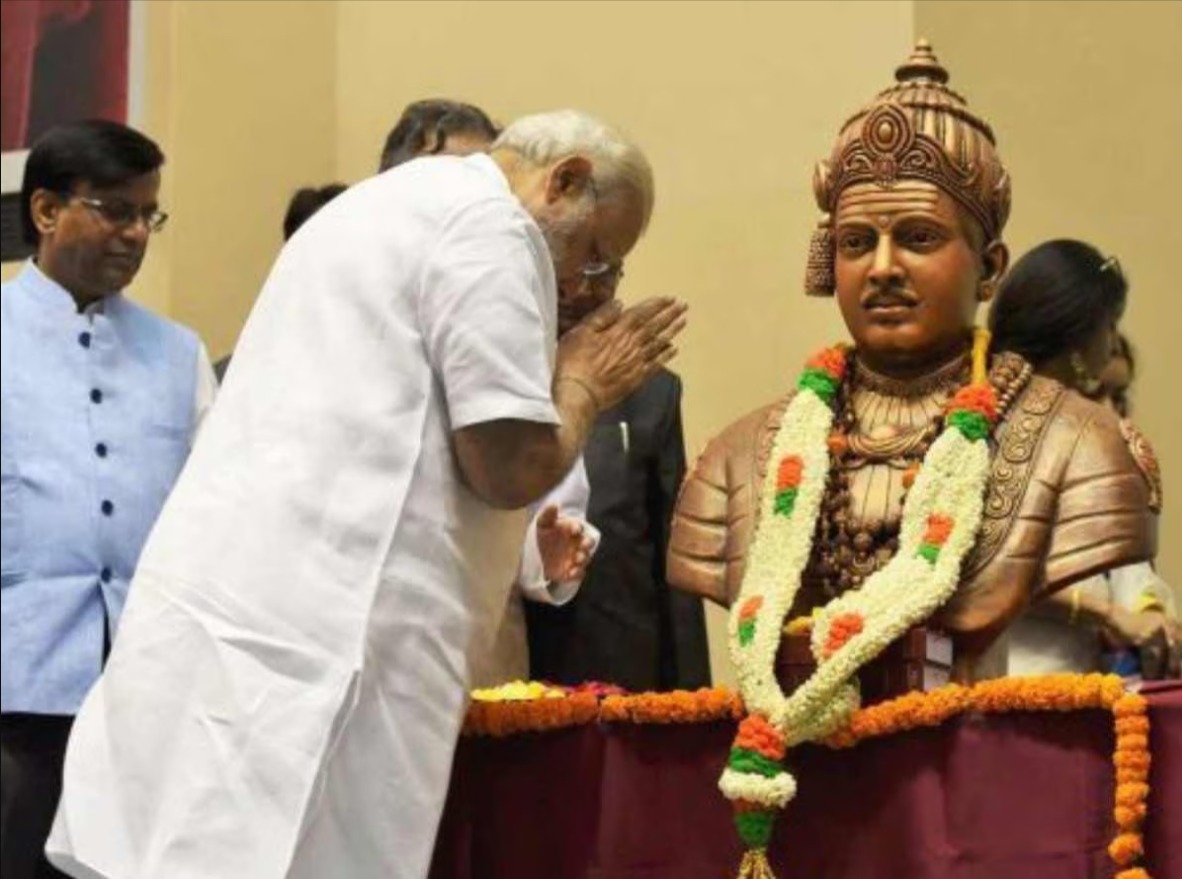
Prime Minister Narendra Modi honored Jagadguru Basaveshwara on Basava Jayanti

During Basava Jayanti, Prime Minister Narendra Modi honored Jagadguru Basaveshwar, who was a philosopher and statesman, and social reformer born in the 12th century. The Karnataka native Basaveshwara emerged in 1131 CE to bring forth the Lingayat movement and combat caste-based systematic prejudices that existed during his time. His Vachana poetry spread social awareness while he launched the Sharana movement that brought forth social democracy together with equality. Prime Minister Modi noted that Basaveshwara's wisdom continues to lead modern Indian citizens in matters of social equality and beliefs.

Context:

  • At the celebration of Basava Jayanti, Prime Minister Modi delivered a tribute to Jagadguru Basaveshwara.

  • The 12th-century philosopher Basaveshwara came from Karnataka, where he was a social reformer along with his work as a philosopher.

  • As the main leader of the Lingayat movement, he championed the concepts of equality together with social justice.

  • Vachanas evolved into key elements that united his philosophy with his messages about society.

  • Basaveshwara battled the caste system because, according to him, social value stems from the accomplishment of deeds rather than ancestry.

Key Points:

  • Through his key efforts, Basaveshwara established the Bhakti movement and propagated the Lingayat sect.

  • He actively fought discrimination based on social class while promoting logical thought and equal opportunity and physical labor as religious practices.

  • The Anubhava Mantapa created by him laid the groundwork for establishing social democratic principles.

  • The religious philosophy of Basaveshwara continues to be vital in our current time because it creates significant change in both social structures and individual spiritual development.

  • The Prime Minister salutes Basaveshwara's enduring heritage as it continues to guide modern social structures in India.

Conclusion

The life’s teachings of Jagadguru Basaveshwara guide the ongoing social progression and spiritual advancement of India. The principles he laid down about equal treatment, combined with social improvement efforts and work ethic respect, align perfectly with modern democratic beliefs. The founder of modern-day social justice movements in India established his foundation through his opposition to the caste system while promoting societal inclusion. His instructions continue to guide people who look for fair and peaceful social structures in their society.

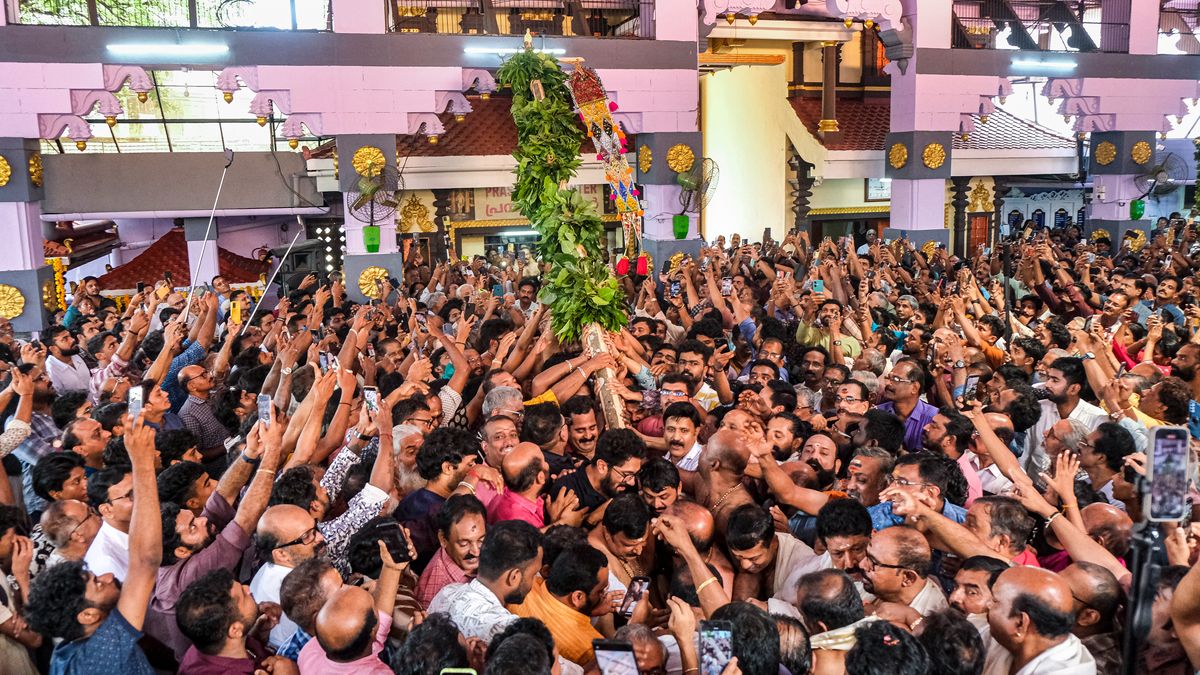
Thrissur Pooram Festivities Kick Off with Ceremonial Flag Hoisting

The official celebration of Thrissur Pooram entered its grand opening during the Malayalam month of Medam. All main temple events, starting from temple flag hoisting, began on this occasion with Thiruvambady and Paramekkavu as primary organizers. The  Thazhathupuraykkal Aashari family created the traditional flagpole at Thiruvambad, which led to specifically conducted rituals during the flag hoisting ceremony. The magnificent Valiya Paani procession occurred before the Kodiyettam at Paramekkavu temple. Thrissur now devotes itself completely to the festivities of Pooram as it celebrates tradition while expressing devotion through spectacular rituals.

About Thrissur Pooram:

  • The special day for Pooram festival falls during “Pooram” star sign alignment with “Medam” of the Malayalam month, across (April-May).

  • Origin: Initiated by Raja Rama Varma (Sakthan Thampuran), the Maharaja of Cochin, in the late 18th century.

  • The festival unites ten temples from Thrissur and surrounding locations to perform sacred devotions at the Vadakkunnathan Temple.

  • The main features during Thrissur Pooram include Kodiyettam (flag hoisting ceremony) as well as elaborate elephant processions and percussion ensembles and spectacular fireworks.

  • The crown of all events takes place on day seven when participants celebrate Pakal Pooram to bring an end to the festivities.

  • This Pooram stands as the largest and most well-known among all the celebrations in India while creating a space of inclusivity when Muslims and Christians together participate.

Conclusion

Thrissur Pooram commemorates Kerala's profound cultural heritage through the combination of religious rituals with amazing cultural rituals. The event displays both a Hindu temple religious ceremony and welcoming behavior by allowing multiple religious groups to join together during festivities. Through its grand processions combined with musical performances and lively fireworks events, Thrissur Pooram represents the essential elements of Kerala culture while celebrating unity in the state as it showcases Indian diversity.

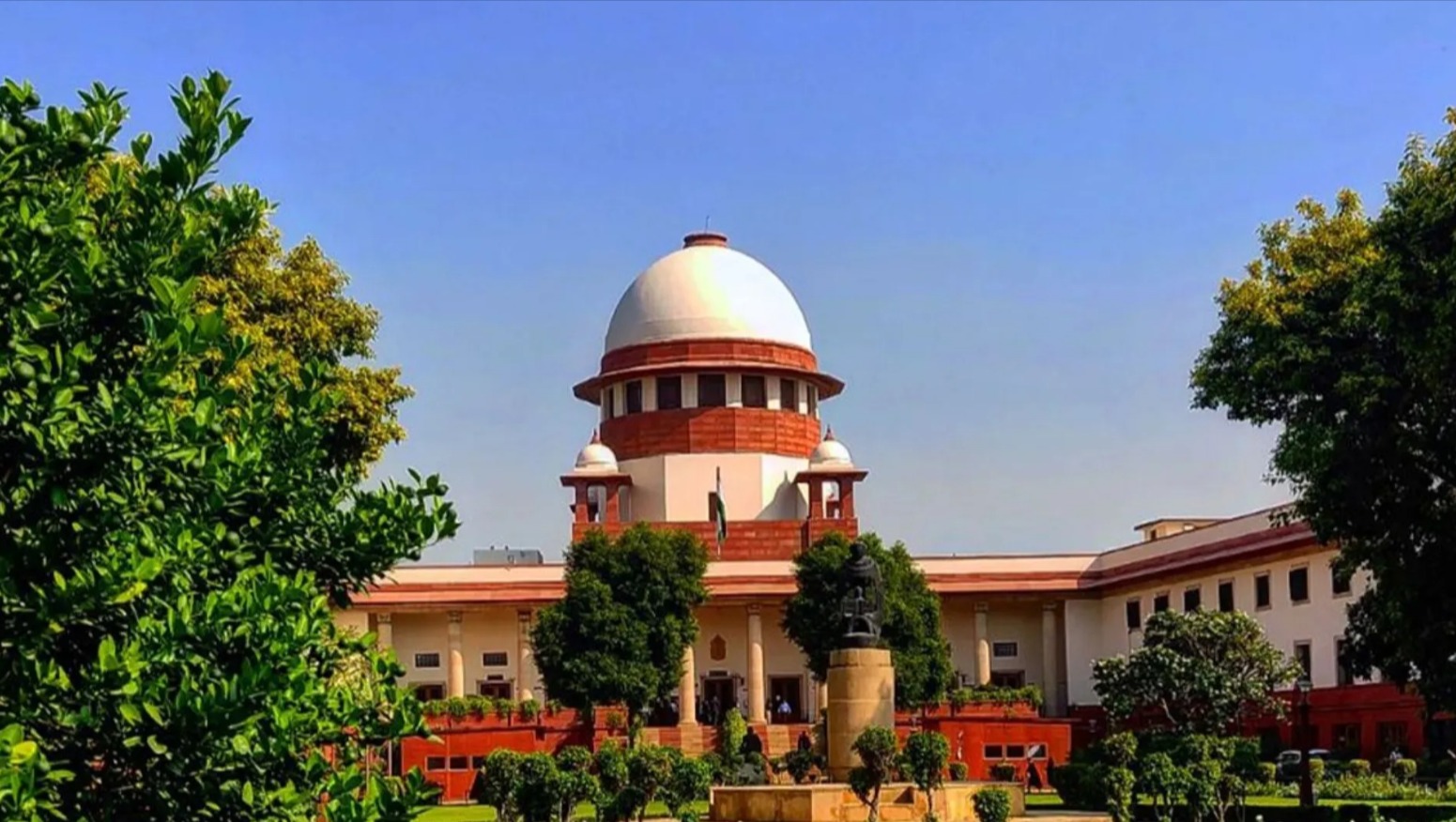
Supreme Court Declares Digital Access as a Fundamental Right Under Right to Life and Liberty

The Supreme Court established digital access as a component of constitutional rights to Life and Liberty as defined by Article 21. The court issued its ruling after examining the problems disabled persons encounter when trying to finalize digital KYC procedures. The Court stressed that the government needs to create digital systems that welcome all users, including vulnerable marginal groups. All public institutions have to establish a digital system that serves all members of society. The judgment creates important conditions for increasing access to both welfare benefits and public services through digital platforms, which are accessible to everyone.

Context:

  • The Supreme Court of India produced a major decision that declared that access to digital inclusion for e-governance and welfare programs falls within the scope of fundamental rights for life and dignity under Article 21 of the Constitution. 

  • The court issued the decision to handle the difficulties disabled persons encounter when performing obligatory digital KYC obligations.

Key Points

Background & Context:

  • The speed of digital transformation in India has been swift, as e-governance, together with Aadhaar authentication and KYC processes and online public service delivery, has become widespread practice. India must prioritize accessibility and digital inclusion because they matter most to persons with disabilities, together with marginalized groups.

  • In this digital period, the Supreme Court has restructured the application process of fundamental rights throughout digital platforms.

What the Supreme Court Said:

  • In their judgment, Justices J.B. Pardiwala and R. Mahadevan emphasized that people need digital access to essential services because it constitutes a basic right.

  • The legal decision stated that digital access denial or creating barriers to digital entry constitutes Article 21 violations of personal rights to freedom and life protection. 

Implications of the Judgment:

After this ruling, anyone who lacks access to digital platforms faces a rights infringement. The governmental sector at both the state and central levels must fulfill its new constitutional duties:

  • Accessible apps and websites (in line with Web Content Accessibility Guidelines – WCAG)

  • Alternative KYC procedures must support inclusiveness by replacing visual or biometric requirements.

  • Multilingual interfaces for public platforms

  • Disability Rights Strengthened: Reinforces provisions of the Rights of Persons with Disabilities Act, 2016 in the digital realm.

All sections need to have digital access to schemes such as DBT, PMAY, pensions and more under the framework of an inclusive E-Governance architecture.

Conclusion

Through this Supreme Court interpretation of the Constitution, India advances by guaranteeing that all people gain equal access to digital development. Conditions for digital inclusivity are necessary in current policies to protect the dignity and equal rights of all citizens.

Cabinet Approves Caste Enumeration in Upcoming Census

The government approved the digital Census diagnosis of caste groups through the Cabinet decision, marking the first nationwide implementation since 1931. The implementation of caste enumeration seeks to obtain extensive caste data that extends past the categories of SCs and STs by employing a structured code directory for reducing duplicate and unclear entries. The updated policies relating to reservation in addition to welfare schemes and delimitation processes, will depend on the collected caste data and serve to enable 33% women's reservation in Parliament. Trained officials will conduct the digital census, which consists of two phases and involves 30 lakh employees who will complete house listing and population enumeration tasks. The historic governance change through this decision will enhance social justice and data-based policymaking while improving electoral fairness in the lead-up to upcoming electoral contests in Bihar.

Context:

  • The Union Cabinet granted authorization for caste enumeration in the coming decennial Census, marking the initial instance since India gained independence in 1947. 

  • Through its digital format, the Census will gather caste data in its second phase, and this will affect how policies develop, together with the allocation of parliamentary seats and the structure of reservation systems. 

  • The nation will conduct its initial caste enumeration since 1931 as part of official decennial Census operations

Key Points

Background:

Pre-Independence Period

  • First Caste-Based Census: Conducted in 1881 under British rule.

  • The 1931 Census stood as the most detailed enumeration that delivered full caste-wise population statistics.

  • A central objective of the British census involved administrative classification based on caste along with "Divide and Rule" policy support through this information.

Post-Independence Period

  • During 1947 onward India stopped performing complete caste counting as part of its decennial census operations.

  • The Census of India focused exclusively on gathering information about Scheduled Castes (SCs) and Scheduled Tribes (STs) since the year 1951.

Mandal Commission (1980s)

  • The Mandal Commission used 1931 caste records to forecast the numbers of Other Backward Classes.

  • The Mandal Commission proposed 27% quota for Other Backward Classes in public employment and education and this policy became official in 1990.

SECC 2011 (Socio-Economic and Caste Census)

  • The government made its initial effort after independence to obtain both socio-economic data and caste information.

  • The data collection process took place under the Ministry of Rural Development instead of Registrar General of India.

  • The outcomes from this study included over 46 lakh caste entries that contained spelling errors and unverified identities and failed to provide an official public release of the data.

  • Standardization together with legal backing should have been established to enhance its practical value.

Caste Census Demand Resurgence (2020s)

  • Various social organizations and political groups pressed authorities to obtain recent caste information for developing better policies and allocations of subsidized positions.

  • Particularly prominent in states like Bihar, Tamil Nadu, and Maharashtra.

Bihar Caste Survey (2023)

  • Bihar launched independent caste enumeration during 2023 because the central government turned down a nationwide caste census.

  • The study from the census demonstrated that OBCs and EBCs represent more than sixty percent of the population living in the state.

Union Cabinet Approval (2025 Census)

  • Under orders from the Government of India the officials adopted caste enumeration within the official statistical census for the first time in 84 years since 1931.

  • Through its digital Census the state will gather caste data utilizing a code directory system that combats data duplication.

Key Features of This Decision:

  • The Caste Enumeration function here as an official component of the Census while the SECC (2011) operated as a mere survey.

  • For the first time ever, a digital census will be implemented through mobile applications.

  • A drop-down caste code directory allows enumerators to maintain standardization while avoiding any confusion in the recorded data.

Why It Matters:

  • The collection of real caste information will strengthen the development of precise welfare initiatives that focus on OBC groups specifically.

  • The available data has the potential to affect current reservation rates for OBCs, SCs and STs and women.

  • Lok Sabha and Assembly seats need redrawing according to population statistics and gender details and caste data during the future delimitation process.

  • The Women’s Reservation Act Section 3 requires census and delimitation data updates to implement its 33% seats for women provision.

SECC vs New Census Enumeration:

Aspect

SECC 2011

New Census

Type

Survey

Statutory Census

Caste Recording

Open-ended (led to 46 lakh+ entries)

Structured via Code Directory

Legal Status

Non-binding

Official Data

Purpose

Socio-economic status of households

Demographic + Caste + Digital Identity

Technical and Administrative Aspects:

  • The software implementation for the digital interface remains under testing conditions.

  • The census will run throughout two successive phases of operations.

  • House-listing

  • Population enumeration (includes caste)

  • 30 lakh trained public sector employees will carry out the enumeration work.

Political Context:

  • The BJP claims this as a move towards inclusion.

  • Previous governments received criticism for preventing caste enumeration according to the Congress leadership.

  • The upcoming Bihar Assembly Elections are likely to be influenced by this announcement due to the sensitivity of caste in its electoral structure.

Conclusion

Through its decision to make caste enumeration part of the upcoming digital Census, the Union Cabinet created both historic and strategic developments which will transform India's social justice administration and electoral arrangements as well as the policy-making process. This move represents progressive government operations based on data and supports the equity and inclusion standards established in the constitution. 

Frequently Asked Questions (FAQs)

The current affairs cover recent national and international events related to UPSC, SSC, Banking, Railways, and State PCS.

You need to read about the current affairs daily, and revise them every week and every month to keep them longer in your memory.

Yes, Class24 provides free downloadable Daily Current Affairs PDFs for easy revision.

Yes, you can practice MCQs and quizzes to boost your exam preparation.

Absolutely. The content is written in simple, easy-to-understand bilingual language suitable for beginners.

Go to class24.com and click on the current affairs section directly, where you find everything that you need.

ssc-toppers

Start Learning Today with Class24

Related current affairs

Class24 offers free video lectures for smart preparation, covering CGL, CPO, CHSL, MTS, and GD exams. Learn from expert faculty, revise concepts easily, practice with PYQs, and improve speed and accuracy through high-quality, exam-focused video lessons anytime, anywhere.

Get success in your hand. Start study anytime anywhere.

The journey becomes simple and enjoyable when you start taking interest in it. And through our app “Class24”, we will be your trusted partners in developing that interest.

Daily Quizzes
Mock Tests
Ongoing

No ongoing tests right now.