
Day: April 9, 2025

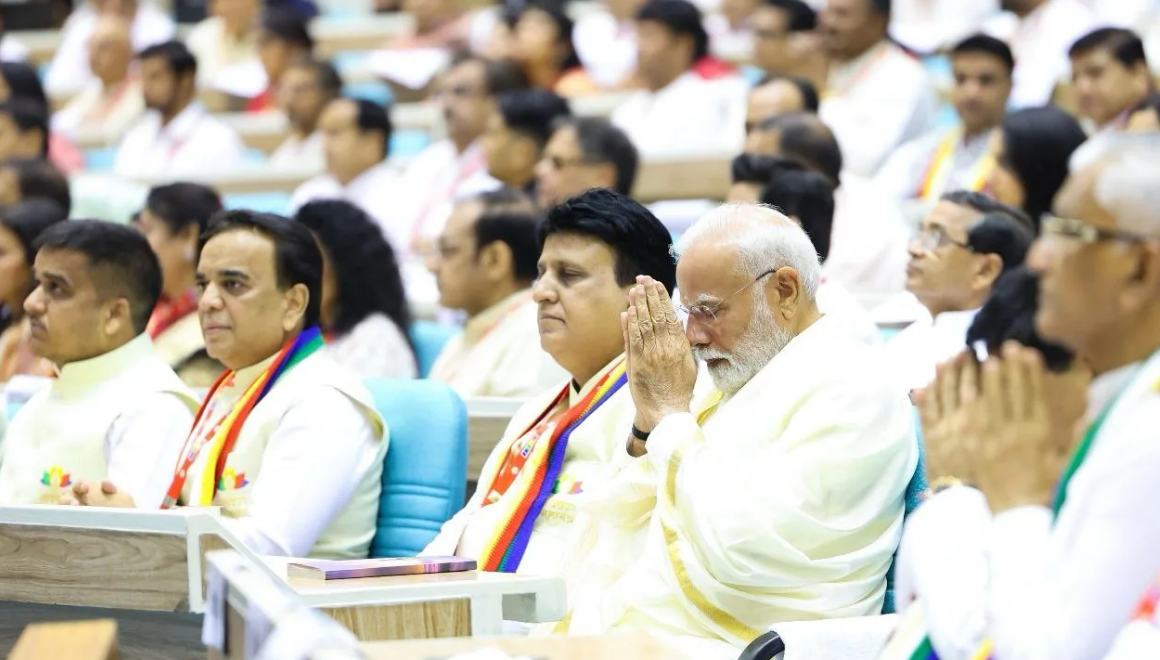
PM Modi Inaugurates Navkar Mahamantra Divas to Promote Jain Ethics Globally

The spiritual holiday of Navkar Mahamantra Divas has people unite to recite the Navkar Mantra as a way to honor the fundamental ideas of Jain philosophy. Jain philosophies demonstrate enduring applicability in present-day global matters including environmental crisis and social disputes as well as moral existence. During Navkar Mahamantra Divas Prime Minister Modi connected Jainism’s sustainable practices to the Indian Mission LiFE by presenting nine life principles which embrace Jain ethical values including non-violence and humility and disciplined conduct. Over 108 nations sent representatives to participate because India showed its dedication to peace while featuring its multicultural diversity and preserving its heritage and sustaining the environment.

Context:

  • Prime Minister Narendra Modi ushered in Navkar Mahamantra Divas at Vigyan Bhawan, New Delhi to honor the sacred Navkar Mantra from Jainism through a special event. 

About Navkar Mahamantra:

  • Among all prayers in Jainism Navkar Mahamantra stands as the supreme religious utterance.

  • The mantra reveres enlightened masters who belong to the groups of Arihants, Siddhas, Acharyas, Upadhyayas and sadhus.

  • The mantra provides instruction on spiritual enlightenment as well as ethical values through its teachings of inner transformation.

  • The belief system of Jainism embodies three fundamental teachings which include Ahimsa non-violence and both humility and truth-seeking.

About Mahavir Jayanti and Lord Mahavir:

  • Lord Mahavir who became the 24th Tirthankara of Jainism appeared on this earth during the celebration known as Mahavir Jayanti.

  • Vardhamana began his life journey as a royal family member during 615 BC.

  • At 30 years of age he forsook worldly existence to discover absolute truth.

  • Through 12 years of worship Lord Mahavir achieved the state of complete wisdom which is known as Kevala Jnana.

  • Lord Mahavir proclaimed that Non-violence stands as the greatest religion.

  • Lord Mahavir's wisdom continues to sustain peace and unity among people globally in present-day society.

Significance of Navkar Mantra:

  • According to the PM, the mantra serves as an uninterrupted mental flow which contains spiritual components along with peacefulness and mental equilibrium.

  • The mantra cleanses spiritual essence and produces peace within.

Philosophical Dimensions:

  • Navkar Mantra offers recognition to all 108 divine virtues which reside among five spiritual entities.

  • The mantra contains all three elements which include the correct knowledge with correct faith and right conduct.

Cultural and National Integration:

  • Through his remarks PM discussed how Jain traditions permeate both Indian traditions and architectural designs that have shaped the new Parliament of India.

  • The program initiated preservation efforts for ancient Jain manuscripts as well as digitalization programs.

Jainism’s Relevance to Modern Challenges:

  • Jainism provides ethical guidelines to address environmental issues as well as peace maintenance and responsible consumption.

  • The principle of Anekantavada teaches how to establish tolerance within a harmonious environment.

Nine Resolutions Proposed by PM Modi:

  • Water Conservation

  • Planting a tree in Mother’s name

  • Cleanliness Mission

  • Vocal for Local

  • Explore India

  • Adopt Natural Farming

  • Healthy Lifestyle

  • Incorporate Yoga and Sports

  • Helping the Poor

Global Participation and Unity:

  • Participants from 108 nations around the world participated in the Divas.

  • The unified presence of Jain sects demonstrated both an atmosphere of peace as well as full acceptance of members from all Jain sects.

Conclusion

The Navkar Mahamantra Divas brought together spirituality with sustainability and global peace through a traditional gathering. Through the Prime Minister's motivational speech and policy recommendations the gathering established how Jain teachings continue to address present-day moral as well as environmental and social concerns. The celebration honored Jain heritage while supporting India's goal to develop into a nation based on compassion toward both global and cultural foundations.

De-Extinction of Dire Wolf: Scientists Revive Ancient Predator Using DNA

Scientists at Colossal Biosciences celebrated their major scientific achievement when they successfully revived the extinct dire wolf predator from its disappearance during the 12,500-year period on April 9, 2025. Awareness of dire wolf-like pups born through ancient DNA research using gene-editing methods established a new scientific phase about de-extinction while creating ethical uncertainties alongside ecological concerns. The dominant North American predator named dire wolf disappeared because of changing environments and activities conducted by human populations. Scientists utilize genetic engineering advances to examine potential ways for restoring vanished species because this approach supplements ecological recovery and evolutionary studies.

Context:

  • Scientists at Colossal Biosciences celebrated their major scientific achievement when they successfully revived the extinct dire wolf predator from its disappearance during the 12,500-year period on April 9, 2025

About Dire Wolf:

  • Scientific name: Aenocyon dirus.

  • Larger and more robust than the modern grey wolf.

  • The dire wolf subsisted by hunting huge herbivorous animals which included bison together with horses.

  • Extinct: approximately 12,500 years ago.

De-Extinction Process:

  • The extraction of ancient DNA relied on a 13,000-year-old tooth alongside 72,000-year-old skull material.

  • The analysis of genetic material proved grey wolf stood as the most related existing species to dire wolves.

  • By applying gene editing scientists modified dire wolf characteristics to living canids.

Birth of the Pups:

  • The breeding occurred during October 2024 when Romulus and Remus emerged as two male pups.

  • The dire wolf breeding process resulted in the birth of Khaleesi the female pup in January 2025.

  • Raised in a 2,000-acre secure facility.

  • Current wolf packs display social behaviors which differ from how dire wolves grouped together.

Scientific and Ethical Considerations:

  • Both pups carry 99.5% wolf DNA but their genetic structure does not match that of dire wolves.

  • Scientists dispute if animals made through de-extinction can properly replicate their extinct relatives.

  • Scientists worry about how reintroduced species behave as well as their welfare condition while examining their ecological impact.

Future Prospects:

  • The bioengineering company Colossal Biosciences intends to develop de-extinction efforts targeting both woolly mammoths and dodos.

  • Success and survival of such species in the wild remain uncertain.

Technological Impact:

  • The capability exists to utilize genome reconstruction for helping conservation initiatives.

  • The obtained research can help establish preventive methods to keep present species from going extinct.

  • Raises philosophical questions about human intervention in evolution and nature.

Conclusion

The resurrection of the dire wolf marks a significant advancement in biotechnology since it merges reality with once-unthinkable concepts from science fiction. Future synthetic biology research will require comprehensive ethical standards and thorough environmental effect studies to coordinate its development because this technology creates new possibilities for ecological conservation and restoration.

ESA’s Biomass Mission 2025: Tracking Global Forest Carbon Storage via Satellite

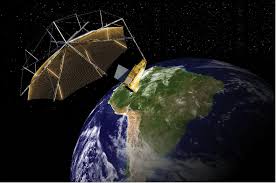
The European Space Agency (ESA) plans to launch the Biomass Mission as part of the Earth Explorer Programme during April 29 2025. A P-band synthetic aperture radar aboard this mission operates to deliver exact data regarding forest biomass together with carbon storage information along with measurement of ecosystem transformations. The initiative steps in where forest monitoring systems currently lack performance while helping worldwide climate change initiatives. Its scientific goals help ESA achieve broader objectives and develop research in climate science.

Context:

The forest ecosystem functions as a crucial carbon absorption system to draw down extensive quantities of CO2. Forest embracing carbon remains insufficiently understood because of deforestation activities combined with insufficient precise data collection. The ESA Biomass mission solves this essential information void through the implementation of sophisticated spaceborne technological equipment.

Key Highlights

  • The primary mission goal involves quantifying forest biomass throughout the planet along with its carbon storage alterations.

  • Launch Date: Scheduled for April 29, 2025.

  • A single spacecraft orbits with P-band Synthetic Aperture Radar equipment which operates at 435 MHz.

  • The satellite operates from a low altitude around Earth to gather precise data through interferometry.

Expected Outputs:

  • 3D images of forest canopies

  • Measurement of forest height and structure

  • Estimation of carbon content

  • Time-based analysis of deforestation together with tracking forest degradation events

Environmental Significance:

  • The annual CO2 emissions in forests amount to approximately 16 billion metric tonnes.

  • The tropical forests lost 3.7 million hectares in the year 2023.

  • The mission will monitor deforestation by supporting climate action initiatives.

Additional Goals:

  • Observation of Antarctic ice sheet movements.

  • The development of digital elevation models operates within dense vegetation areas.

  • Contribution to ecological and climate research worldwide.

Earth Explorer Programme Overview:

The Biomass mission belongs to the Earth Explorer program initiated by ESA that consists of these projects:

  • GOCE (Gravity & Ocean Circulation)

  • SMOS (Soil Moisture & Ocean Salinity)

  • CryoSat (Ice Monitoring)

  • Swarm (Magnetic Field)

  • Aeolus (Wind Profiles)

  • EarthCARE (Cloud-Aerosol Radiation)

  • FLEX (Photosynthesis Monitoring)

  • FORUM (Far-infrared Radiation)

  • Harmony (Earth Surface Motion)

Conclusion

The Biomass mission stands as a vital advancement for climate science because it provides innovative knowledge about forests together with their climate impact and environmental evolution. The spacecraft's necessary data collection will enhance worldwide environmental governance through improved forest observation abilities while elevating ESA's position as Earth observation and climate commitment leader.

Padma Shri Ram Sahay Pandey Passes Away: Rai Dance Legend from Madhya Pradesh

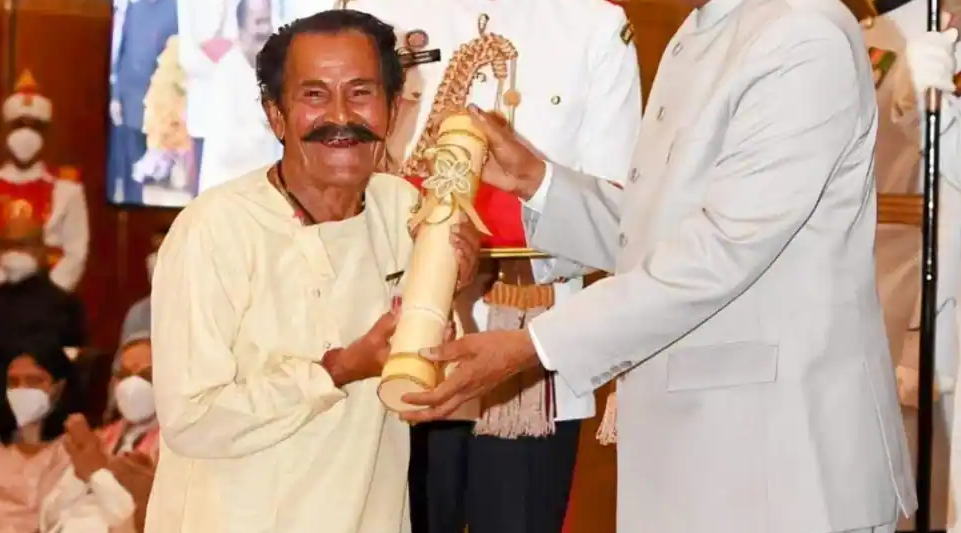
Padma Shri awardee Ram Sahay Pandey died at 92 years old in Madhya Pradesh. After overcoming economic poverty and life as an orphan and caste stigma he elevated Rai traditions into a cultural icon that defied social stigmatization. The social opposition that he faced never deterred Pandey from using his entire life to protect Bundelkhand's heritage by creating institutions while performing Rai in worldwide stages. The numerous accolades of Padma Shri 2022 and previous awards together with Pandey’s lasting influence make him a symbol for cultural progress and social change. His death concludes a historic period in the history of Indian folk art.

Context:

  • The passing of Ram Sahay Pandey produces a severe void within India’s cultural heritage and folk art traditions. 

  • This versatile artist from the Sagar district of Madhya Pradesh managed to redefine the Rai folk dance tradition which belonged to the marginalized Bedia community then shifted it toward national and international acclaim.

About Ram Sahay Pandey:

Early Life and Background:

  • Born on 11th March,1933 in Maddhar Patha village of Sagar district of Madhya Pradesh.

  • His childhood was marked by the loss of his parents when he was young as he grew up in a Brahmin farming household while overcoming economic and social troubles.

Introduction to Rai Dance:

  • He came across Rai dance at the age of 14 when attended a fair in my local area.

  • Before he turned 15 he discovered Rai and immediately made a decision to dedicate all his years pursuing its preservation and popularization.

Challenging Social Norms:

  • Rai dance carried negative associations for higher castes in the social hierarchy because the Bedia community traditionally performed it until the Criminal Tribes Act classified them as criminal.

  • Rai led his life as a Brahmin yet selected this dance form against all opposition and social resistance even though he received harsh critique.

Legacy and Cultural Impact:

  • With the mission to preserve local cultural traditions Bundelkhandi Lok Nritya Natya Kala Parishad opened as an institute.

  • Through his efforts he resuscitated Rai dance which gained both academic and artistic recognition nationwide.

Awards and Recognition:

  • The government recognized his important achievements in folk art by presenting him the Padma Shri in 2022.

  • He received the highest title in dance through the 'Nritya Shiromani' in 1980.

  • The Tribal Folk Art Council of the MP Government had him as a member in his service.

Performances and Outreach:

  • His performance debut took place at Ravindra Bhavan Bhopal during 1964.

  • The dancer showcased Indian performance arts in both Japan during 1984 and Dubai in 2006.

Demise and Tributes:

  • His life ended in a private hospital in Sagar following an extensive illness.

  • People of Kanera Dev village prepare to conduct the last funeral rites.

  • The passing of Ram Sahay Pandey left a permanent void in Indian culture because Mohan Yadav and government leaders recognized his arts as essential to the nation.

Conclusion:

Ram Sahay Pandey embodied more than a stage performer because he combined community reform with artistic leadership and stayed strong. The example of this life demonstrates perpetual inspiration for new generations through its combination of warfare and bravery as well as his unshakable cultural dedication. Indian folk cultural legacy will forever preserve the significant contribution made by Ram Sahay Pandey.

Dubai Crown Prince Visit Boosts India-UAE Strategic, Trade, and Education Ties

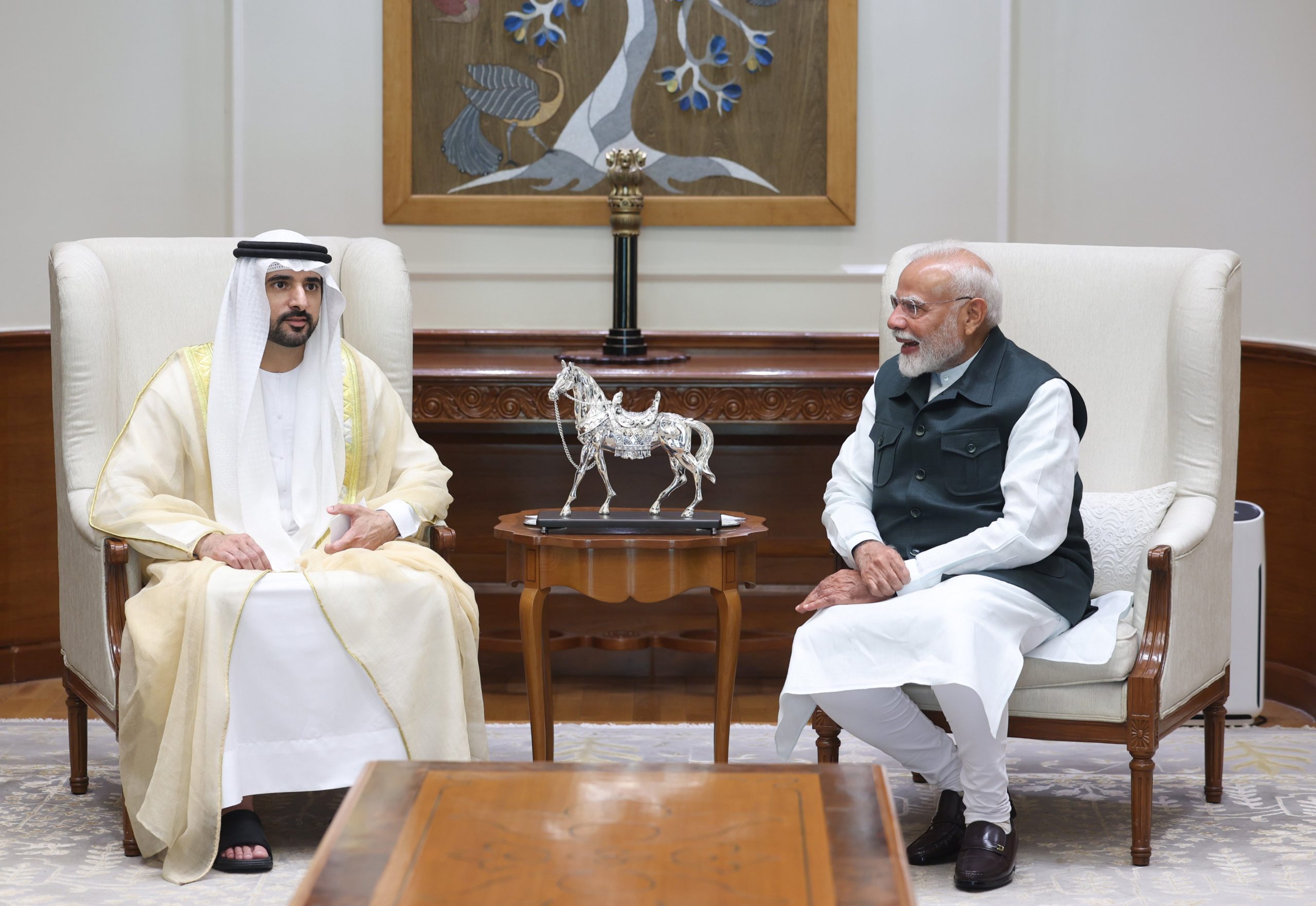
Crown Prince Sheikh Hamdan bin Mohammed bin Rashid Al Maktoum led a visit to India for boost the India-UAE Comprehensive Strategic Partnership. The two countries made progress through forging deeper defence relations and building top Indian educational centers in Dubai and improving trade systems and expanding cultural ties. This visit created a significant development point in India-UAE diplomatic progress.

Context:

  • Sheikh Hamdan performed his initial formal trip to India while serving as both Crown Prince and Defence Minister of the UAE. 

  • The Crown Prince of the UAE engaged in crucial talks with Indian leaders including PM Narendra Modi to advance the present-day development of the India-UAE partnership.

Strategic and Defence Cooperation:

  • Defence sector entities should focus on developing expanded industrial cooperation.

  • Agreement on joint training, co-production, and development of defence equipment.

  • Formalisation of Coast Guard-to-Coast Guard collaboration through a new MoU.

  • Encouragement of participation in defence expos and joint ventures.

Trade and Economic Engagement:

  • Discussions on CEPA and the Virtual Trade Corridor (VTC) for enhanced trade facilitation.

  • Launch of 3D rendering of the Bharat Mart complex in Dubai.

  • Opening of India Office of the Dubai Chamber of Commerce.

Educational and Health Initiatives:

  • The Indian Institute of Management Ahmedabad plans to launch its Dubai MBA program during the fall period of 2025.

  • The newly built IIFT campus will become the first educational institute to operate overseas at Expo City Dubai.

  • The government dedicated land to build India-UAE Friendship Hospital with the purpose of providing inexpensive medical care for Indian immigrants.

Industrial and Maritime Cooperation:

  • Cochin Shipyard Ltd together with Drydocks World signed an agreement to build ship-repair facilities in Kochi and Vadinar.

  • Marine infrastructure development receives an enhancement through shared offshore fabrication activities between India and its partners.

Cultural and Diaspora Connect:

  • Acknowledgement of the 4.3 million-strong Indian diaspora in the UAE.

  • During his meeting PM Modi stressed the importance of maintaining intergenerational connections between both nations alongside established cultural relationships.

  • Shared vision for people-centric cooperation in health, education, and commerce.

Conclusion

The Crown Prince visit reinforces the growing India-UAE Comprehensive Strategic Partnership through specific achievements between both nations in defense programs as well as trade and educational exchange and community support. The achievement advances friendly ties between both nations while creating new partnership pathways that boost India's increasing international position in the Gulf and global player status.

Rising Burden of Non-Communicable Diseases (NCDs) in India

Chronic illnesses known as Non-Communicable Diseases cannot spread between individuals. Recent years have witnessed an intense increase of NCDs in India because of urban lifestyle changes, population aging, and poor health education across the population. These diseases pose significant challenges to public health systems on worldwide as well as national levels. WHO (2022) reports NCDs as the cause of 66% of all deaths throughout India during 2019.

Context:

  • The number of Non-Communicable Diseases (NCDs) is rising rapidly in urban India and women who have passed menopause experience heightened risks. 

  • The major causes include modern living adaptations combined with metropolitan growth together with dietary patterns and environmental conditions. 

  • The government launched initiatives which include national programs and public awareness campaigns for burden mitigation.

What are Non-Communicable Diseases?

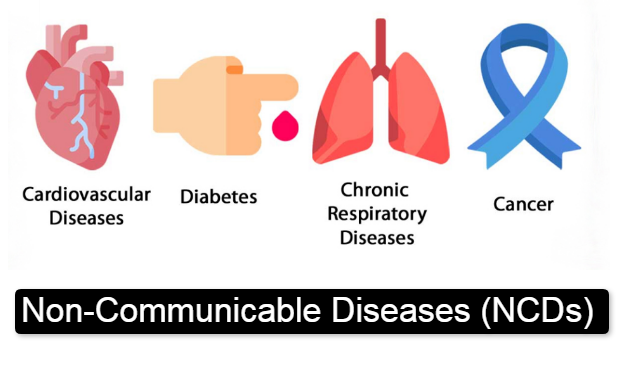
  • Medical science defines NCDs as long-lasting chronic conditions that do not transmit through infections.

  • The most common non-communicable diseases affect the heart, lead to cancer development along with diabetes, affect respiratory function and generate mental health issues.

  • Population groups face increased risk for NCDs through unhealthy eating behavior along with physical inactivity and tobacco consumption, alcohol misuse, environmental pollutants and additional environmental contributors.

  • WHO (2022) reports NCDs as the cause of 66% of all deaths throughout India during 2019.

Role of Urbanisation in Increasing NCD Burden:

  • Shifting economic models toward service-based urban sectors lead to labor job reduction which creates more people spending inactive days.

  • The consumption of processed and fast foods leads to poor nutritional outcomes in people's dietary patterns.

  • Respiratory and cardiovascular diseases present more severe conditions due to elevated pollution levels which urban environments commonly experience.

  • People in urban areas tend to consume more alcohol and tobacco products thereby increasing their risk of NCDs.

  • City residents face higher mental health stress because the traditional joint family structure has weakened.

Government Initiatives:

  • The NP-CDCS (2010) focuses on both the prevention and control measures of cancer together with diabetes and cardiovascular diseases and stroke and chronic kidney disease etc.

  • The National Action Plan underlines strategies to decrease premature NCD mortalities by 25% throughout 2025 following WHO's Global Action Plan.

  • SDG Target 3.4: Calls for one-third reduction in premature mortality from NCDs by 2030.

  • Ayushman Bharat PM-JAY: Provides coverage for NCD treatments to over 10 crore families.

  • Through Fit India Movement and Yoga Promotion the government seeks to promote physical activity for combating lifestyle-related diseases.

  • National Mental Health Programme: Enhances access to mental health care through teleconsultation services.

Conclusion

Public health outcomes together with economic development face major risks from the escalating rates of non-communicable diseases in India. This urbanization trend represents a main factor yet authorities and healthcare providers together with public education efforts will help diminish NCD risks. India needs to combine strengthened national initiatives with preventive healthcare practices to decrease NCD-related deaths and improve total health results across the nation.

Supreme Court’s Voluntary Asset Disclosure: A Step Toward Judicial Transparency

Judicial institutions acknowledge that transparency needs along with public trust have motivated their decision to provide asset disclosure. The system of judicial responsibility in India has operated through self-governing resolutions together with moral standards lacking formal regulatory structures. The new decision gains strength from those advocating for more defined rules regarding judicial conduct.

Context:

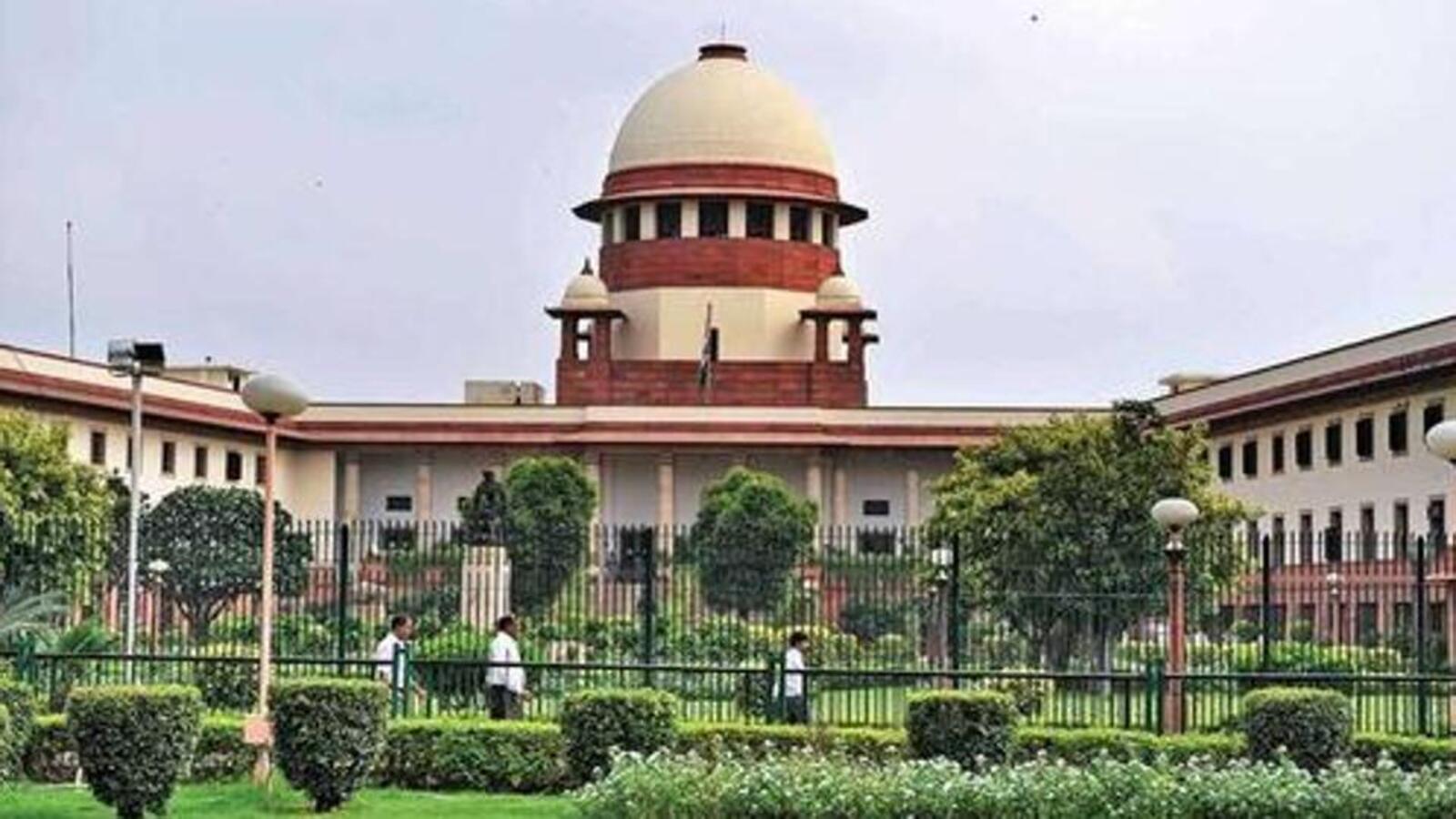
  • The Supreme Court of India including its Chief Justice made a significant recent court decision to give asset declarations to the CJI through an optional public website disclosure. 

  • The Supreme Court implements this policy during increasing public expectations about judicial transparency along with reports connecting a sitting High Court judge to burned money.

Key Highlights of the Decision:

  • The existing judges of the Supreme Court are expected to present their asset declarations to the Chief Justice of India.

  • This order extends to cover even the position of the Chief Justice himself.

  • During their time in position judges need to inform the court about substantial acquisitions they acquire.

  • Voluntary disclosure of information exists on the Supreme Court website rather than representing an official requirement.

  • A total of 30 judges starting from CJI have already provided their asset declarations to the court administration.

Background and Evolution:

  • Restatement of Values of Judicial Life (1997):

    • Judges should provide voluntary asset declarations to the Chief Justice of India according to the recommendation in the Restatement of Values of Judicial Life (1997).

    • Judges of the High Courts needed to present asset declarations to their corresponding Chief Justices.

    • Judges had to submit their declarations privately through the Chief Justice of India without public disclosure permissions.

  • RTI Act (2005) and Judicial Exception:

    • According to section 8(1)(j) of the Act personal information cannot be released to the public unless public benefit surpasses the potential damage.

    • The Supreme Court continues to oppose public disclosure of judicial assets throughout its history.

  • Judicial Decisions and Cautions:

    • The SC has established the position that judges should not be required to file asset disclosure documents.

    • Disclosing financial information had to meet the specific test of serving public needs.

  • Parliamentary Recommendation (2023):

    • Judges should disclose their assets through mandatory requirements according to the Parliamentary Standing Committee on Law and Justice.

    • The recommended action to disclose judges' assets failed to receive any legislative or administrative implementation.

Why This Decision Matters:

  • Promotes Judicial Accountability:

    • Being public servants judges need to demonstrate accountability in their personal behavior to protect public life integrity.

  • Restores Public Trust:

    • Judicial organization suffers reduced credibility because transparency remains insufficient. Judicial declarations play a role in rebuilding trust in the public institutions.

  • Responds to Public Outrage:

    • The Justice Yashwant Varma case which discovered burned banknotes sparked controversies about hidden influence in court appointments and relocation transfers.

  • Aligns Judiciary with Other Branches:

    • Both elected officials and bureaucrats currently need to present details of their assets.

    • Judges who reveal their assets position both judicial institutions at equal levels while making them more accountable to the public.

  • Deters Misuse of Office:

    • Public asset declaration serves to discourage corrupt behavior that arises from improper judicial influence and unethical enrichment.

International Best Practices in Judicial Asset Declaration and Transparency:

  • United States: All United States judges who serve on the federal level and at the Supreme Court must annually submit their financial information in public reports as specified by the Ethics in Government Act of 1978.

  • Canada: Under the Canadian Conflict-of-Interest Act all judges selected for federal positions must file statements that detail their finances as well as liabilities and existing ownership interests.

  • Australia: The legal system in Australia depends on principles that are not legally binding yet judges make voluntary statements about their financial interests to stay free from conflicts.

Concerns and Limitations:

  • Voluntary Nature of Disclosure:

    • The requirement to disclose assets exists only as an option because judges are free to reject it.

    • The absence of mandatory compliance reduces the capability of decisions to deliver complete transparency.

  • No Enforcement Mechanism:

    • The lack of statutory authority prevents both punishment and sanctions against non-compliant or fabricating declaration situations.

  • Opaque Transfer System:

    • The process of judicial transfers has no government supervision and the relationship between inspections of assets and transfer approvals lacks procedural requirements.

  • RTI Limitations Remain:

    • Although the information has relocated to the SC website citizens cannot freely access it under legal right principles.

Way Forward:

  • Make Disclosure Mandatory:

    • Judges should disclose their assets through mandatory annual reports that are established by legislative or administrative bodies.

  • Statutory Framework:

    • The government should pass or re-establish legislation that establishes rules for judge conduct disclosure responsibilities.

  • Independent Oversight Body:

    • The Judicial Oversight Committee should receive authorization to conduct audits of judicial assets followed by declaration reviews before their public dissemination.

  • Codify Ethics in Law:

    • The Restatement of Values of Judicial Life (1997) needs to achieve statutory power through enforceable provisions.

  • Publicly Accessible Database:

    • A Supreme Court-monitored public database needs creation as a centralized platform to maintain asset records updated on a regular basis.

Conclusion

By accepting voluntary asset disclosures the Supreme Court initiated a vital advance toward making judicial institutions accessible to public evaluation and responsibility measurement. The implementation of mandatory asset disclosure creates transparency since its establishment despite recent judicial scandals. The proper functioning of a transparent judiciary system under the rule of law depends heavily on building lasting public trust in the justice system.

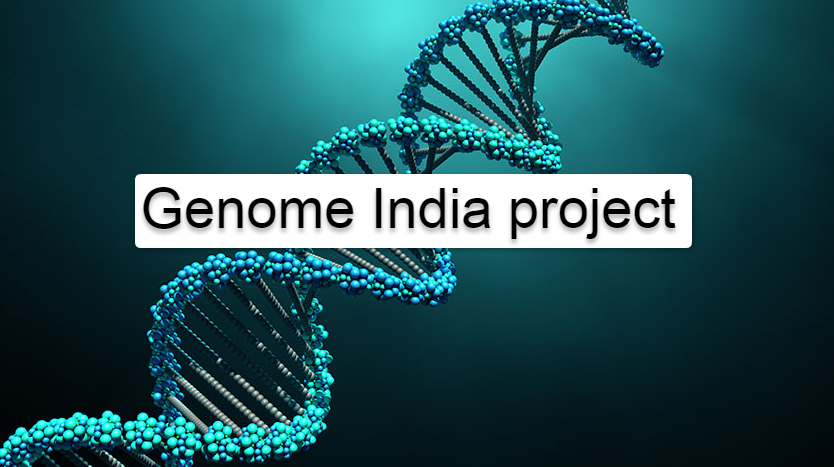
GenomeIndia Project: 180 Million Genetic Variants Discovered in Indian Population

The GenomeIndia project started its mission in 2009 as a research collaboration between 20 Indian organizations that worked to decipher the genetic variations within India's large population. The collected genomic data consisted of 10,074 samples but the detailed evaluation centered on 9,772 individuals. A total of 85 Indian populations participated in the study by providing blood samples while tribal group members numbered 32 and non-tribal members amounted to 53. Through the leadership of CSIR-CCMB in Hyderabad the GenomeIndia project conducted genome sequencing at several institutions including the Centre for Brain Research at IISc Bangalore and at the Institute of Genomics & Integrative Biology in Delhi and the National Institute of Biomedical Genomics in Kolkata and Gujarat Biotechnology Research Centre in Gandhinagar.

Context:

  • The preliminary stage of GenomeIndia research has discovered 180 million genetic variants after processing whole genome sequences from 9,772 unaffected and non related people who belonged to different Indian populations. 

  • Both tribal populations and non-tribal populations in the collected data will drive the development of low-cost diagnostics and personalized medicines to establish precision healthcare in India.

Key Highlights:

  • Sample Diversity: The project used 85 different population groups which included both 32 tribal groups and 53 non-tribal groups to achieve comprehensive representation. The median participant count reached 159 for non-tribes while the tribal group included 75 members.

  • Participant Demographics: 4,696 out of 9,772 participating individuals were male while 5,076 were female in the analyzed population.

  • Sequencing Effort: 10,074 whole genome sequencings took place but researchers analyzed 9,772 samples after discarding information from two populations.

  • Variant Discovery: Researchers discovered 180 million genetic variants that led to essential data findings during the study.

    • 130 million in autosomes (non-sex chromosomes)

    • 50 million in sex chromosomes (X and Y)

  • Disease Relevance: Some disease-related variants help determine how people react to diseases along with how they are affected by treatments but these genetic elements are both specific to unique populations and rare.

  • Functional Importance: Research teams seek to locate variants with functional importance by examining components that determine both disease exposure and the reactions of pharmaceuticals together with the adaptation to environmental situations such as elevation changes and reduced atmospheric oxygen.

  • Applications:

    • Development of low-cost diagnostic kits

    • Personalised and precision medicine

    • Better understanding of complex diseases and genetic adaptations (e.g., high-altitude survival)

    • The data maintains potential value to build variant panels which could benefit future research involving sequencing and genotyping work.

    • Through its mechanisms the system helps researchers recover data from small-sized genotyping experiments.

  • Data Repository: Genomic data operates as a repository within the Indian Biological Data Centre (IBDC) which maintains its location at Regional Centre for Biotechnology in Faridabad, Haryana.

  • Future Prospects: The genome data integration process with blood biochemistry results alongside anthropometry measures will lead to superior diagnostic capabilities and therapeutic precision for patients. Researchers will publish a detailed paper within upcoming months.

Conclusion

The GenomeIndia project stands as a major advancement in studying the genetic features of Indian people. The 180 million genetic variants provide a basis to forecast diseases and advance diagnosis and customized healthcare. The widespread genomic sequencing project combined with extensive inter-institutional collaboration proves India's ability to conduct advanced genomic research which delivers long-term benefits to healthcare innovation. The pioneering research contains local empowerment along with global genomic database contribution for understanding human diversity and evolutionary patterns.

Frequently Asked Questions (FAQs)

The current affairs cover recent national and international events related to UPSC, SSC, Banking, Railways, and State PCS.

You need to read about the current affairs daily, and revise them every week and every month to keep them longer in your memory.

Yes, Class24 provides free downloadable Daily Current Affairs PDFs for easy revision.

Yes, you can practice MCQs and quizzes to boost your exam preparation.

Absolutely. The content is written in simple, easy-to-understand bilingual language suitable for beginners.

Go to class24.com and click on the current affairs section directly, where you find everything that you need.

ssc-toppers

Start Learning Today with Class24

Related current affairs

Class24 offers free video lectures for smart preparation, covering CGL, CPO, CHSL, MTS, and GD exams. Learn from expert faculty, revise concepts easily, practice with PYQs, and improve speed and accuracy through high-quality, exam-focused video lessons anytime, anywhere.

Get success in your hand. Start study anytime anywhere.

The journey becomes simple and enjoyable when you start taking interest in it. And through our app “Class24”, we will be your trusted partners in developing that interest.

Daily Quizzes
Mock Tests
Ongoing

No ongoing tests right now.