
Day: April 2, 2025

Gangotri National Park: A Gateway to Himalayan Biodiversity

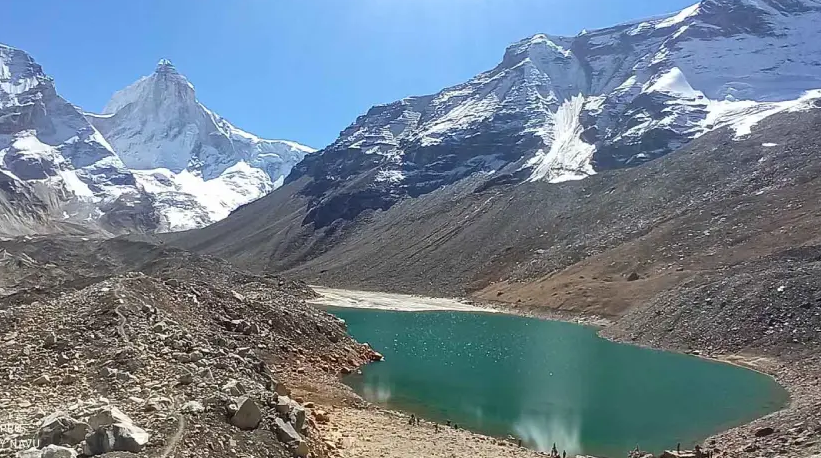
The tourist access to Gangotri National Park in Uttarkashi district of Uttarakhand is now officially available. The vast 2,390 square kilometer space of the park is popular because it shelters the rare snow leopard in its natural environment. The forest contains multiple species of rare animals among which stand the black and brown bear and the musk deer alongside the blue sheep (Bharal) and the Himalayan Monal. Repair initiatives have begun on the Gangotri-Gomukh trek because of glacier-related landslides yet management groups hope to establish travel access soon. Two fresh trekking routes are now open while permits become available during the May to October period.

Key Points:

Introduction:

  • Two fresh trekking routes are now open while permits become available during the May to October period.

  • The tourist access to Gangotri National Park in Uttarkashi district of Uttarakhand is now officially available.

Location and Establishment:

  • Established in 1989.

  • The area lies above Bhagirathi River's catchment in Uttarkashi of Uttarakhand.

  • Gaumukh represents the birthplace of Ganga River within the boundaries of this conservation area.

  • Forms a continuous ecological corridor between Govind National Park and Kedarnath Wildlife Sanctuary.

Flora:

  • Thick coniferous forests extend across this area where temperatures follow the variables of temperate ecosystems.

  • Major vegetation within this area consists of chir pine, deodar, fir, spruce, oak, and rhododendron.

Fauna:

  • The location shelters several rare and endangered species.

  • The park supports diverse fauna consisting of snow leopard together with bharal (blue sheep), Himalayan tahr, musk deer, black bear, brown bear, Himalayan Monal, and Himalayan snowcock.

Tourism and Trekking Routes:

  • This region offers its doors open to guests between May and October.

  • The Gangotri-Gomukh trek faces repair issues because of natural incidents.

  • New trekking routes have become available to all trekkers.

Conclusion

Gangotri National Park stands as an important ecological area that draws numerous visitors from Uttarakhand. The national park stands out as a sought-after destination for both wildlife admirers and hikers since it houses the snow leopard along with many different species. The park will provide unique trekking experiences to visitors thanks to established new trails alongside conservation work that will protect its natural environment.

Bodh Gaya Temple Act (BTA), 1949: Historical and Legal Perspectives

Establishing an administrative body for the Mahabodhi Temple fell under the authority of the Bodh Gaya Temple Act (BTA) which got passed as legislation in 1949. The Act created equal Hindu and Buddhist representation yet entrusted District Magistrate (DM) powers as the ex-officio chairperson of the management committee. Temple management began to be seen as leaning in favor of Hindus because the District Magistrate historically represented this community. The Buddhist organizations have pursued complete authority over the temple by insisting upon its correct name which is Bodh Gaya Mahavihara. Government actions over time have resulted in a 2013 amendment that enables any faith background DM to hold the chairperson position.

Key Points

Introduction: 

  • Establishing an administrative body for the Mahabodhi Temple fell under the authority of the Bodh Gaya Temple Act (BTA) which got passed as legislation in 1949. 

  • The Act created equal Hindu and Buddhist representation yet entrusted District Magistrate (DM) powers as the ex-officio chairperson of the management committee.

Historical Background of the Dispute

  • Emperor Ashoka initiated the first temple construction at Bodh Gaya during the third century BCE thus establishing the sacred point for Buddhists worldwide.

Medieval Period (13th Century):

  • Bakhtiyar Khilji started the decline of Buddhism across India when he conducted an invasion.

  • A Hindu monk named in 1590 established the Bodh Gaya Mutt which led to Hindu religious control of the temple.

  • British historical records from the Colonial Period showed that Bodh Gaya came under Hindu administration during that time.

  • In 1949 The Bihar Assembly enacted the BTA which followed through with formal committee authority while ending solitary Hindu temple management.

Government Interventions

  • The 1949 BTA was implemented to settle religious disputes between Buddhist and Hindu authorizations.

  • The DM now holds the role of ex-officio chairman following the passage of the 2013 amendment whether he comes from a Hindu or Buddhist or Jain sect or any other faith.

  • The Bodh Gaya Mahavihara Bill was introduced by Bihar CM Lalu Prasad Yadav throughout the early 1990s to grant Buddhists complete control over the site. The bill also aimed to:

  • The temple prohibits any Hindu activity involving idol immersion activities in its vicinity.

  • The temple management must prohibit all Hindu marriage ceremonies from happening within its property boundaries.

  • The legislative bill never received enough support to pass through Congress and continues to stay inactive in parliamentary waiting.

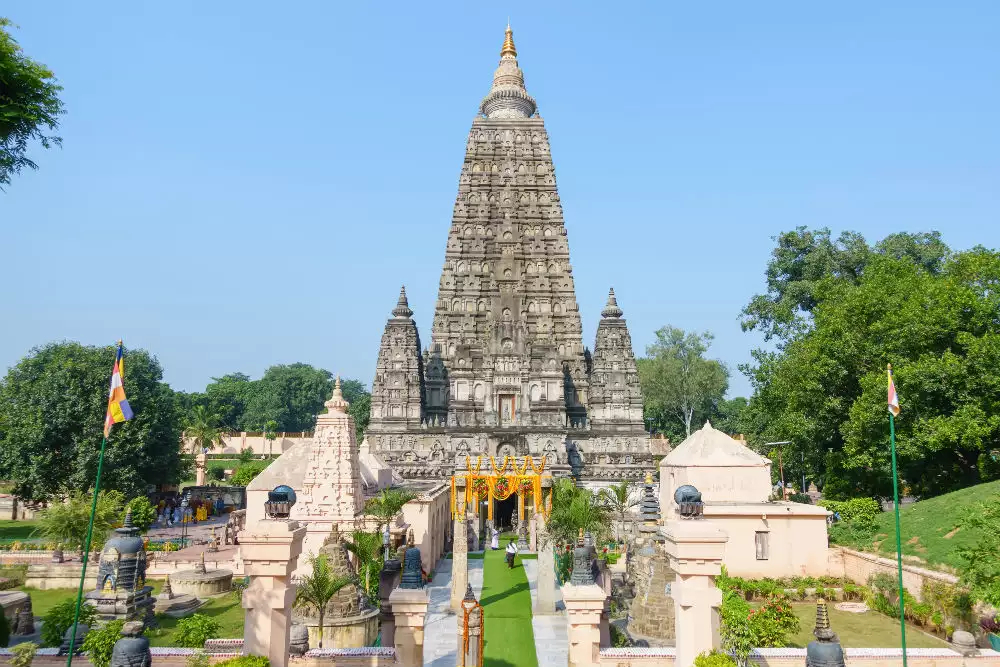
About the Mahabodhi Temple Complex

  • The religious value puts the temple complex among the four most essential Buddhist sites which traces its origin to Buddhist history.

    • Lumbini (Birthplace)

    • Bodh Gaya (Enlightenment)

    • Sarnath (First Sermon)

    • Kushinagar (Parinirvana)

  • Location: Bodh Gaya, Bihar, on the banks of the Niranjana River.

  • Heritage Status: UNESCO World Heritage Site since 2002.

  • Historical Construction:

    • Ashoka established this structure during the 3rd century BCE to begin with.

    • The current construction of this place originated from the fifth or sixth century CE.

Architectural Features

  • Grand Temple:

    • A 50-meter-tall shikhara features complex architectural engravings and arch motifs.

    • A cluster of four ornate tower structures stands beside the main temple due to their each bearing an umbrella-shaped top.

  • Sacred Bodhi Tree:

    • Experts demonstrate the Bodhi Tree to be descended from the sacred tree where Buddha received his enlightenment.

  • Vajrasana (Diamond Throne):

    • Visitors find a stone slab at the precise location Buddha spent his meditation.

  • Temple Shrine:

    • The sacred Buddha figure stands inside a transparent glass container carved from yellow sandstone.

  • Complex Area:

    • Modern Buddhist establishments together with ancient temples exist in this 4.8-hectare complex.

Conclusion

Dissolving religious differences at Bodh Gaya received a major boost when the 1949 Bodh Gaya Temple Act was enacted. The dispute regarding temple authority continues to exist between the Buddhist and Hindu religious communities. The government implemented administrative changes for greater inclusivity but Buddhist organizations insist on running the site independently as a fundamental Buddhist holy place. Tourists along with devotees continuously visit the Mahabodhi Temple which continues to stand as an architectural and spiritual landmark worldwide. The site holds UNESCO World Heritage protection to guarantee its conservation for all future periods.

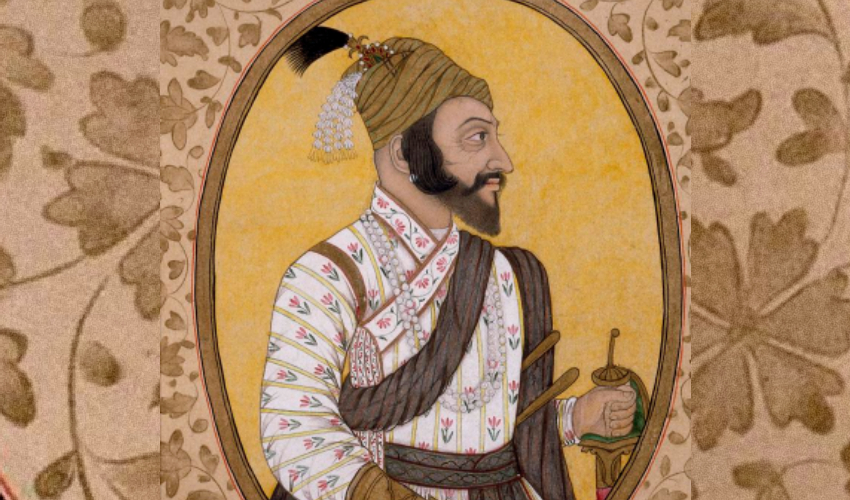
The Radical and Enduring Legacy of Shivaji Maharaj – A Pioneer of Governance and Military Strategy

During Indian history Queen Shivaji Maharaj created the Maratha Empire while becoming a pivotal historical figure through his efforts. Shivaji the Great distinguished himself through his multiple dynamic leadership qualities that included Mughal resistance and progressive administrative reforms. Shivaji introduced democratic leadership in administration by ending exploitation and modernized tax systems to provide better benefits for his subjects. Through his administrative policies Shivaji established a system of governance which delivered efficient administration while building the basis of an equal society.

Shivaji’s Military Strategy and Leadership

  • Threat to Mughal: Shivaji established Hindavi Svarājya by preventing Aurangzeb from expanding his Mughal Empire thus creating an independent Indian government.

  • Guerilla warfare: Using swift cavalry raids and disruptive tactics against enemy supply lines which the Marathas named ganimi kawa provided strategic superiority against Mughal forces although they outnumbered the Marathas.

  • Recognition by Europeans: European visitors Jean de Thévenot and François Martin described Shivaji as a simple leader who commanded his soldiers with similar strength to Julius Caesar.

Shivaji’s Inclusive and Meritocratic Governance

  • Diverse Administration: Through his administration Shivaji included personnel of different social classes which overcame traditional caste divisions.

  • Non-hereditary: Shivaji ran his forts through appointed officials instead of passing them down through bloodline which supported a system of rewarding people based on their skills.

  • Religious tolerance: He adopted religious reforms that let Hindu converts return to their faith in opposition to established beliefs a period before the Arya Samaj reforms started.

  • Protection of Human Rights: Evidence from history confirms that Shivaji did not support the practice of sati although he protected women from abuse.

Shivaji’s Administrative and Social Reforms

  • Promotion of indigenous language: The change from Persian documentation to Marathi and Sanskrit allowed the common people to better interact with administrative processes.

  • Abolition of Slavery: As the leader of his kingdom he eliminated slave trade activities because he wanted to oppose prevailing Mughal-era rules.

  • Taxation: Shivaji established the Ryotwari system which gave control to farmers while lowering the influence of feudal lords.

  • Anti-feudal Policies: His administration reduced Vatandars' (landlords') authority because he wanted to protect peasants from their exploitation.

Conclusion:

Shivaji pursued more than Mughal territorial defiance as his leadership established revolutionary governance systems during the medieval period of India. Through his military breakthroughs combined with inclusive reforms and economic restructuring he became recognized as Shakakarta (epoch-maker) by people during his era. Today India honors Shivaji's genuine leadership by using it to power movements toward justice alongside governance and social equity in the nation.

Tribhuvan Sahkari University Bill, 2025: A Milestone in Strengthening India’s Cooperative Sector

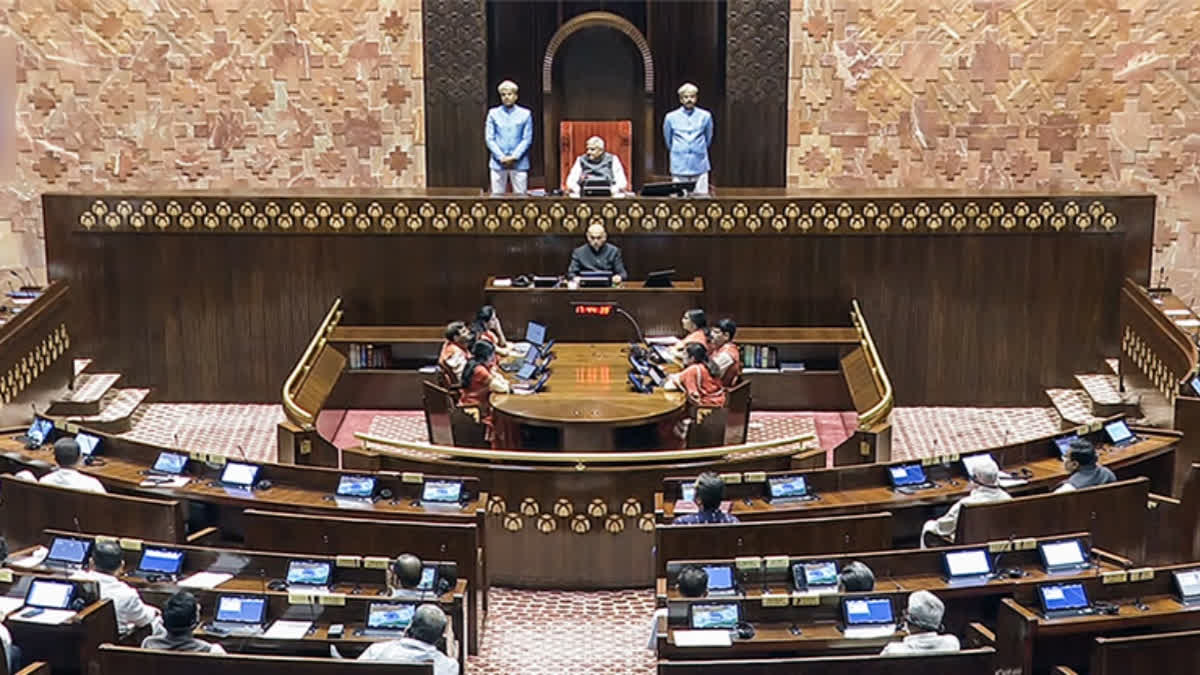
The Tribhuvan Sahkari University Bill, 2025 obtained Rajya Sabha approval after passing through Lok Sabha on March 26, 2025. The program seeks to develop operational excellence for the cooperative sector while extending its operations. In his remarks Shri Muralidhar Mohol a minister of state at the department of cooperation declared the government's dedication to elevate India into ranking as the third largest economy by 2027 while understanding rural economic development as fundamental. Shri Amit Shah's leadership at the Ministry of Cooperation has introduced various organizational reforms to build cooperative networks and foster financial accessibility through implementation of multiple strategic changes. Tribhuvan Sahkari University stands as a substantial initiative to provide professional training for workers who will lead cooperative sector expansion.

Key Points:

Purpose and Significance of the Bill:

  • The Bill enables Tribhuvan Sahkari University creation to provide training for cooperative sector professionals whose demand continues to grow.

  • Through its structured educational programs Tribhuvan Sahkari University trains personnel to deliver efficient governance and innovative leadership in cooperative institutions.

Growth and Development of the Cooperative Sector:

  • The cooperative sector of India comprises 8 lakh entities supporting more than 30 crore individual members.

  • Agriculture remains the vital force in rural development since agriculture engages more than 50% of the population in India.

  • PACS (Primary Agricultural Credit Societies) have received additional support from the government through the operation of 43,000 PACSs which run Common Service Centers as well as through thousands of organizations involved in government schemes.

Government Initiatives Under Shri Amit Shah’s Leadership:

  • Sixty new development initiatives were released to improve cooperative functionality in India.

  • The Government works to develop National Cooperative Policy to ensure efficient cooperative governance.

  • The government is investing Rs 2,516 crore into the computerization process of 66,000 PACS.

  • Three national cooperative societies including BBSSL and NCEL along with NCOL were established for providing assistance to farmers through every stage from seed acquisition to market distribution.

Financial Strengthening of the Cooperative Sector:

  • From 2013-14 to 2025 the Department of Cooperation received budgetary increases that grew from Rs 122 crore to Rs 1,190 crore.

  • The National Cooperative Development Corporation (NCDC) granted Rs 10,000 crore in financial help to sugar mills during this current year.

  • Through PACS food storage methods farmers are able to minimize expenses while developing better supply chain systems for their products.

The Role of Tribhuvan Sahkari University:

  • Tribhuvan Sahkari University exists to offer academic and vocational professional training to cooperative sector personnel.

  • A total of 17 lakh trained youth will be needed during the upcoming five years to ensure the sustainable development of different sectors.

  • Students will study materials to resolve all types of managerial ineffective practices and technological gaps while learning how to avoid irregularities.

Conclusion:

The Tribhuvan Sahkari University Bill, 2025 now brings institutional training and educational processes to cooperative sector implementation. The government works toward cooperative enhancement to provide farmers with empowerment as well as economic development for rural areas and sustainable economic expansion. The initiative will help India achieve its goal of becoming a global economic powerhouse by improving governance and extending financial inclusion together with generating new employment opportunities.

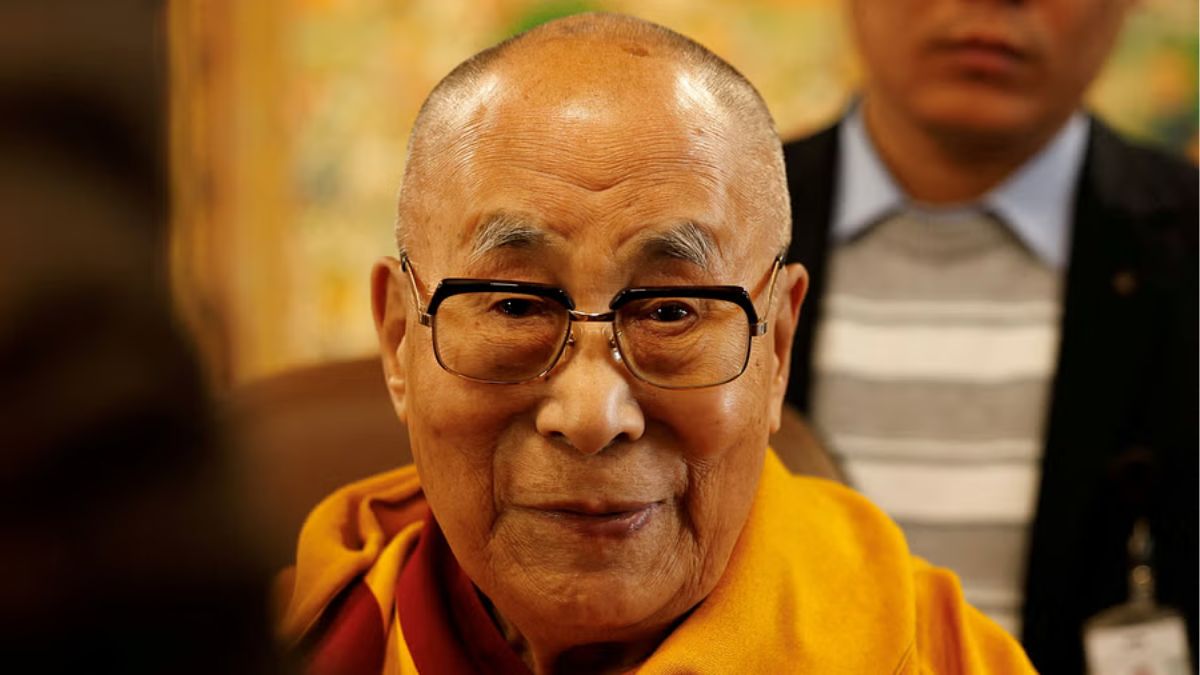
Dalai Lama Honored with Gold Mercury Award for Peace and Sustainability in April 2025

The Dalai Lama received the Gold Mercury Award for Peace and Sustainability in April 2025 at his Dharamshala residence located in Himachal Pradesh. The Gold Mercury International bestowed this prize to him because of his continuous work in non-violence while defending human rights through interfaith dialogue and environmental sustainability activism. The honor demonstrates his position as a worldwide emblem promoting peace and ethical governance.

Introduction

  • The highly esteemed Gold Mercury Award for Peace and Sustainability was presented to the Dalai Lama as a spiritual leader who champions global harmony. 

  • Nicolas De Santis presented this recognition on behalf of Gold Mercury International which exemplifies the constant humanitarian work and environmental conservation of the recipient. 

  • This award helps establish his position as an influential leader who devotes his life to the advancement of world peace and sustainability at the start of his ninth decade.

The Gold Mercury Award and Its Significance

What is the nature of the Gold Mercury Award?

  • The Gold Mercury Award started in Italy as an international award for recognition.

  • The award recognizes human beings and organizational entities that make meaningful contributions towards global peace efforts together with ethical leadership practices and sustainable development initiatives.

  • Previous Gold Mercury Award ceremonies occurred in major global cities spanning from Brussels to Moscow to Madrid and finally Washington while symbolizing ethical leadership combined with global responsibility.

Why was the Dalai Lama Chosen?

  • The award selection criteria matches the program's foundational principles due to his dedication to peaceful solutions combined with human rights work along with environmental advocacy.

  • He uses peaceful methodology to protect Tibetan rights while advocating dialogue instead of conflict.

  • His pioneering insights about climate change alongside sustainable practices develop great importance as time moves forward.

  • Through his teachings he promotes collective duty for all people together with religious understanding and human beings are connected in an interconnected way.

The Award Ceremony in Dharamshala

  • The presentation took place inside the Dalai Lama's residential compound located in Dharamshala within Himachal Pradesh.

  • The award presentation occurred through personal delivery by Nicolas De Santis who worked on behalf of Gold Mercury International.

  • The occasion doubled as an homage to the upcoming 90th birthday of the Dalai Lama to acknowledge the extensive moral leadership and profound influence he has exhibited throughout his life.

Dalai Lama’s Legacy and Global Influence

  • Advocate of Non-Violence and Human Dignity

    • The Dalai Lama has always practiced non-violence while leading the Tibetan independence movement.

    • Through his constant commitment to peaceful governance the world has recognized him as a global leader.

  • A Global Voice for Sustainability

    • He has actively campaigned for sustainable environmental practices as well as proper life management.

    • The Dalai Lama instructs both private citizens and public institutions to fight against climate change with preventive steps.

  • Recognition Amongst Global Leaders

    • Members of an illustrious global leadership and visionary group have embraced him through his receipt of the Gold Mercury Award.

    • The Gold Mercury Award confirms the Dalai Lama as a major influential peacemaker of contemporary times.

Conclusion

Through the Gold Mercury Award for Peace and Sustainability the Dalai Lama receives a worthy tribute for his continuous dedication to humanitarian principles together with environmental conservation efforts. His teachings about peace ethics and sustainable governance continue to touch millions globally because they remain important today than ever before. Through this recognition his status as a world leader dedicated to wisdom and compassion has become even stronger.

India Achieves Historic Milestone in Renewable Energy Capacity Addition in FY 2024-25

Renewable energy developments in India reached historic levels when the country added 25 GW of new capacity during the financial year 2024-25 while showing a 35% increase over last year. Major advancements happened in renewable energy establishment through solar power while domestic solar manufacturing growth along with green hydrogen production and solar pump setup under essential government initiatives delivered notable achievements.

Key Points:

  • Record Renewable Energy Addition:

    • 25 GW of renewable energy capacity additions during FY 2024-25 represented a 35% increase from the previous year’s total of 18.57 GW.

  • Solar Sector Growth:

    • The solar sector observed substantial development between FY24 and FY25 when its capacity additions reached 21 GW from 15 GW resulting in a 38% growth.

    • The total solar power capacity installed in India has reached above 100 GW.

  • Domestic Solar Manufacturing Expansion:

    • The manufacturing output of solar modules reached 74 GW during March 2025 while March 2024 demonstrated only 38 GW of capacity.

    • The manufacturing capacity of solar PV cells increased by 300% because it rose from 9 GW to 25 GW.

    • The first Indian company manufacturing ingot-wafers (2 GW capacity) started operations.

    • The ₹41,000 crore investments through the PLI scheme employed 11,650 individuals.

  • PM Surya Ghar Muft Bijli Yojana Impact:

    • Over 11.01 lakh households benefited.

    • The Government distributed ₹5,437.20 crore as Central Financial Assistance to 6.98 lakh beneficiaries.

  • Advancements in Green Hydrogen Sector:

    • The electrochemical company manufacturing sector received ₹2,220 crore incentives to produce 1,500 MW per annum of electrolyzers.

    • The government allocated ₹2,239 crore for developing production capacity of 4,50,000 TPA Green Hydrogen.

    • The seven pilot projects in the steel sector will receive ₹454 crore from central funds.

    • The government invested ₹208 crore for implementing five pilot programs that would fuel transportation with hydrogen.

  • PM-KUSUM Scheme Achievements:

    • The implementation of solar pumps has reached 4.4 lakhs even though FY24 had just 4.2 thousand solar pumps initially (4.2-fold increase from FY24).

    • The number of pumps with solar power doubled to reach 2.6 lakh throughout the year (25 times above the FY24 total).

    • The overall number of solar pumps installed and solarized exceeds 10 lakh units.

    • The financial outlay of the PM-KUSUM program grew to ₹2,680 crore as it demonstrated a 268 percent increase during the same period the previous year.

  • IREDA's Role in Renewable Energy Financing:

    • The financial institution provided 27% more loans totaling ₹47,453 crore in the given period.

    • Lending institutions distributed 20 percent more funds which totaled up to ₹30,168 crore during the period.

What is Renewable Energy?

  • The adopted strategy of renewable energy production utilizes natural sources to deliver power at rates that exceed its consumption rate thus sustaining the environment. 

  • India maintains its status as a worldwide leader in renewable energy through determined target settings and substantiated infrastructure deployment combined with purposeful policy development. 

  • India has established multiple schemes in addition to its 2030 target of producing 500 GW renewable energy through various implementation actions.

Sources of Renewable Energy:

  • Solar Energy: Converts sunlight into electricity via photovoltaic panels or concentrated solar power. The solar energy resources available in India amount to approximately 748 GW.

  • Wind Energy: Wind turbines operating from both onshore and offshore sites enable the generation of electricity from moving air according to wind energy principles.

  • Hydro Energy: Hydropower Energy obtains power by enabling water movement between elevated and lowered positions through reservoirs and rivers.

  • Bioenergy: Derived from organic materials such as wood, charcoal, manure, and agricultural crops for power production.

Renewable Energy Policies and Schemes:

  • The government aims to decrease carbon intensity levels by 45% throughout 2030 while making a commitment to become carbon emission neutral in 2070.

  • Foreign Direct Investment (FDI): The policy encourages Foreign Direct Investment (FDI) by allowing 100% entry through automatic route to draw investments from international sources.

  • National Green Hydrogen Mission targets a production of 5 million tonnes of green hydrogen by 2030 while receiving a total budget of INR 19,744 Cr.

  • PM-KUSUM: Through PM-KUSUM the government promotes solar irrigation pumps to enhance farmer income and decrease diesel consumption for irrigation purposes.

  • PM-Surya Ghar Muft Bijli Yojana: Encourages residential solar rooftop adoption with a 60% subsidy for systems up to 2 kW.

Significance of Renewable Energy:

  • Climate Change Mitigation: Reduces greenhouse gas emissions and environmental degradation.

  • Energy Security:National energy security improves as the independence from foreign fossil fuel imports is guaranteed through renewable energy.

  • Economic Growth:  Renewable energy presents two key benefits including economic growth through its competitive costs alongside job market growth.

  • Sustainability: These renewable resources provide continuous power supply for extended periods since they never run out.

  • Low Maintenance Costs: Solar and wind power systems need reduced upkeep expenses than traditional power production technologies do.

  • Local Resilience: The distributed nature of renewable power production strengthens both power grid stability as well as securing the local electricity supply.

Conclusion: 

Indian authorities are strongly dedicated to sustainable energy solutions based on their rapid renewable energy sector expansion during FY 2024-25. The support of government renewable energy initiatives positions India favorably to reach three of the top positions when it comes to global renewable energy capacity. Solar energy achievements alongside green hydrogen developments alongside financing schemes establish India as a leading force in global renewable energy transition.

Frequently Asked Questions (FAQs)

The current affairs cover recent national and international events related to UPSC, SSC, Banking, Railways, and State PCS.

You need to read about the current affairs daily, and revise them every week and every month to keep them longer in your memory.

Yes, Class24 provides free downloadable Daily Current Affairs PDFs for easy revision.

Yes, you can practice MCQs and quizzes to boost your exam preparation.

Absolutely. The content is written in simple, easy-to-understand bilingual language suitable for beginners.

Go to class24.com and click on the current affairs section directly, where you find everything that you need.

ssc-toppers

Start Learning Today with Class24

Related current affairs

Class24 offers free video lectures for smart preparation, covering CGL, CPO, CHSL, MTS, and GD exams. Learn from expert faculty, revise concepts easily, practice with PYQs, and improve speed and accuracy through high-quality, exam-focused video lessons anytime, anywhere.

Get success in your hand. Start study anytime anywhere.

The journey becomes simple and enjoyable when you start taking interest in it. And through our app “Class24”, we will be your trusted partners in developing that interest.

Daily Quizzes
Mock Tests
Ongoing

No ongoing tests right now.