

Day: March 27, 2025

Implications of Section 44(3) of the Digital Personal Data Protection Act, 2023

The Digital Personal Data Protection (DPDP) Act of 2023 established major alterations to existing data privacy legislation in India. Section 44(3) within the Digital Personal Data Protection Act, 2023 makes crucial changes to RTI Act, 2005 by establishing restrictions for personal information access. The modifications to Section 44(3) of the Digital Personal Data Protection Act, 2023 have caused activists and legal experts alongside opposition leaders to voice their concerns about transparency and accountability loss which threatens the core values of the RTI Act. This document examines Section 44(3) while investigating its primary elements and their effects on governance with their influence on citizen rights.

Key Issues and Concerns:

  • Changes to the RTI Act:

    • Section 8(1)(j) of the RTI Act was replaced by Section 44(3) when lawmakers introduced the legislation.

    • The new provision grants automatic protection for all information that relates to personal data thus enlarging opportunities for information denial to public bodies.

  • Impact on Transparency and Accountability:

    • RTI activists contend that the new amendment reduces the amount of official records which government agencies need to provide to the public.

    • Important data about public officials' financial matters and behavioral practices can now be hidden which might create spaces for corruption and uncontrolled behavior.

    • The addition of privacy rights confronts direct opposition with the public interest's need for transparency.

    • Under the previous RTI framework privacy concerns were harmonized with required public disclosure of government information.

    • Under the new legislation privacy takes preference over public interest while there is no mention of specific exemptions.

  • Concerns Raised by Activists and Legal Experts:

    • Aruna Roy, Nikhil Dey and Prashant Bhushan together with other prominent RTI activists have forcefully opposed the modification because they predict it will negatively affect democracy.

    • Indian Parliament officials Jairam Ramesh and Rahul Gandhi asked for Section 44(3) repeal because they believe it destroys the core principles of the RTI Act.

Key Provisions of the DPDP Act, 2023:

  • Right to Data Protection: Individuals possess rights according to the Right to Data Protection to both inspect their personal data and modify its content and delete it from databases.

  • Data processing and consent: The procedure for data processing and consent demands a clear statement of permission for data collection as well as data processing activities.

  • Data Localisation: All necessary data handling functions associated with personal information must operate from within Indian borders.

  • Regulatory Authority: Establishes the Data Protection Board of India (DPBI) for compliance and grievance redressal.

  • Fines and Penalties: Enforces strict penalties for non-compliance with data protection standards.

Implications and the Way Forward:

  • India has taken significant progress in strengthening privacy law through the DPDP Act although it creates a major issue by limiting access provided by the RTI Act.

  • The protection of privacy needs to be balanced against information disclosure rights to maintain honest governance and transparency.

  • Government officials should modify Section 44(3) to maintain public interest disclosure regulations for personal data release.

  • The future of the Act rests on ongoing discussions between policy making officials alongside civil society and legal experts which will decide if the democratic principles necessitate changes to the law.

Conclusion

Section 44(3) of the DPDP Act, 2023 has generated broad discussions about information disclosure versus privacy protection because of its new provisions. The modern need for data security stands in contrast to a potential weakening of transparency regulations that would impact democratic governance accountability. The government must develop balanced policies that protect privacy while preserving essential information public access. The government needs to continue stakeholder conversations for resolving privacy-versus-transparency issues to maintain proper governance standards.

Haryana Launches AI Chatbot ‘Sarathi’ for Citizen Services

Sarathi emerged through the Haryana government as an AI-based chatbot which makes government documents and policies more accessible to the public. As part of his official launch Chief Minister Nayab Singh Saini introduced the AI-enhanced administrative solution which seeks to modernize governance. Through its instant access function 'Sarathi' enables citizens to instantly access 17,820 government documents resulting in simpler retrieval of official notifications, policies and acts and orders without bureaucratic delays.

Key Features of ‘Sarathi’:

  • People can retrieve government policies along with notifications instantly without dealing with complicated government electronic portals.

  • The system uses AI technology for thorough database exploration which enables it to generate accurate answers corresponding to user search terms.

  • 24/7 Availability: Ensures access to government information at any time.

  • User-Friendly Interface: Designed for easy navigation and accessibility.

AI in Governance:

  • The Haryana Chief Minister Nayab Singh Saini started 'Sarathi' for advancing digital governance across the state.

  • Through its functionality the chatbot enables the retrieval of information stored in 73,622 PDF pages which were previously scanned.

  • The system retrieves data from official orders and acts in addition to policies and circulars as well as notifications.

  • The system looks to decrease search labor while it functions to boost efficient public sector information retrieval capabilities.

Impact on Public Services:

  • The service uses AI technology to enhance administrative processes thus decreasing official information retrieval time.

  • People have better access to communicate with government policies through this system.

  • Transparent governance policies benefit from this system which provides simple access to official documents.

  • This initiative matches a developing nationwide trend because Indian states keep integrating AI solutions into their governance operations.

Conclusion

The Haryana government has launched 'Sarathi' to advance digital governance in the state through this important move. The application of artificial intelligence in the chatbot enhances public administration by creating better access combined with enhanced operational efficiency and transparency. The national movement to integrate AI in governance system works in tandem with this initiative to create government services that better serve citizens through technological advancement.

JSW Steel Becomes the World’s Most Valuable Steelmaker with $30 Billion Market Cap

The company JSW Steel achieved significant global market success by surpassing Nucor Corp to become the world's most valuable steel manufacturer under the leadership of Sajjan Jindal. The rising market capitalization exceeded $30 billion as domestic steel protection measures coupled with stock market strength served to boost company value. JSW Steel's current value exceeds the other global steel producers ArcelorMittal, Nippon Steel and Baoshan Iron.

JSW Steel’s Market Surge: A Landmark Achievement

JSW Steel achieved its highest stock rate so far when it reached Rs 1,074.15 per share on the Bombay Stock Exchange (BSE). Analysts observed an 11% total increase in stock value for JSW Steel during the last month along with a 4% surge during the previous week.

The stock surge positioned JSW Steel above Nucor Corp because Nucor maintained a lower market capitalization of $29.92 billion. Major steel companies globally show market capitalizations at these levels: ArcelorMittal in Europe operates at $21 billion while Nippon Steel functions at $22 billion and Baoshan Iron handles $27 billion.

Factors Driving JSW Steel’s Market Performance

  • The Indian government continues to back local steel producers against foreign steel companies that offer inferior prices to local markets.

  • The protection initiatives against inexpensive steel imports by the Indian government have increased confidence among investors toward JSW Steel.

Strong Stock Performance and Valuation Metrics:

  • The market valuation of JSW Steel exceeds that of Tata Steel ($23 billion) and Jindal Steel ($10.81 billion) as well as SAIL ($5.5 billion) among Indian steel firms.

  • The investment analyst Ritesh Shah from Investec sees JSW Steel favorably because of its solid EBITDA results along with positive growth projections.

Increased Domestic Demand for Steel:

  • The national infrastructure expansion together with steel demand elevation has driven up domestic steel usage which supports India's national steel production facilities.

Global Steel Market Trends:

In spite of market uncertainties related to prices and growing market competition JSW Steel continuously secures favorable financial results which boosts investor faith in the company.

Comparison of Major Steel Players based on market capitalisation:

Steel Company

1. JSW Steel (India)

2. Nucor Corp (USA)

3. ArcelorMittal (Europe)

4. Nippon Steel (Japan)

5. Baoshan Iron (China)

6. Tata Steel (India)

7. Jindal Steel (India)

8. SAIL (India)

Future Outlook for JSW Steel

JSW Steel demonstrates solid potential to keep enhancing its financial outlook while expanding its presence in national and international markets. The stock market anticipates continued support from investors because the government promotes domestic steel industries. The company dominates the global steel industry because of its strategic plans and financial strength and industry-leading valuation capabilities.

Conclusion:

JSW Steel's historic share value sets the company as the world's top steel producer while showing India's expanding influence in steel manufacturing. JSW Steel has bright prospects for ongoing dominance in the industry because of government backing and rising market performance while steel demand continues to grow.

Commemorative Postage Stamp Issued in Honor of Mata Karma from Raipur

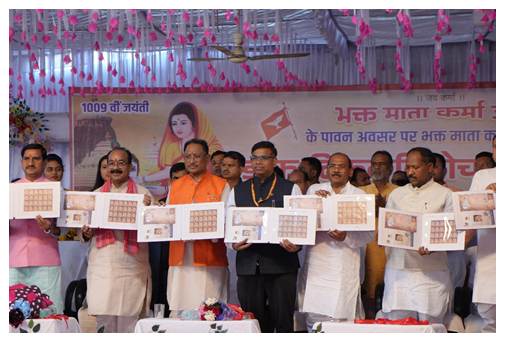
The Government of India through its Department of Posts released a tribute stamp to honor Mata Karma who served as a saint, social reformer and devout worshiper of Lord Krishna. The department of posts from India unveiled the stamp during a special ceremony held in Raipur on the date celebrating her 1009th birth anniversary. The stamp unveiling ceremony had the attendance of both Chhattisgarh Chief Minister Vishnu Deo Sai and Union Minister of State for Housing & Urban Affairs Tokhan Sahu. This special stamp depicts Mata Karma’s permanent mark on both Indian cultural history and spiritual tradition.

A commemorative postage stamp from the Department of Posts under Government of India honors Mata Karma who is known as a sacred saint, social reformer, and Lord Krishna devotee. 

  • The postal service released the stamp during a special event that took place in Raipur for her 1009th birth anniversary.

  • Several dignitaries from Minister Tokhan Sahu to Chief Minister Vishnu Deo Sai were present at the event.

Mata Karma: A Symbol of Devotion and Social Reform

Who was Mata Karma?

  • Mata Karma devoted all her existence to Lord Krishna through devoted worship and dedicated work for societal change. 

  • Throughout her existence she worked to advance social transformation combined with women's strength and religious acceptance.

Her Journey of Devotion

  • The spiritual pilgrimage of Mata Karma started when she decided to receive divine blessings from Lord Krishna.

  • When she arrived at Puri, her destination which is the holy city, multiple temple priests instructed her to make khichdi.

  • Lord Krishna accepted her khichdi as he integrated it into the spiritual practices of Jagannath Temple.

Social Contributions and Legacy

  • She defended society against untouchability systems and practices of social traditionalism.

  • Through her life work she achieved harmony among all people as well as equality and social fairness.

  • Through her example she gave people the inspiration to combat discrimination while creating a more peaceful community.

Details of the Commemorative Stamp

  • The stamp depicts Mata Karma as she provides Lord Krishna with khichdi.

  • The stamp shows the Jagannath Temple as central background imagery to represent her enduring cultural significance with religious roots.

Significance of the Stamp Release

  • Nationwide recognition honored Mata Karma due to her significant contributions in preserving Indian cultural and social practices.

  • The stamp recognizes her steady work to advance society while giving homage to her empowerment of women and social development strategies.

  • Her legacy will be preserved because we are documenting her contributions for future generations to understand.

Conclusion

The official stamp dedicated to Mata Karma demonstrates the nation's strong commitment to honor spiritual and societal leaders of India. Lord Krishna receives devotional reverence from millions through her commitment alongside her dedication towards social justice. The tribute will preserve her legacy for people to honor her contributions through the ages.

Water Conservation and Management: A Policy Perspective

The Prime Minister of India Narendra Modi stressed on March 22 during World Water Day that people must preserve water together for present and future needs. The Ministry of Jal Shakti began Jal Shakti Abhiyan: Catch the Rain 2025 with the goal of promoting community involvement for water conservation efforts. The modifications in India's environmental picture require revising rural water policies to create both sustainable and efficient systems. The document details major water management problems while offering policy improvements for better water conservation solutions.

Key Issues in Water Conservation

  • Community Participation and Indigenous Knowledge

    • Property water strategies must combine the involvement of local residents with their traditional ecological habits.

    • Statutory bodies known as Water User Associations have no authority to make decisions in participatory irrigation management systems despite their established status.

    • Water governance policies exist as formal structures yet ignore traditional water preservation methods developed by the community.

  • Addressing Social and Economic Vulnerability

    • Water policies need to provide protection from environmental disasters to communities who face discrimination.

    • Currently applied policies need to include vulnerable groups in all decision-making processes as well as provide them tools to accomplish efficient resource management.

  • Integrated Water Management

    • The current policies handle forest management independently from water systems while operating independently from land management activities and also operate independently from biodiversity protection efforts.

    • Western Indian societies maintain orans as examples of traditional management structures which protect forests while enabling water storage and harvesting rainwater.

  • Ecological Considerations in Water Governance

    • Environmental governance practices worldwide adopt assessments that value nature beyond human needs because nature has its own worth.

    • The Indian judiciary stands behind natural rights but water governance continues to serve human interests.

    • The irrigation systems practiced traditionally in western regions of India support livestock water requirements because they adopted a balanced approach.

Impact of Climate Change on Water Resources

  • The increasing temperature of the globe intensifies the water shortage problems in India.

  • The focus of policy initiatives should center on developing water systems that resist climate change together with adaptation methods to handle water scarcity.

Conservation Strategies and Policy Initiatives

  • Preventing Water Pollution

    • The Central Pollution Control Board (CPCB) monitors water quality through the National Water Quality Monitoring Programme.

    • The Namami Gange scheme and National River Conservation Plan (NRCP) work towards river rejuvenation.

    • The Water (Prevention and Control of Pollution) Act of 1974 together with the Environment Protection Act of 1986 needs effective execution to achieve appropriate outcomes.

  • Recycling and Reuse of Water

    • The water from wastewater treatment plants is suitable for industrial processes that require cooling systems as well as fire suppression measures.

    • The government should endorse waste water recycling programs for urban landscape creation and general non-drinking water purposes.

    • The current rate of wastewater recycling in India amounts to thirty percent while showing ample room for growth.

  • Watershed Management

    • Surface and groundwater efficiency improves through the implementations of percolation tanks alongside recharge well systems.

    • Government schemes like Haryali support rural water conservation efforts through community-driven projects.

  • Agricultural Water Efficiency

    • The promotion of drip and sprinkler irrigation systems would lead to improved water-use efficiency.

    • Dryland agricultural practices need to become standard in all areas that receive low amounts of rainfall.

  • Rainwater Harvesting

    • The government supports rainwater harvesting projects throughout all regions including both rural and urban areas.

    • The revival of burial water storage systems which involve lakes along with irrigation tanks remains necessary.

    • Water scarcity in cities can be minimized through urban practices of rainwater collection.

  • Desalination and Interlinking of Rivers

    • Coastal desalination facilities serve as a source to produce drinkable water.

    • Projects which link rivers enable the movement of water from surplus zones to areas that experience deficits.

Major Policy Initiatives for Water Conservation in India

  • National Water Policy (2012)

    • Rainwater harvesting provides essential value to the concept of utilizing rainfall directly.

  • Central Ground Water Authority (CGWA)

    • The Central Ground Water Authority implements regulations for groundwater development and management by using provisions from the Environment (Protection) Act of 1986.

  • Jal Shakti Abhiyan (2019)

    • Focuses on five key aspects:

      • Water conservation and rainwater harvesting.

      • Renovation of traditional water bodies.

      • Reuse of water and recharge structures.

      • Watershed development.

      • Intensive afforestation.

  • Atal Bhujal Yojana (ABHY)

    • A Rs. 6000 crore scheme, with World Bank funding, for sustainable groundwater management in water-stressed regions.

    • The Master Plan for Artificial Recharge to Groundwater was launched in the year 2020

    • The document presents instructions to build recharge structures that adapt to various geographical terrains.

  • National Water Awards

    • The program honors smart water conservation initiatives from various regions of India.

  • Public Awareness and Capacity Building

    • Education about preserving water supply reaches the population through campaigns and training sessions in addition to artistic displays which draw attention to the need for conservation efforts

    • MGNREGS and PMKSY-WDC support rural water conservation projects.

Conclusion

Sustainable development requires both effective water conservation and managerial improvements because water demand surpasses fresh water supplies. The implementation of water pollution solutions along with reuse promotion and watershed integration and native conservation methods will create tangible improvements in water security. India needs policy implementations that enable communities alongside ecosystem dependency integration and climate-ready approaches to achieve water security across the nation.

Make in India’s Leap in Electronics Manufacturing & Exports

Indian industry has established itself as a leading electronics manufacturer worldwide which has allowed it to minimize its dependence on foreign imports. Through its Make in India initiative the government successfully brought both investments and increased manufacturing capabilities to the country. The world now recognizes India as the second-largest producer of mobile phones while mobile phone exports grew 77 times from 2014 to 2024. The Production Linked Incentive (PLI) Scheme together with the Phased Manufacturing Programme (PMP) and Semicon India Program have positioned India strongly in the global electronics sector and semiconductor industry. Electronics production targets from the government reach a goal of USD 300 billion for the year 2026.

Key Points

Transformation in Electronics Manufacturing

  • Since 2014 India had two mobile manufacturing units yet today there exist more than 300 such domestic facilities.

  • By December 2024 the local production of mobile phones in India reached 99.2% while starting from 26% in 2014-15.

  • The number of exported mobile phones grew from ₹1,566 crore during 2014-15 to ₹1.2 lakh crore during 2023-24.

  • Between FY14 and FY24 mobile phone manufacturing values increased dramatically from ₹18,900 crore to ₹4,22,000 crore.

  • The country currently produces between 325 and 330 million mobile phones yearly for more than 1 billion active devices.

Key Government Initiatives

Make in India Initiative

  • The initiative arose in 2014 to transform India into a world-class production destination.

  • The initiative seeks to achieve three objectives: investment attraction and innovative solutions alongside first-class infrastructure development.

  • The government promoted 'Vocal for Local' to build up domestic production.

Phased Manufacturing Programme (PMP)

  • The 2017 policy launched a program to support domestic value added operations in mobile phone production.

  • The government launched a program that strengthened manufacturing from SKD products to complete CKD products.

  • Local component production and supply chain strength received increased investment leading to their national development.

Production Linked Incentive (PLI) Scheme

  • The scheme started in 2020 with the goal to drive up large-scale electronics manufacturing across the nation.

  • New production incentives under this scheme offer between 3% and 6% of current and future sales for domestically manufactured items.

  • As of February 2025:

    • ₹10,905 crore cumulative investment.

    • ₹7,15,823 crore cumulative production.

    • ₹3,90,387 crore cumulative exports.

    • 1,39,670 direct jobs created.

Semicon India Program

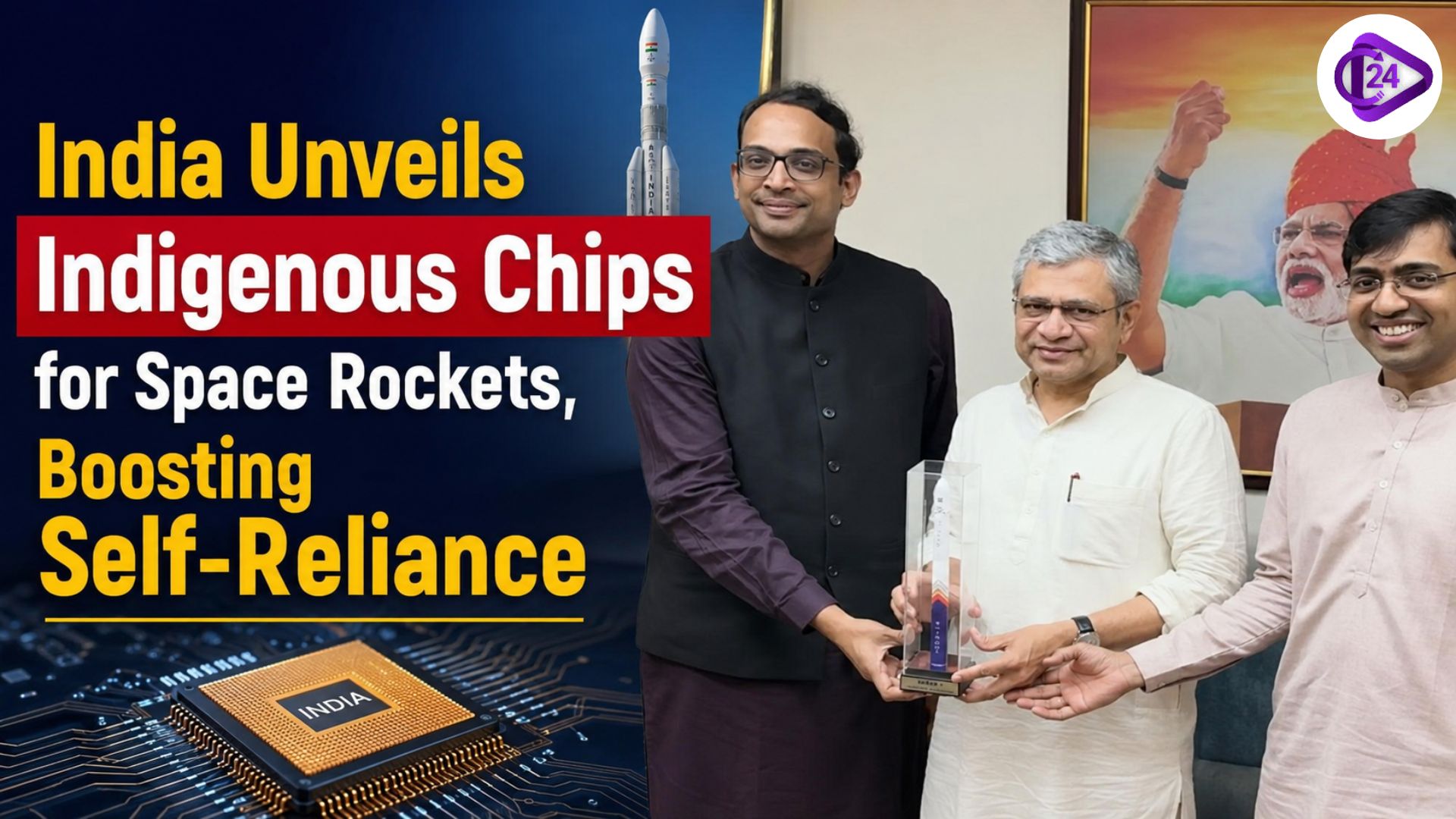
  • The 2021 initiative received a budget allocation of ₹76,000 crore to develop semiconductor production in India.

  • The approved five major projects received funding of ₹1.52 lakh crore.

  • An indigenous semiconductor chip made in India will commence production in 2025.

  • Key projects include:

  • Micron's ₹22,000 crore investment in a semiconductor facility.

  • Tata Electronics' ₹91,526 crore Semiconductor Fab facility in partnership with PSMC, Taiwan.

  • CG Power & Industrial Solutions' ₹7,584 crore OSAT facility.

  • The semiconductor packaging facility of Kaynes Technology India operates out of Gujarat with a total investment value of ₹3,307 crore.

India Semiconductor Mission

  • A commercial semiconductor fab secured its first agreement in March 2025 to be established in Dholera of Gujarat.

  • The project includes manufacturing of semiconductors and display technology along with OSAT facilities and semiconductor research and development activities.

Scheme for Promotion of Manufacturing of Electronic Components and Semiconductors (SPECS)

  • Under this scheme businesses can acquire financial incentives worth 25% for their capital spending on electronic components and semiconductor technologies.

  • The initiative seeks to build up national manufacturing strength while cutting down import demands.

Conclusion

Through the Make in India initiative India achieved self-sufficiency while becoming a competitor in the global electronics manufacturing market. Through well-developed policies and substantial funding together with strategic partnerships India will reach its objective of USD 300 billion electronic production by 2026. The rise from two mobile manufacturing units in 2014 to over 300 today highlights India’s commitment to innovation and economic growth. Through its strengthening semiconductor and electronics business ecosystem India positions itself to lead globally in technology production and manufacturing.

3rd Session of India-Uganda Joint Trade Committee Held in New Delhi

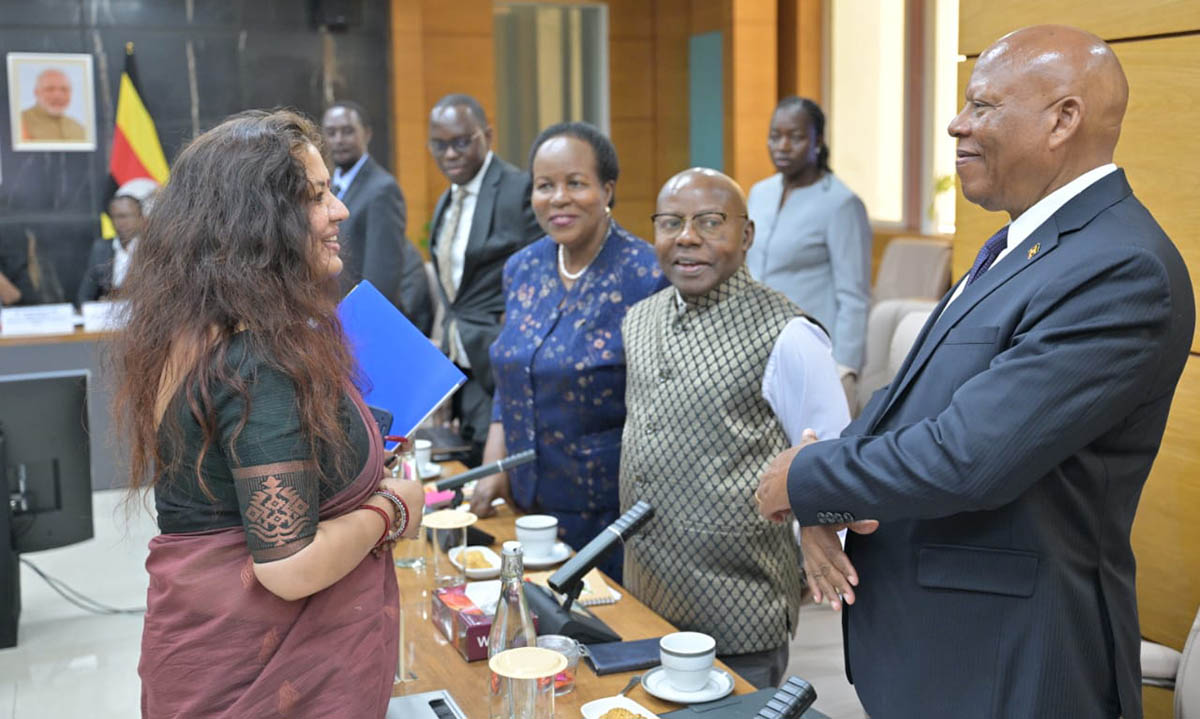
The India-Uganda Joint Trade Committee conducted its Third Session at New Delhi during 25th-26th March 2025 after waiting for 23 years. Bilateral trade evaluations took place between both parties which led them to develop their economic partnership. Both countries agreed to focus their economic partnership on minerals and coffee products as well as pulses and dairy products and digital infrastructure. During the session both parties examined the potential benefits of Memorandums of Understanding (MoUs) in public works and agriculture and traditional medicine and telemedicine fields. The draft agreed to establish a joint business forum which would promote industrial collaboration. The delegation spent time in Noida SEZ while exploring the export system that exists in India.

  • The India-Uganda Joint Trade Committee conducted its 3rd Session at New Delhi during 25th-26th March 2025.

  • Both countries agreed to focus their economic partnership on minerals, coffee products, pulses, dairy products and digital infrastructure.

India-Uganda Relations

  • Relations between India and Uganda began their long-standing connection during the 19th century.

  • India established a presence in Uganda when British colonial rule recruited Indian workers for construction of the Mombasa-Kampala railway. 

  • Ugandan nationalists derived inspiration from India’s struggle for independence while Jawaharlal Nehru alongside various Indian leaders provided their support to Uganda’s fight. 

  • The relations decreased following Idi Amin's government in 1972 because his administration forced over 55,000 Indian residents who maintained Uganda's economic backbone to leave. 

  • The political leadership of President Yoweri Museveni following the 1980s brought major progress to India-Uganda relations which now support a population of approximately 20,000 Indians and persons of Indian origin.

Key Developments in India-Uganda Relations

  • Uganda considers India as its primary economic investor and trading partner due to strong pharmaceuticals, manufacturing and infrastructure industries between both nations.

  • India shows perpetual backing for Uganda's development through both education-based and infrastructure development schemes.

  • Uganda obtains pharmaceuticals worth approximately 30% of its entire supply from Indian manufacturers. Both nations expanded their commercial exchange quantities through continuous developments in their bilateral trade activities.

  • The engagement between India and Africa along with Uganda aims to check China's expanding dominance on African soil. The Government of India recognizes Africa as its vital economic and diplomatic connection.

Trade between India and Uganda

Trade 

Amount

Products

India to Uganda

$1.23 billion

  1. Packaged Medicaments ($225M), 

  2. Refined Petroleum ($160M), 

  3. Motorcycles & Cycles ($130M)

Uganda to India

$1.5 billion

  1. Gold ($1.42B), 

  2. Coffee ($56.1M), 

  3. Cocoa Beans ($9.42M)

Highlights of  3rd India-Uganda JTC Session

  • The participating parties recognized that mutual trade activities should grow further to harness maximal economic prospects.

  • The participants decided to establish the India-Uganda Joint Business Forum as an initiative to upgrade private sector participation.

  • The main trading sectors between the two countries consist of minerals alongside coffee and cocoa along with pulses and spices with dairy and essential oils defaulting to plastics and agricultural products.

  • The two countries will examine Memoranda of Understanding for development in public infrastructure and traditional medical services along with agriculture and telemedicine.

  • The two nations must enhance their investment promotion agency interdependence while standardizing their institutional practices.

  • Special emphasis on sectors such as banking, MSME growth, digital infrastructure, electric vehicles, and rare earth elements.

Financial Relations

  • Uganda receives major investment from India through its pharmaceuticals sector and agricultural domains and service industry.

  • The economic growth of Uganda heavily depends on the employment of local citizens by Indian corporate entities which function in the country.

  • The amount of bilateral trade between both nations reached $728 million during 2010-11 while India ranked 2nd after importing goods to Uganda.

Conclusion

Both countries displayed their dedication to enhance economic and trade relations through the Third India-Uganda JTC session. India alongside Uganda use their established historical relationship to drive sector-wide partnerships through their mutual agreements and industrial initial contacts. India has developed its strategic African partnerships to increase regional economic growth while deriving mutual advantages from these new relationships.

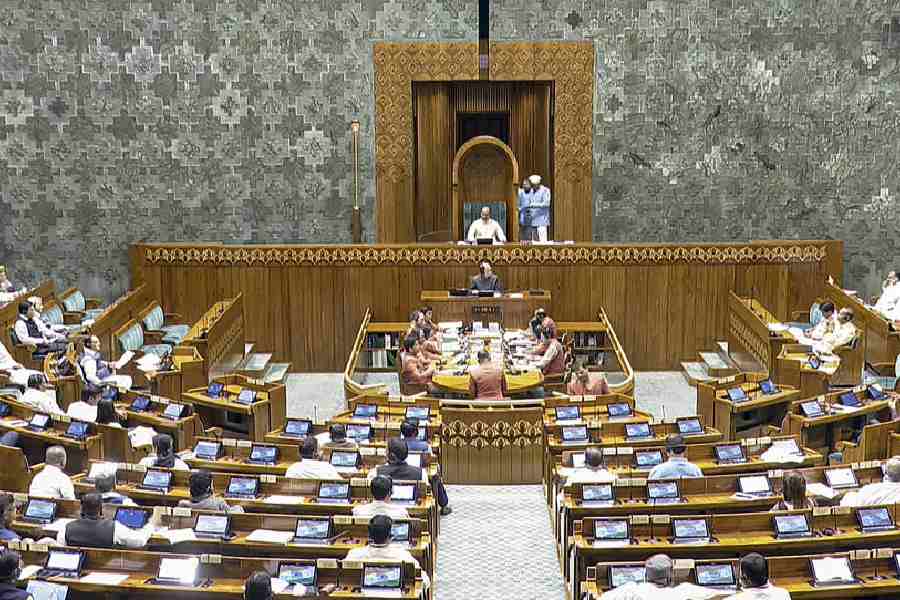
Betting and Gambling are State Subjects: Union Minister in Lok Sabha

In his remarks to Lok Sabha Ashwini Vaishnaw stated betting and gambling operations require state government authority per Indian constitutional guidelines. The Seventh Schedule of the Constitution defines legislative power through three separate lists. The Minister stated that gaming sites reached 1,410 in number after blocking occurred due to received complaints. Article 246 delineates legislative powers among these lists, with the Union List covering national subjects, the State List covering regional subjects, and the Concurrent List serving as a shared legislative domain.

  • Lok Sabha Ashwini Vaishnaw stated betting and gambling operations require state government authority per Indian constitutional guidelines. 
  • The Minister stated that gaming sites reached 1,410 in number after blocking occurred due to received complaints

Seventh Schedule and Article 246

Three types of governing provisions exist within the Seventh Schedule of the Constitution of India;

  • Union List (List I): Exclusive legislative power of Parliament.

  • State List (List II): The State Legislative Bodies hold complete authority over the passages designated under List II.

  • Concurrent List (List III): Joint legislative power of both Parliament and State Legislatures.

Article 246 delineates legislative powers among these lists, with the Union List covering national subjects, the State List covering regional subjects, and the Concurrent List serving as a shared legislative domain.

The State List includes betting and gambling among its subjects

  • The State jurisdiction for betting and gambling activities emerges from Entry 34 of the State List.

  • The power of state governments remains exclusive so long as no constitutional provisions provide Parliament with intervention authority.

Conditions Under Which Parliament Can Legislate on State List Subjects:

  • The Rajya Sabha adopts a resolution which enables Parliamentary legislation according to Article 249.

  • During a national emergency under Article 250.

  • A State List subject can be handled by Parliament through legislation following resolution approval from at least two States.

  • The government can use State List legislation to execute international agreements and treaties.

Significance of the Seventh Schedule

  • This provision determines which areas of governance belong to which authorities to avoid confusion about official responsibilities.

  • This provision stops governments from attaining too much power through centralization.

  • Through the Concurrent List states maintain their freedom while maintaining connection to the center under Federalism.

  • Post-independence governance receives a prepared organizational approach that creates unity between states through this structure.

Judicial Doctrines Applied to Legislative Powers

  • Doctrine of Implied Powers: Implied powers of the legislative branch apply to regions which the current provisions logically suggest.

  • Doctrine of Pith and Substance: Under the doctrine of Pith and Substance the main components of a law which a legislature possesses authority to create permits incidental encroachment upon other jurisdictions.

  • Doctrine of Colourable Legislation: Constitutional limitations remain protected through the doctrine which detects masking behavior by legislative bodies when they try to promote laws through deceptive names.

Need to visit the Seventh Schedule

  • The development of governance requires permanent attention to legislative lists through regular assessment of their contents.

  • The 15th Finance Commission has conducted an assessment to fortify fiscal federalism systems in the country.

  • The states of Tamil Nadu and West Bengal together with Odisha have presented legislative autonomy requests to their federal authorities.

  • Previous State governance reform recommendations starting with the Rajamannar Committee (1969) and ending with Anandpur Sahib Resolution (1973) work toward enhancing the power of State governments.

Conclusion

The Constitution of India includes the Seventh Schedule which divides Legislative power distribution between Union and State governments. States hold exclusive jurisdiction over betting and gambling activities which maintains the principle of federal government in India. The government maintains intervention options but it needs to protect State autonomy due to its importance in upholding constitutional equilibrium among different agencies.

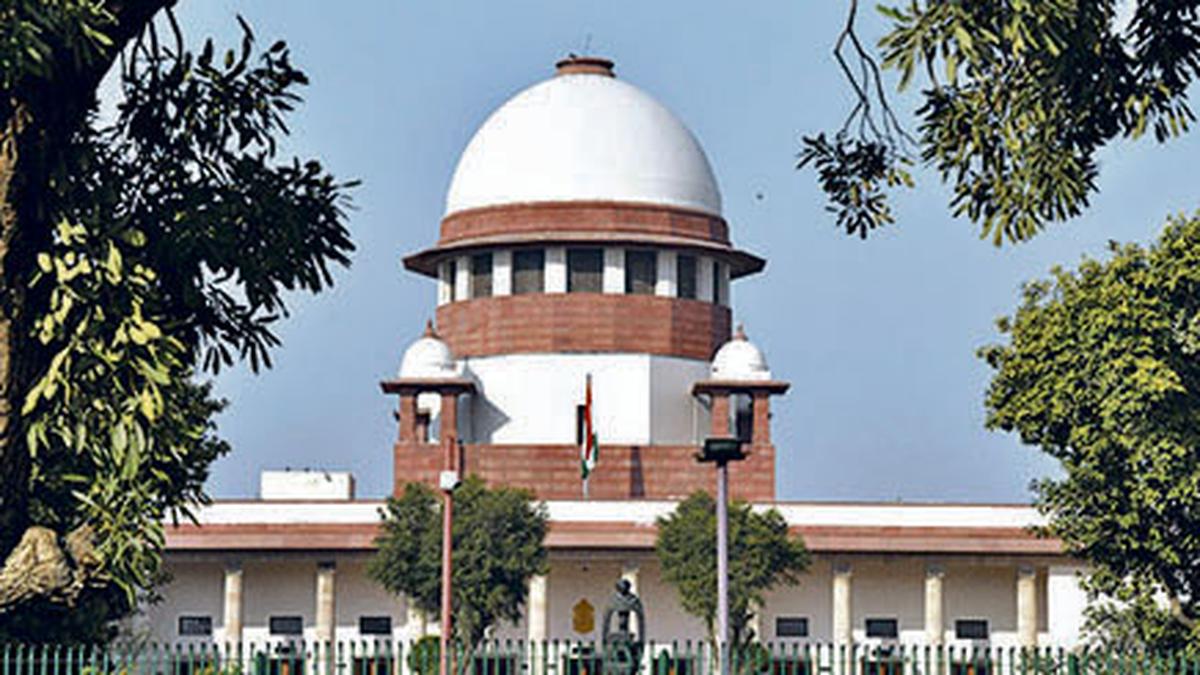
Supreme Court Stays Allahabad HC’s ‘Inhuman’ Rape Attempt Remarks

The Supreme Court issued a stay against a March 2025 Allahabad High Court order that declared breast grabbing along with attempted clothing removal on minors does not qualify as attempted rape. Justice B.R. Gavai led the Supreme Court Bench which strongly denounced the High Court judgment for its legal flaw and sensitive deficiencies. The Supreme Court recognized the situation on its own initiative because it believed judicial sensitivity was absent and it then ordered additional court proceedings.

About High Court’s Remarks on Rape

  • Supreme Court’s Criticism: In the Supreme Court Justice Gavai strongly criticized the Allahabad High Court for making “inhuman” “insensitive” comments regarding the trauma of the minor victim.

  • Lack of Sensitivity in the High Court’s Order: Justice Ram Manohar Narayan Mishra from a Single Judge Bench of the High Court concluded that no sexual intent existed even though the victim's agony was detailed yet failed to show compassion.

  • Judicial Delay and Consideration: Judicial oversight faced additional problems because the case was reserved for judgment in November 2024 followed by four months of court deliberation before the order was given.

  • Media Reporting and Transparency: The Supreme Court denied curtailing media reports stating that judicial officials need freedom to make appropriate public comments.

  • Legal Proceedings: The court authorized and notified both the Uttar Pradesh state and the Union government while giving permission to the minor's mother to take part in all court proceedings.

  • Legal Inconsistencies Identified: The Supreme Court revealed fundamental inconsistencies between how the High Court handled severe sexual assault cases which it minimized through Section 354(b) IPC as well as Section 9 of the POCSO Act.

Which standards regulate the laws against rape in India?

Definition of Rape

  • Under the rules of the Bharatiya Nyaya Sanhita (BNS), 2023 sexual intercourse becomes rape when a man engages in it without consent or willingly against the will or by exploiting deception or force or when the female involved is both under 18 years old and unable to consent.

  • As per Section 375 of IPC: The Indian Penal Code defines rape through Section 375 while prohibiting all non-consensual sexual actions.

  • As per Section 376 of IPC:The law in Section 376 mandates sentences that can reach up to life imprisonment while starting at seven years.

  • Wives older than 15 years are exempt from violence occurring between marital partners.

Types of Rape in India

  • Aggravated Rape: The variation of rape includes legal penalties from officials who maintain positions that grant authority or trust responsibilities (such as law enforcers along with hospital personnel and caretakers).

  • Rape and Murder: A grave offense occurring when a rape victim ends up either in vegetative state or dead.

  • Gang Rape: Several perpetrators performing sexual violence against a female at the same time is categorized as gang rape.

  • Marital Rape: When sexual acts happen between married individuals without their permission it is considered Marital Rape.

Historical Context and Evolution:

  • Rape was officially recognized and prohibited by law in India through the introduction of IPC in 1860.

  • The Criminal Procedure Code of 1861 served as the first foundation that established crime trial procedures in India.

Laws Governing Rape in India

  • Bharatiya Nyaya Sanhita (BNS), 2023:

    • The law presents clear regulations along with severe punishments intended for sexual crime offenders.

    • According to this law aggravated rape and gang rape results in life imprisonment and possible death penalty when the victim is under 18 years old.

  • Criminal Law (Amendment) Act, 2013:

    • The legislature enhanced minimum sentences for rape offenders from 7 to 10 years when it adopted the Nirbhaya Act.

    • In cases where the victim loses their life or remains in a permanent vegetative state the court imposes the death penalty as the punishment.

  • Criminal Law (Amendment) Act, 2018:

    • The law introduced death penalty as punishment for anyone who raped girls who have not reached 12 years of age.

  • Protection of Children from Sexual Offences (POCSO) Act, 2012:

    • This legislation shields children from sexual trauma together with harassment and Pornography violations.

Rights of Rape Victims in India

  • Right to zero FIR: Rape victims possess the right to initiate their first information report anywhere including stations that are outside their jurisdiction.

  • Free Medical Treatment: Medical establishments must offer unrestricted medical treatment to those submitting reports under Section 357C of the CrPC (now BNSS, 2023).

  • No Two-Finger Test: The practice of conducting the two-finger test for survivors is officially prohibited because it infringes upon their dignity.

  • Harassment-Free and Time-Bound Investigation: Anyone accessing sexual assault victims must know their statements will be recorded by female officers within protected settings.

  • Right to Compensation: The CrPC Section 357A provides victims with the right to obtain compensation as per law.

  • Trial with Dignity and Protection: The legal proceedings for rape cases need to occur privately and should exclude probing interrogation methods.

What factors drive the rising statistics of rape incidents across India?

  • Normalization of Rape: Rape normalization in society makes it disappear which results in increased occurrences of sexual assault.

    • Rape jokes together with sexual mistreatment and the practice of blaming victims serve as core elements maintaining this unacceptable social environment.

  • Alcoholism: The consumption of alcohol leads to both impaired judgment as well as the development of aggressive conduct.

  • Misogynistic Representation in Media: Media portrayal of women in movies and TV shows involves frequent objectification of females through negative representations.

  • Sex Ratio Imbalance: The country's 943:1000 female-to-male imbalance in gender ratio plays a role in creating gender-based violence conditions.

  • Low Female Police Representation: The percentage of women in India’s police force is currently at 11.75%.

  • Blaming Victims for Immoral Behavior: Society chooses to blame women for their ungodly conduct more than they do to punish the unfair transgressors.

  • Advising Silence: Society forces victims to remain silent through their intolerance for such incidents.

Why are Rape Conviction Rates So Low in India?

  • Low Conviction Rates: The percentage of prosecuted cases represents an unacceptably low figure which stands at approximately 27-28% despite numerous thousand reports.

  • Systemic Issues: Corruption, bribery, and inefficiency lead to case dismissals.

  • Socio-cultural values: Society views that victimize victims reduce their desire to seek justice.

  • Inconsistent Law Enforcement: Many cases undergo poor law enforcement due to inconsistent treatment.

  • Marital Rape Remains Non-Criminalized: Marital Rape Has No Recognition as a Crime Under the BNS 2023 Law.

  • Poor Evidence Collection: Poor collection practices in evidence gathering led to severe breakdowns in the Hathras case (2020).

  • Lack of legal Support: Survivors have no access to the psychological help or medical treatment or legal representation that would support them through the process.

  • Judicial System Overload: Court systems work beyond capacity which gives rise to cases being dismissed and delayed periodcs of time.

What are the Implications of Rising Rape Cases?

  • Restrictions on Women’s Freedom: Fear of violence limits women's mobility and career opportunities.

  • Impact of Workplace: The presence of gender diversity suffers negative consequences at work locations.

  • Economics Consequences: Medical treatment combined with legal aid services strain the national budget because of the increasing number of rape victims.

  • Erosion of Public Trust: The failure to control sexual offenses leads to a gradual breakdown of public faith in both law enforcement agencies and the criminal justice institutions.

  • Reinforcement of Gender Stereotypes: The occurrence of sexual crimes continues to promote sexual prejudice across society.

Gender Neutrality in Rape Laws:

  • According to Law Commission’s 172nd report (2000) rape legislation should eliminate gender-specific language.

  • The bar on moral character questions for rape victims appeared in Indian Evidence Act (2002) amendments.

The Nirbhaya Case (2012) and the Criminal Law (Amendment) Act, 2013:

  • The Justice J.S. Verma Committee received nationwide condemnation which resulted in their recommendations.

  • The definition now included attacks which do not use a person's penis as the instrument of violence.

  • The legislation added voyeurism and stalking together with acid attacks as new criminal offenses.

  • The new gang rape laws mandated death penalty for the most severe cases and extended the maximum sentence penalties.

Kathua Case (2018) and the Criminal Law (Amendment) Act, 2018:

  • A young girl's torture and killing by rapists triggered national outrage that advanced the country's child sexual abuse legislation.

  • The law now includes capital punishment as the sentence for rapes committed against girls who have not reached 12 years of age.

  • The punishment duration for rape against girls under 16 years old was raised from minimum to 20 years in prison.

  • The government amended minimum rape punishment from seven to 10 years.

Way Forward

  • Legal Reforms:

    • The law should emphasize definite terms of punishment instead of concentrating solely on punishment intensity.

    • The Indian government needs to adopt all recommendations from the Justice Verma Committee by making marital rape an unlawful offense.

    • The public should grasp the penalties which exist for sexual offenses within the law.

  • Changing Societal Attitudes:

    • The general public requires education regarding both consent principles and behavior respect.

    • Challenge victim-blaming and rape jokes.

  • Media Responsibility:

    • Film and advertisement content must refrain from presenting women as objects for consumption.

  • Comprehensive Sex Education:

    • School education programs must include lessons that teach students about consent fundamentals and respect education alongside knowledge of sexual violence effects.

  • Support for Victims:

    • Each survivor should receive mental health assistance together with legal support and protected access to justice.

Conclusion

A significant turning point in Indian legal handling of sexual offenses occurred with the Supreme Court's intervention to stop the order issued by the Allahabad High Court. Judicial decisions should prioritize victim sensitivity according to this ruling while also demonstrating a victim-focused interpretation of sexual assault laws. The coming judgments from this case are predicted to establish new standards in handling similar matters with proper severity in order to secure justice for victims and increase public faith in judicial institutions.

Frequently Asked Questions (FAQs)

The current affairs cover recent national and international events related to UPSC, SSC, Banking, Railways, and State PCS.

You need to read about the current affairs daily, and revise them every week and every month to keep them longer in your memory.

Yes, Class24 provides free downloadable Daily Current Affairs PDFs for easy revision.

Yes, you can practice MCQs and quizzes to boost your exam preparation.

Absolutely. The content is written in simple, easy-to-understand bilingual language suitable for beginners.

Go to class24.com and click on the current affairs section directly, where you find everything that you need.

ssc-toppers

Start Learning Today with Class24

Related current affairs

Class24 offers free video lectures for smart preparation, covering CGL, CPO, CHSL, MTS, and GD exams. Learn from expert faculty, revise concepts easily, practice with PYQs, and improve speed and accuracy through high-quality, exam-focused video lessons anytime, anywhere.

Get success in your hand. Start study anytime anywhere.

The journey becomes simple and enjoyable when you start taking interest in it. And through our app “Class24”, we will be your trusted partners in developing that interest.

Daily Quizzes
Mock Tests
Ongoing

No ongoing tests right now.