

Day: March 4, 2025

Bose Metal Discovered: A New Quantum State Between Metal & Superconductor

The Bose metallic phase of matter emerged in Niobium Diselenide (NbSe₂) according to scientific evidence. A quantum state known as the Bose metal connects typical metal behavior to superconductivity status while contradicting established condensed matter theories. The Bose metal differs from superconductors as its strong quantum fluctuations allow only partial superconducting conductivity to occur because electron pair formation remains blocked by resistance. Under particular experimental conditions such as magnetic field applications researchers were able to observe this effect in ultra-thin superconducting films. 

The disappearance of Hall resistance indicates charge transmission through electron pairs instead of single electrons thus making it differ from conventional metallic behavior. The scientific achievement provides better insights into quantum materials and enables the creation of future electronic devices as well as new superconducting technologies. The exceptional properties of Bose metals provide the basis for developing new quantum computing technology and conducting electricity while enabling nanoelectronics components which elevates condensed matter physics studies.

Big Step Towards Making a Bose Metal

Why in the News?

  • The discovery of a Bose metal state exists within Niobium Diselenide (NbSe₂) according to research findings.

  • A group of Chinese and Japanese researchers discovered this particular substance.

  • This scientific work challenges the current condensed matter models because it detects a transitional phase between metallic and superconducting states.

What is a Bose Metal?

  • The concept of Bose metal describes a metallic state with forming electron pairs that never reach superconducting levels.

  • The resistivity levels of Bose metals remain detectable even though they differ from superconductors.

  • These materials having thin superconducting layers exhibit this state under specific magnetic field conditions.

Key Features of a Bose Metal

  • Intermediate State: Lies between a normal metal and a superconductor.

  • The pairing of electrons occurs in Bose metals although these pairs lack enough coherence to advance into long-range correlations.

  • The conductance level of anomalous materials surpasses metals but demonstrates minimal resistance.

  • Phase fluctuations of extreme strength stop Cooper pairs from becoming superconducting states.

  • The disappearance of Hall resistance signifies that pairs of electrons move rather than single electrons carry charges through the material.

  • The phenomenon can be detected in extremely thin materials including superconducting films under magnetic field conditions.

Bose-Einstein Condensate (BEC)

  • The formation of a Bose-Einstein condensate (BEC) happens when bosons reach temperatures approaching absolute zero (-273.15 °C) while they are part of a collection of particles exhibiting integer spin values. 

  • When temperatures drop to these extreme low levels individual atoms disappear and the resultant quantum object functions as a big quantum wave that shows collective behavior.

Discovery of Bose-Einstein Condensate (BEC)

  • Bose-Einstein Condensate was theoretically predicted by Albert Einstein (1924-1925) as he built on the concepts of Satyendra Nath Bose to define BEC as a novel state of matter formed at extremely cold temperatures.

  • During experimental research (1995) at the University of Colorado, Boulder, Eric Cornell and Carl Wieman produced the first BEC from rubidium-87 atoms which reached 170 nanokelvins.

  • BEC researchers Cornell and Wieman together with Wolfgang Ketterle won the Nobel Prize in Physics during 2001 for their work on BEC.

  • Quantum Behavior exists when a BEC enables atoms to use the same quantum state creating one unified quantum entity.

Key Features of BEC:

  • A Macroscopic Quantum State makes all particles share one combined quantum state resulting in a single collective entity.

  • Superfluidity characterizes BECs because they demonstrate complete resistance to pressure or flow-resistance.

  • A Bose-Einstein condensate shows wave-like behavior which enables atoms to function as waves that exhibit quantum properties on a large visible scale.

  • BECs Require Extreme Cooling Levels because Laser Cooling and Magnetic Traps Are Necessary for Their Formation.

Conclusion

Encoder matter scientists achieved a major discovery when they found the Bose metal in Niobium Diselenide (NbSe₂). The quantum state discovered between metal and superconductors presents theoretical challenges and enables research potential for electronic and quantum technology development. The unique characteristics including partial resistance and Cooper pair transport enable innovation of quantum technologies and nanoelectronics and superconducting applications.

India’s Rising Obesity Burden and Its Economic Implications

The population of India currently experiences a major epidemiological transition because malnutrition has shifted towards a growing problem of obesity. One quarter of all Indians falls into the category of obesity according to National Family Health Survey-5 (2019-21) data which demonstrates state and demographic-based differences. The World Obesity Federation reports that India demonstrates an extremely high rate of increase in child obesity each year. The increasing prevalence of obesity requires immediate attention because it creates substantial health risks which also reduce economic efficiency in public health systems.

Factors Contributing to Rising Obesity

  • Dietary transition: Enhancements in the nation's diet patterns have transformed India from experiencing shortages of calories into becoming a population that consumes high-fat and salt together with sugar and ultra-processed foods extensively. The new approach to diet has triggered a swelling of obesity conditions throughout society.

  • sedentary behavior: Wholly sedentary behavior among Indians is an outcome of urban development since 50% of Indians cannot achieve sufficient physical activity according to WHO guidance.

  • Normalisation of Obesity: People in India view obesity primarily as an individual problem which they fail to acknowledge as an important public health matter. The social construct in Indian society does not consider the condition of being overweight to represent a medical threat.

  • Economic Factor: The cost of a nutritious diet exceeds earning capacity for 55% of Indian individuals which compels them to select unhealthful dietary choices.

  • 'Thin-Fat' condition: Indians exhibit a 'Thin-Fat' condition by carrying relatively more body fat even when their BMI remains normal thus heightening their vulnerability to health risks that include diabetes and heart diseases.

Economic and Health Impact

  • Disease Burden: The initial stage of obesity develops into diabetes alongside hypertension along with cardiovascular diseases. Worsening healthcare demands are present because one-quarter of adult Indians either have diabetes or prediabetes.

  • Financial Strain: In 2019 obesity created $28.95 billion in economic costs which amounted to 1.02 percent of the GDP. The expected cost of obesity will reach 1.57% of GDP during the next decade.

  • Productivity loss: The medical diseases connected to obesity cause employees to lose productivity through absenteeism and work slowdowns.

Policy and Programmatic Interventions

  • Awareness: The general public needs to recognize obesity as a long-term illness that needs organized treatment instead of associating it with personal deficiency.

  • Urban planning for physical activity: Physical activity in the city should find its place through park development and the construction of bicycling facilities along with open gym facilities and recreational areas with sports facilities.

  • Taxation: The implementation of higher taxes on foods under both HFSS and UPFs categories together with subsidies for fruits and vegetables encourages people to eat healthier.

  • Routine Health Checkup: Medical practitioners must conduct regular waist circumference and weight screenings in addition to height surveys since these provide essential early warning signs.

  • Medication: Clinical guidelines need to be developed by authorities to define proper use of anti-obesity medications.

  • Workplace Health Initiatives:Office Health Initiatives must raise employee awareness through provision of weighing scales together with body composition equipment for analysis purposes.

  • School Based nutrition programs: Academic institutions should establish nutritional education programs alongside control systems for unhealthy food items in canteens and use worldwide best practice standards.

  • Collaboration: All national departments leading the health ministry and the ministries of finance along with education and urban planning must unite their efforts to develop thorough obesity prevention measures.

  • Research: Epidemiological research needs expansion to develop advanced methods for obesity intervention strategies.

  • Promoting healthy eating: The food industry through its digital delivery operations must lead efforts to advertise low-cost nutritious food products.

Conclusion

The increasing obesity epidemic in India requires a full-scale multidimensional strategy to find effective solutions. A wide array of interventions should be implemented systematically through policy regulations and urban workplace development and dietary rule enforcement. Remedying obesity represents both medical requirements and economic necessities for India to achieve a successful future.

India- Belgium’s Defence Cooperation in Indo-Pacific region

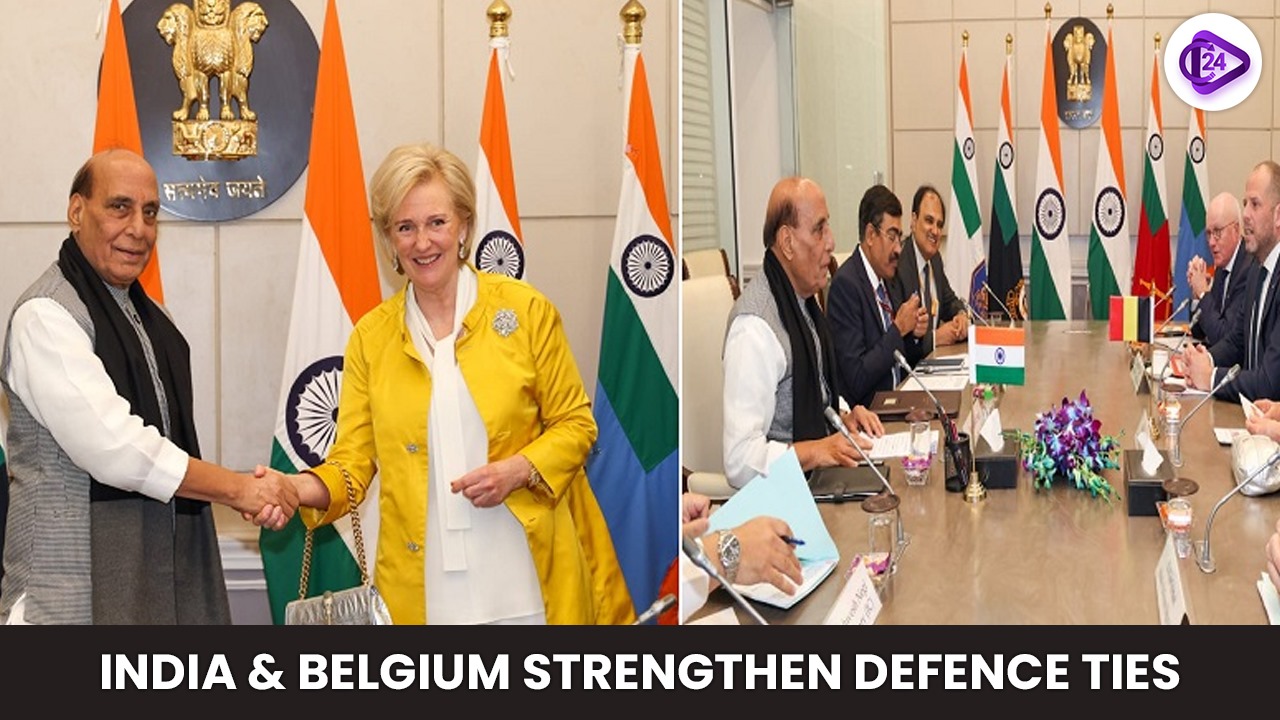
Traditional economic ties between India and Belgium experience rising importance based on discussions about military security and defense industrial cooperation focused on the Indo-Pacific region. India uses this alignment program to pursue its security-based mission of protecting critical maritime routes while building regional stability with strategic alliances.The countries are developing maritime security collaboration through naval joint operation projects especially in Indo-Pacific waters where Belgium's naval technology experience can reinforce India's maritime protection initiatives. The "Make in India" initiative allows Belgian defense manufacturers to establish industrial partnerships which enable them to join Indian defense supply networks.

Strategic Importance:

  • Belgium holds significant importance in NATO operations and European defense organizations due to its role as a regional power apart from other world military forces. The Indo-Pacific engagement serves as a sign of European increasing involvement in the region as part of broader EU initiatives to check Chinese advances.

India-Belgium Trade Relations

Overview of Bilateral Trade

  • Belgium stands as one of the major commercial partners for India among all European Union member states. 

  • The diamond business acts as the principal driver of trade followed by chemicals then base metal and machinery sectors.

India is Belgium's:

  • 14th largest export destination and 16th largest importer.

  • 7th largest export destination outside the EU and 6th largest trade partner outside the EU.

  • Bilateral trade in 2022:

  • Total: €15.1 billion

  • Indian exports: €8.1 billion

  • Indian imports: €7 billion

Foreign Direct Investment (FDI) & Business Engagement

  • Belgium stands as the 15th largest investor in the Indian market.

  • FDI inflows from Belgium (2000-2022): $2.763 billion.

  • Key Belgian companies in India:

    • Solvay (chemicals)

    • Bekaert (steel wire transformation)

    • Barco (visualization technology)

  • Key Indian companies in Belgium:

    • Tata Consultancy Services (TCS)

    • Infosys

    • Tech Mahindra

    • HCL

  • Investment Trends:

    • Under India’s “Make in India” program Belgian companies continue to develop their operations throughout India’s defense, information technology, and manufacturing segments.

    • Indian Information Technology companies utilize Belgium as their pathway to expand their operations within the European Union market.

Key Trade Sectors: India-Belgium Trade Relations

S. No

Sectors of Trade 

Highlights

1.

Precious Metals and Stones (Specially Diamonds)

  • Diamond trade is the largest component of bilateral trade.

  • Belgium’s diamond exports to India fell 30.3% in 2023 due to a market slowdown.

  • Antwerp is a key hub for raw diamond trade, while India leads in diamond cutting

2.

Chemicals and Pharmaceuticals

  • India exports organic chemicals, dyes, and pharmaceutical ingredients to Belgium.

  • Belgium exports specialty chemicals, fertilizers, and industrial solvents to India

3.

Machinery and Equipment

  • Belgium exports precision machinery for Indian industries, especially in automotive and heavy engineering

4.

Artificial Jewelry & Textiles

  • India exported 2,681 batches of artificial jewelry to Belgium (March 2023–Feb 2024), a 12% increase from the previous year.

  • Textiles trade includes traditional fabrics and garments.

5.

Renewable Energy & Technology

  • India-Belgium MoU (2015) for renewable energy cooperation.

  • 3rd Joint Working Group Meeting (2021) on Renewable Energy.

  • Belgium leads in clean energy and digital tech, offering collaboration potential.

Past 5 Year Trade between India and Belgium

Year

India's Exports to Belgium (€ billion)

India's Imports from Belgium (€ billion)

Total Bilateral Trade (€ billion)

2020

3.86

4.45

8.31

2021

4.50

5.00

9.50

2022

8.10

7.00

15.10

2023

6.30

4.86

11.16

Future Outlook & Challenges

Opportunities for Growth

  • Belgium will benefit from sustained strategic cooperation with India through its expanding security dialogues about maritime activities and Indo-Pacific partnerships.

  • Expansion in Renewable Energy & Green Tech: Stronger collaboration in wind and solar energy.

  • By working together in digital technology and information systems Belgian companies can take advantage of Indian digital transformation strategies.

  • The developing pharmaceutical sector of India creates new investment prospects that Belgian pharmaceutical and biotech companies can seize.

Challenges & Risks

  • The diamond marketplace shows unpredictable global market patterns which influence the total quantity of diamond transactions.

  • The political risks facing India-Belgium relations stem from tension between the wider EU-China perspective and India-EU alliances.

  • The expansion of business activities can be delayed by varying trade policies and investment rules that regulatory entities enforce.

  • Global economic uncertainties related to European recession risks will negatively impact both trade activity and investment movement.

Conclusion

The strategic bond between India and Belgium has shifted from traditional trade engagement to encompass advancements in the military defense sector and technological developments and renewable power solutions. Business expansion will be driven by advancing markets such as defense manufacturing Duel, IT, pharmaceuticals and clean energy even though diamonds maintain their trade dominance.

The partnership between Belgium and India remains poised to intensify further under conditions of increasing Indo-Pacific connections between these two powers. Both countries must approach trade fluxes along with geopolitical uncertainties with great caution.

PM Modi unveils major wildlife push: dolphin census, lion survey, cheetah expansion

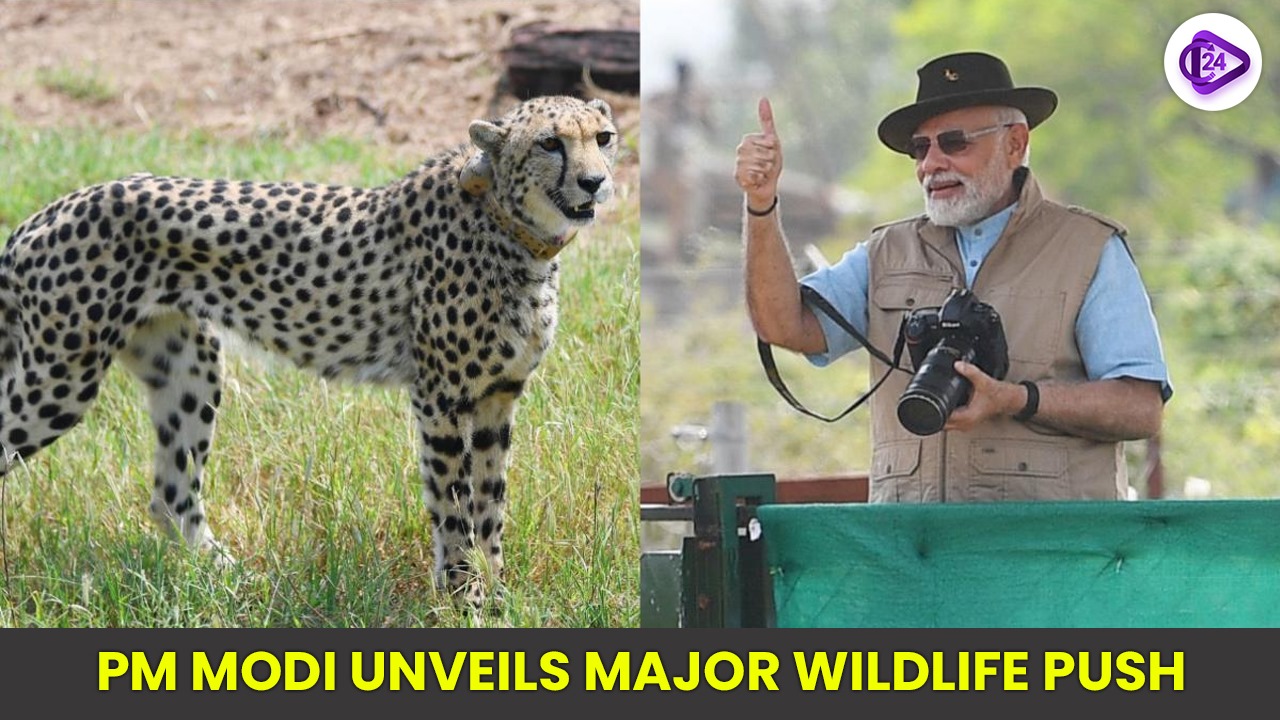
Prime Minister Narendra Modi chaired the 7th meeting of the National Board for Wildlife at Gir National Park in Gujarat. During this gathering he announced several essential wildlife preservation projects. India advances its environmental promises through multiple wildlife-related strategies that protect species alike while emphasizing habitat protection as well as technological innovations for wildlife management.

Highlights of the event:

  • India released its first-ever scientific study on the population numbers of riverine dolphins.

  • Expansion of the cheetah reintroduction program,

  • 16th Asiatic Lion Population Estimation (2025),

  • National Referral Centre for Wildlife at Junagadh,

  • Wildlife monitoring adopts geospatial technology alongside AI to improve its operations.

  • New conservation initiatives for gharials, tigers, and the Great Indian Bustard.

The country shows dedicated effort toward protecting biodiversity while supporting sustainable wildlife management between environmental protection and human development ambitions.

Key Highlights of the Initiatives

1. Riverine Dolphin Estimation Report: First-ever census of riverine dolphins in India

  • The research team conducted the very first riverine dolphin population count spanning across 28 Indian waterways among eight territorial states.

  • The census recorded 6,327 dolphins in the areas Uttar Pradesh, Bihar, West Bengal, and Assam had the highest dolphin densities.

  • The project supports dolphin conservation through Project Dolphin guidelines as it rallies communities to defend riverine ecosystems.

  • Key Findings of the Survey:

    • Scientists recorded 6,327 dolphins and experts computed the dolphin population between 5,977-6,688.

    • Uttar Pradesh leads with 2,397 dolphins, followed by Bihar (2,220) and West Bengal (815).

    • Indus river dolphins are rare in India, with only three recorded in Beas River of Punjab.

  • Conservation and Significance of River Dolphins:

    • The freshwater ecosystem's health relies heavily on the Ganges river dolphin as an essential indicator of its well-being.

    • Habitats for these dolphins are critical due to their natural low reproduction rate.

    • The primary threats facing these animals result from habitat ruin combined with chemical contaminants along with water infrastructure expansion projects.

  • Project Dolphin and Government Initiatives:

    • Through Project Dolphin which started its operations in 2020 the government seeks to safeguard river dolphins together with their living spaces.

    • A 8000+ km survey was conducted through boat and road-based investigations across 58 rivers.

    • Scientists monitored regions that have always hosted dolphins to obtain correct information for their study.

  • Regional Distribution of Dolphins:

    • There are dense Ganges river dolphin populations in Uttar Pradesh and West Bengal along with Bihar.

    • The surveys in Assam identified 635 dolphins throughout the Brahmaputra region.

    • The dolphin populations in Central and Western India remain small because only three Indus dolphins inhabit Punjab and the numbers decrease to two in Rajasthan and one in Madhya Pradesh.

2. National Referral Centre for Wildlife (NRCW), Junagadh

  • A first-of-its-kind wildlife disease management center in India.

  • The institution tracks wildlife diseases by conducting research and implementing coordination systems for early detections and disease control programs.

  • Why is it important?

    • The growing number of diseases that pass between animals and humans will benefit from the surveillance activities at NRCW.

    • This project will establish better veterinary practices and wildlife conservation medicine operations throughout India.

16th Asiatic Lion Population Estimation (2025)

  • The account of Asiatic lions will take place in 2025 after researchers completed their last survey in 2020.

  • Key focus areas:

    • The preservation of food resources for lions requires actions to restore habitat and grow prey numbers.

    • Staff at Barda Wildlife Sanctuary will observe how lions naturally disperse through the region.

    • Conservation programs need to match up with eco-tourism development by reinforcing tourism facilities.

  • Why is it significant?

    • The natural environment of Gir National Park remains the exclusive residence for all living Asiatic Lions across the world.

    • The program helps preserve different genetic traits which prevents the risk of captive animal populations growing too similar by breeding within their own group.

    • The conservation initiatives for lions benefit from active involvement from the local residents.

3. Expansion of the Cheetah Reintroduction Program

  • Additional areas have been selected for cheetah reintroduction projects after Kuno National Park demonstrated successful cheetah reintroduction.

  • Gandhi Sagar Sanctuary (Madhya Pradesh)

  • Banni Grasslands (Gujarat)

  • Why is this important?

    • The program established to reintroduce cheetahs in India aims to restore ecological balance because these big cats existed in the Indian territory until 1952.

    • Through this plan the habitats can be restored and new areas will receive increased prey populations.

    • The project supports India's commitment toward wildlife conservation both locally and internationally.

4. Human-Wildlife Conflict Mitigation

  • A Centre of Excellence at SACON (Wildlife Institute of India, Coimbatore) will be established

  • Focus on:

    • Researching causes of human-wildlife conflict.

    • Research teams will create new methods to stop animal conflicts with tigers, leopards and elephants and other species.

    • Community-based conservation strategies.

  • Use of advanced technology:

    • Remote sensing together with AI combined with geospatial mapping allows officials to monitor animal movements in real time.

    • An AI collaboration formed by BISAG-N alongside the Wildlife Institute of India works for resolving conflicts.

  • Why is this necessary?

    • Increasing human populations has led to more instances of dissatisfaction between humans and wildlife.

    • This approach stops habitat destruction and establishes ways for human wildlife coexistence.

Conservation of Key Species

  • Gharial Conservation Project

    • Conservation measures must be initiated immediately because Gharials have become almost extinct.

    • The project implements three main strategies which include breeding initiatives together with environmental defense measures and public education programs.

  • National Action Plan for Great Indian Bustard (GIB)

    • Researchers have confirmed that only fewer than 150 GIB individuals exist in the wild today.

    • Conservation strategy:

    • The conservation plan includes protecting environments while minimizing power lines risks and establishing breeding centers.

  • Conservation of Tigers Outside Protected Areas

    • The protection of wild tigers residing beyond national parks and sanctuaries constitutes a new conservation effort.

    • Key focus areas:

    • Reestablishing wildlife pathways promotes free animal travel throughout habitats.

    • Reducing poaching and habitat encroachment.

  • Community Engagement & AI-driven Conservation Strategies

    • A rise in community participation in conservation activities has established a significant growth of sixfold in community-managed habitat areas throughout the last ten years.

    • AI systems now document traditional preservation knowledge which enables its retrieval by other wildlife sanctuaries.

    • The deployment of motorcycles as a tool for forest staff helps them conduct better patrols and safeguards endangered species within their territories.

Significance of These Initiatives

  • Strengthens India’s biodiversity conservation strategy.

  • Promotes sustainable development and eco-tourism.

  • The use of technology for wildlife protection receives an improvement through these initiatives.

  • People from the community actively join conservation activities because of this approach.

  • These initiatives support the global sustainability goals SDG 15 (Life on Land) and the Convention on Biological Diversity.

Conclusion

PM Modi's wildlife conservation initiatives unite all essential components of scientific investigation and technological development together with governmental policy adjustments and local stakeholder involvement. The focus on population estimation, habitat restoration, and human-wildlife conflict mitigation showcases India’s global leadership in biodiversity protection.

The sustainable continuation of India's wildlife conservation programs demands these initiatives because they protect species along with ecological balance while ensuring biodiversity preservation for generations ahead.

India launches multi-nation alliance for collaboration on sustainable development

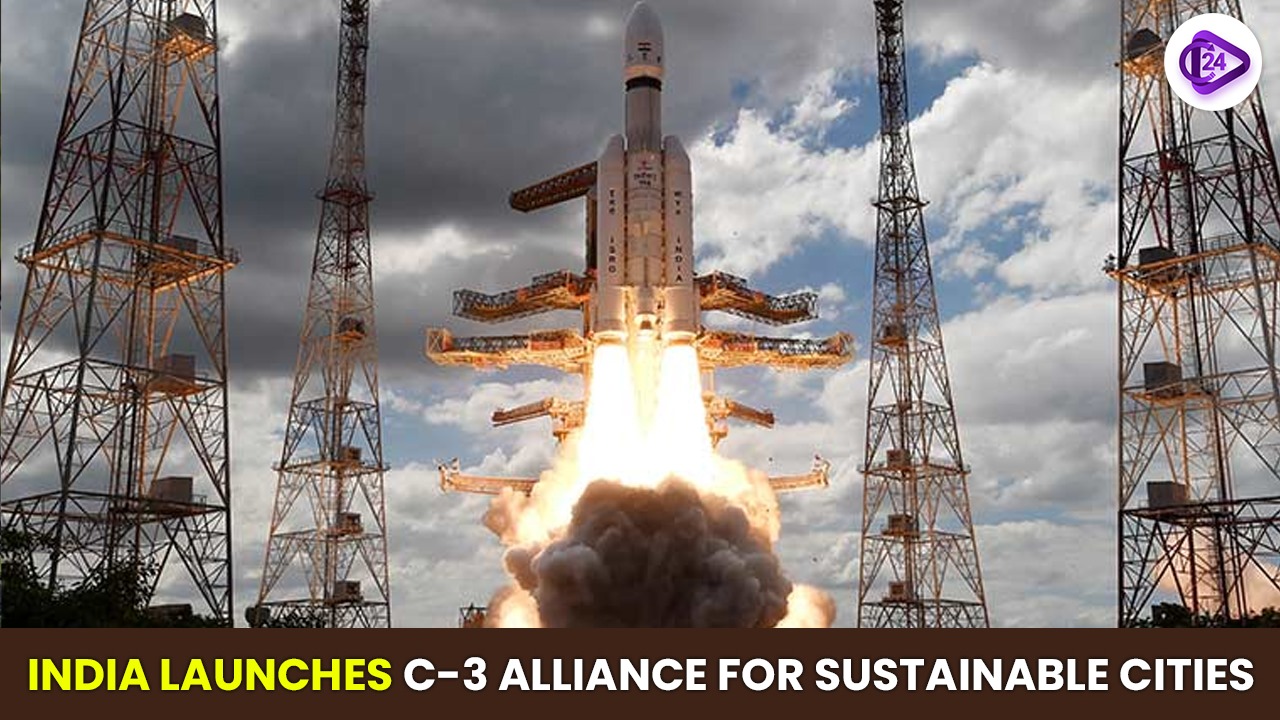
The Cities Coalition for Circularity (C-3) officially started on March 3, 2025 as India launched this initiative to support sustainable urban development through city-to-city collaboration and knowledge-sharing and private sector partnerships. Narendra Modi as Prime Minister focused on the Pro-Planet People (P3) strategy and the 3R principles including Reduce, Reuse and Recycle to achieve resource efficiency.

A signing of the CITIIS 2.0 MoU for ₹1,800 crore established the program to benefit 18 cities from 14 states operating as lighthouse projects at Jaipur. The initiative continues the development established by both the Regional 3R and Circular Economy Forum alongside its Hanoi 3R Declaration (2013-2023) which contains thirty-three voluntary sustainability goals.

Introduction

  • Launch Date: March 3, 2025

  • Initiator: India

  • The goal of this mission entails the advancement of sustainable metropolis development through mutual city exchanges which unite expertise sharing with private sector cooperation.

  • The Asia-Pacific area will benefit from waste management practices combined with resource efficiency and circular economy principles.

What is Circular Economy?

The circular economy functions as a design structure aimed at maintaining materials as valuable resources and natural systems at regeneration status. The circular economy differs from linear economy processes by avoiding the production of waste through its inception.

Fundamental three principles of the circular economy

  • Eliminate waste and pollution

  • Kinds of products together with materials should circulate through stages offering maximum value with each cycle

  • Regenerate nature

Importance of Circular Economy

  • Product maintenance and material circulation occurs through continuous use of assets along with maintenance as well as reuse and refurbishment and remanufacturing and materials recycling and composting processes. 

  • The circular economy serves as a sustainable economic system by cutting the link between resource depletion and economic production which enables effective action on climate change and biodiversity loss and waste reduction and pollution reduction.

India's Leadership & Commitment

  • Prime Minister Narendra Modi’s Message:

    • Advocates the Pro-Planet People (P3) approach.

    • Stresses the role of 3Rs (Reduce, Reuse, Recycle) in sustainability.

    • India shows its readiness to provide experiences as well as share gained knowledge.

    • A working group should establish the operational framework for the coalition through finalization of its structure according to the proposal.

Key Agreements & Initiatives

  • CITIIS 2.0 MoU Signed in Jaipur:

    • Significance: Strengthens urban sustainability initiatives.

    • Funding: Agreements worth ₹1,800 crore.

    • Impact: Supports 18 cities across 14 states.

    • Development of lighthouse projects serves to guide urban development as the main purpose.

Background: Regional 3R and Circular Economy Forum

  • Established: 2009

  • Asia-Pacific needs sustainable waste management approaches combined with resource efficiency and circular economy practices to fulfill the coalition's strategic goal.

  • Challenges Addressed:

  • Rapid economic growth.

  • Resource depletion.

  • Increasing waste generation.

  • Milestone: Hanoi 3R Declaration (2013-2023) with 33 voluntary goals for resource efficiency.

Importance & Future Prospects

  • India advances to become a prominent global leader when it comes to sustainability practices.

  • International cooperation in urban sustainability becomes stronger due to this initiative.

  • The circular economy initiative stimulates innovation and private capital growth for circular economy initiatives.

  • Potential for replication in other global regions for broader environmental impact.

Conclusion

C-3 positions India to become a global leader in the circular economy while driving improvements in policy creation and technology usage and financial market interest respectively. Through its CITIIS 2.0 investment the plan targets the development of urban sustainability projects that can scale. Sustainable urbanization will have C-3 as its global leading example thanks to its waste reduction initiatives and resource efficiency approaches and climate-resilient focus which drives impactful city partnerships.

NITI Aayog Launches Report on Women’s Growing Role in India’s Financial Growth

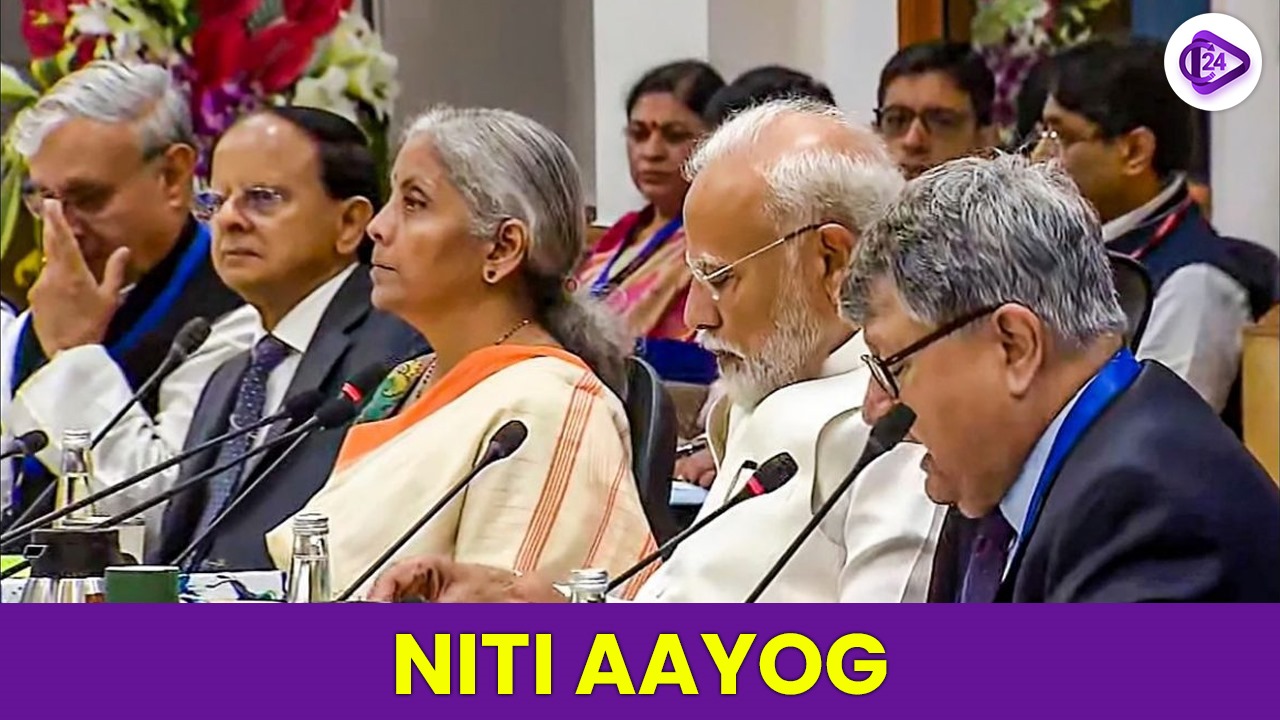
The findings of “From Borrowers to Builders: Women’s Role in India’s Financial Growth Story” emerged from the partnership between NITI Aayog and TransUnion CIBIL and MicroSave Consulting. The Report demonstrates the need to support women both economically and to include them in financial sector activities. Empowering women involves giving women the power to direct their lives and their money and their social impact. The purpose of women's empowerment functions across three areas that allow society to gain equality and social justice.

The empowerment of women in India receives support through several federal programs together with established legal protection along with basic rights in its national constitution. Despite substantial progress the challenge of patriarchy together with gender-based violence and economic inequity and limited participation persist therefore requiring ongoing support to address them.

Key highlights of the report:

  • Growth in Women’s Financial Participation:

    • Women who monitored their credit scores exhibited a 42% growth because they became more knowledgeable about financial matters.

    • Self-monitoring bank borrowers revealed a growth of women borrowers from 17.89% to 19.43% during 2024 period versus 2023 data.

    • The financial inclusion growth rate for smaller non-metro locations surpassed (48%) that of major urban areas (30%).

  • Women expand their access to credit:

    • By the end of 2024 a total of 35% of business loan receivers were women indicating higher levels of female business participation.

    • The percentage of business loans originated to businesses increased by 14% since 2019 and gold loans provided to women customers experienced a 6% growth during this period.

    • The states of Rajasthan and Uttar Pradesh and Madhya Pradesh achieved the most significant growth in the number of women borrowers.

  • Government Initiatives and Financial Inclusion:

    • The Women Entrepreneurship Platform (WEP) seeks to develop a more inclusive financial network through training programs about money management combined with credit availability services and mentoring features and helpful support from government officials.

    • The Women Financing Collaborative serves WEP by creating a platform to inspire finance institutions toward developing gender-sensitive financial products.

    • The Principal Economic Advisor Anna Roy declared that female entrepreneurship promotion would produce between 150 million to 170 million new employment positions and increase economic growth.

  • Challenges and Opportunities:

    • Women encounter three financial hurdles including banking reluctance and inadequate service quality as well as problems securing collateral and limited qualifications to obtain credit.

    • The growing knowledge about finance creates business possibilities for banks to build gender-specific financial solutions that address feminine requirements.

    • Sustainable financial empowerment requires both increased policy backing as well as enhanced stakeholder relationship support to thrive.

What is Women Empowerment?

  • The empowerment of women requires enabling them to get control of life decisions while obtaining power to guide social development. Such a system integrates three societal elements which work together to build a balanced and equitable social structure.

  • Women's empowerment receives backing through different Indian government programs in addition to legal systems and constitutional protections. To overcome present challenges related to patriarchy and gender-based violence alongside economic inequality and minimal political engagement more continuous interventions are required.

Dimensions of Women Empowerment

Various fundamental elements form the basis of Women Empowerment as an operational framework.

  • Socio-Cultural Empowerment:

    • People should allow women complete control over their educational decisions and marriage choices along with their reproductive decisions.

    • The implementation of gender-sensitive policies needs to guarantee equal involvement for women in all social settings.

    • The empowerment process demands focus on eliminating social taboos together with preventing child marriage and tackling domestic violence.

  • Economic Empowerment:

    • Being financially independent enables women to secure their future because it brings them dignity along with security.

    • The economic stability improves when women receive equal pay together with equal opportunities for work and access to credit such as microfinance.

    • To build a better economy women must be promoted for business leadership and active participation in the mainstream workplace.

  • Political Empowerment:

    • Women must engage fully in designing policies along with governing functions and taking leadership positions.

    • The Indian Parliament through reservation policies has established the mandate of requiring all state legislative bodies to include women as 33% of their total membership.

    • The eradication of hierarchical marriages between village chiefs and their spouses needs to happen to establish honest political leadership.

Status of Women Empowerment in India

The existence of constitutional protection and laws has failed to eliminate the persistent gender differences throughout the country:

  • Education & Literacy:

    • The National Family Health Survey identified that female literacy at 70.3% trails the male literacy at 84.7% during 2019-21.

    • School dropouts among girls happen because of social customs and arranged marriages as well as insufficient educational infrastructure.

  • Health & Nutrition:

    • High maternal mortality rate (97 per lakh live births, 2018-20).

    • The measurement indicates that 53% of women between ages 15-49 are anemic as per NFHS-5.

  • Economic Participation:

    • Female Labor Force Participation Rate (FLFPR) stands at 32.8% (PLFS, 2021-22).

    • Women receive just 21% of the income compared to men according to Global Gender Gap Report 2021.

  • Political Representation:

    • Parliament consists of only 14.94% women representatives.

    • Currently women represent only 13.9% of State Legislators.

    • Despite 46.94% representation in Panchayats, many remain figureheads under male dominance.

Importance of Women Empowerment in India

  • Social Importance:

    • Woman empowerment through gender equality helps establish justice while reducing domestic abuse along with dowry death instances and harassment against women.

    • Education gives women the power to select better healthcare options which results in reduced child deaths and stronger families.

  • Economic Importance:

    • Economic development and national prosperity grow to a greater extent when women actively take part in the workforce.

    • Organizations that embrace equal job rights gain multiple abilities along with creative problem-solving solutions.

    • Financial independence reduces gender-based vulnerabilities.

  • Political Importance:

    • Welfare schemes together with healthcare and education form the basic priorities of women-led administrations.

    • Politically expanded representation brings together an empowered governance system through its inclusive structure which includes diverse participation.

Constitutional & Legal Provisions Supporting Women Empowerment

  • Constitutional Provisions:

    • Article 14: Right to Equality

    • Article 15(3): Special provisions for women

    • Article 16: Equal opportunities in employment

    • Article 39: Equal pay for equal work

    • Article 42: Maternity relief provisions

    • Article 243D & 243T: Reservation for women in Panchayats and Urban Local Bodies

  • Legal Provisions:

    • Domestic Violence Act, 2005 – Protection from abuse.

    • Equal Remuneration Act, 1976 – Equal pay for equal work.

    • Female employees receive financial compensation through the Maternity Benefit Act of 1961.

    • POSH Act, 2013 – Protection against workplace harassment.

    • Prohibition of Child Marriage Act, 2006 – Prevents early marriages.

Government Schemes for Women Empowerment

  • Social Empowerment Schemes:

    • Beti Bachao Beti Padhao (BBBP): Promotes education and awareness against gender discrimination.

    • One Stop Centre Scheme operates as a support system which offers women dealing with violence access to legal help combined with medical treatment and psychological counseling.

  • Economic Empowerment Schemes:

    • The Stand Up India Scheme enables women to obtain business loans through its provisions.

    • Mahila E-Haat: An online platform for women entrepreneurs.

    • Pradhan Mantri Jan Dhan Yojana (PMJDY): Ensures financial inclusion.

  • Political Empowerment Schemes:

    • Nari Shakti Vandan Adhiniyan (Women’s Reservation Act, 2023) – 33% reservation for women in Parliament & State Assemblies.

    • Various leadership preparation programs exist for female Panchayati Raj institution members.

Challenges to Women Empowerment

  • Social Barriers:

    • Patriarchy: Restricts women’s decision-making power.

    • Society restricts women to perform household activities only.

    • Gender-Based Violence: High incidents of rape, harassment, and domestic abuse.

  • Economic Barriers:

    • The presence of women in work remains limited because they encounter obstacles to workplace engagement.

    • Wage Gap: Unequal pay for equal work.

    • Women face obstacles securing credit and owning property which prevents them from establishing their financial independence.

  • Political Barriers:

    • The numbers of women participating in political life remain exceptionally scarce.

    • Some elected female leaders lose their authority to their spouses due to the 'Sarpanch-Pati' Culture norm.

Way Forward for Women Empowerment

  • Social Reforms:

    • Gender sensitization in education & media.

    • Strict enforcement of anti-harassment laws.

    • Promoting equal parenting roles.

  • Economic Reforms:

    • Encouraging women entrepreneurs through skill training & financial aid.

    • The laws regarding Equal Pay and Maternity Benefits need to receive better and stronger enforcement.

  • Political Reforms:

    • Applying 33% reservation must happen for Parliament along with State Legislative bodies.

    • Women should participate in leadership programs that focus on entering politics and taking roles in governance.

  • Technological & Digital Inclusion:

    • Digital literacy initiatives aimed at women will enhance their market accessibility for both employment and business ownership.

    • Online platforms for legal and financial awareness.

Conclusion

The research highlights how women in India have started increasing their financial role by becoming more aware of credit and taking on loans. The initiative makes obvious advancements although basic framework issues continue to exist thus requiring specific policy approaches together with innovative funding avenues. NITI Aayog and financial institutions combined with government policies will assist women to transform from borrowers into builders so they can actively drive Indian economic expansion.

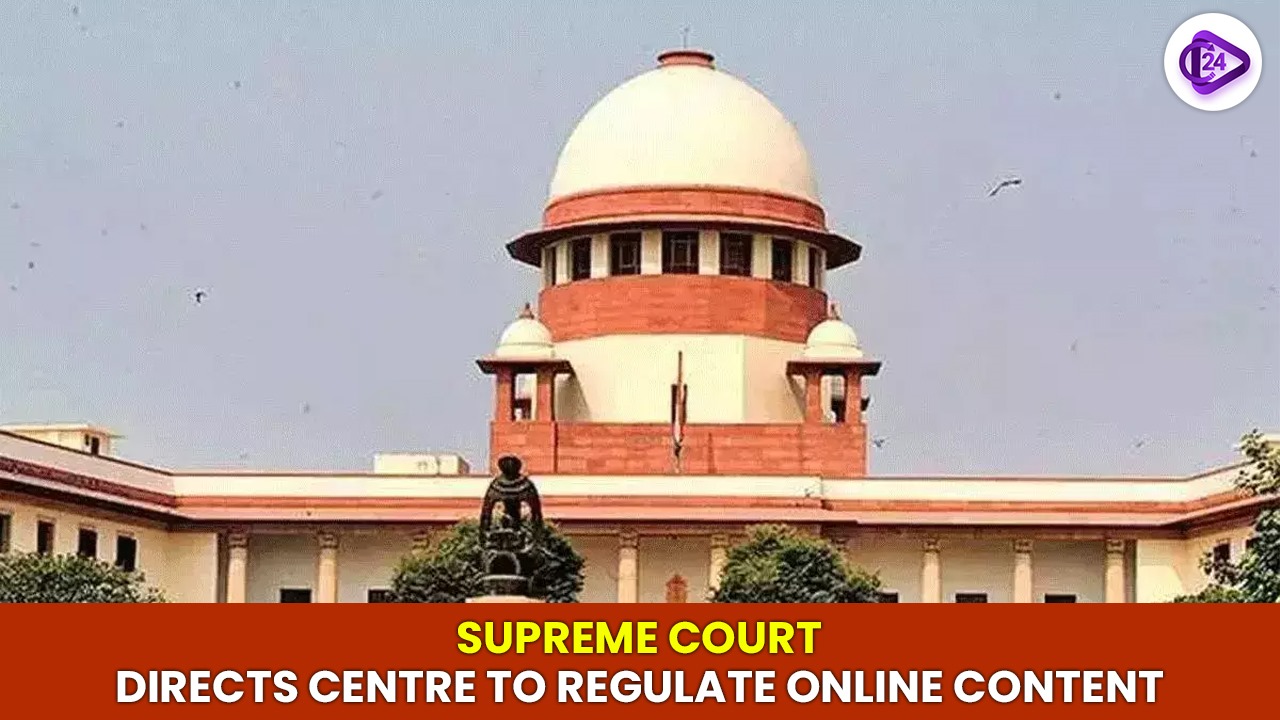
Supreme Court Directs Centre to Regulate Online Content Without Censorship

The Supreme Court requested the government to develop rules that control Internet content throughout a framework which guards free speech rights. Stakeholder consultations and public debates should happen before any such measures can be implemented according to the court. Justice Surya Kant explained the difference between humor and vulgarity during his discussion by asserting that creativity should never equate to obscene content.

Context

  • Ranveer Allahbadia made his plea to continue his show after the hearing and received permission on condition that he preserve decency.

  • The government has received instructions to create legal mechanisms for moral online content oversight which will not restrict freedom of expression.

  • The court demonstrated its belief that rights involving fundamental freedom require adult responsibility when regulating exposure of explicit content to minors.

Supreme Court's Stand on Online Content Regulation:

  • The court declared individuals possess unlimited access to content but it does not give content creators grounds to use free speech rights for commercial exploitation of vulgar material.

  • No government policy exists to grant unrestricted freedom of speech when public standards of morality must be maintained.

  • The author advocated for establishing legal protections to shield against obscenity which should also protect constitutional liberties.

Legal and Regulatory Considerations:

  • The law gave authority to the Centre to formulate guidelines which will protect public morality while preserving free speech rights.

  • Regulators must develop policies through discussions with every applicable stakeholder such as media professionals.

  • Public input needs to be received during the creation phase of any regulatory draft because this input will influence future legislative processes.

Social and Political Implications:

  • The widespread fear exists about explicit digital media content causing changes in the behavior of young viewers.

  • User content creators should receive instructions about responsible practices to protect ethical guidelines.

  • The government may establish new digital media regulations to implement a balance between entertainment media and social standards.

  • Political discussions emerge regarding governmental control compared to the freedom of expression in media regulations.

Conclusion

The Supreme Court pointed out the need for finding a proper equilibrium in online content regulation. Preserving free speech needs to be maintained at the same time the government should limit abusive content and protect public morality. Future regulatory initiatives from the Centre need to establish ethical and moral content limits while preventing censorship. The judge's pending decision will establish guidelines that will influence information regulation in India ensuring effects on publishers and end-users.

Frequently Asked Questions (FAQs)

The current affairs cover recent national and international events related to UPSC, SSC, Banking, Railways, and State PCS.

You need to read about the current affairs daily, and revise them every week and every month to keep them longer in your memory.

Yes, Class24 provides free downloadable Daily Current Affairs PDFs for easy revision.

Yes, you can practice MCQs and quizzes to boost your exam preparation.

Absolutely. The content is written in simple, easy-to-understand bilingual language suitable for beginners.

Go to class24.com and click on the current affairs section directly, where you find everything that you need.

ssc-toppers

Start Learning Today with Class24

Related current affairs

Class24 offers free video lectures for smart preparation, covering CGL, CPO, CHSL, MTS, and GD exams. Learn from expert faculty, revise concepts easily, practice with PYQs, and improve speed and accuracy through high-quality, exam-focused video lessons anytime, anywhere.

Get success in your hand. Start study anytime anywhere.

The journey becomes simple and enjoyable when you start taking interest in it. And through our app “Class24”, we will be your trusted partners in developing that interest.

Daily Quizzes
Mock Tests
Ongoing

No ongoing tests right now.