Day: February 21, 2025

The Transformation of Koraput’s Tribal Food Basket

The community nutrition literacy model orchestrated by MSSRF has created a decisive change in food security patterns of Koraput's tribal inhabitants. Through an integrated approach which unites agriculture and nutrition education with community action villagers have strengthened both food diversity in their homes and farming production along with independent community resilience. The initiative has fostered decision-making participation and exposure to government programs which has empowered deprived tribal communities to claim authority over their health and their food.

Introduction

  • Due to its vibrant biodiversity and numerous tribal inhabitants Koraput District of Odisha suffers from extreme poverty together with undernutrition. The high level of undernutrition persists within the district despite various government social welfare programs.

  • NFHS-5 shows that undernutrition affects 43% of children under age five alongside 33% of children who suffer from underweight conditions (2019-21).

  • The dietary consumption requirements of adolescence age children are met by only 17 percent of children.

  • Half of all women in the population are currently suffering from anemia.

  • The M.S. Swaminathan Research Foundation (MSSRF) established a community-directed program for education on nutrition literacy (2013-2022) which used diversified food production as a tool to improve nutrition security.

Community-Led Nutrition Security Initiative

a) Awareness and Training for Nutrition Security

  • The communities gained awareness about their nutritional wellbeing through assessments that measured their height and weight.

  • Every village sent their core groups of men and women to participate in residential training programs about:

    • Balanced diet & dietary diversity

    • Infant and Young Child Feeding Practices (IYCF)

    • Sanitation & hygiene

    • Nutrition-sensitive agriculture (crop diversification, backyard poultry, pisciculture).

  • The training delivered interactive activities that combined role-play with group conversations and strategic preparation techniques for people to implement changes.

b) Dietary Transformation Through Agriculture

  • The program encouraged:

    • The program promotes simultaneous cultivation of pulses and vegetables throughout household daily diets.

    • Tribal communities discovered through traditional conservation practices that they serve as protectors of indigenous rice strains.

    • Households expanded their crop varieties from 2-3 to a range of 9-11 types.

    • The renaissance of backyard gardens resulted in extended vegetable and fruit availability throughout yearly periods.

    • Fallow paddy fields received pulse cultivation to provide nutrition throughout the whole year.

Community Mobilization and Collective Efforts

a) Strengthening Social and Institutional Support

  • The training program established more than 200 community champions spread throughout 70 different villages to provide nutrition education alongside agricultural knowledge.

  • Throughout ten years the movement developed into a self-nourishing community support network with more than 1,000 active members.

  • Prospective community members participated in panchayat-level talks through unified group decisions.

b) Enhancing Government Engagement

  • Villagers fought for an Anganwadi center at Lecha village until finally receiving a sanctioned construction.

  • Community grain banks need revival because they improve the region's food security.

  • The monitoring system of ICDS feeding programs remains active.

c) Shifting Household Decision-Making

  • A shared management of agricultural duties between men and women raised female involvement in deciding household food consumption patterns.

  • The Women Champions supported ASHA & Anganwadi workers to enhance nutrition services for mothers and children.

  • A mother in Maligad village used program guidance to feed her anemic daughter egg and leafy vegetable and pulses.

Impact of the Initiative

a) Agricultural and Dietary Improvements

  • The numbers show that more than sixty percent of households started growing four or five different crops as opposed to the previous two or three crop cultivation.

  • The households' gardening period increased to 7 to 9 months while it used to be 5 months previously.

  • Increased consumption of pulses, leafy greens, tubers, fruits, poultry, and fish.

b) Social and Economic Upliftment

  • The process led female refugees who had no land to begin renting fields for planting food crops.

  • Soil productivity and health improved through the application of vermi-compost together with organic fertilizers.

  • Songwriting and group meetings at the village level functioned as knowledge channels to transmit awareness ideas throughout neighboring communities.

Conclusion

Community-led transformation in Koraput demonstrates the impact communities have in solving both undernutrition and poverty problems. The achievement demonstrates that feeding programs need supplements from educational programs and sustainable farming with village leadership to establish sustainable food security. Such successful models need to be scaled up throughout India to enhance malnutrition prevention efforts which will result in better health results for remote populations.

2nd Simolu Festival 2025: Celebrating Nature, Culture & Conservation in Assam

The 2nd Simolu Festival took place at Bwisang-Na, Barunguri, Laokhowa, Assam from February 15-16, 2025 as a celebration of Bombax ceiba (Shimul) flower blooming. Through its program the initiative supports nature conservation efforts along with developing sustainable tourism across Assam's unexplored natural regions. Various traditional events showcase folk art together with ethnic meals while performing cultural dances across multiple stages to build community spirit. The environmental education program at the festival increases visitor understanding about wetlands together with biodiversity protection and the effects of climate change. 

Introduction

  • Venue: Bwisang-Na, Barunguri, Laokhowa, Assam

  • Date: 15-16th February, 2025

  • Objective: supports nature conservation efforts along with developing sustainable tourism across Assam's unexplored natural regions.

Key Highlights of the Festival

  • The purpose of this event includes three essential components: sustainable tourism development and environmental awareness campaigns and community involvement programs.

  • Bwisang-Na eco-resort serves as its venue due to its advantageous position between wetlands and grasslands and its various wildlife species.

Significance of the Festival

  • Eco-Tourism & Sustainable Development stands as the main focus that exposes hidden natural areas of Assam while preserving the environment.

  • Through its cultural programming the event displays traditional art along with local cultural dances and distinctive traditional food which strengthens community identity.

  • Conservation Awareness: Educates visitors about wetland ecosystems, biodiversity protection, and climate change impacts.

  • Community Participation enables students and conservation experts and local inhabitants to participate actively for supporting rural development.

Conclusion

Through the Simolu Festival organizers managed to unite conservation awareness with nature and cultural heritage for promoting eco-tourism and raising ecological awareness. The celebration of Bombax ceiba blooms together with local community engagement helped Assam develop sustainable tourism initiatives which forged a deeper link between environment and people.

Kerala Launches nPROUD: India’s First Safe Drug Disposal Program

The Kerala Health Department established nPROUD (New Programme for Removal of Unused Drugs) as a system for proper handling of expired medicine and unused dose prescriptions. Such a systematic pharmaceutical waste management program has established Kerala as the pioneer among Indian states for the prevention of environmental pollution and health dangers stemming from wrong disposal practices.

Key Features of nPROUD

  • The program initiated its operation through Kozhikode Corporation along with Ulliyeri Panchayat to serve 200,000 households.

Collection Methods:

  • The medicine collection subsystem of nPROUD involves Haritha Karma Sena and Kudumbashree members who provide their services without charging fees to the public.

  • Public members can dispose of pharmaceuticals using blue bins found inside medical establishments during the drop-off process.

  • Blue Day special events serve to increase citizen involvement.

  • KEIL (Kerala Enviro Infrastructure Ltd) based in Ernakulam will scientifically burn all collected medicines through their incineration system.

  • The waste medicine disposal service is free for homes but commercial operators including hospitals alongside retailers and wholesalers need to pay ₹40 for each kilogram disposed.

Background & National Impact

  • The PROUD Initiative (2019) managed to gather 21 tonnes of unused drugs through its successful operation yet encountered expenses and logistical issues.

  • Previous problems were solved through cooperation between the Clean Kerala Company Ltd. (CKCL) alongside the Drugs Control Department.

  • nPROUD presents the prospects to become a national drug disposal blueprint since Delhi and Karnataka show interest in implementing a duplicate model.

Conclusion

Kerala introduced nPROUD to establish a blueprint for pharmaceutical waste management that will become a sustainable model for each Indian state. This initiative demonstrates Kerala's position as the leader in environmentally-conscious healthcare management by putting public health and environmental safety first.

Article 101(4) of the Indian Constitution

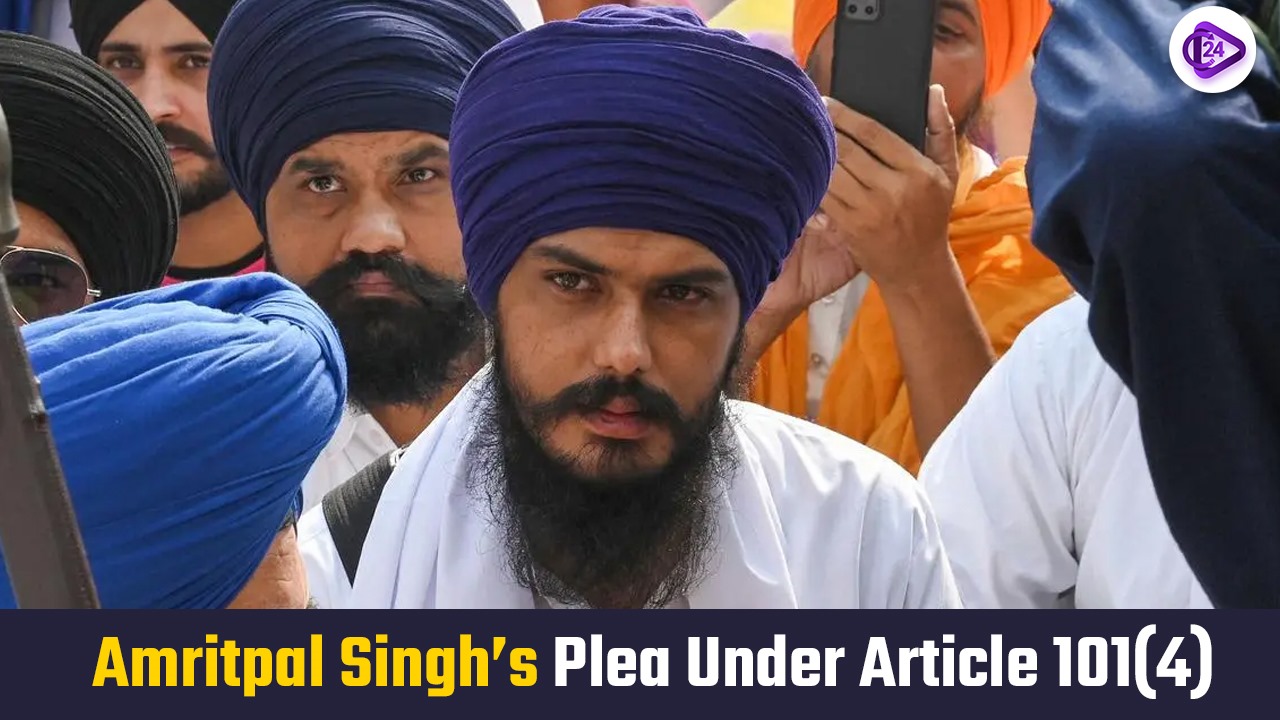
Amritpal Singh, the Khadoor Sahib MP who is currently imprisoned, has requested the Punjab and Haryana High Court to allow his parliamentary attendance to stop his disqualification from the seat. The provisions of Article 101(4) allow a seat to become vacant if an MP remains unapproved absent for sixty days but based on past practice such cases seldom occur. The majority of past cases show that Member of Parliaments (MPs) obtain permission to absent from their duties through formal requests as demonstrated by BSP's Atul Rai. The legal challenges combined with political aspects regarding parliamentary rights and security legislation create important issues in his case.

Background of the Case

  • Amritpal Singh from Khadoor Sahib has presented an application to the Punjab and Haryana High Court for permission to participate in the present parliamentary session.

  • The authorities in Dibrugarh, Assam detained him under the National Security Act (NSA) from April 2023 until today.

  • His victory as a member of the Lok Sabha in 2024 continued while he was imprisoned because he has appeared at only one parliamentary session following the oath-taking.

  • The low 2% attendance rate creates doubts about whether his seat may result in forfeiture.

Constitutional Provision: Article 101(4)

The clause of Article 101(4) in the Indian Constitution provides:

  • A member of parliament faces possible seat vacancy when they remain absent unapproved for 60 days excluding the periods of prorogation or adjournments exceeding four days.

  • A resolution from the House determines official seat vacancy instead of automatic vacating.

  • Reports of MPs facing seat loss from this provision are non-existent based on information provided by former Lok Sabha Secretary General P D T Achary.

Right to Seek Leave of Absence

  • The 'Committee on Absence of Members from the Sittings of the House' functions as an authorized body to approve Member of Parliament leave requests.

  • A seat may lose its eligibility for vacancy once authorized absence begins to take effect while nullifying the ordinary 60-day absence rules.

  • There is a precedent:

    • The political party BSP allowed their representative Atul Rai to attend 23 consecutive sessions as an absolved MP while he was behind bars in 2023.

Political and Legal Implications

  • The parliament needs to approve a vote to make Amritpal Singh’s parliamentary seat vacant when his absence continues past 60 days.

  • Vacation of his seat appears unlikely because previous instances show absence does not result in seat removal.

  • The events surrounding his absence shed light on significant legal arguments which generate broader political discussion.

  • The rights of incarcerated MPs.

  • The parliamentary rules receive interpretation through legal judgments when security laws apply.

Conclusion

The legal framework and political structure and constitutional protections interact in the way Amritpal Singh has presented his case. Article 101(4) establishes MP accountability but enables flexibility because of the method for requesting leave from parliamentary duties. Past cases indicate his seat will not automatically become vacant just because he is missing from parliamentary sessions. The legal outcome in his situation creates a template that future Members of Parliament will need to follow when encountering analogous legal challenges between their parliamentary duties and court cases.

Harnessing AI to Generate Patterns of Antibiotic Resistance in Real Time

The effects of cancer spread far beyond medical patients since it creates substantial emotional and practical challenges for children and families. Shifting expenses into treatment creates interruptions in education together with earnings suspension and psychological consequences. The current government policies and health insurance programs focus exclusively on medical costs of treatment yet neglect additional expenses including care duties and travel spending and job abandonment.

Introduction

  • Cancer produces severe indirect consequences that influence family members especially youth during their treatment phase. 

  • Treatment cost reduction strategies make up most policies but these policies do nothing to address the unseen economic and educational and social consequences. 

  • The paper studies the economic expenses together with educational disadvantages and extended social-financial consequences that cancer creates for children along with their families.

Impact of Cancer on Children and Families

a) Education Disruptions

  • School attendance becomes disrupted for children whose parents have cancer because financial difficulties occur.

  • The medical expenses along with income loss force numerous children to discontinue their education.

  • The responsibilities that elder siblings accept to support their family after cancer negatively influence their career paths.

b) Loss of Income and Increased Expenses

  • The therapy necessary to treat cancer results in employment cessation for both patients and caretakers.

  • Healthcare expenses for treatment increase substantially because rural families need to move their patients to medical facilities located in urban areas.

  • The total bill grows because patients need physician-diagnosed diets and must visit hospitals and need household help for caregiver responsibilities.

c) Psychological and Social Impact

  • People whose parents have cancer experience multiple emotional problems alongside feelings of social loneliness and excessive nervousness.

  • Long-term negative effects strike mental health when individuals care for others while they struggle financially.

  • Family access to counseling and therapy is limited because these essential services are cost-prohibitive thus leading to worse psychological effects for family members.

Government Policies and Support Mechanisms

a) Health Insurance and Financial Aid

  • The Ayushman Bharat PMJAY healthcare policy pays for direct medical care yet fails to provide coverage for indirect expenses.

  • Disability riders attached to insurance policies give financial assistance yet working-class families cannot use them because these plans cost too much money and they don't qualify to access them.

  • The states of Haryana and Tripura and Himachal Pradesh run monthly pension programs which serve to lighten financial obligations.

b) Travel and Accommodation Support

  • The nationwide rail operators Indian Railways together with Air India provide reduced ticket prices for both cancer patients and those who care for them.

  • Both Haryana and Himachal Pradesh offer bus services at no cost to their cancer patient population.

c) Gaps in Existing Policies

  • The medical coverage exists without any official mechanism for reimbursement of income loss or caregiver assistance or educational support interruptions.

  • Caregivers in India have limited access to protective employment benefits through paid leave policies.

The Way Forward

a) Strengthening Educational Support

  • The continuation of children's education remains possible because scholarships along with extra coaching and adaptable educational systems exist.

  • School-based mental health support services offer emotional distress management to children.

  • Social Corporate Responsibility programs and government financial programs should be used to maintain educational processes.

b) Expanding Financial and Employment Protections

  • Government programs supply financial help to family members who need to quit employment to deliver patient care.

  • Caregivers experience reduced financial stress because of employment protection policies that extend the amount of paid leave available to them.

c) Integrating Multi-Level Policy Interventions

  • All three sectors Corporate and government departments along with local communities should deliver combined medical care and social economic support.

  • Health insurance plans must enable coverage for patient care expenses in addition to support systems like travel reimbursements and caregiver and rehabilitation assistance.

Conclusion

Government policies should aim to end poverty along with educational inequality which results from cancer by implementing extensive care frameworks that surpass medical expense limitations. Caretaker financial support along with child educational resources together with workplace safety measures will enhance patients' adherence to treatment while improving their emotional health and their prospects for future work. The combined solution for direct and indirect cancer challenges will block cancer from restricting individuals throughout their lives in social and economic spheres.

Intensified Special NCD Screening Drive: Key Highlights & Objectives

The Union Health Ministry launched the Intensified Special NCD Screening Campaign from 20th February to 31st March 2025 which targets complete non-communicable disease testing of adults 30 years of age or older for diabetes, hypertension, and three frequent cancers of oral, breast, and cervical origin. The National Programme for Prevention and Control of NCDs (NP-NCD) will execute the campaign through door-to-door outreach efforts and crucial medical supply distribution while developing real-time data systems and multi-level cooperations for operational success. The initiative consists of early screening with structured clinical treatments and enhanced follow-up care designed to minimize health problems and improve results.

Duration & Scope

  • The campaign runs from 20th February to 31st March 2025.

  • The screening program targets testing for Diabetes and Hypertension alongside three prevalent cancers of Oral, Breast and Cervical entities.

  • The program exists as part of the National Programme for Prevention and Control of Non-Communicable Diseases (NP-NCD).

Key Features of the Campaign

  • Door-to-Door Outreach:

    • Community visits of trained ASHAs and ANMs and frontline workers will provide screening coverage to all areas.

  • Availability of Medical Supplies:

    • All healthcare centers must obtain BP monitors and glucometers along with necessary medications according to the plans made by States and Union Territories (UTs).

  • Real-Time Monitoring & Data Collection:

    • The NP-NCD Portal will receive daily updates about screening data as well as treatment and follow-up results to maintain transparency.

  • Multi-Level Coordination:

    • The system appoints Nodal officers to support smooth implementation at facility along with block level and district level and state levels.

  • Daily Progress Review:

    • All states together with UTs must send their daily reports to the Ministry by 6 PM to enable ongoing support.

Objectives & Expected Outcomes

  • 100% Screening Coverage:

    • The program must establish rapid detection methods and prompt treatment systems to address NCDs.

  • Improved Health Outcomes:

    • The program aims to reduce medical expenses while elevating the life quality for all citizens across the country.

  • Better Linkage to Care:

    • Establish structured treatment and follow-up protocols to prevent complications

Government’s Commitment to Preventive Healthcare

  • The campaign follows the objectives of Ayushman Bharat which aims to fortify preventive care across India.

  • This initiative marks an important movement which leads India toward freedom from NCD-related diseases as it enables people to grasp control of their physical and mental health.

Conclusion

The Intensified Special NCD Screening Drive works as a major tool for preventive healthcare improvement in India under the Ayushman Bharat initiative framework. The campaign works to both identify NCDs early and treat them promptly to reduce health costs while enhancing citizen health outcomes. Through live system monitoring and multi-agency partnerships combined with daily progress surveys this initiative will establish permanent healthcare improvements that help India achieve an NCD-free nation with better public health.

SWARBICA: Tradition, Legacy, and Ancestry Meet Digital India

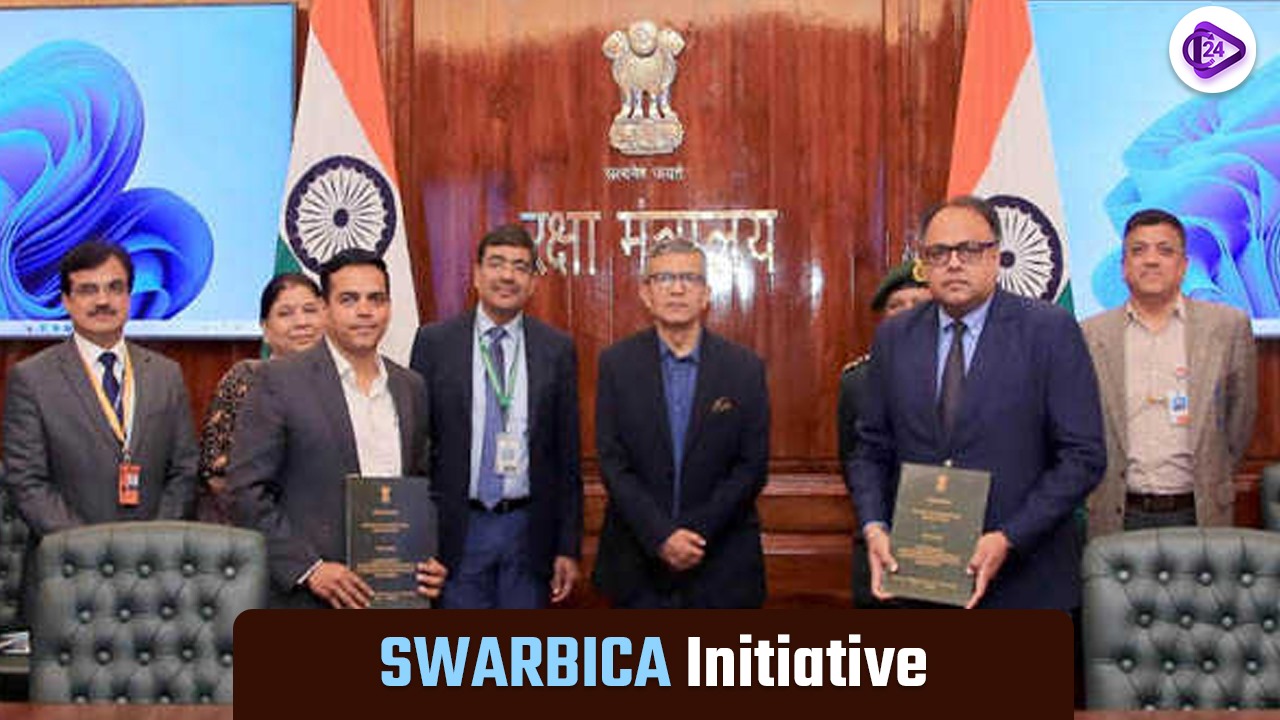
Indian officials started a digitization program to protect historic ancestry records (pothis) which genealogy priests used to maintain at religious centers. Through the National Archives of India (NAI) leadership the initiative works to preserve cultural heritage alongside traditional knowledge.

The records of pilgrim visits at Kashi Vishwanath Temple will soon become available through digital access to those who visit the sacred site. The project launches its operations in Ujjain as a first step before expanding to 25+ sacred locations which include Gaya, Prayagraj and several other sites including Badrinath, Kedarnath, Jagannath Puri, and Dwarka.

The two-year agenda for NAI digitalization involves processing 300 million pages which will substantially expand its online Abhilekh Patal portal that now offers 84 million pages after starting with 10 million. Multiple historical records which have spent 50-60 years untouched need immediate protective conservation measures.

Government’s Initiative for Digitisation

  • The government of India has developed a distinctive approach to digitize the multi-generational family records referred to as ‘pothis’.

  • Historical records are normally preserved by genealogical priests across different pilgrimage locations.

  • The project receives its direction from the National Archives of India (NAI) for safeguarding cultural heritage alongside traditional knowledge.

Ease of Access for Pilgrims

  • Religious pilgrims accessing temples such as Kashi Vishwanath Temple in Varanasi will shortly gain access to ancestor visit records through digital archives.

  • Customers can reach their ancestral information through simple finger movements or by using a computer mouse.

Role of the National Archives of India (NAI)

  • Arun Singhal from the NAI served as the Director General to present this initiative during the SWARBICA (South and West Asian Regional Branch of the International Council on Archives) conference.

  • The proposed program will start its digital record project in Ujjain, Madhya Pradesh by obtaining support from local priests.

Digitisation of Historical Documents

  • The NAI plans to digitize three hundred million pages throughout a two-year timespan.

  • Over 7-8 months the online portal Abhilekh Patal grew from 10 million to 84 million pages as its daily scanning reached 400,000 pages.

  • Experts have selected numerous records from a period spanning 50-60 years which now need immediate restoration before conservation efforts.

Preservation of Genealogy Records

  • The 25 pilgrimage centers throughout India maintained genealogy records are located in Gaya, Prayagraj, Badrinath, Kedarnath, Jagannath Puri and Dwarka.

  • Genealogical records within these archives extend historical data to reach ten successive generations of various families.

  • The Kedarnath floods alongside other natural disasters already destroyed multiple valuable records contained in the area.

Challenges and Need for Action

  • Genealogy priests from younger generations are choosing different careers and no longer follow traditional ancestral practices.

  • Proper digitization stands as the only way to prevent valuable records from being trapped in boxes or completely disappearing forever.

  • The government implements preventive measures to ensure valuable historical records do not disappear from existence.

Cultural and Religious Significance

  • Numerous Indians from both the domestic population and those residing abroad make religious pilgrimages to Gaya and Haridwar for ancestral rituals.

  • During Gaya's 'Pitra Paksha Mela' the Gayawal Pandas (tradition claims community members) maintain the ancestral records extending back multiple generations of visitors.

Global Collaboration and Future Prospects

  • Dialog at SWARBICA focused on developing a standard for worldwide collaboration regarding traditional record digitalization.

  • Gajendra Singh Shekhawat the Union Culture and Tourism Minister stated during the gathering that participants should adopt successful international approaches to expand preservation practices.

Conclusion

The digital conversion of ancestral records stands as a vital procedure for cultural heritage protection alongside the provision of historical data accessibility to both present and future researchers. This initiative uses modern technology to integrate traditional legacy documentation systems while following Digital India objectives for digital safekeeping of century-long records.

Frequently Asked Questions (FAQs)

The current affairs cover recent national and international events related to UPSC, SSC, Banking, Railways, and State PCS.

You need to read about the current affairs daily, and revise them every week and every month to keep them longer in your memory.

Yes, Class24 provides free downloadable Daily Current Affairs PDFs for easy revision.

Yes, you can practice MCQs and quizzes to boost your exam preparation.

Absolutely. The content is written in simple, easy-to-understand bilingual language suitable for beginners.

Go to class24.com and click on the current affairs section directly, where you find everything that you need.

ssc-toppers

Start Learning Today with Class24

Related current affairs

Class24 offers free video lectures for smart preparation, covering CGL, CPO, CHSL, MTS, and GD exams. Learn from expert faculty, revise concepts easily, practice with PYQs, and improve speed and accuracy through high-quality, exam-focused video lessons anytime, anywhere.

Get success in your hand. Start study anytime anywhere.

The journey becomes simple and enjoyable when you start taking interest in it. And through our app “Class24”, we will be your trusted partners in developing that interest.

Daily Quizzes
Mock Tests
Ongoing

No ongoing tests right now.