Day: February 20, 2025

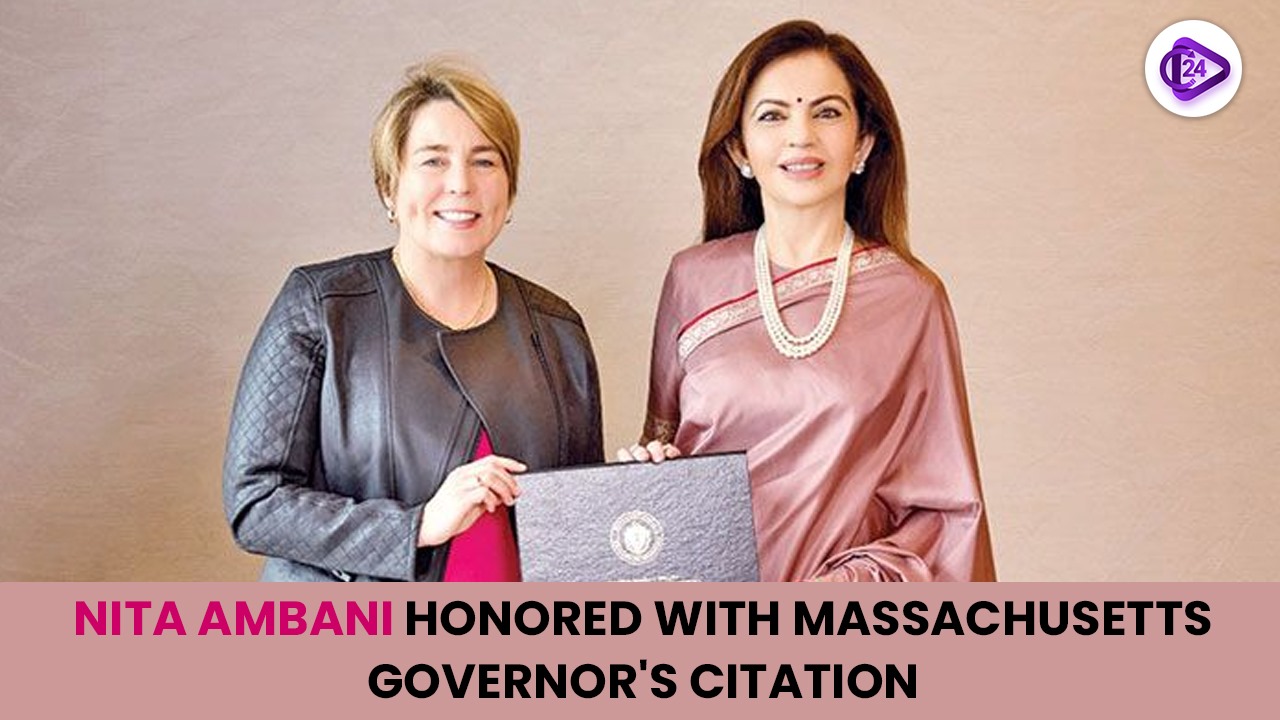
Nita Ambani Honored with Governor of Massachusetts’ Citation

Nita Ambani received the prestigious Governor of Massachusetts’ citation in recognition of her exceptional contributions across multiple sectors, including education development, healthcare delivery, sports infrastructure, arts promotion, cultural preservation, and women empowerment. Her visionary leadership has played a transformative role in uplifting communities by providing quality education through the Dhirubhai Ambani International School, advanced healthcare via Sir H.N. Reliance Foundation Hospital, and promoting Indian culture through the Nita Mukesh Ambani Cultural Centre (NMACC). This honor highlights her unwavering commitment to philanthropic initiatives that drive sustainable social development and elevate India's global presence.

Key Highlights

  • The presentation of recognition came from the Governor of Massachusetts who serves as the awarding authority in the USA.

  • Organization: Reliance Foundation

Major Contributions:

  • Dhirubhai Ambani International School serves as an excellent educational institution that focuses on academic achievement.

  • Sir H.N. Reliance Foundation Hospital operates as a center that delivers top-quality medical services to patients.

  • Sports: Reliance Foundation Young Champs, India Super League (ISL), grassroots sports initiatives.

  • Culture & Arts: NMACC stands as the Nita Mukesh Ambani Cultural Centre where Indian heritage preservation and promotion take place.

Global Recognitions

  • Citizen of Mumbai Award (2023) – Recognized for her contributions to Mumbai’s development.

  • As the Honorary Trustee of The Metropolitan Museum of Art in New York (2019) she became the first Indian member to enhance Indian cultural presence at a global level.

  • Global Philanthropist & Leader of the Year, Vogue India (2017) – Honored for impactful social initiatives.

Impact on Society

  • The Organization Focuses on Healthcare Transformation and Education Improvement to Deliver Advanced Medical Facilities and Quality Educational Opportunities for Everyone.

  • Empowering Women & Youth: Supporting entrepreneurship, leadership, and sports development.

  • Cultural Renaissance: Showcasing India’s artistic excellence on a global stage.

  • Global Recognition for India: Elevating India’s status in philanthropy, arts, and social impact.

Conclusion

The Governor of Massachusetts recognized Nita Ambani because of her transformative leadership in philanthropic work and social development. Her continued work in education healthcare sports and culture has solidified her role in advancing India's future while raising its global recognition. This honor reaffirms her position as a visionary leader driving impactful change.

Defence Secretary Co-Chairs 13th Malaysia-India Defence Cooperation Committee Meeting

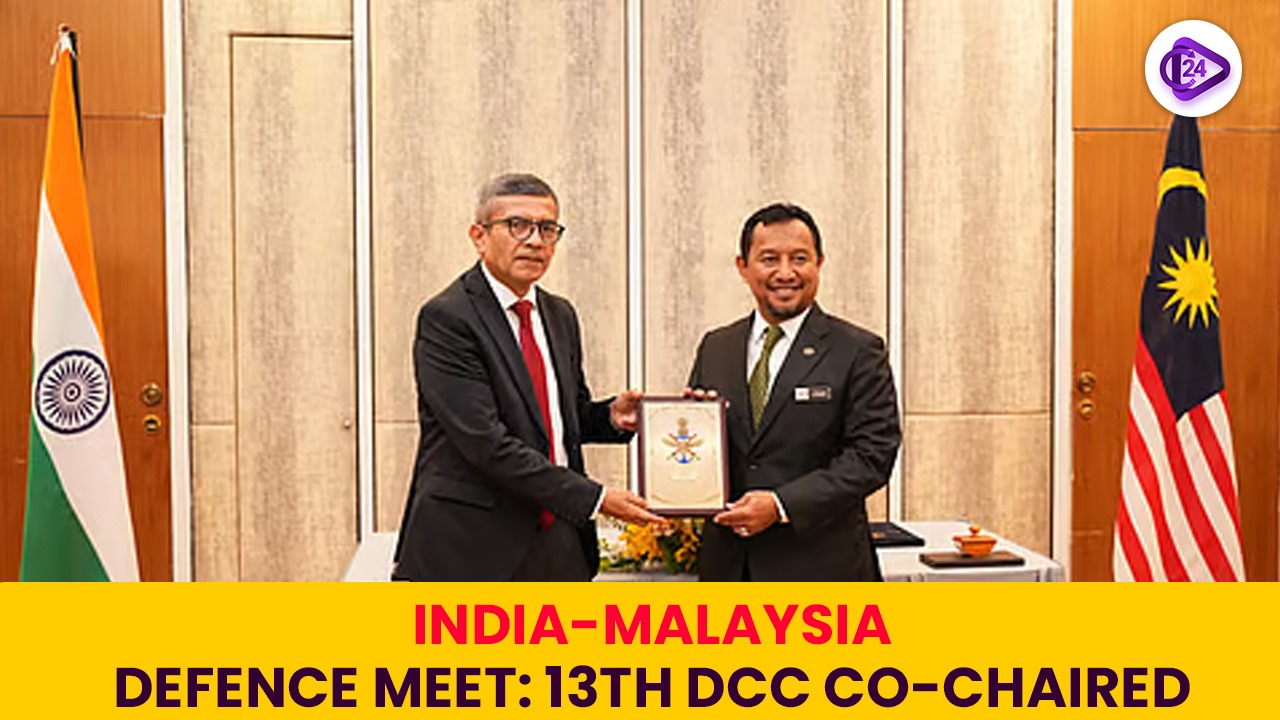
A Defence Cooperation Committee (MIDCOM) meeting between Malaysia and India was held on February 19th, 2025, in Kuala Lumpur, marking a significant step in strengthening bilateral defence ties. The meeting was jointly chaired by Defence Secretary Shri Rajesh Kumar Singh from India and Malaysia’s Secretary General of Defence Mr. Lokman Hakim Bin Ali, highlighting the growing strategic partnership between the two nations. Discussions focused on enhancing defence manufacturing collaborations, maritime security, and emerging areas like cyber security and artificial intelligence, reinforcing India’s role in Indo-Pacific security and regional cooperation.

Key Highlights

  • Defence and military organizations exchanged insights about manufacturing ties and ocean security along with joint international diplomatic relations.

  • Emerging Domains: Enhanced cooperation in cyber security and artificial intelligence.

  • Workers in a joint focus group have been established to tackle non-standard maritime security threats within the region.

  • Strategic Agreements: Establishment of a Strategic Affairs Working Group and an Su-30 Forum for air force cooperation.

Impact on India

  • Security Enhancement: India increases its impact on Indo-Pacific security through enhanced region-wide security protection capabilities.

  • Defence Industry Growth: Strengthens collaboration between Indian and Malaysian defence industries.

  • Maritime Safety: Supports ASEAN’s vision of a stable maritime environment.

  • Strategic Diplomacy: Aligns with India's Act East Policy, SAGAR (Security and Growth for All in the Region), and the Indo-Pacific Oceans Initiative.

Conclusion

India demonstrates its dedication to international security and maritime safety as well as regional stability through its expanded defense relations along with its position as the IALA Vice Presidency and enhanced Malaysian partnerships. Indian strategic interests within the Indo-Pacific region and its goal for a sustainable international system both find alignment with these recent developments.

Ajmer Hosts First-Ever All India Transgender Conference

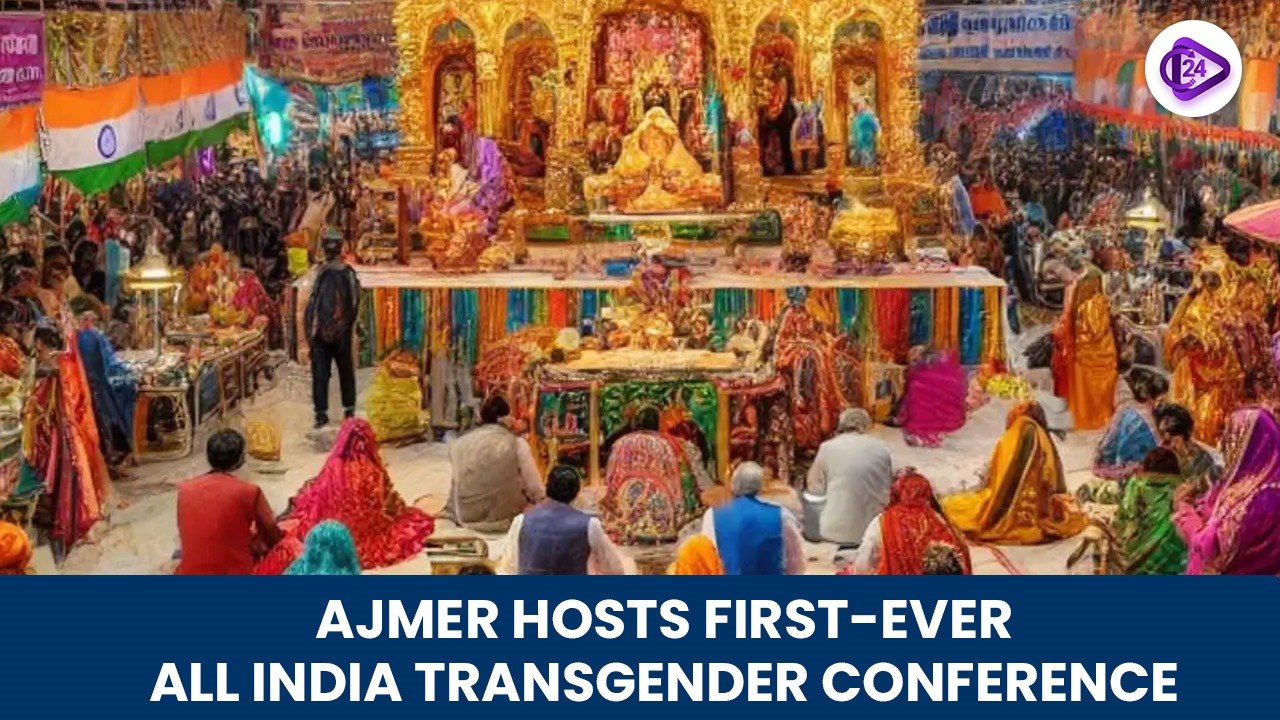
The historical 10-day transgender conference, All India Kinnar Mahasammelan, is being held for the first time in Ajmer at a private school in Vaishali Nagar. Beginning on February 17, 2025, with the traditional Khichdi Tulai ritual, the event brings together over 2,000 transgender members from across India to discuss pressing issues faced by the transgender community. The conference aims to promote social inclusion, cultural recognition, and religious harmony by addressing community rights, celebrating traditions, and fostering awareness through various rituals, discussions, and cultural events.

Key Highlights

  • Venue: The All India Kinnar Mahasammelan serves as the first transgender conference of its kind to be held at a private school in Vaishali Nagar.

  • Organizer: Gaddipati Saloni Nayak, in memory of mentor Anita Bai

  • Duration: 10 days (Starting February 17, 2025)

  • Attendees: Over 2,000 transgender members from different states

  • The conference focused on explaining transgender rights while exploring the cultural values and sacred beliefs of transgender communities.

Traditional Rituals and Cultural Events

  • Khichdi Tulai Ritual: Opening ceremony offering food to Goddess Bahuchara

  • During Kalash Puja participants conduct a prayer ceremony that involves presenting offerings to reflect the welcome of guests.

  • Chak Pujan: Followed by a grand procession through Ajmer

Security and Participation Guidelines

  • The event permits admittance only to selected participants who received an official invitation.

  • A security team checks all attendees who want to enter the premises.

  • Every conference guest must make a compulsory stop at Bahuchara Temple prior to the event.

Special Features and Facilities

  • A 20-meter pavilion serves as the large setup that features live LED broadcasts.

  • The gathering provides community facilities through medical help and banking together with perfume shops and travel booking services.

  • Kinnar Akhara Parishad distributes appreciation to PM Narendra Modi and UP CM Yogi Adityanath along with other leaders for their support.

Impact of the Conference

  • Social Inclusion benefits from the national exposure of transgender issues through this event.

  • Religious Harmony: Encourages unity among Hindus, Muslims, and all faiths

  • The marketplaces together with service options create economic opportunities which in turn brings people together.

  • Cultural Recognition: Strengthens the role of transgender traditions in Indian society

Conclusion

Ajmer hosted the All India Kinnar Mahasammelan which established important achievements for transgender rights and spiritual progress and community well-being. The event promotes social inclusion and creates awareness while empowering transgender people all over India through its integration of religious practices and cultural recognition and social dialogue activities.

G-SAFAL Initiative Launched by Gujarat Government

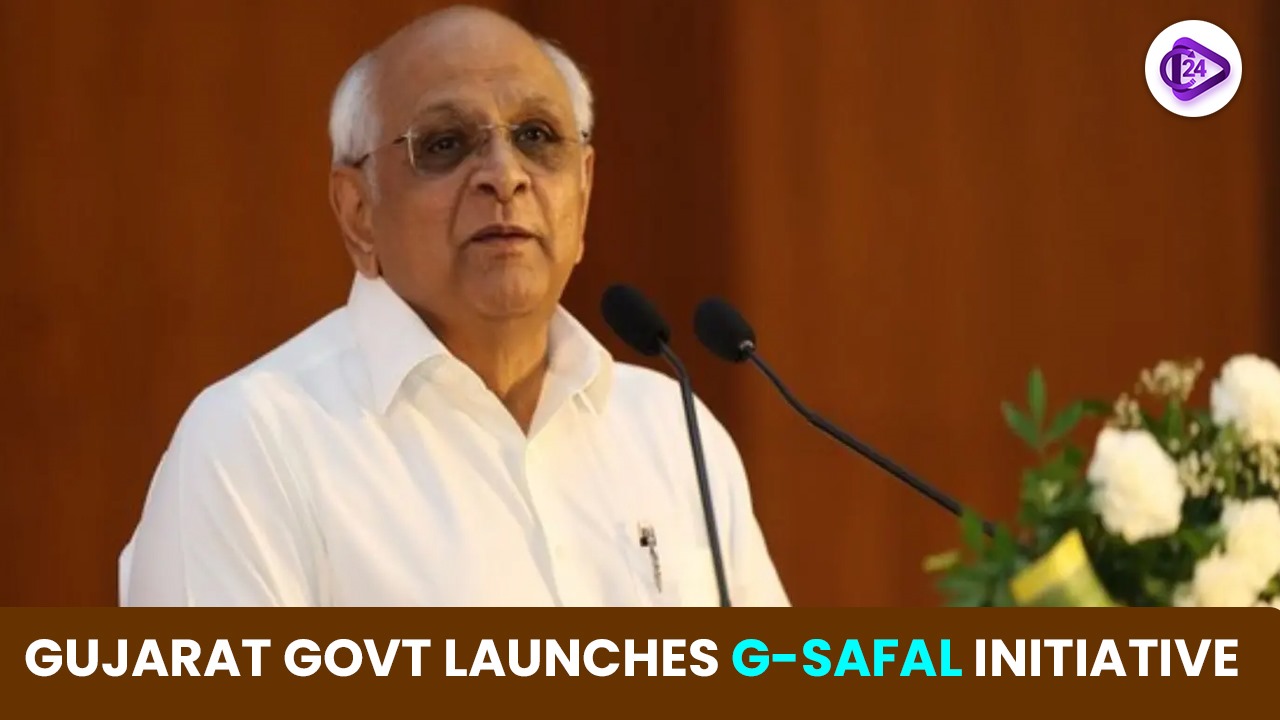
G-SAFAL is a transformative state scheme launched by the Gujarat government aimed at uplifting Antyodaya families by promoting economic growth and empowering women through targeted development programs. Operated by the Gujarat Livelihood Promotion Company Limited, the initiative spans across 10 districts, supporting 50,000 underprivileged families with essential resources to break the cycle of poverty. The program focuses on providing financial assistance, creating income-generating opportunities, and fostering self-reliance among women, thereby ensuring sustainable economic progress and social empowerment for the most vulnerable sections of society.

Key Pillars of G-SAFAL

  • The program enables Antyodaya families to receive benefits from government welfare programs which strengthens their social security support.

  • This program delivers grants with financial assistance to establish various income generation opportunities for families.

  • The inclusion program establishes financial relationships between beneficiaries and banks together with savings plans and credit opportunities which build economic endurance.

  • Community support develops through Social Development and Empowerment programs which combine self-help group training and participation initiatives.

Empowerment of Women

  • The G-SAFAL program places special emphasis on empowering women. 

  • The training programs offered by field coaches direct women towards becoming business entrepreneurs as they learn essential skills that lead to economic independence.

Implementation Strategy

  • The program selects the poorest families that hold Antyodaya Anna Yojana card memberships.

  • The program guarantees all beneficiary families will obtain minimum two sources of income.

  • The system provides digital tracking capabilities to show current progress alongside payment distributions along with developmental measurements.

Target Districts

The ten districts in Gujarat fall under the scope of this initiative.

  1. Banaskantha

  2. Patan

  3. Kutch

  4. Surendranagar

  5. Chhota Udepur

  6. Panchmahal

  7. Dahod

  8. Narmada

  9. Tapi

  10. Dang

Alignment with National Initiatives

  • The G-SAFAL program matches the Aspirational Blocks Programme (ABP) developed by the Government of India to advance essential services and livelihood development in underdeveloped areas.

Conclusion

This G-SAFAL initiative combines all essential components needed for thorough poverty reduction alongside economic sustainability. Gujarat employing these three enabling strategies targets its most disadvantaged families to drive lasting economic development.

Arunachal Cabinet Unveils Key Schemes for Women, Youth & Development

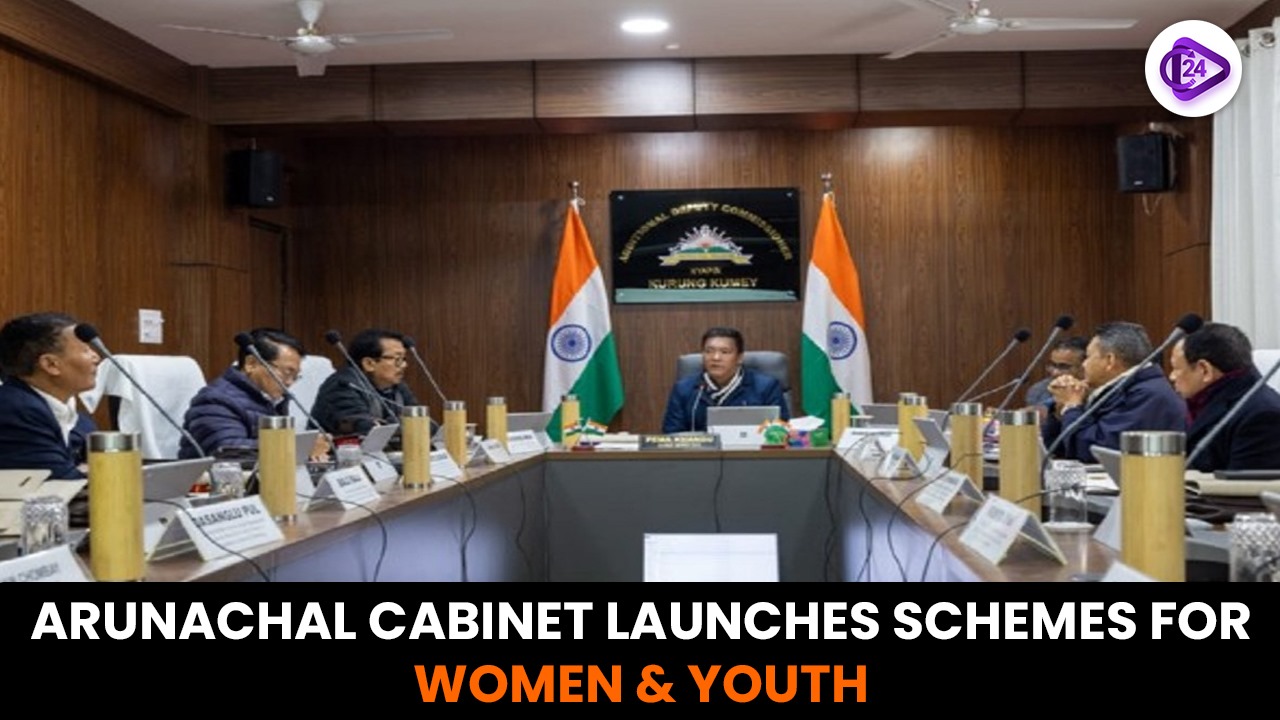
The Pema Khandu-led Arunachal Pradesh Cabinet approved various significant initiatives which put emphasis on women programs and youth programs together with initiatives for state development. The cabinet approved enhancements of the Dulari Kanya Scheme together with ₹50,000 financial assistance to girls and Mission Olympics program for sports athletes. The cabinet approved both the Arun Parivar Patra Bill, 2025 for creating a citizen database and established the Institute for Transforming Arunachal (ITA) to research state policy. A seed fund amounting to ₹5 crore was reserved for funding women entrepreneurs while the state authorized the establishment of five new fire stations to strengthen emergency response thus supporting inclusive growth and governance.

Key Highlights

  • The government raised financial assistance for institutional delivery of girls through Dulari Kanya Scheme to ₹50,000 that included a ₹30,000 FD and a ₹20,000 DBT in Class XI.

  • Arun Parivar Patra Bill, 2025: Establishes a citizen database for targeted welfare delivery.

  • Institute for Transforming Arunachal (ITA): A think tank for policy planning and governance innovation.

  • GST Amendment Bill, 2025: Aligns state taxation with national GST policies for better revenue management.

  • The Handloom and Handicrafts Policy of 2024 includes digital recording of artisans and increased incentives which elevate prize money for exceptional craftsmanship to ₹1,00,000.

  • Through the Mission Olympics initiative Arunachal Pradesh targeted development of Badminton and allocated funding for Skateboarding Taekwondo Judo Weightlifting and Wushu.

  • Youth Policy (Year of the Youth 2024-25): Focuses on education, skill development, health, and entrepreneurship.

  • Women Entrepreneurship Development Cell: ₹5 crore seed fund for women-led startups and business training.

  • New Fire Stations: Establishment of five new fire stations in Raga, Yupia, Boleng, Lemmi, and Tato, with 90 new staff positions.

Impact on Arunachal Pradesh

  • Women Empowerment: Enhanced financial aid and entrepreneurship support for women.

  • Youth Development receives support from sports programs combined with skill training initiatives which aids youth participation in employment opportunities.

  • The state's economic growth depends on handicraft promotions plus tax modernization measures and digital administration which leads to sustained financial success.

  • Public Safety: Improved emergency response with additional fire stations and personnel.

Conclusion

The current reforms enacted by the Arunachal Pradesh Cabinet focus on three areas of inclusive development through women empowerment and youth engagement and economic growth. The initiatives follow national goals while supporting sustainable regional development which generates progress throughout the whole area.

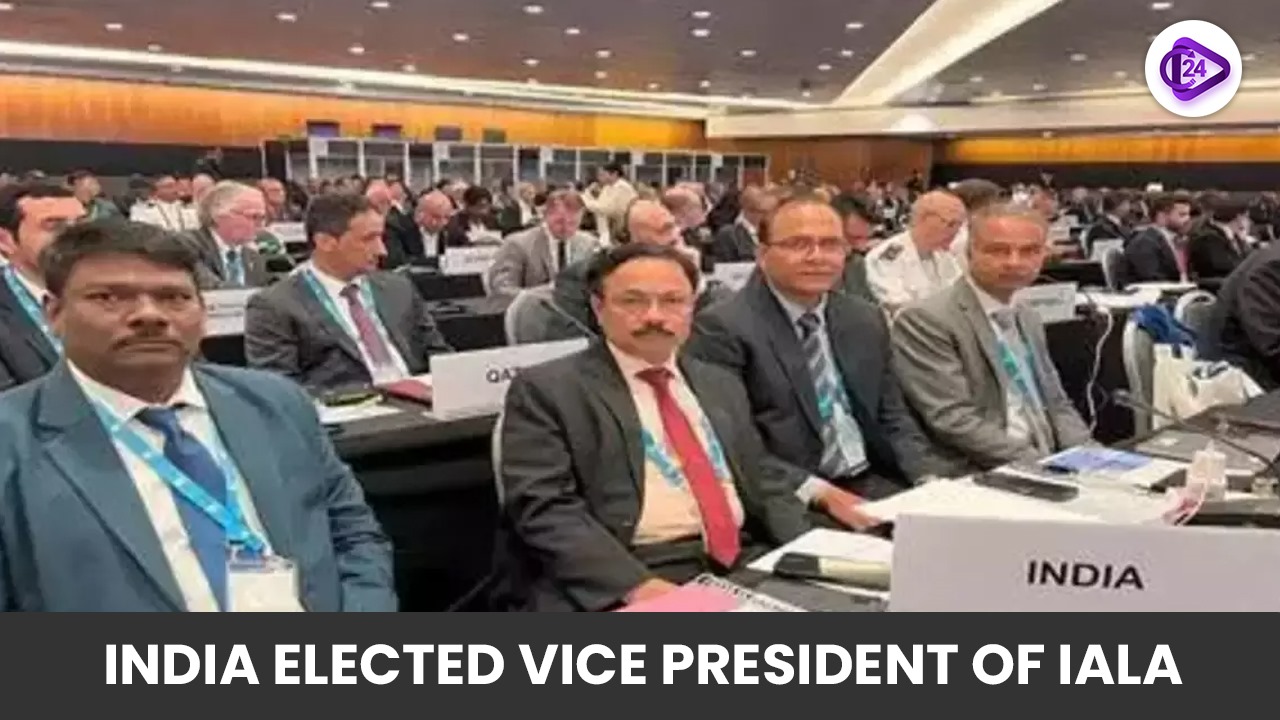
India Elected to Vice Presidency of International Organization of Aids to Marine Navigation (IALA)

Indian authorities achieved a major maritime success by securing the Vice Presidential position at the International Organization of Aids to Marine Navigation (IALA) during its inaugural General Assembly in Singapore. IALA evolved from an NGO into an intergovernmental organization (IGO) which enabled it to strengthen its position in global maritime safety operations. 

The Indian delegation under Shri T.K. Ramachandran emphasized maritime security alongside sustenance during the meetings. The General Assembly and Council meeting for IALA will both take place in India in 2027 and 2025 respectively. Through this election India has strengthened its position in maritime policy development as well as fostered international collaboration for sustainable shipping sector objectives.

Key Highlights

  • Secretary of the Ministry of Ports Shipping and Waterways Shri T.K. Ramachandran took charge of leading the Indian team throughout the meeting.

  • The inter-governmental organization (IGO) status of IALA provides greater influence in the realm of maritime navigation worldwide.

  • The country emphasizes its maritime leadership through its participation in the recent election process.

  • India will welcome IALA members to the Council meeting in December 2025 before organizing the IALA Conference & General Assembly in September 2027 in Mumbai.

Impact on India

  • The enhancement of maritime infrastructure allows India to play a more prominent role in creating international maritime security guidelines.

  • Strategic Collaboration: Boosts international cooperation on sustainable navigation practices.

  • Economic Growth: Supports India’s vision of a secure and efficient maritime transport system.

  • Environmental Protection: Reinforces efforts in maritime safety and ecological conservation.

Conclusion

The Vice Presidency of IALA for India shows that the country remains actively committed to maritime safety improvement while working globally to optimize navigation systems. The accomplishment has elevated India's position to shape international maritime policy creation together with sustaining secure navigation operations worldwide.

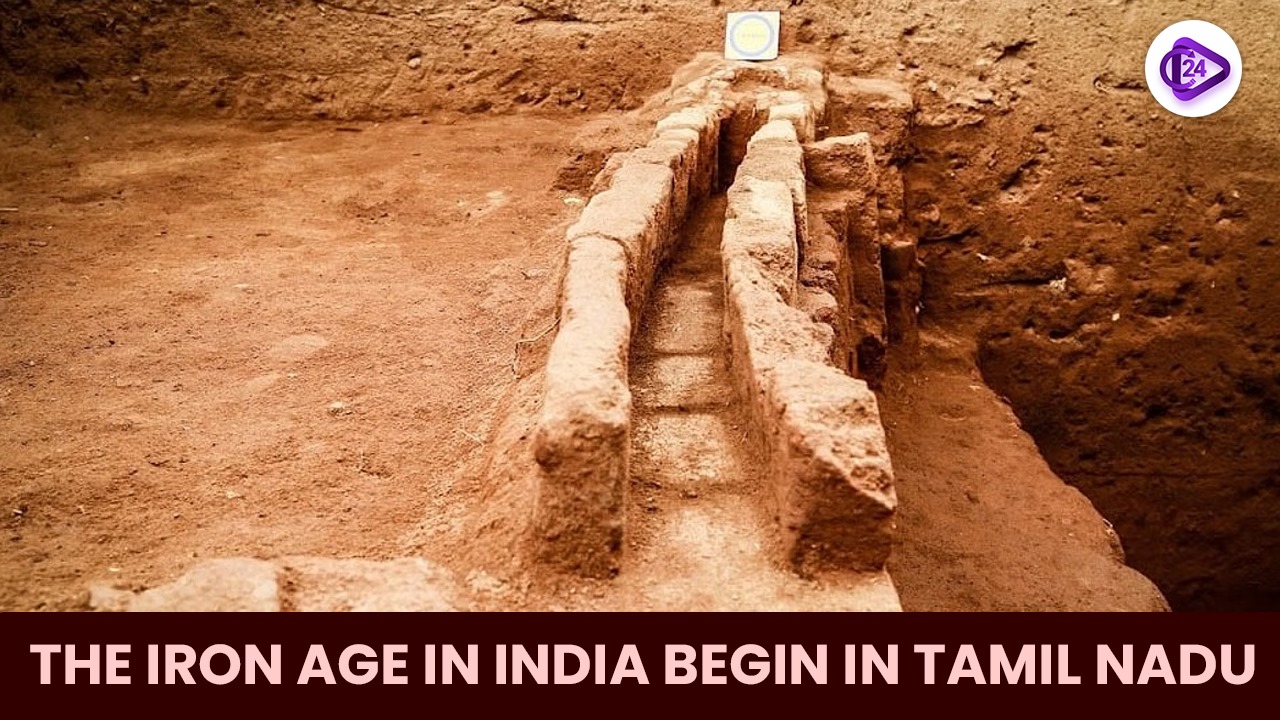
Did the Iron Age in India Begin in Tamil Nadu?

Archaeological discoveries of iron artifacts in Tamil Nadu have produced dates ranging from 3,345 BCE to 2,953 BCE thus refuting previous beliefs about when the Indian Iron Age began. Chief Minister M.K. Stalin of Tamil Nadu has confirmed that Tamil soil began iron smelting in the fourth millennium BCE based on a report from the Tamil Nadu State Archaeology Department declaring the Antiquity of Iron. The dating of iron use discovered in the Ganga Plains stands at approximately 1800 BCE which proves to be an earlier time compared to previous research findings.

Scientists now reevaluate how early metallurgy and civilization growth occurred in India because of this discovery. This discovery has created numerous inquiries regarding technological progress variations across regions because of their impact on historical developments.

Causes of Early Iron Usage in Tamil Nadu

  • Limited Availability of Copper Ore

    • North Indian regions that possessed copper ore deposits (needed for Copper-Bronze Age development) did not have comparable copper resources in Tamil Nadu as the latter possessed minimal extractable copper.

    • Early Tamil societies had to start working with iron as a substitution metal because of the limited copper availability in their region.

  • Abundance of Iron Ore in Southern India

    • Salem together with Krishnagiri and Tiruvannamalai Districts constitute the primary locations for iron ore reserves in Tamil Nadu.

    • Early societies discovered iron ores more easily which allowed them to perform iron smelting and tool fabrication before the northern populations.

  • Technological Innovation & Cultural Continuity

    • Archaeological findings from Mayiladumparai and Sivagalai as well as Adichanallur demonstrate that Tamil cultural groups independently discovered methods to produce iron.

    • Tamil Nadu did not experience a Chalcolithic era thus Neolithic followed directly into the Iron Age without passing through the Copper-Bronze stage.

  • Economic and Agricultural Needs

    • Early settlements valued the discovery of iron tools because they improved forest clearance and plowing of lands which resulted in better agricultural output.

Advantages of Early Iron Usage in Tamil Nadu

  • Technological Advancement

    • Given to them first the early adoption of iron tools allowed Tamil societies to dominate in agricultural production and warfare and craftsmanship.

    • Settled civilizations along with increased food production resulted from improved ploughs in farming practices.

  • Architectural and Urban Development

    • The combination of iron chisels with tools could potentially lead to improved construction of dwellings as well as irrigation systems and monumental structures.

  • Expansion of Trade and Economy

    • The early introduction of iron tools enabled trading activities both inside and outside India as well as between ancient civilizations.

    • Early metallurgy in Tamil Nadu contributed to economic growth because the region maintained trade relations with Rome Egypt along with Southeast Asia.

  • Military Superiority

    • Iron weapons surpassed copper and bronze weapons because they offered superior defense abilities to protect against invaders along with reinforced governance stability.

    • The production of early Tamil kingdoms experienced acceleration because of iron weapons.

Disadvantages and Challenges

  • Environmental Impact

    • Iron smelting operations at a large scale caused extensive deforestation because the extraction process relied heavily on charcoal for operations.

    • Soil erosion together with changing climates could have occurred if extraction remained without control.

  • Resource Exploitation and Social Hierarchies

    • Overseeing iron mining led to social hierarchy development because particular groups held exclusive rights to produce and use iron products.

    • The development of warring domains eventually triggered conflicts related to resource management disputes.

  • Lack of Extensive Archaeological Evidence

    • Radiometric dating indicates Tamil Nadu could have pioneered iron use yet complete nationwide examinations and comparison studies should validate early iron artifacts throughout India.

Historical Development 

Tamil Nadu’s Role in the Development of Indian Civilization

  • Conventional historical records established that India's Iron Age arrived during 1800 BCE.

  • The new findings of early iron artifacts imply that India's Iron Age should be dated to 4th millennium BCE and alters our perceptions of ancient civilizations.The archaeological find demonstrates how Tamil Nadu served as an essential force behind the early development of Indian metallurgy and economy and trade.

  • The study of Indian history mainly concentrated on the Ganga Plains together with the Indus Valley Civilization for many years.

  • The evidence reveals how early technological innovation extended beyond North India which confirms South India's historical significance to early Indian civilization.

  • Iron technology developments from preceding periods would have benefited the time span of the Sangam Age (300 BCE – 300 CE).

  • Future studies in South Indian archaeological sites are predicted to increase in number.

  • The discovery allows researchers to view differently how technology spread between different regions.

Conclusion

  • The discovery that Tamil Nadu served as the first region in India for the emergence of the Iron Age challenges mainstream historical interpretations. Without doubt the numerous iron-smelting sites identified from 3300 BCE reveal South India as a leading region for early adoption of iron production technology in the region.

  • The research community requires additional evidence to verify and determine Tamil Nadu's position in the wider Indian Iron Age context yet these discoveries now enable better understanding of ancient Indian history. Historical studies need better inclusivity because they should acknowledge regional differences beyond North Indian studies.

  • The research discoveries affect policy decisions regarding Tamil Nadu's heritage protection together with excavation financing and tourist attractions which enhance India's historical and cultural heritage

India Increases Agricultural Import Tariffs to Safeguard Farmers

As an initiative India established a protectionist policy regime to protect its farmers against international agricultural competition by using high trade barriers and subsidies with strong import tariffs. The average import taxes for agricultural products in India amount to 38% and place it at the top of BRICS member states regarding restrictive trade policies.

Causes of Agricultural Protectionism

  • The concern for food security compels the nation to maintain local food production capability avoiding international imports.

  • The sector of agriculture attracts only 6% of total investment which reduces its global competitive capability.

  • Price stabilization measures shield Indian farmers from world market price variations and foreign market imports.

  • The employment levels sustained by agriculture reach 40% of India’s total workforce which requires government backing.

  • The U.S. along with the EU provides large agricultural subsidies which lowers the export prices of their agricultural products.

Advantages of Agricultural Protectionism

  • The concept of Farmer Income Security protects farmers from losing income against low-cost imported products.

  • The implementation of domestic agricultural production leads to increased local agricultural development alongside rural progress.

  • Market prices remain stable through this protection because farmers do not face price volatility from global markets.

  • The policy puts restrictions on excessive market dumps through expensive imports which supports domestic producers.

Disadvantages of Agricultural Protectionism

  • The implementation of tariffs leads to enhanced prices for food products at consumer levels.

  • Other nations might respond by imposing trade restrictions which causes Indian agricultural exporters to encounter limited market entry opportunities.

  • The WTO negotiations with the United States and other countries create several trade disputes which result in strained international trade relations.

  • The protectionism of Indian agriculture delays the acceptance of advanced agricultural technologies because it reduces business competition.

Impact on India

  • The domestic agriculture boost has positive effects on domestic farming but weakens operational efficiency.

  • The United States increased its trade demands for lower agricultural tariffs during business negotiation talks.

  • The burden on consumers increases because prices of imported food items such as dairy products as well as beverages and edible oils become more expensive.

  • India implemented trade negotiations which led the country to lower bourbon whiskey import tariffs from 150% to 100%.

  • Policies in Indian agriculture need modernization to face international markets because implementing high tariffs would not enable global competition.

Conclusion

India keeps agricultural protectionism active as its core policy to provide continued support to farmers alongside food protection. The long-term reduction of high tariffs in India demands improved agricultural investment together with enhanced productivity levels and modern technology adoption. The safe implementation of protectionist measures with global trading relations develops enduring agricultural progress while building economic resistance.

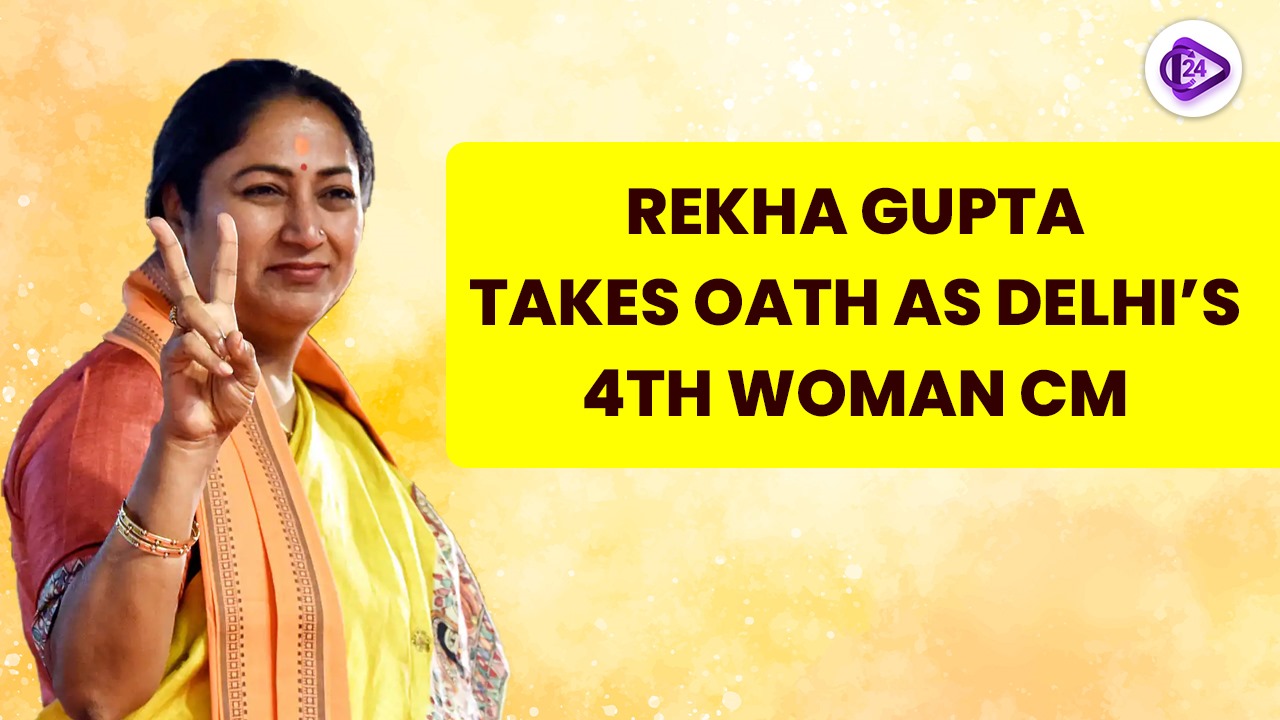
Governance Structure of Delhi and Appointment of Rekha Gupta as Chief Minister

Political representation in Delhi shifted toward the Bharatiya Janata Party (BJP) when they gained 48 seats from a total of 70 seats in the Assembly elections. Rekha Gupta secured the Delhi Chief Minister position by unanimous decision after winning her first legislative party meeting as the Shalimar Bagh representative. Rekha Gupta became the fourth woman to lead Delhi’s government through its political history. Prime Minister Narendra Modi along with senior BJP leaders have been invited to attend her February 20 oath-taking ceremony at Ramlila Maidan. 

Rekha Gupta’s Political Journey and Experience

  • The politician accumulated three terms of MCD councillorship which provided hands-on experience in grassroots governance.

  • Gupta came from an organization background rooted in RSS through its student wing ABVP so she holds positions within BJP's ideological principles.

  • The voters demonstrated a clear change in opinion by electing Soni with 29,595 more votes than she defeated Bandana Kumari from AAP.

Constitutional and Administrative Framework of Delhi

Special Status of Delhi under Article 239AA

  • The National Capital Territory (NCT) of Delhi possesses a special administrative framework under Article 239AA of the Indian Constitution which emerged through the 69th Constitutional Amendment Act of 1991.

  • The special constitutional framework gives Delhi status as a Union Territory that operates with a legislature while executive and judiciary function alongside executive restrictions.

  • The President of India through his appointment creates the Lieutenant Governor who holds special administrative powers.

Legislative Assembly and Powers

  • A total of 70 members serve as MLAs within the legislative assembly of Delhi through elections conducted by the populace.

  • The Assembly possesses authority to create regulations pertaining to matters in the State List and Concurrent List yet it lacks power over public order security or real estate which remains under central supervision.

  • The Chief Minister of the majority party in the Assembly becomes head of the Council of Ministers when providing advice to the LG.

  • The Government of National Capital Territory of Delhi Act, 1991 has established formal specifications concerning what authority both executive and legislative branches hold in Delhi.

Broader Implications and Analysis

Governance Challenges in Delhi

  • Previous Administrations displayed a key governance challenge due to the continuing power conflict between the elected government and the LG.

  • The priority areas for effective governance will include managing public transport as well as controlling pollution and building infrastructure.

Women's Leadership in Indian Politics

  • The CM position in Delhi has been held by four female government officials since its establishment.

  • Sheila Dikshit maintained the position of CM for the most extended period of time amounting to 15 years.

  • The position of CM first went to Sushma Swaraj who became the first woman to hold the role although her governance was brief and short-lived.

  • Rekha Gupta (2025) currently serves as the most recent woman Chief Minister of the BJP party.

  • The appointment of Rekha Gupta confirms that women deserve access to leadership positions.

  • The presence of women in governance positions enables better engagement of ladies in national policies.

Policy Announcements and Governance Priorities

  • Rekha Gupta announced on February 20th 2025 that the government she would lead in Delhi would distribute ₹2,500 every month to women to fulfill one of the BJP's main election commitments.

  • The support payments for eligible women will be reflected in their accounts by March 8, 2025 according to her promise.

  • The BJP adopted this policy as a response to AAP's ₹2,100 support promise with the dual goal of demonstrating better social programs and demanding accountability for the past AAP government.

National and Global Strategic Developments

  • The country advances its initiatives to support social justice and sustainable mining operations and renewable energy technologies.

  • India needs to intensify lithium mining cooperation efforts with Argentina to achieve full independence from renewable energy sources.

  • The continuous political stability managed by BJP in Delhi extends Delhi's national development goals and makes its administration more effective.

Conclusion

The Delhi Chief Minister position given to Rekha Gupta represents a major development that strengthens BJP's control of the capital. The mechanisms of governance in Delhi undergo progressive change because of constitutional established laws and court decisions. This development demonstrates both India's energy security objectives and urban development plans because it shows a commitment to inclusive leadership together with efficient governance. Coming years will provide a test to assess the performance of her leadership and its subsequent influence on lasting progress for Delhi.

India and Argentina Strengthen Cooperation in Lithium Exploration and Mining with a MoU

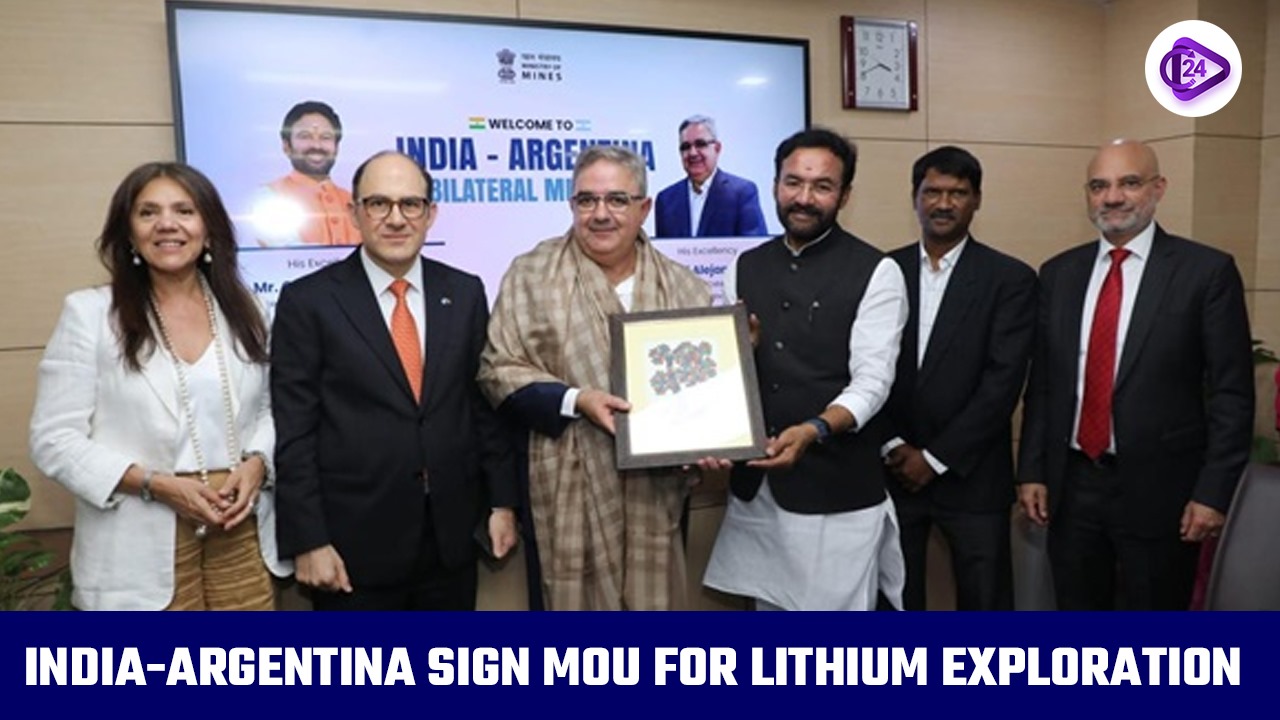
The governments of India and Argentina executed a Memorandum of Understanding (MoU) for lithium exploration and mining development on February 19th of 2025. The deal has Mineral Exploration and Consultancy Limited (MECL) forming a partnership with the Provincial Government of Catamarca to promote Indian investment within the Argentinian lithium industry.

India needs this strategic partnership between Argentina and itself since it positions Argentina in the "Lithium Triangle" which enables the development of Indian renewable energy infrastructure and electric vehicle (EV) initiatives. Through the Memorandum of Understanding India can receive lithium from Argentina while advancing technology transfer and utilizing sustainable mining practices alongside creating cooperative regulations to enable a steady lithium supply for its clean energy conversion. Indian mineral security receives backing from this agreement which simultaneously improves economic alliances and expands investment opportunities throughout Latin America.

Key Highlights of the Agreement

  • A meeting at the High-Level stage occurred when Union Minister Shri G. Kishan Reddy interacted with governing authority H.E. Raúl Alejandro Jalil and senior official representatives from Catamarca.

  • MoU Signed: Between Mineral Exploration and Consultancy Limited (MECL) and the Provincial Government of Catamarca.

  • Joint exploration ventures between Khanij Bidesh India Ltd. (KABIL) and Greenko over lithium deposits continue in Argentina as India strives to increase its stake in mining operations throughout the nation.

  • The partnership requires attention to policy development together with regulatory requirements along with responsible mining practices that create mutual advantages.

Strategic Importance

  • The Lithium Triangle makes Argentina one of the premier locations worldwide for lithium mining alongside other member nations.

  • The lithium supply in India serves as an essential resource because it supports India's renewable energy development together with its electric vehicle transformation.

  • Through this agreement India and Argentina will enable modern technology transfers as well as mining infrastructure development and knowledge exchange.

Conclusion

  • The MoU between India and Argentina confirms their mutual dedication to increase collaboration within the critical minerals arena. This partnership is expected to:

    • Lithium exploration projects should proceed more rapidly as well as mining activities.

    • India needs to enhance its network for essential minerals distribution.

    • Indian companies should obtain investment prospects within Latin American regions.

  • The parties will support the implementation of sustainable mining activities following ethical standards.

  • The clean energy transition of India requires stable lithium supply because the nation needs lithium for energy storage solutions and electric vehicle manufacturing. Strategic resource planning for India takes a crucial advance with the joint initiative between India and Argentina.


Frequently Asked Questions (FAQs)

The current affairs cover recent national and international events related to UPSC, SSC, Banking, Railways, and State PCS.

You need to read about the current affairs daily, and revise them every week and every month to keep them longer in your memory.

Yes, Class24 provides free downloadable Daily Current Affairs PDFs for easy revision.

Yes, you can practice MCQs and quizzes to boost your exam preparation.

Absolutely. The content is written in simple, easy-to-understand bilingual language suitable for beginners.

Go to class24.com and click on the current affairs section directly, where you find everything that you need.

ssc-toppers

Start Learning Today with Class24

Related current affairs

Class24 offers free video lectures for smart preparation, covering CGL, CPO, CHSL, MTS, and GD exams. Learn from expert faculty, revise concepts easily, practice with PYQs, and improve speed and accuracy through high-quality, exam-focused video lessons anytime, anywhere.

Get success in your hand. Start study anytime anywhere.

The journey becomes simple and enjoyable when you start taking interest in it. And through our app “Class24”, we will be your trusted partners in developing that interest.

Daily Quizzes
Mock Tests
Ongoing

No ongoing tests right now.