Day: February 4, 2025

Guru Shishya Parampara Scheme Preserving India Traditional Arts

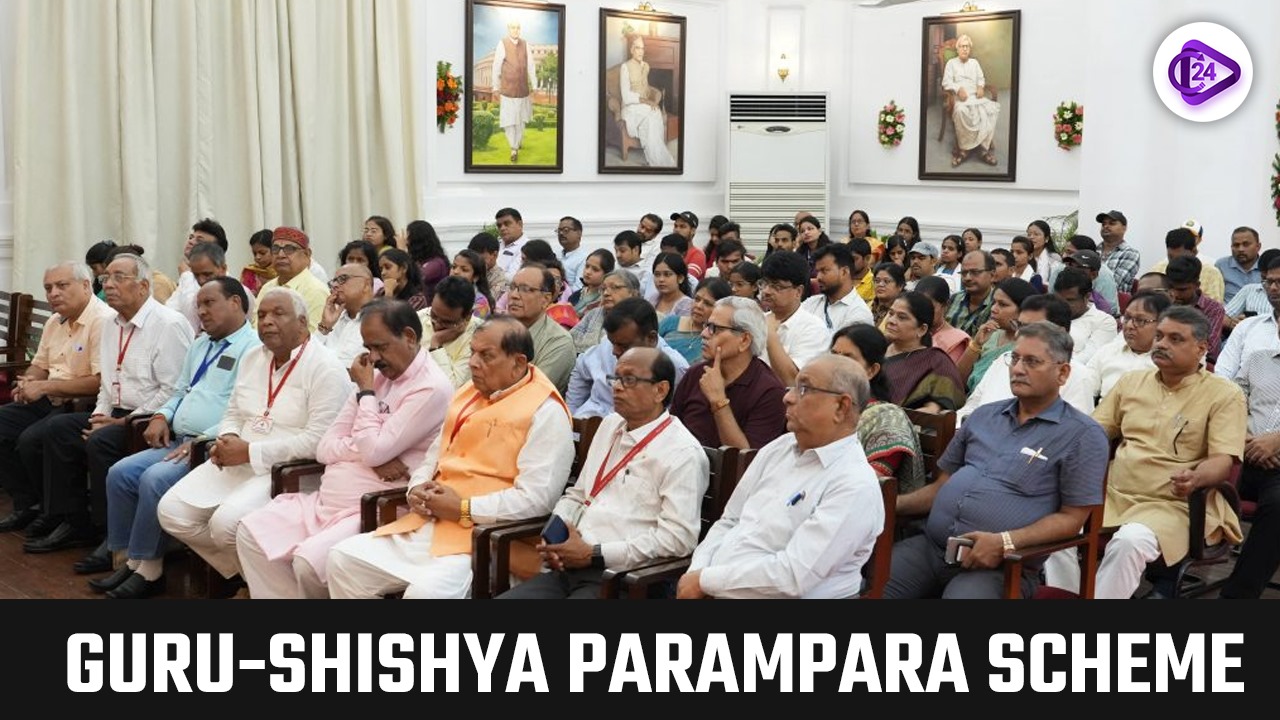
Under the Central Sector initiative of Kala Sanskriti Vikas Yojana (KSVY), the Guru-Shishya Parampara Scheme provides structured training together with financial help to cultural organizations for traditional performing arts preservation. The program provides monthly financial support through honorariums that enable continuous learning for Gurus and Shishyas who focus on music together with dance and theatre as well as folk arts. Through the scheme, India supports emergent performing talent through continuous financial aid distributed at the state level across the country.

Introduction to the Scheme

  • The Ministry of Culture directs its Central Sector Scheme through Kala Sanskriti Vikas Yojana (KSVY).

  • The scheme seeks to maintain traditional performing arts through traditional teacher-student education systems.

  • The government gives financial help to organizations that perform cultural showcases including music as well as dance performance and theater arts alongside folk art pieces.

Objectives of the Scheme

  • The scheme exists to protect Indian art heritage along with its future development through artist training programs.

  • The program exists to deliver organized teaching methods following traditional Indian educational practices.

  • The scheme provides continuous learning support through financial aid to both teaching Gurus and Sishyas who are students.

Eligibility and Application Process

  • Organizations need to apply either for annual renewal or fresh selection.

  • The Expert Committee evaluates applications through their assessment of:

    • Cultural activities and performances of the organization.

    • Justification for financial support and available resources.

    • Interaction with Guru/representative of the organization.

Categories and Financial Assistance

  • The Theatre section permits a single Guru to train 18 Shishyas.

  • One Guru can provide training to a maximum of 10 Shishyas in the fields of Music & Dance under this scheme.

Category of Shishya/Artist

Age Group

Honorarium (per month)

Guru/Director

₹15,000

Adult Shishya/Artist

18+ years

₹10,000

A Category Child Shishya

12 – <18 years

₹7,500

B Category Child Shishya

6 – <12 years

₹3,500

C Category Child Shishya

3 – <6 years

₹2,000

Encouraging New Talent

  • Every year Scheme accepts fresh applications through its ‘Fresh Category’ program.

  • The organization seeks to assist young artists who are interested in traditional performing arts.

State-Wise Financial Assistance

  • Many Gurus along with their Shishyas have received financial support from numerous locations throughout India.

  • The information about financial grants provided to Haryana and Uttar Pradesh students can be found in Annexure II.

Impact and Significance

  • The program strengthens the teacher-disciple relationship to protect India's cultural expressions that lack physical form.

  • The program makes it possible for upcoming performing artists to develop continuing careers.

  • This program creates sustainable financial conditions that award recognition to students and their teachers.

Conclusion

Through its support of traditional training approaches the scheme both preserves India's cultural heritage for future generations and ensures artists receive stable income while maintaining classical and folk art forms.

Government Expands Support for Classical Languages in India

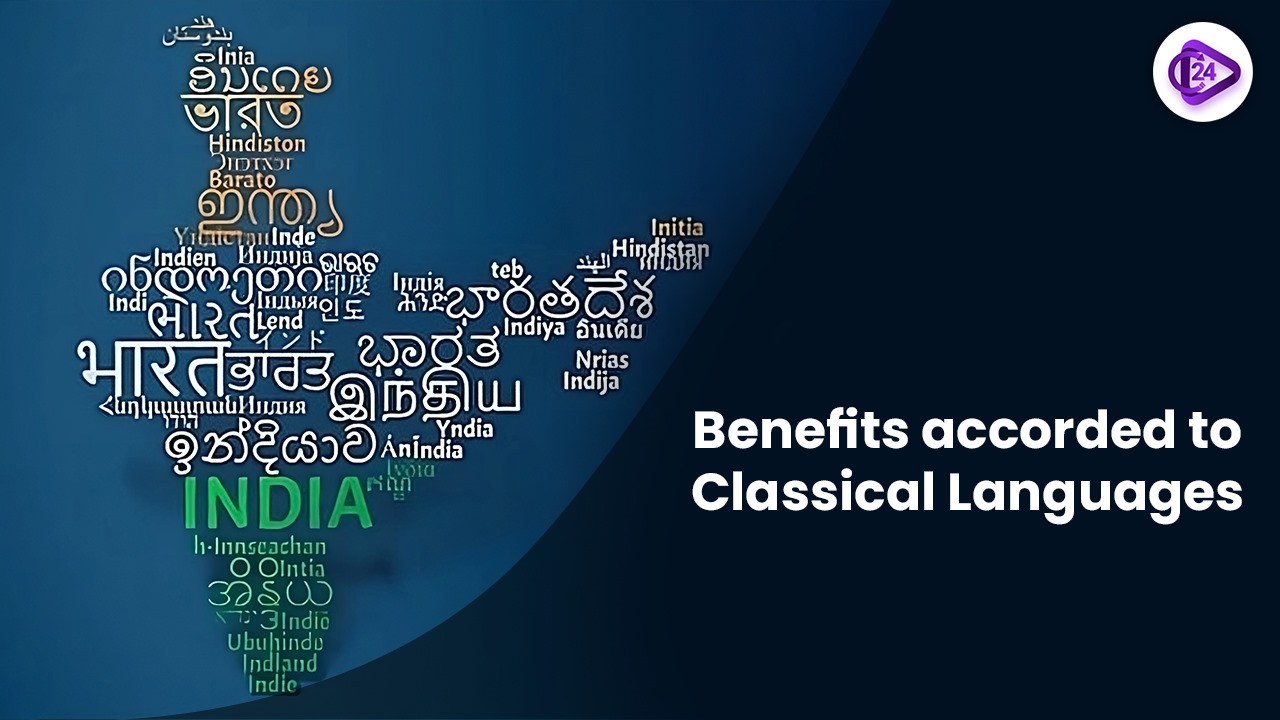
The Government of India delivers substantial backing to Classical Languages to sustain their existence along with their enhancement through institutional entities and educational endowments and academic chairs establishing centers of excellence. Presently the government recognizes Tamil and Sanskrit alongside Telugu, Kannada, Malayalam, and Odia and has expanded its support to cover Marathi, Pali, Prakrit, Assamese, and Bengali. The Ministry of Education advances research together with development projects in selected languages.

Classical Languages Recognized:

  • Tamil: 2004

  • Sanskrit: 2005

  • Telugu: 2008

  • Kannada: 2008

  • Malayalam: 2013

  • Odia: 2014

Recently added new languages:

  • The government of India introduced new classical languages starting from Marathi, Pali, Prakrit, Assamese, and Bengali.

Support Provided

  • The award system recognizes individuals who make exceptional research achievements in Classical Language studies.

  • Excellence Research Centers act as institutional bases for classical language research and development.

  • The establishment of professional chairs at central universities functions to develop language proficiency.

Institutions Supporting Classical Languages

  • Tamil: Central Institute of Classical Tamil (CICT), Chennai (since 2008).

  • Sanskrit: Promoted through Central Sanskrit University (New Delhi), Shri Lal Bahadur Shastri National Sanskrit University (New Delhi), and National Sanskrit University (Tirupati).

  • Telugu: Centre of Excellence in Classical Telugu, Nellore (Andhra Pradesh).

  • Kannada: Centre of Excellence in Classical Kannada, Mysuru (Karnataka).

  • Malayalam: Centre of Excellence in Classical Malayalam, Tirur (Kerala).

  • Odia: Centre of Excellence in Classical Odia, Bhubaneswar (Odisha).

Conclusion

Government departments support Classical Languages through recognition because it demonstrates their dedication to national linguistic heritage and the study of ancient languages.

Nuclear Power in Union Budget 2025-26: Boost for Clean Energy Growth

The Indian energy policy includes nuclear power as a central element since it serves to handle rising electricity requirements without producing significant carbon footprints. For decades India has been investing in nuclear energy and the country will boost its nuclear power capabilities in upcoming years. The Indian government devotes substantial financial resources to nuclear energy development because it aims to achieve energy independence and reduce both carbon emissions and strengthen national energy security. The government supports nuclear energy within the "Viksit Bharat" vision alongside world sustainability efforts because it promotes SMRs and fast breeder reactors alongside indigenous technologies to build a cleaner and more dependable energy system.

About

  • Budget Allocation: ₹20,000 crore

  • Aimed Capacity: The government seeks to boost India’s nuclear power sector by developing 100 GW capacity by 2047 using Small Modular Reactors (SMRs) along with indigenous nuclear technology.

  • Target: Nuclear power development represents a strategic priority for India because the country wants to embrace nuclear energy as its principal power source which reduces dependence on fossil fuels.

Progress in Nuclear Energy

  • Current Capacity: 8,180 MW (as of January 2025).

  • The nuclear power industry aims to grow its total capacity to 22,480 MW by 2031-32 by developing 10 new reactors which could be built through international cooperation featuring a six-reactor facility in Andhra Pradesh with US involvement.

Small Modular Reactors (SMRs)

  • Small Modular Reactor research development together with at least 5 operational SMR projects must begin before 2033.

  • Small Modular Reactors represent an adaptable and budget-friendly power source that outmatches large reactors because they work well in maintaining power grid conditions and operating in distant locations.

Bharat Small Reactors (BSRs)

  • The deployment of 220 MW PHWRs will advance decarbonization efforts under private industry collaborations for land and financial resources and infrastructure support.

Recent Developments

  • Scientists at Jaduguda Mines found new uranium deposits which will prolong mine operations for more than 50 years.

  • The current developments focus on building indigenous 700 MWe PHWRs as well as developing PFBR (Prototype Fast Breeder Reactor).

Research & Development and Indigenous Technology

  • The Indian nuclear energy policy revolves around domestic development because it embeds major investments into homegrown nuclear technological innovations. 

  • The development program focuses on building novel reactor designs and improved fuel cycle systems with attention to closed waste recycling methods that transform nuclear waste into useful fuel elements.

  • The Bhabha Atomic Research Centre (BARC) maintains its position as the national leader in nuclear research as India works on establishing stronger domestic nuclear capabilities independent from foreign technology imports.

Role of Nuclear Power in India’s Energy Mix

  • Indian strategic policy considers nuclear power as both a clean energy solution and an essential tool for making India free from fossil fuels to reach long-term energy requirements alongside climate change and carbon emissions reduction efforts.

  • The production of 50% renewable energy in India by 2030 serves as part of its climate goals where nuclear power will be instrumental in reaching this target.

International Collaboration

  • Among its international nuclear partnership agreements India has particular agreements with USA, Russia, France, and Canada. The international collaborations between India and other countries provide essential assistance for nuclear fuel provisioning as well as reactor technology provisioning alongside increased nuclear energy infrastructure development.

  • The government pursues active international partnerships for two main purposes: the development of SMRs and the utilization of nuclear technology for hydrogen production along with additional clean energy needs.

Challenges in Nuclear Power Development

  • The acquisition of land to build nuclear power facilities becomes challenging when these installations need extensive territories in highly developed metropolitan regions.

  • Nuclear power receives negative public opinions mainly because of Fukushima-related accidents together with ongoing worries about safety standards.

  • Current technology fails to tackle the problem of efficiently disposing or recycling nuclear waste safely.

Conclusion

The 2025-26 Budget launches a revolutionary development for India's nuclear power sector which establishes the nation as a global front-runner in state-of-the-art nuclear technology and boosts both energy reliability and sustainable practices and climate objective attainment.

Rajasthan Anti-Conversion Law 2025 Strengthens Religious Safeguards

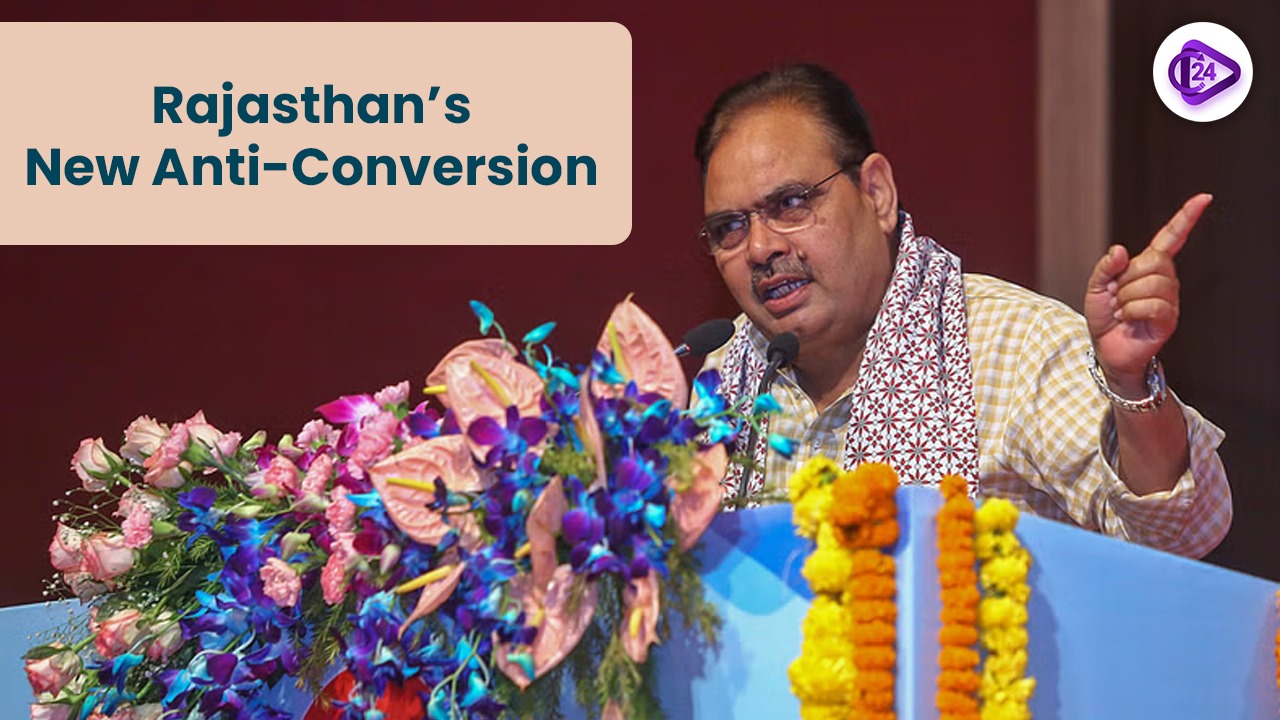
The Rajasthan Prohibition of Unlawful Conversion of Religion Bill establishes new extensive measures through which Rajasthan seeks to stop both compelling and deceitful religious conversions. The proposed penalties under the law include imprisonment that can reach 10 years and all offenses are marked as non-bailable and cognizable. The people who organize religious conversions must prove through evidence that they used neither physical force nor deceitful methods nor deceptive means during the conversion process. The DM must receive advance notification and declaration documents from those performing voluntary conversions or the law will impose penalties on defaulting parties. The legislation intensifies legal consequences for conversion cases involving minors, women, members of the SC/ST castes as well as mass converts and convicts who have undergone multiple conversions.

Key Provisions of the Rajasthan’s New Anti-Conversion:

  1. Cognizable and Non-Bailable Offences

    • All offences related to conversion hold cognizable status according to the law enabling police arrests to occur without warrants based on their suspicion about ongoing violations. The included provision permits police to take immediate action against unlawful conversions.

    • All violations of unlawful religious conversion practice fall into the category of non-bailable offenses such that defendants cannot obtain bail authorization easily. Being detained in custody becomes necessary until the trial process is completed.

  2. Punishment and Penalties

    • General Violations: 1-5 years in jail, fine of Rs 15,000.

    • Vulnerable Groups (Minors, Women, SC/ST): 2-10 years in jail, fine of Rs 25,000.

    • Mass Conversions: 3-10 years in jail, a fine of Rs 50,000.

    • Repeat Offenders: Double the penalty for subsequent violations.

    • Failure to Follow Notice Procedures: Up to 3 years in jail, fine of Rs 10,000.

    • Failure to Give Advance Notice for Ceremony: Up to 5 years in jail, fine of Rs 25,000.

  3. Burden of Proof on the Person Facilitating Conversion

    • The responsibility to prove conversion lies with the converter along with their supporting group. 

    • The court demands evidence showing that the conversion happened without coercion or fraud and unlawful influence together with the absence of allurement or marriage purpose that focused on unlawful religious conversion.

    • This section of the law creates a system to verify that people who volunteer for conversions experience genuine choices without intimidation or deception.

  4. Mandatory Declaration for Voluntary Conversions

    • A mandatory exhaustive declaration needs to be submitted to the District Magistrate (DM) 60 days prior to any conversion by those who choose to convert voluntarily. The submitted declaration requires essential information about the converting person including name identity along with their original religious transformation as well as details regarding time and location of conversion.

    • The conversion declaration undergoes public display for 60 days to allow individuals to submit their complaints that authorities will investigate.

  5. Process for Conversion and Legal Scrutiny

    • The conversion process includes declaring conversion intentions with local government authorities at least 60days in advance

    • After receiving a conversion notice the Additional DM rank or higher officer will begin an inquiry to determine the genuine intent and valid reasons for the conversion. The police will investigate to validate both the lack of coercion and the absence of unlawful motives.

    • Once the conversion process ends the person must verify the DM through a written declaration within 60 days. A confirmation notice must be displayed by the DM until the conversion process receives official verification. Personnel must present themselves before the DM to testify about the actual conversion.

  6. Protection of Vulnerable Communities

    • The proposed law intends to defend marginalized communities together with aboriginal and vulnerable minority groups (SC/ST) against coercive or deceitful religious conversion procedures. The proposed law exists to stop coercive religious conversions that take advantage of defenseless populations.

    • A separate examination of "Love Jihad" exists in the bill because it targets suspected marriages that serve only to convert individuals through unlawful means. The bill declares these conversions void.

  7. Empowering Relatives to Lodge FIRs

    • Family members who hold blood relationships with the convert have the authority to submit an FIR to law enforcement when they notice unlawful religious conversion. Relatives obtain authorization to file legal complaints when there is evidence that conversion has been performed through coercion or it represents fraudulent conduct.

  8. Mass Conversions

    • Magisterial Rule for Unlawful Conversion Events: The law mandates high fines and prolonged imprisonment against any group performing mass conversion activities.

Reasons to implement the Anti-Conversion Law in Rajasthan:

  • The government seeks to protect vulnerable communities such as tribal groups along with women and people from SC/ST backgrounds from acceptance into different religions through forced methods and fraudulent means.

  • The law should address "Love Jihad" to stop marriages between religious members that serve as illegal religious conversion pretenses.

  • The law protects religious freedom by verifying that people convert voluntarily without any use of deceitful methods or incentives.

  • Social harmony protection acts as a goal that avoids mass conversions to preserve public safety.

  • Wider implementation of legal review procedures should establish if all conversion cases meet the requirements of voluntary participation.

Relevance of Rajasthan's Anti-Conversion Law

  • Addressing Concerns of Forced Conversions: The law provides essential protection to prevent forced or fraudulent conversions because it protects specifically vulnerable groups including tribals and women. A safeguard law exists in areas where coercion or undue influence has led to religious conversions since it protects people from exploitation.

  • Social and Cultural Context: Diverse Indian society experiences tensions regarding religious conversions, particularly during incidents of lay marriages between different communities and large-scale conversion events. The law’s provisions against forced conversions along with its handling of “love jihad” concerns maintain relevance to active social discussions taking place in areas experiencing religious conversion-related community disturbances.

  • Strengthening Religious Freedom: The legislation tries to defend people from deceptive conversion methods while some critics claim the restrictions may cross borders into voluntary conversion bans. This set of regulations about advance notice together with declarations and investigations presents a barrier to exercising religious freedom rights. The law provides an equilibrium between individual freedom rights and the objective of protecting anyone from being exploited.

  • Rising Conversion-Related Controversies: The law assumes relevance within Rajasthan due to rising controversy about religious conversions since this state faces political backing for measures targeting conversions. Sunila Abrol mentions that this legislation aims to minimize religious community distrust when viewed as an answer to the increased suspicions about deceptive conversion activities.

  • Legal Precedent Set by Other States: Rajasthan has become one of several Indian states such as Uttar Pradesh, Madhya Pradesh, and Gujarat that have adopted anti-conversion laws. The laws establish religious uniformity in areas experiencing intense religious conversion conflicts. The law follows a national trend that supports the wider regional discussion about religious identity together with conversion practices.

  • Balancing Individual Rights with Societal Concerns: The legislation exists for maintaining public order while safeguarding individual religious freedom yet preventing cases of fraud. 

  • There are worries about utilizing this law to limit individual liberties and worship independence since India exists as a country containing religious diversity and religious freedom stands as a fundamental value.

  • Political and Public Sentiment: The enacted law obtains support from numerous individuals due to their concerns regarding involuntary conversion practices and their view of spiritual conversions as cultural intrusions. The law fulfills the political objectives of the ruling government by protecting traditional cultural traditions alongside responding to popular public sentiments from certain segments of society.

Challenges of Rajasthan’s New Anti-Conversion Law:

  • Potential Violation of Fundamental Rights: The constitutional guarantee of freedom of religion through the Indian Constitution seems to contradict this new anti-conversion legislation. According to criticism, the legislation may limit the constitutional right of practicing and spreading religion through voluntary conversion choices.

  • The burden of Proof on the Convertor: The person who helps with conversions must demonstrate to legal authorities that no inducement, deceitful means, or pressure was used during the conversion process. Law enforcement units might encounter difficulties when attempting to show conversion motivations because subjectively evaluating those motives represents a challenging task.

  • Impact on Voluntary Conversions: The procedural mandates which need a 60-day public notice together with declaration requirements could increase the difficulties in executing voluntary conversion processes. Such restrictions might slow down people who want to freely change their religion because they must deal with rigorous observations and regulatory limitations.

  • Risk of Misuse and Harassment: The legislation provides authority to relatives and family members to file formal complaints. The provision could enable family members to misuse the system to harass people who convert genuinely. The law enables relatives to intervene with complaints when voluntary conversions gain disapproval from family members. This applies particularly when family members refuse to accept the change of religion quietly.

  • Enforcement and Practical Implementation: It is challenging to follow the procedural requirements set by the law because they include advance notices together with police inquiries. Local authorities risk implementation challenges due to detailed documentation requirements and multiple verification steps.

  • Potential for Social Divisions: Social conflicts may intensify due to this law which exists in multi-religious contexts. Social tension can escalate because of both the "love jihad" legal focus and conversion restrictions which create suspicion between religious communities.

  • Vague Definitions: The phrase "allurement" contains multiple elements that authorities need to define since it encompasses various financial incentives along with employment offers. The law contains ambiguous language regarding "allurement" which creates space for erratic enforcement and conflicting interpretations of acceptable inducements across various situations.

  • Challenge in Proving Coercion or Fraud: The legal validation of forced or deceptive religious conversion stands as a challenging task especially when the events occur during personal conversions. The lack of a standardized definition regarding the extent of influence required for unlawful conversion purposes creates difficulties for legal substantiation.

Constitutional Provisions:

  • Article 25 – Right to Freedom of Religion

    • Article 25 of the Indian Constitution provides all residents the right to practice their chosen religion together with the freedom to confess religion and pass religious beliefs on to others. As an essential right of the Indian Constitution, this freedom allows every citizen to choose their religious path without external interference.

      • Connection with the law: The Rajasthan Anti-Conversion Law stands in contradiction to Article 25 because this Constitutional right gives freedom to practice religion. The intended safety aim of the law to protect against forced conversions creates procedural obligations that potentially restrict people from making free religious choices, particularly through the requirement of mandatory declarations and notices.

  • Article 26 – Freedom to Manage Religious Affairs

    • Under Article 26 religious denominations hold the authority to handle their organizational matters including the capability to establish and operate religious and charitable institutions.

      • Connection with the law: Religious institutions might face legal limitations through laws that establish restrictions on their conversion procedures as these regulations could breach religious freedom principles through coercive or deceptive behavior.

  • Article 14 – Right to Equality

    • Article 14 guarantees all citizens have equal treatment before the law together with equal law protection which prohibits unfair treatment against individuals or groups.

      • Connection with the law: A discriminatory impact against particular religious groups under the anti-conversion law would challenge Article 14 protections concerning both discrimination and unequal treatment of converting individuals.

  • Article 25(2)(a) – Public Order, Morality, and Health

    • Article 25(2)(a) enables the government to limit religious practices which represent threats to public order and morality or health standards.

      • Connection with the law: The Rajasthan Anti-Conversion Law finds its justification under this provision because it establishes regulations to prevent public disorders or moral threats arising from conversions through coercive or deceitful means or undue pressure. The government claims the law exists mainly to keep public order by stopping the social unrest triggered by contested conversion activities.

  • Article 21 – Protection of Life and Personal Liberty

    • Under Article 21 India provides its citizens with two essential rights: the protection of life and personal liberty as well as dignity in living.

      • Connection with the law: The supporters of the anti-conversion law claim it protects persons' human dignity along with their liberties because it stops coerced conversions. The advocacy of regulation on voluntary conversion encounters criticism because it potentially restricts individual religious freedom to choose their faith without external control.

Conclusion

The Rajasthan Anti-Conversion Law works to protect both religious freedom rights as well as safeguard vulnerable communities from coercion or fraud. The legislation to stop unlawful religious conversions produces constitutional inquiries about both the freedom to exercise religion (Article 25 protection) and whether its strict provisions could limit personal freedoms. The requirements for procedural scrutiny together with the proof burden may encroach upon the basic personal liberties of the people involved in conversion events. The law's constitutional validity will be analyzed in the legislative process primarily regarding how it affects fundamental rights established in the Constitution.

PM Dhan Dhaanya Krishi Yojana 2025 Empowering Farmers and Rural Economy

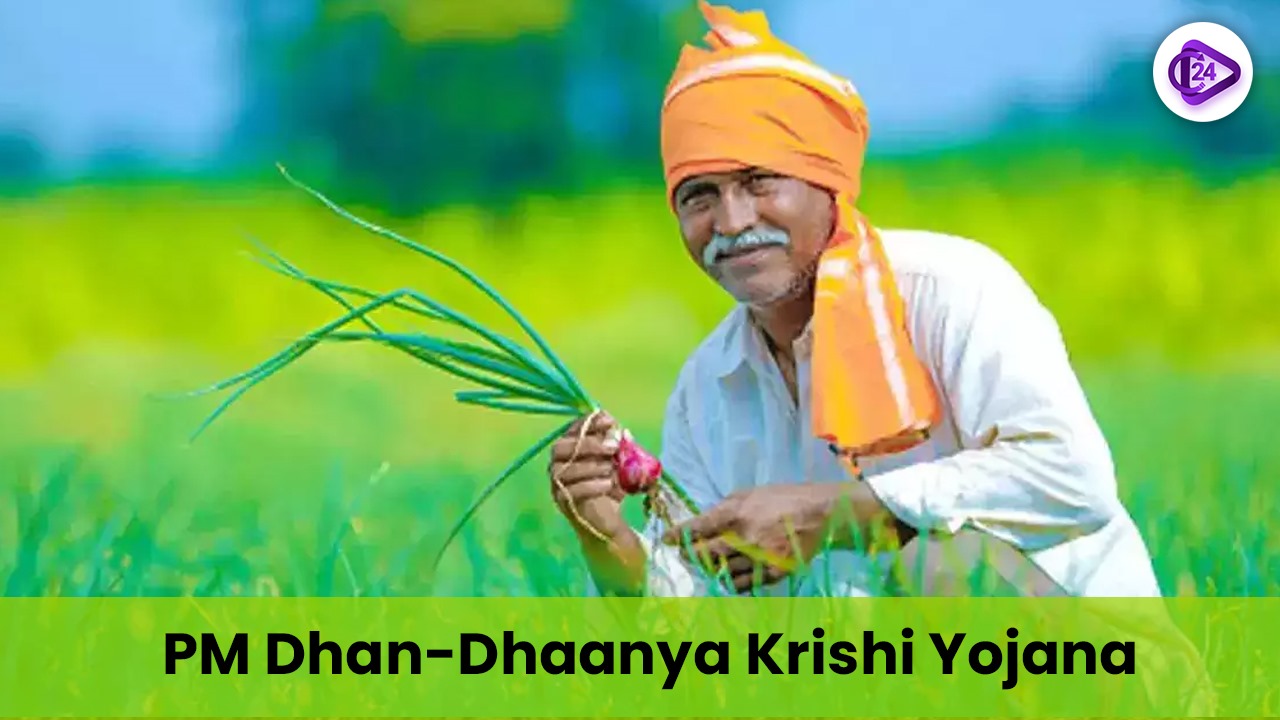
Prime Minister Dhan-Dhaanya Krishi Yojana is entitled within the budgeted schemes of 2025-26 to unite multiple existing programs to boost agricultural output rural development and financial empowerment. The planned funding support for essential farming items such as pulse crops, fresh foods, vegetable crops, seed variation solutions, and cotton will enhance farming outcomes for 1.7 million growers in 100 separate district areas. The four main aspects of this initiative involve planting a wide range of crops and building necessary storage facilities while ensuring the availability of loans and creating job opportunities in rural areas.

Introduction to the Scheme

  • The government introduced this scheme during the Union Budget 2025-26 to enhance rural economic development.

  • The scheme works together with states based on a collaboration between existing programs and specialized new programs.

  • Budgetary funds from existing implementation schemes will serve as the allocation for this effort.

Budgetary Allocations (Under Converged Schemes)

  • ₹1,000 crore for the Mission for Pulses.

  • ₹500 crore for the Mission for Vegetables and Fruits.

  • ₹100 crore for Makhana Board.

  • ₹100 crore for the Mission on Hybrid Seeds.

  • ₹500 crore for the Cotton Technology Mission.

Implementation Strategy

  • The first phase of implementation will target 100 districts that display low productivity rates yet average crop intensiveness with poor credit opportunities.

  • The launching phase covers areas of 1.7 crore farmers spread across 100 low-productivity districts.

  • The scheme derived its concept from the Aspirational Districts Program to reform underdeveloped agricultural regions.

Key Focus Areas

  • Modern agricultural methods and high-yield crops should be used to increase production levels.

  • Agricultural sustainability receives support through solar energy programs for both small-scale agricultural businesses and communities.

  • The construction of agricultural storage facilities needs to happen at both panchayat and block-level locations.

  • The organization aims to enhance water management through improved irrigation infrastructure.

  • Farmer loans in various time frames should be accessible through credit programs.

Major Components of the Scheme

Rural Prosperity and Resilience Program

  • The scheme targets agricultural under-employment by providing training with technology along with monetary investments.

  • Focuses on rural women, young farmers, small/marginal farmers, and landless families.

  • Rural entrepreneurship works as an optional alternative to migration through its provision.

  • The program uses worldwide leading practices with support from multilateral organizations for technical and financial resources.

Aatmanirbharta in Pulses

  • A 6-year mission dedicated to the development of Tur, Urad and Masoor pulse seeds.

  • Focuses on:

    • Climate-resilient seed development.

    • Enhancing protein content and productivity.

    • Improved post-harvest storage and management.

    • NAFED and NCCF have assured 4-year guaranteed procurement of agricultural produce specifically for registered farmers.

Comprehensive Programme for Vegetables & Fruits

  • The program supports agricultural output and creates effective distribution systems together with processing activities.

  • Ensures remunerative prices for farmers.

  • The program seeks active involvement of Farmer Producer Organizations (FPOs) and Cooperatives.

  • The implementation requires active institutional bodies.

Grameen Credit Score

  • The creation of Grameen Credit Score methodology will be developed by Public Sector Banks.

  • This initiative intends to foster better access to credit for all members in Self-Help Groups combined with rural population groups.

Significance of the Scheme

  • Targets agricultural modernization and rural economic resilience.

  • This program offers secure financial conditions while producing rural employment possibilities.

  • The scheme helps increase national food security through enhanced domestic production of essential crops.

Conclusion

The scheme represents a complete system for Indian agriculture modernization which supports sustainability together with financial stability and independence from outside sources. Rural farmers gain power and broadened self-sustainability through technology implementation combined with credit access and modern agricultural methods which create enduring agricultural development and regional growth.

Frequently Asked Questions (FAQs)

The current affairs cover recent national and international events related to UPSC, SSC, Banking, Railways, and State PCS.

You need to read about the current affairs daily, and revise them every week and every month to keep them longer in your memory.

Yes, Class24 provides free downloadable Daily Current Affairs PDFs for easy revision.

Yes, you can practice MCQs and quizzes to boost your exam preparation.

Absolutely. The content is written in simple, easy-to-understand bilingual language suitable for beginners.

Go to class24.com and click on the current affairs section directly, where you find everything that you need.

ssc-toppers

Start Learning Today with Class24

Related current affairs

Class24 offers free video lectures for smart preparation, covering CGL, CPO, CHSL, MTS, and GD exams. Learn from expert faculty, revise concepts easily, practice with PYQs, and improve speed and accuracy through high-quality, exam-focused video lessons anytime, anywhere.

Get success in your hand. Start study anytime anywhere.

The journey becomes simple and enjoyable when you start taking interest in it. And through our app “Class24”, we will be your trusted partners in developing that interest.

Daily Quizzes
Mock Tests
Ongoing

No ongoing tests right now.