Day: February 3, 2025

Chandrika Tandon Wins First Grammy at the 67th Annual Grammy Awards

Since 1959 the National Academy of Recording Arts & Sciences (NARAS) continues presenting Grammy Awards as their annual celebration of music excellence in the industry. Chandrika Tandon achieved her first Grammy in 2025 through her album "Triveni" when she won the Best New Age, Ambient, or Chant Album category. Tandon achieved victory for her album Triveni along with collaborators Wouter Kellerman (South African flutist) and Eru Matsumoto (Japanese cellist) by outperforming other reputable nominees which included Ricky Kej and Anoushka Shankar. Following multiple Grammy nomination attempts Tandon achieved her first Grammy win on this occasion.

Grammys 2025 Highlights:

  • During the 2025 Grammys Beyoncé became the first black woman to clinch a Country Grammy award in 50 years through her Cowboy Carter album which won Best Country Album while her partnership with Miley Cyrus on II Most Wanted took the Best Country Duo/Group Performance prize.

Best country album

Beyoncé – Cowboy Carter

Best country duo/group performance

Beyoncé featuring Miley Cyrus – II Most Wanted


Key Winners

Best Pop Vocal Album:

Short N' Sweet by Sabrina Carpenter

Best New Artist:

Chappell Roan

Best Comedy Album

The Dreamer by Dave Chappelle

Best Country Solo Performance

It Takes A Woman by Chris Stapleton

Best Rock Album

Hackney Diamonds by The Rolling Stones

Best Rap Song & Performance

Not Like Us by Kendrick Lamar

Songwriter of the Year (Non-Classical)

Amy Allen

Producer of the Year (Non-Classical)

Daniel Nigro

About Grammy Awards:

  • The awards committee established the prizes to celebrate music achievements from 1958 during their inaugural event in 1959.

  • The National Academy of Recording Arts & Sciences (NARAS) in the U.S. together with the Latin Academy of Recording Arts & Sciences (LARAS) gives awards to Spanish/Portuguese language recordings.

  • Golden gramophone statuettes serve as the award prize for all winners.

India Performers at Grammy Awards 2025:

  • At the 2025 Grammy Awards Indian-American artist Chandrika Tandon received her maiden Grammy for her album "Triveni" through her Best New Age Ambient or Chant Album triumph.

  • Collaborators: Wouter Kellerman (South African flautist) and Eru Matsumoto (Japanese cellist).

  • The other notable nominees: included Ricky Kej with Break of Dawn and Ryuichi Sakamoto with Opus as well as Anoushka Shankar with Chapter II: How Dark It Is Before Dawn and Radhika Vekaria with Warriors of Light.

Chandrika Tandon

Triveni

Best New Age, Ambient or Chant Album

  • Wouter Kellerman (South African flautist), 

  • Eru Matsumoto (Japanese cellist)

Other Nominations:


  • Ricky Kej – Break of Dawn, 

  • Ryuichi Sakamoto – Opus, 

  • Anoushka Shankar – Chapter II: How Dark It Is Before Dawn, 

  • Radhika Vekaria – Warriors of Light

Conclusion

The awards from the Grammys 2025 went to a diverse range of artists including music stars Chris Stapleton along Sabrina Carpenter while Chappell Roan received another prize. The milestone achievements at the event demonstrated why the Grammys remain crucial for international music recognition.

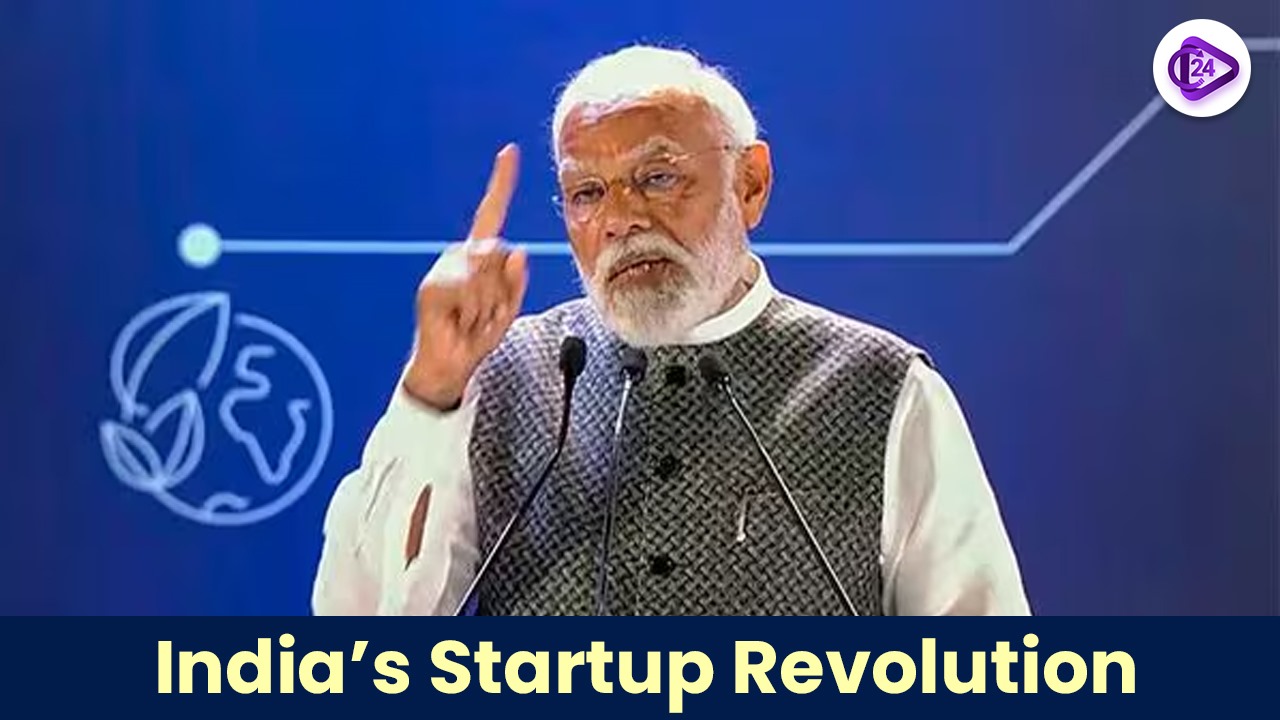
India Startup Revolution: Driving Innovation and Job Creation in 2024

The worldwide startup ecosystem has positioned India as its third-largest stakeholder consisting of 1.57 lakh recognized projects at the end of December 2024. Major hubs like Bengaluru, Hyderabad, Mumbai, and Delhi-NCR account for 51% of these initiatives. Startup India (launched in 2016) has propelled growth through its programs by backing 1.57 lakh startups which led to generating 17.28 lakh jobs alongside 75,935 women-led businesses. Startup India Seed Fund as well as Fund of Funds for Startups and Credit Guarantee Scheme act as essential financial programs for startups. The Atal Innovation Mission program together with MeitY Startup Hub stimulates innovation to guarantee that India maintains its entrepreneurial achievement while fostering economic expansion.

Total Recognized Startups (Dec 2024)

1.57 lakh

Major Startup Hubs

Bengaluru, Hyderabad, Mumbai, Delhi-NCR (51% of initiatives)

Jobs Generated

17.28 lakh

Women-Led Businesses

75,935

About Startup in India: 

  • The world ranks India in the position of the third largest startup ecosystem consisting of 1.57 lakh startups recognized by the DPIIT in December 2024.

  • Startup innovation is driving sector-based development through more than one hundred unicorns and an active entrepreneurial sector.

  • Major startup activity originates from Bengaluru as well as Hyderabad however Mumbai and Delhi-NCR operate as substantial centers and together these four locations account for approximately 51% of all startup initiatives in the country.

  • Government-sponsored Startup India plays an essential role in enhancing startup growth as well as supporting entrepreneurial development.

Programs for Startups in India: 

1. Startup India

  • Startup India introduced its operations on 16th January 2016 to establish innovation along with economic growth and employment creation.

  • The initiative provides entrepreneurial ventures with many programs, tax benefits that help them grow their operations toward success.

  • In December of 2024, the DPIIT had recorded a steep increase in recognized startups which went from 502 in 2016 to 1,57,706.

  • The direct employment figures created by startups exceeded 17.28 lakh which primarily involved IT services along with healthcare and commercial services.

  • A total of 75,935 women startup businesses demonstrate the advancing impact of women in the entrepreneurial space.

2. Startup India Seed Fund Scheme (SISFS)

  • The startup scheme launched its operations in 2021 with a total funding amount of ₹945 crore to support businesses throughout their product testing phase together with market entry activities and commercialization activities.

  • A total of 213 incubators received authorization resulting in 2,622 funded startups with ₹467.75 crore going to these startups during December 2024.

3. Fund of Funds for Startups (FFS)

  • The 2016 FFS program launched with an initial funding of ₹10000 crore allows Alternative Investment Funds (AIFs) to provide capital support for startup ventures.

  • The investment of ₹6,886 crore to SIDBI from December 2024 generated ₹21,276 crore of investments which funded the growth of 1,173 startups.

4. Startups can benefit from the Credit Guarantee Scheme for Startups (CGSS).

  • The scheme helps earner startups access funds by providing loan guarantees for DPIIT-recognized startups.

  • A total of 260 startup loans worth ₹604.16 crore currently exist under the scheme which has used ₹27.04 crore to support 17 women-led startups as of January 2025.

Other Government Programs:

1. Atal Innovation Mission (AIM)

  • The 2016 initiative of NITI Aayog operates through AIM to advance innovation from school levels to incubation stages and community initiatives.

  • AIM has established both 10000 Atal Tinkering Labs and 3556 startups across Atal Incubation Centres in 72 locations which have generated 41965 jobs until now.

2. MeitY Startup Hub (MSH)

  • The MeitY Startup Hub brings together stakeholders working in technological innovation to promote growth by encouraging joint activities.

  • The platform actively supports 5,310 startups and 495 incubators together with 328+ labs which serve as crucial elements for India's technology startup industry.

Conclusion: India’s Startup Revolution

  • The implemented schemes have established key impacts by sparking new ideas along with work opportunities and supporting business initiatives led by women.

  • The startup ecosystem of India is on pace to deliver more outstanding achievements which will ensure both economic development and entrepreneurial success in the country's future.

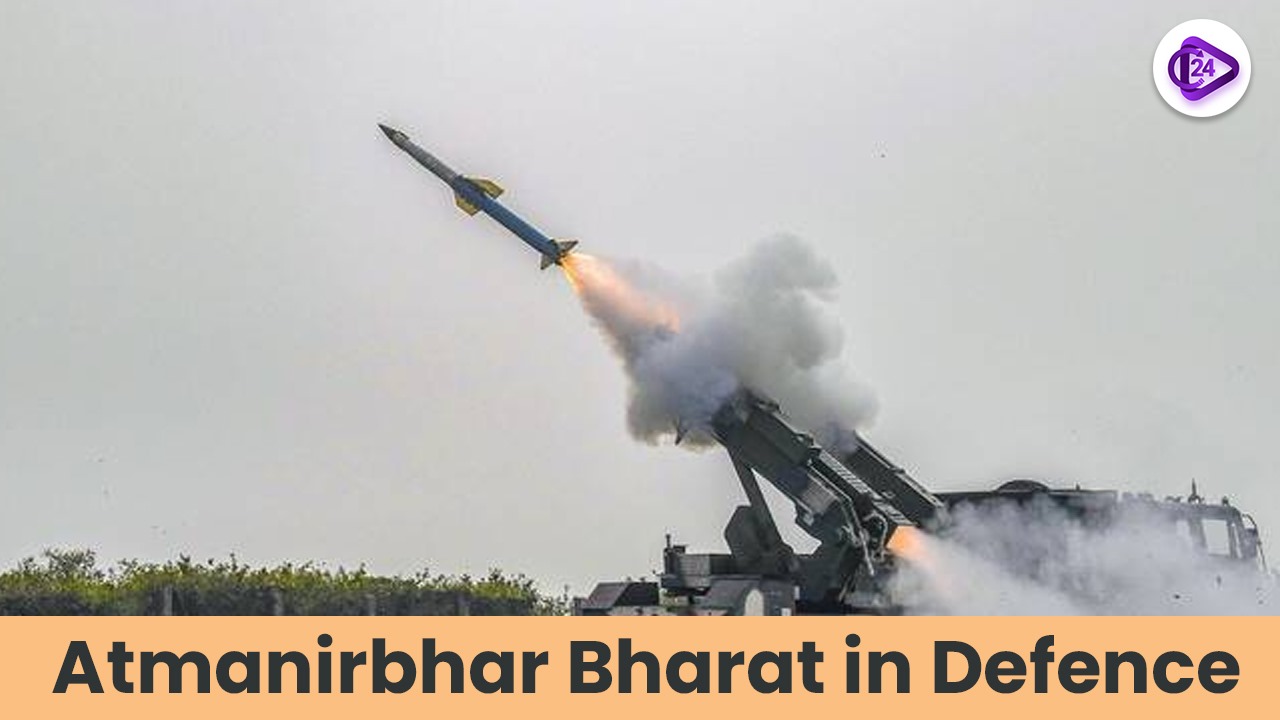
Atmanirbhar Bharat in Defence: India Leap Toward Self-Reliance

The Indian defense sector has undergone transformative change since 2014 because it moved past import reliance toward self-sustained indigenous production. From 2013-14 to 2024-25 the Indian defence budget increased from ₹2.53 lakh crore to ₹6.22 lakh crore. The percentage rise of domestic production reached 174% since 2014-15 to reach ₹1.27 lakh crore in FY 2023-24 and aims to achieve ₹3 lakh crore by 2029. Defense exports reached ₹21,083 crores during FY 2023-24 as the government sets a target of ₹50,000 crore by 2029. India has successfully established itself as a global leader in defense manufacturing facilities.

About the Defense Sector in India:

  • The defense sector of India has undergone vital changes through efforts that focus on local manufacturing and independence from imports.

  • The defence budget experienced a major surge between 2013-14 and 2024-25 resulting in a financial increase from ₹2.53 lakh crore to ₹6.21 lakh crore.

  • The “Make in India” initiative together with policy reforms serves as the main foundation supporting India’s goal to become an internationally recognized producer of advanced military equipment.

Defence Production Milestones

  • The recorded domestic defence manufacture reached ₹1.27 lakh crore in FY 2023-24 which represented a 174% increase when compared to the 2014-15 figures of ₹46,429 crore.

  • The future strategy of India includes reaching a defense production value of ₹3 lakh crore by 2029.

  • Current Target: ₹1.75 lakh crore in defense production for the current fiscal year.

Defence Exports Surge

  • Defense exports demonstrated an annual growth of 32.5% between 2014-15 to FY 2023-24 when their value increased from ₹1,941 crore to ₹21,083 crore.

  • During 2004-14 to 2014-24 defense exports surged 21 times to reach ₹88,319 crore starting from an initial value of ₹4,312 crore.

  • India sends exports to more than 100 countries with its primary import territories composed of the USA aligning with France and Armenia.

  • The future export goal for India will be to achieve ₹50,000 crores in defense exports by 2029 to establish a stronger position in global defense markets.

Diverse Export Portfolio

  • Export products include made-in-India defense equipment such as bulletproof jackets combined with Dornier aircraft and chetak helicopters, fast interceptor boats, and lightweight torpedoes.

  • Bihar-made boots received recognition from the Russian Army through their inclusion in Russian military equipment which affirm the high standards of Indian production.

Conclusion: India’s Emerging Defence Powerhouse

  • India has transformed into a dominant force in the global defense manufacturing sector by accomplishing exceptional production along with increasing export volumes.

  • The government anticipates reaching two major objectives by 2029 that include ₹3 lakh crore in production along with ₹50,000 crore in exports.

  • India will establish itself as an essential global player in defense manufacturing and security through the combination of policy enhancements along with business innovation and strategic alliances.

Strengthening India’s Agricultural Backbone: A Step Toward Growth

The budgetary spending for agriculture in India expanded dramatically from ₹11,915 crore in 2008-09 to ₹1,22,528 crore in 2024-25. Food grain production numbers increased by 63 percent between 2004-05 and 2023-24 where production started at 204.6 million tonnes and reached 332.3 million tonnes. The monetary value of Minimum Support Price has experienced major increases specifically for paddy and wheat crops thus providing greater advantages to farmers. The combination of the PM-KISAN program with PMFBY and the Agricultural Infrastructure Fund (AIF) strengthens farmer income security and creates better infrastructure support. The combination of attention to millet production and improved credit availability together with e-NAM-based digital marketplace integration positions India for worldwide leadership in agricultural production.

About the Agriculture sector in India

  • The economy of India heavily depends on the agriculture sector which secures food supplies while providing employment opportunities leading to general economic advancement.

  • The Indian government substantially raised public funding and implemented programs that focus on farmers to support agricultural development.

Enhanced Budget Allocation

  • The agricultural budget received substantial increases from ₹11,915.22 crore in 2008-09 until it reached a figure of ₹1,22,528.77 crore in 2024-25 while demonstrating government support for agriculture.

Increased Foodgrain Production

  • The quantity of food grains increased in amounts that began at 204.6 million tonnes in 2004-05 and then reached an estimated 332.3 million tonnes in 2023-24.

  • The region dedicated to foodgrain cultivation expanded from 120.2 million hectares in 2004-05 to reach 132.1 million hectares in 2023-24.

Real Gross Value Added (GVA)

  • The agricultural sector added ₹26.42 lakh crore of Real GVA during 2004-05 to 2023-24 as its economic impact grew stronger.

Increase in Agricultural Productivity

  • The production output of vital crops rose substantially during this period:

    • Rice yield: 19.29% growth

    • Wheat yield: 13.16% growth

    • Maize yield: 25.22% growth

Foodgrain Procurement

  • During the 2004-14 period, farmers procured a total of 4590 LMT paddy which rose to 6900 LMT throughout the 2014-24 period.

  • Wheat procurement rose from 2140 LMT (2004-14) to 3072 LMT (2014-23).

Minimum Support Price (MSP) Enhancements

  • The paddy price under the minimum support price scheme increased from ₹850 per quintal in 2008-09 to ₹2,300 per quintal in 2023-24.

  • The MSP for wheat saw a remarkable growth from its initial value of ₹1,080 per quintal in the year 2008-09 to reach ₹2,425 per quintal during 2023-24.

  • The significant expansion of MSP benefits for wheat and paddy ensured farmers achieved enhanced economic steadiness.

Programs of Government for Agriculture

  1. Income Support Through PM-KISAN

    • PM-KISAN established in 2019 delivered ₹3.46 lakh crore through 18 payments to more than 11 crore farmers.

  2. Pradhan Mantri Kisan Maandhan Yojana (PMKMY)

    • More than 24.67 lakh small and marginal farmers have taken part in PMKMY to obtain ₹3,000 monthly pension benefits under this scheme when they reach age 60.

  3. Pradhan Mantri Fasal Bima Yojana (PMFBY)

    • The Pradhan Mantri Fasal Bima Yojana paid farmers ₹1.65 lakh crores in claims that generated ₹508 for every ₹100 premium they paid.

  4. Institutional Credit for Agriculture

    • Kisan Credit Cards (KCCs) rose from 1,285.37 lakh in 2012-13 to 1,895.81 lakh by March 2019.

    • The total amount of institutional credit dedicated to the agriculture sector increased from ₹8.5 lakh crore in 2014-15 to reach ₹25.48 lakh crore during 2023-24.

  5. e-NAM

    • e-NAM now integrates 1,410 markets which allows 1.79 crore farmers and 2.63 lakh traders to access market opportunities.

  6. Agricultural Infrastructure Fund (AIF)

    • AIF has approved projects totaling 87,548 with funding of ₹52,738 crore to build post-harvest management infrastructure.

Millets: Superfood of India

  • The production of Millets increased to 175.72 lakh tonnes in 2023-24 while productivity showed a 7% growth during the period from 2019 to 2024.

  • The partnership between ICAR and 25 seed hubs resulted in the creation of these facilities that increased millet seed production possibilities.

Conclusion

  • The Government's strategic effort to boost agricultural output while raising minimum selling prices providing funding and opening new market opportunities has completely reshaped Indian agriculture.

  • The agricultural sector develops using PM-KISAN, PMFBY and AIF programs which help establish India as a leading global agricultural force.

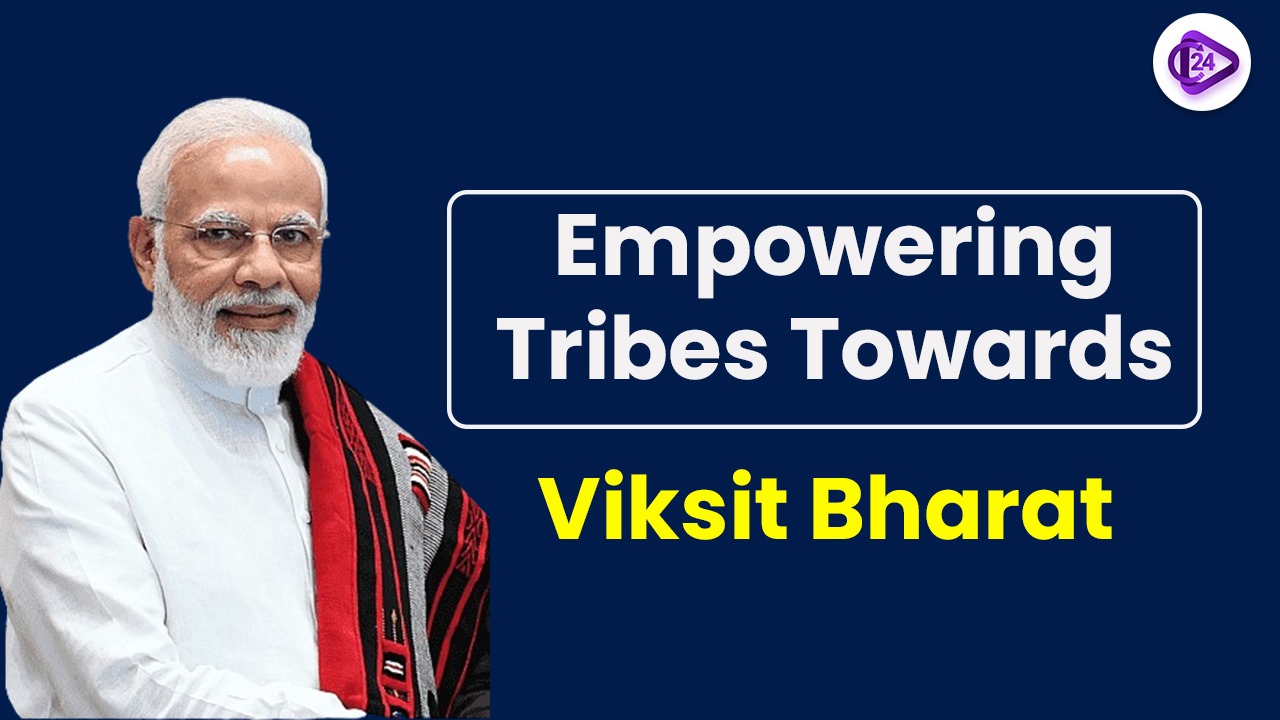
Empowering Tribes for a Viksit Bharat: Tribal Welfare Boost in Union Budget 2025

The Union Budget 2025-26 provides a historic financial boost for tribal welfare, with a 45.79% increase in funding for the development of 10.45 crore tribal people across India. The budget emphasizes education, healthcare, infrastructure, and sustainable livelihood programs to address the challenges faced by these communities, especially in remote areas. With a comprehensive approach, the government aims to integrate tribal populations into India’s broader development narrative, ensuring inclusive growth and a Viksit Bharat.

The government of India dedicated robust financial resources to ST welfare through budgetary increases for the complete sustainable development of ST communities in Union Budget 2025-26. These communities made up of 10.45 crore people inhabit remote locations in which basic services and opportunities never reached them before.

Tribal Welfare in Union Budgte 2025-26

Substantial Increase in Budget Allocation

  • The tribal development budget underwent a major growth from ₹10,237.33 crore in 2024-25 to ₹14,925.81 crore in 2025-26 which resulted in a 45.79% upward shift.

  • The Indian government has dedicated its ongoing attention to tribal community welfare by increasing tribal welfare spending from ₹4,497.96 crore to ₹14,925.81 crore since 2014-15.

Expansion of Key Programs

  • The government has raised the EMRS budget allocation from ₹4,748 crore in the previous fiscal year to ₹7,088.60 crore in this current budget while pursuing quality residential education for tribal students.

  • The government increased funding support under the Pradhan Mantri Jan Jatiya Vikas Mission to ₹380.40 crore to develop sustainable income-generation options for tribal populations throughout each year.

  • The funding under Pradhan Mantri Jan Jatiya Vikas Mission reached ₹380.40 crore to establish ongoing income-producing opportunities for tribal communities.

  • Under PMAAGY the funding level doubled to ₹335.97 crore as the government sought to close infrastructure gaps for education healthcare and employment service delivery.

  • The funding allocation for Multi-Purpose Centers under Pradhan Mantri Janjati Adivasi Nyaya Maha Abhiyan (PM-JANMAN) rose by 100% to ₹300 crore to promote socio-economic growth within areas populated mainly by Particularly Vulnerable Tribal Groups (PVTGs).

Dharti Aaba Janjatiya Gram Utkarsh Abhiyan (DAJGUA): A Game-Changer for Tribal Development

Massive Infrastructure and Development Initiative

  • The Dharti Aaba Janjatiya Gram Utkarsh Abhiyan (DAJGUA) receives ₹80,000 crore in funding through a five-year program to fill the infrastructure needs of 63,843 tribal villages across India. 

  • The combined departments and 25 targeted interventions under this initiative include health services and educational programs and employment creation and skill development training.

Increased Funding for DAJGUA

  • The funding for the Dharti Aaba Janjatiya Gram Utkarsh Abhiyan (DAJGUA) under the Ministry of Tribal Affairs increased four times to ₹2,000 crore during 2025-26 because the government recognizes the importance of tribal community advancement at local levels.

Towards a Viksit Bharat with Inclusive Growth

  • The 2025 Union Budget introduces a fundamental change in tribal development through emphasis on education together with healthcare and skill training and economic opportunity.

  • The government works to promote integrative growth through ministries-level coordinated interventions that will achieve both tribal community welfare and participation in India's national development as a Viksit Bharat (Developed India).

Conclusion

Through the Union Budget 2025-26 the government has implemented major budget increases for tribal welfare programs which support education initiatives in combination with healthcare obligations and infrastructure spending. The Dharti Aaba Janjatiya Gram Utkarsh Abhiyan with Eklavya Model Residential Schools work together to achieve inclusive growth while developing tribal communities so they can improve India's development.

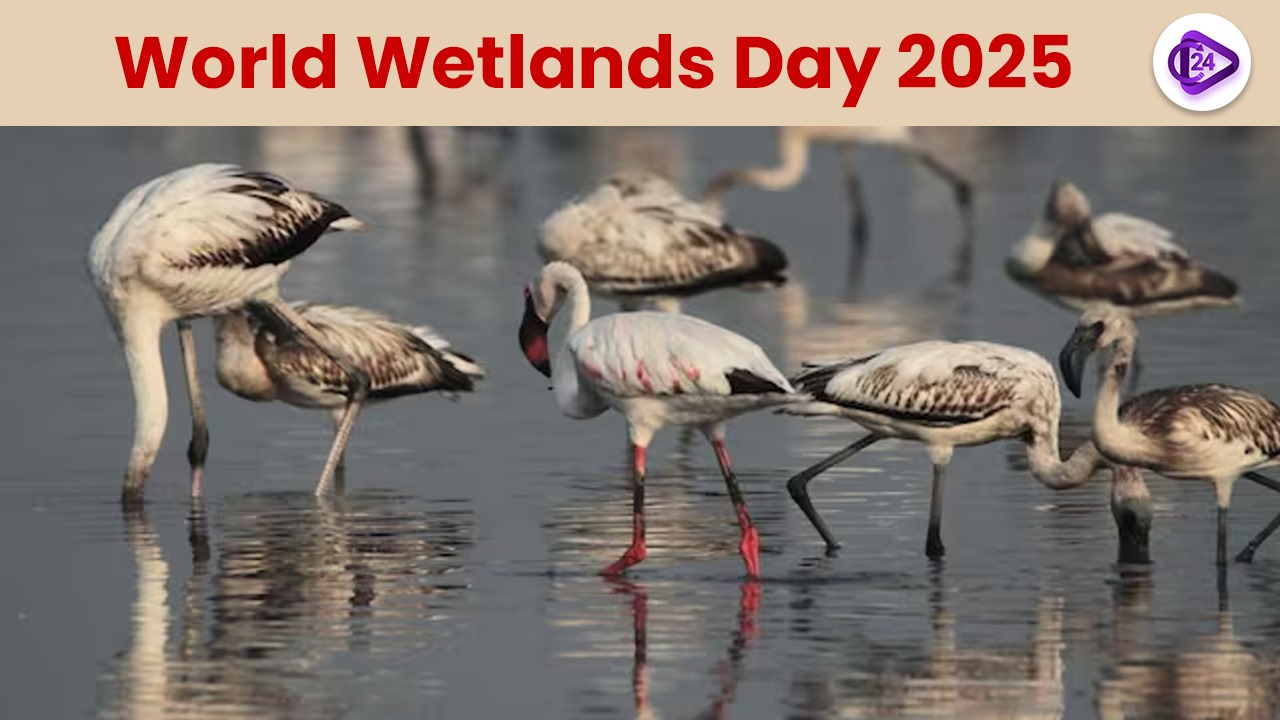
World Wetlands Day 2025 Celebrations at Parvati Arga Ramsar Site, Gonda, Uttar Pradesh

World Wetlands Day 2025 served as an occasion to showcase the Parvati Arga Ramsar Site in Gonda Uttar Pradesh where people focused on wetlands as significant elements of biodiversity alongside environmental preservation and sustainable livelihood activities. Wetland protection received strong Indian backing when four new sites became part of the Ramsar Sites system raising the total to 89. The major announcements at this event covered two parts: first the designing of a nature-culture tourism corridor and second the signing of a Memorandum of Understanding between India and Amazon to provide support for women business owners. 

About World Wetlands Day 2025

  • Date: February 2, 2025

  • Location: Parvati Arga Ramsar Site, Gonda, Uttar Pradesh

  • Theme: On February 2nd, 2025, World Wetlands Day received commemoration at Gonda's Parvati Arga Ramsar Site through celebrations organized under the theme ‘Protecting Wetlands for our Common Future’. 

  • Inauguration: Uttar Pradesh CM Yogi Adityanath together with MoEFCC Union Minister Shri Kirti Vardhan Singh launched the inaugural ceremony of the event.

Key Highlights:

  • CM Yogi Adityanath stressed during his appearance that Parvati Arga was gaining popularity globally because of its diverse wildlife and migrating bird populations.

  • A nature-culture tourism corridor linking Ayodhya with Devi Patan will be developed according to Shri Kirti Vardhan Singh to advance eco-tourism and job creation.

  • The Ramsar Sites in India have grown to 89 through the addition of Udhwa Lake (Jharkhand), Theerthangal and Sakkarakottai (Tamil Nadu), and Khecheopalri (Sikkim) according to Union Minister Shri Bhupender Yadav during the event.

Publications and MoUs:

  • The union minister initiated two substantial publications including ‘Integrated Management Plan of Parvati Arga Ramsar Site’ and ‘Factbook of India’s 85 Ramsar Sites’.

  • Gonda district women entrepreneurs received support under Amazon’s Saheli program through an agreement between the district and Amazon.

Amrit Dharohar Initiative:

Amrit Dharohar's initiative included four key areas of Species and Habitat Conservation, Nature Tourism, Wetlands Livelihood, and Wetlands Carbon to provide support for local communities while promoting wetland conservation practices.

Conclusion

The World Wetlands Day 2025 celebrations at Parvati Arga Ramsar Site provided an opportunity to understand that wetlands contribute fundamentally to biodiversity preservation and sustainable development progress. Uttar Pradesh and the Union Government actively support the preservation of these special ecosystems through programs that strengthen both eco-tourism routes and local community influence to protect these habitats for future generations.

Live-in Relationships Under the UCC Act: Legal Boundaries

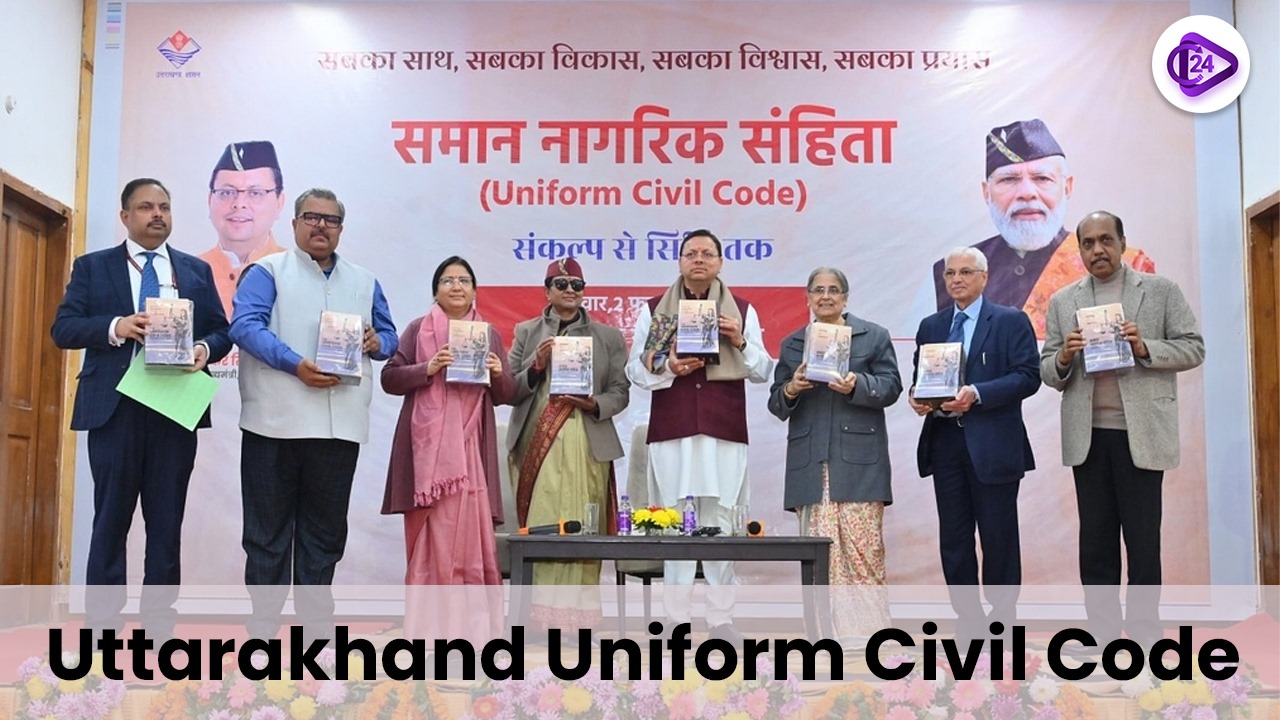
The UCC Act introduces legal standards for live-in relationships, focusing on adult partnerships that replicate marital conditions. It defines a shared household as a cohabitation between an unmarried couple, and it regulates relationships that could conflict with community or religious norms. The Act further addresses prohibited family relationships, requiring written consent from religious or community leaders for certain partnerships, ensuring both legal and societal compliance.

Definition of Live-in Relationship:

  • A relationship based on household cohabitation qualifies as a live-in arrangement according to the provisions of the UCC Act when a man cohabitates with a woman in a space that produces marital-like conditions. 

  • The UCC Act defines a shared household as an arrangement when an adult man and woman reside together as an untied couple regardless of property ownership status.

Implication:

  • The UCC Act requires both parties to be adults along with sharing a household like married couples who have not entered marriage.

  • The UCC Act establishes particular relationships that cannot result in either marriage or live-in status unless authorized by members of religious leadership or community leadership.

Degrees of Prohibited Relationships:

  • Under the UCC Act marriage and live-in arrangements between the specified prohibited relationships require written permission from either a religious leader or from the head of the community. 

  • The banned relationships in this law include ties related to blood connections as well as relationships existing within close family networks.

Examples of Prohibited Relationships:

For Men:

  • A person who descends from the same genetic line cannot either take a first cousin as their spouse or start a live-in relationship with them.

  • Men cannot establish live-together relationships with the daughters of their parents' siblings.

For Women:

  • A woman cannot wed or establish a live-in partnership with her first cousin (who is the son of a maternal or paternal uncle/aunt.

  • A Muslim woman in these relationships must receive explicit religious leader permission to proceed unless they are great-grandfather, step-great-grandfather, daughter’s son’s daughter’s husband, nephew, or uncle.

Regulation of Live-in Relationships

Form 3 Registration:

  • Partners in live-in relationships must follow the requirement of registering their relationship with Form 3. The registration process demands relationships participants to declare their eligibility based on prohibited relationships. The applicants present a certificate obtained from their religious leader or community head regarding the religious permissibility of their relationship.

Registrar’s Role:

  • The registrar performs an investigation to confirm whether local customs support the relationship. The registration will get denied when the relationship breaks community standards.

Role of Religious Leaders

  • Definition of Religious Leader:

    • A religious leader refers to a priest along with an official from a religious institution or place of worship within the specific community. Community leaders hold essential responsibility to provide validation about which relationships within prohibited degrees receive community approval.

  • Approval Process:

    • The couple has to get authorization from a religious leader to demonstrate community acceptance of their relationship in cases where religious communities exclude such relationships.

Statistics

Comparison with the Hindu Marriage Act

  • Similar Provisions in HMA:

    • The Prohibition of Marriage Control Law extends its banned relationship prohibitions through Hindu Marriage Act (HMA) restrictions which apply to particular families. Under the law marriage is forbidden among these individuals:

      • Lineal ascendants and descendants.

      • Siblings (whether full, half, or step-siblings).

      • Uncles and nieces, and aunts and nephews.

      • The spouse of a lineal ascendant or descendant.

  • Muslim Personal Law:

    • The rules against family-related marriage in Muslim personal law share fundamental compatibility with those in the HMA.

Conclusion

  • Objective of UCC Act:

    • Uttarakhand UCC Act establishes legal boundaries for live-in relationships through provisions that protect people from participating in relations which go against religious or social rules about close family relationships. There exists an institutional approval process through which religious leaders examine specific relationships in order to enforce community customs while providing oversight.

  • Ethical Considerations:

    • The UCC Act establishes legal guidelines for live-in couples but ethical issues about privacy rights and consent continue to exist together with religious body involvement. Proceeding with religious leader approval for marriages disrupts the equilibrium between personal rights and societal or religious criteria.


AI Impact on Genetics: Transforming Research and Healthcare

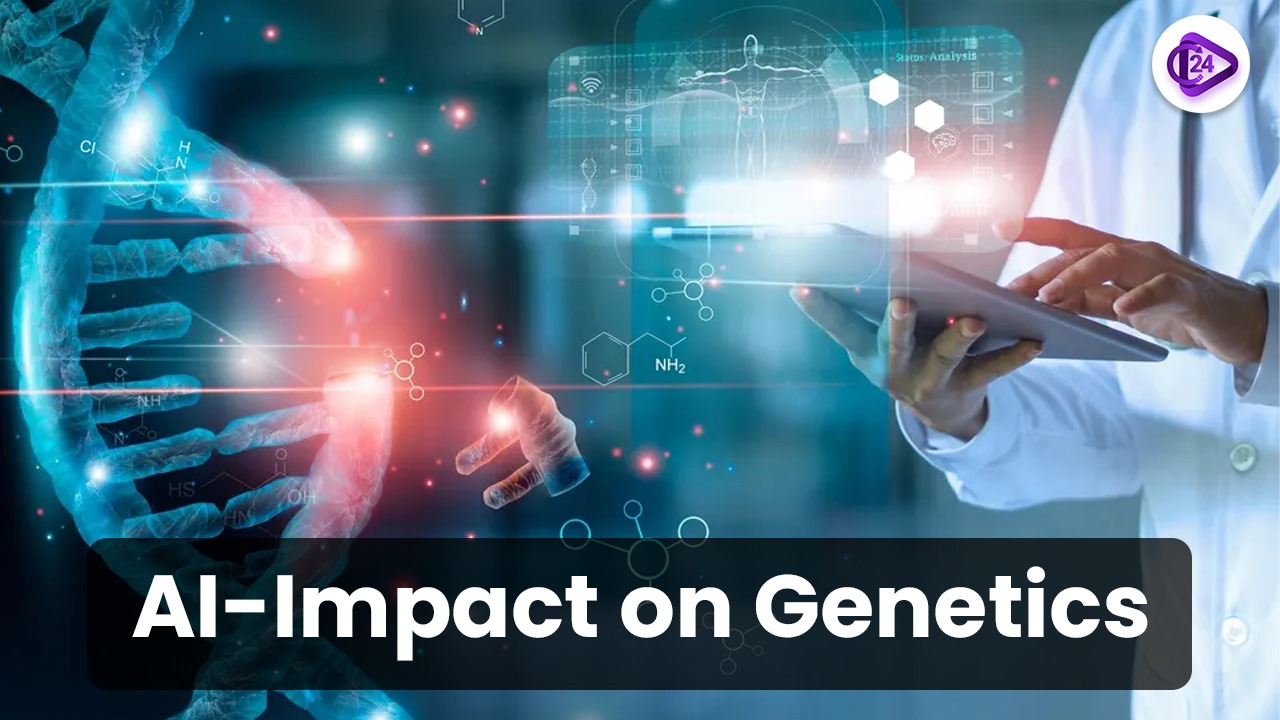
By turning genetics into a faster subject AI progresses both scientific inquiry and healthcare individualization and generates enhanced genomic data sequences. The technology expedites the investigation of genetic origins thus speeding up and reducing expenses when sequencing patient information. Modern precision medicine benefits from AI treatment strategies that learn from genetic patient profiles. The integration of AI in genetics depends on resolving ethical issues regarding data privacy security as well as bias and informed consent standards.

AI’s Role in Genetics

Genetic research receives multiple benefits from AI technology, allowing better research development, individual healthcare improvement, and enhanced clinical practices. The system excels at processing big data quantities and finding complex patterns which humans cannot reproduce which makes it effective for genetics work.

Enhancing Genetics Research

  • Accelerating Data Analysis: 

    • Through AI the analysis of enormous genetic data becomes possible for detecting relationships between disease pathology and gene variations. AI-processed large data sets enable scientists to discover new disease-causing genes which leads to improved diagnostic accuracy along with more tailored treatment options.

  • Improving Genomic Sequencing:

    • Artificial Intelligence tools make genomic sequencing more efficient as well as more accurate while decreasing its cost and duration. The fast reading of DNA sequences by AI-powered technologies has led to cheaper genomic research which institutions at all levels can now conduct.

Personalizing Healthcare

  • Personalized Therapies:

    • AI algorithms can benefit an individual’s genetic needs by identifying personalized medical care suggestions. These personalized medicines create genetic profiles to formulate demonstrated treatments, which can reduce adverse drug reactions and improve health outcomes based on genetic differences.

  • Predicting Disease Risk:

    • Medical institutions employ AI to detect individuals who face elevated genetic disease risks thus making possible effective preventive steps before disease occurrences. Advanced disease management of cancer, heart disease, and diabetes enables healthcare systems to experience reduced pressure.

Data Privacy and Related Concerns

  • Protection of Genetic Data:

    • Genetic data possesses great sensitivity because it reveals both medical specifics of patients along with familial information and potential forthcoming medical challenges. The capacity of AI to analyze big data leads to an increased danger of genetic information falling into the wrong hands for potential discriminatory use cases within employment and insurance.

  • Bias in AI Algorithms:

    • Inaccurate and unfair results will appear when AI systems use training data that includes biased and incomplete information. The under-representation of particular populations could produce incorrect predictions that would impact healthcare choice accuracy leading to more disparities in healthcare.

  • Data Security:

    • Enhanced security measures are much needed for AI-driven genetic data analysis to prevent unauthorized access or misuse of sensitive biological details.

Consent and Ownership of Data

  • Informed Consent:

    • When AI helps with genetic testing people must get detailed information about the usage of their genetic information and accessibility to it and all potential risks involved. Clear communication along with transparency acts as the foundation for keeping public trust intact.

  • Data Ownership:

    • Genetic data ownership continues to spark ongoing controversies in present times. People should keep absolute control or business entities and scientific investigators can access this data for alternative purposes. Every person needs ownership of their data as this provides essential protections for both ethical processing and personal privacy rights.

Conclusion

  • AI’s Potential in Genetics:

    • The application of artificial intelligence in genetics enables the fast advancement of scientific study along with individualized medical care and better diagnostic equipment development. The process of creating specialized treatment solutions from genetic information shows great potential as a foundation for precise medical care and illness avoidance methods.

  • Balancing Innovation with Ethics:

    • The combination of AI technology with genetics faces important moral problems because of data confidentiality together with computational bias and patient right to know. The implementation of robust law governance structures will protect both societal advantages from AI technology and privacy rights and unbiased practices.

Frequently Asked Questions (FAQs)

The current affairs cover recent national and international events related to UPSC, SSC, Banking, Railways, and State PCS.

You need to read about the current affairs daily, and revise them every week and every month to keep them longer in your memory.

Yes, Class24 provides free downloadable Daily Current Affairs PDFs for easy revision.

Yes, you can practice MCQs and quizzes to boost your exam preparation.

Absolutely. The content is written in simple, easy-to-understand bilingual language suitable for beginners.

Go to class24.com and click on the current affairs section directly, where you find everything that you need.

ssc-toppers

Start Learning Today with Class24

Related current affairs

Class24 offers free video lectures for smart preparation, covering CGL, CPO, CHSL, MTS, and GD exams. Learn from expert faculty, revise concepts easily, practice with PYQs, and improve speed and accuracy through high-quality, exam-focused video lessons anytime, anywhere.

Get success in your hand. Start study anytime anywhere.

The journey becomes simple and enjoyable when you start taking interest in it. And through our app “Class24”, we will be your trusted partners in developing that interest.

Daily Quizzes
Mock Tests
Ongoing

No ongoing tests right now.