Day: January 21, 2025

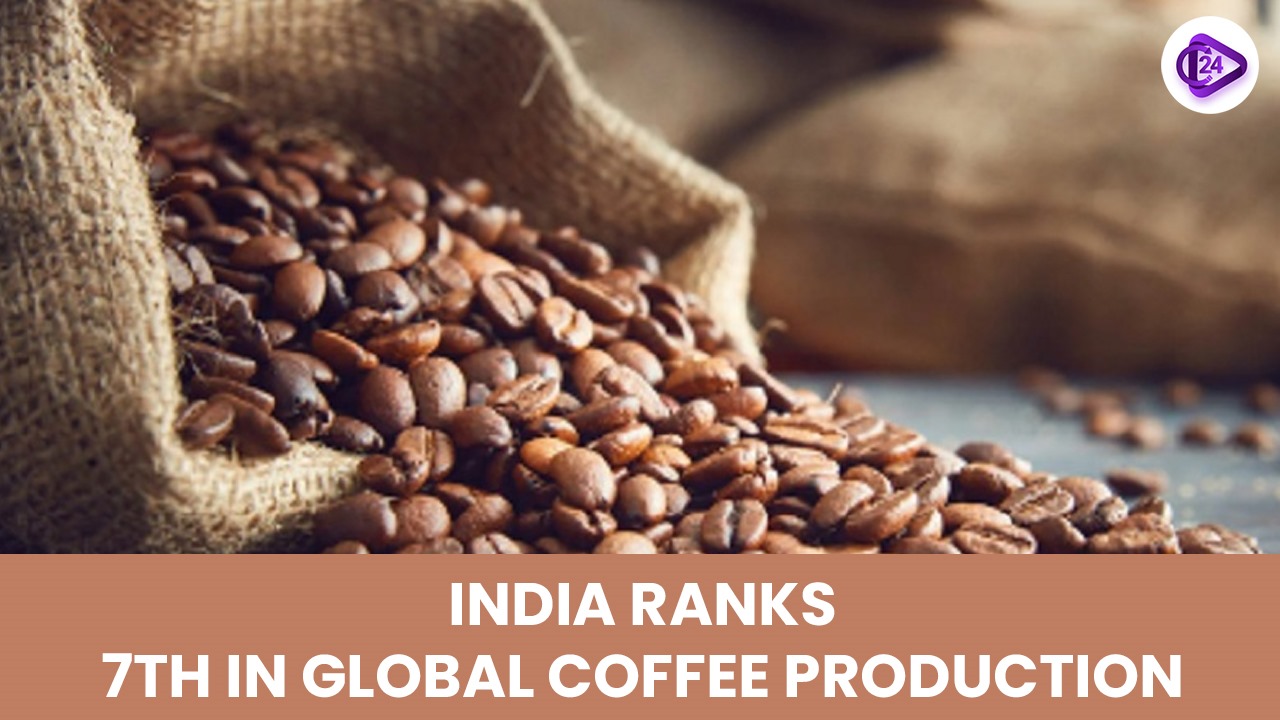
India is now the seventh-largest coffee producer globally

Recently, India has become the seventh-largest coffee producer in the country. Coffee exports in the FY 2023-24 have emerged as a document of $1.29 billion, greater than the $719.42 million in the fiscal year 2020-21. This impressive kind of growth has come due to the growing international market for new and different tastes of coffee, which India offers.

Key Findings:

Export Growth:

  • India’s coffee export has seen an upward trend more so because of the increased market for the blends that are synonymous with India`s coffee. India’s coffee export in January 2025 registered more than 9,300 metric tonnes and the major buyers- were Italy, Belgium, and Russia.

  • Approximately 75% of India’s coffee production consists of Arabica and Robusta beans, which are primarily exported as unroasted beans. Further expansion of exports is observed due to the increase in the production of roasted and instant coffee.

Regional Coffee Cultivation:

  • The Indian coffee is in the Western and Eastern Ghats regions which include: the plateau region, scrub and moist forests which are ecologically significant.

  • Karnataka has emerged as the highest production state with 248,020 MT of granite production in 2022-23 others are Kerala and Tamil Nadu. Apart from our business goal of coffee production, the areas shaded by these trees also play an important role in sustaining the tropical ecosystem by balancing the self-producing process of flora and fauna.

Global Sugar Production:

S.No

Market

% of Global Production

Total Production (2023/2024, 60 KG Bags)

1.

Brazil

39%

66.3 Million

2.

Vietnam

16%

27.5 Million

3.

Colombia

8%

12.76 Million

4.

Ethiopia

5%

8.6 Million

5.

Indonesia

5%

8.15 Million

6.

Uganda

4%

6.4 Million

7.

India

4%

6.06 Million

8.

Honduras

3%

5 Million

9.

Peru

2%

4 Million

10.

Mexico

2%

3.87 Million

Government Initiatives

  • The government coffee promoting agency in India is the Coffee Board of India which has launched several programs and projects including the Integrated Coffee Development Project (ICDP) to increase yield, diversify production areas, and enhance sustainability in coffee production.

  • These efforts are aimed at promoting the Production of coffee in India, increasing the efficiency of production, and increasing the overall competitiveness of coffee on the international market.

Empowerment Through Coffee Farming

  • The success story includes the Araku valley account where out of 150000 tribal families, with the support from the Coffee Board and ITDA, have raised coffee production turnover by 20%.

  • This is an initiative for the internal development of local communities, which has taken support from the loans from the Girijan Co-Operative Corporation (GCC). This move also fully supports India’s vision of Aatmanirbhar Bharat (Self-reliant India).

Impact on the Coffee Industry

Investments, export encouragement, and other supports have also made a great contribution to the growth of the coffee industry in India. They have advanced both domestic manufacturing and India’s status in the global coffee business, making it one of the key players in the market.

Coffee Consumption Trends

  • Steady Increase:

    • Domestic coffee consumption in India has steadily risen from 84,000 MT in the coffee year (CoY) 2012 to 91,000 MT in CoY 2023, with an estimated 90,000-95,000 MT for CoY 2024.

    • Some of the factors include a general change in people’s habits to taking instant coffee, enhanced per capita income, and in turn enhanced disposable income.

  • Urbanization and Café Culture:

    • Urbanization plays a role in increasing café culture resulting in increased OOH coffee consumption.

    • Factors such as favorable demography, changing Palettes, and increasing trends towards specialty coffee also posed positive indications towards enhanced internal consumption.

The Legacy of Coffee in India

Historical Roots

  • Coffee was initiated in India in 1600AD with the transportation of seven Mocha seeds by Baba Budan a holy saint to the hills of Karnataka. It changed from curiosity to a considerable component of the economy of the region over time.

  • The British started growing coffee commercially in South India in the middle of the 18th century on difficult slopes that added strength to the coffee business.

Ecological and Socio-Economic Impact

  • Coffee growing is done under the canopy of protective forests in the Western and Eastern Ghats of India recognized as one of the 25 hot biologically diverse zones of the world.

  • The coffee industry helps not only the preservation of these territories’ unique flora and fauna but also plays an important role in the socio-economic development of hard-to-reach mountainous territories, giving local people the opportunity to make a living.

Sustained Growth and Global Recognition

  • Favorable actions of the government and policies of the coffee industry have developed this quaint business into becoming one of the leading countries in the world.

  • For this reason, distinctive taste coupled with the historical background and support from institutional bodies have kept India going with global success in the coffee business.

Conclusion

Over the centuries, India has built a tradition of coffee production and today’s production not only brings substantial revenue to the country’s local people but also answers the increasing demand for quality coffee all around the world. So the cafe culture and the growing consumption at homes and a global market beckon India to scale newer heights in its coffee saga loaded with economic benefits and pride.

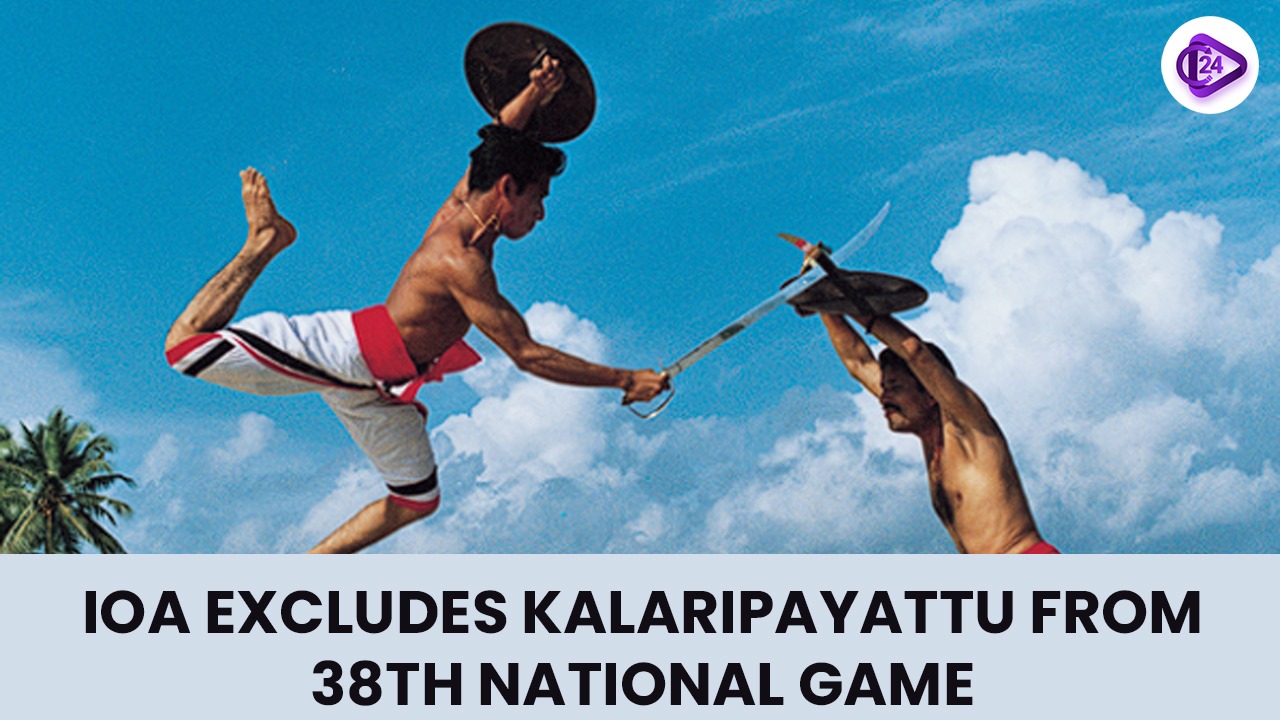
Indian Olympic Association (IOA) Excludes Kalaripayattu from Competition Section in 38th National Games

Kalaripayattu, an ancient martial art from Kerala, has been an essential part of India’s traditional sports landscape. Originally a demonstration sport in the 35th National Games (2015), it was elevated to the competition section in the 37th National Games (2023). However, in a surprising shift, Kalaripayattu has been excluded from the competition section in the 38th National Games, raising concerns among its practitioners and enthusiasts. The decision to demote this ancient martial art back to a demonstration event in the upcoming games has sparked significant debate. This change reflects ongoing shifts in the structure and inclusion of traditional sports in modern national competitions.

About Kalaripayattu

Kalaripayattu is an ancient martial art system that was formed more than 3000 years ago in Kerala, India in the 11th-12th century CE. The system of fighting is a merger of speed, martial arts, weapons, defense, and spiritual exercise.

Key terms associated with Kalaripayattu include

Meythari: Posture that depicts certain animals like lions, snakes, and peacocks.
Kolthari: Wooden weapons such as a stick.
Ankathari: A sword used as a weapon and a shield.
Verum Kai: Bare-hand combat.

Inclusion and Demotion in National Games

Kalaripayattu was inaugurated as a demonstrative sport in the recently held 35th National Games during the year 2015.
It was upgraded to the competition section in the 37th edition held in Goa in 2023.
In the 38th National Games, Kalaripayattu has been downgraded to the demonstration part from the competition part, although this decision has raised concerns in many circles and by many of the Kalaripayattu practitioners.

Key Points of the 38th National Games of India 

Event Dates: The 38th National Games is scheduled to commence on January 28 and end on February 14 in the Uttarakhand state. This event is expected to host more than 10,000 athletes, coaches, and officials patronizing from different regions of India.

Mascot: The state animal for the event is called Mauli which has been inspired by the Monal, the state bird of Uttarakhand. The mascot represents the region’s culture and diversity, offers opportunities to showcase talents, and encourages youthful performers to work hard.

Tagline: The official slogan of the organization is “Sankalp Se Shikhar Tak” which translates into “From Resolve to Zenith” and is used to promote the edifice of commitment, and striving for the best. It is used as a motivating slogan when athletes are performing in the Games.

Sports Disciplines: There will be 38 events, 30 of which will be regular Olympic games accompanied by such traditional Indian disciplines as yoga and mallakhamb. These primitive activities exist in harmony with the affirmative cultural image of Uttarakhand and with modernity that needs to be wedded to Indian roots.

Torch Lighting Ceremony: The torch for the National Games was ignited and will be taken all over the state signifying the coming together for unity and sportsmanship. The torch relighting process is planned to create a sports culture among the people and to encourage youth in sporting activities.

National Games of India

Origins and Development:

The National Games of India owe their existence to the Olympic movement which started in India around the 1920s. Originally, its primary purpose was to select the national icons for the Olympic Games, 
the first Indian Olympic Games were organized in Lahore, Punjab in 1924 before independence. 
The post-independence National Games were held in Lucknow 
Now the 1st Olympic style National Games were conducted in New Delhi in the year 1985.

Jurisdiction and Oversight:

International Olympic Association (IOA) is solely responsible for the National Games and all connected issues including their length and rules.

Importance and Impact:

The National Games is also an excellent opportunity for young athletes as it offers them an opportunity to participate in multiple disciplines, which will assist in shaping them. They are also used to recruit raw talent and to provide an opportunity for state athletes to compete at the national level. The Games certainly help in the overall growth of India through sports, and help those athletes who want to go further in other tournaments.

Conclusion

Kalaripayattu’s exclusion from the competition section of the 38th National Games only incites more curiosity more so when it has been listed under the competition event in 2023. This transition seems to be a course of change in the structure and functioning of the National Games and treatment of conventional sports, in shifting consideration of Kalaripayattu as a part of the Indian sporting fabric.

Renaming of CTRI to NIRCA: A Shift in India’s Agricultural Research Focus

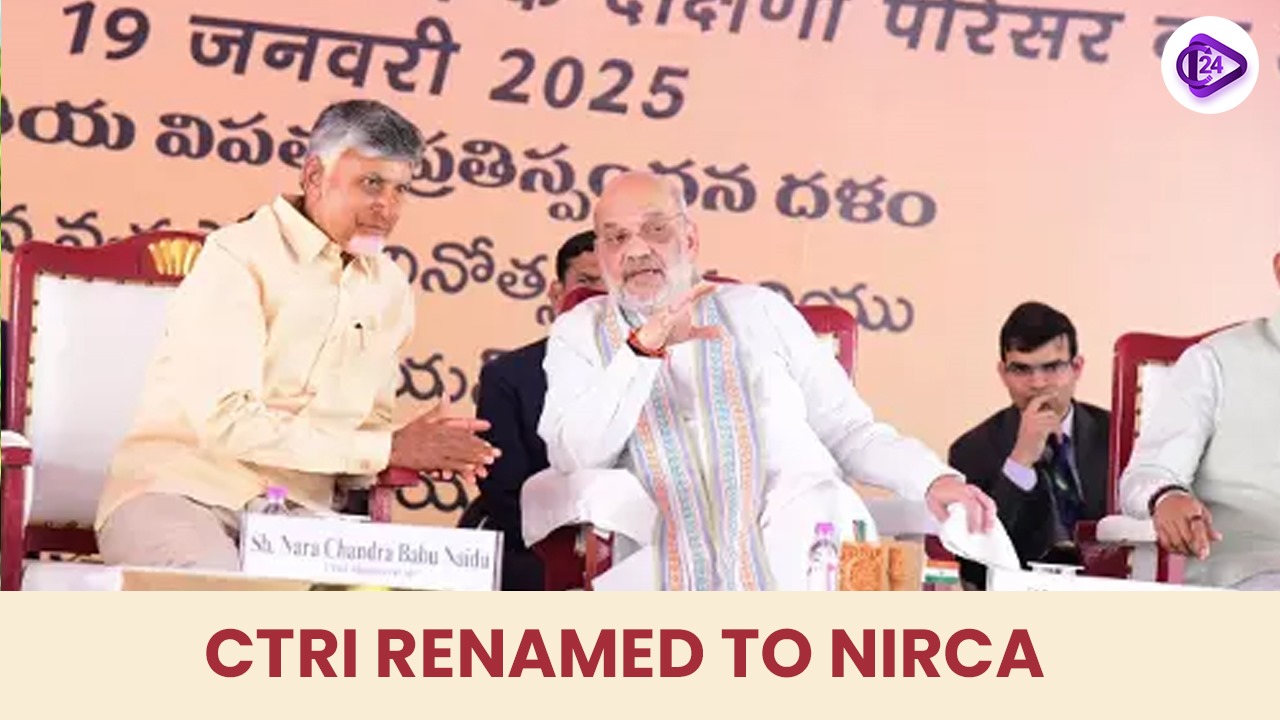
The Indian Council of Agricultural Research (ICAR) has recently reinvented the essence of the Central Tobacco Research Institute (CTRI) in Rajahmundry renamed to The National Institute for Research on Commercial Agriculture (NIRCA). This change marks a broader research mandate that now includes crops like turmeric, chili, castor, Ashwagandha, and tobacco as well.

Tobacco Crop Overview

Tobacco is plants in the Nicotiana genus especially Nicotiana tabacum which is most commonly grown for commercial sale and use in countless tobacco items.

Etymology

The term ‘Tobacco’ is realized from the Spanish term ‘tabaco’, originated from the Taíno language of the Caribbean. It is used either to refer to the roll of tobacco leaves or an L-shaped pipe that was used for inhaling the tobacco smoke.

History of Tobacco Research in India:

Tobacco research in India was initiated during the early 1930s with the foundation of the Cigarette Tobacco Research Station at Guntur. Central Tobacco Research Institute (CTRI) was established in 1947 to carry out research in the field of tobacco which includes scientific and technical aspects. In 1965, the Indian Council of Agriculture Research (ICAR) assumed control of the institute’s activities.

Climatic Conditions

  • Tobacco is an indigenous crop of the tropics, yet, it grows well in tropical, sub-tropical, and temperate regions.

  • Tobacco cultivation and climate Tobacco grows well in a specific climate with conditions such as temperature humidity and rainfall favored.

Ideal Growing Conditions

  • Frost-Free Climate: Tobacco takes about 100-120 frost-free days for its maturation.

  • Temperature: The growth of tobacco requires an optimum temperature of about 80°F or 27°C.

  • Rainfall: Moderate rainfall between 88 to 125 mm per month is advisable to support vigorous plant growth.

  • Soil: Tobacco requires a warm climate with their preferred soil type being black, fertile, and well-drained.

Global Tobacco Scenario

India is one of the largest producers of tobacco crops in the world. The leading tobacco-producing states include:

  • Gujarat: It is the largest producer of tobacco in India.

  • Andhra Pradesh: accounting for nearly 41 percent of the total tobacco produced in India at present.

Tobacco Board of India

The Tobacco Board of India was constituted as a statutory body on January 1, 1976, under Section (4) of The Tobacco Board Act, 1975. The Board has a pivotal responsibility of regulating the growth of the tobacco industry in India as well as setting standards. It’s head office is situated at Guntur, Andhra Pradesh.

Key Functions of the Tobacco Board:

  • Export Promotion: The major objectives of the Board are the stimulation of export of all forms of tobacco and any associating goods.

  • Regulation: It controls the supply and marketing of Flue Cured Virginia (FCV) tobacco, both for local use and export.

  • Farmer Support: According to the Board of Directors, farmers who supply tobacco are paid a fair price for their produce and they are assisted by being provided with financial support, and inputs to enable them to produce quality tobacco.

  • Sustainable Practices: It invests in the extension and development of sustainable tobacco growing practices.

Conclusion

It is also instructive that, the organization that became the CTRI was renamed as NIRCA to signify a change in the country’s agricultural research focus towards greater diversification. Despite tobacco contributions to India’s economy, there is a need to diversify research for other commercial crops such as turmeric, chili, castor, and ashwagandha. The new mandate of NIRCA after the country faced many challenges like environmental sustainability and future competition in the international market may go a long way in determining the future of agriculture in India.

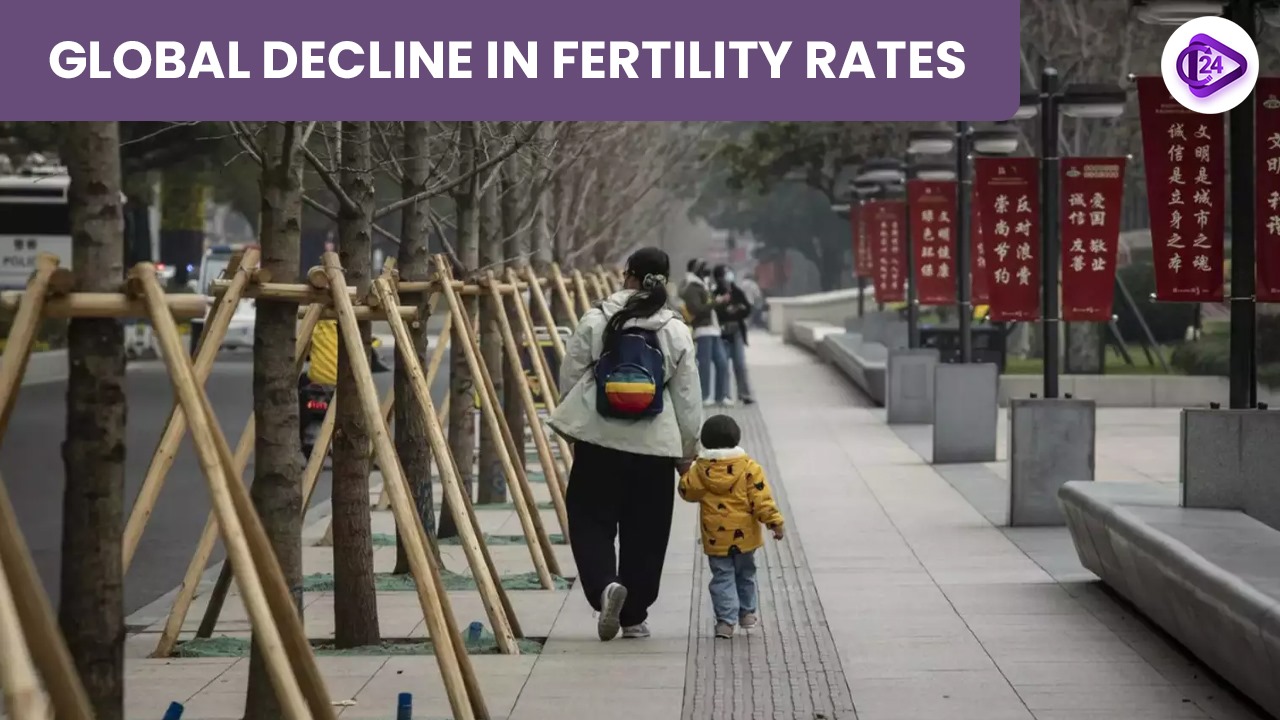
Global Decline in Fertility Rates: Growing Threats for India and the Whole World

Recent demographic research shows that there is a decline in fertility rate among 204 countries from 1950-2021. With constant predictions, this pattern will continue. It remains a negative for countries, especially regarding old age demographics and the availability of the workforce. Despite the adoption of pro-natal polices many countries will continue to record low fertility rates.

India’s Fertility Decline

Infertility rates have reduced significantly from 6.18 in the 1950s to 1.9 in 2021, below the replacement standard of 2.1. The estimates for FY 2100 are that this rate could come down to 1.04 and this could lead to an increase in the demographic burdens.

Factors Contributing to Fertility Decline

Several factors have contributed to India’s fertility decline, including:

  • Increased Female Literacy and Workforce Participation: Female education and employment and delayed marriage and smaller families as more women are now going to school, taking paid employment shortly after, then they get married and they bear fewer children.

  • Changing Societal Attitudes: Marriage and motherhood have changed in modern society and women prefer to build a career instead of having a family.

  • Impact of Migration: Another valuable tendency that can also be mentioned in the frame of discussing the reasons for the observed shift in the country’s fertility rate is the emigration to other countries for education and work purposes of young Indians. Some prefer to live in foreign countries, which in return, decreases the birth rate and hence the population size in the Country.

Challenges in the Southern States

Some of the southern states such as Kerala are undergoing very dramatic demographic changes. The state achieved replacement-level fertility in 1988 but now faces critical socioeconomic challenges due to:

  • Aging Population: A large population of elderly and a dwindling workforce are emerging critical factors that will impact the state.

  • Migration of Educated Youth: Over the years, better and more lucrative jobs have been found in other countries resulting in more campus-educated population emigrating, therefore emitting working-age poverty.

  • Labor Shortages and High Wages: Economic stresses are high wages for the labor force and a declining stock of youthful employees. It is anticipated that by the year 2036, Kerala’s demographic analysis itself let us know that the elderly population will exceed the child population.

International Comparisons

Similar fertility declines are also being experienced in other Asian countries including South Korea. However, through increased government funding to work on the challenge, these countries have been unable to turn the fertility rate around.

Future Considerations

Fertility is probably on the decline for the long term and this will result in future distressing socio-economic consequences. To mitigate the negative impacts, there is an urgent need for comprehensive policies that:

  • Enhance Job Prospects: Otherwise, the population increases through birth and youthful people will likely move to other areas in search of jobs.

  • Support the Elderly: It will therefore be important to bring forward socio-economic policies and structures in the care of the elderly, health services, and retirement programs.

Conclusion

A growth in the population has many socio-economic implications for the world together globally in scenarios such as in India which has witnessed a decline in the birth rates. For India rather particularly for states like Kerala there is concern of a shrinking population and aging process. Regarding these challenges policies that will be of proactive importance in the field of employment legislative changes in the field of migration and care for the elderly will also help to ensure further demographic and economic stability.

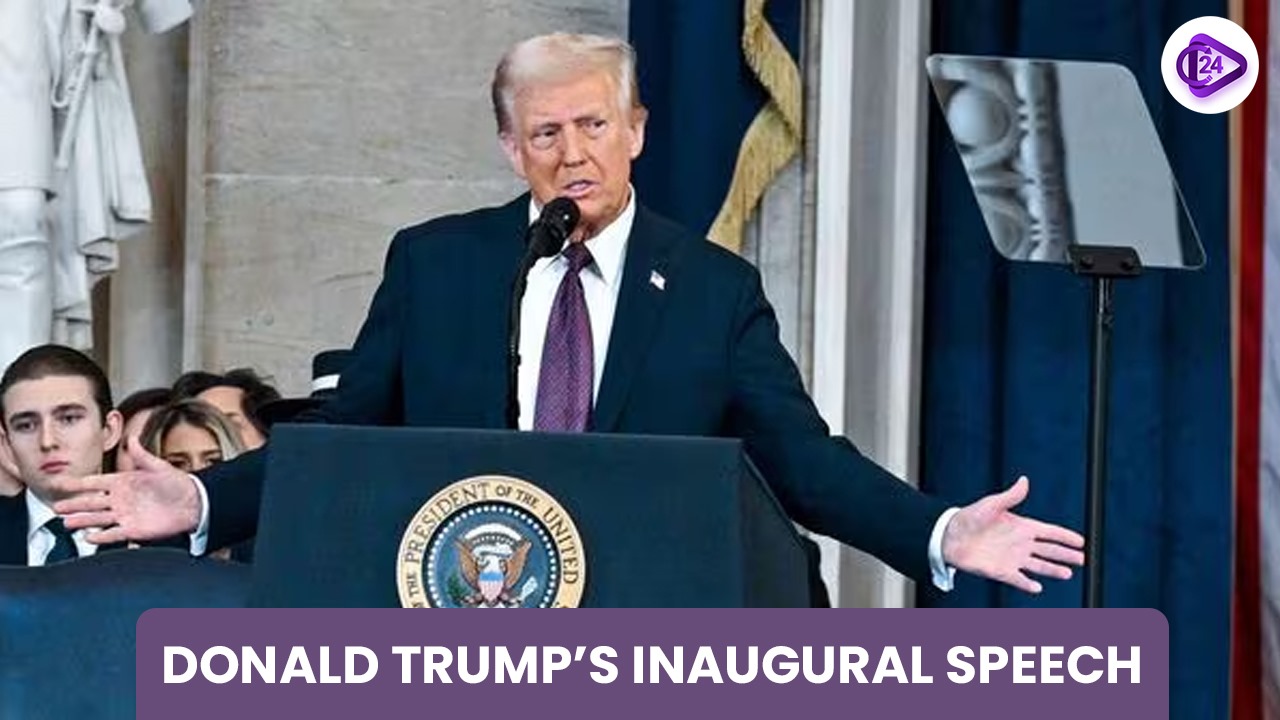
President Donald Trump’s Inaugural Address as the 47th President of the United States

Donald Trump became the 47th President of the United States swearing the oath. After that, during the inauguration speech, he claimed his great intentions and ideas and repeated Trumpism. The areas of policy discussed included; Inflation, immigration, environmental policy, overseas wars and servicemen, national security, and economic revival. 

Key Points

Economic and Energy Policy

President Trump highlighted remediation of the inflation problem resulting from over-expenditure and high costs of energy. He announced a national energy crisis, in which he got orders with intentions to drill for oil and natural gas domestically and sell American energy internationally.

Trump promised the country would return to manufacturing, using the abundant oil and gas in the country to boost the economy.

Environmental Policy

He promised to eliminate the Green New Deal and repeal the electric vehicle mandate since he said would protect the American automobile industry and provide employment to people who worked on automobiles.

Immigration Policy

Trump vowed to terminate all forms of illegitimate migration as soon as he assumes office and resurrect the so-called “stay in Mexico” policy, besides coming up with even more aggressive measures in trying to control unauthorized immigration. He also oversaw the dangerously accurate process of labeling cartels as foreign terrorist organizations and committed that they would employ the full force of law on immigration-related threats.

Overseas Wars and Peace Plans

To speak on defense and military and guarantee to stop useless wars while working for peace and unity on an international level. Trump said that his diplomatic skills prompted hostages in the Middle East to go back home. He also talked a lot about the reconstruction of the US military up to the strongest level and the non-occurrence of war.

Panama Canal

Trump announced that the Panama Canal was going to be taken over by America again stating that the current situation that Panama and America had agreed upon had been breached especially by China’s intervention.

President further wanted the Gulf of Mexico to be renamed to the Gulf of America and Mount McKinley to be renamed to its pre-nomination name in honor of President William McKinley.

Social and Cultural Policies

The President also stated that his administration would remove policies that try to engineer race and gender throughout various facets of society. He defended that there are two genders (man and woman) as the policy of the government of the United States of America.

Space Exploration and National Identity

Trump announced that the United States would press on with space exploration and send people to Mars and the Star and Stripes to its surface.

US-China Relationship Under Trump 2.0

India will have to closely watch how this relationship between the two superpowers of the world continues to reshape. Although Trump has imposed tariffs and tech restrictions on China in the past, it remains unclear whether Trump is going to negotiate further with China, for instance, with regards to the TikTok platform.

What Trump has done could mean top-level diplomacy, where the two countries are negotiating for a way of dealing with each other which could involve bartering or compromises especially given the internal problems facing China’s economy.

Impact on India and Tech Future

India is now in a dilemma to strengthen its partnering with the US into sharing their economic development and technology advancement too. This represents a potential blow to India’s technological ecosystem, particularly new regulation of the diffusion of AI in the United States, which could potentially restrict access to necessary technologies.

But India has huge data assets that are crucial for AI development the fact that is an opportunity only if India has to strengthen its technology defenses and assert data control.

India’s Tech Future and US Engagement

India has pledged a technology deal with the United States through organized efforts that include the iCET conference, space collaboration, and semiconductors. This partnership, however, puts a condition or expectation on India, particularly on the issues of tech security, elaboration of export control mechanisms, and preventing leakage of data to hostile powers.

Narrowing Hedging Window for India

India’s opportunity to maneuver between superpowers is rapidly shrinking, especially, as the US is considered vital for India’s technology sector. India’s future economic and tech growth might therefore greatly depend on the relationship it will establish with the US while at the same time handling its internal problems and at the same time balancing strategic independence in the international system.

Conclusion:

The populist rhetoric was introduced to the American population during Trump's presidency making it clear to the voter that the main focus of the further development is the economic growth and strengthening of borders along with the national pride. The program of transformation was very broad reaching various spheres of the society with a special focus on energy, defense, and cultural issues, the latter in the sense of traditionally conservative values. Such policies may have been stemming from his America First principle but are opposed to most of the previous administration agenda. Trump was aggressive and unapologetic in his speech which has made him present the image of a president who wants to revolutionize both domestic and foreign policy.

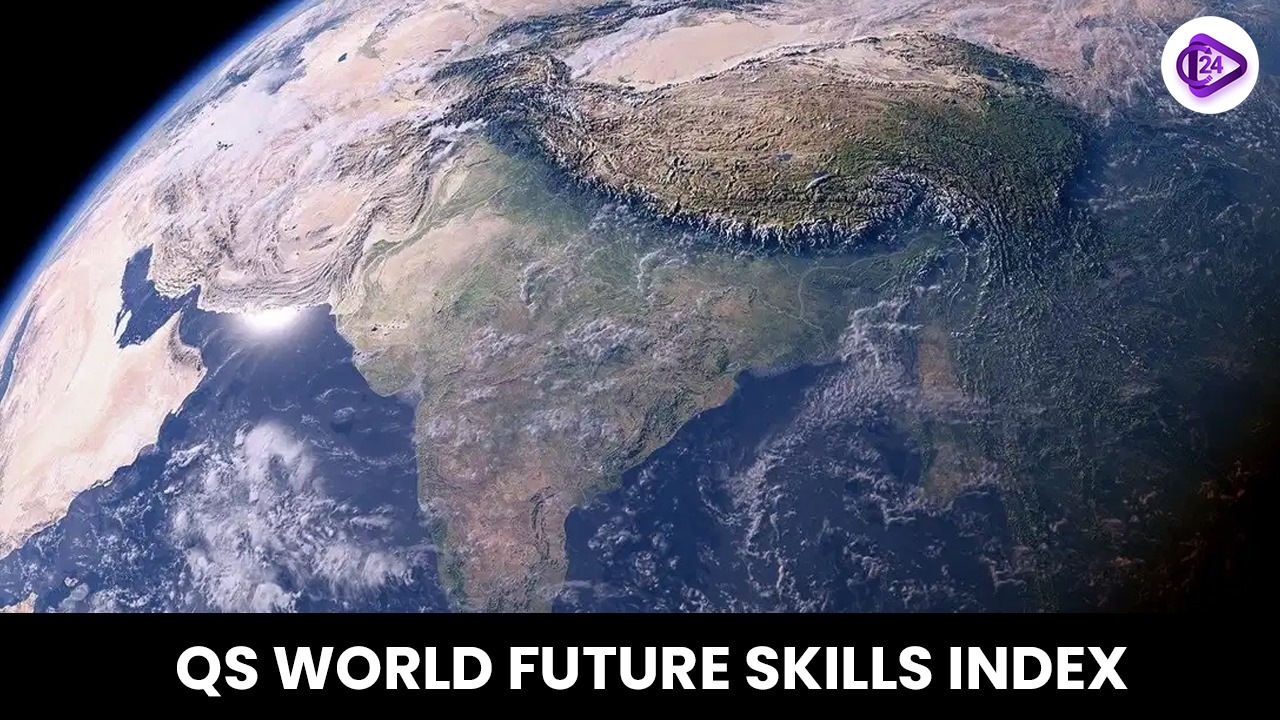
QS World Future Skills Index: India; Position and Prospects in Meeting Future Employment

 India ranks 25th in the QS World Future Skills Index, highlighting both the country's potential and challenges in preparing for future job market demands. While India holds a strong position in "Future of Work," ranking second only to the U.S., it faces significant challenges in areas such as economic transformation, green skills development, and skills gaps. The country must focus on higher education reforms, investment in innovation, and industry-academia collaboration to align skills with emerging global trends.

The QS World Future Skills Index measures readiness to match the anticipated global job market needs and enables governments to guide education to match skills to the future.

India's Overall Rank

Rank: 25th

  • India is a future skills contender, presenting many promising opportunities, but the country has several barriers to overcome.

Comparison to Top Performers:

  • Top 10 Countries: The primary countries for developing future skills include the US, UK, Germany, Australia, and Canada. These countries have been termed ‘future skills pioneers, ’ which means other nations should follow their leads.

India’s Rankings in Key Indicators

  • Skills Fit: The lowest score among the leading 30 countries was 59.1, putting the United States at 37th. This reflected a gap between the supply of skills in the job market and the demand for such skills in the future job market.
  • Academic Readiness: It was ranked 26 which suggests a moderate extent of congruence between the educational structure of India and the future employment requirements.
  • Future of Work: India is ranked 2nd only after the United States. Overall, India’s job market is moderately ready to cater to the emerging requirements of digital, AI, and green talent. however, there is scope for improvement on the supply side, particularly regarding skills.
  • Economic Transformation: Rated 40th yet beat everyone on the index scoring 100% on financial capacity. However much is lacking in innovation and sustainability. India has scored only 15.6/100 far below that of many G7 countries and others.

Challenges for Future Skills in India

  • Green Readiness: India is not so prepared to go green as only 176th in the Environmental Performance Index. Although there is a growing trend in the demand for green jobs, India is not well equipped to provide for this need.
  • Inadequate Investment and Innovation: Shortfalls in investment and innovation capability limit India’s growth to the extent of becoming a developed country.
  • Skills Gaps: India has at least a medium level of challenges in skills development especially on the issue of how to instill and develop a culture of innovation and entrepreneurship among the youth graduates.
  • Higher Education Reforms: India’s higher education institution fails to meet the dynamic society and economy requirements, which leads to an employability gap or skills gap between the graduates and organizational requirements.

Way Forward: Future Skills Development for India

  • Invest in Green Skills Development: Calling for cooperation and coordination on the curricula and learning approaches it offers to the nation, India must ensure that it prepares for green skills that will be significant to productivity growth in the future.
  • Higher Education Reforms: Thus, universities have to prioritize the implementation of creativity, problem-solving, and entrepreneurship skills to enable students to tackle future challenges.
  • Collaboration Between Industry and Academia: Intersectorial closer collaborations between industries and universities are crucial to ensure that graduates meet market demands.
  • Government Policy Intervention: Therefore, the government needs to formulate specific policies to develop such relentless top-up training programs to keep the workforce relevant consistently.

Conclusion

India must embark on various improvements in its education system and system in particular, and foster education and skills for the future economy. It is believed that this will improve India’s competitiveness in the global market and will help the nation to succeed today as well as in future changing job scenarios.
 

Frequently Asked Questions (FAQs)

The current affairs cover recent national and international events related to UPSC, SSC, Banking, Railways, and State PCS.

You need to read about the current affairs daily, and revise them every week and every month to keep them longer in your memory.

Yes, Class24 provides free downloadable Daily Current Affairs PDFs for easy revision.

Yes, you can practice MCQs and quizzes to boost your exam preparation.

Absolutely. The content is written in simple, easy-to-understand bilingual language suitable for beginners.

Go to class24.com and click on the current affairs section directly, where you find everything that you need.

ssc-toppers

Start Learning Today with Class24

Related current affairs

Class24 offers free video lectures for smart preparation, covering CGL, CPO, CHSL, MTS, and GD exams. Learn from expert faculty, revise concepts easily, practice with PYQs, and improve speed and accuracy through high-quality, exam-focused video lessons anytime, anywhere.

Get success in your hand. Start study anytime anywhere.

The journey becomes simple and enjoyable when you start taking interest in it. And through our app “Class24”, we will be your trusted partners in developing that interest.

Daily Quizzes
Mock Tests
Ongoing

No ongoing tests right now.