
Day: January 15, 2025

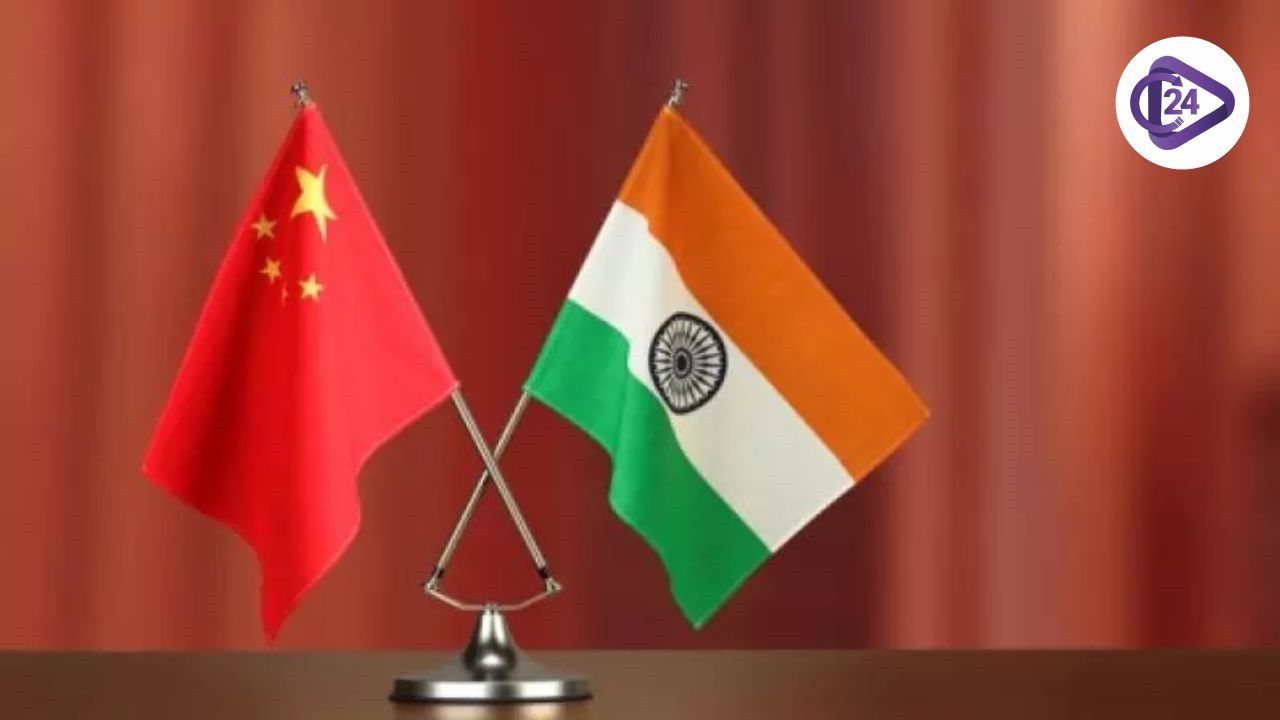
India-China Trade Surplus Reaches $1 Trillion

New data released on Chinese trade for 2024 revealed that its trade surplus hit a record-high level of $992.2 bn demonstrating the opportunities and risks that the growing economy would encounter as it transits into 2025. Exports have increased at 5.9% year-on-year, while imports growth slowed down to 1.1%, leading to a record-high trade surplus. However, these numbers have profound analytical and political meaning, especially taking into consideration the forthcoming US presidency under Donald Trump. According to this, below are the main findings and expectations regarding China's trade patterns in the future period.

Timing of Strong Export Numbers and Trump’s Incoming Presidency:

  • The export surge takes place right before Donald Trump’s presidency, which could bring about trade tensions and new tariffs.

  • This timing might be attributed to fears that stronger export figures might be eroded by a trade war with the US, given Trump’s protectionism and obsession with trade deficits.

Impact of Chinese New Year and Pre-emptive Exports:

  • The figures are indicative of the December trade as exporters bring forward orders due to the Chinese New Year and fear of new tariffs by the US.

  • Increasing exports of higher value goods such as automobiles including electric cars, batteries, and solar panels show that China has shifted towards a green economy.

  • China also increased its purchases of agricultural products before the Trump administration could alter the trade balance, including American soybeans.

Weak Domestic Demand and Implications for Stimulus:

  • However, China’s internal economy has had a slow recovery in the recent past, mainly due to low consumer spending and other problems such as the property sector.

  • The slight rise in imports therefore mirrors weakness in domestic demand that has seemingly forced the Chinese authorities to look forward to seeking other ways of boosting growth in 2025.

Currency Depreciation and Its Impact on Trade:

  • Another factor that has helped China to record a trade surplus is that low Chinese exports have been occasioned by the depreciation of the Chinese currency; the renminbi, which is brought about by a strong dollar.

  • However, given the favorable global environment for China’s exports, this configuration is expected to persist shortly although changes in the exchange rate of the renminbi or other global circumstances may alter China’s export figures.

Economic Cooperation Between India and China

Bilateral Trade Growth:

  • China has surpassed the USA to become the biggest trading partner of India with the total trade in 2022223 exceeding $135.98 billion.

  • It will further underline the fact that while political relations are still strained there is the tendency of trade relations between the two countries to improve.

Trade Deficit:

  • India remains a major trade deficit country and currently, India had a trade deficit of $83.2 billion with China in 2022-23.

  • China has been India’s main trading partner and the main reason for the trade deficit is due to electronics, machinery, and chemicals.

Lower Exports to China:

  • The majority of the exports from India to China mostly include raw materials such as iron ores and other ores, minerals, frozen fish, cotton, etc while China’s exports are much more diversified and valued much higher than India’s exports.

Efforts to Reduce Trade Deficit:

  • Existing plans for the Qualitative Change in Economy include the likes of a free trade agreement among nations, the Atmanirbhar Bharat (Self-reliant India) to promote domestic production, and work on reduction of imports from China.

Looking Ahead: Difficulties and Management Controls

Sustainability of Export Growth: While export numbers are quite impressive they could shrink if trade tensions with the US or the European Union grow further particularly concerning autos.

Trade Policy Uncertainty: Even if China wants to pass on the tariffs to consumers, it could slow down trade Trump’s administration expected to impose more tariffs on goods such that the first rush to transport products to avoid them could stall.

Balancing Domestic and External Pressures: Chinese leadership will have no other choice but to hit the right intermediate balance in treating the internal economic redoubts and external trade criticisms. Trade relations in dealing with bilateral and multilateral trade disputes will define China’s economic plan in the coming years and extend the policy of domestic development stimulus.

Conclusion

Overall, as China moves closer to a $1 trillion trade surplus, existing and emerging trade tensions, internal difficulties, and the unpredictable global trade picture create threats. Therefore, the country’s leadership needs to be positioned to respond to concerns originating from outside the country as well as those originating from the domestic economic progress in the future.

India Sunrise Sectors: Key to Achieving $32 Trillion Economy by 2047

India’s G20 Sherpa Amitabh Kant has underlined the need to perform well in ‘sunrise sectors’ as one of how the country could achieve the aim of making the country a developed one and a $32 trillion economy by 2047. These sectors are swift-growing and have unlimited growth prospects that put India on the course of a long-awaited economic breakthrough. The crossover sectors also known as sunrise sectors are industries that are relatively new but have great expansion potential. 

What are sunrise industries?

  • Sunrise industries mean businesses that are yet to penetrate fully in the market but when they do, they have the potential of growing so big. It is a fact that these sectors frequently experience high Innovation speeds, a raised rate of emergence of startups, and a substantial of venture capital, making them promising areas for long-term investment.

  • In India, more than one or two sunrise sectors are indicating exponential growth propelled by governmental support, increased technology implementation, and changing sensibilities toward sustainable development.

Important Sunrise Sectors in India

1. Electronics and Semiconductor industry

The electronics and semiconductor industries have the potential to lead the electronics revolution in India with several government initiatives. The PLI Scheme and the SEMICON India Program are major initiatives planned with a focus on enhancing production and Indian manufacturing supply chain-backed modules to cut out reliance on imports. It is further predicted that by 2026 the semiconductor market of India will grow threefold and will generate a production value of $300 billion. 

Semiconductor Market: India is offering substantial financial incentives either directly or through instruments such as Modified Scheme for Semiconductor Fabs making it a global.

2. Electric Vehicles (EV)

The EV industry could expand significantly faster, and India expects to be at the forefront of electric mobility. Today, the government offers incentives such as FAME II (Faster Adoption and Manufacturing of Hybrid and Electric Vehicles), and 100% FDI allowance for the sector. Today more than 12000 charging stations are functioning in the country, and this number will only increase in the future. The PLI Scheme for Advanced Chemistry Cells is designed to encourage battery manufacturing in India which shall entail reduced costs that would be passed on to the consumers to make the EVs affordable. The opportunity area to invest in EV manufacturing, as well as infrastructure, is quite potential in India due to more emphasis on sustainability.

3. Renewable Energy

India’s renewable energy industry is heading toward becoming one of the biggest in the world. The present central government has a more aggressive goal of attaining 500 GW of power supply from non-fossil resources by 2030. 

Several investment areas are emerging for green technologies including National Green Hydrogen Mission and Offshore Wind Energy. At present, the manufacturing of solar panels in India is 5-7 years behind the global benchmark, but now the situation is gradually improving, so great opportunities are open for investors. The sector enjoys favorable legal and institutional environments, increased emphasis on R&D, and collaborations with overseas partners which make it a ripe area for sustainable investments.

4. Agriculture and Food Processing (A&FP)

The need in agriculture and food processing industries holds immense prospects in following government policies and regulations by freedom in Pradhan Mantri Kisan Sampada Yojana and FDI. The Food Processing Industry has been supported through a new PLI Scheme and boosts investment in food structures. India, with its vast agricultural lands, shows promise for food processing after harvest selling crops overseas, and ensuring enough food for everyone. Farming in India creates jobs, boosts the countryside's economy, and helps make agriculture last for years to come.

5. Healthcare and Pharmaceuticals

India’s healthcare and pharma industries are showing good growth due to a strong medtech sector, with expectations for the sector to account for $50 billion in 2025. Schemes like Ayushman Bharat are set out to bring improvement in accessibility and cost to the pool population. Big areas like the drug industry are keen on extra investments thanks to easy reasons like being allowed to have 100% foreign cash. This part of the economy gets a boost from the strong expansion of India's health care business and where it sits in the worldwide health care delivery network.

6. Artificial Intelligence (AI) and Machine Learning (ML)

AI and ML are making their waves across industries internationally, and the country is ripe for the disruption. Appreciable by healthcare, finance, education, and manufacturing AI and ML are trending technologies in the industry. Currently, India is also home to large technology talent and is seeing increasing growth in the number of startups, making AI a significant field of development. Still, there is work to do in terms of R&D investment and talent to help stand firm as one of the leading progenitors of AI in the world.

Sunrise Sectors’ Challenges

  • Policy Uncertainty: When it comes to policy outcomes, policy oscillation as well as flip-flopping poses a rather unfavorable climate for investors and corporates.

  • Regulatory Barriers: Slow marketing approvals, a lack of consolidated laws, and a confusing legal environment for sectors such as EVs, renewable energy, and AI, slow their progress.

  • Infrastructure Gaps: To support the growth of the EV market and the associated services, substantial capital expenditures will be required, within areas of Charging Stations, Renewable Power Generation Interconnection, and sophisticated manufacturing plants.

  • R&D Shortages: Looking at the advancements happening globally, especially in the tech market comprising AI, semiconductors, and clean energy, India has to doubly ensure more investments are being made towards research and development.

  • Talent Scarcity: AI talent, renewable energy talent, talent in electric vehicle manufacturing, etc, are scarce in the global market. The former will be critical in reducing this knowledge gap and ensuring sustained growth of these industries.

Conclusion and Way Forward

India’s emergent industries are huge news for growth, new ideas, and green economy building. Some of these sectors include, but are not limited to the IT sector, BPOs, telecommunication, healthcare, civil aviation, and auto components that could transform the socio-economy of the nation if supported by the government policies as most of these sectors including 100% FDI through the automatic route. 

These rising and sunrise sectors are the sectors that need to be fostered by the government of India and the private sector collectively for the country to be able to achieve its dream of being a USD $32 trillion economy by 2047. If these challenges are dealt with and innovation encouraged, India shall unlock the optimum prospects of these industries for generating economic growth as well as sustainable development.

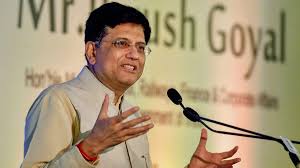
Union Minister for Commerce and Industry Shri Piyush Goyal launches National Turmeric Board

Recently, the National Turmeric Board was inaugurated on January 14, 2025, by the Union Minister for Commerce and Industry Shri Piyush Goyal in New Delhi making a new stride forward for India’s turmeric business. The occasion was marked on an appropriate day with the people celebrating the event all over the country. Shri Goyal also announced the first Chairperson of the Board Shri Palle Ganga Reddy and the central office located in Nizamabad which is identified as a nucleus area of turmeric production in India.

Key Highlights of the National Turmeric Board:

  • Farmer Welfare & Increased Production:

    • The Board is concerned with the welfare of the turmeric growers, especially farmers in the large productive states of Andhra Pradesh, Telangana, Maharashtra, and Tamil Nadu.

    • The aim is to improve the yield and production of turmeric to improve farmer's income across the country.

  • Promotion of Research & Development:

    • The Board will dedicate efforts to increase investment in research and innovation in turmeric product formulation, value addition, and exploring area markets.

  • Quality & Safety Standards:

    • Protecting the interest in products that have localization by having high-quality standards of domestic manufactured products as well as those products that are exported to other countries to enhance the image of India on the international market.

  • Boosting Export Potential:

    • India, the largest producer and exporter of turmeric globally, will shift its strategy to increase exports which will benefit from demand from other countries for health and wellness products that include turmeric.

  • Collaboration with Ministries:

    • The Board will be composed of the representatives of the AYUSH, Agriculture, Commerce, and Pharmaceutical ministries as well as the leading turmeric-producing states for inclusive growth and development.

The Vision of the National Turmeric Board:

The National Turmeric Board initiatives to provide the policy direction for the public and subsequent stakeholders to build up the Turmeric sector and promote the international market opportunity. Exploiting curcumin’s health-giving properties that are being incorporated into more goods and services for well-being and medicinal purposes, India wants to deepen its dominance in the turmeric market.

India’s Dominance in Production and Global Share

  • India produces turmeric across 3.05 lakh hectares with a total output of 10.74 lakh tonnes in 2023-24.

  • India holds a dominant position in global market by attaining 62% of global turmeric trade.

  • India has been cultivating more than 30 different varieties of turmeric, which contributes to a significant share in the global market

Conclusion

Setting up the Board is a big help for turmeric farmers. It will help them grow better crops, make higher quality turmeric, and sell more to other countries as people around the world want more of this "Golden Spice." By coming up with new ideas and making new products, India can stay on top of the world turmeric market. This will help farmers make more money for a long time to come.

Road to Self-Sufficiency in Urea Manufacturing

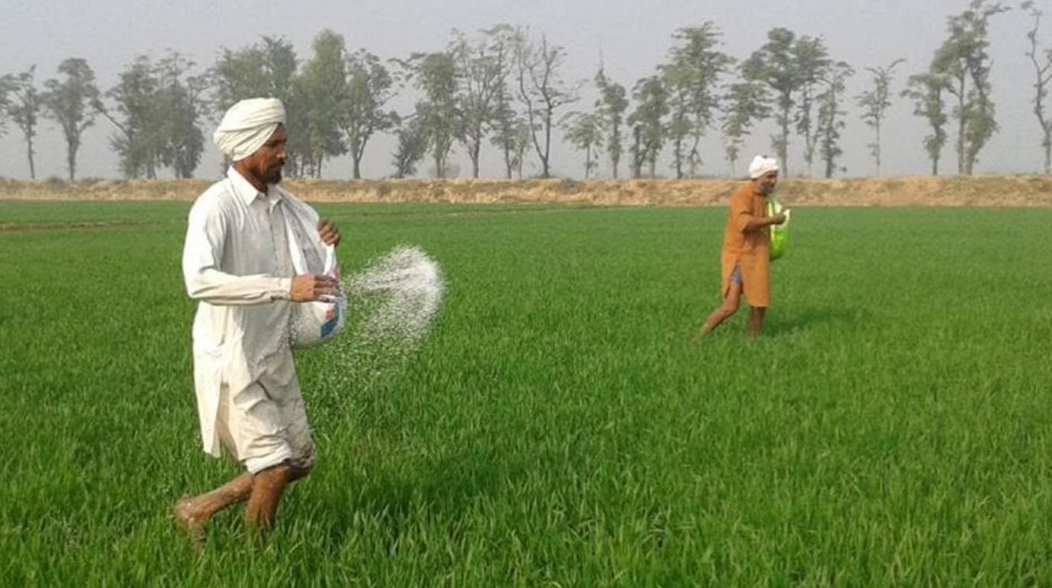
There has been significant progress in India’s urea industry, especially in the capacity creation which has a positive implication for the agenda of Atmanirbharta in the fertilizer sector. However, challenges like scarcity of di-ammonium phosphate (DAP) and overall poor investment in factory-related sub-sectors, particularly the manufacturing industry and the urea industry have recorded some progress in efforts to cut on the importation list. This has made the recent efforts to boost domestic production through greenfield plants to achieve the target of achieving self-sufficiency in urea production. However, there is still a controversy on whether India should go ahead with the production of urea domestically or import the commodity to meet the increasing demand.

Current Scenario of Urea Industry

  • Increase in Domestic Urea Production:

    • Domestic production of urea in the Indian market has risen rapidly over the last decade.

    • It has increased from 22 million tonnes in 2011-12 to 31.4 million tonnes in 2023-24.

  • Reduction in Dependency on Urea Imports:

    • During the period, domestic production of urea has improved thus increasing the production of the product within the country and decreasing import dependency.

    • Urea imports were reduced from 7.8 metric tonnes in 2022-23 to 7 metric tonnes in 2023-24.

  • Significant Improvement in Import Reduction:

    • India’s urea import reached its highest level of over 9.8 metric tonnes in the year 2020-21.

    • Urea imports likewise have reduced to 31.7% in the current fiscal year from the previous year indicating better production within the country.

Advantages of Greenfield Projects in the Urea Industry

Some of the green field projects that have been helpful in the enhancement of urea production facilities in India which include many of these projects started in FY 2019 and later and have significantly helped diversify import dependence for urea.

  • Increased Production Capacity:

    • Six new plants have been set up by entities such as Hindustan Urvarak & Rasayan Ltd (HURL), Chambal Fertilisers & Chemicals, Matix Fertilisers & Chemicals, and Ramagundam Fertilizers & Chemicals Ltd (RFCL).

    • These units have a production capacity of 1.27  metric tonnes each which will help increase domestic capacity substantially.

  • Climate-friendly and Energy-efficient:

    • These plants use natural gas as a somewhat cleaner burning fuel and these plants operate with high efficiency in terms of energy. Today’s units can produce one tonne of urea for 5 GCal, while the previous units needed between 5.5-6.5 GCal to achieve that.

    • It makes the new plants environmentally sustainable and energy efficient as the company seeks to achieve the sustainability goals set in India.

  • Strategic Location:

    • These new plants are located in areas that are in the Green Revolution zones such as eastern Uttar Pradesh, West Bengal, Bihar, Jharkhand, and Telangana. This guarantees that urea is manufactured near the outlets to cut transportation costs to Bosnia and put it within the reach of crop growers.

  • Indigenous Feedstock:

    • A new plant is coming up in Talcher in the Odisha state to utilize coal feedstock from the Talcher mines. This plant will be unique from others that employ natural gas, it will have a diversified feedstock strategy.

Make vs. buy debate 

Indian domestic production of urea and ammonium sulfate is increasing but continues to raise the question as to whether it would be cheaper to make urea or to purchase it from another company.

Arguments Supporting “Buy” (Import):

  • Investment Costs: The establishment of new plants involves an investment of approximately ₹61,575 crore.

  • Price Disparity: The imported urea costs between $370 to $403 per tone, while home-produced urea from greenfield plants costs $493 per tone; this makes imported urea seem cheaper.

Arguments Supporting “Make” (Domestic Production):

  • Transportation Costs: This is because the transportation of imported urea is expensive. Urea has to be unloaded at the ports and then transported to the consumption points located mostly in the northern and eastern parts of India for which extra charges of $ 30- $ 35 per tonne are involved.

  • Narrowing Price Gap: Given this, when the levies on domestic feedstock are subtracted the cost of producing urea domestically comes close to $427 per tonne effectively closing the price differential between buying and making.

  • Economic Benefits: Making products at home creates jobs and helps the Make-in-India plan. This boosts the economic growth and development of the nation.

  • Balanced Approach: This practice might concentrate on giving a push to homegrown production in the north and eastern parts of India. At the same time, it could look into bringing in more goods from outside for the southern peninsula. To make the industry work better, we could close down older plants that waste energy and cut back on urea use.

Conclusion

India's urea industry has made great progress in becoming self-sufficient. It has built new plants and worked hard to cut down on imports. People still argue about whether to make urea at home or buy it from other countries. The solution is to make more urea in India with a little dependence on imports from other countries. It may help indigenous production as well as farming in India. Also, as India works towards its Panchamrit climate goals, these new plants help in two ways: by boosting production and by protecting the environment. 

Mission Mausam Launched: PM Modi’s Vision for Climate-Smart India

Prime Minister Sh. Narendra Modi has initiated a monumental Mission Mausam on the occasion of the 150th Foundation Day of India Meteorological Department (IMD) to make a ‘Weather-ready and Climate-smart’ India. IMD organized the event in Bharat Mandapam New Delhi which emphasized the organisation’s importance in the advancements made in India about meteorology climate, and disaster management.

About Mission Mausam:

  • Mission Mausam is a vision that is planned to transform existing capacities for weather forecasting and climate monitoring in India along with disaster risk management. 

  • The mission tackles studying and creating new tech such as cutting-edge weather radar sharp atmospheric watching tools top-notch satellites, and powerful computing setups.

  • These breakthroughs aim to sharpen the precision of essential weather math, watch the climate more, and boost how India manages dangers to brace for fresh climate change challenges.

As said by the Indian Prime Minister in the launch of Mission Mausam, India wants to establish an effective observational network and numerical weather prediction system to monitor air quality and to foresee and alter climate processes from a time frame necessary for handling long-term weather conditions. Almost all of these will go a long way in supporting sustainable development, from helping people make better decisions about key areas of human activity such as food production, disaster relief, and city planning.

About India Meteorological Department (IMD):

History and Foundation:

  • The IMD was founded in 1875 thus making it one of the oldest meteorological services in the world. 

  • Works under the Ministry of Earth Sciences(MoES), Government of India

  • The IMD was established solely to ensure weather information of variety and specificity for different areas or fields including agriculture, transportation, and disaster relief.

Role and Functions of IMD:

  • IMD deals with predicting the temperature, rainfall, relative humidity, wind speed and direction, and occurrences of storms, cyclones, thunderstorms, heat waves, and the like.

  • It gives alerts on such events and reduces the effects of calamities that are natural incidences.

  • The department also has specialized services in areas of agriculture, aviation, and maritime operations.

Key Contributions:

  • Climate Monitoring: This place keeps an eye on our country’s weather vibes and other bits like how the Indian rainy season and local weather patterns are doing.

  • Disaster Management: It helps by throwing out early heads-up for big storms, floods, and other nasty events, which helps keep people and their things safe.

  • Technological Advancements: IMD is all about using the latest gear like satellites, radars, and super-smart computers to make their weather guessing game stronger. They've got weather lookouts, radars, and those cool automatic weather-checking spots all over the land.

  • International Recognition: IMD linked with the World Meteorological Organization, collaborates with weather departments for watching the skies and improving climate studies. It shares info and study results with global groups to strengthen worldwide climate change toughness.

Conclusion

India, through "Mission Mausam" and steady efforts from the IMD, is boosting its ability to predict weather and improve its response to disasters. It is beneficial not just for the people of India but also for the global communities during climate variability.

Gangasagar Mela: Sacred Confluence of Faith and Tradition

The Gangasagar Mela, nominated earlier as one of the biggest religious meeting places in India, annually attracts millions of devotees to visit Sagar Island in the state of West Bengal where the Ganga River joins the Bay of Bengal. This spiritual festival is celebrated around Makar Sankranti, the auspicious day when the Sun is in Makar (Capricorn), and is very sacred among Hindus.

Key points: 

  • Participation Certificate: It would be the first time in Jharkhand that the state government would provide a participation certificate to the pilgrims performing the auspicious onward yatra.

  • e-Anushandhan: This new digital try will help extend services to the pilgrims in the mela grounds and increase convenience, helping in better management.

  • e-Parichay (QR Code-enabled Identity Band): Intended to protect followers, this system will play an important role in preventing individuals from getting lost amongst the numerous followers. The identity band will also have a QR code which would lead to quick recognition and tracking of location.

  • Push for National Mela Status: The state government has been demanding that it be declared as National Mela for Gangasagar Mela suggesting the relevance and requirement of improved publicity and funding.

About Gangasagar Mela: 

  • Religious and Spiritual Significance: 

    • The Gangasagar Mela is held on Sagar Island at the spot where the river Ganga meets the Bay of Bengal. It is celebrated annually during Makar Sankranti where crores of people still go through tremendous hardship to perform pilgrimage and take a holy dip in Ganga. It is thought that through this ritual sins are washed away, and moksha is gained.

  • Rituals at the Mela:

    • People offer Arghya(water) to the god and perform deepdaan which involves lighting lamps as offerings.

  • Historical and Mythological Significance:

    • In the Mahabharata, Vana Parva refers to Gangasagar as a holy pilgrimage, and the tradition of the pilgrimage existed for at least 1500–2000 BC.

    • It is also honored by Kapilmuni, a great sage and the founder of Samkhya philosophy and there is an ashram belonging to Kapilmuni at Gangasagar which makes the site important from a religious point of view.

    • The pilgrimage is also mentioned in the text of Kalidasa’s Ramayana-Birth of Raghav-Named Raghuvaṃśa (5th century AD) and gives an account of the early religious meet.

    • Inscriptions of King Devapala of the Pala dynasty also refer to rituals at the Gangasagar site identifying the connection of this confluence to India’s early kingdoms.

Cultural Importance

  • A Gathering of Millions: Gangasagar Mela is second only to Kumbh Mela in terms of number of people coming there. This event attracts people from different parts of India and the whole world to seek spiritual direction and touch the divine.

  • Economic and Social Impact: Apart from its religious significance, Mela has direct and significant economic effects; it provided work to traders, servants, and artisans. Festivals become a way to ensure traditions remain documented and that society can continue to exchange in the cultural arts.

Conclusion

Beyond being a religiosity fair, the Gangasagar Mela is a tribute to Culture and the divine bond between the Ganga and her followers. That’s why today the mela is even more necessary to achieve the aims and with new initiatives like e-Anushandhan and e-Parichay the mela is adapting to the modern world but keeps coming from the ancient times. Even today the Gangasagar Mela stands as one of the most important religious fairs in West Bengal and the state government is now striving to attain the status of National Mela.

Frequently Asked Questions (FAQs)

The current affairs cover recent national and international events related to UPSC, SSC, Banking, Railways, and State PCS.

You need to read about the current affairs daily, and revise them every week and every month to keep them longer in your memory.

Yes, Class24 provides free downloadable Daily Current Affairs PDFs for easy revision.

Yes, you can practice MCQs and quizzes to boost your exam preparation.

Absolutely. The content is written in simple, easy-to-understand bilingual language suitable for beginners.

Go to class24.com and click on the current affairs section directly, where you find everything that you need.

ssc-toppers

Start Learning Today with Class24

Related current affairs

Class24 offers free video lectures for smart preparation, covering CGL, CPO, CHSL, MTS, and GD exams. Learn from expert faculty, revise concepts easily, practice with PYQs, and improve speed and accuracy through high-quality, exam-focused video lessons anytime, anywhere.

Get success in your hand. Start study anytime anywhere.

The journey becomes simple and enjoyable when you start taking interest in it. And through our app “Class24”, we will be your trusted partners in developing that interest.

Daily Quizzes
Mock Tests
Ongoing

No ongoing tests right now.