Day: January 4, 2025

World Braille Day: Celebrating Inclusion, Innovation & Independence

Every year on the 4th of January is celebrated to mark the birth of the inventor of the tactile script writing system for the blind namely Louis Braille. Since its launch in 2019, this global observance calls to focus on the importance of the Braille, which is the key to the access to education, information and opportunities for visually impaired people and their integration into society.

What is Braille?

Talking refers to human speech as a language sound with words as the smallest units while Braille is a technique of touch reading with letters, numbers and even some alloy of symbols in music, mathematics or science. This was created by Louis Braille in 19th century in France, making the blind and partially-sighted readers and writers to open such books and gain abilities needed for independence and equality to completely sighted citizens.

The Significance of Braille

The Census taken in the year 2011 reveals that more than 50 lakh people in India are affected by different types of low vision and or blindness. More than a billion people with disabilities across the world struggle to access healthcare, education and employment. World Braille Day calls for the central function of Braille as medium denoting the equality and social, political and economic rights of the blind and the partially sighted citizens.

How can the Government Support the Visually Impaired?

1. Accessible Information

Working with the National Association for the Blind, more than ten thousands of pages of the most important documents are available for visually impaired persons.

Organizations such as Inclusive Science and Mission Accessibility rely on AI to improve the mobile application accessibility.

2. National Institute for the Empowerment of Persons with Visual Disabilities (NIEPVD)

Chartered in 1943, NIEPVD has offered education, training and rehabilitative services. Its programs were avails to over 2,94,223 people in the financial year 2023-24.

3. MSVH stands for Model School for the Visually Handicapped

MSVH provides free education along with accommodation, teaching aids and facilities to the visually impaired children of all classes from primary to senior secondary classes. During the academic year 2023-24, it taught 243 students and provided them essential elements of personality development both in curricular and co-curricular activities.

4. Braille Development Unit

It prepares code structure for different Indian languages braille and is in the process preparing “Manual on Bharti Braille” to automate the braille literacy across India.

5. National Accessible Library

NIEPVD’s National Accessible Library presents individual texts in the forms of Braille, audio, and ePub for people to learn from. The library associations have more than 55 nembers and through its on-line facility Sugamya Pustakalaya it hosts 6.79 lakh titles.

6. Braille Production

India’s robust Braille printing infrastructure includes:

  • Central Braille Press was commissioned in 1951.

  • Regional braille press (est in 2008: Chennai)

  • 25 additional braille presses anywhere in the country.

  • These presses publish literature in 14 languages and these are Assamese, Hindi Tamil & Urdu etc.

Celebrating Progress, Pledging for the Future

For the celebrations of the past year's accomplishments, and the pledges of the future to come. Measures has been taken in India to prove a thrust that seeks to uphold the rights of the visually impaired people to be allowed to live their lives to the fullest. As hand join in honor the memory of Louis Braille, lets re-emphasizes its commitment to making the world an accessible place for all.

Conclusion

World Braille Day is a timely reminder of the possibilities of integration, creativity and perseverance in striving for an environment in which people with disability are empowered to be able contributors to society.

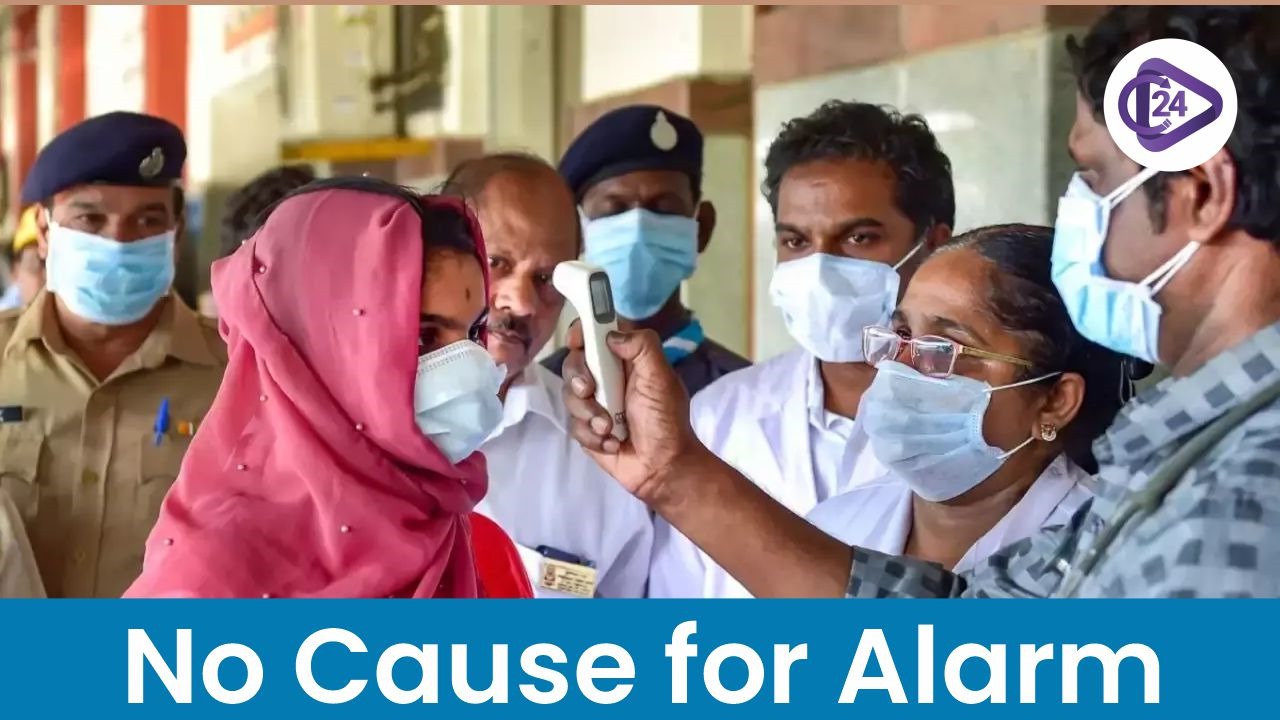
No Cause for Alarm: Increased Cases of HMPV Worries Indian Health Agency About China

While Chinese health experts are expressing alarm at infection rates of the Human Metapneumovirus (HMPV), India’s have been quick to interject. The situation is being observed but India does not for the moment see any direct threat from the country. It also strengthens surveillance and reinforcement of the readiness to address the circular respiratory infections which makes India in a good standing to confront any health crises.

Reassurance from Indian Authorities

Even though the Indian authorities appear to have been reassuring the public that sort of thing could never happen again, Dr. Atul Goyal, Director General of Health Services (DGHS):

  • Stressed that there should not be any reason to panic about HMPV.

  • Encouraged the people to wash their hands regularly and avoid being anxious unnecessarily.

  • Assured that hospitals and healthcare facilities are prepared for seasonal increases in respiratory illnesses.

Current Status in India (December 2024).

  • Despite the increase in respiratory infections, there was no significant increase compared to previous years.

  • Seasonal increase in cases that is typical for winter is still being controlled by using existing capacity of health care system.

Overviews and Measures taken against Respiratory diseases.

  • Do not stay close to those who are experiencing some flu-like symptoms.

  • When sneezing or coughing one should use different towel or handkerchief that they do not use when handling their food.

  • Stay home and avoid other people when experiencing cold, fever and Respiratory symptoms, drink fluids, take the recommended anti-fever medication.

Monitoring and Coordination

  • National Centre for Disease Control (NCDC):

    • Continuing monitoring of respiratory infections including HMPV.

    • Updating itself from international health agencies so that it can be in a position to respond to the outbreaks within the shortest possibility.

  • Global Context and Surveillance:

    • Winter is a period of increased respiratory pathogen activity in the Northern Hemisphere including influenza, RSV, rhinoviruses, and HMPV.

    • China has evidenced seasonal increase in average incidence between December 16 and 22; the level is however lower than the one of the year before last.

Expert Insights on HMPV

Dr. Arjun Dang (Dr. Dangs Lab):

  • Labeled HMPV as a causative agent of seasonal respiratory diseases that rarely receive much attention.

  • The symptoms of newborns include fever, cough, nasal congestion, and in severe cases bronchiolitis or pneumonia.

  • High-risk patients are infants, the elderly, and the ones with weakened immune systems.

Diagnostics and Treatment

PCR Testing:

  • Ideal cutting edge diagnostic tool for HMPV.

  • There’s no specific antiviral therapy; treatment is symptomatic, giving the patient water to drink, and use of oxygen in severe cases of pneumonia.

Prevention Strategies

  • Hand washing with soap and water many times a day.

  • Respiratory etiquette should be employed in that people should cover themselves when they are coughing or sneezing.

  • Recommendations to reduce its spread include avoiding contact with people who show the signs and symptoms of the virus.

Call for Public Awareness

Government Initiatives:

  • Creating and launching programs to educate people about ways in which HMPV and similar respiratory infections can be prevented.

  • Efforts to enhance early reporting systems for containing respiratory viruses.

Conclusion

That several cases were reported in China have caused some unease, however Indian health officials have sought to calm the situation. Due to proper surveillance, constant preparedness and raising awareness about the disease and its symptoms, India is ready to deal with seasonal respiratory infections. Effective health measures and timely interventions continue to be apart of performing assumed standards in preventing such outbreaks.

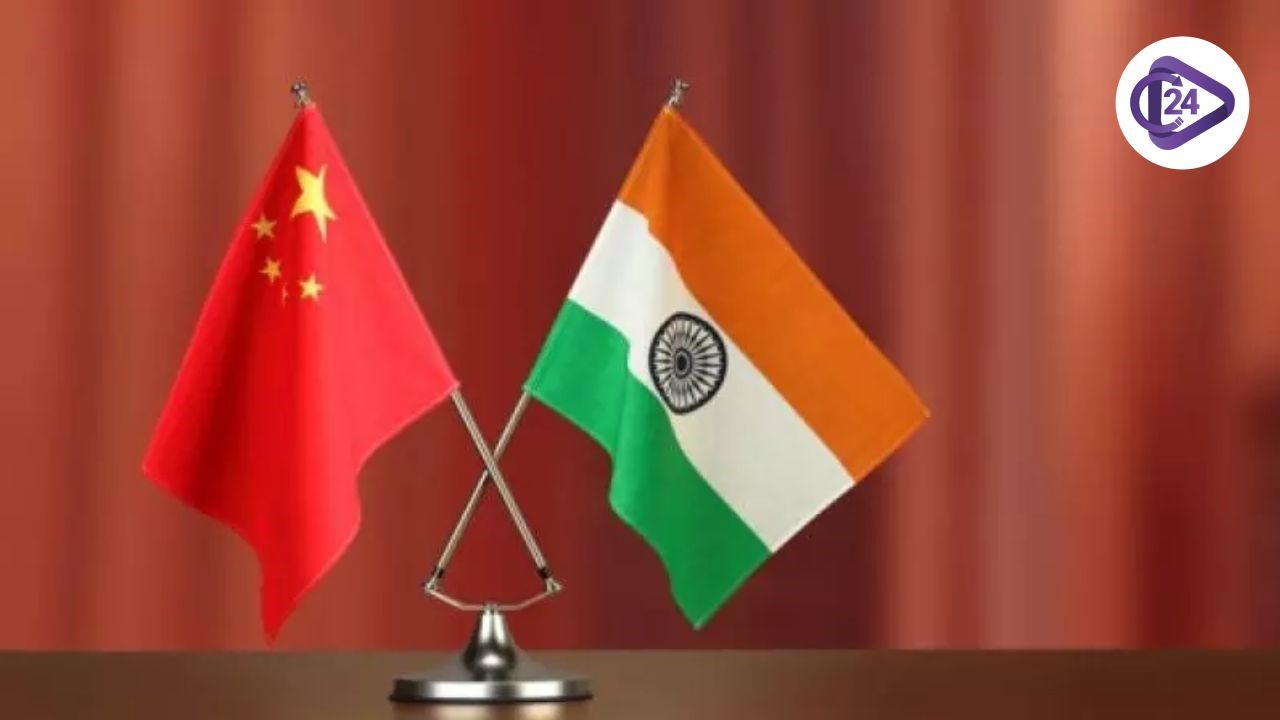
China Annexes Ladakh Territory in Two New Provinces, India Report Protest

India has expressed serious concern over the Chinese new move to convert two new countiess—Hean and Hekang—in the Hotan Prefecture of Xinjiang Uygur Autonomous Region, including part of Aksai Chin in north-eastern Ladakh. India has described the move as unlawful and reiterated through the Ministry of External Affairs (MEA) that it in no way compromises the region's sovereignty to India.

India’s Stance

India has vociferously objected to these steps, and once again conveyed its stand on sovereignty of Aksai Chin and the potential effects of the proposed Brahmaputra dam downstream.

  • Protest Against the Inclusion of Aksai Chin:

    • Diplomatic Protest: India filed a demarche with the Chinese authorities and strongly denied China’s sovereignty over Aksai Chin.

    • Sovereignty Assertion: The Ministry of External Affairs (MEA) reiterated that reorganization of territories does not legalize occupation, especially by China.

  • Concerns Over the Brahmaputra Dam:

    • Environmental and Strategic Risks: The $137 billion dam project has generated various risks to the downstream states, for instance, ecological shifts and patterns of water flow.

    • India’s Lower Riparian Rights: India has thus explicitly brought home to China that despite the construction of these downstream states should not be endangered by such mega-projects.

Historical background of the territory on dispute between India and China known as Aksai Chin

  • Disputed Region: Aksai Chin is occupied by China since 1950s, but is claimed by India and marked as a part of India on Indian maps.

  • 1962 War: This area was centre of activity during the Indo–China war and it has much significance at tactful level.

  • Recent Border Standoffs: These are conditions that constantly fuel boundary issues, such as at Depsang Plains and other areas.

Geographical Impact

  • Transition of territory and Change in the characteristics of bilateral relations

    • Undermining Boundary Talks: The Chinese action occurs barely few years after the China and Pakistan have resumed the boundary talks and defeats the very purpose.

    • Regional Stability: The China’s gambit to install new Dalai Lama is a strategic planning to strengthen its position in Himalayan region which raises tensions.

  •  Brahmaputra Dam and its downstream consequence

    • Ecological Concerns: The site of the dam falls in the delicate Himalayan region which has instigated concerns of flood risks along with disruption of the water life in Arunachal Pradesh along with Assam.

    • Water Security: Chinese control over the Tsangpo River significantly provides it strategic advantage and a veto over the Indus water, which threatens the water security of India.

India’s Diplomatic and Strategic Possibilities

  • Strengthening Bilateral Mechanisms:

    • Suggest better utilization of existing forums such as the Expert-Level Mechanism on transboundary rivers between India and China to solve water distribution problems.

    • Demand of compliance with international standards of evaluation under the UN Watercourses Convention despite the fact that China is not a party to this convention.

  • Building Strategic Alliances:

    • Turn to regional and global counterparts that should help balance the aggression of China’s actions.

    • Indeed, the predictability and reliability of China ties would be well served by strengthening relations with these two riparian neighbours, both impacted by Chinese upstream development.

  • Enhancing Domestic Preparedness:

    • Contribute to hydrological structures and systems in order to be able to measure the river flows and control the effects it brings downstream.

    • Foster construction activities in the region of Ladakh to strengthen geographical sovereignty of the country.

Conclusion

Activities such as China’s claim over Aksai Chin and the construction plan of the Brahmaputra dam are therefore indicative of the increasing problem areas evident in the bilateral India-China relationship. For this purpose, India have to carry on bilateral and multilateral diplomatic protests, regional cooperation and national planning and preparation to defend it sovereign rights and environmental integrity. To solve these problems there must be constant communication supported by a deep commitment to the protection of national interests but also by the desire of finding diplomatic solutions.

Chhattisgarh Pioneers Green GDP Initiative: Some Consideration Towards Sustainable Development

Forests also play an important role in sustaining the ecology therefore Chhattisgarh has made a novel attempt to include the ecological value of the forests in the Green Gross Domestic Product (Green GDP). This visionary effort provides ventured evidence of the compatibility of environment and economic performance, a positive lesson to other zones.

What is Green GDP?

Green GDP is an example of the sustainable development concept that is the GDP plus the environmental cost, which includes costs of natural capital depletion and ecological impacts. While the conventional tools of measurement have long simply looked at the GNP which looks at just the economic strength of an economy. Green GDP looks at the complete picture of a nation’s economy by incorporating the cost of environmental degradation into it.

Key Features of Green GDP

  • Environmental Integration: Contains the effects of economic activities on systems.

  • Categorization of Activities: Divides the practices in terms of being environmentally friendly or adverse.

  • Focus on Sustainability: Compares investments made to the environment friendly technology dealers with the usual technology dealers.

Chhattisgarh’s Objectives

  • Enhance Policy Planning: Enhance efficiency of budget and policy choices considering environmental revenues and expenditures.

  • Promote Sustainable Growth: Promote economical undertakings with pragmatic intent on the conservation of ecology.

  • Recognize Ecosystem Services: Popularly incorporate ‘prices’ to what forests do, for instance, in purifying the air and conserving water resources.

Economic Valuation of Forests

The forest in Chhattisgarh occupies 44% of the total geographical area of the state and a very strategic and sensitive asset to the state’s economy and environmental health. The initiative involves:

  • Carbon Sequestration: Estimating the effectiveness of CO₂ capture by forests.

  • Water Conservation: Estimating the contribution of forests in the conservation of water supplies.

  • Biodiversity Contributions: Evaluating the conservation returns to eco-agriculture and wildlife.

Cultural as well as Economic Importance

The forests have significant cultural – religious significance to the indigenous tribal people of the region who depend on eco-tourism such as jungle safaris, camping in the national parks and the source of other natural products. It views this as a great way of making these economic benefits even bigger while at the same time promoting the sustainable use of natural resources.

Global Context

It is in accordance with the global approach of implementing green growth so that Chhattisgarh's green GDP has been constructed.

  • China: Has adopted Green GDP to measure the degradation of the environment.

  • Bhutan: Of all the nations, this nation has assimilated ecological sustainability into its Gross National Happiness index.

  • European Union: Relates to the moderation of development and sustainable consumption of natural resources to conservational capacity.

  • New Zealand: Adopts a Living Standard Framework that captures social and environmental standards.

Challenges in Implementation

Despite its promise, implementing Green GDP faces several challenges:

  • Valuation Complexity: Getting the definite worth of the natural resource is complex.

  • Data Gaps: Small and uneven access to sound information concerning environmental cost.

  • Standardization Issues: Lack of standardization of method across regions and sectors is another challenge.

Future Prospects

Thus Green GDP can be classified as a breakthrough in economic evaluation and promotes the transition to a Low Carbon Economy. Key prospects include:

  • Policy Innovation: Informing the policymakers by providing them sound data for making sustainable policies.

  • Market Growth: In its methodology to augment demand for environmentally sustainable products, creating green employment is a viable strategy.

  • Global Comparability: The development of standards that can be used to increase the sustainability of a nation’s practices.

Conclusion

Thus, the incorporation of forest ecosystem services into the Green Gross Domestic Product of Chhattisgarh presents the model for sustainability to the countries. The success of this program not only boosts the state’s economy but also maintains the provision of the environment for the generations to come. With consumers and policymakers developing better understanding of it, Chhattisgarh’s model can become an example for promulgating ecological and economic balance throughout the world.

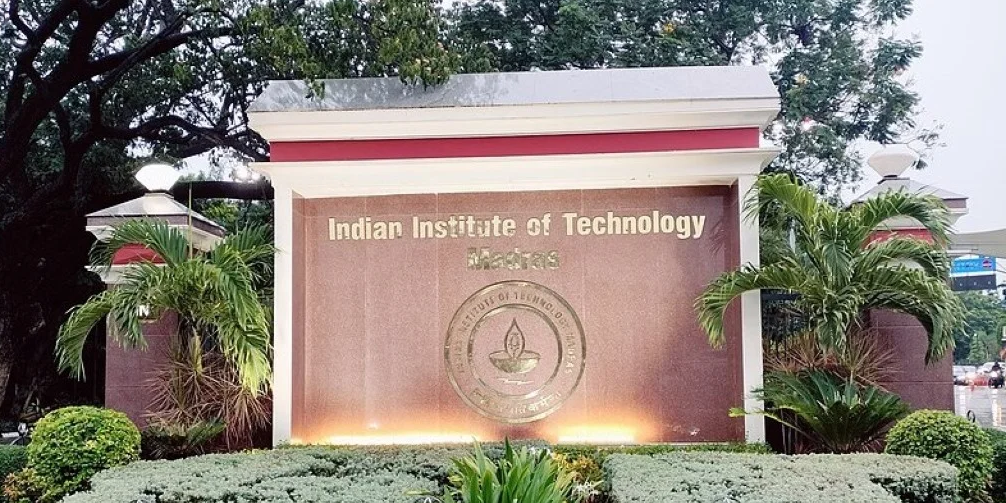
IIT Madras and Ministry of Agriculture Launch Project VISTAAR: Transforming the Face of Agricultural Extension

In a historic partnership, IIT Madras and India’s Ministry of Agriculture and Farmers Welfare recently unveiled Project VISTAAR (Virtually Integrated System to Access Agricultural Resources). The proposed digital platform will revolutionize the agricultural extension service by giving farmers timely, accurate, government, and start-up information needed to create a sustainable agriculture future for India.

What is Project VISTAAR?

Project VISTAAR aims at improving the agricultural extension system through the integration of the above mentioned aspects in a digitally based program. This explains its task of connecting farmers with technological and innovative solutions that modern farming requires.

Purpose of a Project like VISTAAR

  • Digitalizing Agricultural Extension: To enhance the utility of services to farmers and organizational efficiencies.

  • Promoting Innovation: Offering consumers innovative and technologies fostered by agri-startups through providing farmers with samples.

  • Sustainability and Resilience: Promoting climate smart and sustainable agriculture practices.

The project VISTAAR incorporates several essential features:

  • Startup Integration: The platform compiles information from more than 12,000 agri-startups with help from IIT Madras and the school’s startup tracker and incubator, YNOS Venture Engine.

  • Comprehensive Advisory Services: Technical support in crop production, marketing and management, value addition as well as supply and marketing chain.

  • Government Scheme Access: Easing out the government schemes its management And funding programmes that are directly associated with agriculture and rural growth.

  • Timely and Contextual Information: Reporting timely and reliable information to farmers on matters of interest in enhancing their decisions on management.

Benefits to Farmers

  • Access to Innovation: Farmers will get chance to be exposed to such knowledge on new technologies and modern methods of farming that are ecological.

  • Enhanced Decision-Making: Direct, near real-time advisory services will enable farmers to make appropriate decisions in matters concerning crop production and marketing.

  • Simplified Processes: Greater physical and online access to government and start-up solutions will have less inconvenience to adopting novel practices.

Supporting Sustainable Agriculture

It is also important to note that unlike other farming projects, Project VISTAAR actually focuses extensively at ensuring climate smart farming. This goes with Indian commitments towards sustainable agricultural growth development strategies in the face of problems such as resource degradation and climate change.

The Role of IIT Madras

IIT Madras applies its skills in innovation and digital platforms to the effort. However, through its incubator, the YNOS Venture Engine, the institute guarantees the availability of an adequate string of agri-startups to support the project’s objectives.

Conclusion

The VISTAAR Project is a laudable effort in the general process of revamping the agriculture sector in India. With the help of well-equipped Ministerial department of Agriculture and Farmers Welfare and using advancement technology of IIT Madras, it is expected that it will make way to empowering farmers, increasing productivity and making agriculture in india sustainable in the future. While initiating, Project VISTAAR claims to transform into an exemplary program showcasing the best practices research and development in agriculture using innovation and digital technology systems.

Frequently Asked Questions (FAQs)

The current affairs cover recent national and international events related to UPSC, SSC, Banking, Railways, and State PCS.

You need to read about the current affairs daily, and revise them every week and every month to keep them longer in your memory.

Yes, Class24 provides free downloadable Daily Current Affairs PDFs for easy revision.

Yes, you can practice MCQs and quizzes to boost your exam preparation.

Absolutely. The content is written in simple, easy-to-understand bilingual language suitable for beginners.

Go to class24.com and click on the current affairs section directly, where you find everything that you need.

ssc-toppers

Start Learning Today with Class24

Related current affairs

Class24 offers free video lectures for smart preparation, covering CGL, CPO, CHSL, MTS, and GD exams. Learn from expert faculty, revise concepts easily, practice with PYQs, and improve speed and accuracy through high-quality, exam-focused video lessons anytime, anywhere.

Get success in your hand. Start study anytime anywhere.

The journey becomes simple and enjoyable when you start taking interest in it. And through our app “Class24”, we will be your trusted partners in developing that interest.

Daily Quizzes
Mock Tests
Ongoing

No ongoing tests right now.