
Day: February 23, 2026

Rajya Sabha Election 2026

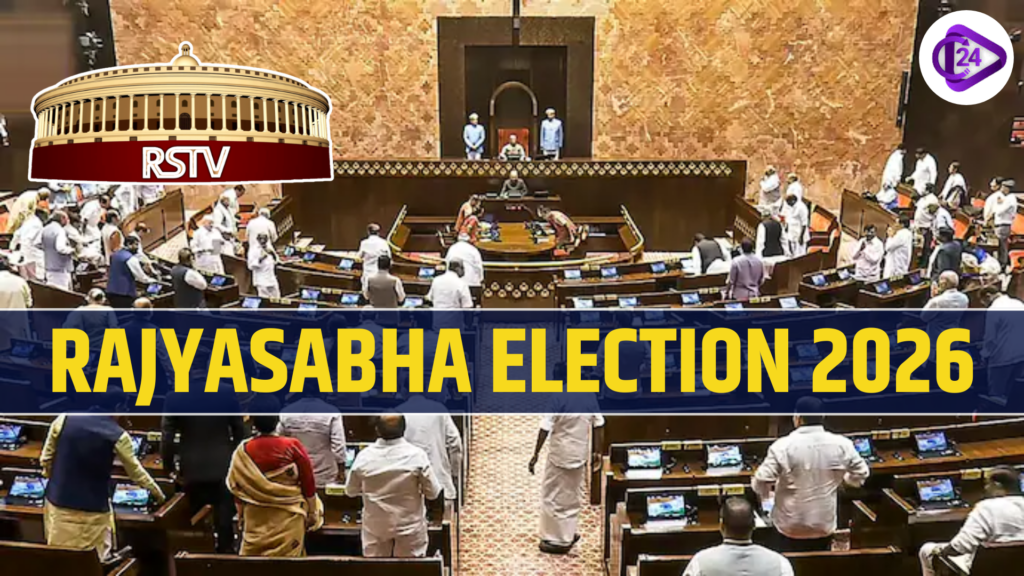
The Rajya Sabha Election 2026 is scheduled as part of the regular biennial cycle to fill seats in India’s upper house of Parliament. According to the Election Commission of India, polling is set for March 16, 2026, to elect members for 37 seats across 10 states where terms are coming to an end. These elections are indirect, with elected members of state legislative assemblies casting their votes through a proportional representation system using the single transferable vote. The outcome is significant, as it will determine party strength in the Council of States and influence the passage of key national legislation.

How Is the Rajya Sabha Election Conducted?

  • Members of the Rajya Sabha are elected indirectly, not by the general public. They are chosen by elected members of state legislative assemblies and, in certain union territories, by members of their respective electoral bodies, as provided under the constitution.

  • The election process is administered by the Election Commission of India, which issues the schedule covering nominations, scrutiny, withdrawal of candidature, polling, and counting of votes.

  • The system used is proportional representation through the single transferable vote (STV) method. This ensures that seats are allocated in proportion to the strength of political parties in the state assembly.

  • Instead of casting one simple vote, MLAs rank candidates in order of preference on the ballotpaper.

  • A specific vote quota is calculated using a prescribed formula. A candidate must secure this minimum number of votes to be declared elected.

  • Voting is conducted through an open ballot system, meaning MLAs must show their marked ballot to their authorised party agent before placing it in the ballot box.

  • After counting and transferring preference votes, candidates who meet the required quota are officially declared elected to the Rajya Sabha.

PYQs on Rajya Sabha

Question Answer
Consider the following statements about the Rajya Sabha:
(1) It has no power to reject or amend a Money Bill,
(2) It cannot vote on Demands for Grants,
(3) It cannot discuss the Annual Financial Statement.
Which of the statements given above is/are correct?
Only (1) is correct.
About the Rajya Sabha:
(1) It is not subject to dissolution,
(2) Its term is five years,
(3) One-third of members retire every two years,
(4) Minimum age of a member is less than 25 years.
Which of the statements given above are correct?
(1) and (3) are correct.
How many members of the Rajya Sabha can be nominated by the President of India?
(a) 10
(b) 12
(c) 14
(d) 16
(b) 12
Seats allocated to states in the Rajya Sabha are based on:
(a) Fertility rate
(b) Per capita income
(c) Birth rate
(d) Population of the state
Who elects members to the Rajya Sabha?
(a) Direct public vote
(b) President of India
(c) Elected Members of State Legislative Assemblies
(d) Governors of States
(c) Elected Members of State Legislative Assemblies

Conclusion (Rajya Sabha Election)

The Rajya Sabha election plays a vital role in maintaining the federal structure of India’s parliamentary system. Through indirect voting and proportional representation, it ensures fair representation of states in national lawmaking. The process strengthens democratic balance, continuity, and stability in Parliament, contributing to informed debate and responsible governance.
Bharat VISTAAR

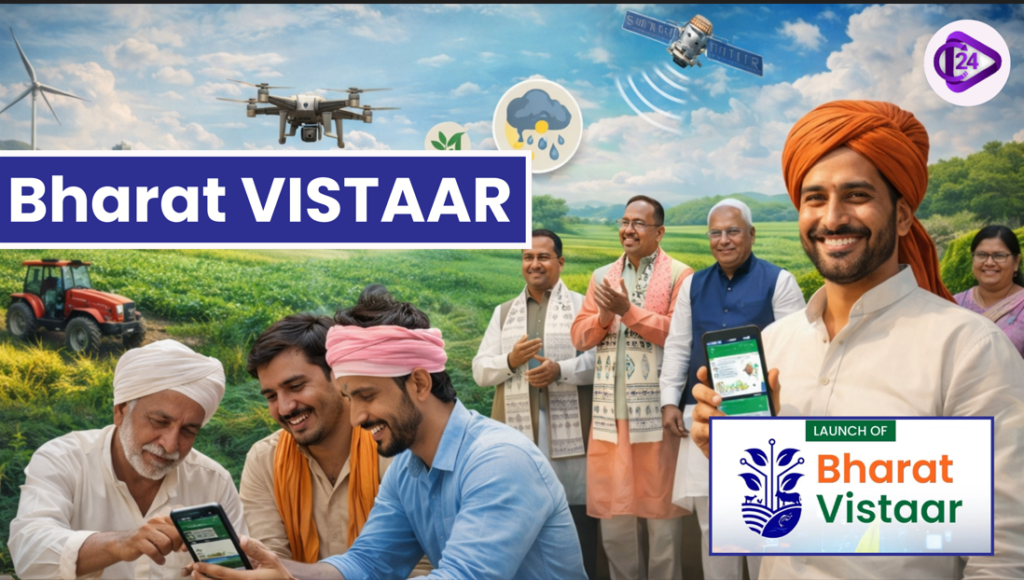
Bharat VISTAAR (Vision for Integrated Sustainable Transport and Environmental Action for All Regions) is a transformative initiative launched by the Indian government to enhance the nation's transport infrastructure. This programme aims to create a sustainable and integrated transport network that ensures better connectivity between rural, urban, and remote areas of India. Bharat VISTAAR focuses on improving road infrastructure, promoting the use of eco-friendly technologies, and reducing carbon footprints in the transport sector. Additionally, it supports the adoption of electric vehicles and aims to streamline transportation, contributing to economic growth while ensuring environmental sustainability across the country.

Objective of Bharat VISTAAR

  • Bharat VISTAAR aims to create a technology-driven platform to improve accessibility for farmers by providing real-time, personalised advice. This includes crop planning, weather updates, pest control guidance, and market pricing information.

  • The initiative intends to centralise diverse agricultural data, reducing farmers' need to rely on multiple sources for information.

  • Bharat VISTAAR provides customised guidance based on individual farm conditions, thus empowering farmers to make informed decisions to increase productivity and reduce risks.

  • The platform integrates AgriStack and ICAR’s agricultural data, allowing easy access to government schemes, eligibility criteria, and application processes, helping farmers navigate the benefits available to them.

  • By supporting multilingual and voice-based AI assistance, Bharat VISTAAR ensures that farmers from various linguistic backgrounds and even those using feature phones can easily interact with the platform.

  • With AI-powered tools and digital support, Bharat VISTAAR seeks to bridge the digital divide in rural India, offering equal opportunities for all farmers.

  • The ultimate objective of the platform is to enhance farm productivity, promote sustainable agricultural practices, and contribute to farmers’ financial security and well-being.

Conclusion (Bharat VISTAAR)

Bharat VISTAAR is a significant step towards transforming India's agricultural landscape by leveraging technology to provide real-time, personalised information to farmers. By integrating various data sources, offering multilingual support, and ensuring accessibility through AI-powered tools, the platform aims to empower farmers with the knowledge they need to make informed decisions. This initiative will not only improve agricultural productivity but also reduce risks associated with farming, helping farmers improve their livelihoods. Ultimately, Bharat VISTAAR fosters a more sustainable, efficient, and inclusive agricultural ecosystem, contributing to the long-term growth and development of the farming sector in India.

Maharashtra Village Passes Resolution to Become Caste-Free

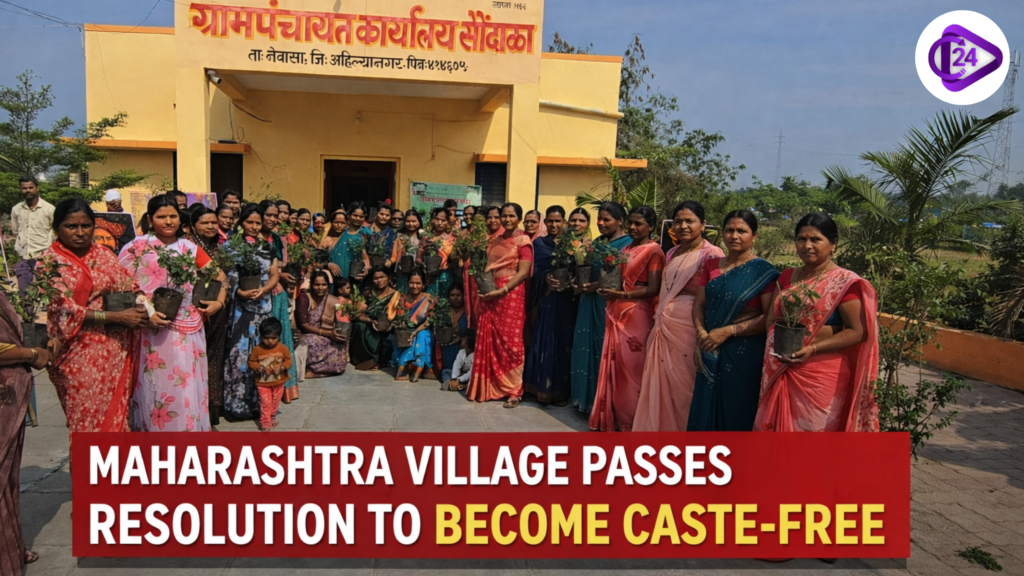
In February 2026, Soundala, a village located in the Newasa taluka of the Ahilyanagar district, Maharashtra, made a groundbreaking decision to become caste-free. The village's gram panchayat unanimously passed a resolution declaring that there would be no caste-based discrimination within the community. This resolution ensures equality by making all public spaces, services, temples, and events accessible to everyone, irrespective of caste, religion, or creed. The move was led by the village sarpanch and aims to foster unity and social harmony. Local authorities are now committed to addressing any caste-based conflicts or discrimination. This step represents a progressive effort toward building a more inclusive society.

Maharashtra Village of Soundala Takes Historic Step to Become Caste-Free

  • Village Location and Resolution: Soundala, located in the Newasa taluka of the Ahilyanagar district, Maharashtra, passed a groundbreaking resolution to become caste-free in a Gram Sabha meeting held on February 5, 2026.

  • Resolution Motto: The resolution’s key principle is “Aamchi jaat… manav” (Our caste is humanity), asserting that caste will no longer divide the community.

  • Commitment to Equality: The village has pledged to eliminate caste-based discrimination in all areas of life, ensuring equal treatment for everyone, regardless of caste, religion, or background.

  • Open Public Spaces: All public facilities like schools, temples, wells, community halls, and government services are now accessible to all residents without any caste-based restrictions.

  • Social Media Guidelines: A key part of the resolution includes guidelines to prevent any caste-based divisive posts on social media, with authorities taking action against such content.

  • Inspiration from Social Reformers: The village draws inspiration from social reformers like Dr B.R. Ambedkar and Mahatma Gandhi, promoting unity and equality.

  • Leadership: The resolution was championed by Sarpanch Sharad Argade and supported by residents like Babasaheb Bhodak.

  • Overall Impact: This decision aims to foster social harmony and unity, offering a model for rural India.

Previous Year Questions on Caste-Free Movement

Exam & Year Question (with Options) Correct Answer
SSC CGL – 2010 The term “Caste” was derived from:
(A) Portuguese
(B) Dutch
(C) German
(D) English
(A) Portuguese – ‘Caste’ originates from the Portuguese term casta.
UPSC/SSC/General GK Which of the following is not a feature of the caste system in India?
(1) Hereditary
(2) Endogamous
(3) Exogamous
(4) Restricted food habits
(3) Exogamous – Caste is endogamous, not exogamous.
Railway/SSC Dr B.R. Ambedkar’s book criticising caste-based discrimination is:
(A) The Discovery of India
(B) The Caste Divide
(C) Annihilation of Caste
(D) Untouchability Unveiled
(C) Annihilation of Caste – Ambedkar’s critique of caste hierarchy.
Railway/SSC The Poona Pact was signed in which year?
(A) 1932
(B) 1943
(C) 1912
(D) 1919
(A) 1932 – Negotiated between Gandhi and Ambedkar on reserved seats for depressed classes.
Railway/SSC After Gandhiji’s fast against the Communal Award, which pact did Ambedkar agree to?
(A) Poona Pact
(B) Lucknow Pact
(C) Shimla Pact
(D) Karachi Pact
(A) Poona Pact – Resolved issues of the electorate for depressed classes.

Conclusion (Maharashtra Village Passes Caste-Free)

The decision by Soundala village in Maharashtra to declare itself caste-free is a remarkable step toward social justice and equality. By eliminating caste-based discrimination, the village sets a powerful example of unity and inclusivity. This resolution not only promotes equal access to public spaces and services but also upholds the values of human dignity and respect. Soundala's move is a significant contribution to the ongoing fight against caste-based oppression, reflecting a growing commitment to building a more equitable society. It serves as a model for other communities to follow in creating a more inclusive and fair society.

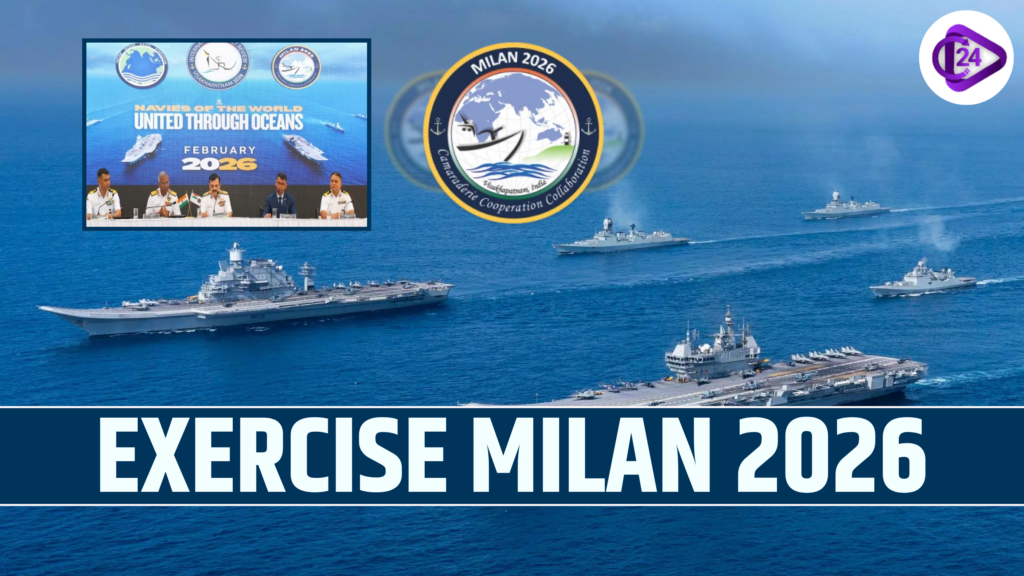
Exercise MILAN 2026

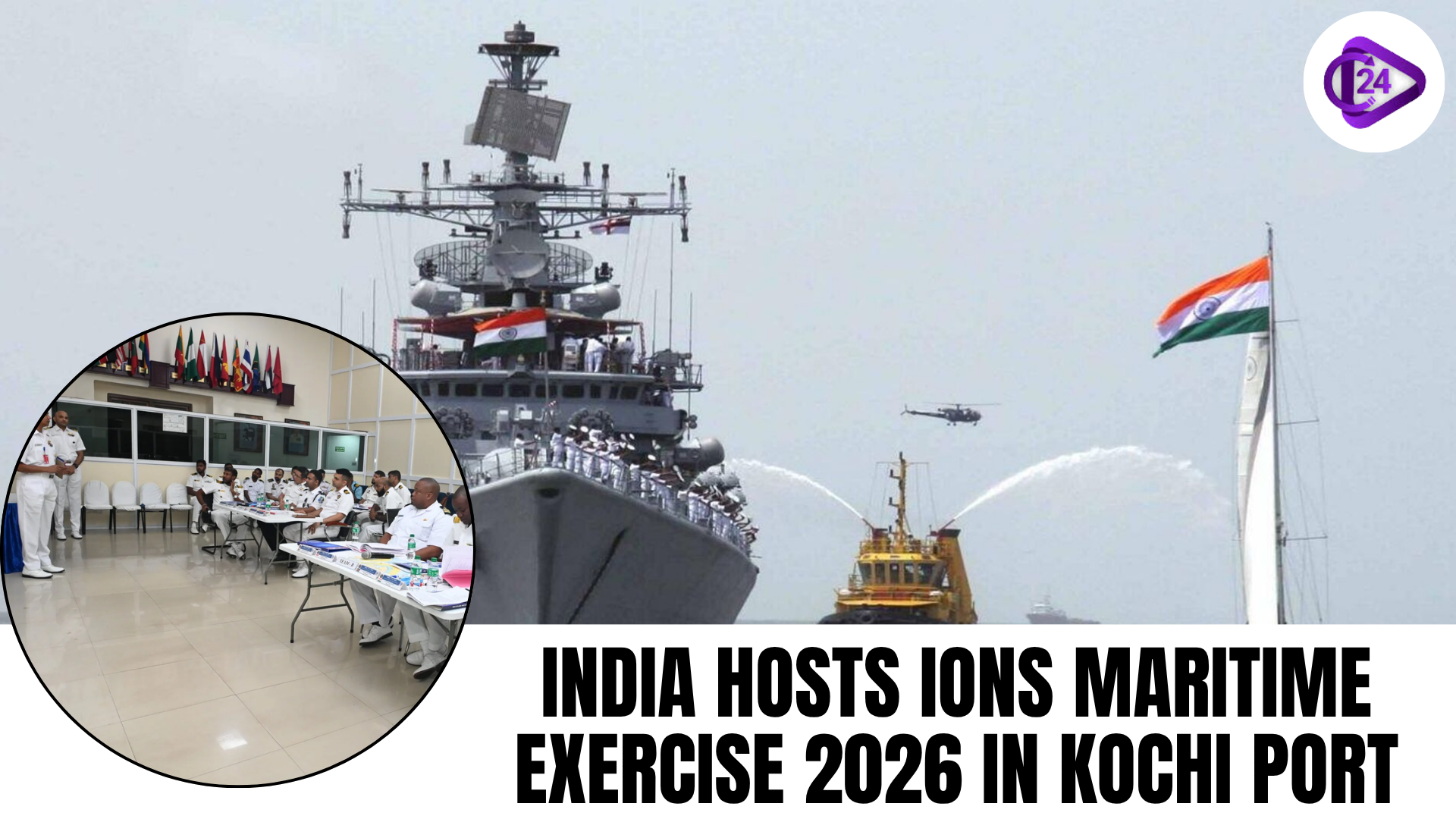
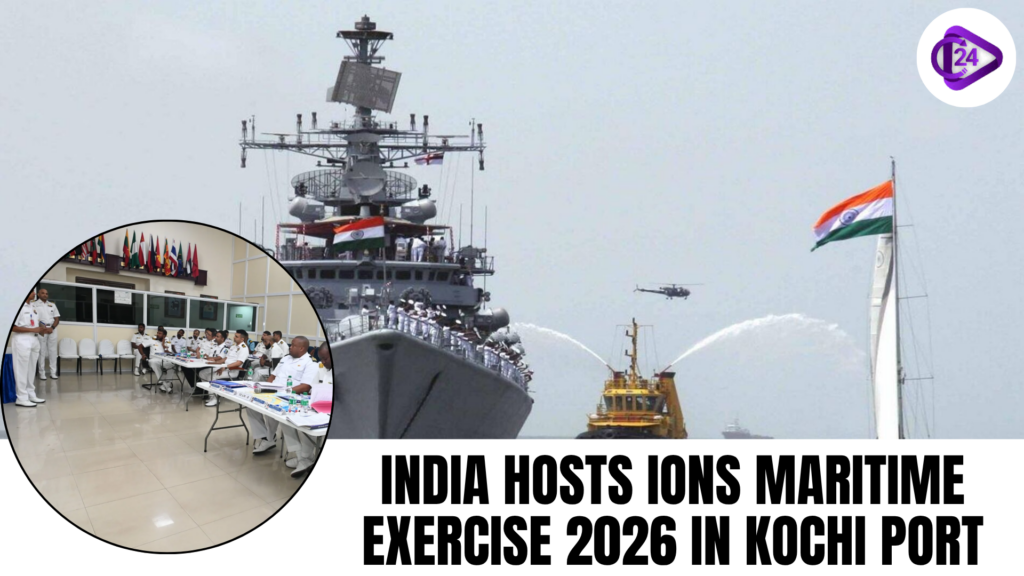
Exercise MILAN 2026 is a major international naval exercise organised by the Indian Navy, scheduled to take place in Visakhapatnam, India. This biennial event brings together naval forces from multiple countries to enhance maritime cooperation and address security challenges in the Indo-Pacific region. MILAN 2026 will focus on improving interoperability among participating navies, fostering better communication, and executing coordinated operations such as anti-submarine warfare, air defence, and disaster relief. It also aligns with the International Fleet Review 2026, making it a significant event in strengthening maritime partnerships and regional stability.

Highlights of Exercise MILAN 2026

  • Multinational Participation: MILAN 2026 will feature naval forces from over 70 countries, marking one of the largest gatherings of its kind. This reflects the importance of international cooperation in maritime security.

  • Strengthening Regional Partnerships: The exercise emphasises improving interoperability between naval forces from various countries, focusing on effective communication and coordinated operations at sea.

  • Complex Maritime Operations: Participants will engage in advanced exercises covering anti-submarine warfare, air defence, search and rescue, and maritime domain awareness. These scenarios will test and enhance the skills of the navies involved.

  • Harbour Phase: In addition to sea-based drills, the exercise will include seminars, cross-deck visits, and cultural exchange activities, which help build camaraderie among the international naval personnel.

  • Integration with Other Events: MILAN 2026 runs alongside the International Fleet Review and the Indian Ocean Naval Symposium Conclave, further enhancing its significance in the region.

  • Focus on Maritime Diplomacy: This exercise provides an opportunity for nations to strengthen diplomatic ties and exchange best practices in naval operations, contributing to long-term stability in the Indo-Pacific.

  • India’s Growing Role: Hosting MILAN 2026 underscores India’s commitment to being a key player in regional maritime security and its leadership in the Indo-Pacific region.

Asked PYQs on Exercise

Exam & Year Question (with Options) Correct Answer
Territorial Army Official Paper II – 2021 MALABAR is a Naval exercise between India and:
(1) Singapore
(2) USA
(3) China
(4) Britain
(2) USA – Malabar began as India–US naval exercise (later expanded).
UPSC / Other Prelims Practice With reference to naval exercise “MILAN” consider:
(1) Focuses on professional interaction between armies at land
(2) Originally aligned with India’s ‘Look East Policy’
Select:
(A) 1 only
(B) 2 only
(C) Both
(D) Neither
(B) 2 only – MILAN is naval, not army.
AFCAT 01/2025 – 22 Jan 2025 Konkan naval exercise is conducted between:
(1) India-Bangladesh
(2) India-Sri Lanka
(3) India-United Kingdom
(4) India-China
(3) India-United Kingdom – Bilateral naval exercise.
SSC JE Malabar is a naval exercise between which countries?
(1) India & Japan
(2) India, Japan & USA
(3) India & Australia
(4) India & Russia
(2) India, Japan & USA – Often asked in SSC exams.
RBI Assistant 2021 In the year 2020, the Malabar Naval Exercise took place between India, the USA, and which country?
(A) Japan
(B) Australia
(C) France
(D) UK
(B) Australia – Malabar ’20 included Australia (Quad).

Conclusion (MILAN Exercise 2026)

The MILAN Exercise 2026 marks a significant milestone in strengthening maritime cooperation among nations, emphasising India's role as a key player in regional security. By fostering collaboration between over 70 countries, it enhances interoperability, builds trust, and tackles common challenges in the Indo-Pacific. This exercise not only improves naval operational readiness but also deepens diplomatic ties through cultural exchanges and joint training. MILAN 2026 exemplifies India's commitment to promoting peace, stability, and security at sea, showcasing the importance of multilateral efforts in safeguarding global maritime interests. Its successful execution will shape future naval partnerships.

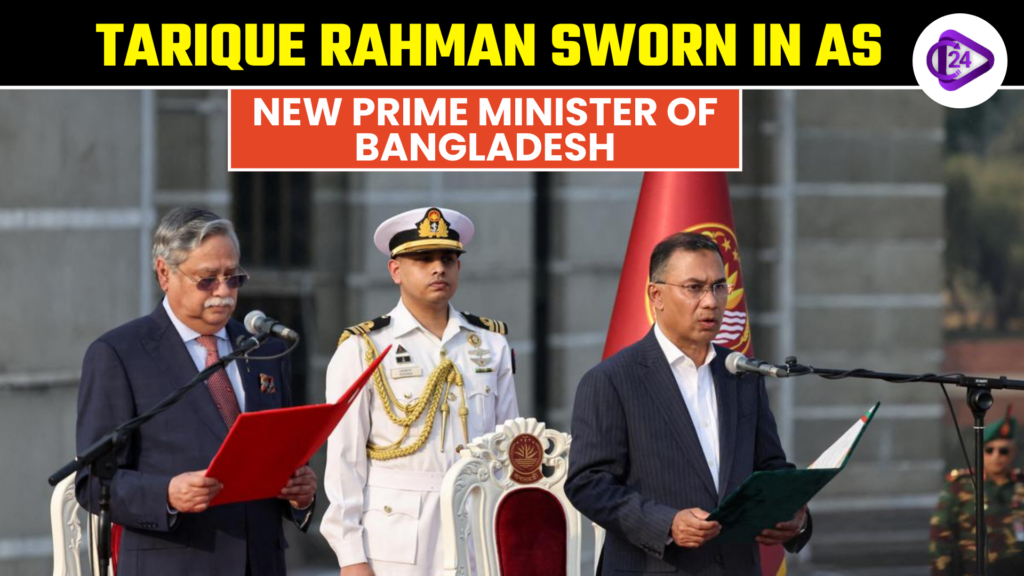
Tarique Rahman Sworn in as New Prime Minister of Bangladesh

Tarique Rahman has taken the oath as the new Prime Minister of Bangladesh, marking a major turning point in the country’s political landscape. His swearing-in follows a decisive electoral mandate that reshaped national leadership after years of intense political contest. As head of government, Rahman assumes office at a time of economic challenges, institutional transition and high public expectations. His administration is expected to focus on governance reforms, economic stabilization and strengthening democratic processes. The leadership change signals a new chapter in Bangladesh’s contemporary politics, drawing regional and international attention to the country’s evolving direction.

Tarique Rahman Assumes Office as Prime Minister of Bangladesh

  • Tarique Rahman has officially taken the oath as the Prime Minister of Bangladesh, marking a significant political transition in the country.

  • He secured a decisive electoral mandate, positioning his party to form the new government after a highly contested national election.

  • The swearing-in ceremony was attended by senior political leaders, military officials, foreign diplomats and members of civil society.

  • His appointment signals a shift in Bangladesh’s leadership landscape following years of intense political rivalry and polarisation.

  • Rahman has pledged to strengthen democratic institutions, ensure the rule of law and promote transparent governance.

  • Economic stabilisation, inflation control and job creation are expected to be among his administration’s immediate priorities.

  • The new government is also likely to focus on infrastructure expansion, digital growth and attracting foreign investment.

  • Strengthening regional diplomacy, especially within South Asia, will play a key role in shaping foreign policy under his leadership.

  • Observers note that managing political reconciliation and ensuring stability will be critical challenges in the early phase of his tenure.

  • His leadership marks the beginning of a new political chapter for Bangladesh, drawing close attention from both domestic stakeholders and the international community.

The Best Asked PYQs

Exam Year Question (with Options) Correct Answer
UPSC Prelims 2015 The Land Boundary Agreement between India and Bangladesh, ratified in 2015, was related to: (a) Maritime trade (b) Exchange of enclaves and adverse possessions (c) River water sharing (d) Border fencing (b)
UPSC Prelims 2014 Which one of the following rivers flows from India to Bangladesh? (a) Narmada (b) Tapi (c) Teesta (d) Godavari (c)
SSC CGL 2019 The joint military exercise conducted by India and Bangladesh is called: (a) Yudh Abhyas (b) Sampriti (c) Garuda (d) Indra (b)
CDS Exam 2018 India shares the longest international border with which country? (a) China (b) Pakistan (c) Bangladesh (d) Nepal (c)
SSC CHSL 2020 The Ganga water sharing treaty (1996) was signed between India and: (a) Nepal (b) Bangladesh (c) Bhutan (d) Myanmar (b)
UPSC Prelims 2017 Which of the following Indian states share a border with Bangladesh? 1. Assam 2. Mizoram 3. Odisha Select the correct answer: (a) 1 and 2 only (b) 2 and 3 only (c) 1 and 3 only (d) 1, 2 and 3 (a)
RRB NTPC 2021 The river Teesta dispute is between India and: (a) Nepal (b) Bangladesh (c) China (d) Myanmar (b)
UPSC Prelims 2019 Which one of the following is a coordinated patrol exercise between India and Bangladesh? (a) Sampriti (b) CORPAT (c) Surya Kiran (d) Indra (b)
SSC CPO 2022 Petrapole border connects India with: (a) Nepal (b) Bhutan (c) Bangladesh (d) Myanmar (c)

Conclusion (Tarique Rahman Sworn in as New PM)

The swearing-in of Tarique Rahman as Prime Minister marks a significant political shift in Bangladesh. His leadership begins at a crucial moment, with expectations of economic stability, institutional reform and national reconciliation. The transition signals a new phase in Bangladesh’s governance and regional engagement.

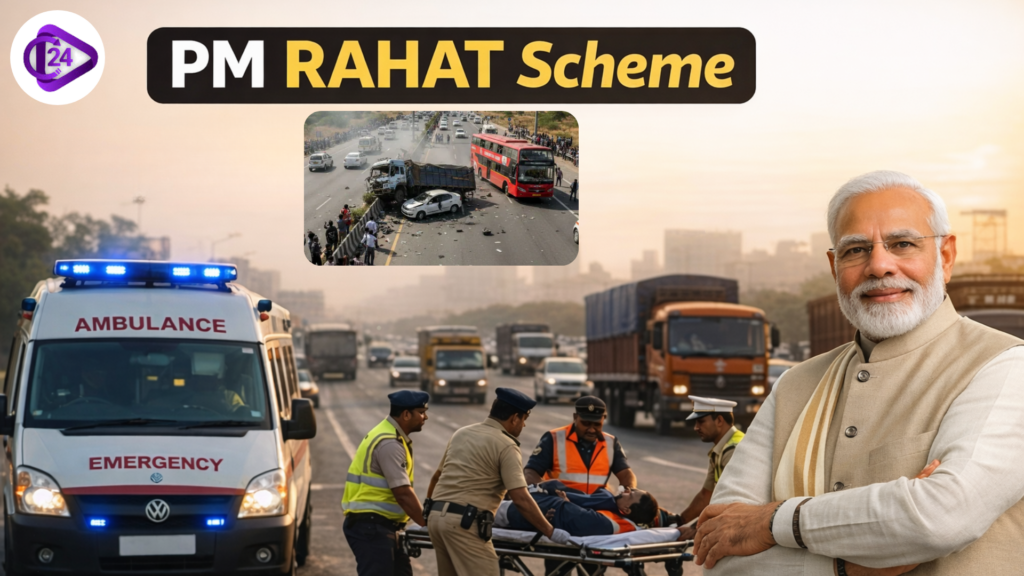
PM RAHAT Scheme

The PM RAHAT Scheme, short for Road Accident Victim Hospitalisation and Assured Treatment, is a central government initiative aimed at providing immediate financial support for road accident victims. The scheme ensures cashless medical treatment of up to ₹1.5 lakh for eligible victims during the critical first seven days after an accident. Covering emergency hospitalisation expenses, it reduces the financial burden on families and encourages timely medical care. Linked with national emergency response systems, the programme focuses on saving lives during the crucial golden hour and strengthening India’s road safety and trauma care framework.

Significance of the PM RAHAT Scheme

  • The PM RAHAT (Road Accident Victim Hospitalisation and Assured Treatment) Scheme is a major road safety initiative launched by the Government of India to reduce fatalities caused by delayed medical care after road accidents.

  • It provides cashless treatment up to ₹1.5 lakh for eligible road accident victims, covering emergency hospitalisation expenses for the first seven days.

  • The scheme focuses on the Golden Hour, the critical period immediately after an accident when prompt medical intervention can save lives.

  • By removing upfront payment requirements, it ensures that victims receive timely treatment without financial hesitation or administrative delays.

  • The initiative is integrated with the national emergency helpline system, including the 112 Emergency Response Support System, enabling faster ambulance dispatch and hospital coordination.

  • It reduces the economic burden on families, particularly those from low-income and vulnerable sections of society.

  • The scheme promotes accountability among hospitals by empanelling designated healthcare facilities for standardised trauma care.

  • It strengthens India’s trauma care infrastructure and encourages better coordination between police, hospitals, and emergency responders.

  • By institutionalising assured treatment, the scheme supports India’s broader goal of reducing road accident deaths and improving public health response mechanisms.

Important Scheme-Based PYQs

Exam Year Question (with Options) Correct Answer
UPSC Prelims 2018 What is the main objective of Ayushman Bharat – Pradhan Mantri Jan Arogya Yojana (PM-JAY)? (a) Provide pension to elderly (b) Provide health insurance cover up to ₹5 lakh per family (c) Promote digital payments (d) Provide free LPG connections (b)
SSC CGL 2019 The Pradhan Mantri Awas Yojana (Urban) is related to: (a) Rural employment (b) Affordable housing for urban poor (c) Crop insurance (d) Skill development (b)
RRB NTPC 2021 Jal Jeevan Mission aims to provide: (a) Irrigation facilities to farmers (b) Drinking water supply to rural households (c) Urban sanitation services (d) River interlinking (b)
SSC CHSL 2020 Under which scheme are direct income support payments made to farmers? (a) PM Fasal Bima Yojana (b) PM-KISAN (c) MGNREGA (d) Stand Up India (b)
UPSC Prelims 2022 PM Shram Yogi Maandhan Yojana is meant for: (a) Organised sector employees (b) Small entrepreneurs (c) Unorganised sector workers (d) Government servants (c)
SSC CPO 2021 The Atal Pension Yojana is aimed at: (a) Students (b) Senior citizens only (c) Workers in the unorganised sector (d) Farmers only (c)
RRB Group D 2019 The Ujjwala Yojana is associated with: (a) Housing loans (b) Free LPG connections to poor households (c) Solar energy promotion (d) Crop subsidy (b)
UPSC Prelims 2019 Which ministry implements the Pradhan Mantri Jan Dhan Yojana? (a) Ministry of Finance (b) Ministry of Rural Development (c) Ministry of Agriculture (d) Ministry of Labour (a)

Conclusion (PM RAHAT Scheme)

The PM RAHAT Scheme represents a significant step toward strengthening India’s emergency healthcare response for road accident victims. By ensuring cashless treatment up to ₹1.5 lakh during the crucial first seven days, it removes financial barriers that often delay life-saving care. The scheme promotes timely medical intervention, coordinated emergency response, and accountability among empanelled hospitals. It also supports vulnerable families who may struggle with sudden medical expenses after accidents. Overall, PM RAHAT not only improves trauma care access but also reinforces the government’s broader commitment to road safety, public health protection, and reducing preventable fatalities across the country.

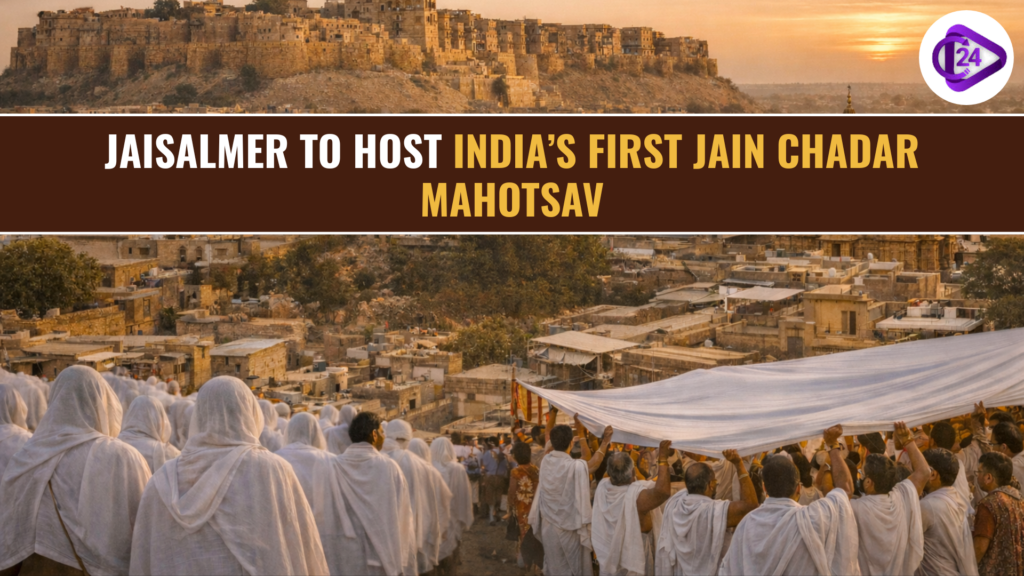
Jaisalmer to Host India’s First Jain Chadar Mahotsav

Jaisalmer, the historic Golden City of Rajasthan known for its majestic sandstone fort, vibrant bazaars, and centuries-old Jain temples, will host India’s first Jain Chadar Mahotsav from March 6 to 8, 2026. The three-day celebration is a landmark occasion for the Jain community, drawing devotees from across the country to pay homage to the nearly 872-year-old sacred chadars associated with Dada Shri Jindatt Suri. Preserved in the city’s historic Jain temple library, these revered relics will be displayed amid prayers, rituals, and ceremonial processions, reflecting Jaisalmer’s enduring spiritual and cultural legacy.

Historical Significance of the Sacred Jain Chadar Mahotsav

  • The Jain Chadar Mahotsav commemorates sacred chadars associated with revered Jain Acharyas, reflecting centuries of spiritual lineage and discipline within the Jain tradition.

  • The nearly 872-year-old chadars linked to Dada Shri Jindatt Suri represent continuity of faith, monastic scholarship, and ascetic values preserved through generations.

  • Their preservation in the ancient Jain temple libraries of Jaisalmer highlights the city’s historic role as a major centre of Jain learning, manuscript conservation, and religious patronage.

  • The Mahotsav brings rare sacred relics into public view, offering devotees a unique opportunity for darshan that traditionally remained limited to temple custodians and scholars.

  • The event reinforces the importance of oral and documented traditions that trace Jain Acharya lineages across centuries of migration and community settlement in western India.

  • It reflects the deep mercantile and spiritual roots of Jain communities in Rajasthan, where temples functioned not only as places of worship but also as repositories of knowledge.

  • By formally instituting a Mahotsav around these relics, the community strengthens efforts toward heritage preservation, documentation, and intergenerational awareness.

  • The gathering underscores Jainism’s enduring principles of non-violence, renunciation, and disciplined living, connecting historical legacy with contemporary spiritual practice.

PYQs on Jain Religion

Exam Year Question (with Options) Correct Answer
RRB NTPC 2020 Jainism teaches that the universe is: (a) Created by God, (b) Eternal and uncreated, (c) Created by Mahavira, (d) Periodically destroyed by Brahma (b)
SSC CGL 2017 Who was the 24th Tirthankara of Jainism? (a) Parshvanatha (b) Rishabhanatha (c) Mahavira (d) Neminatha (c)
RRB Group D 2018 How many Tirthankaras are recognised in Jainism? (a) 21 (b) 22 (c) 23 (d) 24 (d)
SSC CHSL 2018 The principle of Ahimsa is most closely associated with which religion? (a) Sikhism (b) Jainism (c) Islam (d) Christianity (b)
RRB ALP 2019 Who was the first Tirthankara of Jainism? (a) Ajitanatha (b) Parshvanatha (c) Rishabhanatha (d) Mahavira (c)
SSC MTS 2021 The doctrine of Anekantavada is related to: (a) Non-violence (b) Theory of relativity of truth (c) Idol worship (d) Ritual sacrifice (b)
RRB NTPC 2016 Jainism was: (a) Founded by Mahavira (b) Founded by Parshvanatha (c) Founded by Rishabhanatha (d) Not founded by a single individual (d)
SSC CGL 2019 Where did Mahavira attain Nirvana? (a) Rajgir (b) Vaishali (c) Pavapuri (d) Kushinagar (c)
RRB Group D 2022 The Jain sect that believes monks should not wear clothes is: (a) Svetambara (b) Digambara (c) Terapanthi (d) Sthanakvasi (b)
SSC CPO 2022 The Jain concept of Syadvada refers to: (a) Theory of karma (b) Relativity of knowledge (c) Extreme asceticism (d) Temple worship (b)

Conclusion (India’s First Jain Chadar Mahotsav)

India’s First Jain Chadar Mahotsav marks a historic step in celebrating and preserving Jain spiritual heritage. Hosted in Jaisalmer, the festival honours centuries-old sacred chadars associated with revered Acharyas, including Dada Shri Jindatt Suri. The event strengthens cultural continuity, devotion, and awareness of Jain philosophy for future generations.

Frequently Asked Questions (FAQs)

The current affairs cover recent national and international events related to UPSC, SSC, Banking, Railways, and State PCS.

You need to read about the current affairs daily, and revise them every week and every month to keep them longer in your memory.

Yes, Class24 provides free downloadable Daily Current Affairs PDFs for easy revision.

Yes, you can practice MCQs and quizzes to boost your exam preparation.

Absolutely. The content is written in simple, easy-to-understand bilingual language suitable for beginners.

Go to class24.com and click on the current affairs section directly, where you find everything that you need.

ssc-toppers

Start Learning Today with Class24

Related current affairs

Class24 offers free video lectures for smart preparation, covering CGL, CPO, CHSL, MTS, and GD exams. Learn from expert faculty, revise concepts easily, practice with PYQs, and improve speed and accuracy through high-quality, exam-focused video lessons anytime, anywhere.

Get success in your hand. Start study anytime anywhere.

The journey becomes simple and enjoyable when you start taking interest in it. And through our app “Class24”, we will be your trusted partners in developing that interest.

Daily Quizzes
Mock Tests
Ongoing

No ongoing tests right now.