Day: May 23, 2026
Birth Rate

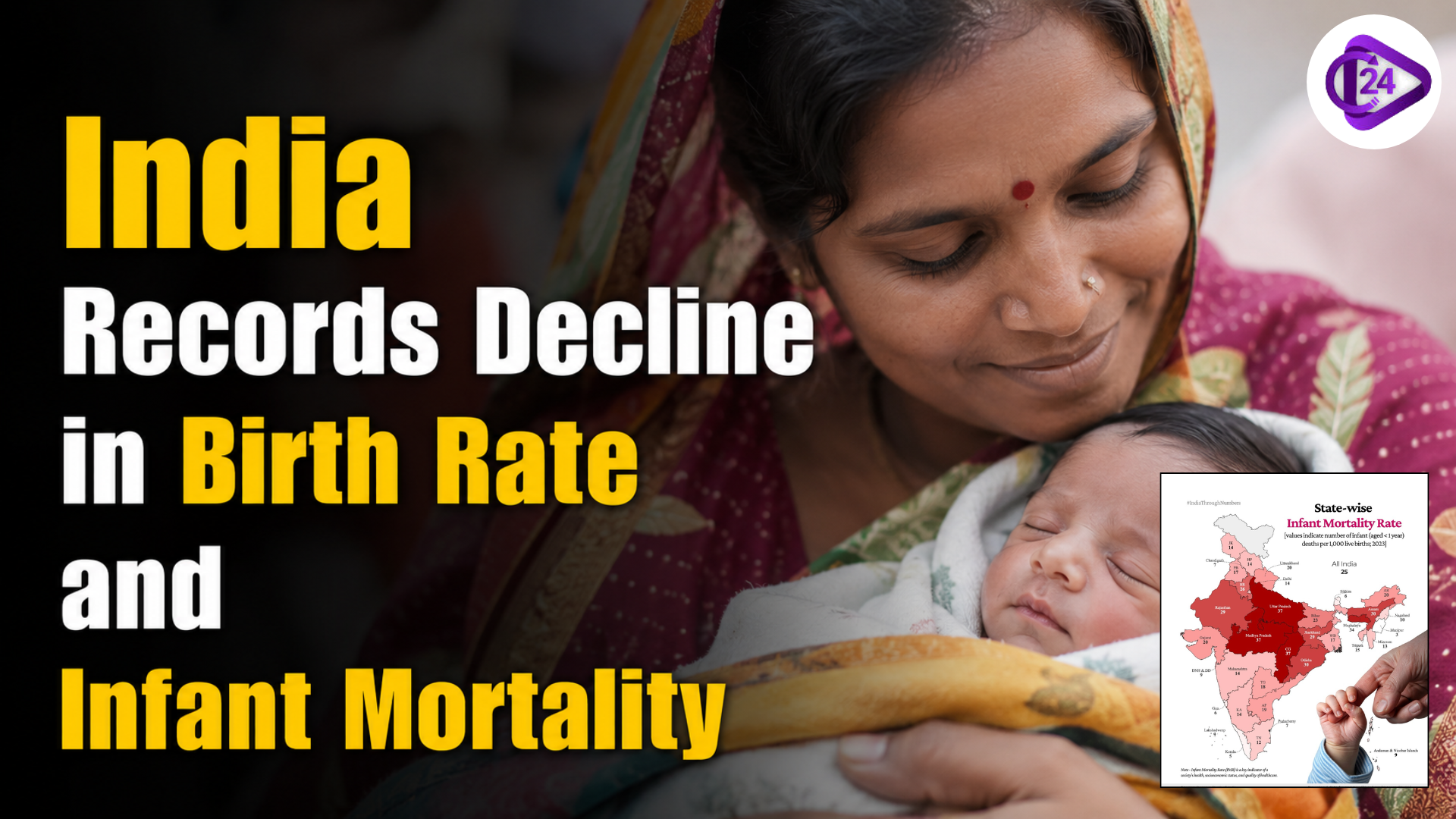
Birth Rate and Infant Mortality Rate Decline in India

Maternal care, healthcare and improvements in vaccination coverage, nutrition and awareness programmes have contributed to dramatic reductions in the birth rate and infant mortality rate in India. The Registrar General of India, in its latest Sample Registration System (SRS) Statistical Report released by the Ministry of Home Affairs, shows that the birth rate and infant mortality indicators of a country have improved over the last few years. The report points out India’s achievements in the public health and demographic transitions. High infant mortality rates suggest that either the health care for children is substandard or institutional delivery is not being fostered. Reduction in birth rate is attributed to better education, awareness of family planning, and urbanisation. These trends are seen as significant ones that are shaping socio-economic development and healthcare advancement in the country.

Birth Rate and Infant Death Rate Decline in India: Key Highlights

  • There has been a continuous downward trend in the birth rate over the years in India.
  • The data was published by the Registrar General of India under the Sample Registration System (SRS) Statistical Report.
  • The rate of birth is the number of live births in a year per 1,000 people.
  • Infant Mortality Rate (IMR) is the number of deaths that occur among infants under 1 year of age per 1,000 live births.
  • There has been a significant decrease in India’s Infant Mortality Rate as well because of better health care facilities.
  • Improved maternal and child health care services led to reduced infant mortality rates.
  • Extending vaccination programmes improved the situation in terms of reducing instances of preventable disease among children.
  • Government health promotion policies led to a rise in institutional deliveries.
  • The maternal and child nutrition in the context of schemes (Janani Suraksha Yojana and POSHAN Abhiyaan) was enhanced.
  • Family planning knowledge helped to reduce birth rates.
  • Other factors related to urbanisation and education affected the demography. Other related factors due to urbanisation and a higher rate of literacy in women also affected the demography.
  • A more highly developed healthcare system was found to be associated with a lower infant mortality rate.
  • The infant mortality rate remained one of the lowest in Kerala, India.
  • Rural areas continue to have a higher-than-average infant mortality rate compared to urban areas.
  • The slowdown in the birth rate is attributed to a phenomenon that India is experiencing as a part of the demographic transition, characterised by a reduction in the size of their families.
  • Reducing the incidence of IMR is regarded as an important indicator of progress in healthcare by public health experts.
  • Low infant mortality rates lead to increased life expectancy and improved human development outcomes.
  • The programmes working in the framework of the National Health Mission made it easier to access healthcare.
  • Good results were also noted with respect to improvements in sanitation, access to safe drinking water and nutrition programmes.
  • The demographic indicators play a significant role in policy formation, healthcare handling, and economic development in India.

PYQs on Birth Rate and Infant Mortality

Exam Name Year Question Options Correct Answer
UPSC Prelims 2023 Infant Mortality Rate (IMR) refers to: A. Death of mothers during childbirth B. Death of infants below one year per 1,000 live births C. Total deaths per year D. Child malnutrition rate B. Death of infants below one year per 1,000 live births
SSC CGL 2022 Which report provides demographic indicators like birth rate and infant mortality in India? A. Economic Survey B. Census of India C. Sample Registration System Report D. Human Development Report C. Sample Registration System Report
RRB NTPC 2021 Which factor mainly helps reduce infant mortality? A. Poor sanitation B. Vaccination and healthcare services C. Air pollution D. Deforestation B. Vaccination and healthcare services
State PCS 2020 Birth rate is calculated per how many population? A. 100 B. 500 C. 1,000 D. 10,000 C. 1,000
SSC CHSL 2019 Which programme is associated with maternal and child healthcare in India? A. Make in India B. Janani Suraksha Yojana C. Smart Cities Mission D. Digital India B. Janani Suraksha Yojana

India-Africa Forum Summit Postponed Due to Ebola Virus

Conclusion

The decreasing birth and infant mortality rates are a sign of India’s improvement in healthcare, education, and socio-economic development. Enhanced maternal care, vaccination programmes, institutional delivery, and nutrition have greatly contributed to the decrease in infant deaths. Rising literacy levels, urbanisation, and awareness about family planning have helped to reduce birth rates concurrent with this. These demographic shifts reflect a gradual shift to a healthier and more well-developed society. The disparities in access to healthcare and nutrition still exist in the region, though. Building on these strong demographic trends over the next few years will require ongoing investments in public health facilities, child welfare and maternal health services.

Global Heat

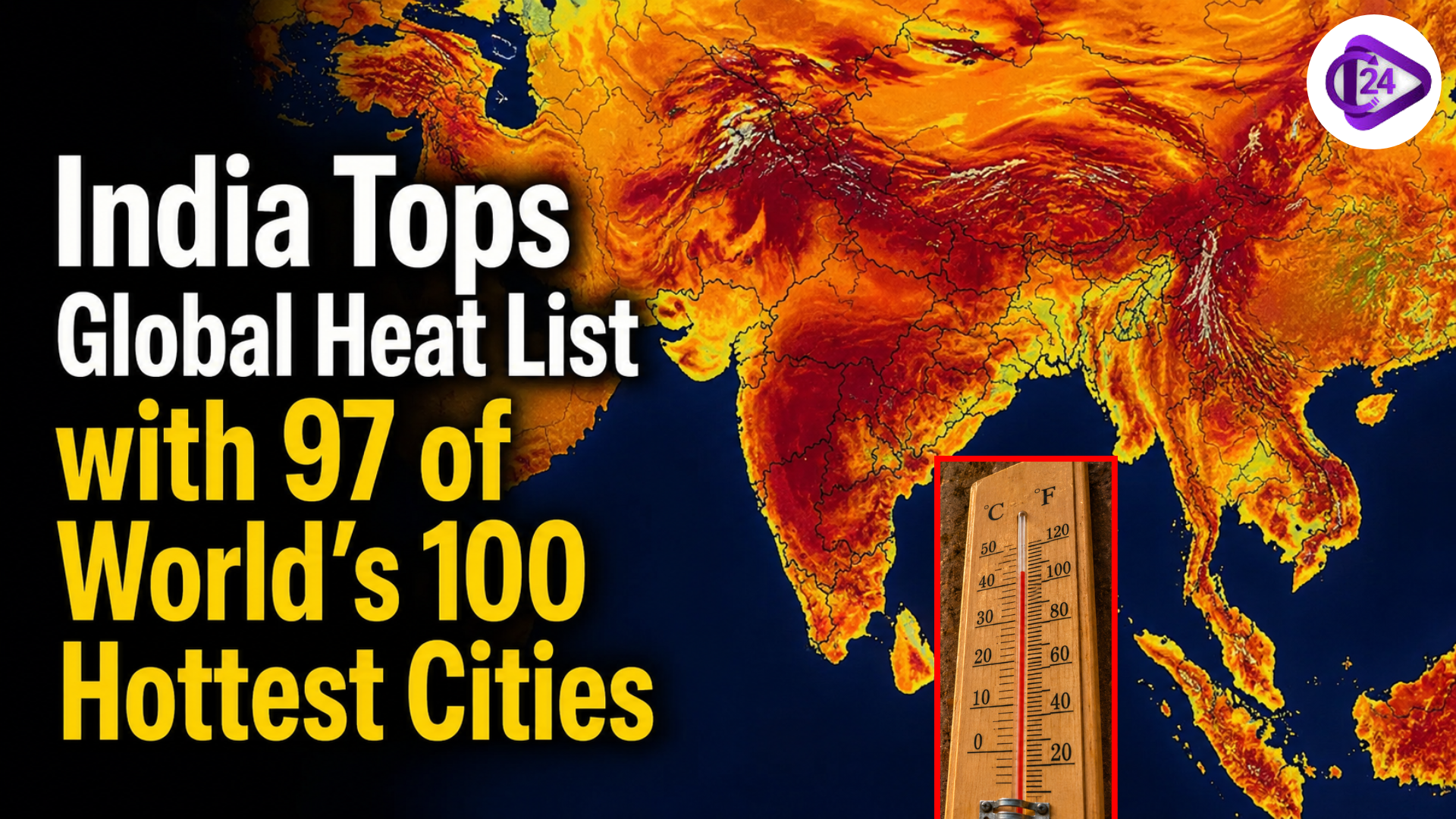
India Tops Global Heat List with 97 of World’s 100 Hottest Cities

One of the hottest heatwaves in recent years for the Indian nation, with 97 of the top 100 warmest cities in the world being situated in India on 22 May 2026. The analysis of global temperature and weather monitoring showed a few localities of Uttar Pradesh, Bihar, Rajasthan, Odisha, Madhya Pradesh and Maharashtra being hotter than 45 C, while numerous rural cities in northern and central parts of India were under a state of heat wave. The India Meteorological Department (IMD) had cautioned people against lengthy exposure to extreme heat across India via issuing warnings and advisories. With higher temperatures, there have been concerns about public health, dehydration, power demand, and climate-related risks throughout the country.

Key Points of 97 of the World’s 100 Hottest Cities Are in India

  • On 22 May 2026, India had 100 out of the world’s 100 hottest cities, including 97 cities.
  • This extreme heat wave struck northern, central and eastern India.
  • The temperature in Balangir, Odisha, was almost 48℃ and among the hottest cities in the world.
  • The air temperature was recorded at 47-48°C in two other districts, namely Sasaram, Bihar and Varanasi, Uttar Pradesh.
  • The affected states were very seriously affected in terms of the number of people affected, such as Rajasthan, Uttar Pradesh, Bihar, Madhya Pradesh, Odisha and Maharashtra.
  • Sri Ganganagar (Rajasthan) and Bharatpur in Rajasthan touched the level of 44–45°C.
  • The India Meteorological Department (IMD) released severe alerts for heatwaves for multiple areas.
  • Heat waves occur when the temperature is a lot higher than normal for the season.
  • With continued hot weather, dehydration, heatstroke, and heat exhaustion were risks.
  • Hundreds of suspected heat stroke (HS) patients were reported in Andhra Pradesh during the season.
  • Hospitals in affected states and regions observed higher rates of HRI.
  • High temperatures and low humidity exacerbated heat stress.
  • Excessive exposure caused roads, railings, and public facilities to become very hot.
  • Weather monitoring organisations indicated that India had the highest temperatures in the world, day after day.
  • Meanwhile, there was a previous report that made headlines back in the world for all the top 50 hottest cities in the world being in India on the same day.
  • Climate change and rising global temperatures are associated with increased heatwaves, according to experts in climate.
  • The IMD added that it is urging people to remain hydrated and avoid doing outdoor activities during the hottest part of the day.
  • States stepped up emergency preparations and messages to minimise the effects of heatwaves on lives.
  • Cooling needs added to the load on the power grid.
  • In the future, frequent extreme heat events could impact future health, water supply and agriculture, experts warned.

PYQs on Heatwaves and Climate Change

Exam Name Year Question Options Correct Answer
UPSC Prelims 2023 Heatwaves in India are primarily associated with: A. Western Disturbances B. High atmospheric pressure and dry winds C. Cyclonic rainfall D. Ocean currents B. High atmospheric pressure and dry winds
SSC CGL 2022 Which organization issues heatwave warnings in India? A. ISRO B. IMD C. DRDO D. NITI Aayog B. IMD
RRB NTPC 2021 Heatstroke is mainly caused due to: A. Excessive cold B. Extreme heat exposure C. Water pollution D. Lack of sunlight B. Extreme heat exposure
State PCS 2020 Which gas is mainly responsible for global warming? A. Oxygen B. Nitrogen C. Carbon Dioxide D. Helium C. Carbon Dioxide
SSC CHSL 2019 A heatwave is generally declared when temperatures remain abnormally: A. Low B. Moderate C. High D. Humid C. High

Supreme Court Allows Sedition Trials

Conclusion

The heatwave of 2026 has been particularly remarkable because it is a reminder of how much impact climate change and increasingly hotter temperatures have had on India. Some 97 out of the 100 hottest urban areas in the world were in the country, and millions were exposed to highly unsafe heat. The extreme weather jeopardised daily life, potential water shortages and electricity demands, and posed an additional health risk. The India Meteorological Department has once again made heat-related health precautions and made them well-known. Long-term solutions to mitigate the impact of climate-related extreme events like heatwaves on vulnerable populations, such as through assessments of climate vulnerabilities, long-term infrastructure investments, sustainable urban planning, water conservation, and public awareness, are needed.

Biological Diversity

International Day for Biological Diversity 2026: Theme, Significance & History

Observed annually on 22nd May, the International Day for Biological Diversity (IDB) aims to raise awareness and understanding of the significance of biodiversity and the need to protect it. The theme for 2026 is “Acting locally for global impact,” which illustrates the importance of local actions at the community, government, and individual levels in support of global biodiversity conservation. It is a day dedicated to the Convention on Biological Diversity (CBD), which was adopted in 1992. Food Security, Medicine, Clean Water, Climate Stability and Sustainable Livelihoods are provided by Biodiversity. As the threats to biodiversity grow, such as climate change, pollution, habitat loss and species loss, the event seeks global involvement in the protection of nature and ecosystem balance for the future.

International Day for Biological Diversity 2026: Key Facts and Objectives

  • International Day for Biological Diversity is celebrated annually on 22 May.
  • The day is observed under the framework of the United Nations and the Convention on Biological Diversity.
  • The 2026 theme is “Acting locally for global impact.”
  • The theme focuses on linking local biodiversity actions with global conservation goals.
  • The observance promotes awareness about biodiversity conservation and sustainable development.
  • Biodiversity includes plants, animals, microorganisms, and ecosystems essential for life on Earth.
  • The day marks the adoption of the Convention on Biological Diversity on 22 May 1992 during the Earth Summit process.
  • Earlier, the observance was celebrated on 29 December before shifting to 22 May in 2000.
  • The campaign supports the implementation of the Kunming-Montreal Global Biodiversity Framework.
  • The framework contains 23 global targets to halt biodiversity loss by 2030.
  • Biodiversity provides food, medicines, fuel, clean air, and water resources.
  • According to UN reports, nearly one million species are threatened with extinction globally.
  • Climate change, pollution, deforestation, invasive species, and overexploitation are major threats to biodiversity.
  • The day encourages participation of youth, indigenous communities, civil society, and businesses.
  • Activities include awareness campaigns, tree plantation drives, exhibitions, seminars, and community conservation projects.
  • Governments are encouraged to create inclusive biodiversity policies and action plans.
  • Citizens can contribute through sustainable lifestyles, conservation efforts, and local environmental initiatives.
  • The observance also supports the achievement of Sustainable Development Goals (SDGs).
  • Social media campaigns commonly use hashtags like #BiodiversityDay.
  • UNESCO and several international organisations actively support biodiversity protection programmes worldwide.

PYQs on International Day for Biological Diversity

Exam Name Year Question Options Correct Answer
SSC CGL 2023 International Day for Biological Diversity is observed on which date? A. 5 June B. 22 May C. 21 April D. 16 September B. 22 May
UPSC Prelims 2022 Which international agreement is associated with biodiversity conservation? A. Kyoto Protocol B. Ramsar Convention C. Convention on Biological Diversity D. Montreal Protocol C. Convention on Biological Diversity
RRB NTPC 2021 The theme of International Day for Biological Diversity 2026 is: A. Ecosystem Restoration B. Acting locally for global impact C. One Earth One Future D. Nature for Life B. Acting locally for global impact
State PCS 2020 The Convention on Biological Diversity was adopted in which year? A. 1985 B. 1992 C. 2000 D. 1972 B. 1992
SSC CHSL 2019 Biodiversity mainly refers to: A. Weather changes B. Variety of living organisms C. Soil conservation D. Water cycle B. Variety of living organisms

Ladakh Seeks Constitutional Safeguards

Conclusion

International Day for Biological Diversity 2026 is raising awareness that biodiversity is vital for life and sustainable development. “Acting locally for global impact” is the theme for 2026, highlighting the importance of conserving at a local level to have a global impact. The key role of biodiversity in agriculture, fisheries, health and climate, and ecosystem health. The threats to the environment and species extinction have made us feel pressed for action to be taken collectively. The celebration encourages the state, the companies and the populations to adopt sustainable practices and join the programs for the preservation of biodiversity. The day seeks to promote global cooperation through awareness raising and policy efforts, and advance a more sustainable future for generations to come, through participation in the local community.

Frequently Asked Questions (FAQs)

The current affairs cover recent national and international events related to UPSC, SSC, Banking, Railways, and State PCS.

You need to read about the current affairs daily, and revise them every week and every month to keep them longer in your memory.

Yes, Class24 provides free downloadable Daily Current Affairs PDFs for easy revision.

Yes, you can practice MCQs and quizzes to boost your exam preparation.

Absolutely. The content is written in simple, easy-to-understand bilingual language suitable for beginners.

Go to class24.com and click on the current affairs section directly, where you find everything that you need.

ssc-toppers

Start Learning Today with Class24

Related current affairs

Class24 offers free video lectures for smart preparation, covering CGL, CPO, CHSL, MTS, and GD exams. Learn from expert faculty, revise concepts easily, practice with PYQs, and improve speed and accuracy through high-quality, exam-focused video lessons anytime, anywhere.

Get success in your hand. Start study anytime anywhere.

The journey becomes simple and enjoyable when you start taking interest in it. And through our app “Class24”, we will be your trusted partners in developing that interest.

Daily Quizzes
Mock Tests
Ongoing

No ongoing tests right now.