
Day: April 7, 2026
World Health Day

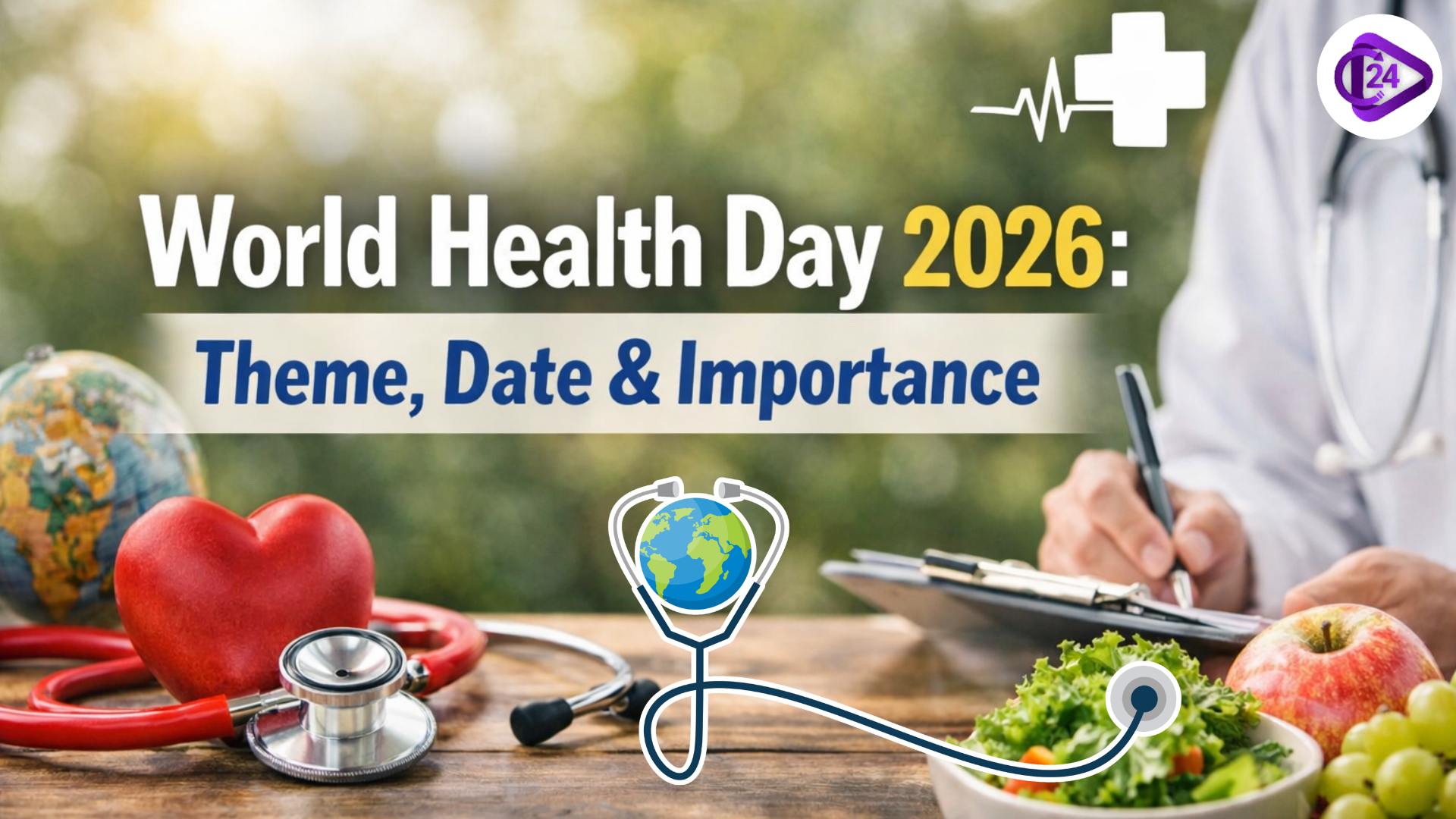
World Health Day 2026: Theme, Date & Importance

World Health Day is celebrated annually on 7 April to educate the world about serious health concerns and ensure the well-being of the population. The World Health Organization uses it to celebrate its establishment in 1948. The theme for 2026 is Together for Health. Stand with science, which is concerned with the significance of collaboration in science and evidence-based solutions in healthcare. This international initiative reflects on the role of science, innovation, and global collaboration in enhancing the health systems of people and in addressing emerging challenges, which will guarantee that people have better access to healthcare and have a healthier future.

Key Highlights and Importance of World Health Day 2026

  • Date and Observance: This is celebrated on 7 April every year, the day when the WHO was founded in 1948, and the world was made aware of health.
  • Theme 2026: Together for Health. Stand with Science highlights the importance of scientific research and international collaboration in addressing health issues.
  • Target Science-Based Solutions: The campaign puts an emphasis on governments and communities to use evidence-based healthcare policies to achieve improved results.
  • One Health Approach: Emphasises the interrelationship of human, animal, and environmental health, which guarantees a global perspective of well-being.
  • Global participation: It is the collaboration of countries, healthcare workers, researchers, and organisations to enhance health systems across the world.
  • Creation of Awareness: Assists in disseminating information about diseases and ways of preventing them, as well as why the public health infrastructure is important.
  • Policy & Action: Promotes investment by policymakers in healthcare systems, research, and innovation.
  • Equity in Healthcare: Advocates for equal access to quality healthcare services for all groups of people in the world.
  • Long-Term Campaign Effect: WHO conducts year-long campaigns to make sure that awareness and action are lasting, not only during a single day.
  • Public Engagement: people are invited to make healthy lifestyles, contribute to scientific awareness, and have a healthier society.

Education Ministry Notifies NCERT as Deemed University

Conclusion – World Health Day 2026

World Health Day 2026 is an effective message to people that global health can be achieved only by being united, trusting science, and working tirelessly on every level. It focuses on the fact that health is not only an objective but also a right, led by the World Health Organization. The theme of 2026 helps strengthen the necessity of evidence-based policies, innovation, and inclusive healthcare systems. This day is a call to action that encourages countries and citizens to join efforts to achieve a healthier, safer, and more sustainable future that will benefit everyone.

Stagflation Explained 2026

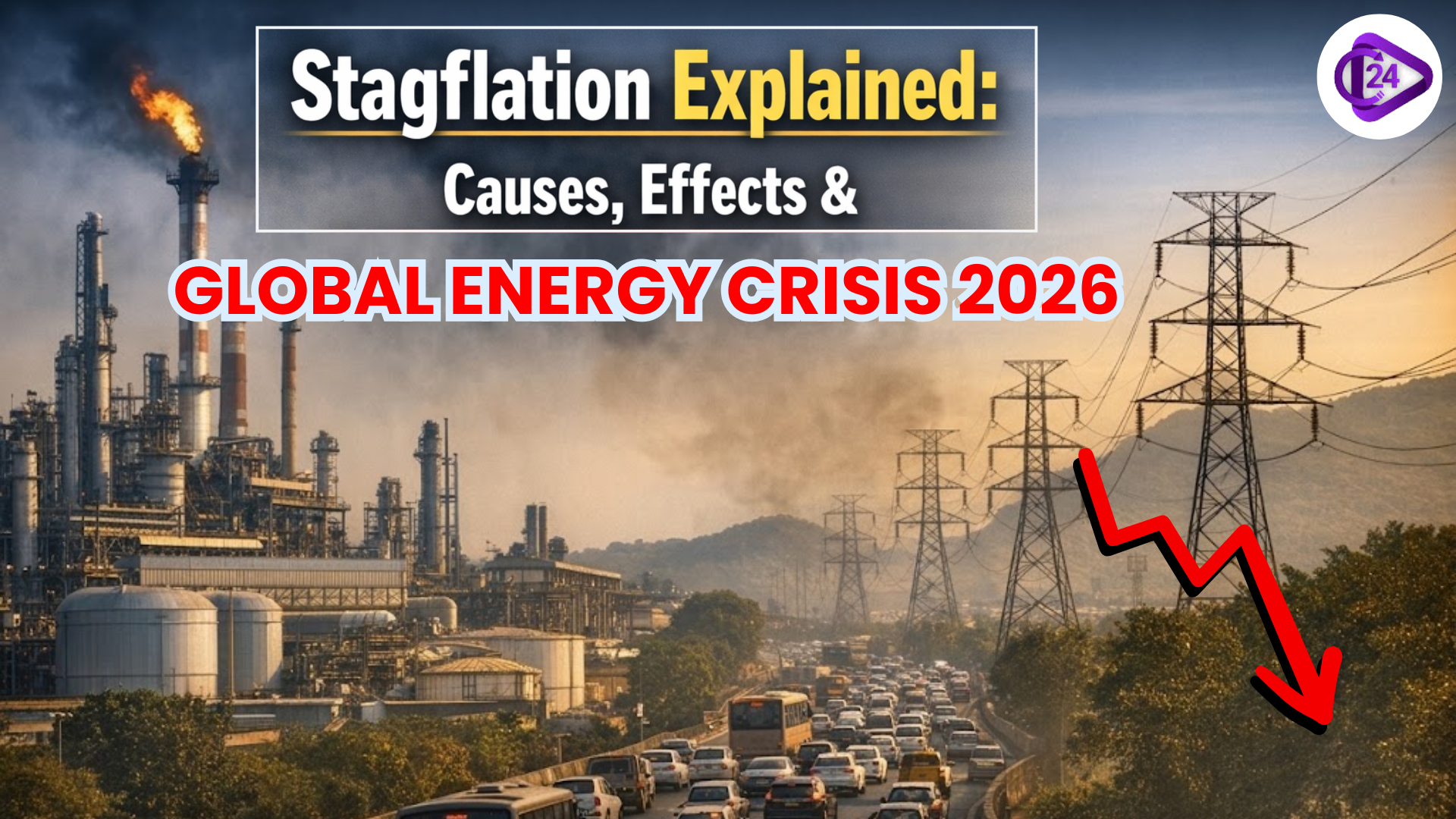
Stagflation Explained 2026: Causes, Effects & Global Energy Crisis Impact

Stagflation has returned to the world economic agenda, particularly amid rising energy costs and decelerating growth. Institutions such as the World Bank define stagflation as a rare economic state in which high inflation is coupled with poor economic growth and rising unemployment, making the formulation of sound policies challenging. The current energy crisis affecting the world due to supply shocks and geopolitical tensions is raising the cost of production and contributing to inflation and undermining economic activity. This combination presents grave threats to the established and emerging economies, and stagflation is one of the most difficult economic situations to control.

Key Causes of Stagflation in 2026: Role of Global Energy Crisis

  • Global Energy Price Shock: The World Bank also shows that the increase in the price of oil and gas has greatly pushed down the cost of production and transportation, which results in high inflation across the world.
  • Supply Disruptions: Continuing geopolitical tensions and conflicts have affected the energy supply networks across the world, decreasing supply and increasing prices.
  • Cost-Push Inflation: The increase in energy prices has led to an increase in the cost of inputs in the industries, which are then passed on to customers by the businesses, which is a major cause of stagflation.
  • Slow Economic Growth: According to the International Monetary Fund, high inflation will cut the consumer purchasing power and thus will decelerate both demand and economic growth.
  • Tightening of Monetary Policy: Central banks are raising interest rates to control inflation, but in effect, this inhibits investment and economic activities.
  • Increase in food and commodity prices: The rise in the price of energy has a direct effect on agriculture and logistics, which contributes to an increase in food prices and inflation in general.
  • Unemployment Pressure: The slow growth compels firms to reduce expenditures, which on many occasions leads to loss of jobs and an increase in unemployment.
  • Weak World Demand: The high inflation decreases consumer spending, which again weakens the economic momentum.
  • Currency Depreciation: A lot of developing nations have a weaker currency, which increases the cost of energy imports and aggravates inflation.

Global Energy Crisis 2026


PYQs on Supply, Demand & Stagflation

Exam Year Question Options Answer
UPSC Prelims 2020 Which of the following best describes ‘stagflation’? (A) High growth with low inflation (B) High inflation with low growth and high unemployment (C) Low inflation with high growth (D) Deflation with high employment B
UPSC Prelims 2018 What will happen if demand increases while supply remains constant? (A) Fall in price (B) Rise in price (C) No change (D) Fall in demand B
SSC CGL 2019 The law of demand states that, other things being constant: (A) Price and demand move in same direction (B) Price and demand move in opposite direction (C) Demand is constant (D) Supply affects demand B
RBI Grade B 2021 Cost-push inflation is mainly caused by: (A) Increase in demand (B) Increase in cost of production (C) Increase in supply (D) Decrease in wages B
UPSC Prelims 2017 When supply decreases, and demand remains constant, what happens to price? (A) Decreases (B) Increases (C) Remains same (D) Becomes zero B
SSC CHSL 2020 What happens when supply exceeds demand in a market? (A) Prices rise (B) Prices fall (C) No effect (D) Demand rises B
RBI Assistant 2019 Stagflation is difficult to control because: (A) Inflation and growth move together (B) Inflation and unemployment move in opposite policy direction (C) Demand is stable (D) Supply is constant B
UPSC Prelims 2016 The concept of the ‘invisible hand’ in economics is associated with: (A) Government control (B) Market forces of demand and supply (C) Monetary policy (D) Fiscal deficit B
SSC GD 2021 Equilibrium price is determined when: (A) Demand > Supply (B) Demand = Supply (C) Supply > Demand (D) Price is fixed by govt B
NABARD 2022 Which situation can lead to stagflation? (A) High demand growth (B) Supply shock like rise in oil prices (C) Increase in exports (D) Decrease in taxes B

Governor Bound by State Cabinet Advice on Remission

Conclusion – Stagflation

Stagflation is regarded as one of the most complicated economic issues because it is characterised by elevated inflation, stagnating growth, and increased unemployment at the same time. It puts a hard task on policymakers, as inflation control policies have the potential of further decelerating growth. The recent energy crunch experienced globally has increased the risks of stagflation in economies. To address this concern, it is critical to have effective policy coordination, supply-side reforms, and stable energy management. To solve stagflation, it is necessary to have a moderate solution that achieves sustainable economic stability and sustainable economic growth.

CAG Report:

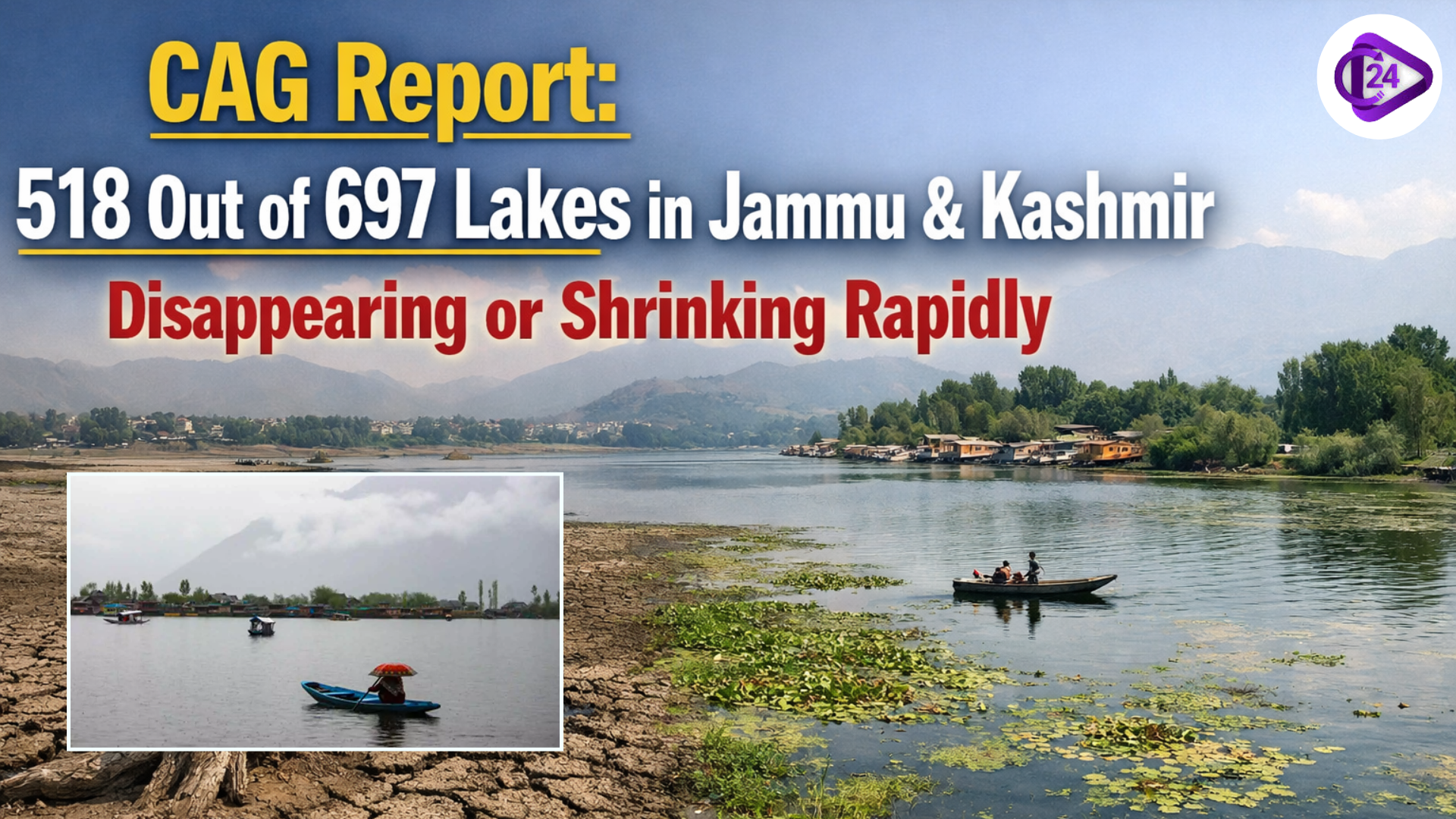
CAG Report: 518 Out of 697 Lakes in Jammu & Kashmir Disappearing or Shrinking Rapidly

The Comptroller and Auditor General of India has conducted a recent audit that has demonstrated that there is a severe ecological crisis in Jammu and Kashmir. The report on lake conservation and management (tabled in 2026) indicates that 518 out of 697 lakes have disappeared or been greatly reduced over the years. The audit points out that 315 lakes have totally disappeared and many others have deteriorated as a result of encroachment, urbanisation, and changes in land-use. It also cites poor governance, inadequate conservation planning, and insufficient funding as key factors contributing to the decline, and this is a cause of concern regarding the loss of biodiversity and greater vulnerability to climate change.

Why Are 518 Lakes in J&K Disappearing? Key Findings of CAG Report

  • According to the report of the Comptroller and Auditor General of India, it has been found that 518 out of 697 lakes in Jammu and Kashmir have either vanished or diminished, and this is a big ecological crisis.
  • There is a total of 315 lakes that have been totally lost since 1967, and these have been lost primarily through encroachment, urban growth, and changes in land use within catchment areas and lakes.
  • One of the largest human-induced factors that leads to the degradation of lakes is the conversion of wetlands to agricultural, residential, and commercial land.
  • The total area covered by the lake has declined by more than 2,851 hectares, indicating a downward trend in the water resources over the decades.
  • Fragmented governance in various departments (Forest, Revenue, Agriculture, Urban Development, and Tourism) caused a lack of effective coordination and lake management.
  • Conservation focused only on 6 main lakes, while more than 690 lakes received poor management or protection.
  • Problems such as sewage being untreated, inability to conserve, and absence of surveillance aggravated the state of major lakes such as Dal and Wular.
  • Low budget allocation (approximately 1%) and poor scientific planning further undermined restoration efforts.
  • The drying up of lakes has led to loss of biodiversity, water scarcity, and the probability of floods, such as the 2014 floods in Kashmir.
  • The CAG suggests the establishment of a central body to have experts to guarantee effective conservation, restoration, and sustainable management of lakes.

PYQs on Jammu & Kashmir (Geography and art & culture)

Exam Year Question Options Answer
UPSC Prelims 2019 Which of the following lakes is located in Jammu & Kashmir? (A) Sambhar Lake (B) Dal Lake (C) Chilika Lake (D) Pulicat Lake B) Dal Lake
UPSC Prelims 2016 The Indus River originates from which region? (A) Himachal Pradesh (B) Tibet near Mansarovar (C) J&K Valley (D) Nepal B) Tibet near Mansarovar
SSC CGL 2020 Wular Lake, one of the largest freshwater lakes in India, is located in which state/UT? (A) Punjab (B) Rajasthan (C) Jammu & Kashmir (D) Uttarakhand C) Jammu & Kashmir
SSC CHSL 2018 Which dance form is associated with Jammu & Kashmir? (A) Bhangra (B) Rouf (C) Garba (D) Lavani B) Rouf
RRB NTPC 2021 In which city do the famous Mughal Gardens, like Shalimar Bagh, lie? (A) Jammu (B) Leh (C) Srinagar (D) Kargil C) Srinagar
UPSC Prelims 2015 Which pass connects Srinagar to Leh? (A) Nathu La (B) Zoji La (C) Shipki La (D) Bomdi La B) Zoji La
SSC CPO 2019 Saffron cultivation in India is mainly done in which region? (A) Kerala (B) Gujarat (C) Jammu & Kashmir (D) Assam C) Jammu & Kashmir
RRB Group D 2022 Which river flows through Srinagar? (A) Ravi (B) Chenab (C) Jhelum (D) Beas C) Jhelum
UPSC Prelims 2017 Dachigam National Park is located in which region? (A) Himachal Pradesh (B) Uttarakhand (C) Jammu & Kashmir (D) Sikkim C) Jammu & Kashmir
SSC GD 2021 The pashmina shawl is traditionally associated with which region? (A) Punjab (B) Jammu & Kashmir (C) Rajasthan (D) Gujarat B) Jammu & Kashmir

ESA’s First Celeste Satellites Launched

Conclusion – 518 Lakes in J&K Disappearing

The 518 lakes in Jammu and Kashmir, as pointed out by the Comptroller and Auditor General of India, are evidence of a terrible environmental crisis that has to be addressed urgently. Rapid urbanisation, encroachment, and poor governance have severely affected these ecosystems. To ensure biodiversity, water security, and climate balance, it is important to protect and restore lakes. It would be important to reverse this concerning trend by having sound policy implementation, scientific management, and making people aware, so as to guarantee sustainable environmental conservation in the region.

Frequently Asked Questions (FAQs)

The current affairs cover recent national and international events related to UPSC, SSC, Banking, Railways, and State PCS.

You need to read about the current affairs daily, and revise them every week and every month to keep them longer in your memory.

Yes, Class24 provides free downloadable Daily Current Affairs PDFs for easy revision.

Yes, you can practice MCQs and quizzes to boost your exam preparation.

Absolutely. The content is written in simple, easy-to-understand bilingual language suitable for beginners.

Go to class24.com and click on the current affairs section directly, where you find everything that you need.

ssc-toppers

Start Learning Today with Class24

Related current affairs

Class24 offers free video lectures for smart preparation, covering CGL, CPO, CHSL, MTS, and GD exams. Learn from expert faculty, revise concepts easily, practice with PYQs, and improve speed and accuracy through high-quality, exam-focused video lessons anytime, anywhere.

Get success in your hand. Start study anytime anywhere.

The journey becomes simple and enjoyable when you start taking interest in it. And through our app “Class24”, we will be your trusted partners in developing that interest.

Daily Quizzes
Mock Tests
Ongoing

No ongoing tests right now.