Day: March 24, 2026

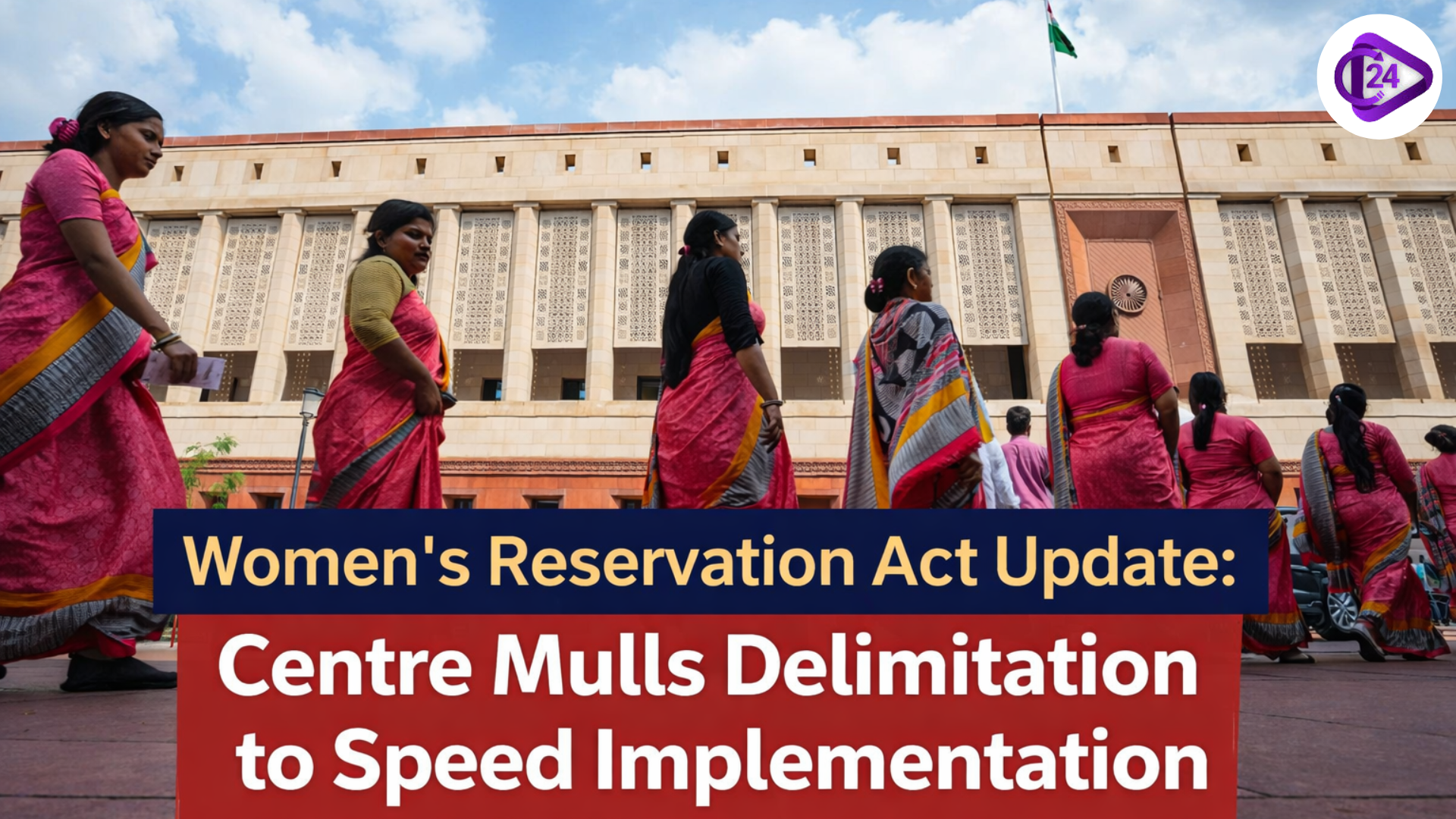
Women’s Reservation Act Update: Centre Mulls Delimitation to Speed Implementation

The Indian government is making an important step to hasten the implementation of the Women’s Reservation Act. It has been reported that the Centre is deliberating on delimitation in line with the 2011 Census so that more seats set aside for women in legislations can be allocated in a faster way. The purpose of this step is to eliminate delays due to obsolete electoral boundaries and to increase the political representation of women in the country. Using the updated population statistics, the government believes it can introduce more efficiency, transparency, and inclusiveness to the political process, which is a crucial move in empowering women and ensuring gender equality in the political process.

Impact of the Delimitation for Women’s Reservation Act

  • Delimitation According to the 2011 Census: The government will redraw electoral boundaries on the basis of current population data so that women can be given an equitable number of reserved seats.

  • Quickened Enforcement: The redefining of constituencies would help to accelerate the implementation of the Women’s Reservation Act.

  • Improved Women’s Representation: This action may bring more women to Parliament and state legislatures, thus achieving gender parity.

  • Openness of Seat Allocation: Revised delimitation minimizes the differences in population representation, which makes the distribution of seats more equal.

  • Political Implication: Parties will have to rethink their strategies given that there is a change in the constituency boundaries and reserved seats.

  • Enhance Gender Equity: Higher representation will empower policies on the issue of women and social empowerment.

  • Administrative Preparedness: Government agencies and the Election Commission will work together in order to change things.

  • Public Awareness: Raising awareness on women’s participation in politics can motivate more women politicians to challenge political elections.

  • Legal Framework Compliance: The Act will be in specification with the constitutional provisions and the trends in population growth.

  • Long-Term Effect: In the long run, this action will be able to change how political involvement and decision-making work in India.

PYQs on Census 2011

Exam / Source

Question

Options

Answer

SSC CGL Tier II – Jan 18, 2025

Regarding Census 2011: Population increase in 2001–2011 & decadal growth decline — find the correct statement

1) Both incorrect (2) Both correct (3) Only 1 correct (4) Only 2 correct

2) Both correct

(SSC)

Which state had the highest population density as per the 2011 Census?

(A) Uttar Pradesh (B) West Bengal (C) Bihar (D) Kerala

C) Bihar

(Bank)

Which state had the lowest population density in 2011?

A) Gujarat (B) Maharashtra (C) Arunachal Pradesh (D) Himachal Pradesh

C) Arunachal Pradesh

SSC CGL

The population density of India in the Census 2011 (persons per sq km) was

(A) 350 (B) 451 (C) 382 (D) 400

C) 382

SSC MTS

Child sex ratio (0–6 years) in the Census 2011 was

A) 927 (B) 919 (C) 914 (D) 905

B) 919

SSC CHSL

The decadal growth rate (2001–2011) was

(A) 19.52% (B) 17.64% (C) 18.25% (D) 21.54%

B) 17.64%

SSC CPO

According to the Census 2011, the urban population of India was approximately

(A) 28% (B) 30% (C) 31.16% (D) 35%

C) 31.16%

Railway

The Registrar General and Census Commissioner of India functions under which ministry?

(A) Ministry of Statistics (B) Ministry of Rural Dev (C) Ministry of Home Affairs (D) NITI Aayog

C) Ministry of Home Affairs

RRB IBPS

Which Union Territory had literacy above 90% in the 2011 Census?

(A) Delhi (B) Lakshadweep (C) Chandigarh (D) Puducherry

B) Lakshadweep

SSC

Which state recorded the highest decadal growth rate (2001–11)?

(A) Bihar (B) Uttar Pradesh (C) Meghalaya (D) Rajasthan

C) Meghalaya

Conclusion – Women’s Reservation Act Update

The Centre’s consideration of delimitation based on the 2011 Census marks a significant step toward fast-tracking the Women’s Reservation Act. By redefining constituencies, the government aims to enhance women’s political representation, promote gender equality, and ensure fair allocation of reserved seats. This move not only strengthens democratic participation but also empowers women to play a more active role in governance, reflecting India’s commitment to inclusive and equitable policymaking.

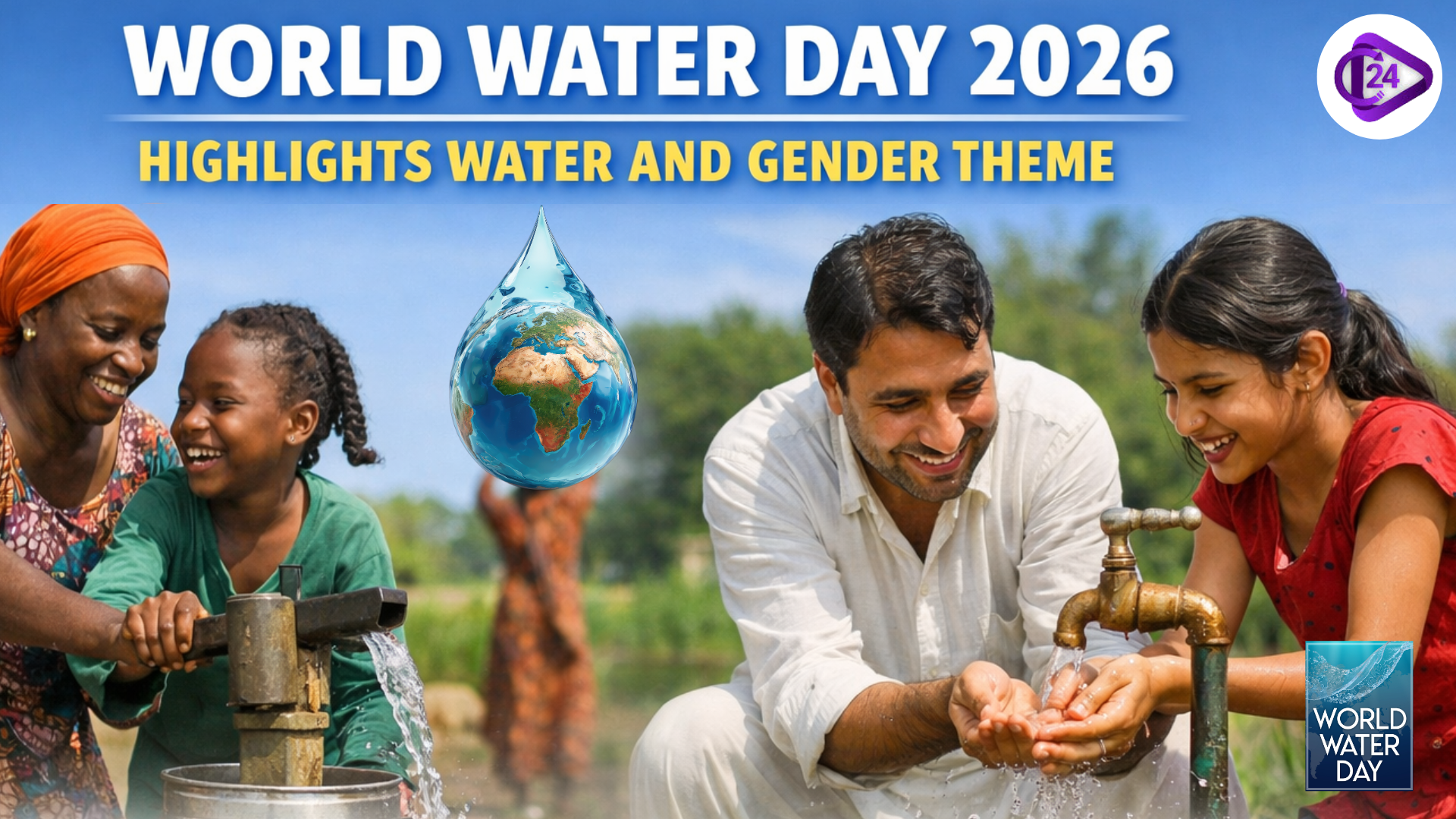
World Water Day 2026 Highlights Water and Gender Theme

The 2026 World Water Day is a reminder that access to water is closely linked to gender equality, with water scarcity affecting women and girls more than men globally. It is a global event celebrated every year on March 22 and raises awareness of sustainable water management and the necessity of including policies. Women have a major role in most areas in terms of collecting water, which affects their education, health, and economic opportunities. The theme for 2026 will be the empowerment of women as major stakeholders in water governance; equitable access and challenges such as sanitation, hygiene, and climate change will be dealt with to realise a sustainable and inclusive future.

Key Highlights of World Water Day 2026: Water and Gender Focus

  • Theme Focus: Water and Gender The 2026 theme highlights the nexus between water and gender equity and calls for biased solutions.
  • Women and Water Management: Women have a crucial role in the collection, conservation, and decision-making of water at the community level.
  • Effects on Education: Shortage of clean water causes a high number of girls to drop out of school, which has a long-term impact on education.
  • Health and Hygiene Concerns: Without much access to clean water, health risks are high, most especially among women and children.
  • Time Burden on Women: Women in rural regions use hours every day to gather water, and this limits their chances of working.
  • Climate Change Problems: Climate change is a problem that exacerbates gender inequalities in the affected areas by reducing the availability of water.
  • International Awareness Programs: Governments and other groups will have programmes aimed at water conservation and gender equality.
  • Policy and Governance: The focus is on bringing women to the water-related policies and leaders.
  • Sustainable Development Goals (SDGs): The theme relates to SDG 5 (Gender Equality) and SDG 6 (Clean Water and Sanitation).
  • Community Empowerment: Promoting community projects by women where they take charge of water conservation and management projects.

Previous Year Questions (PYQs)

Exam & Year

Question

Options

Answer

SSC CGL (2022)

Which of the following is the chemical formula of water?

(A) CO₂(B) H₂O(C) O₂(D) H₂SO₄

(B) H₂O

SSC CHSL (2021)

What is the pH value of pure water at 25°C?

(A) 5(B) 6(C) 7(D) 8

(C) 7

RRB NTPC (2020)

Which property of water allows insects to walk on its surface?

(A) Adhesion(B) Cohesion(C) Surface tension(D) Capillarity

(C) Surface tension

SSC GD (2023)

Water boils at what temperature at standard atmospheric pressure?

(A) 90°C(B) 95°C(C) 100°C(D) 105°C

(C) 100°C

UPSC Prelims (2016)

Which of the following statements is/are correct about SDGs? (1) Adopted in 2015 (2) Replace MDGs

(A) 1 only(B) 2 only(C) Both (1) and (2)(D) None

(C) Both (1) and (2)

SSC CGL (2023)

Which SDG is related to clean water and sanitation?

(A) SDG 3(B) SDG 5(C) SDG 6(D) SDG 7

(C) SDG 6

State PSC (2021)

Which gas is dissolved in water for aquatic respiration?

(A) Nitrogen(B) Oxygen(C) Hydrogen(D) Carbon monoxide

(B) Oxygen

SSC MTS (2022)

Hardness of water is mainly due to presence of which salts?

(A) Sodium & Potassium (B) Calcium & Magnesium (C) Iron & Zinc (D) Copper & Silver

(B) Calcium & Magnesium

UPSC Prelims (2019)

Which SDG focuses on gender equality?

(A) SDG 4 (B) SDG 5( C) SDG 6(D), SDG 8

(B) SDG 5

Banking Exams (2020)

What is the main source of fresh water on Earth?

(A) Oceans (B) Glaciers (C) Rivers (D) Lakes

(B) Glaciers


Conclusion – World Water Day 2026

World Water Day 2026 highlights the importance of water access in relation to gender equality. It gives an inclusive policy and sustainable management of water by highlighting the problems that women and girls go through. By providing equal access to clean water, one will not only enhance health and education but also give the communities an upper hand. The celebration strengthens global efforts towards the realisation of the Sustainable Development Goals and the creation of a more just and water-secure future for everyone.

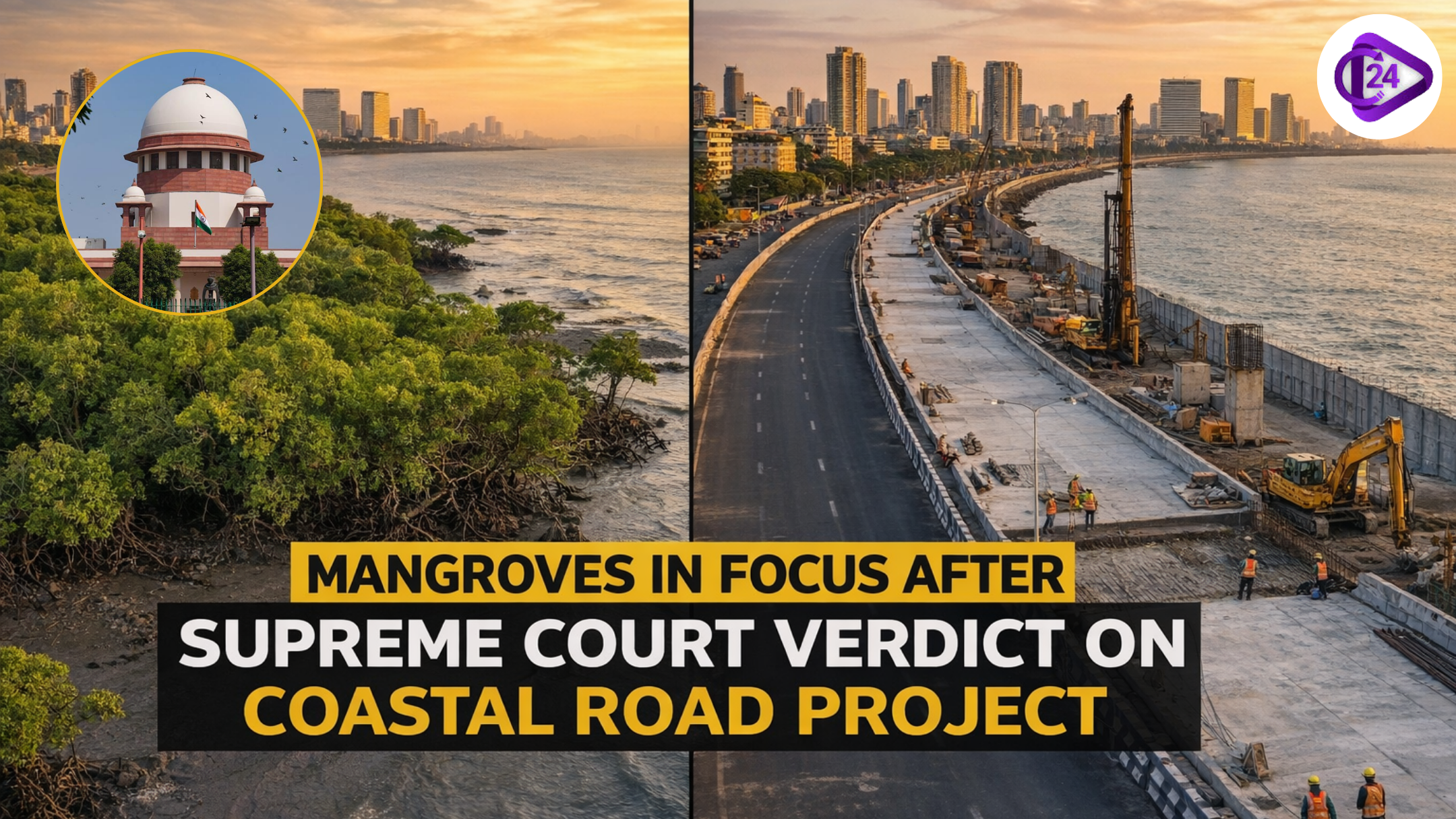
Mangroves in Focus After Supreme Court Verdict on Coastal Road Project

Mangroves have entered the limelight after the recent Supreme Court decision in the Coastal Road Project, the reason being the balancing between development and conservation of the environment. They are invaluable coastal ecosystems to safeguard the coastlines and enhance biodiversity, as well as deal with the effects of climate change. The ruling of the court has sparked debates regarding green infrastructure and the necessity to protect zones that are ecologically important. With the constant development of Indian coastal roads, the role of maintaining mangroves has never been more significant than at the moment, with the need for responsible planning and environmental policies.

Importance of Mangroves and Impact of the Supreme Court Coastal Road Verdict

  • Intervention of the Supreme Court: The ruling highlights the role played by the judiciary in protecting the environment when undertaking a large-scale infrastructure project.
  • Ecological Significance: Mangroves serve to provide natural protection against erosion of the coastline, cyclones, and sea level.
  • Biodiversity Hotspots: They are habitats to various marine and land species, such as fish, birds, and endangered wild animals.
  • Carbon Sequestration: Mangroves are very effective in sequestration of carbon dioxide, thus combating climate change.
  • Coastal Development Impact: Such developmental changes as road development along the coast tend to destroy habitats and forests.
  • Court and Policy Rule: The ruling reinforces adherence to environmental regulations and coastal regulation standards.
  • Urban Growth vs Ecology: Urbanisation leads to stress on the delicate coastal ecosystems.
  • Community Livelihoods: Mangroves are relied on by community members to fish and to help to shield them against natural calamities.
  • Sustainable Development Requirement: The decision emphasises economic growth and the sustainability of the environment.
  • Consequences in the Future: It can affect future infrastructure activities and enhance conservation activities in the country.


Conclusion – Mangroves Supreme Court Verdict

The decision of the Supreme Court in the Coastal Road Project has highlighted the extreme significance of conserving the mangroves since it is a crucial coastal ecosystem. It underscores the necessity to create a balance between the environment and the development of infrastructure. Investigating the idea of legal compliance and sustainability of the ecological conditions, the decision sets a precedent to be applied by future projects. Finally, mangroves should be maintained not only to preserve the diversity of the natural environment but also to stabilise climate conditions and guarantee the sustainability of the lives of coastal populations.

Frequently Asked Questions (FAQs)

The current affairs cover recent national and international events related to UPSC, SSC, Banking, Railways, and State PCS.

You need to read about the current affairs daily, and revise them every week and every month to keep them longer in your memory.

Yes, Class24 provides free downloadable Daily Current Affairs PDFs for easy revision.

Yes, you can practice MCQs and quizzes to boost your exam preparation.

Absolutely. The content is written in simple, easy-to-understand bilingual language suitable for beginners.

Go to class24.com and click on the current affairs section directly, where you find everything that you need.

ssc-toppers

Start Learning Today with Class24

Related current affairs

Class24 offers free video lectures for smart preparation, covering CGL, CPO, CHSL, MTS, and GD exams. Learn from expert faculty, revise concepts easily, practice with PYQs, and improve speed and accuracy through high-quality, exam-focused video lessons anytime, anywhere.

Get success in your hand. Start study anytime anywhere.

The journey becomes simple and enjoyable when you start taking interest in it. And through our app “Class24”, we will be your trusted partners in developing that interest.

Daily Quizzes
Mock Tests
Ongoing

No ongoing tests right now.